Attractions and Places To See around Chercos - Top 20
Best attractions and places to see around Chercos include a blend of historical sites, cultural experiences, and natural beauty. This village, nestled in the Sierra de los Filabres in Almería, Spain, offers insights into its prehistoric origins, with evidence of human presence dating back millennia. Visitors can explore ancient settlements, medieval fortresses, and significant archaeological sites. The region provides a mountainous backdrop for various outdoor activities and cultural discoveries.
Best attractions and places to see around Chercos
- The most popular…
Last updated: May 26, 2026
Fines-Olula Station
Highlight • Monument
Translated by Google •
Tip by

Uleila del Campo
Highlight • Settlement
Translated by Google •
Tip by

Sign up now to discover places like this
Get recommendations on the best single tracks, peaks, & plenty of other exciting outdoor places.
Sign up for free
Virgen de la Cabeza de Monteagud Sanctuary
Highlight • Religious Site
Translated by Google •
Tip by
Tahal Castle
Highlight • Castle
Translated by Google •
Tip by
Casa Ibáñez Museum in Olula del Río
Highlight • Monument
The large woman's head will mark its location from afar.
Translated by Google •
Tip by
Sign up for free to discover even more attractions around Chercos.
Sign up for free
Already have an account?
Start today with a free account
Your next adventure awaits.
Login or Signup

Tips from the Community

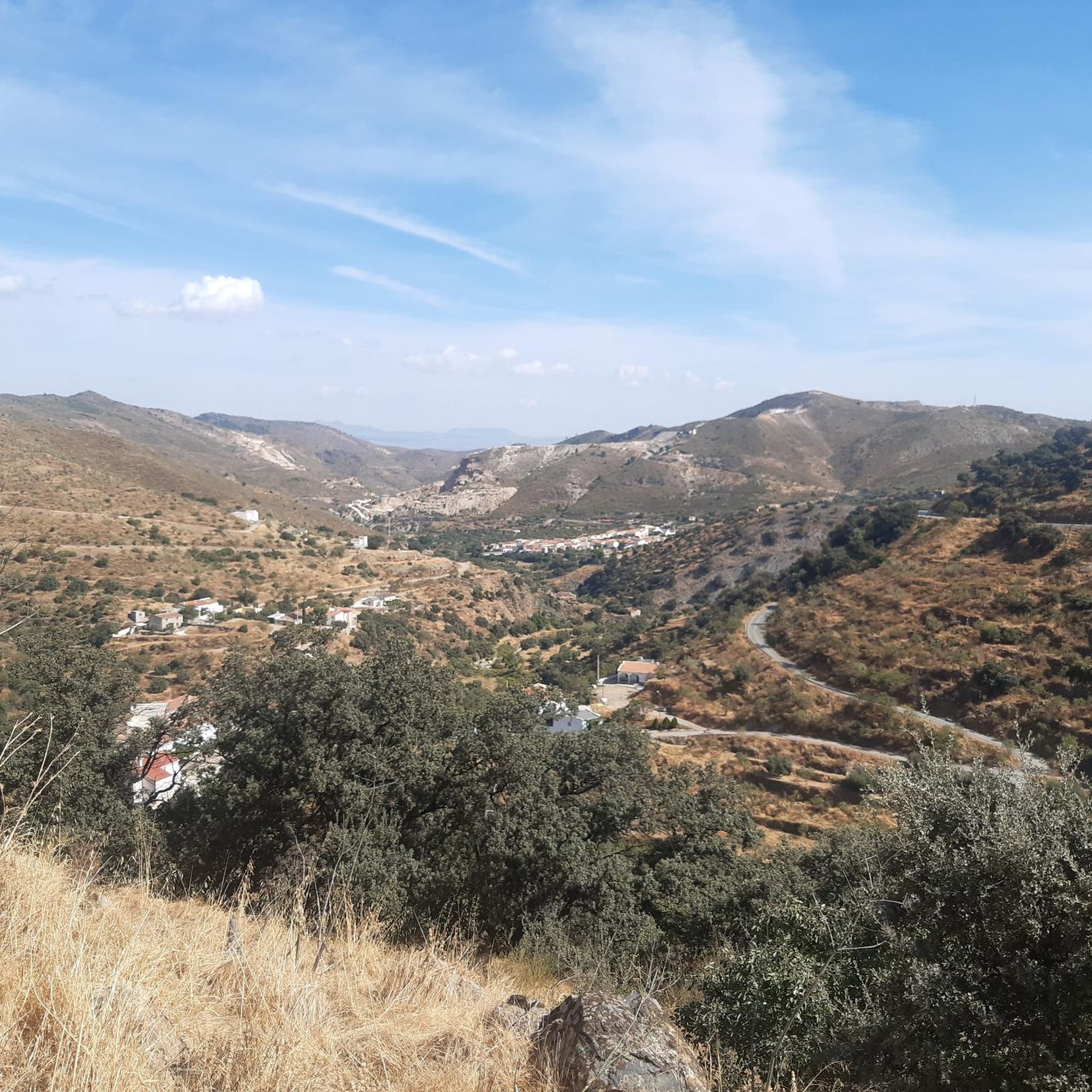
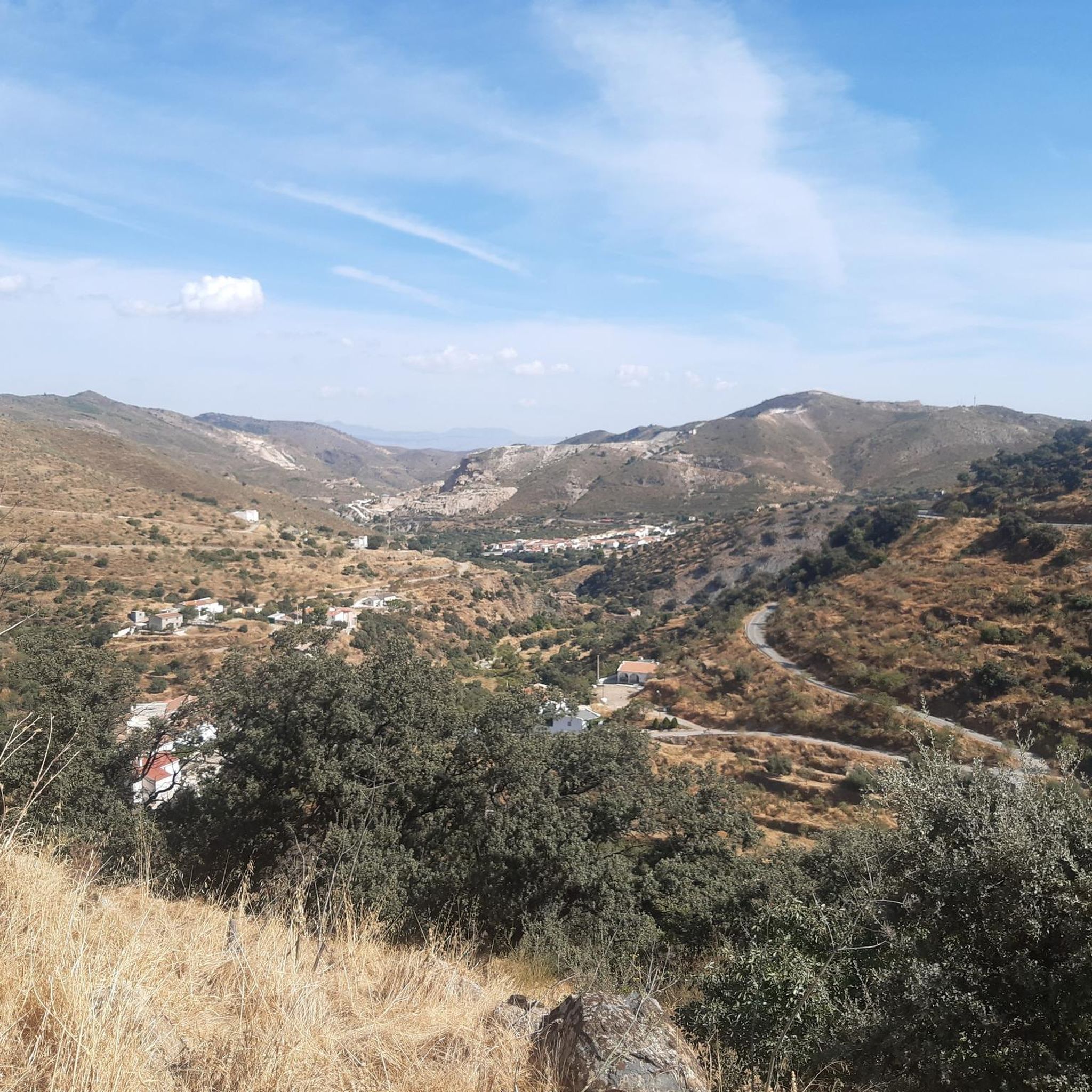
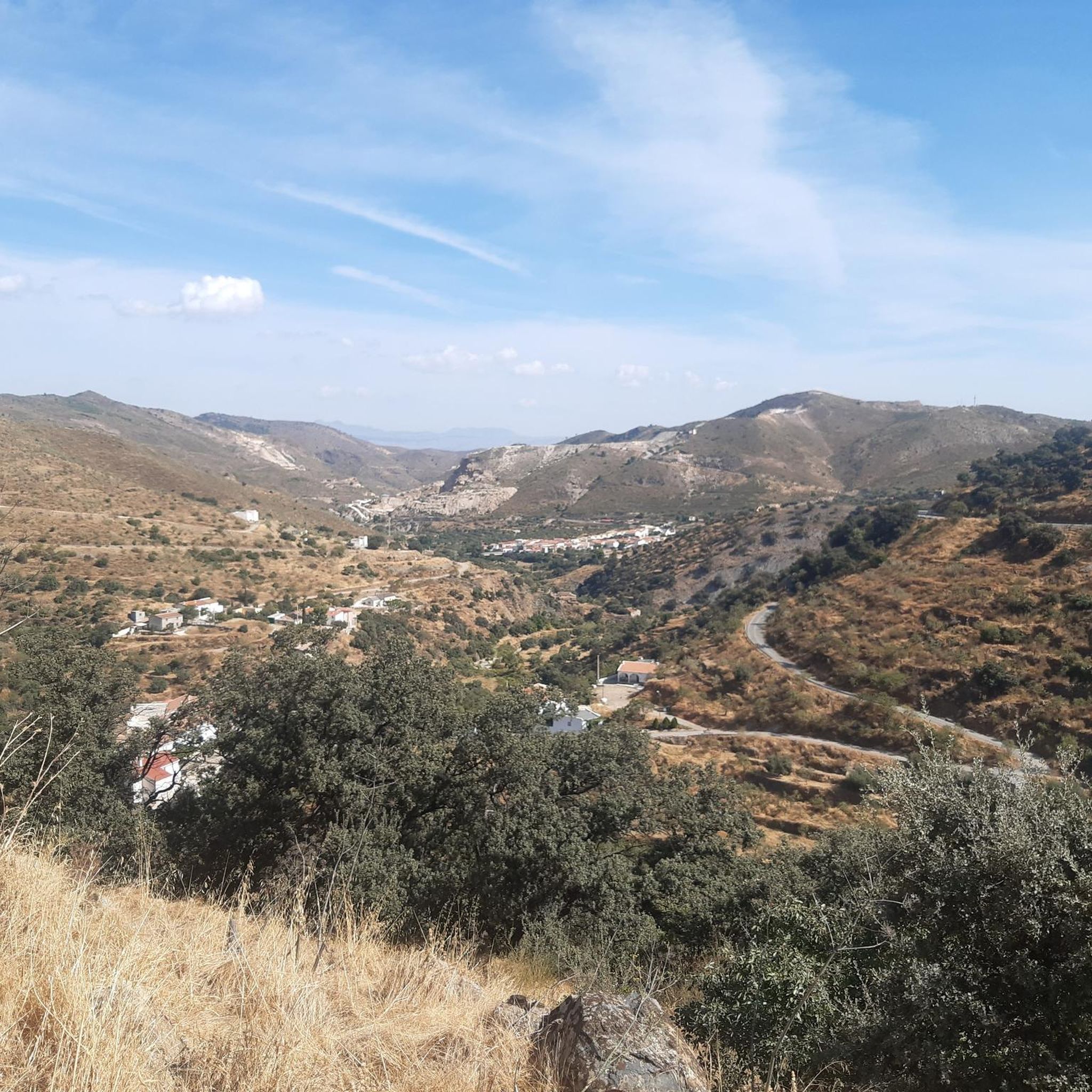
The sanctuary of the Virgin of Cabeza de Monteagud, in Benizalón, stands at the top of Monteagud Hill and is one of the most iconic sites in the area. The hermitage, built on the site of an old Muslim ribat, houses the venerated image of the Virgin, a center of devotion for residents and pilgrims from throughout the region. Every year it hosts a mass pilgrimage that fills the area with a festive and religious atmosphere. For hikers, the climb offers excellent panoramic views, so it's a good idea to wear comfortable shoes and water.
2
0
Tahal Castle, nestled in the Sierra de los Filabres, was built in the 15th and 16th centuries to control the routes between the Almanzora Valley and Tabernas. Although it remains in a state of consolidated ruin today, its large rectangular keep, with its elevated entrance and masonry walls, is still impressive. Next to it, you can see the remains of a circular tower, the walled enclosure, and a cistern that provided water in the event of a siege. Freely accessible, it is an interesting place to combine history and hiking in this part of Almería.
1
0
Uleila del Campo is a small town located on the southern slopes of the Sierra de los Filabres, at the foot of Monteagud Hill. Its surroundings combine hills, gullies, and unusual sites such as "El Salar," a salt flat with a unique ecosystem. Its heritage includes the Neo-Romanesque Church of Santa María and the Cueva de la Mora archaeological site, home to Neolithic remains and cave paintings. The town keeps its traditions alive with festivals such as the Santo Cristo de las Penas festival in September, ideal for discovering local life and culture after a hike through the mountains.
3
0

Village situated in the foothills of the Filabres, descending to the depression of Sorbas and near the Campo de Tabernas. Situated on a small elevation, it forms a well-structured round group of buildings in a not unattractive landscape where fields of vineyards, almond and olive trees predominate. The church of St. Mary characterizes the village.
0
0

The towns of Fines and Olula del Río are an encounter with the culture of marble; figures and pieces of marble with inscriptions and inspiring phrases appear on the old railroad track. In Olula there is the famous giant head of a woman, on the other side of the road, you have to be careful not to pass it by. And nearby is the town of Macael for those interested in visiting the “white gold” quarries of the Almanzora Valley. Purchena is far from the road, it is a town with an Andalusian feel, with narrow streets with whitewashed facades at the foot of the remains of an old Muslim fortress from the Nasrid era. The railway continues to trace the slopes of the valley and cross seasonal boulevards over imposing stone bridges to the Tíjola station, which preserves a train engine from the glorious era of the mining railway and the railway buildings. The station is a bar with food service and a terrace on one of the platforms. In Los Canos there are remains of the old iron ore loading dock. The carts arrived loaded with material by aerial cables from the mining sites and by simple gravity they filled the train cars that were in the tunnels located under the loading dock.
0
0

In 1227, Pastor Juan de Ribas, originally from Colomera (Granada), witnessed the apparition of the Virgin on a hill in the Sierra Morena. He asked her to build a temple in her honor, and a few years later, the devotion led to the construction of a building that still stands today.
0
0

A small village with many olive farmers and a Züger cheese factory, in the local supermarket you can buy the delicacies of the region
0
0

It is a small municipality in the province of Almería, in the Los Filabres-Tabernas region. The town is located at an altitude of 640 meters, just below the Sierra de los Filabres and especially the Monteagud hill.
1
0
Frequently Asked Questions
What historical sites can I explore in Chercos?
Chercos is rich in history. You can visit the ancient settlement of Chercos Viejo, which features remains of a small Arab fortress and a reconstructed church. Another significant historical site is the Tahal Castle, a 15th-century fortress built to control regional routes, offering a glimpse into medieval times. Don't miss the Alcazaba de Chercos, a medieval Berber Islamic fortress with well-preserved walls in Chercos Viejo.
Are there any archaeological sites or ancient ruins to see?
Yes, Chercos offers several archaeological points of interest. You can discover the Grabados Rupestres La Piedra Labrá, an archaeological site between Chercos and Chercos Viejo featuring two engraved rocks with prehistoric drawings. Additionally, the Yacimiento Arqueológico “El Cerillo” contains the remains of a Copper Age fortress situated on a hill by the Chercos River.
What natural features and viewpoints are worth visiting in the Chercos area?
The region boasts beautiful natural landscapes. You can enjoy panoramic views from the Mirador Chercos Viejo, which overlooks the valley and surrounding villages. Chercos is also nestled in the Sierra de los Filabres, providing a mountainous backdrop and opportunities to appreciate the natural beauty. The Virgen de la Cabeza de Monteagud Sanctuary, located on Monteagud Hill, also offers excellent panoramic views for hikers.
What outdoor activities can I do near Chercos?
The mountainous terrain around Chercos is ideal for various outdoor activities. You can enjoy hiking, running, and cycling. For specific routes, explore the MTB Trails around Chercos, Running Trails around Chercos, and Cycling around Chercos guides. A popular activity is hiking the old cobbled path between Chercos Nuevo and Chercos Viejo, a scenic 3-kilometer route along the river.
Are there any family-friendly attractions in Chercos?
Families can enjoy several spots in and around Chercos. The village of Uleila del Campo, with its unique salt flat and local festivals, offers a cultural experience. The Park of the Pilarica, a municipal park with a Sevillian style and a replica of the Alhambra's lion fountain, is also a pleasant spot for families. For art enthusiasts, the Casa Ibáñez Museum in Olula del Río displays over 1,200 pieces of contemporary Spanish art.
What is the best time of year to visit Chercos?
Chercos offers attractions year-round, but the most important festival, the Festivities of San Lorenzo, is celebrated on the second weekend of August (around August 10th). This period offers a vibrant cultural experience. The spring and autumn months provide pleasant weather for outdoor activities like hiking in the Sierra de los Filabres.
Where can I experience local culture and traditions in Chercos?
To immerse yourself in local culture, visit the Iglesia de San Lorenzo, the current church in Chercos, which houses images of San Lorenzo and the Virgin of Fatima. The San Lorenzo Fountain, at the foot of the Town Hall Square, also symbolizes the village's heritage. Attending local festivals, such as the Festivities of San Lorenzo in August or the Festivities of the Virgin of Fatima in May, provides a deeper insight into the community's traditions.
Are there any unique local foods or dishes I should try in Chercos?
When visiting Chercos, be sure to savor traditional dishes like potaje de albóndigas con bacalado (cod stew with meatballs), puchero de calabaza (pumpkin stew), puchero de trigo (wheat stew), and migas (fried bread with pork). For sweet treats, try hornazos (honey pastries), buñuelos (doughnuts), roscos fritos (aniseed biscuits), and bizcochos de dátiles (date sponge).
What is the significance of the old railway line near Chercos?
The old railway line, particularly around the Fines-Olula Station, evokes the historical importance of the railway in the area. This route is now part of a cultural trail, where you can see marble sculptures and learn about the region's 'white gold' quarries in nearby Macael, highlighting the area's industrial heritage.
What is the history behind the name 'Chercos'?
The name 'Chercos' is believed to be derived from the Mozarab word 'yerku,' meaning 'the oak.' This likely refers to the oak trees that once surrounded the early settlements in the area, connecting the village's identity to its natural environment.
Are there any specific places for quiet reflection or spiritual visits?
For quiet reflection, the Virgen de la Cabeza de Monteagud Sanctuary offers a serene atmosphere and is a significant center of devotion. The Iglesia de San Lorenzo in Chercos also provides a peaceful setting for visitors seeking spiritual solace.

Get inspired with the komoot mobile app


Explore more
Still not found the Highlight you’re looking for? See guides of the top attractions in other regions:
