Attractions and Places To See around Egüés - Top 20
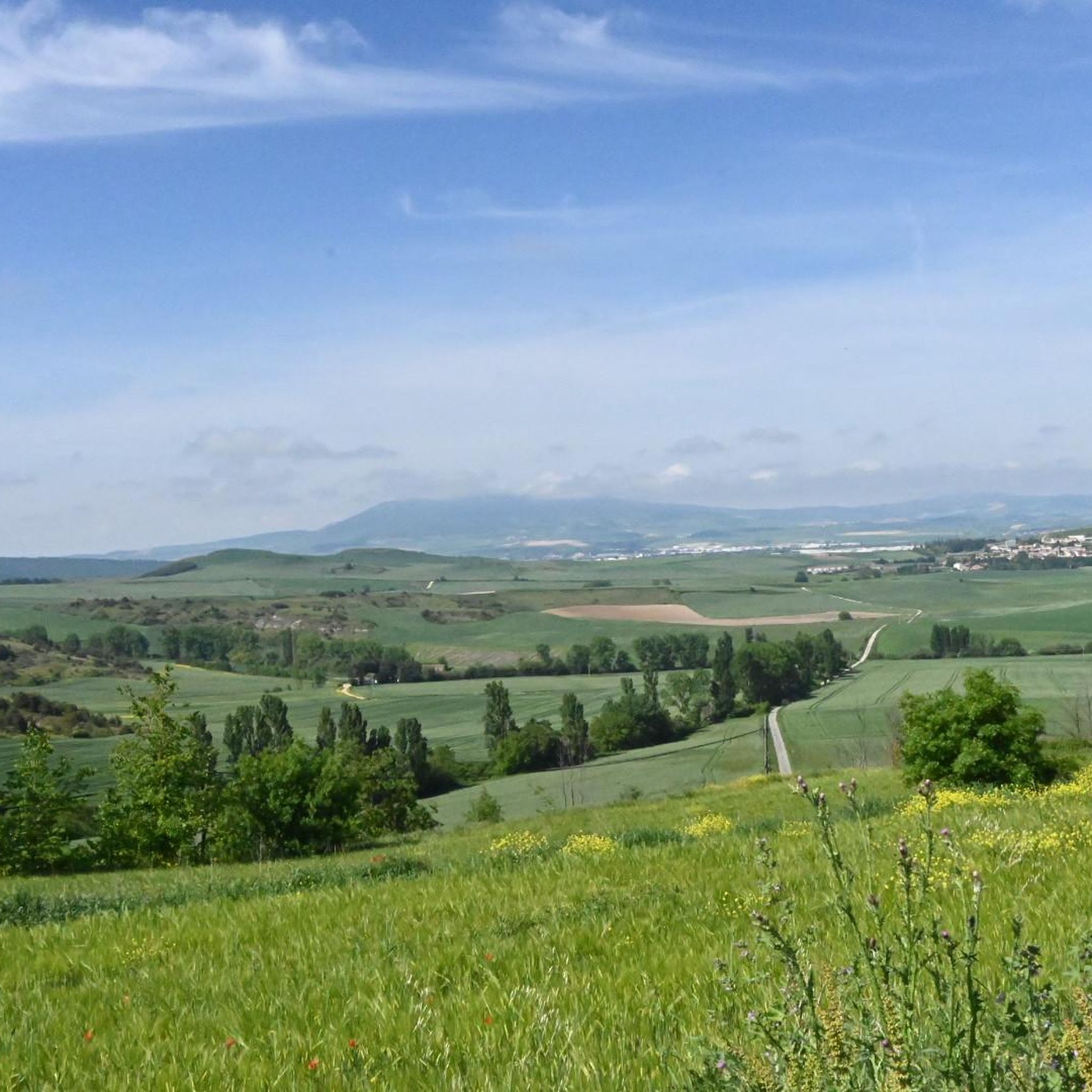
Best attractions and places to see around Egüés include a diverse range of natural beauty, cultural heritage, and historical points of interest. Located in the metropolitan area of Pamplona, the municipality blends urban proximity with rural charm and varied landscapes, from Pyrenean valleys to flat plains. The area features significant natural environments, including protected areas like Elía and Egulbati, and cultural landmarks such as the Museo Oteiza and numerous historic churches. Visitors can explore a mix of natural features and…
Last updated: June 22, 2026
Rabies Bridge
Highlight • Bridge
Translated by Google •
Tip by

Pamplona Cathedral and the Citadel
Highlight • Historical Site
Translated by Google •
Tip by

Sign up now to discover places like this
Get recommendations on the best single tracks, peaks, & plenty of other exciting outdoor places.
Sign up for free
Portal de Francia
Highlight • Monument
Translated by Google •
Tip by
Gazebo in Plaza del Castillo
Highlight • Monument
Translated by Google •
Tip by

Magdalena Bridge
Highlight • Bridge
Tip by

Sign up for free to discover even more attractions around Egüés.
Sign up for free
Already have an account?
Start today with a free account
Your next adventure awaits.
Login or Signup
Tips from the Community

During the Pamplona bullfight, young men in particular risk their health and sometimes their lives. Despite protests from animal rights activists, the "Sanfermines" festival attracts millions of people every year. Around 6,000 bulls are said to have died in the arena over the past 100 years. Since 1911, a total of 16 deaths have been linked to the Pamplona bull runs and fights.
2
1

The centre of the ''Plaza do Castillo'' has been occupied since 28 June 1943 by an 18-metre-high bandstand raised on a stepped drum and whose dome is supported by Ionic columns. Previously, there was a wooden one that replaced the Beneficencia fountain in 1910, the work of Luis Paret, known in Pamplona as "La Mariblanca", which currently adorns the city's Taconera gardens.
1
0

Beautiful charming and ancient bridge over which the Santiago de Compostela trail passes.
0
0
Beautifully restored city gate through which all Santiago de Compostela walkers pass. Even the mechanism to open and close the gate is still there (with counterweights).
1
0

An almost authentic pilgrimage on the Frances, because this is where streams of pilgrims came to the city in the Middle Ages. One of the impressive walls of the fortified city and here you can also see the silver Bicigrino symbols embedded in the ground that lead to the exit: a great feature!
2
0

Imagine yourself on a horse and living in the Middle Ages... entering this gate... what will happen to you?
2
0

"Although this is the most populous city on the Way of St. James, crossing it is relatively pleasant. We enter the old town directly, are led through it to the Citadel Park and quickly leave the city again after a short stretch through the new town." (Text source: Cordula Rabe in "Camino Frances. Spanish Way of St. James from the Pyrenees to Santiago de Compostela", Rother Verlag)
3
0

Completion of the 2nd stage on the Camino Francés
0
0
Frequently Asked Questions
What are some popular attractions to visit in the Egüés area?
The Egüés area offers a mix of historical and cultural sites. Popular attractions include the medieval Rabies Bridge, known for its unique tradition, and the historic Portal de Francia, a 16th-century gate that served as an entrance for pilgrims on the Camino de Santiago. Also highly regarded is the Pamplona Cathedral and the Citadel, offering a deep dive into the region's past.
What natural features can I explore in the Valle de Egüés?
The Valle de Egüés boasts a diverse natural environment. You can explore the Pyrenean Valleys with deep ravines like Egulbati and the Elía stream, and observe the Lacarri peak. The central valley is traversed by the Urbi River, while the Badostáin and Ardanaz plains are characterized by extensive cereal fields. The northern part of the valley also includes protected natural areas like Elía and Egulbati, featuring Scots pine forests, oak groves, and riparian forests.
What historical and cultural sites are there to see in Egüés?
Egüés is rich in history and culture. A prominent cultural institution is the Museo Oteiza in Alzuza, dedicated to sculptor Jorge Oteiza. The historic Palacio de Echálaz is a declared Site of Cultural Interest. Additionally, numerous villages feature historic churches with Romanesque or Gothic elements, such as San Esteban in Alzuza and San Miguel in Badostáin. The Magdalena Bridge is another significant historical landmark.
Are there family-friendly attractions around Egüés?
Yes, several attractions in the Egüés area are suitable for families. The Rabies Bridge and the Portal de Francia are historical sites that can be interesting for all ages. The Pamplona Cathedral and the Citadel offer expansive areas to explore, and the Gazebo in Plaza del Castillo is a central, lively spot in Pamplona that is easily accessible.
What outdoor activities can I do near the attractions in Egüés?
The region around Egüés is excellent for outdoor activities. You can find numerous routes for hiking, mountain biking, and cycling. For example, there are challenging MTB trails like the "Lakarri and Egulbati Circular from Alzuza" and scenic hiking routes such as the "Lacarri Summit – Views of the Egüés valley loop from Elía / Elia." You can explore more options in the Hiking around Egüés, MTB Trails around Egüés, and Cycling around Egüés guides.
Are there hiking trails suitable for different skill levels in Egüés?
Yes, Egüés offers hiking trails for various skill levels. You can find easy routes like the "Tangorri Summit – Sunset at Tangorri loop from Ardanaz" or the "Road towards Aranguren – Panoramic view of the hermitage loop from Huarte / Uharte." For those seeking a moderate challenge, consider the "Lacarri Summit – Views of the Egüés valley loop from Elía / Elia" or the "Tangorri Summit – Irulegi Castle loop from Ardanaz." More details are available in the Hiking around Egüés guide.
What is the best time of year to visit Egüés for outdoor activities and sightseeing?
While specific recommendations for Egüés are not detailed, generally, spring and autumn offer pleasant weather for outdoor activities like hiking and cycling, with milder temperatures and beautiful natural scenery. Summer can be warm, ideal for exploring cultural sites and enjoying longer daylight hours. Winter might be suitable for specific activities, especially in the higher Pyrenean areas, but some trails might be less accessible.
Can I find any unique natural landscapes or protected areas in Egüés?
Absolutely. The Valle de Egüés is home to two protected natural areas in its northern part: Elía and Egulbati. These areas feature a rich mosaic of Scots pine forests, oak and kermes oak groves, and riparian forests along streams. In the south, the Escoriz-Zolina Pond is a saline wetland of significant ecological value, serving as a crucial stopover and breeding ground for aquatic and migratory birds.
Are there any notable architectural sites beyond churches in Egüés?
Beyond the numerous historic churches, the Valle de Egüés features several cataloged civil buildings. The Palacio de Echálaz is a significant historical complex. You can also find the Casa Museo Jorge Oteiza (Bernardinorena) in Alzuza, which is a notable civil building with cultural importance. Various other historical houses are cataloged in towns like Ardanaz, Azpa, and Badostáin.
Where can I find ancient historical artifacts like funerary steles in Egüés?
Ancient funerary steles can be found in several locations throughout the Valle de Egüés. Notable sites include Alzuza, Badostáin, Egüés, Egulbati, Elcano, Eransus, Ibiricu, and Sarriguren. These artifacts offer a glimpse into the region's ancient history and cultural practices.
What makes the Valle de Egüés unique compared to other areas near Pamplona?
The Valle de Egüés stands out due to its unique blend of urban proximity to Pamplona and its rich rural charm. It features distinct geographical zones, from Pyrenean valleys to flat plains, and boasts significant natural environments, including protected areas. Its cultural heritage, exemplified by the Museo Oteiza and numerous historic churches, combined with modern residential developments and a focus on renewable energy in Sarriguren, creates a diverse and dynamic character.
What do visitors particularly enjoy about the attractions in Egüés?
Visitors appreciate the blend of historical significance and natural beauty. For instance, the Rabies Bridge is loved for its unique tradition and historical context on the Camino de Santiago. The Pamplona Cathedral and the Citadel are valued for preserving the 'flavor of the past.' Many also enjoy the welcoming atmosphere of towns like Zubiri and the opportunity to experience the Camino de Santiago firsthand through landmarks like the Magdalena Bridge.
Most popular attractions around Egüés

Get inspired with the komoot mobile app


Explore more
Still not found the Highlight you’re looking for? See guides of the top attractions in other regions:
