The best road cycling routes around Pezuela De Las Torres
4.4
(5)
393
riders
34
rides
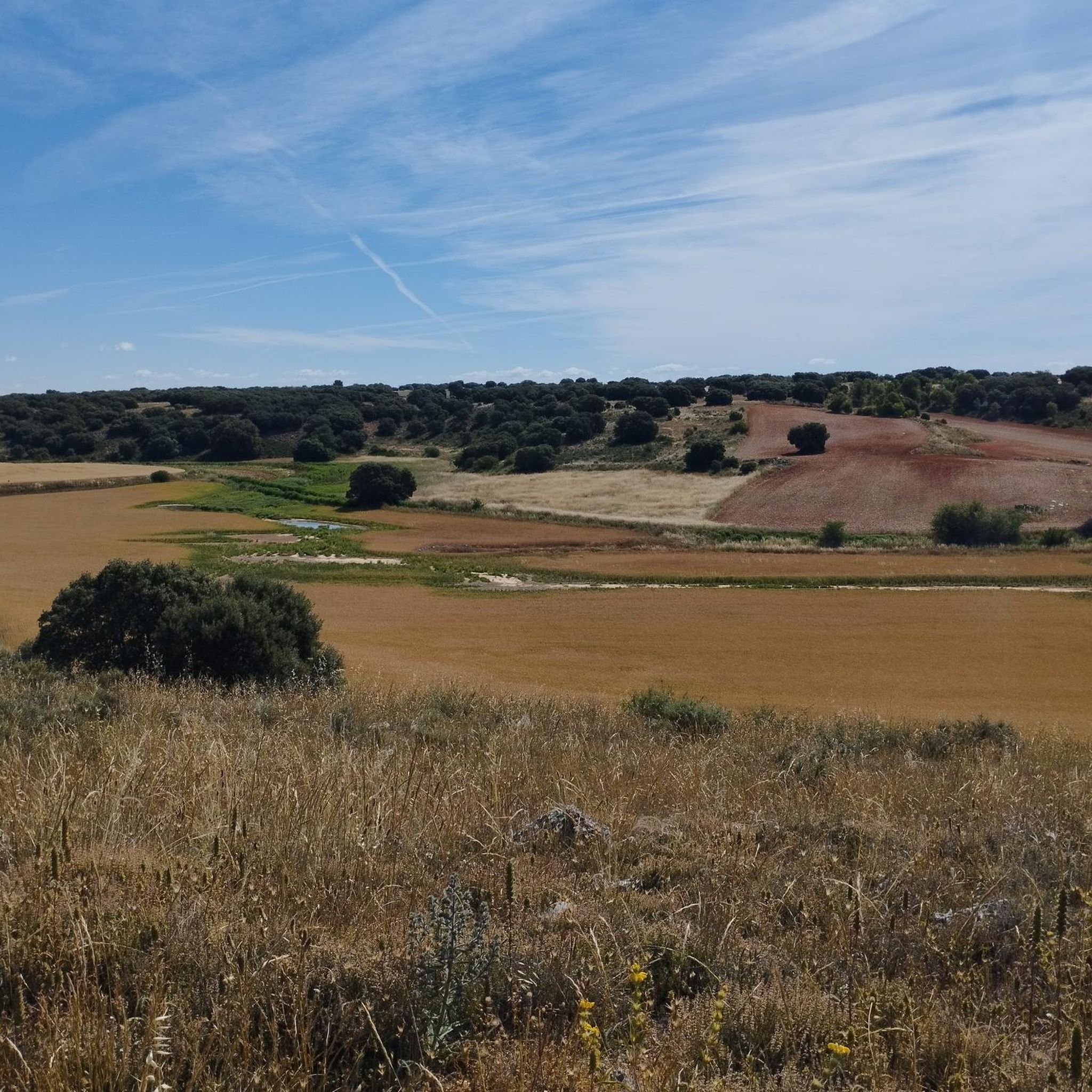
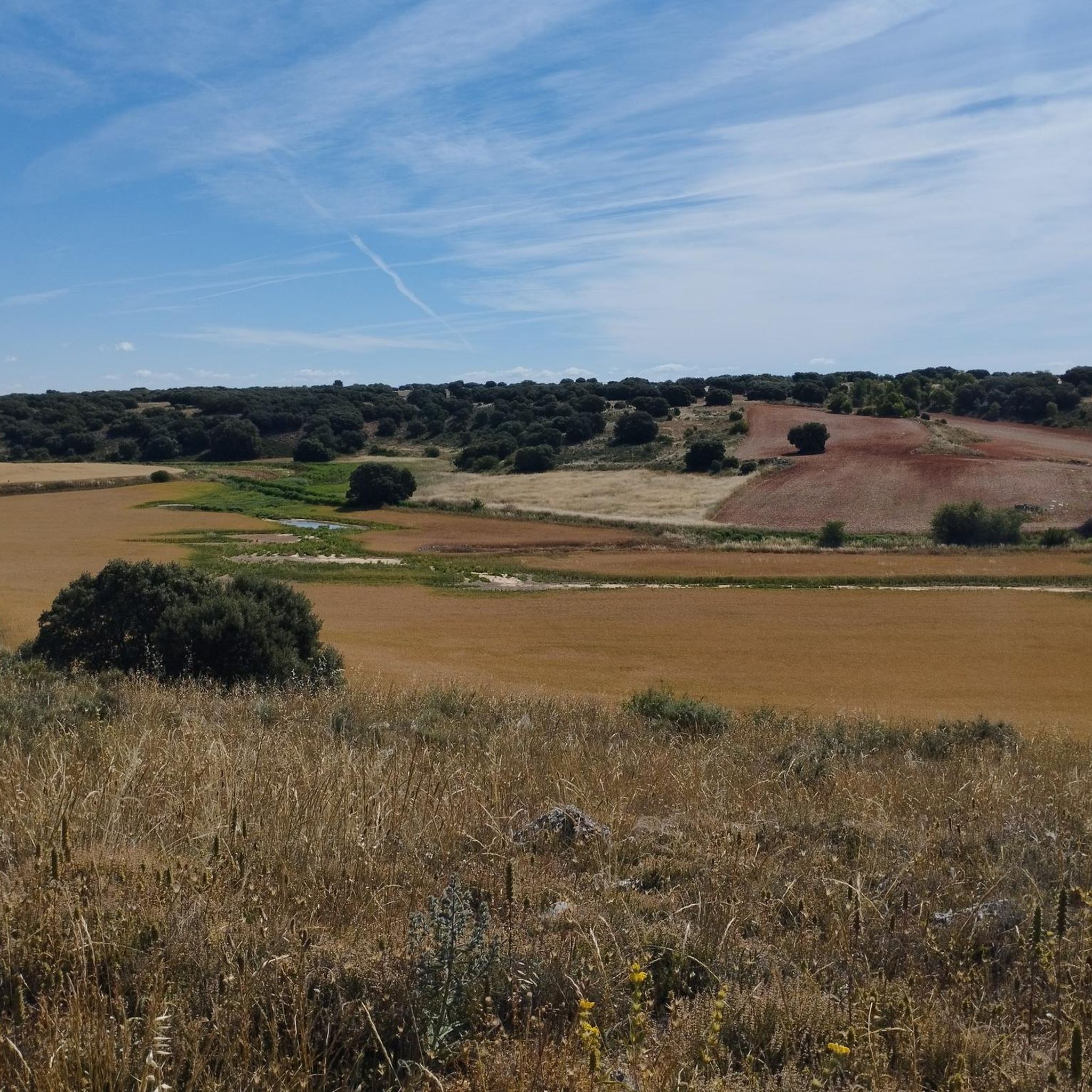
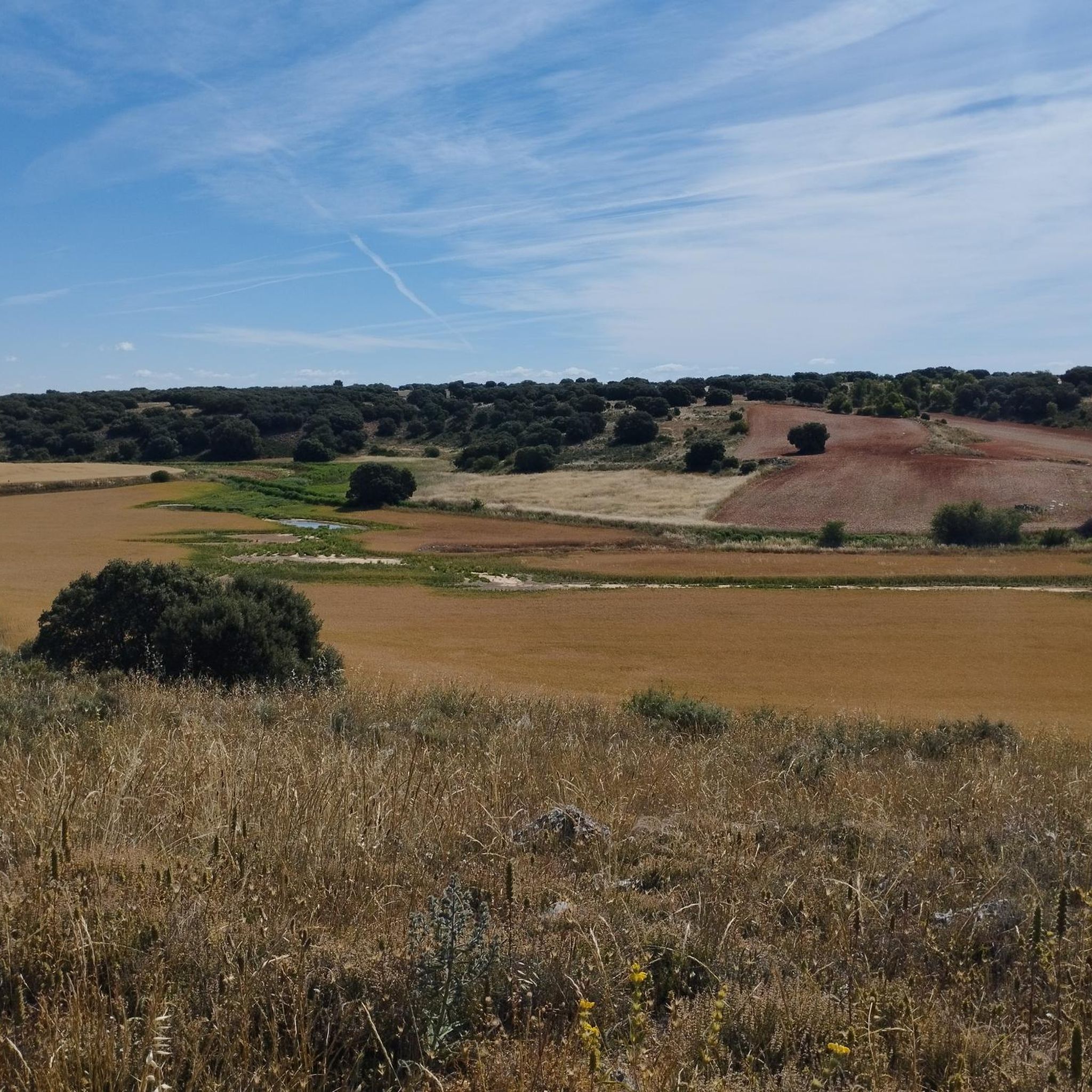
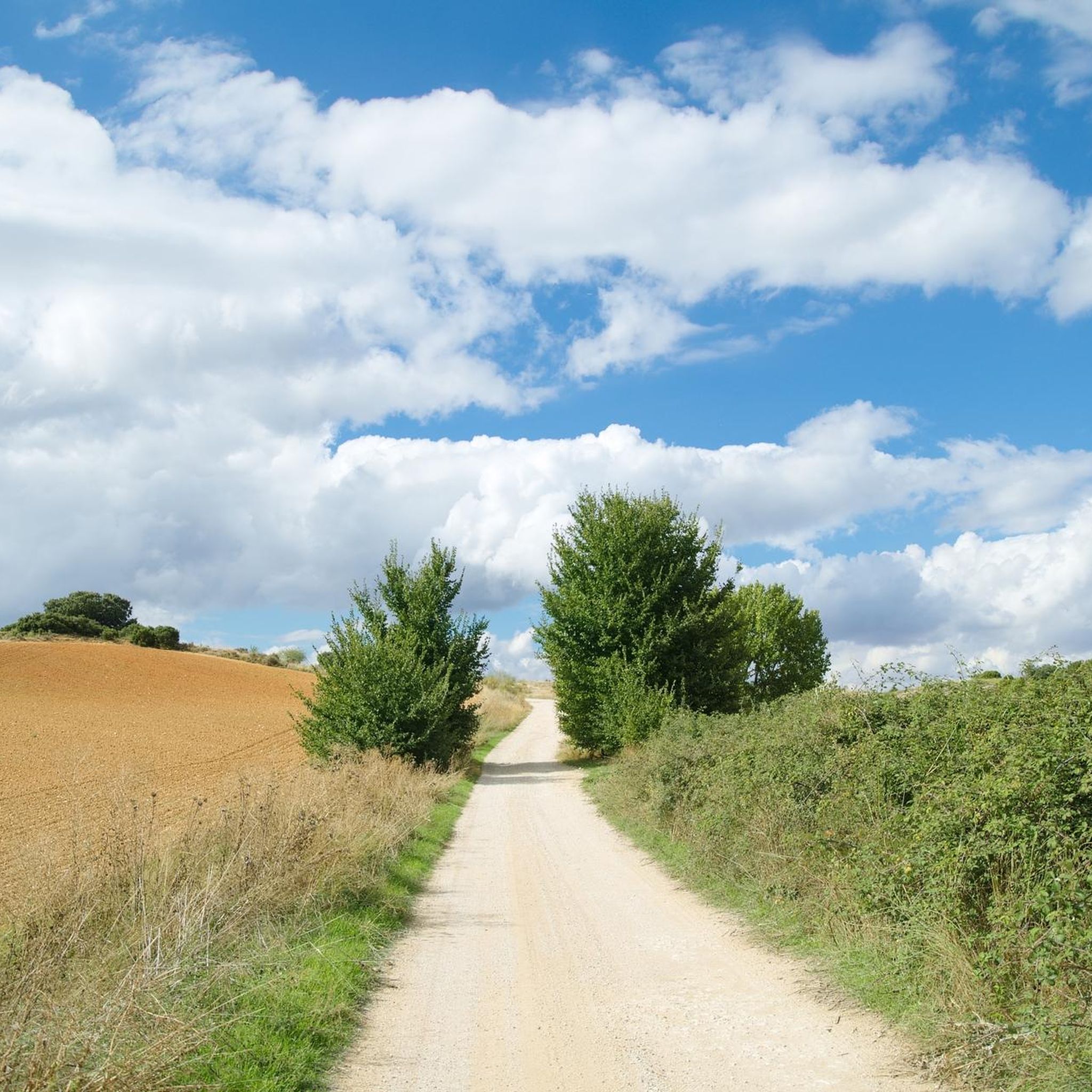
Road cycling routes around Pezuela De Las Torres traverse a diverse landscape on a plateau at an altitude of 850 to 875 meters. The terrain features a mix of pine forests, agricultural fields, and quarries, providing varied scenery and gradients. The area is characterized by granitic and sandy ground, which ensures good drainage. Cyclists can explore ravines and hills, some with inclines exceeding 9%, and sections along the Tajuña river.
Best road cycling routes around Pezuela De Las Torres
- The…
Last updated: May 15, 2026
16
riders
Hard road ride. Very good fitness required. Mostly well-paved surfaces and easy to ride.
9
riders
Moderate road ride. Good fitness required. Some segments of this route may be unpaved and difficult to ride.

Sign up for free
19
riders
89.7km
04:00
960m
960m
Hard road ride. Very good fitness required. Mostly well-paved surfaces and easy to ride.
21
riders
44.2km
02:10
520m
510m
Moderate road ride. Good fitness required. Some segments of this route may be unpaved and difficult to ride.
15
riders
Moderate road ride. Good fitness required. Some segments of this route may be unpaved and difficult to ride.
Get access to more routes and recommendations from other explorers.
Sign up for free
Already have an account?
Our route recommendations are based on thousands of hikes, rides, and runs completed by other people on komoot.
Start today with a free account
Your next adventure awaits.
Login or Signup
Tips from the Community

The Torremocha Castle represents the history and monumentality of Santorcaz. The current construction dates back to the 14th and 15th centuries. It was a fortress for the defence and control of the Anchuelo river plain, built on a previous watchtower of Arab origin that formed part of the strategic line of the Alcalá stronghold. At different times it has been the residence of nobles, the seat of archbishops and a prison for clerics, where Cardinal Cisneros and the Princess of Éboli were among others. Attached to the castle walls is the church of San Torcuato, founded in the 13th century, with a beautiful Mudejar tower.
0
0

In restoration works, it presents a beautiful appearance
2
0

Like the fortified archbishop's palace of Alcalá de Henares, this enclosure was ordered to be built by Archbishop Pedro Tenorio in the 14th century. It is a strong plaza with seven towers, a wall and the church of San Torcuato.
1
0

The castle of Zorita de los Canes stands on a hill on one of the banks of the Tagus River. It is a fortification of Arab origin built in the 9th century.
4
1
The castle of Almoguera dates from the 15th century, although it was built on the ruins of an old Arab fortification. Little remains of this medieval construction, as the current castle is a reconstruction from the end of the 20th century.
1
0

On the Red List of Heritage for its "state of ruin and abandonment". The building, from the 16th century, was occupied until the 17th century. Exactly until the year 1767, the year in which Carlos III expelled the Society of Jesus, the Jesuits, from Spain.
3
0
In the main square, centered by a large fountain with four spouts that ends in a ball on which the date 1832 appears, the clock tower stands out, with several bodies, and the building of the parish church, dedicated to San Pedro Apóstol.
3
0
The church dedicated to San Pedro is from the 13th century but important reforms were carried out in it during the 15th century, the main nave was redone and two other lateral ones were added, for example. It preserves its original Romanesque head, the belfry and the presbytery. Inside, don't miss the Gothic ornaments, the Mudejar pair and knuckle armor; and the small ivory carving of the Virgen de los Llanos. It was declared B.I.C with the category of Monument in 1990.
3
0
Frequently Asked Questions
How many road cycling routes are available around Pezuela De Las Torres?
There are over 30 road cycling routes around Pezuela De Las Torres, offering a diverse range of options for cyclists. These include routes of varying difficulty, from moderate to challenging, exploring the region's unique landscapes.
What kind of terrain can I expect on road cycling routes in Pezuela De Las Torres?
The terrain around Pezuela De Las Torres is quite varied, situated on a plateau between 850 and 875 meters altitude. You'll encounter a mix of pine forests, extensive agricultural fields that can appear as a 'golden sea' in spring and summer, and even some quarries. The ground is often granitic and sandy, which helps with drainage. Expect hills and inclines, with some gradients reaching over 9% or even 10% on more challenging sections.
Are there any routes that follow the Tajuña River?
Yes, the Tajuña River is a prominent feature in the region, and several road cycling routes explore its valley. For example, the difficult route The two Castles - Castillo de Pioz and Castillo de Torremocha — circular through the valleys of the Río Tajuña takes you through the Tajuña river valley, passing historical castles. Another option is the difficult Road Along the Tajuña River – Ascent to Pastrana loop from Pioz.
What historical landmarks can I see while road cycling in the area?
The region is rich in history. You can encounter historical architecture in villages, including the Parish Church of Nuestra Señora de la Asunción in Pezuela de las Torres. Routes like The two Castles - Castillo de Pioz and Castillo de Torremocha pass by historical castles. Other notable attractions include the Pioz Castle and the Goyeneche Palace of Nuevo Baztán.
Are there any challenging road cycling routes with significant elevation gain?
Absolutely. Pezuela De Las Torres offers several challenging routes with notable elevation changes. For instance, the difficult route The two Castles - Castillo de Pioz and Castillo de Torremocha features over 1100 meters of elevation gain. Another demanding option is the Road Along the Tajuña River – Ascent to Pastrana loop from Pioz, which includes nearly 1000 meters of ascent.
What natural features or viewpoints can I discover on a road bike?
Beyond the Tajuña River, you can explore ravines like Peña del Gallo and Valgrande. The region also features beautiful lavender fields, particularly vibrant around June, offering a unique and fragrant landscape. For scenic views, consider the moderate route Viewpoint of Los Santos de la Humosa and Ascent Albolleque, which offers rewarding vistas.
When is the best time of year to go road cycling in Pezuela De Las Torres?
The varied terrain, including granitic and sandy ground, aids in quick drainage after rain, making cycling conditions generally good. Spring and summer are particularly appealing, especially in June when the lavender fields are in full bloom, creating a beautiful and fragrant backdrop for your rides. The agricultural fields also offer a 'golden sea' effect during these seasons.
Are there any moderate-difficulty road cycling routes suitable for a less intense ride?
Yes, there are plenty of moderate options. Nearly half of the routes in the area are classified as moderate. A good example is the Pioz Castle – Church Climb loop from Pezuela de las Torres, which covers about 44 km with a manageable elevation gain. Another moderate choice is the Road Along the Tajuña River – Church of San Pedro (Hontoba) loop from Loranca de Tajuña.
What do other road cyclists say about the routes in Pezuela De Las Torres?
The road cycling routes around Pezuela De Las Torres are highly rated by the komoot community, with an average score of 4.4 stars. Cyclists often praise the diverse scenery, which includes pine forests and agricultural fields, and the options available for different ability levels, from moderate paths to challenging routes with significant elevation gains.
Are there any circular road cycling routes starting directly from Pezuela de las Torres?
Yes, you can find circular routes that start from or near Pezuela de las Torres. For instance, the moderate Pioz Castle – Church Climb loop from Pezuela de las Torres is a great option for exploring the local area in a loop.
Can I find any natural monuments or unique trees along the routes?
Yes, the area features several natural monuments and unique trees. You might encounter highlights such as the Encina de la Pica or the San Isidro Spring and Singular Tree of Villar del Olmo. There are also various fountains like Fuente Grande de Corpa and La Oliva fountain.
Most popular routes around Pezuela De Las Torres
Most popular attractions around Pezuela De Las Torres

Get inspired with the komoot mobile app


Explore more
Browse the best Road cycling routes in other regions.
