The best walks and hikes around La Puebla De Almoradiel
13
hikers
10
hikes
Hiking around La Puebla De Almoradiel offers diverse landscapes characterized by the La Mancha Wetlands, the Gigüela River, and extensive agricultural fields. The region is part of a UNESCO biosphere reserve, featuring salt-rich lagoons and steppe plains that support varied flora and birdlife. The Gigüela River winds through the area, with its banks providing habitats for wildlife and showcasing historical water mills. Surrounding areas include vineyards, olive groves, and cereal fields, creating a blend of natural and cultivated scenery.
Best…
Last updated: July 27, 2026
4.76km
01:12
10m
10m
Hike an easy 3.0-mile route to Laguna de Quero in Spain's La Mancha Húmeda Biosphere Reserve, gaining 23 feet in 1 hour and 12 minutes.
16.8km
04:19
60m
60m
Hike a moderate 10.5-mile loop through the El Toboso and Miguel Esteban Lagoons, exploring wetlands rich in birdlife and Don Quixote's La Ma

Sign up for free
31.5km
08:01
90m
90m
Hike the difficult 19.6 miles (31.5 km) La Mancha Wetlands Natural Trail, exploring a restored wetland ecosystem and its diverse wildlife.
19.7km
04:58
40m
40m
Moderate hike. Good fitness required. Easily-accessible paths. Suitable for all skill levels.
4
hikers
9.40km
02:24
30m
30m
Moderate hike. Good fitness required. Easily-accessible paths. Suitable for all skill levels.
Get access to more routes and recommendations from other explorers.
Sign up for free
Already have an account?
Our route recommendations are based on thousands of hikes, rides, and runs completed by other people on komoot.
Start today with a free account
Your next adventure awaits.
Login or Signup
Popular around La Puebla De Almoradiel

Tips from the Community

After riding through dry environments, a nice place to stop and watch the birds for a while.
1
1

The Laguna Grande de Villafranca de los Caballeros is one of the largest river lagoons in La Mancha and the only one in the region with recreational use. With its 2.5 km long beach, it is a popular tourist destination, especially in the summer months.
16
0

We are facing the Laguna Grande in the city of Villafranca de los Caballeros, with a more than acceptable water level thanks to the recent rains. This area is very well suited for resting and relaxing as they have numerous roofs with tables and seats to eat and enjoy the surroundings.
10
0
If you visit El Toboso, don't miss the Monastery of the Trinitarian Nuns, the Church of San Antonio Abad, the Cervantino Museum and more...
4
0

The next wetland is the Laguna Grande de Quero, first you have to pass through the town and then the immense endorheic lake emerges surrounded by whitish mountains. The high level of salinity of the water prevents numerous species of birds from abounding, but it has always been a source of resources due to the collection of salt for canning in brine. The path passes the bed of the Cigüela River and enters the surroundings of the Villafranca lagoons, included like all in the Natura 2000 Network within La Mancha Húmeda and declared a Biosphere Reserve by UNESCO. The Fauna Reserve is the artificial union of the Small and Large lagoons, creating a huge swamp surface of permanent, deep waters with abundant aquatic and steppe birds prowling over the reed beds on the banks. In the lagoons it is easy to see red duck, mallard, crested pochard, common pochard, little grebe, common coot, great crested grebe and marsh harrier. The shore of the Laguna Grande is equipped with bathing areas for the summer season, recreational spaces, bird observatories and an interpretation center, maintaining a tradition of public use that dates back to the 18th century, when the inhabitants of Villafranca de los Knights took advantage of the medicinal properties of saline waters to cure rheumatic ailments and skin diseases.
5
0

It is one of the largest river lagoons in La Mancha. It is the best known and visited. It is part of the Natura 2000 Network and is a Biosphere Reserve, Natural Reserve and Wildlife Refuge. It is an endorheic lagoon, which means that it has no access to the sea, so the water arrives through aquifer 20. Since the 18th century it has been a bathing place, due to the local belief in the healing properties of its waters.
6
0

El Toboso is the town where Dulcinea lived - the lady of Don Quixote from the famous Cervantine work. Here in the square you can find the statue of Quixote and Dulcinea. El Toboso is worth a visit. It is also recommended to see the parish church of San Antonio Abad, called "La Mancha Cathedral".
2
1
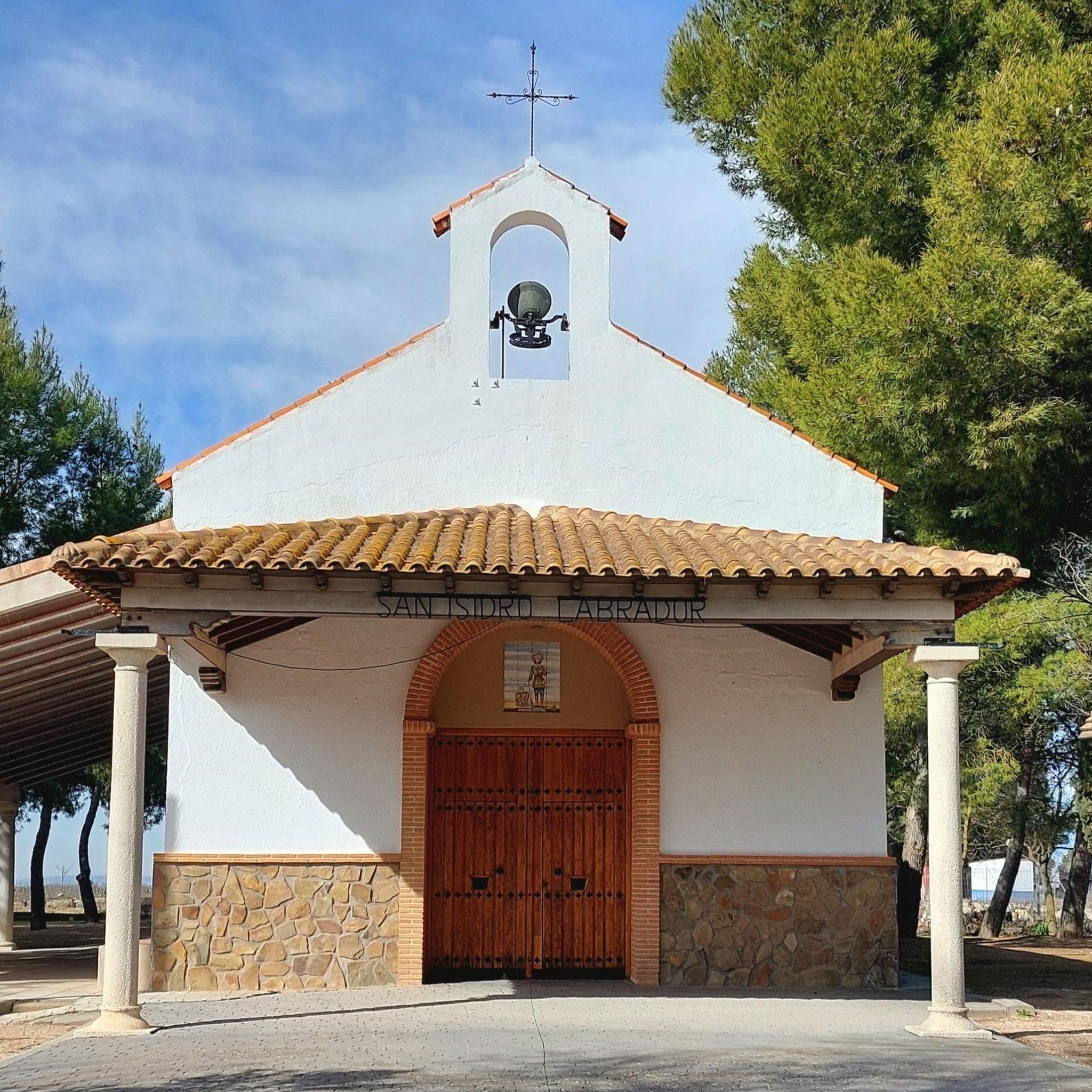
Town of La Mancha traditions dotted with hermitages that tell us about their popular and religious customs, once the center of life for the residents.
10
0
Frequently Asked Questions
How many hiking trails are available around La Puebla de Almoradiel?
There are 7 hiking trails documented on komoot around La Puebla de Almoradiel, offering a range of difficulties from easy to difficult. These routes allow you to explore the unique landscapes of the La Mancha Wetlands and the Gigüela River.
Are there any easy hiking trails suitable for beginners or families?
Yes, for an easy and family-friendly option, consider the Laguna Grande de Quero Loop. This 4.8 km (3.0 miles) circular route takes about 1 hour and 12 minutes to complete and leads you through the La Mancha Húmeda Biosphere Reserve to the beautiful Laguna Grande de Quero.
What kind of natural landscapes can I expect to see on hikes in this region?
Hiking around La Puebla de Almoradiel offers a diverse blend of landscapes. You'll encounter the salt-rich lagoons and steppe plains of the La Mancha Wetlands, the winding Gigüela River with its riverine ecosystems, and extensive agricultural fields featuring vineyards, olive groves, and cereals. The area is part of a UNESCO biosphere reserve, known for its unique flora and diverse birdlife, including flamingos.
Are there any circular hiking routes in the area?
Yes, several routes are circular. Besides the easy Laguna Grande de Quero Loop, you can also explore the moderate El Toboso and Miguel Esteban Lagoons Loop, which is 16.8 km (10.5 miles) long and takes you through wetlands rich in birdlife. Another moderate option is the La Puebla de Almoradiel - circular to La Villa de Don Fadrique, covering 19.7 km (12.2 miles).
What are some interesting historical or cultural sights along the trails?
Along the Gigüela River, you can discover historical water mills, some dating back to 1575, such as "Pingazorras" and "Botifuera." These mills are an integral part of the landscape and reflect the region's rich past. You might also encounter traditional "pangías" (irrigated plots) along the riverbanks. In the wider area, you can visit the Hermitage of Cristo de Villajos or the Molinera Quarry of Piédrola.
What is the best time of year to go hiking in La Puebla de Almoradiel?
The La Mancha region experiences hot summers and cold winters. Spring (April-May) and autumn (September-October) are generally the most pleasant times for hiking, offering milder temperatures and vibrant natural scenery. During these seasons, you can best enjoy the birdlife in the wetlands and the agricultural landscapes.
Are there any long-distance or challenging trails for experienced hikers?
Yes, for experienced hikers seeking a challenge, the La Mancha Wetlands Natural Trail is an excellent choice. This difficult route spans 31.5 km (19.6 miles) and takes approximately 8 hours to complete, allowing for an immersive exploration of the restored wetland ecosystem and its diverse wildlife.
What kind of wildlife can I expect to see while hiking?
The La Mancha Wetlands are a significant natural feature, part of a UNESCO biosphere reserve, and are home to a diverse bird population. You might spot flamingos, stilts, black-headed gulls, and red-crested pochards, especially in the salt-rich lagoons. The banks of the Gigüela River also host various birdlife, rabbits, hares, and partridges.
Is there public transport available to reach the hiking trailheads?
While specific public transport options directly to every trailhead can be limited in rural areas, La Puebla de Almoradiel itself is accessible by regional bus services. It's advisable to check local bus schedules for connections from larger towns to La Puebla de Almoradiel, and then plan for short taxi rides or walks to reach specific starting points for the trails.
Are the hiking trails in La Puebla de Almoradiel dog-friendly?
Many natural areas in Spain, including those around La Puebla de Almoradiel, are generally dog-friendly, especially on established trails. However, it's always recommended to keep dogs on a leash to protect local wildlife, particularly in wetland areas that are crucial habitats for birds. Please also ensure you carry water for your dog and clean up after them.
Where can I find more information about the La Mancha Wetlands?
The La Mancha Wetlands are a vital ecological area. For more detailed information about their conservation efforts and ecological significance, you can visit the Fundación Global Nature website.
What do other hikers enjoy most about the trails in La Puebla de Almoradiel?
Hikers often praise the unique natural beauty of the La Mancha Wetlands and the tranquility of the Gigüela River. The opportunity to observe diverse birdlife and explore historical water mills along the routes is frequently highlighted. The blend of natural and cultivated landscapes, with vineyards and olive groves, also adds to the scenic appeal.
Most popular routes around La Puebla De Almoradiel
Most popular attractions around La Puebla De Almoradiel

Get inspired with the komoot mobile app


Explore more
Browse the best Hikes in other regions.
