Attractions and Places To See around Rucandio - Top 20
Attractions and places to see around Rucandio are primarily found within the broader region of Cantabria, Spain. This area is characterized by significant natural features, including the distinctive Peñas de Rucandio, a prominent natural landmark. Rucandio serves as a base for exploring a region rich in cultural heritage and diverse natural landscapes. The surrounding area offers a variety of historical sites, trails, and natural monuments.
Best attractions and places to see around Rucandio
- The most popular attractions is Trespaderne,…
Last updated: July 20, 2026
Trespaderne
Highlight • Trail
74.5 kilometers. 480 positive meters.
The third day of the gravel adventure has little description and no possibility of confusion, it follows the same section of the …
Translated by Google •
Tip by

Poza de la Sal Salt Flats and Old Railway Station
Highlight • Historical Site
74.5 kilometers. 480 positive meters.
The third day of the gravel adventure has little description and no possibility of confusion, it follows the same section of the …
Translated by Google •
Tip by

Sign up now to discover places like this
Get recommendations on the best single tracks, peaks, & plenty of other exciting outdoor places.
Sign up for free
Oña Historic Center
Highlight • Historical Site
Translated by Google •
Tip by
Trespaderne
Highlight • Settlement
Translated by Google •
Tip by

Santander–Mediterranean Greenway
Highlight (Segment) • Cycleway
Translated by Google •
Tip by

Sign up for free to discover even more attractions around Rucandio.
Sign up for free
Already have an account?
Start today with a free account
Your next adventure awaits.
Login or Signup
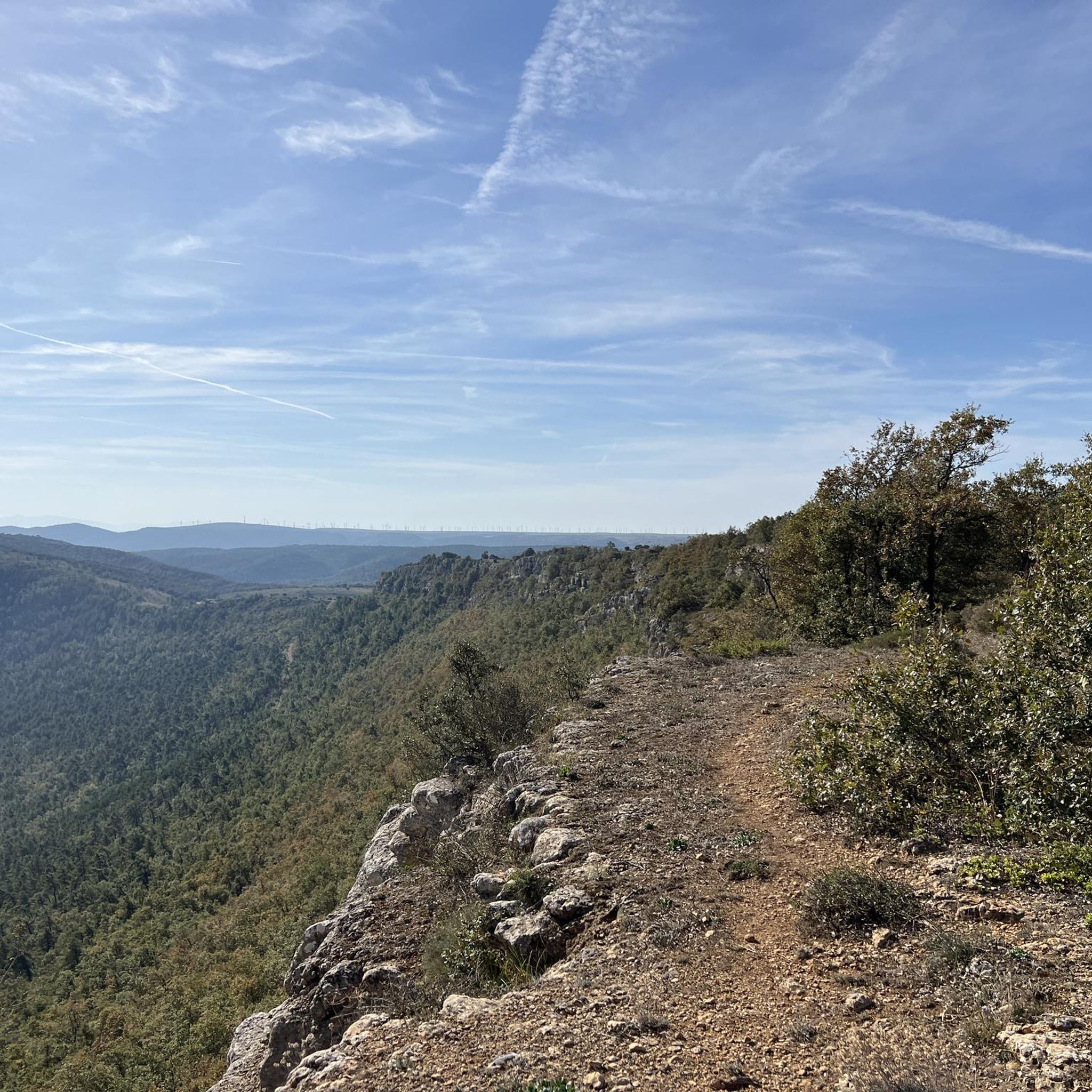
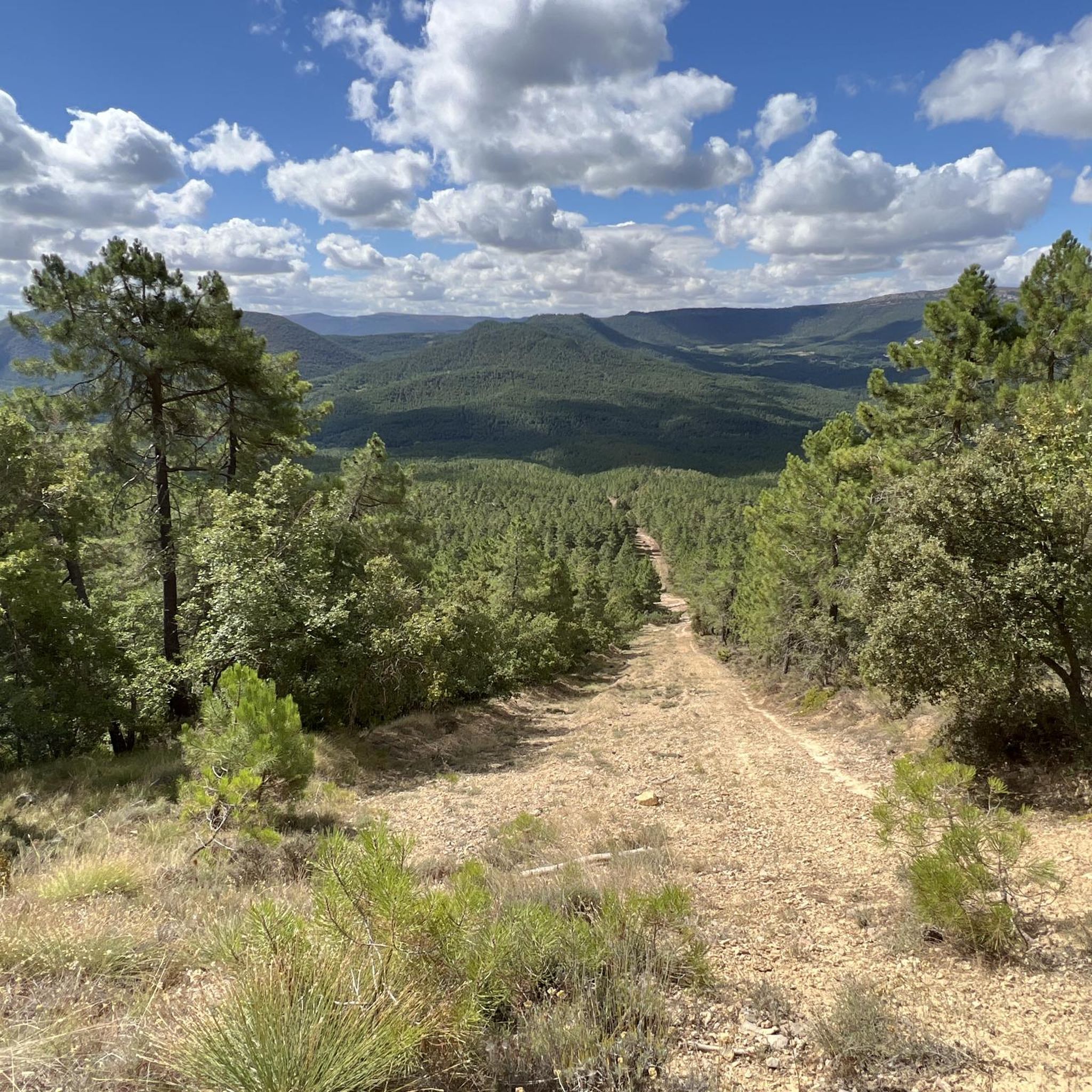
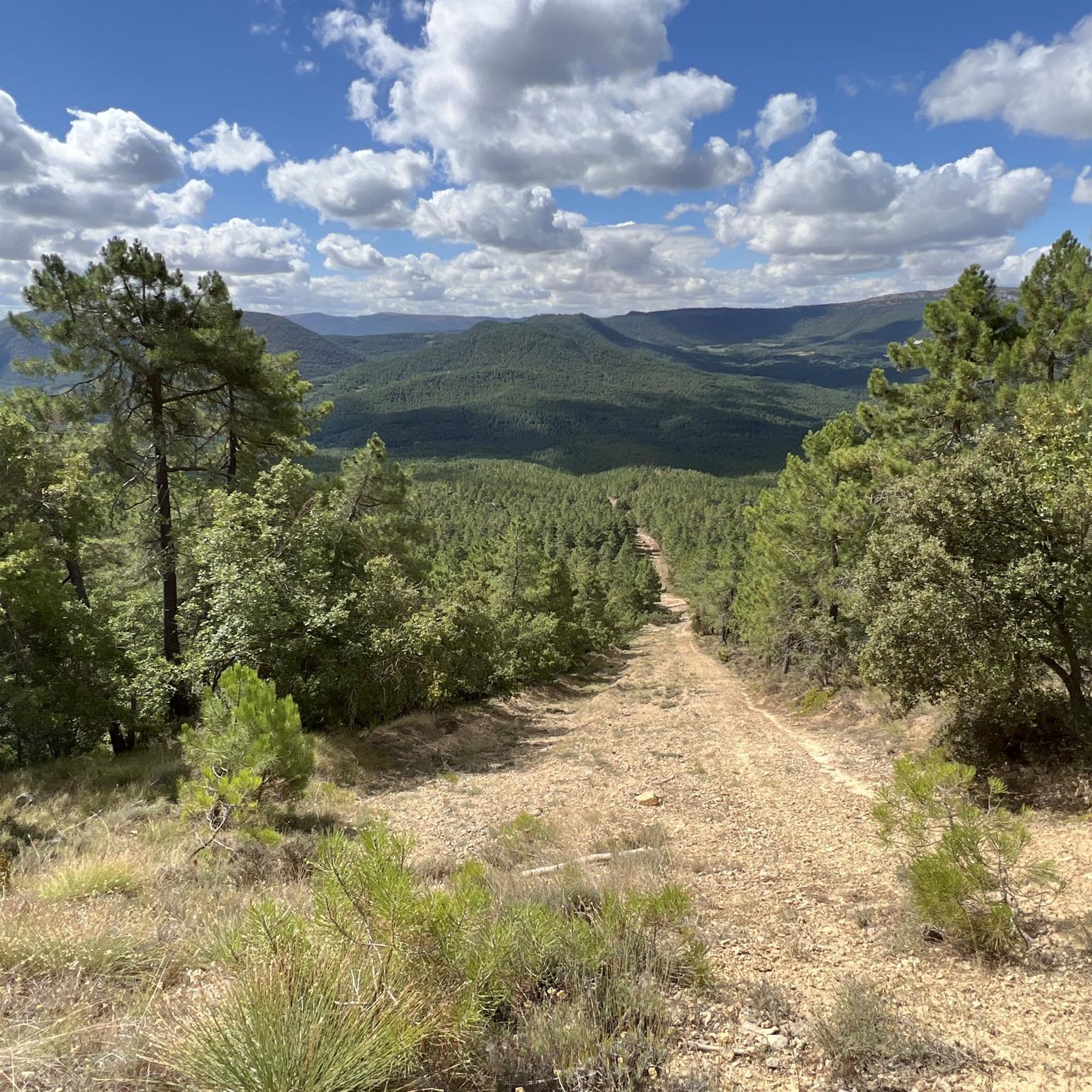
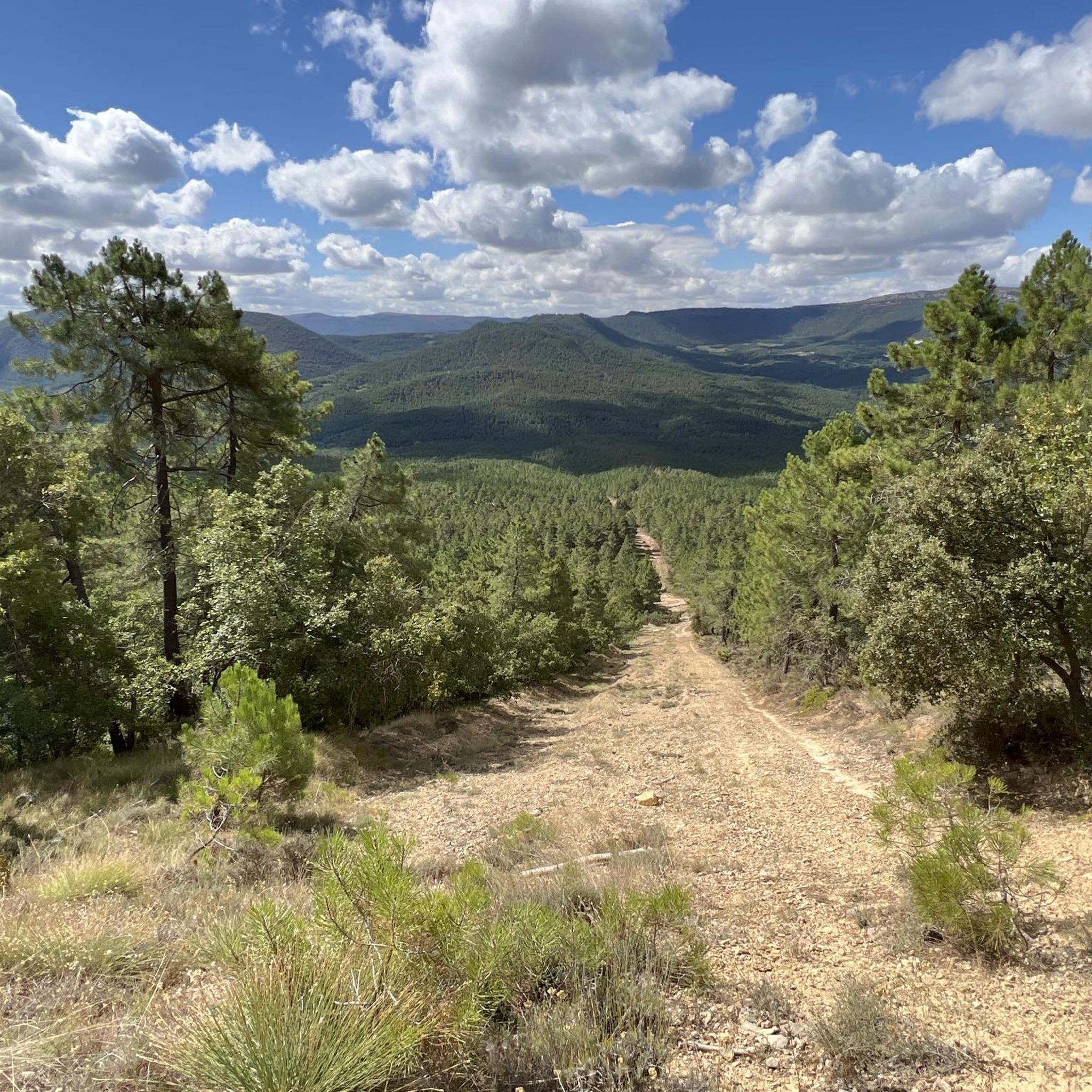

Tips from the Community


Next to the greenway, a good place to rest and get supplies in town.
0
0
A beautiful town in a privileged location. It's well worth a visit, and take a stroll around the surrounding area.
1
0

All the bridges are finished, as Raphael H. rightly says. I walked over them the first weekend of April. There are updated photos.
1
1

A beautiful town. I recommend visiting the convent gardens with their canal and the unusual water supply they've had for ages.
1
0

nice descent, from mass moor, to right valley
0
0

The entire section of the Via Verde Santander Mediterraneo from the closed tunnel at Pedrosa de Valdeporres to Burgos is easily passable. All bridges are completed and the tunnels are illuminated. Over 100 km of railway cycle path fun. You will find out what happens from Burgos to Valencia in the next few days.
1
0
Frequently Asked Questions
What natural landmarks can I explore near Rucandio?
The most prominent natural landmark directly associated with Rucandio is the Peñas de Rucandio, also known as Las Tetas de Liérganes or Los Picos de Busampiro. These distinctive peaks are a declared Natural Monument. Additionally, the broader Cantabria region offers diverse natural parks like the Picos de Europa mountains and the unique Cabárceno Natural Park.
Are there historical sites to visit around Rucandio?
Yes, the area is rich in history. You can explore the Oña Historic Center, known for its medieval atmosphere, stately houses, and the imposing Monastery of San Salvador. Another significant historical site is the Poza de la Sal Salt Flats and Old Railway Station, a medieval town with salt flats exploited since the Iron Age, declared a Historical-Artistic Site.
What kind of outdoor activities can I do near Rucandio?
The region around Rucandio is excellent for outdoor activities. You can find numerous trails for hiking, running, and road cycling. For example, the Trespaderne trail connects with the Santander-Mediterranean Natural Trail, offering a great route for cycling or walking. You can find detailed routes for hiking, running, and road cycling in the area.
Are there any family-friendly attractions in the vicinity?
While Rucandio itself is tranquil, the broader Cantabria region offers family-friendly options. The town of Trespaderne, with its Romanesque bridge and recreation area at the old railway station, can be a pleasant stop. For a unique experience, Cabárceno Natural Park, a short distance away in Cantabria, features animals roaming in large enclosures, which is very popular with families.
Where can I find trails for cycling or walking near Rucandio?
The Santander–Mediterranean Greenway is a fantastic option for cycling and walking. This converted railway line offers over 100 km of enjoyable path, passing through tunnels and over bridges. The section near Trespaderne is particularly well-regarded, with a medieval bridge and a recreation area at the old station.
What is the best time of year to visit Rucandio and its surroundings?
The best time to visit Rucandio and the Cantabria region generally depends on your planned activities. Spring (April-June) and autumn (September-October) offer pleasant temperatures for hiking and exploring historical sites, with lush landscapes. Summer (July-August) is ideal for enjoying the natural parks and coastal areas, though it can be busier. Winters are generally mild but can be wet, making some outdoor activities less appealing.
Are there any prehistoric sites or caves nearby?
Yes, the Cantabria region is world-renowned for its prehistoric caves. The Cave of Altamira, famous for its Paleolithic cave paintings, is a UNESCO World Heritage Site. Other significant prehistoric sites in the region include the Cave of El Castillo, Cave of La Garma, and Cave of Las Monedas, offering a deep dive into ancient human history.
What cultural heritage can I discover in the wider region?
Beyond Rucandio, the wider Cantabria region boasts a rich cultural heritage. You can visit charming medieval towns like Santillana del Mar, with its well-preserved buildings and Collegiate Church of St. Juliana. Comillas is notable for its architecture, including El Capricho de Gaudí. The region also features numerous Romanesque churches and sections of the Camino de Santiago pilgrimage routes.
What do visitors enjoy most about the attractions around Rucandio?
Visitors particularly appreciate the blend of natural beauty and historical significance. The Trespaderne trail is loved for being one of the most beautiful Via Verdes in Spain, offering a great place to rest and get supplies. The Poza de la Sal Salt Flats are highly recommended for their unique industrial architecture and historical context. The medieval atmosphere and stately houses of Oña Historic Center also receive high praise.
Are there options for easy walks or accessible attractions?
For easy walks, sections of the Santander–Mediterranean Greenway are generally flat and well-maintained, making them suitable for leisurely strolls. While specific accessibility details for all attractions are not available, many historical town centers like Oña offer pedestrian-friendly areas, though some medieval streets may have uneven surfaces.
Can I find dog-friendly trails or areas near Rucandio?
Many natural trails and greenways in the region, such as the Santander–Mediterranean Greenway, are generally dog-friendly, provided dogs are kept on a leash and owners clean up after them. When exploring historical towns or specific attractions, it's advisable to check local regulations regarding pets.
What are some lesser-known or 'hidden gems' in the area?
While the main highlights are well-regarded, exploring the smaller villages nestled between the hills of the Burebana plain can reveal hidden charm. The Romanesque Site Museum in Villacantid, serving as a starting point for exploring numerous Romanesque churches, offers a deeper dive into regional art and history that might be less frequented than the major tourist spots.
Most popular routes around Rucandio
Most popular attractions around Rucandio

Get inspired with the komoot mobile app


Explore more
Still not found the Highlight you’re looking for? See guides of the top attractions in other regions:
