The best cycling routes around Comun Grande De Las Pegueras
29
riders
6
rides
Touring cycling routes around Comun Grande De Las Pegueras traverse a distinctive natural setting within the Comunidad de Villa y Tierra de Cuéllar. The region is characterized by extensive pine forests, often referred to as "Tierra de Pinares," and a significant presence of sandy paths. This terrain can present a challenging surface for some touring bicycles, with sections of sandy ground. The area also features the Cega River, its gorge, and unique granite formations amidst the forests.
Best touring cycling…
Last updated: May 16, 2026
Moderate bike ride. Good fitness required. Mostly paved surfaces. Suitable for all skill levels.
4
riders
27.0km
02:14
130m
130m
Moderate bike ride. Good fitness required. Mostly paved surfaces. Suitable for all skill levels.

Sign up for free
2
riders
16.7km
01:17
80m
90m
Easy bike ride. Great for any fitness level. Mostly paved surfaces. Suitable for all skill levels.
2
riders
11.7km
01:02
60m
60m
Easy bike ride. Great for any fitness level. Mostly paved surfaces. Suitable for all skill levels.
2
riders
32.4km
02:40
130m
130m
Moderate bike ride. Good fitness required. Mostly paved surfaces. Suitable for all skill levels.
Our route recommendations are based on thousands of hikes, rides, and runs completed by other people on komoot.
Start today with a free account
Your next adventure awaits.
Login or Signup


Tips from the Community

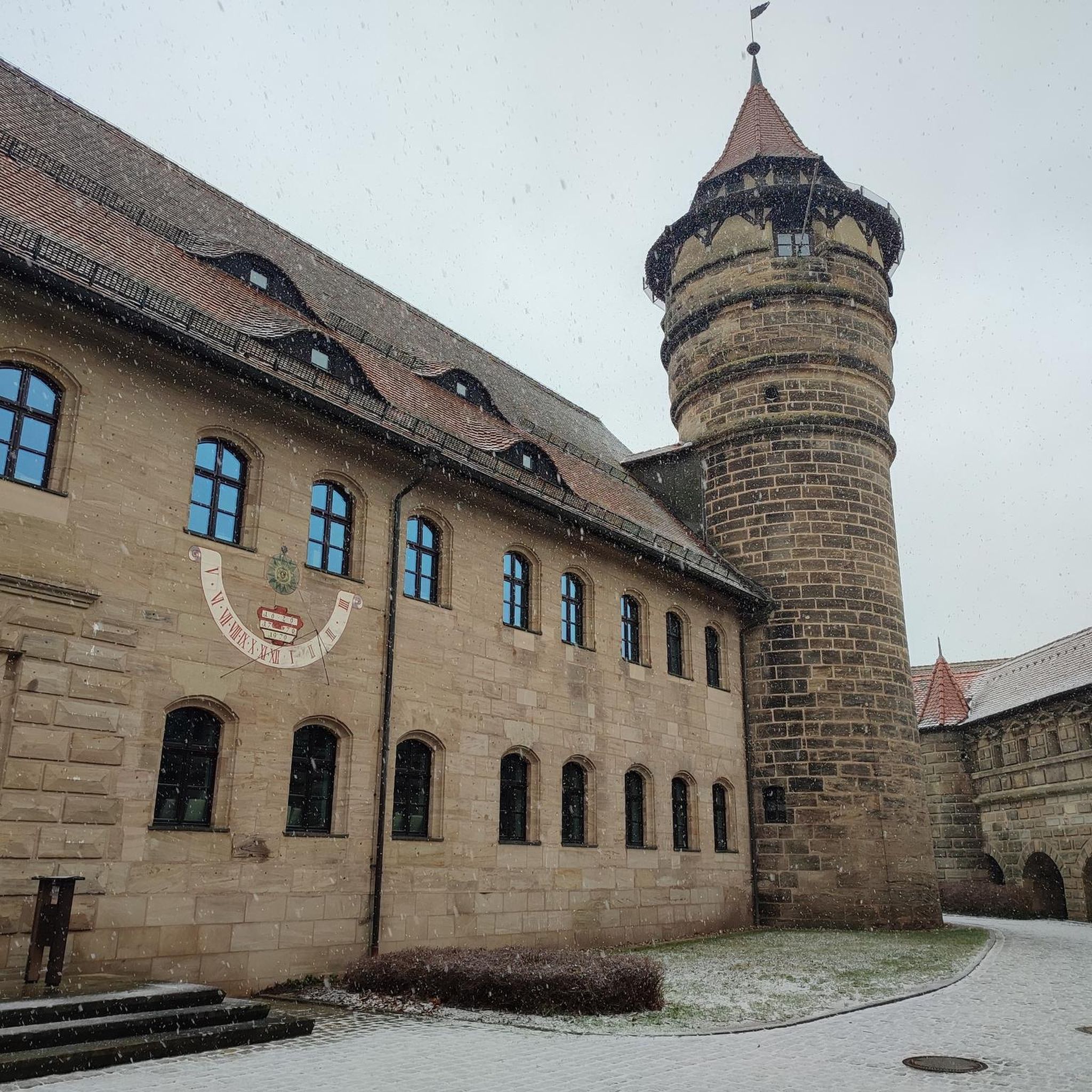
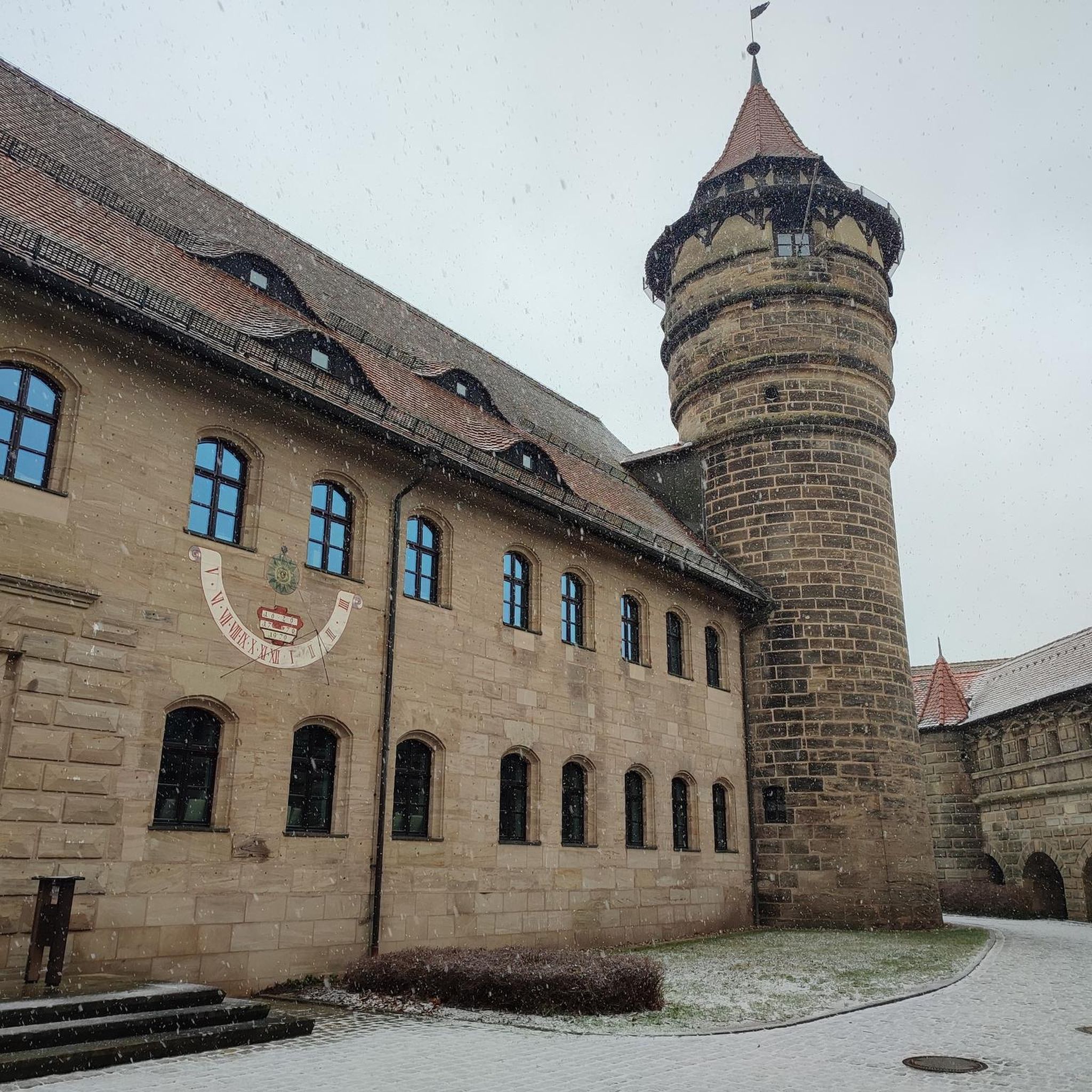
Cuéllar Castle, also known as the Castle-Palace of the Dukes of Alburquerque, is one of the town's most iconic monuments and has a rich history spanning several centuries. Construction of the castle began in the 11th century and was completed in the 17th century. Over the centuries, it has been expanded and renovated in various architectural styles, including Gothic and Renaissance. Its historical owners include Álvaro de Luna and Beltrán de la Cueva, as well as successive Dukes of Alburquerque. Currently, the castle houses the Cuéllar Tourist Office, and guided and dramatized tours are offered on weekends.
5
0
Windmills, like El Cubo, have been a hallmark of the region for centuries. Although their use today is not as widespread as in the past, they remain a reminder of traditional wind energy and engineering. The source of energy in a windmill is the wind itself, and it is used to grind grain, pump water, and perform other tasks. If you ever visit Cuéllar, don't hesitate to explore this historic mill and take in its beauty and functionality. 🌬️🏰
4
0
Documented since 1306, the castle has witnessed various events over the centuries. It was property of the Duchy of Alburquerque and hosted illustrious guests such as the kings of Castile, such as Juan I and Queen Leonor, as well as María de Molina. This castle is a historical treasure and a living testimony to the grandeur and diversity of architectural styles over the centuries. 🏰🌿
4
0

On the border between the provinces of Valladolid and Segovia, the historic town of Cuéllar located next to the Cega River is full of heritage. Standing on top of a hill above the town is the 11th century defensive castle. It is worth going up to see the incredible views of the town surrounded by cereal fields.
1
0

One of the southwest entrances to the town of Cuéllar is one of the walls with what is called the Molino de viento and which can be seen when entering the center itself.
1
0
Cuéllar is one of those towns that has special characteristics, a castle that hovers over one end of the town and that looks like something out of a movie. Huge walls and towers!
1
0

Located in the north of the province of Segovia, bordering the province of Valladolid, in the town of Olombrada you can visit the church of San Vicente and ride through the streets of this small and pretty town.
1
0
Rolling along the path of Las Lomas on the southwest flank of the beautiful castle of Cuéllar, I come across the Santo Domingo tower, an artillery tank that is part of the historical complex declared a national historical monument in 1934, and since 1985 subject to the category of Property of Cultural Interest.
2
0
Frequently Asked Questions
What kind of terrain can I expect when touring cycling in Comun Grande de las Pegueras?
The region is known for its extensive pine forests, often called "Tierra de Pinares," and a significant presence of sandy paths and trails. While some sections offer excellent tracks, the sandy ground can be challenging for traditional touring bikes, especially in summer. Bikes with wider tires, like mountain bikes or gravel bikes, are often more suitable for navigating these conditions.
How many touring cycling routes are available in Comun Grande de las Pegueras?
There are several touring cycling routes available in Comun Grande de las Pegueras. Komoot currently lists 6 routes, offering a mix of easy and moderate options to explore the area's unique landscapes.
Are there any easy touring cycling routes suitable for beginners?
Yes, there are easy routes perfect for beginners. One such option is the Cuéllar Castle – Torreón de Santo Domingo loop from Cuéllar, which is 10.3 miles (16.6 km) long. Another easy route is the Laguna del Carrizal – Laguna Lucía loop from Hontalbilla, covering 7.2 miles (11.6 km).
What are some of the landmarks and attractions I can see along the touring cycling routes?
The area offers several points of interest. You can explore historic sites like Cuéllar Castle and the Torreón de Santo Domingo. Natural features include the serene Laguna del Santo, surrounded by pine trees, and the Cega River, with its gorge and cliffs. You might also encounter curious granite formations amidst the pine forests.
When is the best time of year to go touring cycling in Comun Grande de las Pegueras?
Given the prevalence of sandy paths, cycling can be challenging, and sometimes impracticable, in summer due to the dry, loose sand. Spring and autumn are generally more favorable, offering milder temperatures and potentially firmer ground conditions for a more enjoyable touring cycling experience.
Are there any circular touring cycling routes in the region?
Yes, many of the touring cycling routes in Comun Grande de las Pegueras are circular. For example, the popular Castillo de Cuéllar, Moraleja de Cuéllar y Olombrada — circular desde Cuéllar is a 27.3 miles (44.0 km) loop. Another option is the Fuentepelayo loop from Zarzuela del Pinar, a moderate 16.8 miles (27.0 km) path.
What makes touring cycling in Comun Grande de las Pegueras unique?
The region's uniqueness stems from its vast "Tierra de Pinares"—extensive pine forests, predominantly resin pines—and the distinctive sandy terrain. This combination creates a challenging yet rewarding environment, offering a different kind of touring cycling experience compared to areas with paved roads. The presence of the Cega River, historical ruins like Ermita de San Cebrián, and unique granite formations further add to its character.
Are there any moderate touring cycling routes for those seeking a bit more challenge?
Yes, there are several moderate routes. The Fuentepelayo loop from Fuentepelayo is a moderate 20.1 miles (32.4 km) route that winds through the characteristic pine forests and open landscapes. These routes offer a good balance of distance and varied terrain.
Are the touring cycling routes in Comun Grande de las Pegueras family-friendly?
While the sandy terrain can be challenging, some of the easier, shorter routes may be suitable for families with older children or those with appropriate bikes (e.g., mountain bikes). It's advisable to check the specific route details and difficulty before heading out with younger family members, especially considering the potential for soft ground.
Can I bring my dog on the touring cycling routes?
Many natural areas in Comun Grande de las Pegueras are generally dog-friendly, especially on trails and paths. However, it's always best to keep dogs on a leash, especially in areas with wildlife or near livestock. Be mindful of the sandy terrain, which can be difficult for pets, and ensure you carry enough water for both yourself and your dog, particularly on longer rides.
Are there scenic viewpoints along the touring cycling routes?
Yes, the region offers scenic spots. The ruins of Ermita de San Cebrián, situated on a high point, provide panoramic views of the "alfombra infinita" (infinite carpet) of Monte Común Grande de las Pegueras. The Laguna del Santo also offers a picturesque setting amidst pine trees, ideal for a peaceful stop.
Most popular routes around Comun Grande De Las Pegueras
Most popular attractions around Comun Grande De Las Pegueras

Get inspired with the komoot mobile app


Explore more
Browse the best Cycling routes in other regions.
