Attractions and Places To See around Vilanova De L'Aguda - Top 20
Best attractions and places to see around Vilanova De L'Aguda, a rural municipality in the Noguera region of Catalonia, Spain, offers historical and natural points of interest. The area is characterized by rolling landscapes, extensive pine, oak, and holm oak forests, and traditional pasture lands. Established between the 11th and 12th centuries, the region features historical sites and varied terrain suitable for exploration.
Best attractions and places to see around Vilanova De L'Aguda
- The most popular attractions is Abandoned Village…
Last updated: July 20, 2026
Florejacs Castle
Highlight • Castle
Translated by Google •
Tip by

Church of Santa Maria of Agramunt
Highlight • Religious Site
Translated by Google •
Tip by
Sign up now to discover places like this
Get recommendations on the best single tracks, peaks, & plenty of other exciting outdoor places.
Sign up for free
Les Pallargues Castle
Highlight • Castle
Translated by Google •
Tip by
Abandoned Village of Claret
Highlight • Settlement
Translated by Google •
Tip by
Hermitage of Sant Magí de Guardiola
Highlight • Religious Site
Translated by Google •
Tip by
Sign up for free to discover even more attractions around Vilanova De L'Aguda.
Sign up for free
Already have an account?
Start today with a free account
Your next adventure awaits.
Login or Signup

Tips from the Community

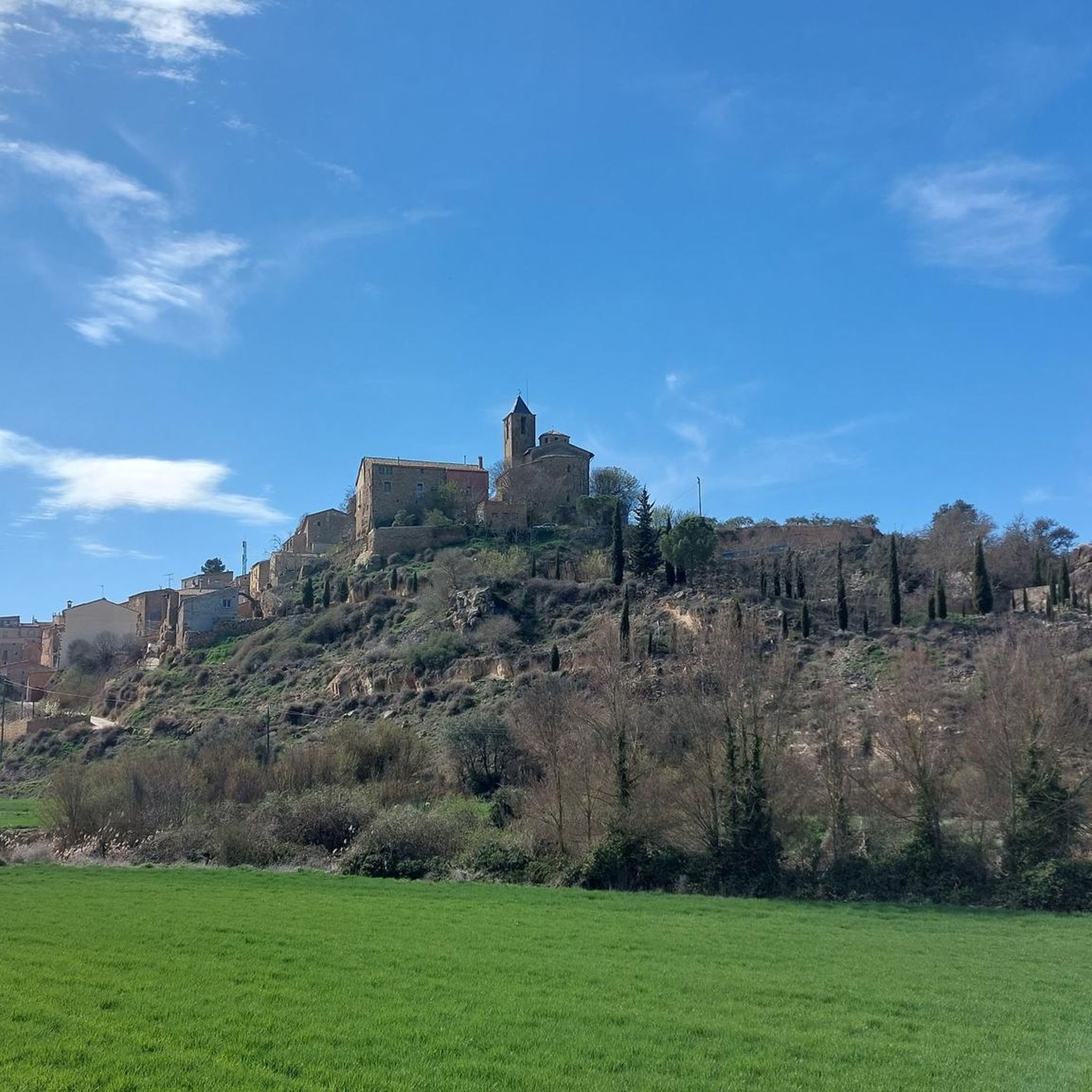
Small town located on top of a hill, abandoned, and part of the La Noguera region.
0
0

The church of Santa María de Agramunt has a long history, it is Romanesque in style and declared a cultural asset of national interest since 1931. Admission is free, but it is recommended to take a guided tour of the civil war air-raid shelter located inside the church. church, see the Ice Well and/or stroll through the streets of the town.
0
0
Les Pallargues Castle, which is part of the Sió Castles Route, is a place that transports you to the medieval past. The guided tour is highly recommended to get an idea of what it was like and how people lived there throughout its thousand years of history.
0
0
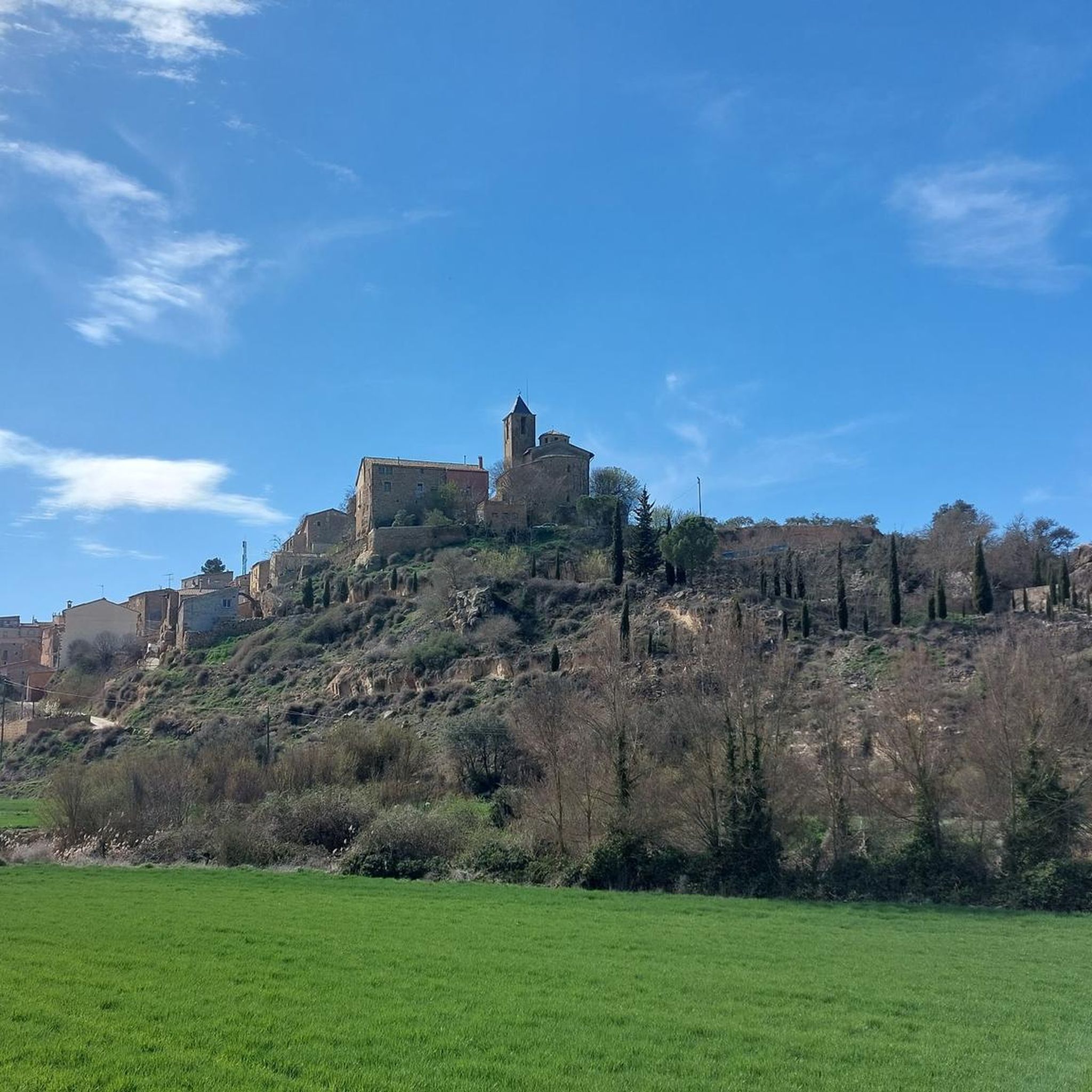
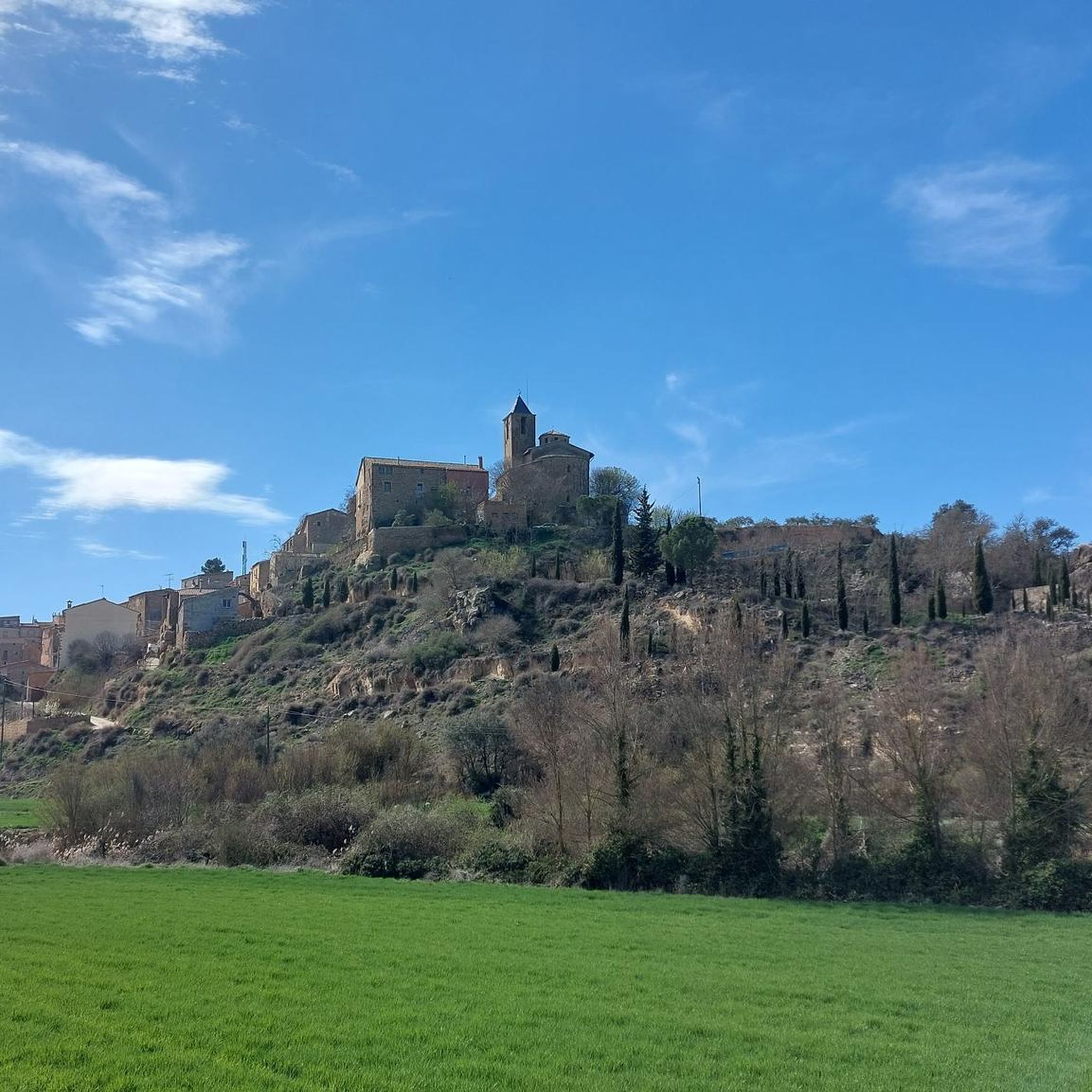
In the Segarra region, which forms part of the Sió Castles route, we come across the Florejacs castle, which was part of the Reconquest as a border line between Arabs and Christians. Can visit.
1
0
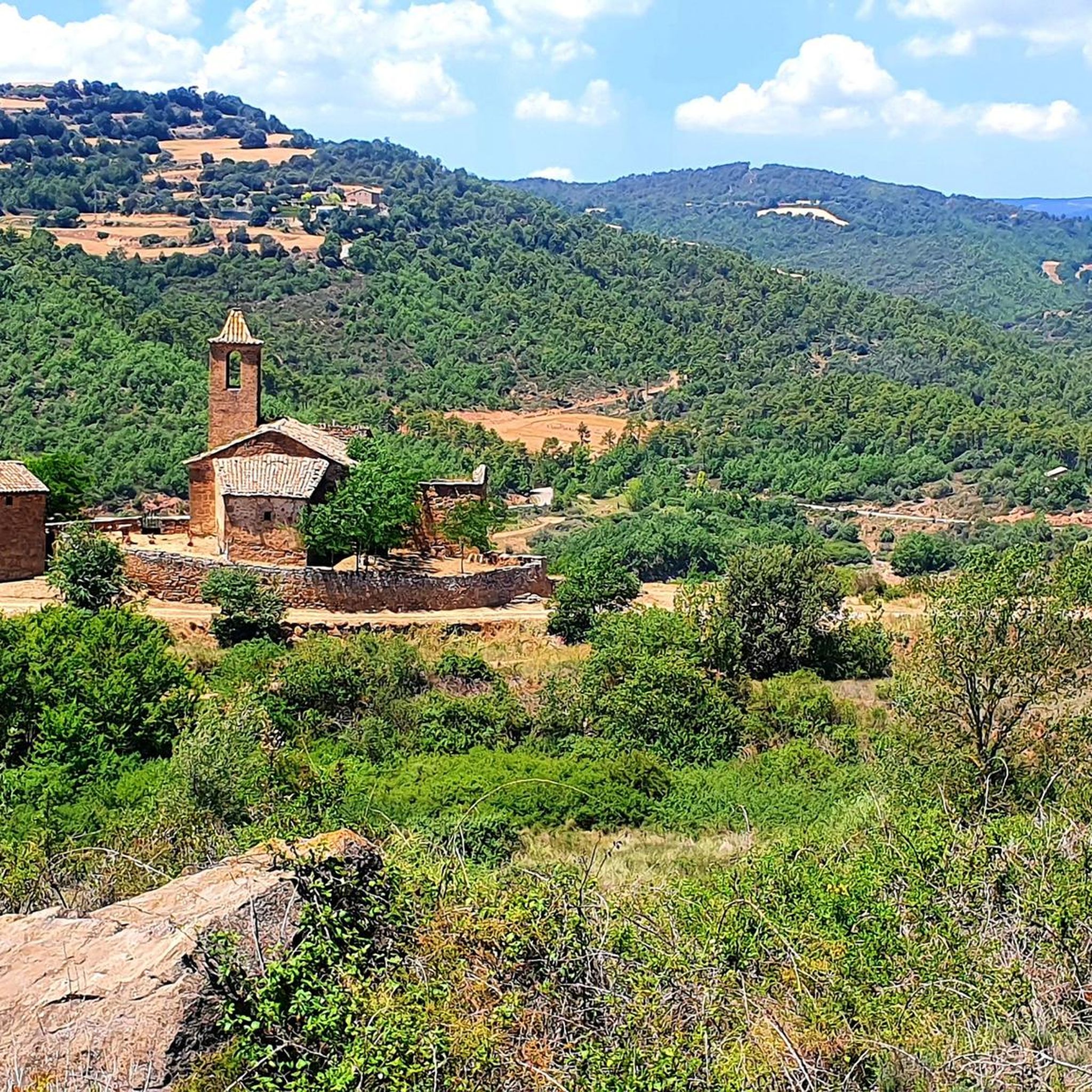
Surely, we will come across the beautiful hermitage of San Magí during our route of the Segarra castles. Nice picture between crop fields. We can sit down, rest and regain strength.
1
0
Florejacs castle is part of the Segarra castles route. Located in the homonymous town that stands on a small hill, in the middle of cultivated fields. This building was part of the border line between the Arab world and the Christian world at the time of the Reconquest. We can visit it, but we must inform ourselves of the schedules.
1
0
Within the municipality of Oliola, we find this abandoned town, on top of a small hill. Much of the town is already in ruins. There is a church dedicated to the Madre de Dios del Carme.
2
0
The church of Santa María de Agramunt, located in a medieval square, has a long history, is Romanesque in style and declared a cultural asset of national interest since 1931. Admission is free, but a guided tour of the anti-aircraft shelter is recommended. civil war that is located inside the church, see the Ice Well and/or stroll through the streets of the town.
1
0
Frequently Asked Questions
What historical sites can I explore in Vilanova De L'Aguda?
The region is rich in history. You can visit the remains of the ancient Castle of l'Aguda and the Romanesque Hermitage of San Miguel. Another significant historical site is the well-preserved Ribelles Castle, dating back to the early 11th century. Don't miss Florejacs Castle, which played a role in the Reconquest as a border stronghold and is open for visits. The Church of Santa Maria of Agramunt is also a cultural asset of national interest with a long history.
Are there any notable religious buildings to visit in the area?
Yes, the municipality is dotted with religious sites. The Church of Santa Maria of Agramunt is a Romanesque church declared a cultural asset of national interest, offering guided tours of a Civil War air-raid shelter inside. You can also find the primitive Romanesque Hermitage of San Miguel near the Castle of l'Aguda, and the Romanesque church of Santa María in Ribelles, along with the chapels of San Miguel and Santo Cristo. The Hermitage of Sant Magí de Guardiola is another beautiful spot often encountered on local routes.
What kind of natural landscapes can I expect to see around Vilanova De L'Aguda?
Vilanova De L'Aguda is characterized by its rolling landscapes, extensive pine, oak, and holm oak forests, and traditional pasture lands. The area sits between the Llobregós valley and mountains, offering varied terrain ideal for exploration. You'll find picturesque backdrops for outdoor activities, with undulating relief and lush woodlands.
Are there opportunities for hiking near Vilanova De L'Aguda?
Absolutely! The region's varied terrain and forests make it an inviting destination for hikers. You can find numerous trails, ranging from easy to moderate. Popular routes include 'La Pleta de la Segarra - Circular Route' and 'Ribelles y Rocabandera — circular desde Sanaüja'. For more options, explore the hiking guide for Vilanova De L'Aguda.
Can I go cycling in the area?
Yes, Vilanova De L'Aguda offers excellent opportunities for cycling. You can enjoy both gravel biking and road cycling on the small roads and forest tracks. For gravel biking, routes like 'Abandoned Village of Claret – Wooden Bridge loop from Ponts' are available. Road cyclists can explore routes such as 'Biosca – Guissona Old Town loop from Sanaüja'. Discover more routes in the gravel biking guide and the road cycling guide for the area.
Are there any family-friendly attractions in Vilanova De L'Aguda?
Yes, several attractions are suitable for families. The Church of Santa Maria of Agramunt is considered family-friendly, offering an interesting historical visit. The Hermitage of Sant Magí de Guardiola is also a pleasant stop for families. Exploring the historical villages and castles can also be an engaging experience for all ages.
What is the best time of year to visit Vilanova De L'Aguda for outdoor activities?
The region is an inviting destination for hikers and outdoor enthusiasts. Spring and autumn generally offer pleasant temperatures for exploring the rolling landscapes and forests. These seasons avoid the peak heat of summer and the colder, potentially wetter conditions of winter, making them ideal for hiking and cycling.
What is the Abandoned Village of Claret like?
The Abandoned Village of Claret is a unique settlement located on a small hill within the municipality of Oliola. Much of the town is in ruins, offering a glimpse into a bygone era. It includes a church dedicated to the Madre de Dios del Carme, making it an interesting spot for those seeking historical and atmospheric exploration.
What is special about Florejacs Castle?
Florejacs Castle is a historical castle that played a significant role in the Reconquest as a border stronghold between Arabs and Christians. It is part of the Segarra castles route and stands on a small hill amidst cultivated fields. Visitors can explore this well-preserved piece of history, though it's advisable to check visiting schedules in advance.
What is the significance of the village of Vilanova de l'Aguda itself?
The village of Vilanova de l'Aguda was established between the 11th and 12th centuries as an administrative center. Its houses are tightly clustered around the 17th-century Church of Santa María. The Main Street (Calle Major) is particularly interesting, featuring secondary alleyways and a beautiful covered archway, offering a glimpse into its historical layout and architecture.
Are there any unique natural features or hidden gems to discover?
Beyond the extensive forests and rolling hills, you can find the Canal d'Urgell, a significant hydraulic infrastructure that carries water from the Segre River. While primarily functional, its path offers unique perspectives on the landscape and can be incorporated into cycling routes. The overall rural character and traditional pasture lands also contribute to the region's charm.
Most popular routes around Vilanova De L'Aguda
Most popular attractions around Vilanova De L'Aguda

Get inspired with the komoot mobile app


Explore more
Still not found the Highlight you’re looking for? See guides of the top attractions in other regions:
