Top 12 Mountain Passes around Famorca
Best mountain passes around Famorca are found in a mountainous region known for its prominent peaks and natural formations. The area offers diverse terrain, from accessible ascents to challenging climbs, providing expansive views of the surrounding valleys and coastlines. Visitors can explore unique geological features and historical sites, making it a destination for those interested in natural landscapes and outdoor activities.
Best mountain passes around Famorca
- The most popular mountain pass is Sa Creueta Pass (780 m), a mountain…
Last updated: August 20, 2026
Sa Creueta Pass (780 m)
Highlight • Mountain Pass
Translated by Google •
Tip by

Confrides Pass
Highlight • Mountain Pass
This climb is category 2, with a …
Showing Translation
Tip by

Sign up now to discover places like this
Get recommendations on the best single tracks, peaks, & plenty of other exciting outdoor places.
Sign up for free
Rabosa Pass
Highlight • Mountain Pass
Translated by Google •
Tip by

Comptador Pass
Highlight • Mountain Pass
Translated by Google •
Tip by
Coll de Garga
Highlight • Mountain Pass
Translated by Google •
Tip by
Sign up for free to discover even more mountain passes around Famorca.
Sign up for free
Already have an account?
Start today with a free account
Your next adventure awaits.
Login or Signup
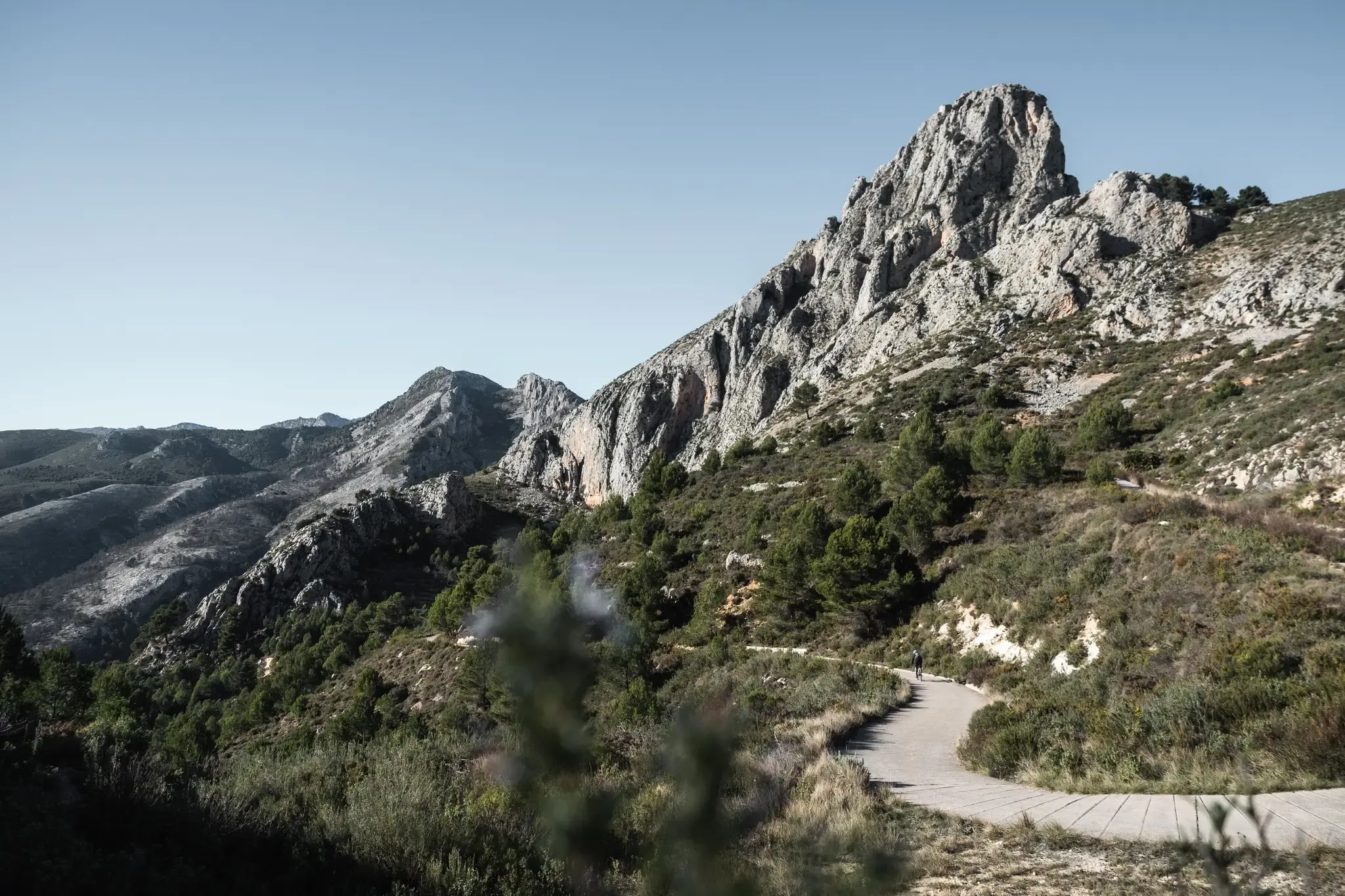
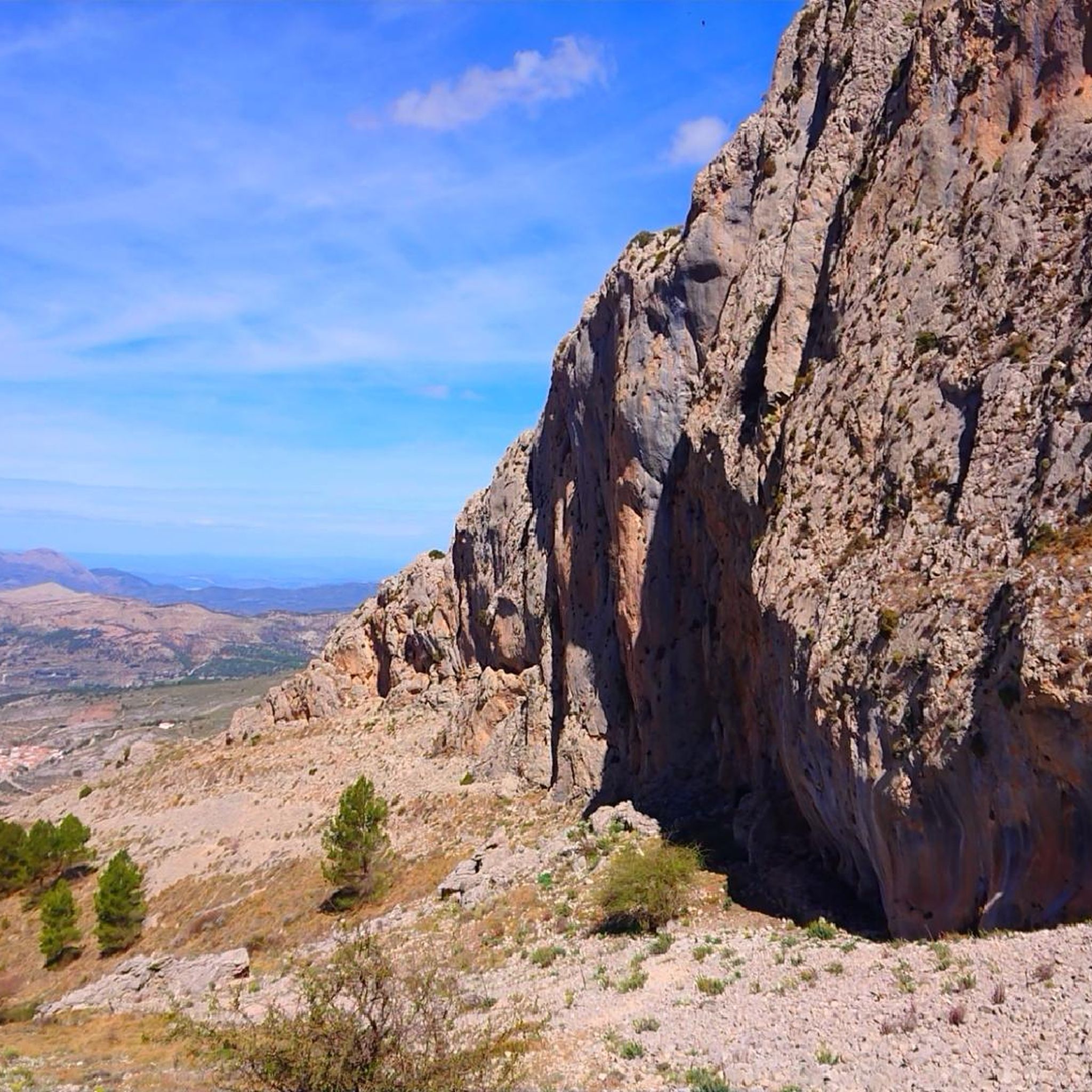
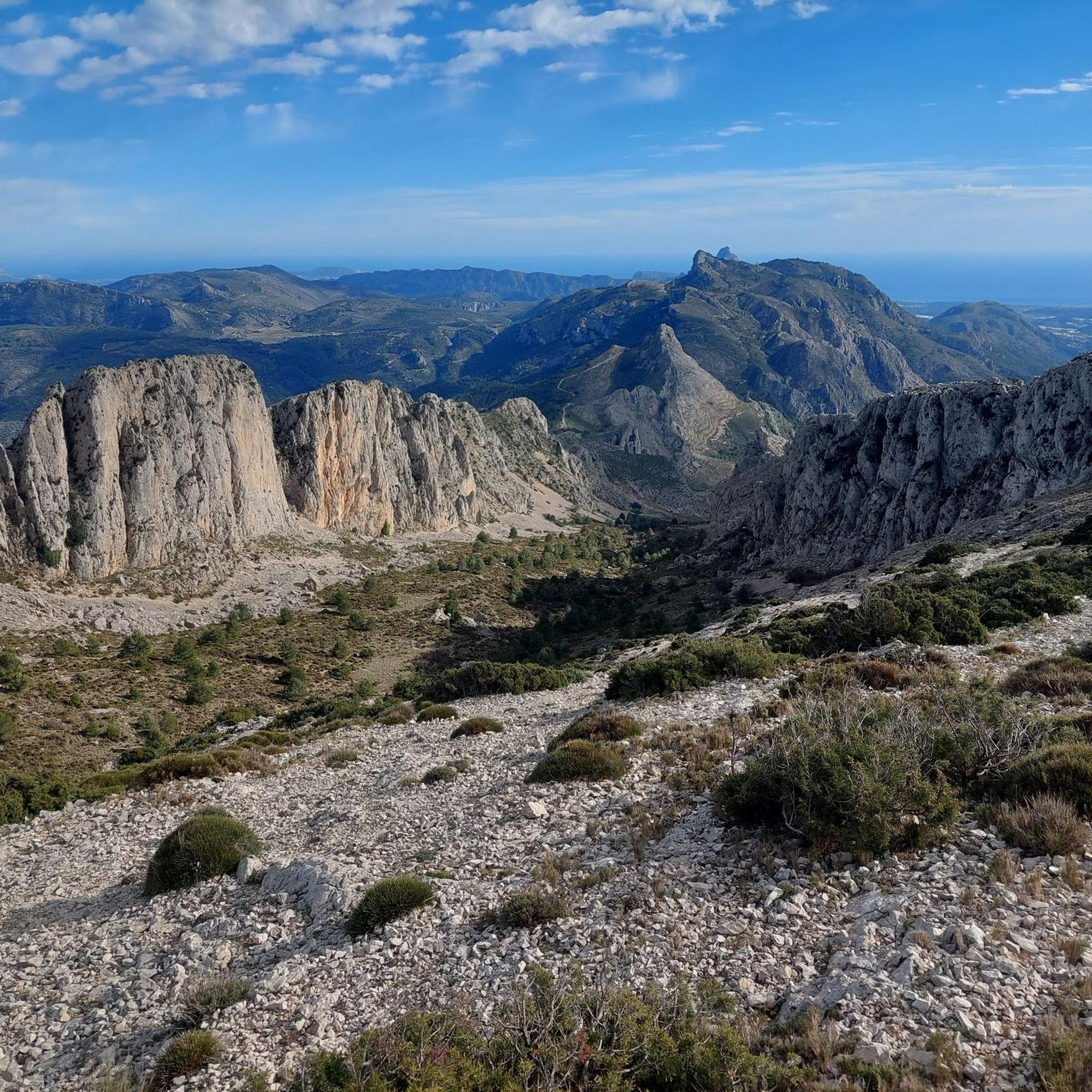
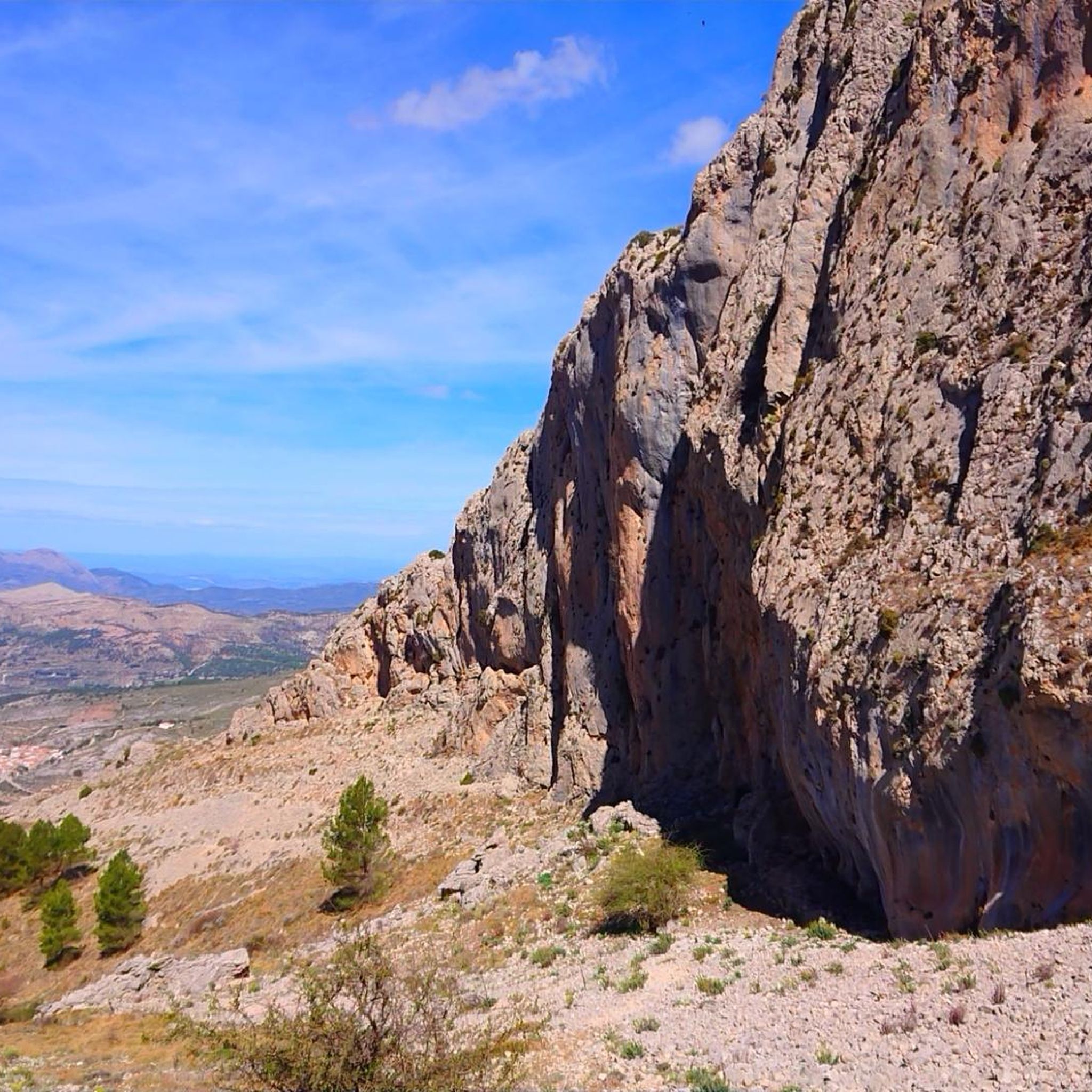
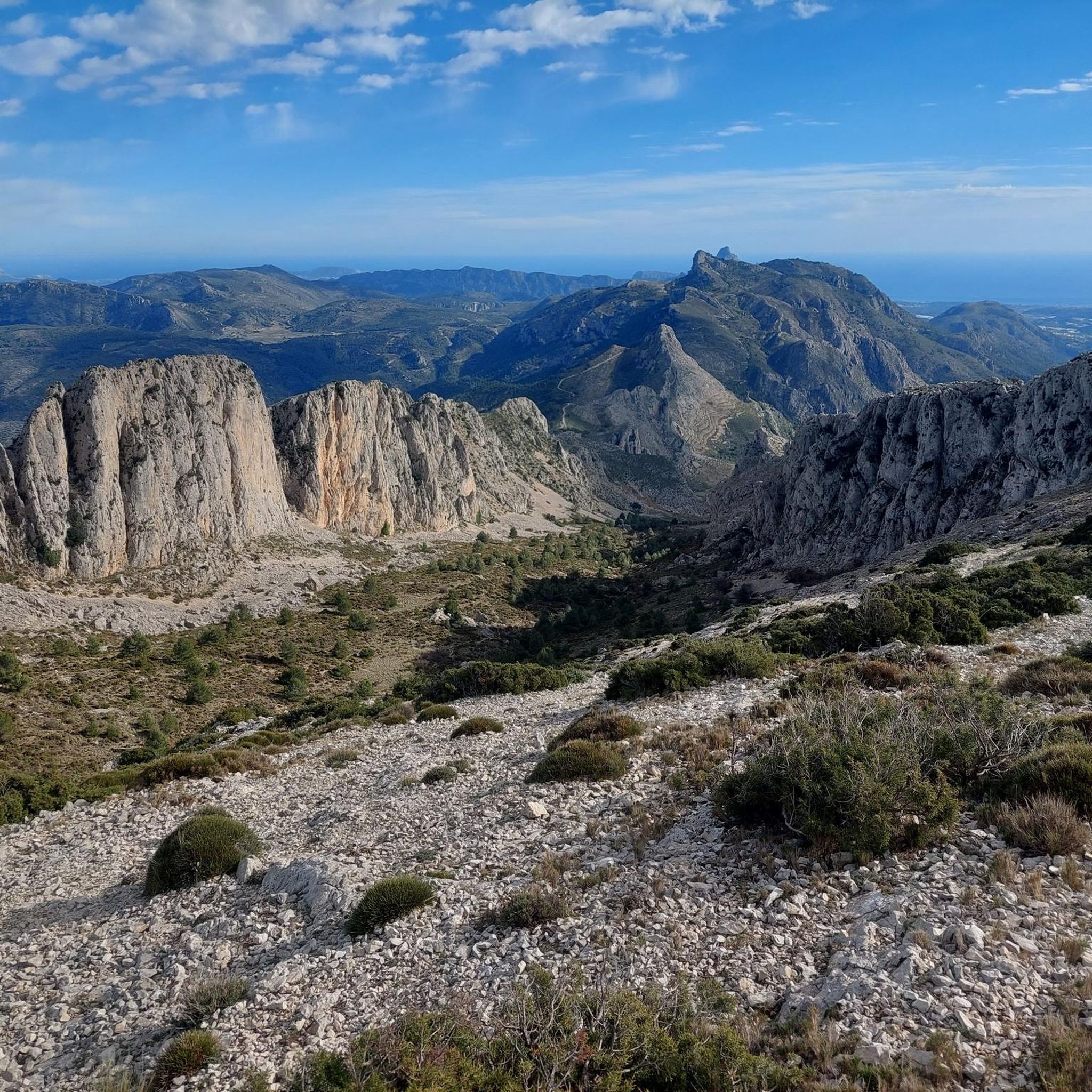

Other adventures around Famorca

Tips from the Community

Tough but with magnificent views. Relatively quiet road.
2
0

Tucked away in the mountains between Tàrbena and Castell de Castells, the Puerto de Sa Creueta offers two distinct climbing experiences — and both are worth riding. From Tàrbena, the climb is friendly and scenic. You’ll face about 4 km of steady climbing at around 5%, followed by a rolling 3.5 km section with gentle ups and downs. Just before the top, a short final ramp kicks up sharply to around 12%, but overall this side is rhythmical and not too demanding. The road is wide, smooth and virtually traffic-free, ideal for a relaxed climb. Approaching via the Castell de Castells side, from Tollos or from Benigembla and the Vall de Pop, is a whole different story. After a relatively calm start, the climb hits hard with a 2 km stretch averaging around 10% — sustained, steep, and guaranteed to get your legs burning. This side is definitely more challenging, and a great test for climbers. No matter which direction you choose, you’ll be rewarded with expansive views over the valley near Tàrbena, the rugged peaks of the Marina mountains, and — on a clear day — even the Mediterranean Sea and the skyline of Altea shimmering in the distance. Puerto de Sa Creueta is a hidden gem: peaceful, beautiful and tougher than it looks, especially if you come at it from the inland side. Combine it with Coll de Rates for an unforgettable day in the heart of the Costa Blanca.
5
0

A beautiful, long, not-too-steep climb. Nevertheless, you gain over 800 meters in elevation. Quiet roads, hardly any traffic. Very beautiful scenery.
0
0
The Puerto de Confrides is the longest—and one of the highest—climbs in the area, stretching nearly 25 km from base to summit. It's not overly steep, with a moderate average gradient that keeps it rider-friendly, but the real challenge comes from its length. Expect a sustained ascent through pine forests, olive groves, and sweeping valley views. Pace yourself early, stay hydrated, and enjoy the gradual rhythm—this is a true endurance climb that rewards consistent effort rather than explosive power.
1
0

short VIDEOs about this hike could be found at the following links at my youTUBE channel: https://www.youtube.com/watch?v=77nMyRJvnZw https://www.youtube.com/watch?v=WVZN57p8yuA https://www.youtube.com/watch?v=7QFmKmQYq4U
0
0

The port of Confrides is a very popular route among cyclists on the Costa Blanca, known for its stunning landscapes and challenging climbs. This climb is category 2, with a length of 9 kilometers and an average gradient of 5%. The initial altitude is 550 meters and the final altitude is 960 meters, with a total elevation gain of 410 meters. The last 1.5 kilometers are the most challenging, with an average gradient of over 7%.
6
0

The route runs either from Benilloba or from the valley of the Riu Guadalest. If you start on the coast, you can drive up to almost 1000 meters. On some maps, its name also reads "Port d'Ares". But the sign clearly says "Port de Confrides".
4
1

Tough climb, but the reward of the views is a gift
1
0
Frequently Asked Questions
What makes the mountain passes around Famorca unique?
The mountain passes around Famorca are known for their diverse terrain, offering everything from steady, scenic climbs to challenging ascents with significant gradients. You'll find unique geological features like the narrow gap at Rabosa Pass and historical sites, all set against a backdrop of expansive views of valleys, mountains, and even the Mediterranean Sea.
Which mountain passes are popular for cycling in the Famorca area?
Cyclists frequently visit passes like Sa Creueta Pass (780 m), which offers both a friendly, scenic climb from Tàrbena and a more challenging ascent from Castell de Castells. Confrides Pass is another popular choice, known for its stunning scenery and challenging slopes with an average gradient of 5% over 9 km.
Are there any particularly challenging mountain passes in the Famorca area?
Yes, several passes offer a significant challenge. The Castell de Castells side of Sa Creueta Pass (780 m) features a 2 km stretch averaging around 10%. Rabosa Pass is also considered challenging, especially with its unique Passet de la Rabosa. Additionally, Comptador Pass has very steep ramps, with the Guadalest side reaching slopes of up to 23%.
What kind of views can I expect from the mountain passes near Famorca?
From the mountain passes and prominent peaks around Famorca, you can expect breathtaking panoramic views. These include sweeping vistas over the valleys near Tàrbena, the rugged peaks of the Marina mountains, and on clear days, even the Mediterranean Sea and the skyline of Altea. From Morro Blau in the Serra de l'Aixorta, you can see towards the Marina Alta and Baja regions, with glimpses of beaches from Denia to Calpe.
Are there any unique natural formations or landmarks to see in the mountains around Famorca?
Absolutely. The Rabosa Pass features the Passet de la Rabosa, a curious and picturesque narrow gap through rocks at the summit of Aitana. Further afield, Penya Foradà is an iconic natural arch, or 'window,' sculpted by erosion, offering a unique spectacle twice a year when the sun aligns perfectly with the arch.
Are there any historical sites or features near the mountain passes?
Yes, the Comptador Pass has a rich historical background, named for its past use by shepherds to count cattle. Additionally, the mountains above Famorca feature historical 'ice houses' or 'neveros,' which were once used to store ice collected from the hillsides, offering a glimpse into traditional regional practices.
What outdoor activities can I do near the mountain passes around Famorca?
The area around Famorca's mountain passes is excellent for various outdoor activities. You can enjoy hiking on trails like the Forat d'Àfrica – Pla de la Casa Summit loop, cycling on routes such as the Guadalest Reservoir Loop Trail, or mountain biking on trails like Els Arcs - Penya Rabosa. For more details on routes, visit the Hiking around Famorca, Cycling around Famorca, and MTB Trails around Famorca guides.
Are there specific hiking trails recommended near Famorca's mountain passes?
Yes, there are several hiking options. For a moderate hike, consider the Forat d'Àfrica – Pla de la Casa Summit loop from Fageca. If you're looking for something more challenging, the Mallada del Llop – Morro dels Regalls loop from Famorca or the Forat d'Àfrica – Pla de la Casa Summit loop from Famorca are popular choices. You can find more hiking routes in the Hiking around Famorca guide.
Can I go mountain biking in the Famorca area?
Yes, mountain biking is a popular activity in the Famorca area. Peaks like Cima del Cocoll are known spots for mountain biking. You can explore trails such as Els Arcs - Penya Rabosa or the Vuelta a la Sierra de Almudaina. For more mountain biking routes, check out the MTB Trails around Famorca guide.
What is the best time to visit the mountain passes around Famorca?
The region generally offers pleasant conditions for outdoor activities for much of the year. Spring and autumn typically provide mild temperatures ideal for hiking and cycling. While specific seasonal considerations for each pass vary, these shoulder seasons avoid the intense heat of summer and the colder, potentially wetter conditions of winter at higher elevations.
What do visitors enjoy most about the mountain passes around Famorca?
Visitors frequently praise the stunning panoramic views, the quiet and well-maintained roads for cycling, and the unique natural features. The challenging climbs are a draw for those seeking a test of endurance, while the sense of discovery in these peaceful, beautiful mountains is a common highlight. The historical context of certain passes also adds to the appeal.
Most popular attractions around Famorca

Get inspired with the komoot mobile app


Explore more
See even more epic mountain passes by checking out these guides around Famorca:
