Top 15 Mountain Passes around Facheca
Mountain passes around Facheca, a municipality in the Seta valley, are situated between the Serrella and Alfaro mountain ranges in Alicante, Spain. This region offers a landscape characterized by rugged formations and diverse natural features. The area provides opportunities for outdoor activities such as cycling and hiking.
Best mountain passes around Facheca
- The most popular mountain passes is Sa Creueta Pass (780 m), a mountain pass that features gradients up to 15% on its west ramp and a smooth…
Last updated: October 13, 2026
Sa Creueta Pass (780 m)
Highlight • Mountain Pass
Translated by Google •
Tip by

Tudons Pass
Highlight • Mountain Pass
Showing Translation
Tip by

Sign up now to discover places like this
Get recommendations on the best single tracks, peaks, & plenty of other exciting outdoor places.
Confrides Pass
Highlight • Mountain Pass
This climb is category 2, with a …
Showing Translation
Tip by

Rabosa Pass
Highlight • Mountain Pass
Translated by Google •
Tip by

Climb to Port de Tudons from La Vila Joiosa
Highlight (Segment) • Mountain Pass
Showing Translation
Tip by

Sign up for free to discover even more mountain passes around Facheca.
Already have an account?
Start today with a free account
Your next adventure awaits.
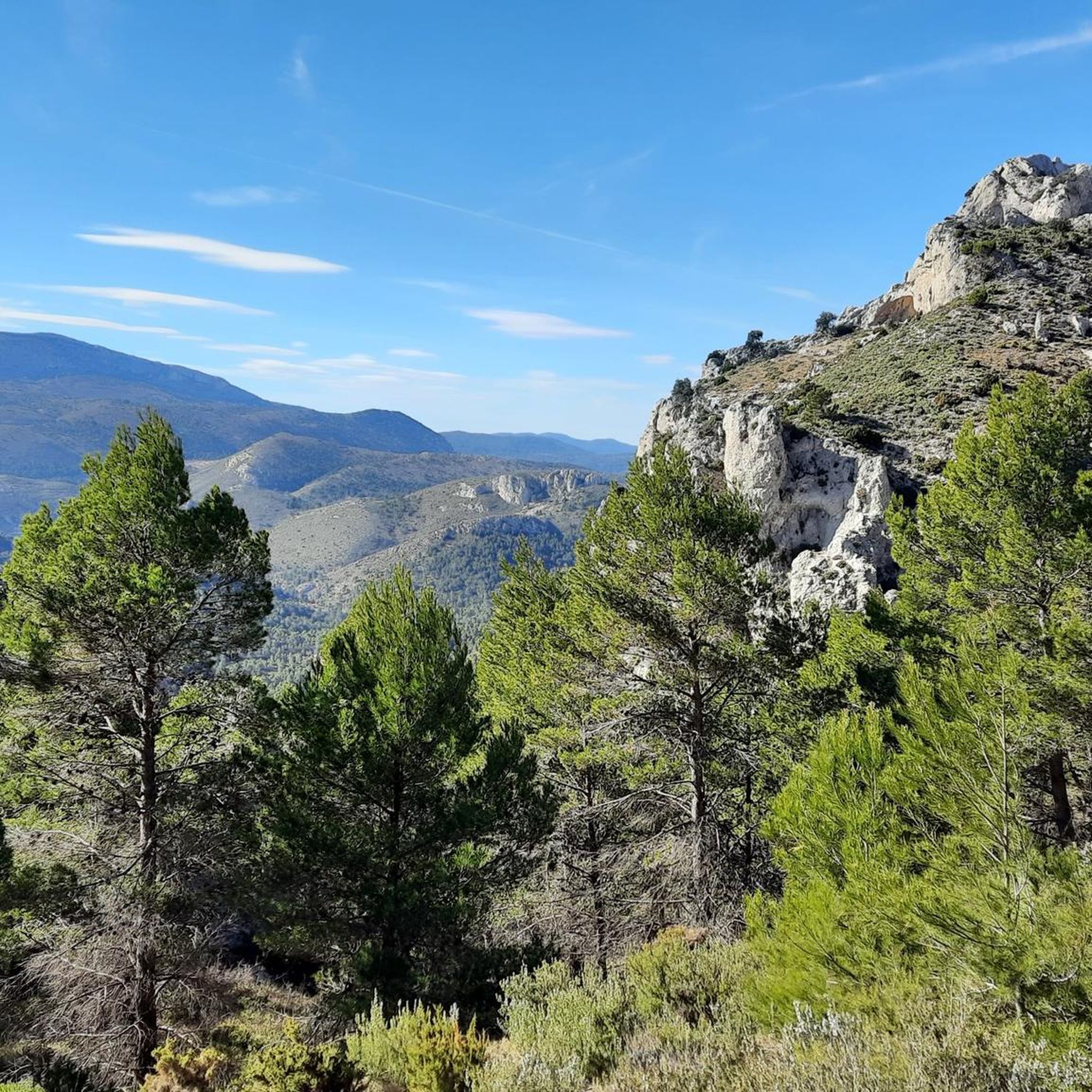
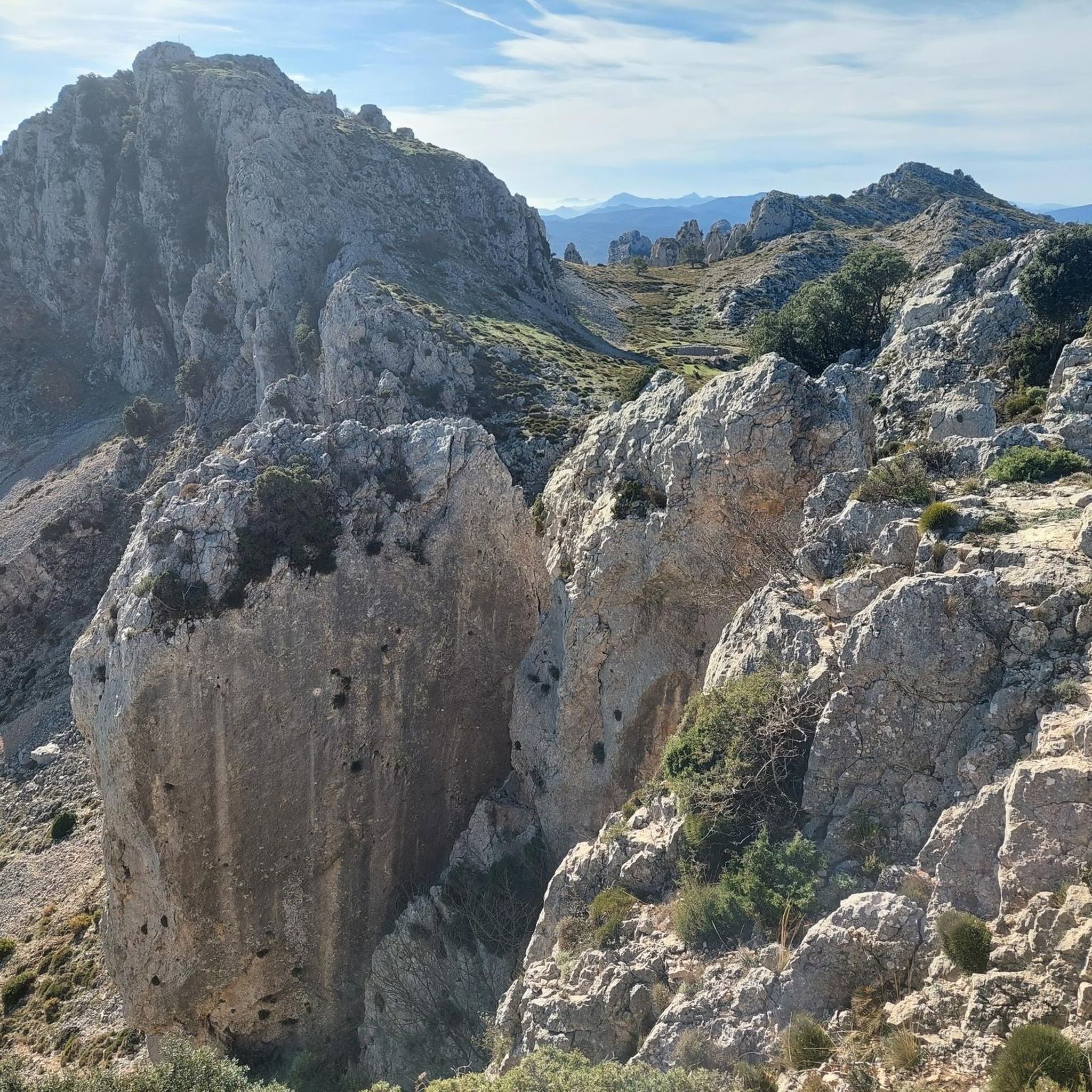
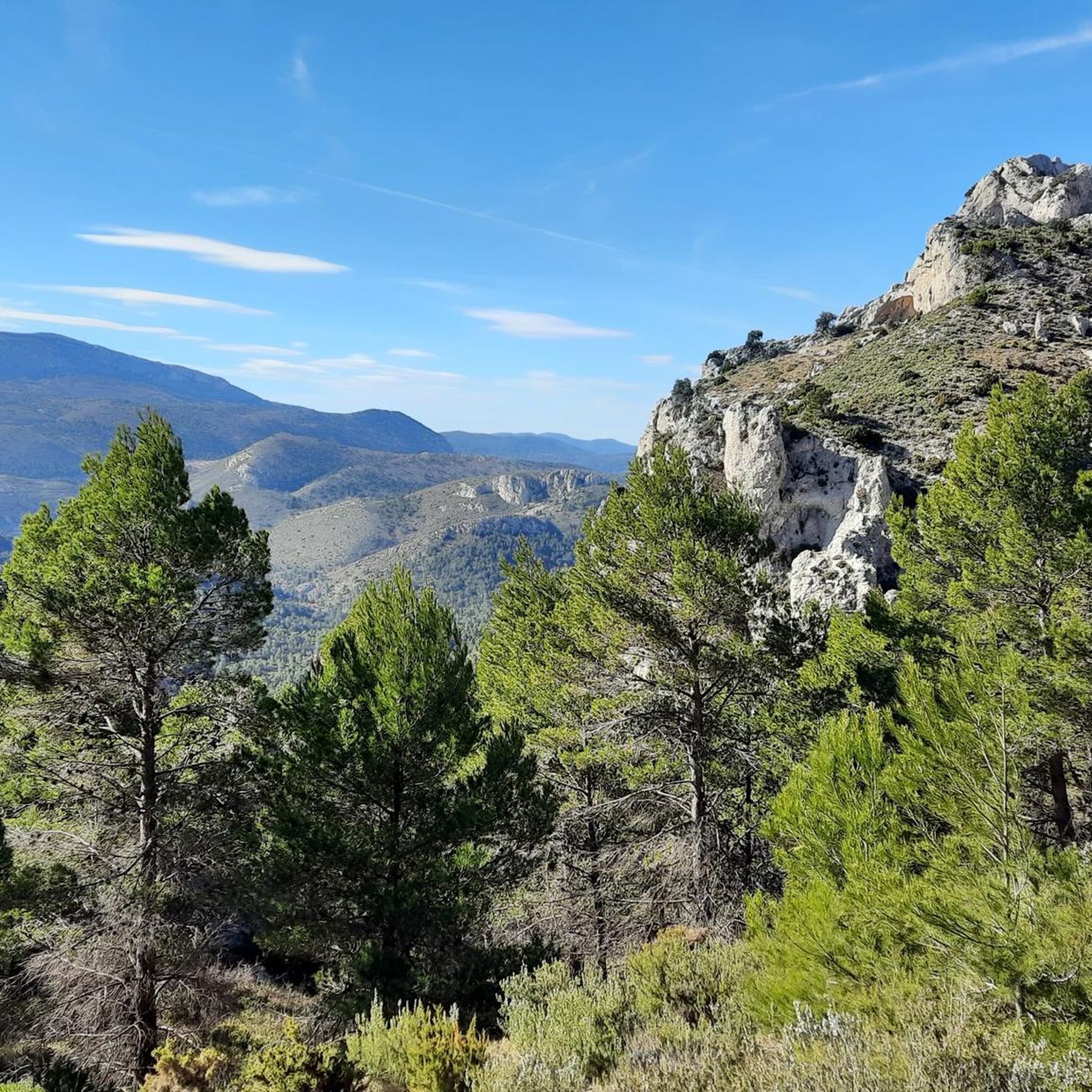
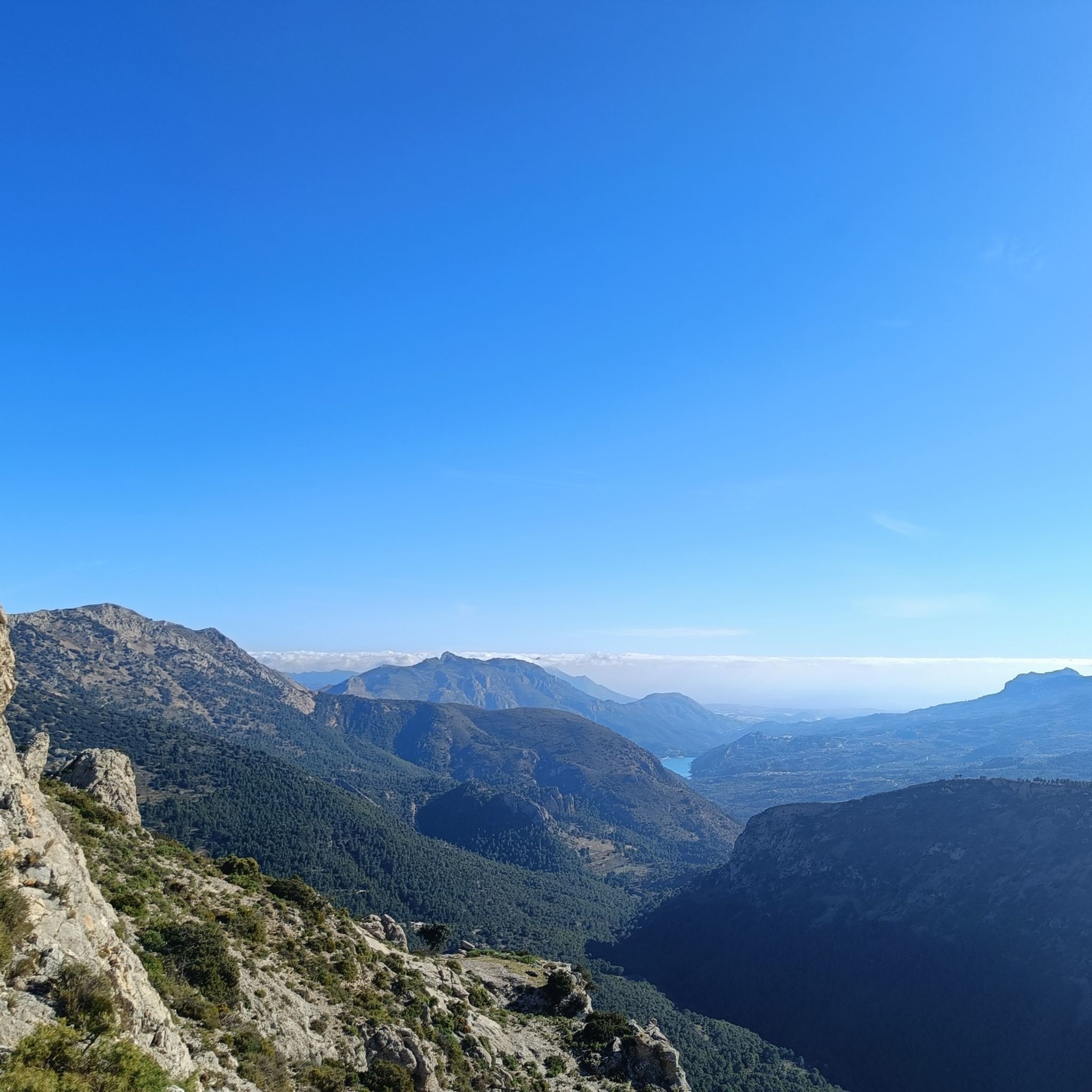

Tips from the Community

All roads lead to…
7
0

As an alternative to the direct ascent from La Vila Joiosa via Sella to Puerto de Tudons, the route via Relleu is recommended, which is significantly quieter, in my opinion more scenically varied, and allows for a somewhat more even, easily rideable ascent through the hinterland of the Costa Blanca.
1
0
The ascent from La Vila Joiosa to Puerto de Tudons initially starts relatively moderate and undulating with mostly flat to slightly rising sections, and later winds through the mountain landscape of the Serra d’Aitana. Only from Sella onwards does the route become a steady uphill climb, which continues to the pass at 1025 m. This actual ascent is around 5-6% on average, with short passages that are a bit steeper at 10%, but overall without extreme ramps. This results in a long, well-paced uphill climb from the coastal area up into the mountains of the Serra d’Aitana.
1
0

Tough but with magnificent views. Relatively quiet road.
2
0

Tucked away in the mountains between Tàrbena and Castell de Castells, the Puerto de Sa Creueta offers two distinct climbing experiences — and both are worth riding. From Tàrbena, the climb is friendly and scenic. You’ll face about 4 km of steady climbing at around 5%, followed by a rolling 3.5 km section with gentle ups and downs. Just before the top, a short final ramp kicks up sharply to around 12%, but overall this side is rhythmical and not too demanding. The road is wide, smooth and virtually traffic-free, ideal for a relaxed climb. Approaching via the Castell de Castells side, from Tollos or from Benigembla and the Vall de Pop, is a whole different story. After a relatively calm start, the climb hits hard with a 2 km stretch averaging around 10% — sustained, steep, and guaranteed to get your legs burning. This side is definitely more challenging, and a great test for climbers. No matter which direction you choose, you’ll be rewarded with expansive views over the valley near Tàrbena, the rugged peaks of the Marina mountains, and — on a clear day — even the Mediterranean Sea and the skyline of Altea shimmering in the distance. Puerto de Sa Creueta is a hidden gem: peaceful, beautiful and tougher than it looks, especially if you come at it from the inland side. Combine it with Coll de Rates for an unforgettable day in the heart of the Costa Blanca.
5
0

A beautiful, long, not-too-steep climb. Nevertheless, you gain over 800 meters in elevation. Quiet roads, hardly any traffic. Very beautiful scenery.
0
0
The Puerto de Confrides is the longest—and one of the highest—climbs in the area, stretching nearly 25 km from base to summit. It's not overly steep, with a moderate average gradient that keeps it rider-friendly, but the real challenge comes from its length. Expect a sustained ascent through pine forests, olive groves, and sweeping valley views. Pace yourself early, stay hydrated, and enjoy the gradual rhythm—this is a true endurance climb that rewards consistent effort rather than explosive power.
1
0

This is one of the longest climbs you can do in the area. It's 27 kilometers long, with 1,000 meters of elevation gain at a very manageable average of 3.7%, with gradients of 7.5%. Good road surface and magnificent views.
1
0
Frequently Asked Questions
What kind of views can I expect from the mountain passes around Facheca?
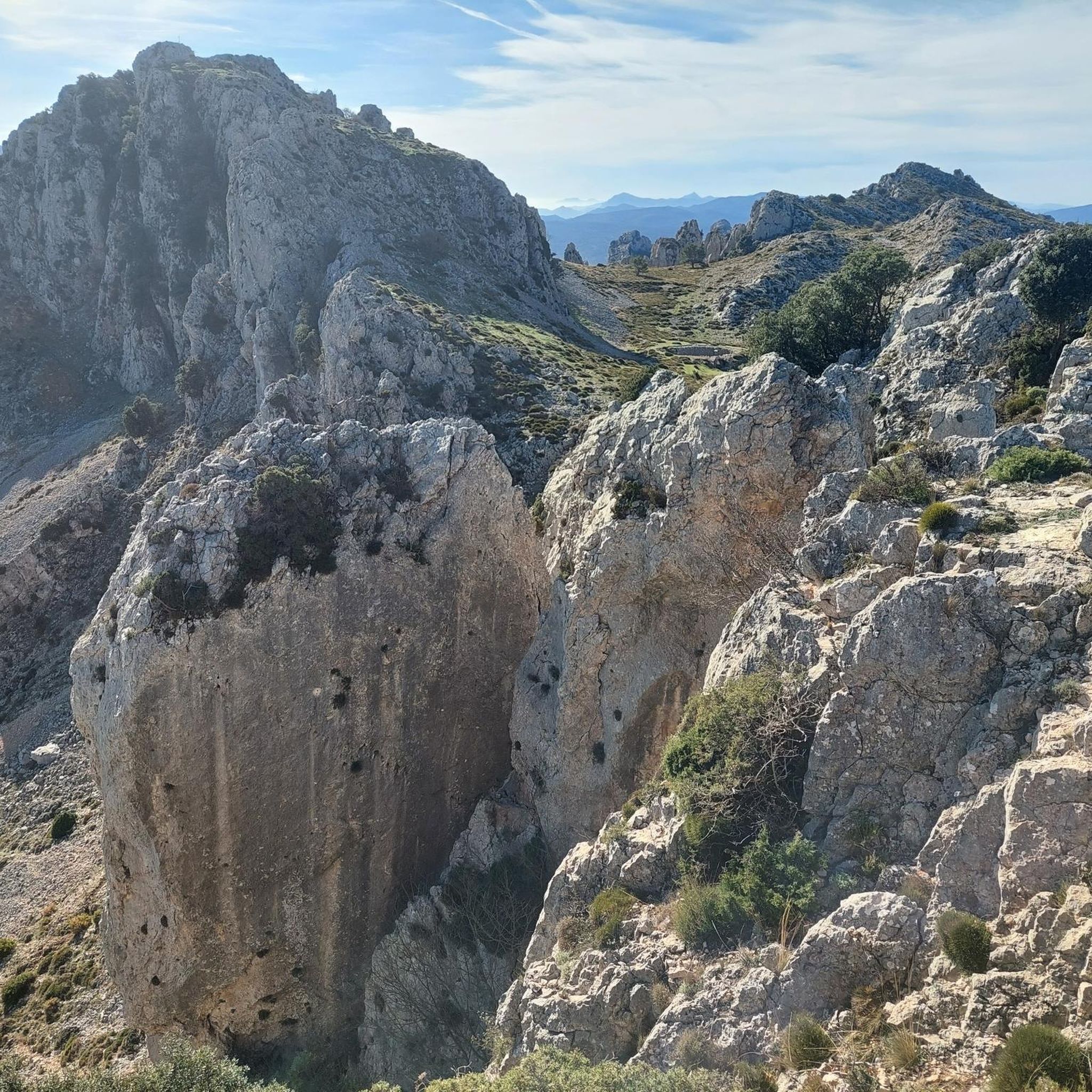
The mountain passes in the Facheca area, particularly within the Serrella range, offer spectacular panoramic views. From passes like Sa Creueta Pass (780 m), you can see expansive vistas over the valley and Marina mountains, and on clear days, even the Mediterranean Sea. Portet de Castells provides incredible views of the emerald-green Guadalest reservoir and surrounding mountains. The higher points, such as Pla de la Casa, offer wide panoramas extending towards the sea and Aitana.
Are there historical sites or cultural features near the mountain passes?
Yes, some mountain passes near Facheca have historical significance. For instance, near Portet de Castells, at an altitude of 1049m, you can find the ruins of a 13th-century Moorish castle on Penya El Castellet. This ancient fortress once guarded the old communication route between the Valle de Guadalest and Castell de Castells. Hiking to these ruins offers a breathtaking panorama over the Guadalest valley. The broader Serrella mountain range also features ancient water tanks and shepherd's shelters.
What outdoor activities can I do near the mountain passes around Facheca?
The region around Facheca is excellent for various outdoor activities. Cycling is very popular, with passes like Sa Creueta Pass (780 m), Port de Tudons, and Confrides Pass being well-known for their challenging climbs and scenic routes. Hiking is also a major draw, with routes like the demanding Serrella Traverse offering impressive rock scenery. You can find more details on specific routes in our Hiking around Facheca, MTB Trails around Facheca, and Gravel biking around Facheca guides.
How challenging are the mountain passes around Facheca for cyclists and hikers?
The mountain passes near Facheca offer a range of difficulties. Many are known for challenging climbs, particularly for cyclists. For example, Portet de Castells is a Category 1 climb with an average gradient of 12% and sections reaching 18.2%. Sa Creueta Pass (780 m) has gradients up to 15% on its west ramp, and its inland side features a 2 km stretch averaging around 10%. Confrides Pass is a Category 2 climb with an average gradient of 5%, with the last 1.5 km being the most challenging at over 7%. Some hiking routes, especially those through Portet de Castells or to Pla de la Casa, can be hard, involving technical terrain and requiring considerable physical effort.
What natural features characterize the Serrella mountain range where Facheca is located?
The Serrella mountain range, often called 'the Alicante Pyrenees,' is known for its rugged and spectacular formations. It features impressive cliffs, unique geological formations like the 'Serella Pinnacles' (also known as 'The Lost World') with bizarrely sculptured limestone, and diverse natural heritage. Hikers can also discover natural springs such as Font Roja.
Are there any less-known but rewarding mountain passes to explore near Facheca?
Beyond the most popular, Portet de Castells is a highly rewarding pass, separating the Sierra de la Serrella from the Sierra de la Xortà. It's a challenging climb for cyclists and offers incredible views of the Guadalest reservoir. Another notable mention is Contadores Pass, part of the demanding Serrella Traverse, which provides impressive rock scenery and panoramic views. While not a pass itself, the ascent to Pla de la Casa (1,379 m), the highest point of the Serrella range, involves navigating passes between peaks and offers wide panoramic views.
When is the best time to visit the mountain passes around Facheca?
The region around Facheca generally enjoys a Mediterranean climate. Spring and autumn are typically the most pleasant seasons for outdoor activities like cycling and hiking, offering milder temperatures and comfortable conditions. Summers can be hot, especially at lower elevations, while winters are cooler but often still suitable for activities, though higher passes might experience colder temperatures.
Are there family-friendly options for exploring the mountain passes near Facheca?
While many passes offer challenging terrain, some routes or sections might be suitable for families depending on their experience level. For easier walks, look for trails that don't involve the steepest gradients or technical terrain. It's always recommended to check the specific route details and difficulty ratings before heading out with family. The general area offers diverse natural beauty that can be enjoyed by all.
Can I bring my dog on hikes around the Facheca mountain passes?
Generally, dogs are welcome on many hiking trails in natural areas around Facheca, provided they are kept under control, especially in areas with livestock or wildlife. It's always best to check local regulations for specific trails or protected areas, as rules can vary. Ensure your dog is fit for the chosen route, and always carry enough water for both yourself and your pet.
What do visitors enjoy most about the mountain passes around Facheca?
Visitors frequently highlight the stunning views, the challenging yet rewarding climbs for cyclists, and the peaceful, traffic-free roads. The sense of accomplishment after conquering a steep pass, combined with the breathtaking panoramas of the valleys, mountains, and even the distant sea, is a common theme. The unique geological formations and the opportunity to explore historical ruins also add to the appeal.
Are there any specific safety considerations for hiking or cycling these mountain passes?
Given the challenging terrain of many passes, it's crucial to be prepared. For cyclists, steep gradients and concrete slab surfaces (like on Portet de Castells) require good bike handling skills and appropriate gearing. For hikers, some routes involve technical or hazardous terrain, potentially requiring specialist equipment and prior experience. Always check weather conditions, carry sufficient water and supplies, and inform someone of your route. The Serrella mountain range is rugged, so proper footwear and navigation tools are essential.
Are there any amenities like cafes or accommodation near the mountain passes?
Facheca itself is a small municipality. While specific amenities directly at every pass might be limited, you can typically find cafes, restaurants, and accommodation in the nearby villages and towns within the Seta valley and surrounding areas. It's advisable to plan your route and check for available services in the villages you'll pass through or near, such as Beniardà or Castell de Castells, especially if you're planning a longer day out.
Most popular attractions around Facheca

Get inspired with the komoot mobile app


Explore more
See even more epic mountain passes by checking out these guides around Facheca:
