Attractions and Places To See around San Cebrián De Mazote - Top 16
Attractions and places to see around San Cebrián De Mazote include a rich cultural and historical heritage, particularly its Mozarabic architecture. The village is situated in a valley amidst hills covered with pine forests and cereal fields, traversed by the Río Bajoz. This region offers a blend of historical sites, religious buildings, and natural features for exploration. Visitors can discover more than 15 points of interest, including significant architectural examples and natural landmarks.
Best attractions and places to see around…
Last updated: October 30, 2026
Monastery of La Santa Espina
Highlight • Religious Site
Translated by Google •
Tip by

Bajoz River Reservoir
Highlight • Lake
Translated by Google •
Tip by

Sign up now to discover places like this
Get recommendations on the best single tracks, peaks, & plenty of other exciting outdoor places.
Torrelobatón Castle
Highlight • Castle
Translated by Google •
Tip by
Urueña Castle
Highlight • Castle
It was ordered to be built …
Translated by Google •
Tip by
Church of the Immaculate Conception of Castromonte
Highlight • Religious Site
Translated by Google •
Tip by

Sign up for free to discover even more attractions around San Cebrián De Mazote.
Already have an account?
Start today with a free account
Your next adventure awaits.


Tips from the Community

Well-preserved castle, interesting visit, and beautiful views of the Castilian countryside, especially in spring. Good trails for mountain biking.
1
0

Today, only the outer walls remain, and the various rooms that it may have had in the past have completely disappeared. It was built around the year 1060 by the Castilian monarch Ferdinand I the Great on the remains of an ancient Roman fortification.
5
0
Urueña Castle is an impressive fortress located in the municipality of Urueña, in the province of Valladolid, Spain. This medieval castle dates back to the 11th century and is one of the best preserved in the region. Originally built in the 11th century, the castle has witnessed numerous historical events and has undergone several renovations over the centuries.
7
0
The Castle of the Comuneros rises majestically above the Torozos Mountains, visible from several kilometers around. Located in Torrelobatón, in the province of Valladolid, this castle has become the symbol of the town and is one of the best preserved in Castilla y León. It was declared Historical Heritage in 1949. This imposing castle, a witness to history and struggle, remains a fascinating attraction for visitors. If you ever have the opportunity, I recommend exploring its walls and discovering the secrets it keeps in its centuries-old stone. 🏰
5
0

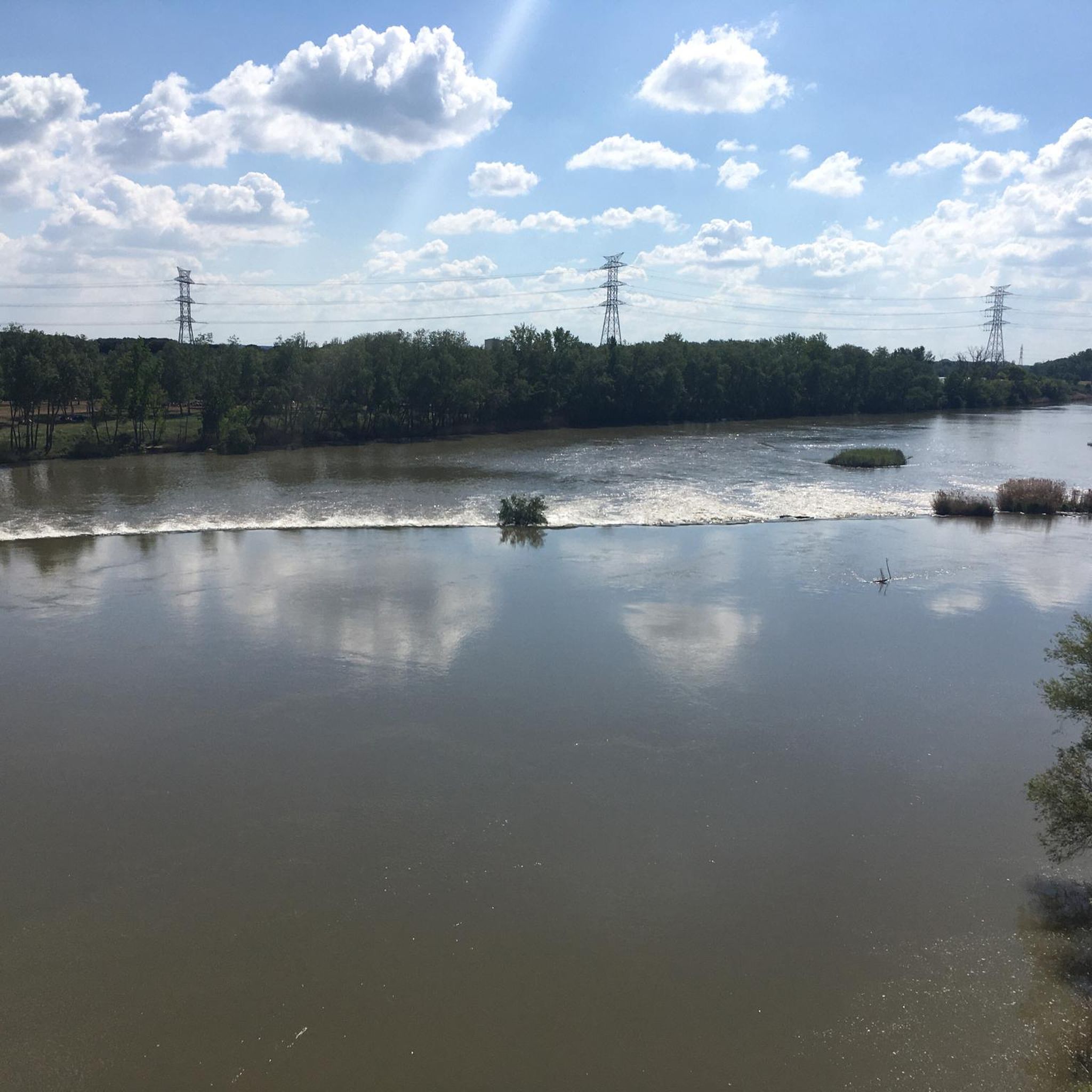
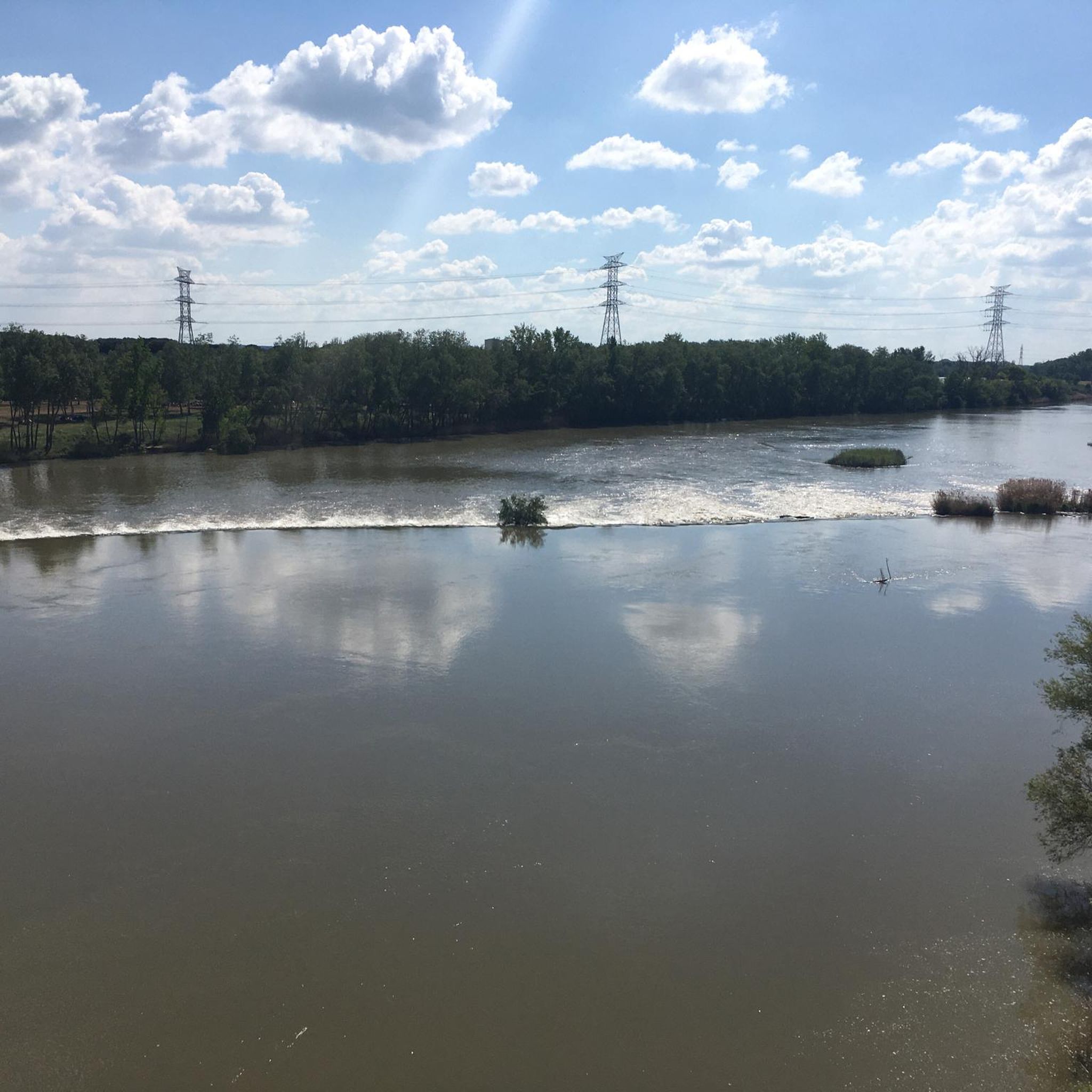
It is a small reservoir on the Bajoz River, a tributary of the Duero. You can go around it, walking or cycling, for a pleasant walk of just over 4 km.
0
0
It is worth the visit. It lasts about 50' and they explain it very well. We visit the monastery and the church. Visiting schedule: FRIDAY: 16:00-17:00-18:00. SATURDAYS: Morning: 10:00 11:00-12:00- 13:00 Afternoon: 16:00-17:00- 18:00 SUNDAYS AND HOLIDAYS: Morning: 10:00-11:00-12:00-13:00 Afternoon: 16:00-17:00-18:00 https://lasantaespina.es/oficina-de-turismo/
0
0

A magnificent and well-preserved 15th-century castle-fortress, Torrelobatón Castle, standing on a formidable hill, dominates the valley below.
1
1

Historical and spiritual treasure dating from the 12th century. The Cistercian monastery captivates with its mix of Romanesque and Gothic architecture. The monastery is known for being a point of pilgrimage and for its charming natural environment, which invites reflection and tranquility.
1
0
Frequently Asked Questions
What historical sites can I visit around San Cebrián de Mazote?
San Cebrián de Mazote is rich in history, particularly known for its Mozarabic architecture. The most prominent historical site is the 10th-century Church of San Cipriano, a well-preserved example of Mozarabic art. Other significant historical attractions include the 12th-century Monastery of La Santa Espina, the Church of the Immaculate Conception of Castromonte (16th-century, built on Roman ruins), the Hermitage of Our Lady of the Annunciation (12th-century Romanesque-Lombard art), and the medieval Urueña Castle.
Are there natural attractions or viewpoints in the area?
Yes, the area offers beautiful natural spots. The Bajoz River Reservoir is a small reservoir on the Bajoz River, perfect for a pleasant walk or cycling route around its perimeter. The village itself is nestled in a valley surrounded by pine forests and cereal fields, with the Río Bajoz traversing it. You can also find natural features like the Monte de encina de San Manuel and the Cuesta de la Atalaya (824 m) offering scenic views.
What outdoor activities, like hiking or cycling, are available near San Cebrián de Mazote?
The region around San Cebrián de Mazote is excellent for outdoor activities. You can find various routes for hiking, road cycling, and mountain biking. For hiking, explore trails like the 'Embalse de la Espina' loop or the 'Route of the Fountains'. Cyclists can enjoy routes such as 'Urueña y Wamba desde Tiedra' for road cycling or the 'Monastery of La Santa Espina – Bajoz River Reservoir loop' for mountain biking. You can find more details and specific routes in the dedicated guides for hiking, road cycling, and MTB trails around San Cebrián de Mazote.
Are there family-friendly attractions around San Cebrián de Mazote?
Families can enjoy several attractions in the area. The Monastery of La Santa Espina offers a historical and cultural experience. For outdoor fun, the Bajoz River Reservoir provides a pleasant, easy walk or cycling path suitable for all ages. The Hermitage of Our Lady of the Annunciation is also considered family-friendly, offering beautiful views in a serene setting.
What is the best time of year to visit San Cebrián de Mazote for outdoor activities?
The spring and autumn months generally offer the most pleasant weather for outdoor activities around San Cebrián de Mazote, with milder temperatures ideal for hiking and cycling. Spring brings blooming landscapes, while autumn offers beautiful foliage. Visiting in winter can also be rewarding for specific sites like the Hermitage of Our Lady of the Annunciation, which offers spectacular views in cooler weather.
Can I visit the Church of San Cipriano in San Cebrián de Mazote?
Yes, the Church of San Cipriano is a must-see for its exceptional Mozarabic architecture. To visit this 10th-century church, which is considered one of the best and most complete examples of its kind in Spain, it is recommended to contact the Town Hall of San Cebrián de Mazote in advance to arrange your visit.
Are there any other notable religious buildings nearby besides the main church?
Beyond the Church of San Cipriano, the region boasts several other significant religious sites. These include the 12th-century Monastery of La Santa Espina, known for its Romanesque and Gothic architecture, and the 16th-century Church of the Immaculate Conception of Castromonte. Additionally, the Hermitage of Our Lady of the Annunciation in Urueña is a striking example of Romanesque-Lombard art.
What is the significance of the Monastery of La Santa Espina?
The Monastery of La Santa Espina is a historical and spiritual treasure dating back to the 12th century. It is named after a relic, believed to be a thorn from the holy crown of Christ, which has been housed in one of its chapels for centuries and remains an object of veneration. The monastery itself is a blend of Romanesque and Gothic architecture, built at different times with notable reforms, and is a significant pilgrimage site set in enchanting natural surroundings.
Are there any castles or fortresses to explore?
Yes, a notable fortress in the vicinity is Urueña Castle. Located in the nearby municipality of Urueña, this impressive medieval fortress dates from the 11th century and is one of the best-preserved in the region. While only its exterior walls remain today, it offers a glimpse into the area's rich history and provides a scenic viewpoint.
Are there dog-friendly places or trails around San Cebrián de Mazote?
Many of the natural trails and outdoor areas around San Cebrián de Mazote are suitable for walks with dogs. The path around the Bajoz River Reservoir is a good option for a leisurely stroll with your canine companion. When visiting historical sites, it's always best to check specific regulations regarding pets, but generally, outdoor natural spaces are welcoming.
How long should I plan for visiting the main attractions?
For the main historical and cultural sites like the Church of San Cipriano, the Monastery of La Santa Espina, and Urueña Castle, allow 1-2 hours for each to fully appreciate their history and architecture. A walk around the Bajoz River Reservoir typically takes about an hour. To explore several key attractions and enjoy some outdoor activity, a full day or even a weekend would be ideal.
What kind of terrain can I expect on hiking trails around San Cebrián de Mazote?
The terrain around San Cebrián de Mazote varies. The village is situated in a valley, with surrounding hills covered in pine forests and cereal fields. Trails often follow the Río Bajoz or wind through these forested and agricultural landscapes. You can expect a mix of gentle slopes and some moderate ascents, offering diverse walking experiences. The hiking routes in the area are generally rated as moderate difficulty.
Most popular attractions around San Cebrián De Mazote

Get inspired with the komoot mobile app


Explore more
Still not found the Highlight you’re looking for? See guides of the top attractions in other regions:
