Attractions and Places To See around Hinojos - Top 20
Best attractions and places to see around Hinojos, located in the province of Huelva, Spain, offers a variety of attractions showcasing its history, culture, and natural beauty. A significant portion of its territory is within Doñana National Park, a UNESCO Biosphere Reserve known for its diverse ecosystems and wildlife. The area features notable landmarks, cultural sites, and opportunities to explore its unique natural landscape.
Best attractions and places to see around Hinojos
- The most popular attractions is Hermitage of El Rocío, a religious building that is the destination of an annual pilgrimage. This hermitage houses the Virgin of El Rocío and attracts approximately 1 million pilgrims each year.
- Another must-see spot is Charco de la Boca Trail, Doñana National Park, a trail within Doñana National Park. This approximately 4 km circular route features observatories and bird watching huts, offering opportunities to observe local birdlife.
- Visitors also love Plaza de España - La Palma del Condado, a central square in La Palma del Condado. Surrounded by historic buildings like the Casa de los Arcos and the Church of San Juan Bautista, it serves as a social hub.
- Hinojos is known for its historical landmarks, natural parks, and cultural sites. Visitors can explore ancient churches, hermitages, and archaeological sites, alongside the rich biodiversity of Doñana National Park.
- The attractions around Hinojos are appreciated by the komoot community, with more than 100 upvotes and over 140 photos shared by visitors.
Last updated: July 20, 2026
Hermitage of El Rocío
Highlight • Religious Site
Translated by Google •
Tip by

Charco de la Boca Trail, Doñana National Park
Highlight • Trail
Translated by Google •
Tip by

Sign up now to discover places like this
Get recommendations on the best single tracks, peaks, & plenty of other exciting outdoor places.
Sign up for free
Plaza de España - La Palma del Condado
Highlight • Settlement
Translated by Google •
Tip by

Torre Carbonero Beach
Highlight (Segment) • Beach
Translated by Google •
Tip by

Castilla Beach (Doñana National Park)
Highlight • Beach
Translated by Google •
Tip by

Sign up for free to discover even more attractions around Hinojos.
Sign up for free
Already have an account?
Start today with a free account
Your next adventure awaits.
Login or Signup
Tips from the Community

The Plaza de España in La Palma del Condado is an emblematic and central place in this charming town in the province of Huelva. Surrounded by historic buildings and with a vibrant atmosphere, it is a popular meeting point for both locals and visitors. In this square, you can find the Parish Church of San Juan Bautista, one of the most representative churches of the 18th century Sevillian Baroque style. In addition, the square is close to other points of interest such as the Convent of Our Lady of Carmen and the Old Town Hall.
3
0

Undoubtedly one of the greatest epicenters of Marian devotion in the world, the Sanctuary of Nuestra Señora del Rocío is visited by hundreds of thousands of believers throughout the year. Surrounded by marshes and fervor, the sanctuary stands in the village of El Rocío in Almonte, a magical and esoteric place where all roads converge.
6
1
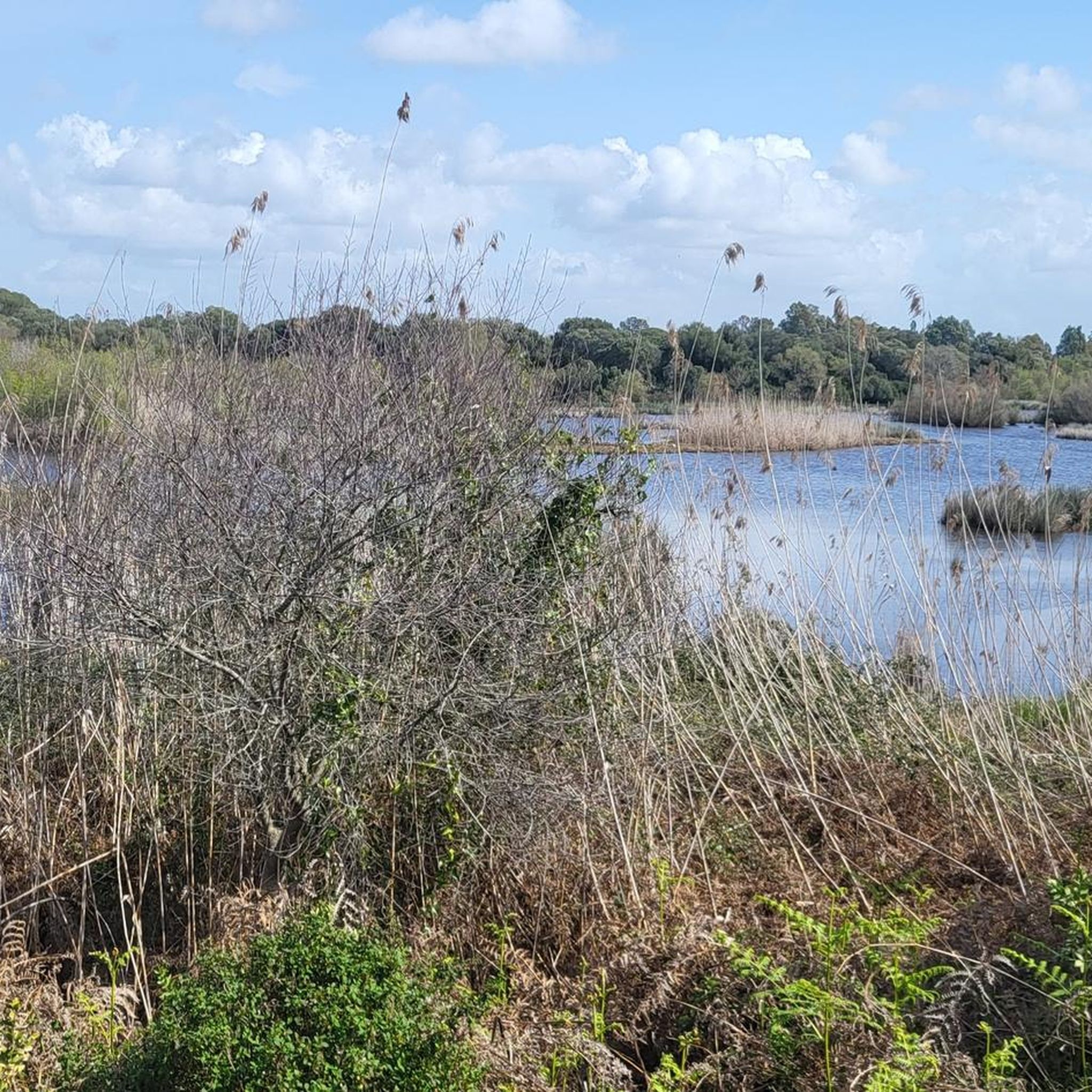
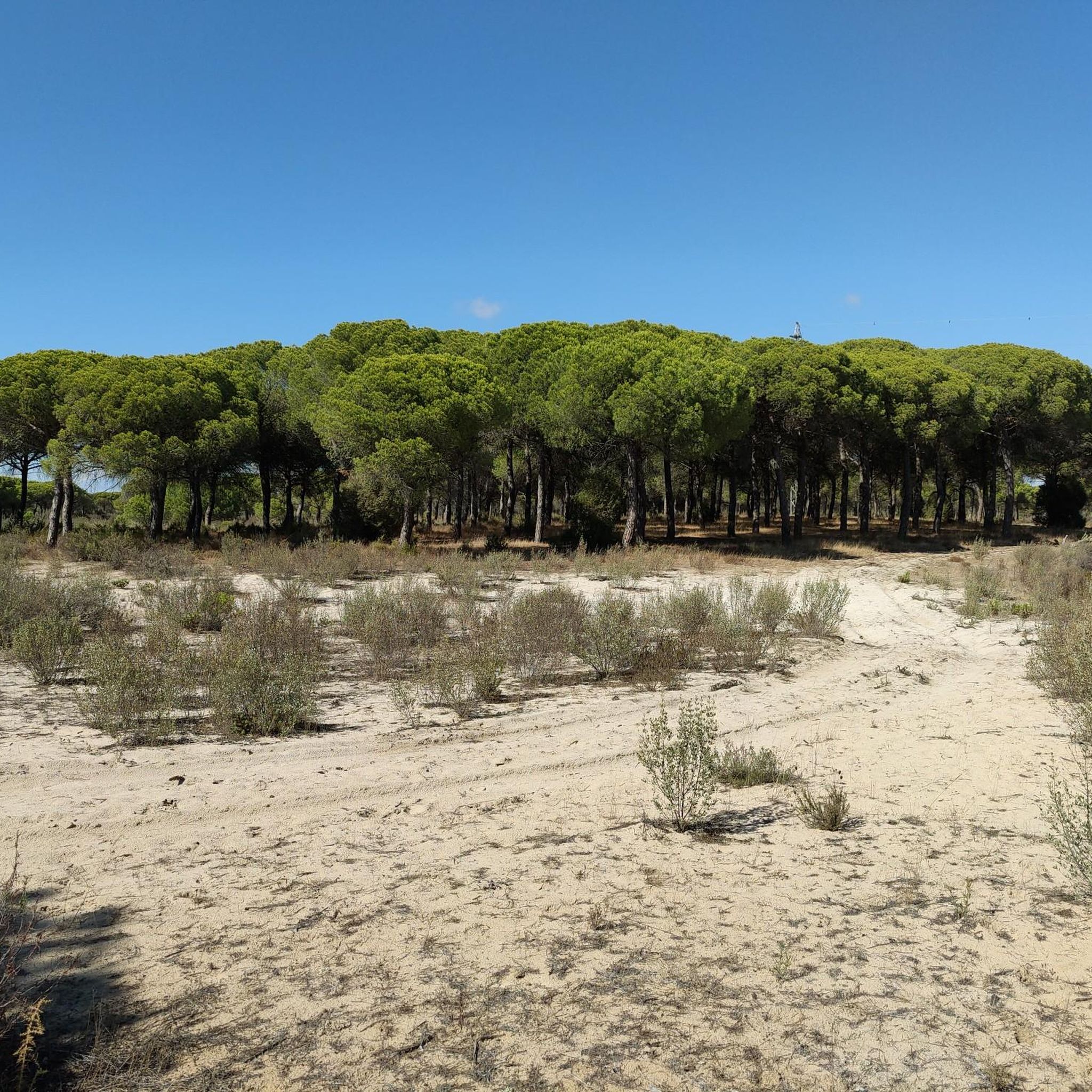
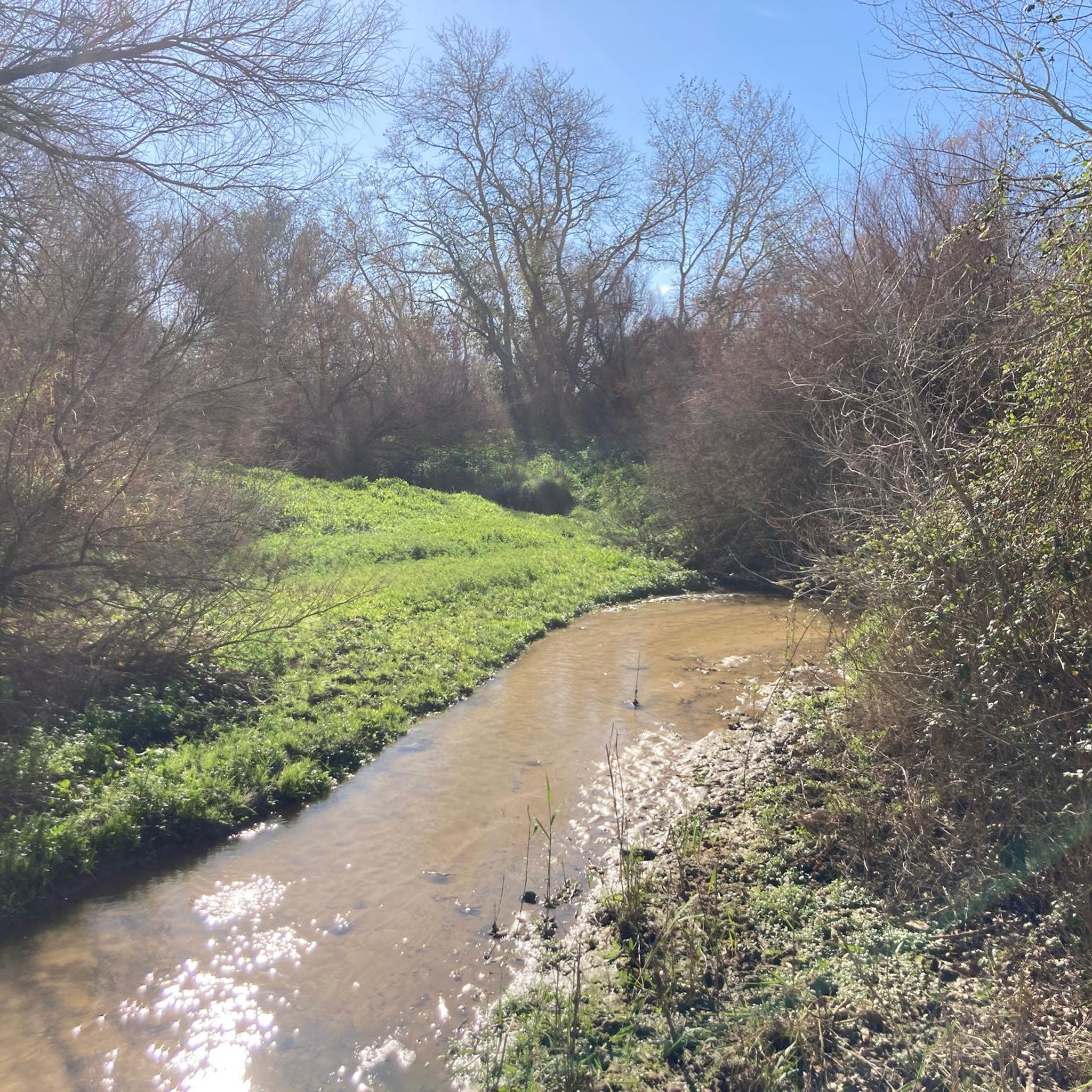
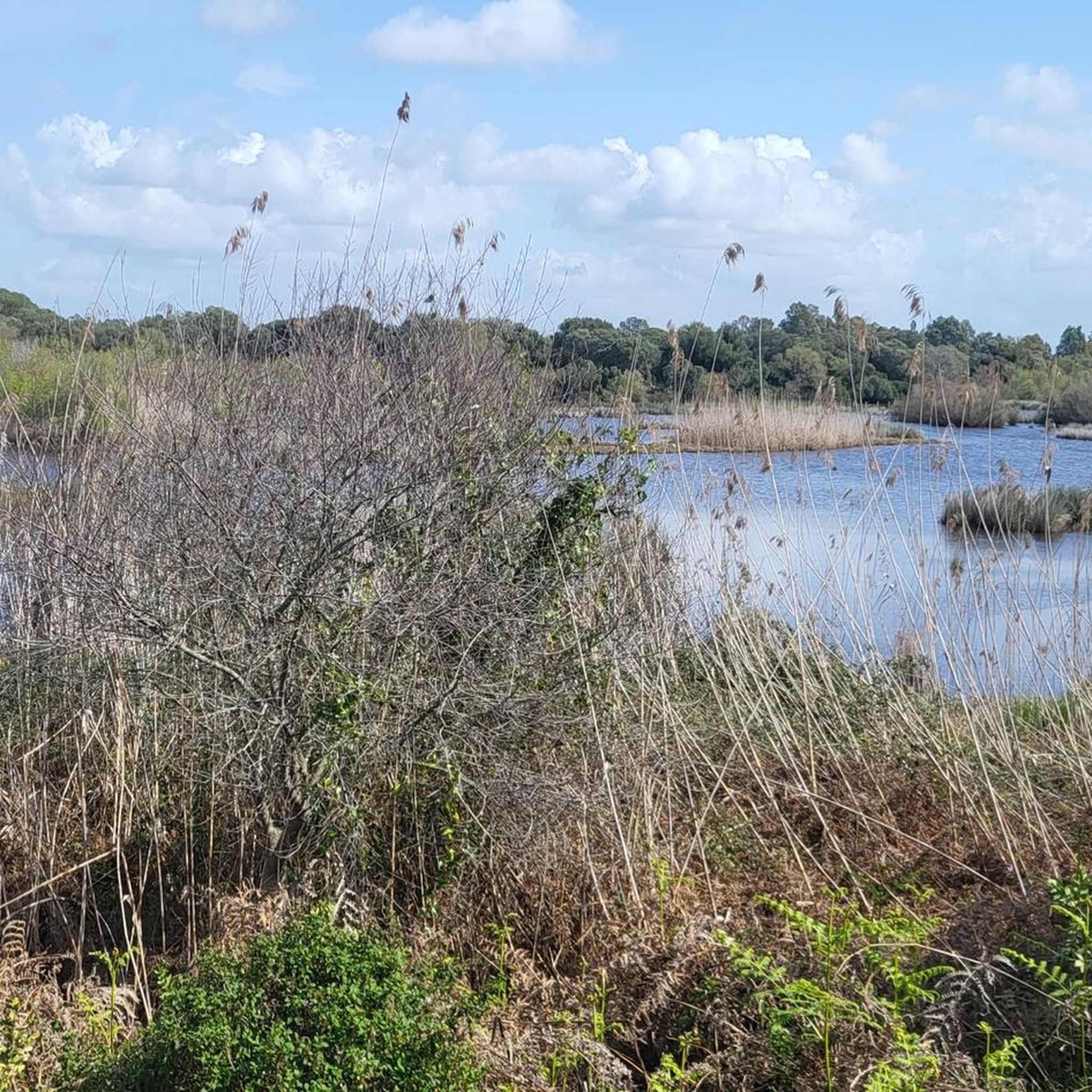
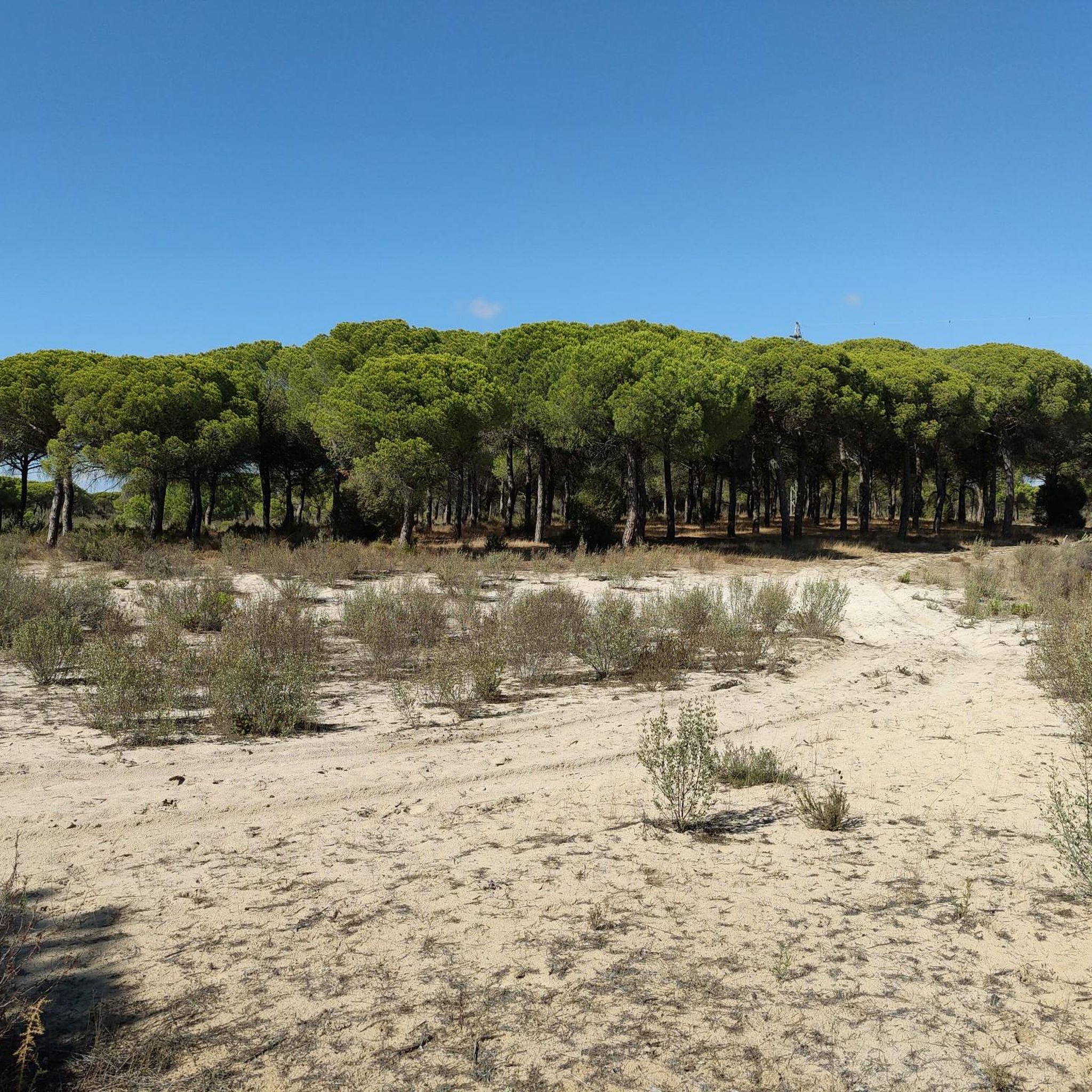
The La Rocina stream is one of the main sources of water for the marshes of the Doñana National Park and at this point it leads to an extension of the channel called Charco de la Boca. The path of the same name crosses a great biodiversity of the landscape, from a pine forest to riparian vegetation, ferns, reed beds and aromatic plants. Along the path, four observatories built as "huts" allow
7
0

Beautiful decking route with approximately 4 bird watching huts
12
1
About 1,000,000 come every year! Pilgrims
9
0

Since the middle of the 18th century, pilgrimages (Romerías) have taken place on a large scale in El Rocío. Today, what happens in the town every year during Pentecost can be described as a huge spectacle. And as one of the weirdest religious celebrations on the European continent. Around a million (!) pilgrims come to El Rocío from all parts of the country at Pentecost. The highlight is the procession that begins on the night of Whit Monday. The almost human-sized, festively decorated Madonna is then carried under a canopy through the surging crowd for around twelve (!) hours.
1
2

Yes, it's difficult to drive, like when you're constantly going up a 6-8% grade We also had panniers and front bags, handlebar bags. It took us 4 hours with breaks, so don't wait for the tide to go out, starting a little earlier is very good. As already written, there is no shade, no bushes and only a few shrimp fishermen were out. The experience is extraordinary and makes up for the hardship.
1
1

Very difficult but what an adventure! Probably the toughest 30km of our tour (so far). We had loaded touring bikes (with road tires, panniers and handlebar bags etc). As others have advised it made a huge difference to let out air from tires. Would advise to start cycling around 2 hours before low tide. There is no shade, are completely exposed, and so have no option but to push on! We did it in 3 hours cycling time but this included strong headwind which caught us off guard and slowed our pace. IMPORTANT: completely depends on tide times, which, to use that old nautical idiom, means you really are stuck between the devil and the deep blue sea!
1
0
Frequently Asked Questions
What historical landmarks can I visit in Hinojos?
Hinojos is rich in historical and cultural sites. You can explore the 15th-century Hermitage of El Rocío, a significant religious building and pilgrimage destination. Other notable sites include the 15th-century Ermita de Nuestra Señora del Valle, the 17th-century Ermita de la Soledad, and the impressive Iglesia Parroquial de Santiago el Mayor, which showcases Sevillian Mudejar Gothic architecture and works by renowned artists.
What natural features are prominent around Hinojos?
A significant portion of Hinojos' territory lies within the Doñana National Park and Doñana Natural Park, both UNESCO Biosphere Reserves. These parks are vital ecological areas, home to diverse wildlife like the Iberian lynx and Spanish imperial eagle, and feature varied ecosystems including salt marshes and dunes. You can experience this natural beauty on trails such as the Charco de la Boca Trail within Doñana National Park.
Are there family-friendly activities or attractions in Hinojos?
Yes, several attractions are suitable for families. The Hermitage of El Rocío is a cultural experience for all ages. The Charco de la Boca Trail in Doñana National Park offers an easy 4 km circular route with bird-watching huts, perfect for nature-loving families. Additionally, the Plaza de España - La Palma del Condado provides a vibrant social hub surrounded by historic buildings, ideal for a leisurely stroll.
What kind of outdoor routes are available near Hinojos?
Hinojos offers a variety of outdoor routes for different activities. For cycling, you can find routes like the 'Hinojos and El Arrayán Cycle Path Loop' or the 'Ermita de El Rocío loop from Hinojos'. Mountain biking enthusiasts can explore trails such as the 'Almonte and El Rocío Doñana Loop'. Road cycling options include routes like 'Cañada de los Pájaros – Path Through the Dehesa loop from Pilas'. You can find more details on these and other routes on the respective guide pages for Road Cycling, MTB Trails, and General Cycling around Hinojos.
When is the best time to visit Hinojos for outdoor activities?
The region around Hinojos, particularly Doñana National Park, experiences a Mediterranean climate. Spring and autumn generally offer the most pleasant temperatures for outdoor activities like hiking and cycling, avoiding the intense heat of summer. These seasons are also ideal for bird watching in the park as migratory birds pass through.
What local culinary specialties should I try in Hinojos?
Hinojos is known for its delicious local gastronomy. You should try grilled meats, especially pork, and traditional stews like sopa de marisma and guiso de "casi olla". Other specialties include venison, rabbit, partridge dishes, migas, and cocidos. For a sweet treat, look for rositas con miel, pestiños, and tortas.
Are there any unique local crafts or traditions in Hinojos?
Yes, Hinojos has unique local crafts. Coal making, a traditional technique of burying wood to form coal, is a notable local handicraft. Other crafts include basket making and embroidered shawls, reflecting the region's cultural heritage.
What cultural events or festivals take place in Hinojos?
Hinojos hosts several traditional festivals throughout the year. These include the Procesión de la Candelaria, Holy Week celebrations, Día de la Santa Cruz, El Rociíto, El Rocio, El Romerito, Fiesta de Santa María Magdalena, Procesión de Santiago el Mayor, Recogida de las Yeguas, and Feria de Nuestra Señora del Valle. These events offer a glimpse into the town's vibrant cultural life.
Can I visit the beaches near Hinojos?
Yes, you can visit beaches that are part of the Doñana National Park area. Torre Carbonero Beach and Castilla Beach are notable options. Be aware that accessing these beaches, especially by bike, can be challenging and often requires careful planning around low tide due to soft sand and the lack of shade.
What is the significance of Doñana National Park to Hinojos?
Doñana National Park is incredibly significant to Hinojos, as a large part of the town's territory is within its boundaries. The park is a UNESCO Biosphere Reserve and World Heritage Site, recognized as one of Europe's most important ecological reserves. It provides a crucial habitat for migratory birds and endangered species like the Iberian lynx, making Hinojos a gateway to this globally important natural area.
Are there any Roman or Moorish archaeological sites in the Hinojos area?
Yes, Hinojos has a rich archaeological past. Evidence of Roman settlements has been found, particularly in Alameda de Alquería and Aljarafe, indicating its historical role as a resting place between ancient cities. Additionally, remains of an Almohade farm from the 12th and 13th centuries suggest a significant Moorish presence in the area's history.
What do visitors enjoy most about the attractions around Hinojos?
Visitors particularly appreciate the blend of historical landmarks, natural parks, and cultural sites. The religious significance and annual pilgrimage to the Hermitage of El Rocío are highly valued. The opportunity to observe diverse birdlife from observatories along the Charco de la Boca Trail in Doñana National Park is also a highlight. The vibrant atmosphere of places like Plaza de España - La Palma del Condado is also a favorite among visitors.
Most popular routes around Hinojos
Most popular attractions around Hinojos

Get inspired with the komoot mobile app


Explore more
Still not found the Highlight you’re looking for? See guides of the top attractions in other regions:
