Attractions and Places To See around Castro Del Río - Top 20
Best attractions and places to see around Castro Del Río are situated in the heart of the Cordoban countryside, embraced by a meander of the Guadajoz River. This town served as a strategic point between Córdoba and Granada, reflecting a rich historical and cultural heritage. The area offers a blend of medieval architecture, ancient sites, and natural landscapes within the fertile Campiña.
Best attractions and places to see around Castro Del Río
- The most popular attractions is Plantío Tunnel,…
Last updated: May 26, 2026
Mozarabic Way of Saint James
Highlight • Trail
Translated by Google •
Tip by

Baena Olive and Oil Museum
Highlight • Historical Site
Translated by Google •
Tip by

Sign up now to discover places like this
Get recommendations on the best single tracks, peaks, & plenty of other exciting outdoor places.
Sign up for free
Plantío Tunnel
Highlight • Structure
Translated by Google •
Tip by

Castle of Espejo
Highlight • Castle
Translated by Google •
Tip by

Historic Center of Baena
Highlight • Historical Site
Translated by Google •
Tip by
Sign up for free to discover even more attractions around Castro Del Río.
Sign up for free
Already have an account?
Start today with a free account
Your next adventure awaits.
Login or Signup
Popular around Castro Del Río
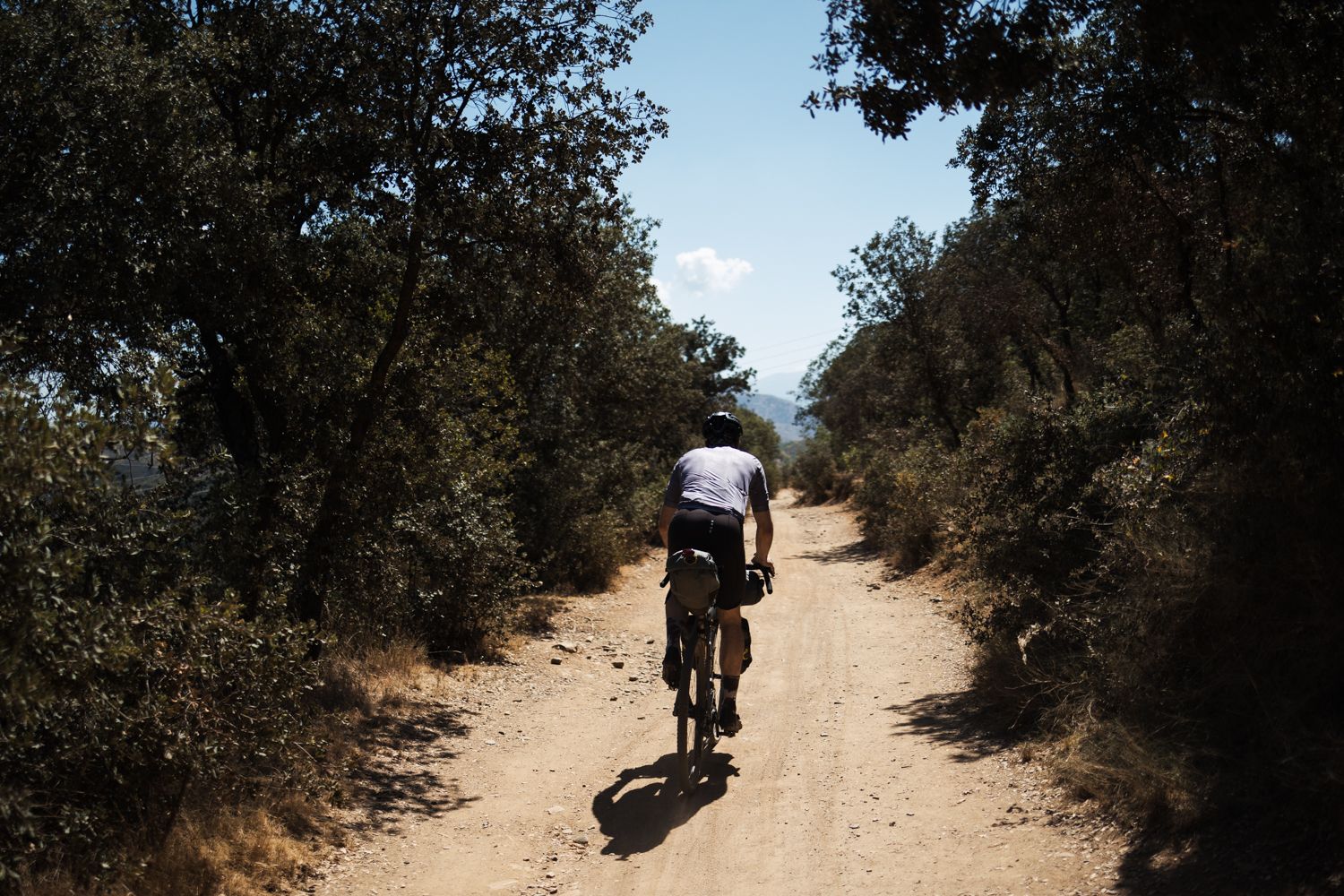
Mozarabic Way to Santiago – Gravel between two worlds
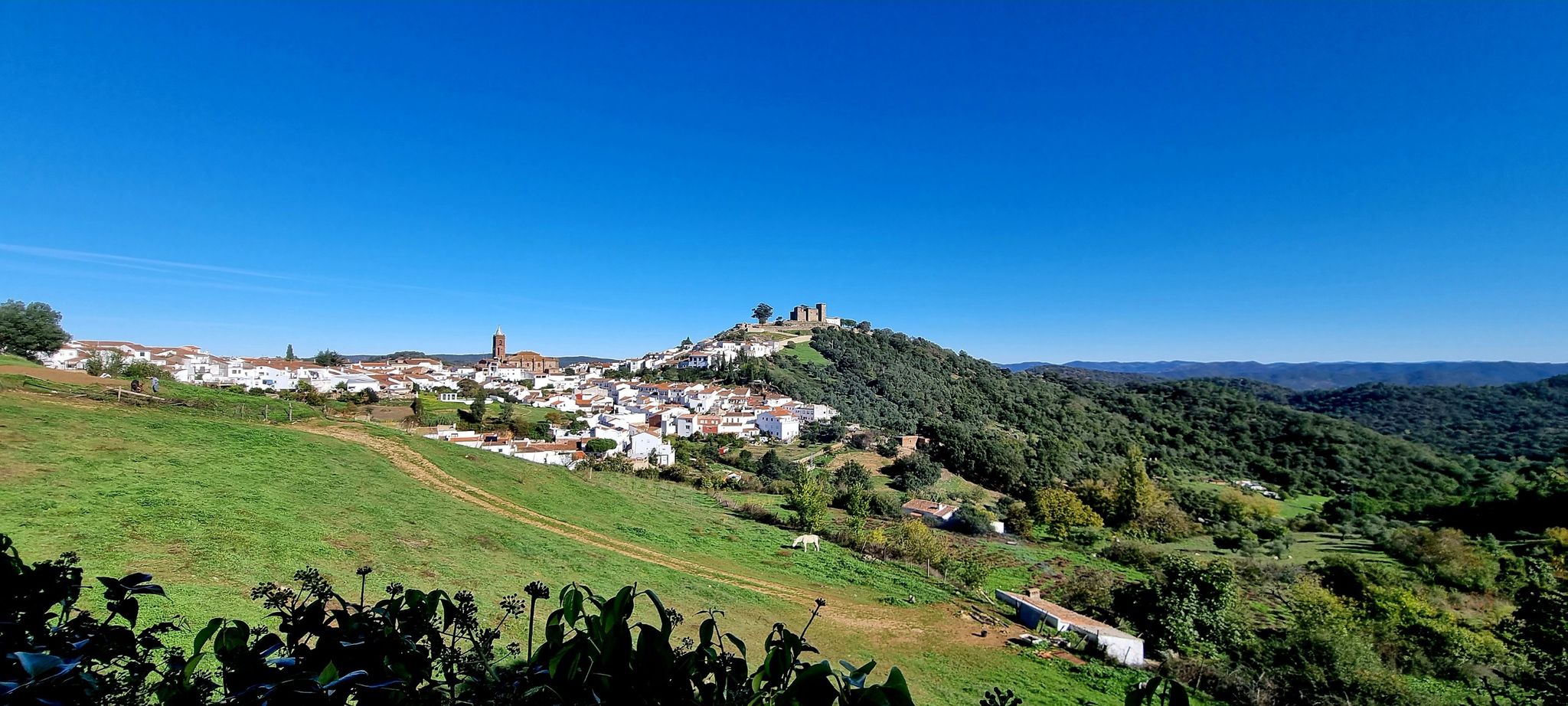
European Divide Trail across the Iberian Peninsula – south
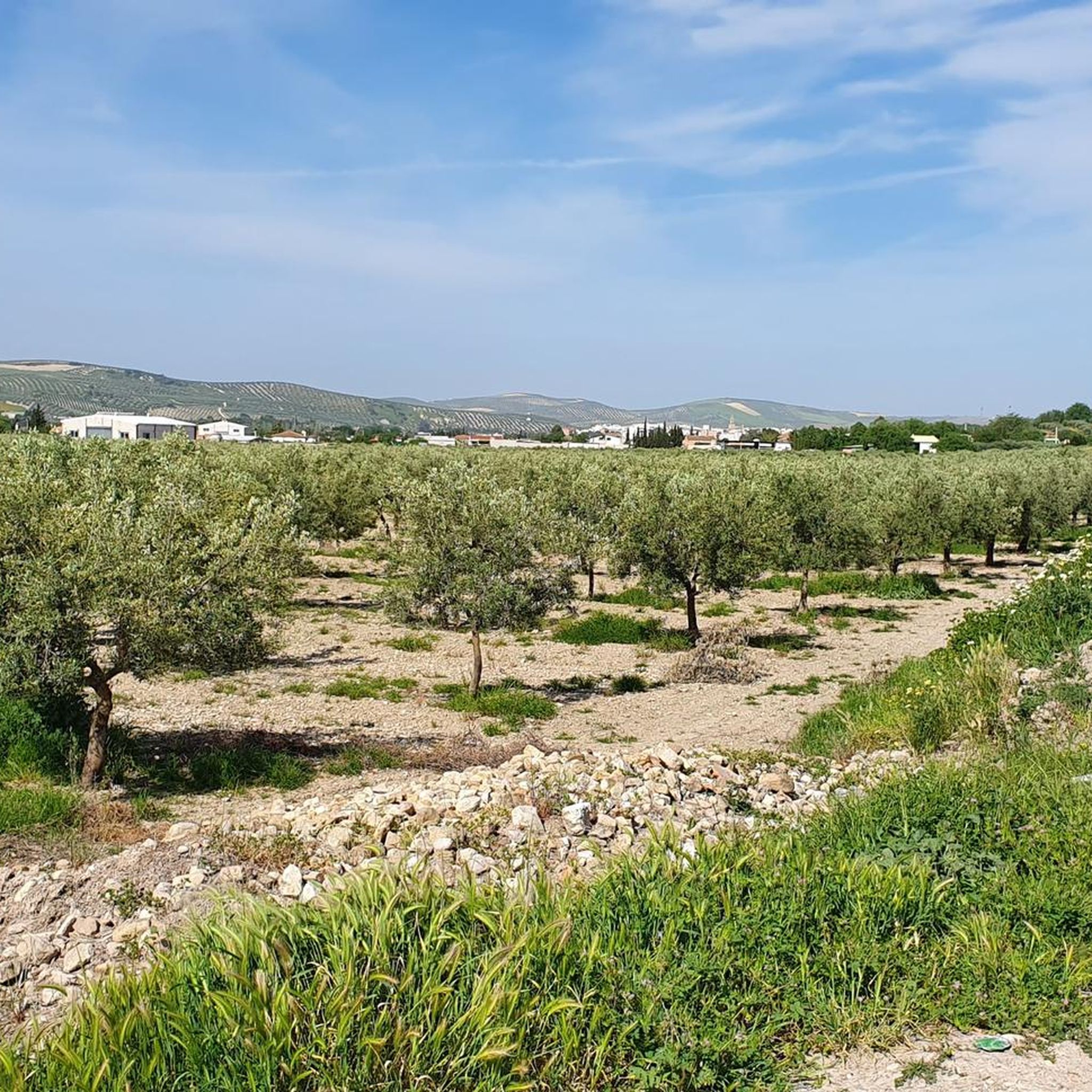
Road Cycling Routes around Castro Del Río
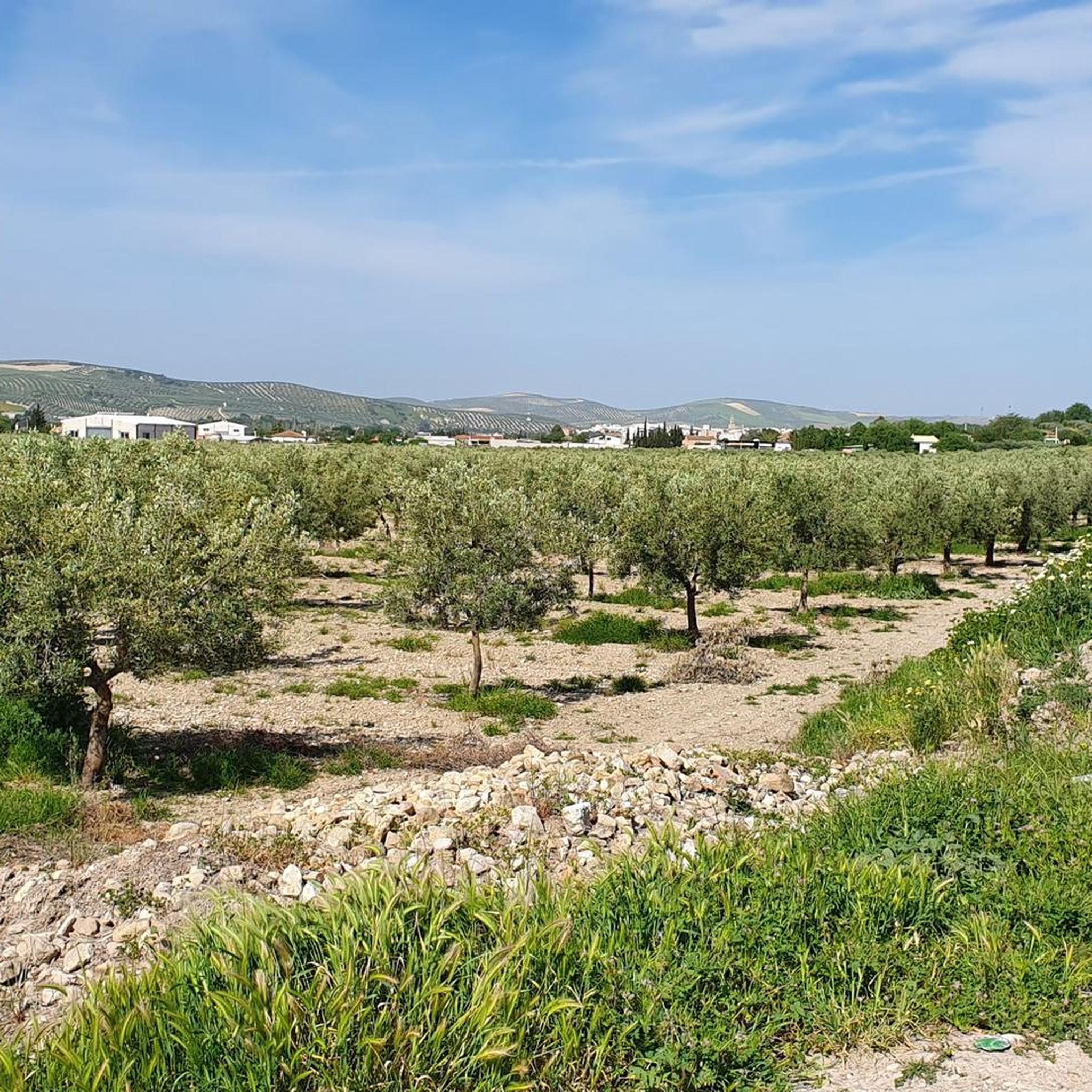
MTB Trails around Castro Del Río
Running Trails around Castro Del Río
Cycling around Castro Del Río
Hiking around Castro Del Río

Gravel biking around Castro Del Río


Tips from the Community

The Camino in Andalusia is called Camino Mozarabe and honors the Christians who lived in the Muslim area of Al-Andalus (called Mozarabs) and were aware of the discovery of the remains of the apostle Santiago in Compostela. They risked their lives to travel to Santiago, the immense distance from the south to the remains of the apostle in the north of Spain.
6
0


Halfway between Córdoba, Granada and Jaén, Baena watches over the olive groves of the countryside from a hill. Its urban structure is clearly differentiated into two halves divided by the N-432 that crosses it. One of these halves, the oldest, preserves the sinuous Arab layout with narrow houses and steep streets.
3
0
Its name actually comes from the Latin "specula", which meant 'watchtower'. Its castle, residence of the Dukes of Osuna, is undoubtedly a singular watchtower in the middle of the Cordovan countryside with its endless cereal fields.
3
0

The surface is usually in very good condition, but there is no lighting. If you arrive in the sun, you don't need much, but if you arrive in the afternoon or at night, I recommend that you have a flashlight handy.
1
0

Great trail between Cordoba and Santa Cruz.
3
0

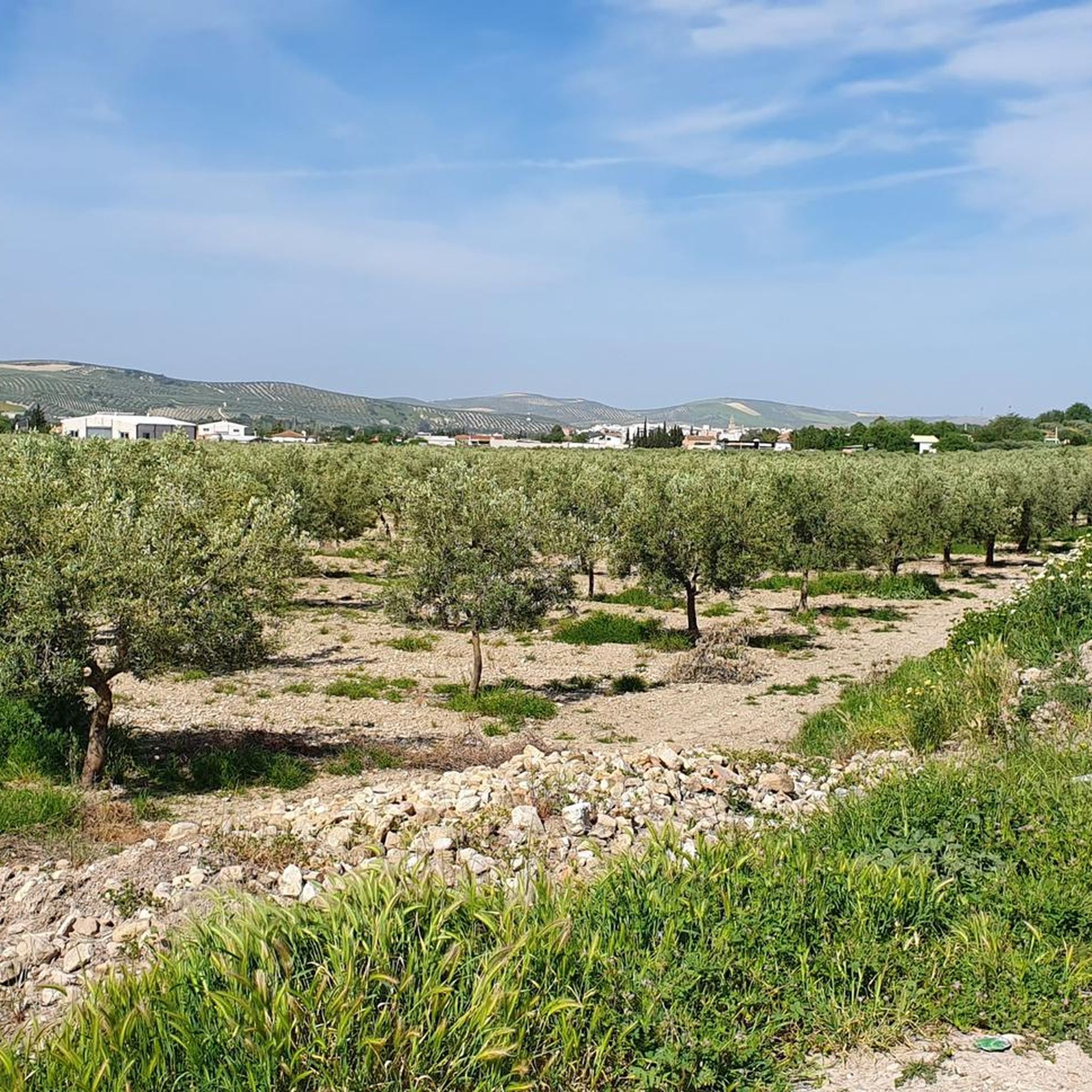
Route through the Cordovan countryside, between crops and farms. Not recommended with high temperatures because there are no shadows.
5
0

The town of Baena lives on olives. Its entire economy is largely based on the exploitation of the olive tree and its juicy elixir. There is a very interesting olive museum to visit. The "Museo del olivar y el Aceite" opened in 2003. It is installed in an old mill. On two floors, we discuss the history and different uses of the olive, and even its stone which serves as energy fuel. Note that in November, the museum organizes olive and oil days with exhibitions, a series of conferences, competitions and gastronomic tours.
2
0
Frequently Asked Questions
What historical sites can I explore in Castro Del Río?
Castro Del Río is rich in history. You can visit the impressive Castro del Río Castle, a medieval military fortress dating back to Arab times, with well-preserved walls and a keep. Another significant historical site is the Castle of Espejo, known as a singular watchtower in the Cordovan countryside. The town also features the historic La Villa Neighborhood, with its medieval layout and ancient wall remnants, and churches like La Asunción and San Acisclo and Santa Victoria.
Are there any family-friendly attractions in the area?
Yes, several attractions are suitable for families. Both the Castro del Río Castle and the Baena Olive and Oil Museum are categorized as family-friendly. The museum offers an engaging look into the region's olive cultivation history, which can be an educational experience for all ages.
What natural features are prominent around Castro Del Río?
Castro Del Río is uniquely situated on a promontory, largely embraced by a meander of the Guadajoz River, which is a characteristic sight. The surrounding area is part of the fertile Campiña Cordobesa, known for its endless cereal fields, giving the Guadajoz River the nickname 'river of bread'.
What cultural experiences can I find in Castro Del Río?
Beyond historical sites, Castro Del Río offers cultural insights. The Baena Olive and Oil Museum provides a deep dive into the region's significant olive oil tradition. You can also visit the Museo Antonio Villa-Toro, housed within the Church of San Acisclo and Santa Victoria, dedicated to the local expressionist painter.
Are there hiking opportunities near Castro Del Río?
Absolutely. The region offers various hiking routes, including sections of the historic Mozarabic Way of Saint James, which traverses the Cordovan countryside. For more detailed routes and options, you can explore the Hiking around Castro Del Río guide, which includes trails like the moderate 'Montilla Town Center loop'.
Can I go cycling around Castro Del Río?
Yes, the area is suitable for cycling. You can find both gravel biking and road cycling routes. For gravel enthusiasts, the Gravel biking around Castro Del Río guide offers options like the 'Montilla – Montilla Town Center loop'. Road cyclists can explore routes such as the 'Castle of Espejo – Montilla loop' detailed in the Road Cycling Routes around Castro Del Río guide.
What is the Mozarabic Way of Saint James?
The Mozarabic Way of Saint James is a historical pilgrimage route that honors Christians who lived in the Muslim area of Al-Andalus (known as Mozarabs) and traveled to Santiago de Compostela. This trail offers a journey through the Cordovan countryside, often between crops and farms, providing a significant cultural and historical experience.
What is unique about the Plantío Tunnel?
The Plantío Tunnel offers a distinctive route with a surface usually in good condition. However, it's important to note that there is no lighting inside, so visitors should consider bringing a flashlight, especially if passing through in the afternoon or at night.
What do visitors enjoy most about the attractions around Castro Del Río?
Visitors appreciate the blend of historical depth and natural beauty. The medieval architecture of the castles, the cultural significance of the Mozarabic Way, and the unique landscape shaped by the Guadajoz River and the Campiña are frequently highlighted. The well-preserved historical sites and the opportunity for outdoor activities like hiking and cycling are also popular.
Is there an archaeological site nearby?
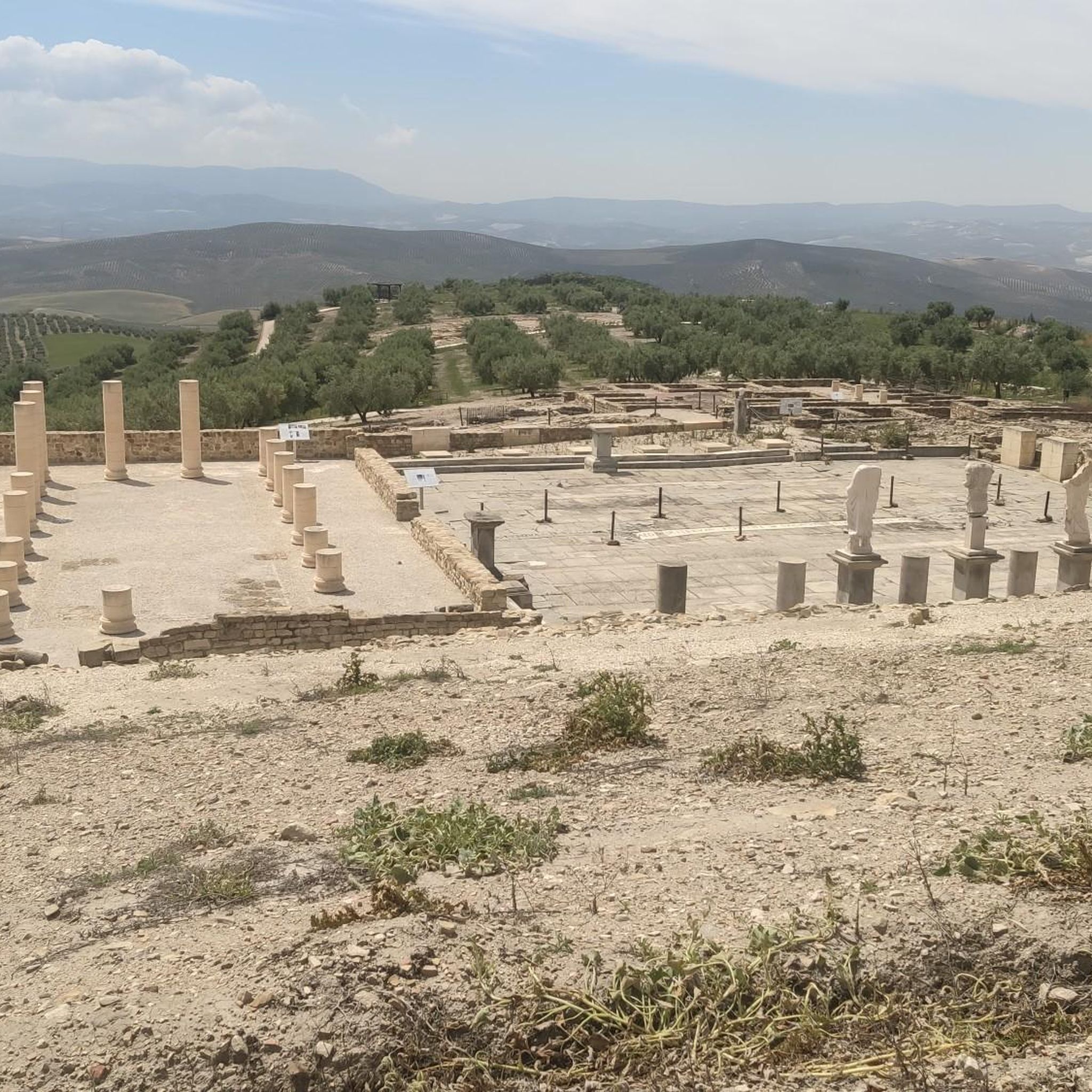
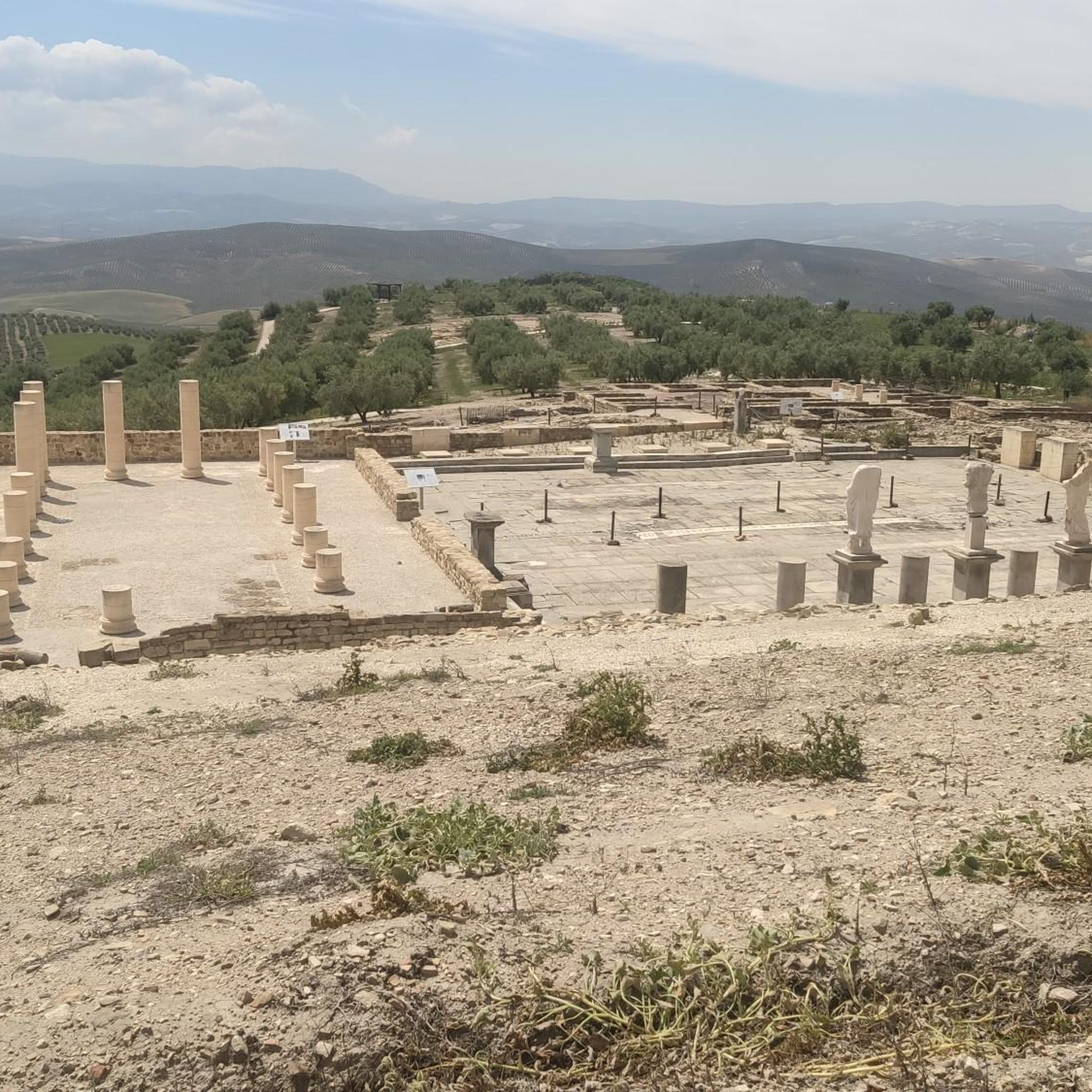
Yes, the Archaeological Site of Torreparedones is located nearby. This significant historical enclave contains archaeological remains from both Iberian and Roman civilizations, offering a glimpse into the ancient past of the region.
What is the Pósito Municipal?
The Pósito Municipal is a singular building in Castro Del Río, originally a 17th-century grain storehouse. It represents an important example of civil architecture tied to the traditional agrarian economy of the area and has evolved over centuries into an administrative and cultural space.
What is the best time to visit Castro Del Río for outdoor activities?
For outdoor activities like hiking and cycling, it's generally best to avoid the peak summer months due to high temperatures, especially on trails with no shade like parts of the Mozarabic Way. Spring and autumn offer more moderate weather conditions, making them ideal for exploring the region's attractions and trails comfortably.
Most popular routes around Castro Del Río

Get inspired with the komoot mobile app


Explore more
Still not found the Highlight you’re looking for? See guides of the top attractions in other regions:
