The best walks and hikes around Cabra
4.4
(70)
438
hikers
35
hikes
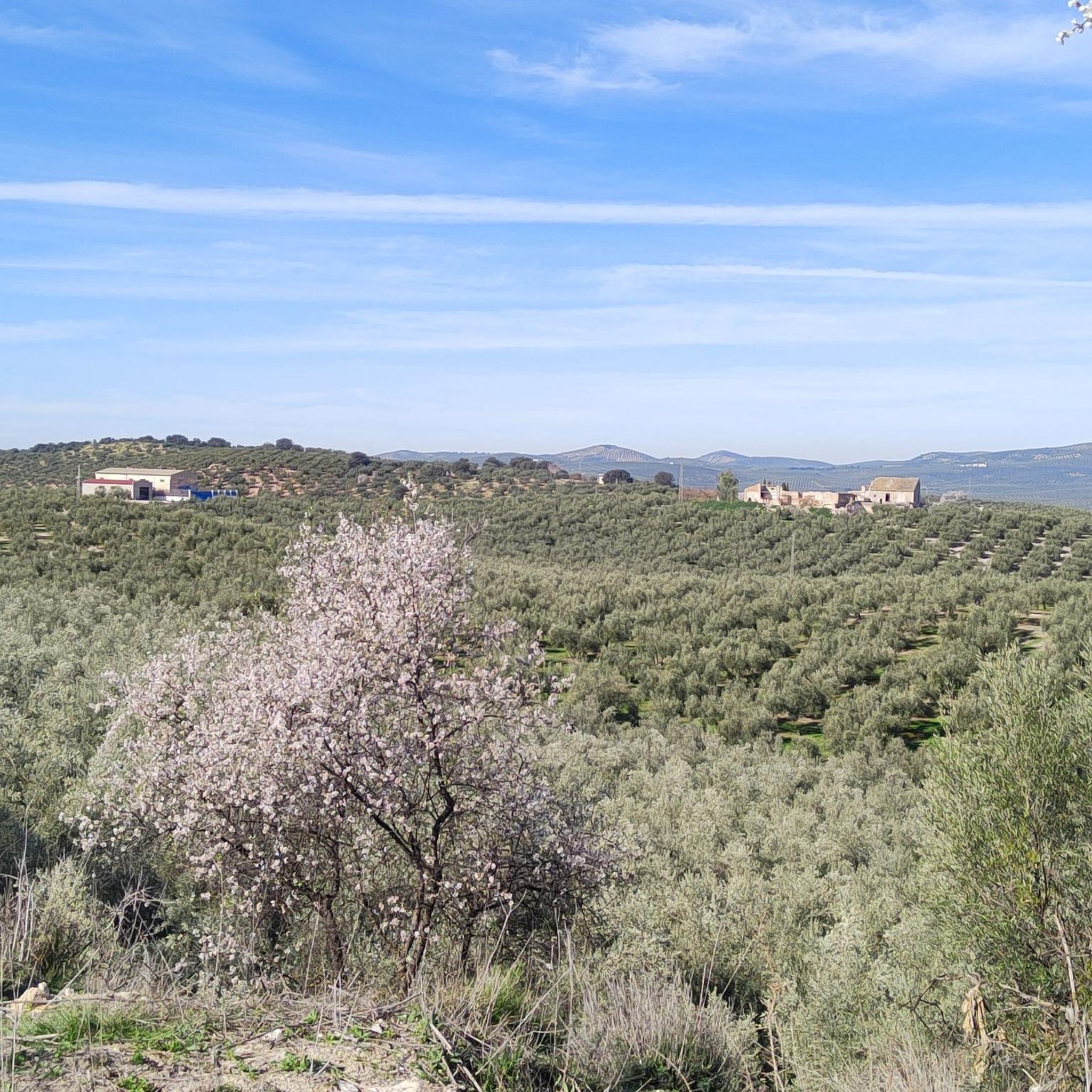
Hiking around Cabra offers access to the distinctive karst landscapes and rich geological history of the Sierras Subbéticas UNESCO Global Geopark. The region features rugged limestone reliefs, sharp slopes, and hills rising above narrow valleys, shaped by the dissolution of limestone over millennia. This process has created rocky landscapes with lapiaces, sinkholes, and poljes, alongside an extensive network of underground formations. Calcareous rocks also act as underground water reserves, feeding numerous springs that emerge from the slopes.
Best hiking trails…
Last updated: May 10, 2026
4.5
(2)
22
hikers
3.66km
01:20
230m
230m
Easy hike. Great for any fitness level. Easily-accessible paths. Suitable for all skill levels.
4.1
(10)
69
hikers
Moderate hike. Good fitness required. Easily-accessible paths. Suitable for all skill levels.

Sign up for free
5.0
(1)
28
hikers
12.3km
04:13
680m
680m
Moderate hike. Good fitness required. Easily-accessible paths. Suitable for all skill levels.
4.8
(4)
16
hikers
13.0km
03:45
330m
330m
Moderate hike. Good fitness required. Easily-accessible paths. Suitable for all skill levels.
5.0
(2)
19
hikers
16.4km
05:19
730m
730m
Hard hike. Very good fitness required. Easily-accessible paths. Suitable for all skill levels.
Get access to more routes and recommendations from other explorers.
Sign up for free
Already have an account?
Our route recommendations are based on thousands of hikes, rides, and runs completed by other people on komoot.
Start today with a free account
Your next adventure awaits.
Login or Signup
Tips from the Community

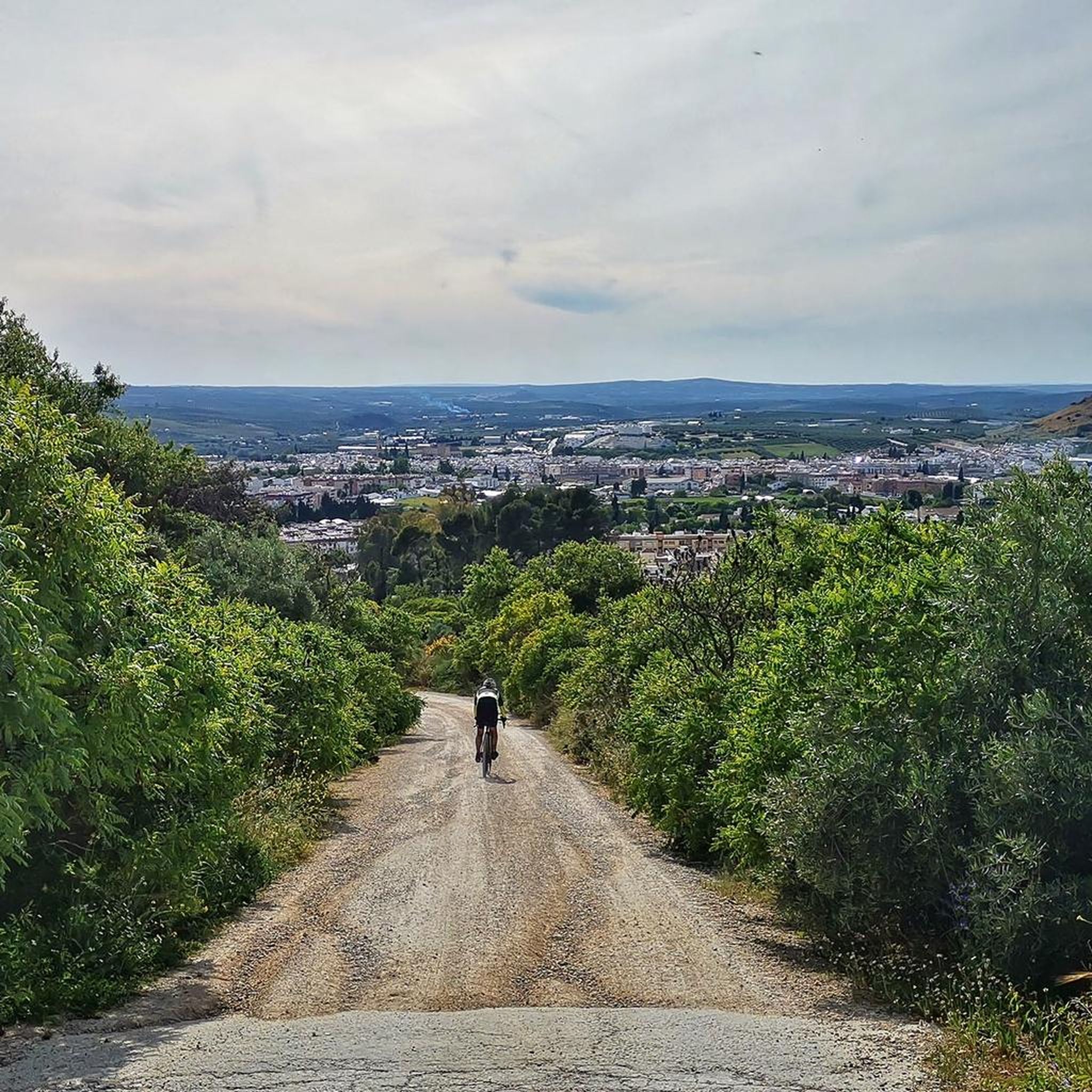
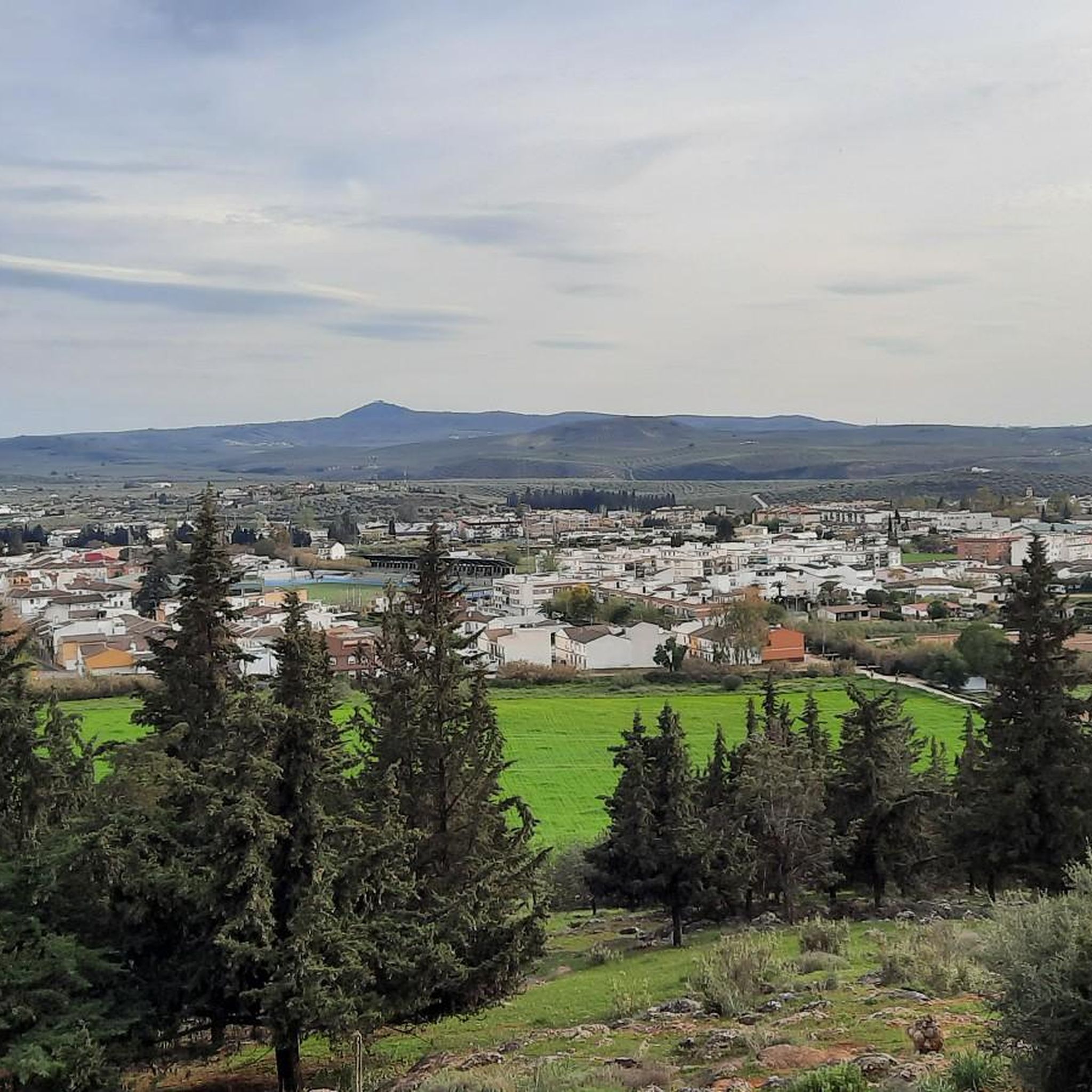
Beautiful climb to the top of the hermitage of the Virgen de la Sierra. From this religious environment we can observe the entire immensity of the Subbética, it is worth the climb to enjoy the exceptional views
1
0

The visitor center has exhibits on the Geopark's geology and fauna and flora.
0
0

One of two trails that begin at the Santa Rita interpretation center. The botanical trail is easier, perfect for a family walk. The slope is low, the walk is very pleasant, among the thick vegetation of the area, and you can enjoy impressive specimens of gall oak. If you decide to only do the botanical trail, the route will be 2.5 km long.
2
0
A very charming place that allows you to enjoy the walk in tranquility and solitude, since it is not usually very crowded. The climb to the viewpoint is quite uneven, so if you want something quieter or you go with children, I recommend walking alone the botanical trail, which also begins in the Santa Rita parking lot. But if you feel like going up to the viewpoint, you will not be disappointed - the views of the Sierra Subbética are worth the effort, from this highest point of the Sierra de la Cabrera (1085 m) you can enjoy views of the most emblematic places of the natural park, such as the Lapiaz de los Lanchares, the Picacho de la Sierra de Cabra, the Cerro del Lobatejo, the “Buitreras” and the Sierra de Alcaide.
2
0

At the top of the Sierra de Cabra we find the Ermita de Nuestra Señora de la Sierra with impressive views of the entire Sierra Subbéticas y de Cabra Natural Park. With a demanding path but worth saving those meters to get to the top!
0
0
This hermitage is located at the top of the Picacho de la Sierra de Cabra. From the height of 1200 masl you have spectacular views of the mountains and the countryside.
2
0

Seasonal waterfalls that appear after copious rains. Due to the porosity of the terrain, only when the amount of water is greater than what the terrain is capable of absorbing, do waterfalls form, sometimes even making it difficult to pass and not being able to make the route in a circular way. It is convenient to inquire at the Santa Rita Visitor Center about their status and check if an authorization is required to visit them, which is sometimes established to control the influx of people to this Zone A Reserve of the Protected Natural Area.
0
0
This source was declared a spring in 1958 by the Cabra City Council. It does not run out throughout the year and its waters are of excellent quality.
0
0
Frequently Asked Questions
How many hiking trails are available around Cabra?
There are over 35 hiking trails around Cabra, offering a wide range of options for different skill levels and interests within the Sierras Subbéticas UNESCO Global Geopark.
What are the different difficulty levels for hiking trails in Cabra?
Cabra offers a diverse range of trails to suit various fitness levels. You'll find 18 easy routes perfect for leisurely strolls, 18 moderate trails for those seeking a bit more challenge, and 3 difficult routes for experienced hikers looking for strenuous ascents and significant elevation gain.
Are there any circular hiking routes in Cabra?
Yes, Cabra features several excellent circular routes that allow you to start and end at the same point. A popular easy option is the Mirador de la Cabrera y el Sendero Botánico, which offers impressive panoramas. For a moderate hike, consider the Poljé de la Nava de Cabra loop, leading through unique geological formations.
What kind of natural landscapes can I expect to see while hiking in Cabra?
Cabra is renowned for its distinctive karst landscapes, characterized by rugged limestone reliefs, sharp slopes, and hills rising above narrow valleys. You'll encounter fascinating geological features like lapiaces, sinkholes, and poljes, as well as an extensive network of underground chasms and caves. The region also boasts lush vegetation along river courses and unique flora adapted to rocky environments.
Are there any notable viewpoints or landmarks along the hiking trails?
Absolutely. Many trails lead to impressive viewpoints, such as the Mirador de la Cabrera, offering expansive views of the Sierras Subbéticas and the Guadalquivir valley. You can also explore significant geological landmarks like the Sima de Cabra chasm or the Bat Cave. The Fuente del Río, a spring emerging from the slopes, is another beautiful natural monument.
Are there any family-friendly hiking options in Cabra?
Yes, Cabra offers several routes suitable for families. The Mirador de la Cabrera y el Sendero Botánico is an easy, shorter circular route that's great for most fitness levels and provides beautiful views without being too strenuous.
Can I bring my dog on the hiking trails in Cabra?
Many trails in Cabra are suitable for dogs, allowing you to enjoy the natural beauty with your canine companion. However, it's always recommended to check specific trail regulations or local signage, especially within protected areas, and to keep your dog on a leash for their safety and to protect local wildlife.
What is the best time of year to go hiking in Cabra?
The best time to hike in Cabra is generally during the spring (March to May) and autumn (September to November). During these seasons, the weather is milder and more pleasant for outdoor activities, and the landscapes are particularly vibrant. Summers can be very hot, while winters are generally mild but can have cooler temperatures and occasional rain.
What do other hikers enjoy most about the trails in Cabra?
The hiking community highly rates the trails in Cabra, with an average score of 4.5 stars from over 60 reviews. Hikers frequently praise the region's unique karst landscapes, the impressive geological formations, and the diverse range of trails that cater to all abilities. The panoramic views from various viewpoints are also a common highlight.
Are there any trails that feature water elements like springs or waterfalls?
Yes, the calcareous rocks in the region act as underground water reserves, feeding numerous springs. The Fuente del Río in Cabra is a notable spring. Additionally, the Río Bailón offers scenic routes through river gorges, and you can find the beautiful Chorreras de la Fuenseca waterfall nearby.
What kind of wildlife can I expect to see while hiking in Cabra?
The varied terrain of Cabra supports a rich diversity of flora and fauna. You might spot numerous bird species, including griffon vultures, golden eagles, and peregrine falcons. The river courses are home to diverse wildlife, and the higher altitudes feature unique plant species. Keep an eye out for the emblem of the Geopark, ammonite fossils, which can even be seen on local buildings.
Are there any longer, more challenging hikes for experienced trekkers?
For experienced hikers seeking a challenge, the Camino de Góngora – Picacho de Cabra Viewpoint loop is an excellent option. This difficult route covers over 16 km with significant elevation gain, leading to the impressive Picacho de Cabra viewpoint and offering a rewarding experience.
Most popular attractions around Cabra

Get inspired with the komoot mobile app


Explore more
Browse the best Hikes in other regions.
