The best MTB trails around Bujalance
4.4
(211)
553
riders
90
rides
Mountain biking around Bujalance offers diverse terrain, from ancient "vías pecuarias" and Roman roads to extensive olive groves and fields of herbaceous crops. The region is characterized by undulating landscapes and provides access to the foothills of the Sierra Morena, known for its varied mountain biking opportunities. Cyclists can explore paths along natural features like the Arroyo de la Zarzuela, a remnant of Mediterranean forest. The wider Córdoba province also features greenways converted from former railway lines, offering scenic routes through valleys and farmlands.
Best mountain bike trails around Bujalance
- The most popular mountain bike trail is Villa del Río, Montoro, Lopera – ruta circular, a 25.6 miles (41.2 km) trail that takes 2 hours 57 minutes to complete. This moderate route traverses agricultural landscapes and connects several local towns.
- Another top favourite among local mountain bikers is San Ginés Hermitage – Avenida de Lisboa loop from Villa del Rio, a difficult 66.0 miles (106.2 km) path. This challenging route offers extensive riding through varied terrain, including sections that may approach the Sierra Morena.
- Local mountain bikers also love the Reservoirs Route – Puente Mocho loop from Pedro Abad, a 45.9 miles (73.9 km) trail leading through the region's water features and rural scenery, often completed in about 4 hours 43 minutes.
- Mountain biking around Bujalance is defined by ancient livestock trails, vast olive groves, and the undulating foothills leading towards the Sierra Morena. The network offers options for different ability levels, from gentle rides through farmlands to more demanding routes.
- The routes in Bujalance are highly rated by the komoot community with an average score of 4.5 stars from over 200 reviews. More than 500 mountain bikers have used komoot to explore Bujalance's varied terrain.
Last updated: May 14, 2026
41.2km
02:58
530m
530m
Moderate mountain bike ride. Good fitness required. Advanced riding skills necessary.
5.0
(2)
67
riders
104km
08:38
1,770m
1,770m
Hard mountain bike ride. Very good fitness required. Suitable for all skill levels.

Sign up for free
10
riders
74.0km
04:45
880m
880m
Moderate mountain bike ride. Good fitness required. Suitable for all skill levels.
4.7
(10)
9
riders
45.3km
03:17
540m
540m
Moderate mountain bike ride. Good fitness required. Suitable for all skill levels.
3.0
(1)
5
riders
48.9km
03:49
680m
680m
Moderate mountain bike ride. Good fitness required. Suitable for all skill levels.
Get access to more routes and recommendations from other explorers.
Sign up for free
Already have an account?
Our route recommendations are based on thousands of hikes, rides, and runs completed by other people on komoot.
Start today with a free account
Your next adventure awaits.
Login or Signup

Tips from the Community

A metal bridge crosses the Guadalquivir River on the outskirts of Villafranca de Córdoba. Built in the late 19th century, it is notable for its riveted iron structure, typical of the engineering of that era.
0
0

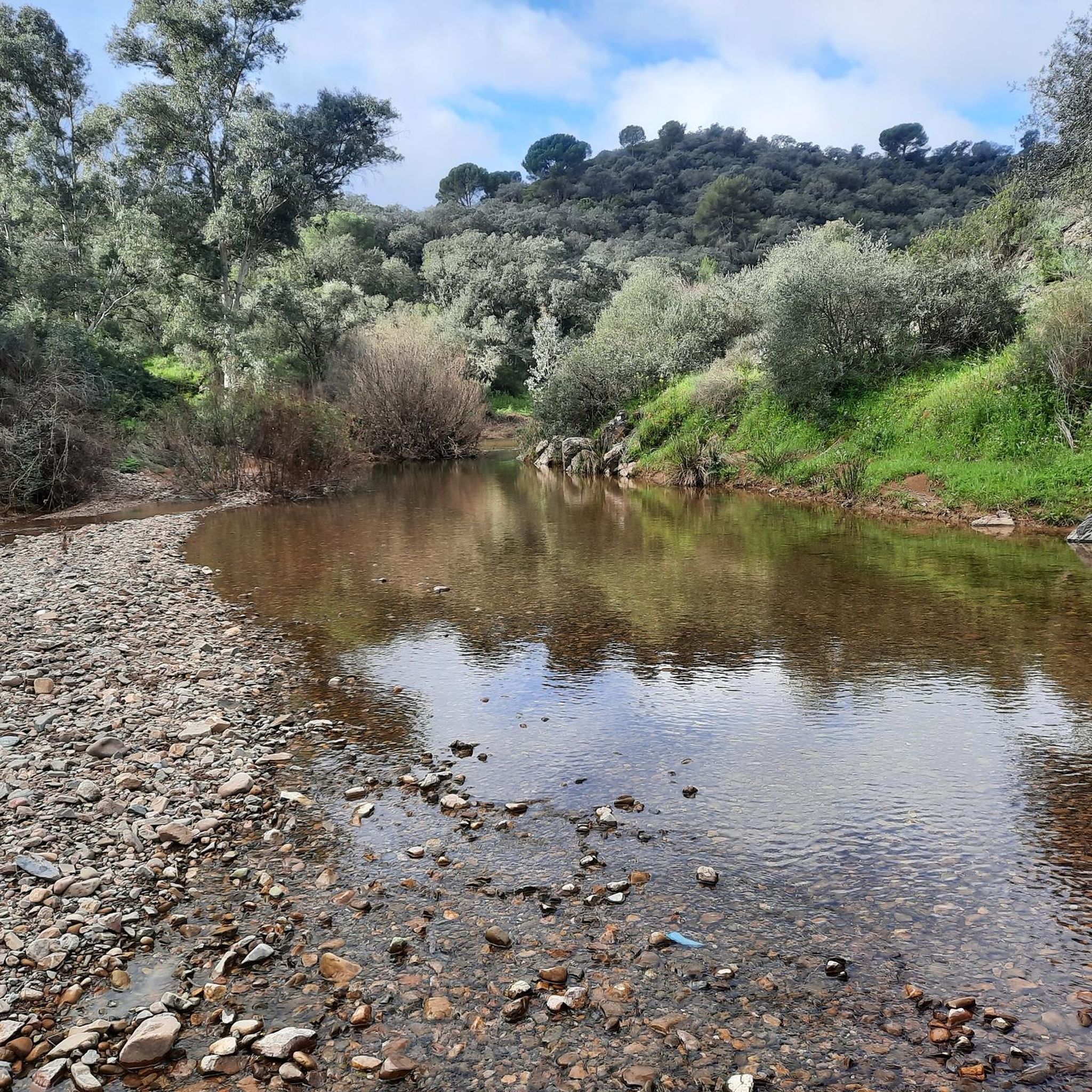
It is a river that originates in the south of the province of Ciudad Real and is formed by the confluence of the Montoro and Ojailén rivers. It creates two reservoirs before flowing past the Sanctuary of the Virgin of the Head. The first reservoir is called "La Lancha" and the second, "Encinarejo," is used for swimming during the summer months. It flows into the Guadalquivir River very near the town of Marmolejo.
13
0
The first stop on the old road to the Sanctuary of the Virgin of the Head is where pilgrims rest and have a light lunch before continuing their journey. Here you'll find several watering troughs so the horses can quench their thirst during the approximately 20-kilometer trek from the city of Andújar. A small chapel has also been built where pilgrims can pray to the Virgin.
6
0

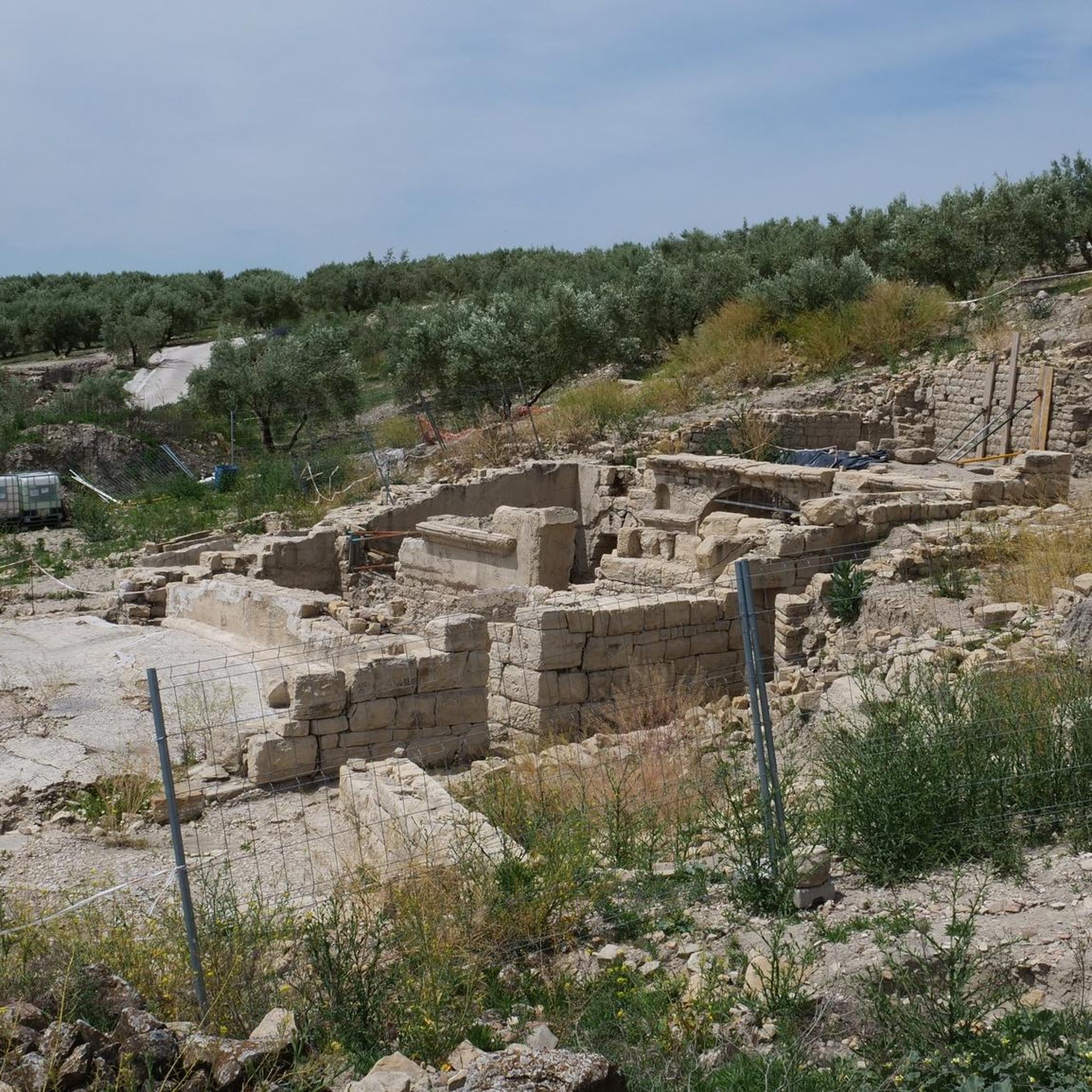
The Puente Mocho Bridge is located in Alcolea, within the municipality of Córdoba, and crosses the Guadalmellato River near its mouth in the Guadalquivir. It is a Roman bridge that was part of the Via Augusta, the great road that connected Cádiz with the Pyrenees via Córdoba.
4
0

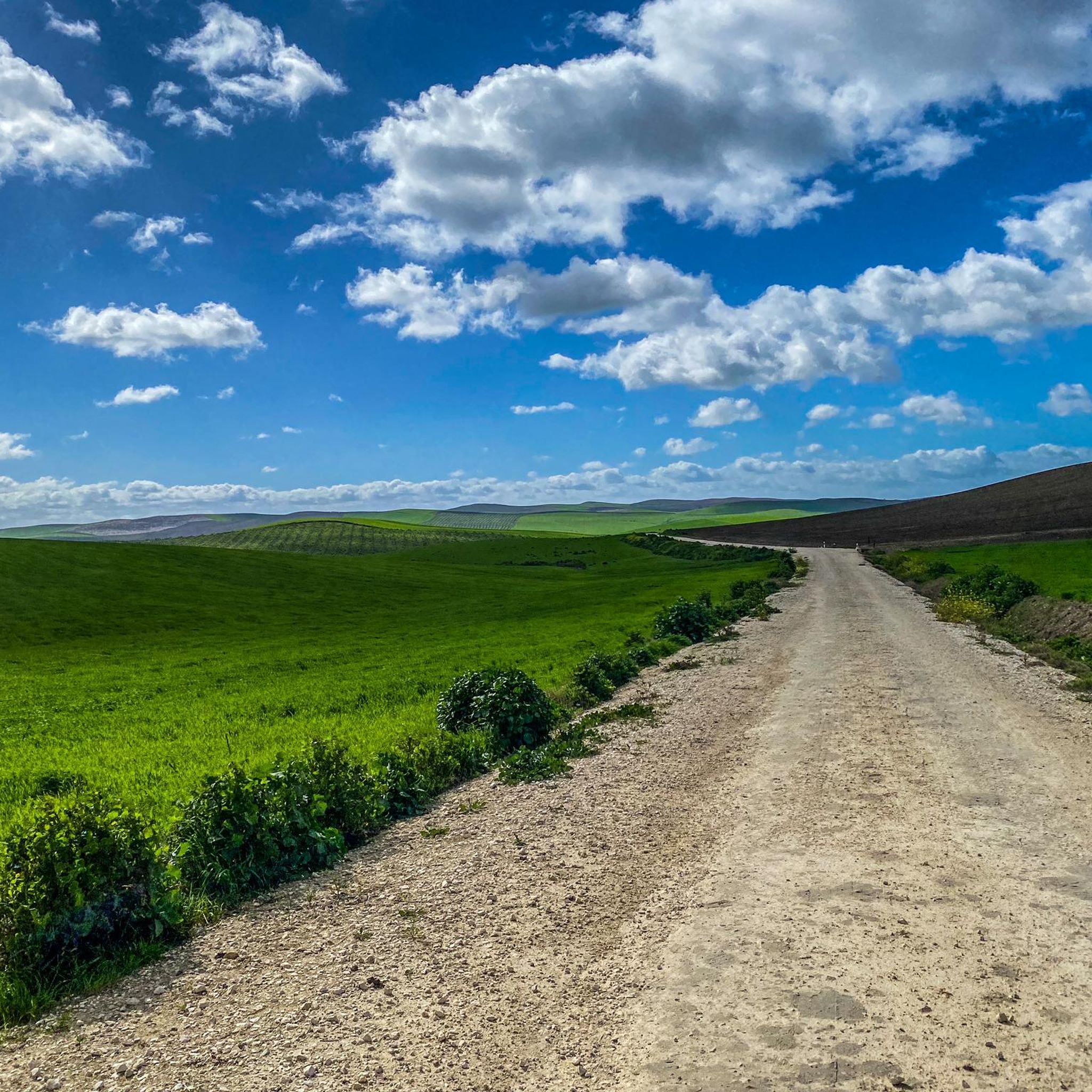
The Puente Mocho Bridge connects the CH-1 highway with the CO-3103 highway, which will take us to the town of Villafranca de Córdoba. This route is popular with cyclists, as its paved road is in good condition and the low traffic of motor vehicles makes it very safe. The route is winding with continuous ups and downs, making it a perfect area for training.
0
0

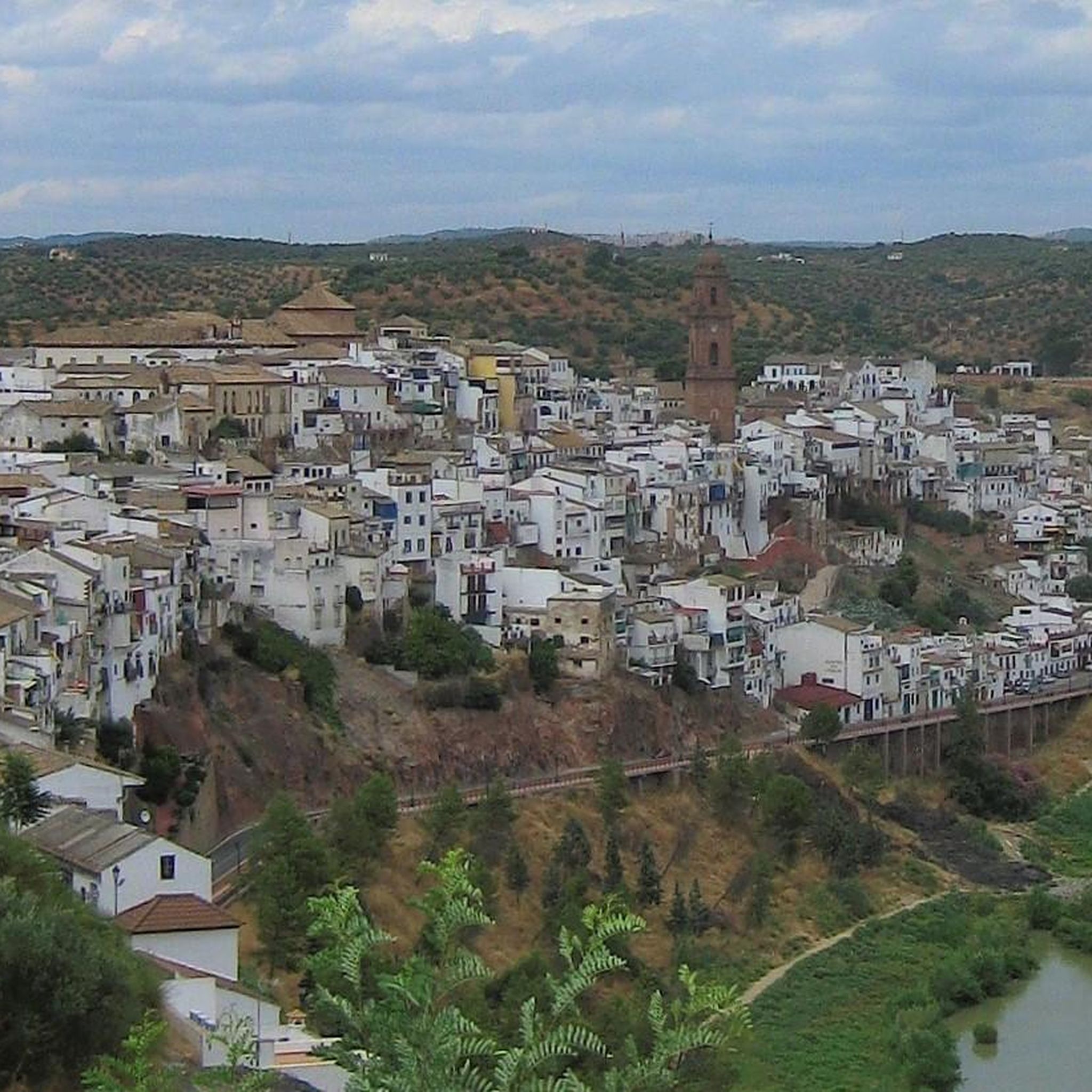
In Lopera, we find one of the best examples of castles built by the Military Order of Calatrava in the province of Jaén. Declared a Cultural Monument in 1991, this fortress retains its original walled enclosure, although over the years it has also served as a residence and, in the mid-20th century, even as a winery.
0
0
The Sanctuary of the Virgin of the Head is located in the Sierra de Andújar Natural Park. This sanctuary is one of the oldest in Spain, with a history dating back to the 13th century. It is known for its impressive Gothic architecture and religious significance, making it a very popular pilgrimage site. Every year, on the last weekend of April, a pilgrimage is held in honor of the Virgin of the Head, attracting thousands of pilgrims from all over Spain. During this festival, devotees climb the Cabezo hill, where the sanctuary is located, to pay homage to the Virgin.
2
0
Since 1227, the date on which the apparition of the Virgin of the Head to Pastor Juan de Rivas is recorded, the celebration of the pilgrimage is commemorated on the last Sunday of April of each year, although the apparition took place on the night of the 11th. to August 12, 1227 in whose memory a kind of small pilgrimage is also celebrated on that date in the same Sanctuary of the Virgin of the Head.
6
1
Frequently Asked Questions
How many mountain bike trails are available around Bujalance?
There are over 90 mountain bike trails around Bujalance, offering a wide range of options for different skill levels. These routes traverse diverse landscapes, from ancient paths to extensive olive groves.
What kind of terrain can I expect on mountain bike trails near Bujalance?
The terrain around Bujalance is quite varied. You'll find ancient "vías pecuarias" (livestock trails) and Roman roads, extensive olive groves, and fields of herbaceous crops. The landscape is generally undulating, with some routes leading towards the foothills of the Sierra Morena, offering more challenging mountain biking experiences.
Are there mountain bike trails suitable for beginners or families in Bujalance?
Yes, there are 10 easy mountain bike routes available around Bujalance. These often include gentle rides through farmlands and along ancient paths, which are suitable for less experienced riders or families looking for a relaxed outing. The wider Córdoba province also features accessible greenways, converted from former railway lines, that offer picturesque and easy routes.
What are some of the longer or more challenging mountain bike routes in the area?
For those seeking a challenge, routes like San Ginés Hermitage – Avenida de Lisboa loop from Villa del Rio offer extensive riding over 100 km with significant elevation gain. Another option is the Reservoirs Route – Puente Mocho loop from Pedro Abad, which is a moderate 73.9 km trail leading through rural scenery.
What natural features or landmarks can I see along the mountain bike trails?
Many routes will take you through vast olive groves and fields, characteristic of the Campiña region. You might also encounter natural features like the Arroyo de la Zarzuela, a remnant of Mediterranean forest. For specific landmarks, consider routes that pass near Montoro, or the El Arenoso Reservoir.
Are there any circular mountain bike routes available?
Yes, many of the mountain bike routes around Bujalance are circular. For example, the popular Villa del Río, Montoro, Lopera – ruta circular is a 41.2 km loop. Another option is El Salto de Pedro Abad Dam – Las Grajas Bridge loop from Morente, a moderate 45.3 km route.
What is the best time of year for mountain biking in Bujalance?
The optimal seasons for mountain biking in the Bujalance region are autumn and spring. During these times, the weather is generally pleasant, making for comfortable riding conditions. Summer temperatures can be very high, which might make longer rides challenging.
What do other mountain bikers enjoy most about the trails in Bujalance?
The mountain bike trails around Bujalance are highly rated by the komoot community, with an average score of 4.5 stars from over 200 reviews. Riders often praise the diverse terrain, the blend of cultural exploration with physical activity on ancient routes, and the scenic beauty of the olive groves and rural landscapes.
Are there any specific routes that pass through towns or villages where I could find cafes or pubs?
Yes, several routes connect local towns and villages. For instance, the Villa del Río, Montoro, Lopera – ruta circular passes through Villa del Río, Montoro, and Lopera, where you can find amenities. Similarly, the Montoro – House of Shells of Montoro loop from Villa del Rio includes Montoro, offering opportunities for refreshments.
Is it possible to reach the mountain bike trails using public transport, or is parking available?
While specific public transport links directly to trailheads might be limited, Bujalance itself is a town with connections. For those driving, parking is generally available in the towns and villages where many routes start, such as Villa del Río or Pedro Abad. It's advisable to check local parking regulations upon arrival.
What kind of wildlife might I encounter on the trails?
The region is rich in biodiversity. The Arroyo de la Zarzuela, for example, is a significant ecological area and a vital habitat for numerous species, including one of Andalusia's most important colonies of the endangered Great Bustard. You might also spot various birds and other small wildlife typical of Mediterranean forests and agricultural landscapes.
Most popular routes around Bujalance
Most popular attractions around Bujalance

Get inspired with the komoot mobile app


Explore more
Browse the best MTB trails in other regions.
