Attractions and Places To See around Santa Ana De Pusa - Top 13
Best attractions and places to see around Santa Ana De Pusa include a blend of historical landmarks, cultural sites, and natural landscapes. Situated in the valley of the Pusa River, a tributary of the Tagus, the area features archaeological findings from Hispanic-Romans, Visigoths, and Muslims. The region is characterized by Mediterranean forest, scrubland, granite outcrops, and extensive olive groves, offering diverse outdoor experiences.
Best attractions and places to see around Santa Ana De Pusa
- The most popular attractions is Santa…
Last updated: May 17, 2026
Los Navalmorales
Highlight • Settlement
Translated by Google •
Tip by

San Martín de Pusa
Highlight • Settlement
Translated by Google •
Tip by
Sign up now to discover places like this
Get recommendations on the best single tracks, peaks, & plenty of other exciting outdoor places.
Sign up for free
Santa Ana de Pusa Town Hall and Church
Highlight • Settlement
Translated by Google •
Tip by

Church of Saint Martin the Bishop
Highlight • Religious Site
Translated by Google •
Tip by
Visigothic Stone Sarcophagus of Los Navalucillos
Highlight • Historical Site
Translated by Google •
Tip by
Sign up for free to discover even more attractions around Santa Ana De Pusa.
Sign up for free
Already have an account?
Start today with a free account
Your next adventure awaits.
Login or Signup
Popular around Santa Ana De Pusa

Tips from the Community

What to see in Los Navalmorales Church of Our Lady of La Antigua: A 16th-century church with a Baroque altarpiece and an octagonal baptistery. Historic Hermitages: San Sebastián, San Antonio, Virgen de los Remedios, and Santísimo Cristo de la Fuente. Fountain of the Six Spouts: Built in the 17th century and supplied by aquifers. Hermosilla House: Declared a Site of Cultural Interest. Pillory of Justice: A historical symbol in the town square. Huerta del Convento Park: Ideal for strolling and relaxing. Olive Grove Interpretation Center (La Pontezuela Estate): An experience about olive oil and olive culture.
7
0
It's a peaceful village, ideal for rural getaways and getting away from it all. Surrounded by olive groves and Mediterranean forests, it boasts an interesting historical heritage and good connections to Talavera and the Cabañeros National Park.
8
0
From the s. XVI, of Toledo masonry (brick and masonry) and slender tower, illuminated at night after recent works. At the back of the temple stands a simple scroll of justice, on two granite steps and topped with a wrought iron cross.
20
1

San Martín de Pusa was first established in 1357 but with a different name. The current name was established in 1517. In the 1950s its population exceeded 2,000 inhabitants, but currently it is around 600. There are several heritage buildings to see here, including the Town Hall, the Hermitage of the Santísimo Cristo de Valdelpozo and the Parish Church of San Martín Obispo.
0
0

Despite having only about 350 inhabitants, Santa Ana de Pusa undoubtedly stands out for its numerous and original popular festivals. Beginning on January 20 with the Fiesta de los Perros, the celebrations continue at Easter with the Burning of Judas and have their maximum expression in their patron saint festivities dedicated to Santa Ana in the month of July. There is also a festival called El Cristo in mid-September.
0
0
The town of San Martín de Pusa is located in the center of the old manor. However, its foundation was made by the residents of the old and nearby town of El Pozuelo. Initially. This town was known as "El Pozuelo" due to a well that supplied them. With the repopulation, the new town arises further west of the previous one, which will take the name of "San Martín de Valdepusa" after a church that was built for devotion to San Martín Obispo and for the lord of Valdepusa, owner of the lands. In 1517 the name "Pozuelo" was lost, maintaining that of the Saint.
19
0
Despite having only about 350 inhabitants, Santa Ana de Pusa undoubtedly stands out for its numerous and original popular festivals. Beginning on January 20 with the Fiesta de los Perros, the celebrations continue at Easter with the Burning of Judas and have their maximum expression in their patron saint festivities dedicated to Santa Ana in the month of July. There is also a festival called El Cristo in mid-September.
2
0
The origin of the name of this town comes from the "lucillos", some stone sarcophagi left by the Visigoths and the Mozarabs. As in some other towns in the area, fire-related festivals are also celebrated here at the end of January, called las luminarias. In them, many bonfires are lit throughout the town and people eat and drink around them. Los Nalucillos is also one of the gateways to the Cabañeros National Park.
2
0
Frequently Asked Questions
What historical and cultural sites can I explore in Santa Ana de Pusa?
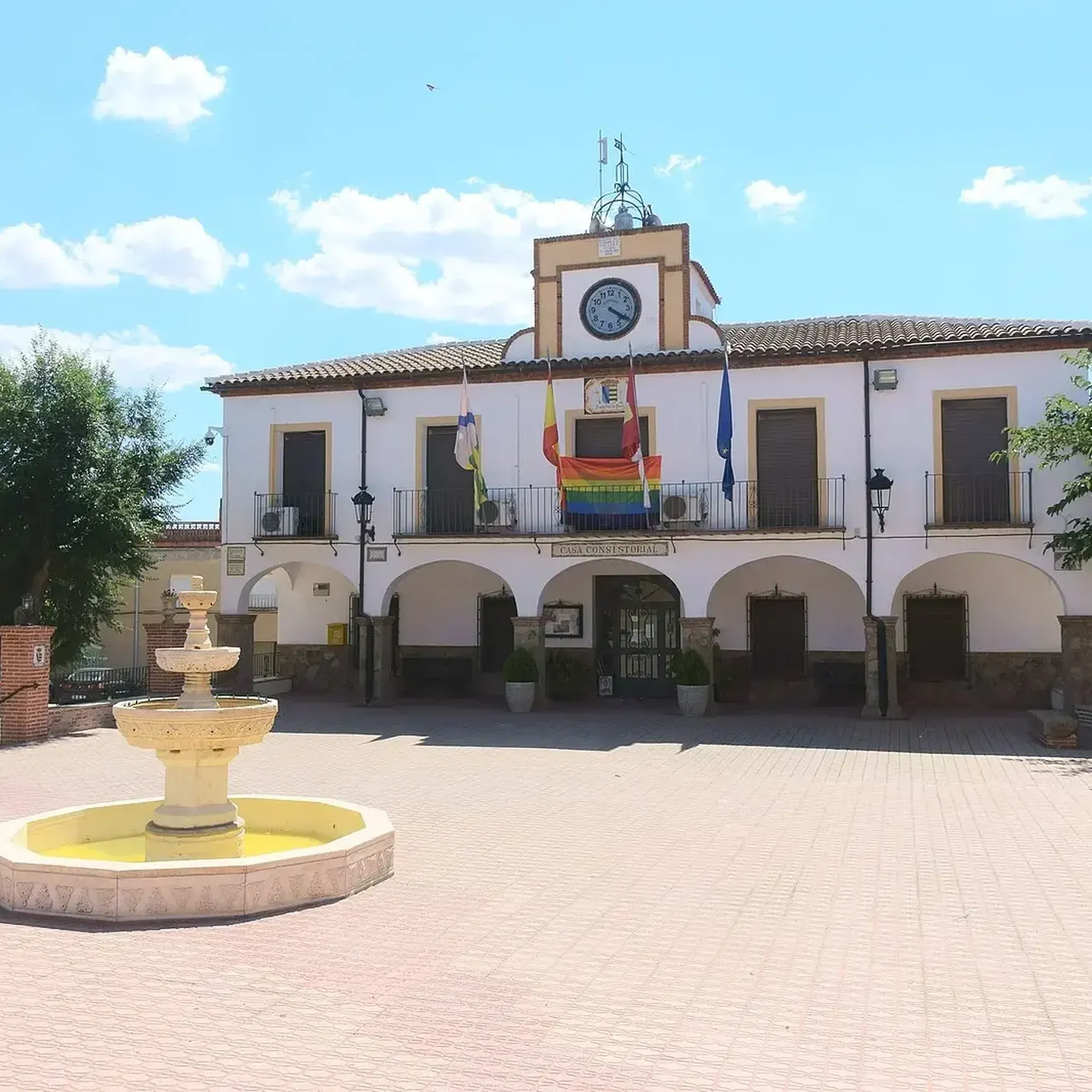
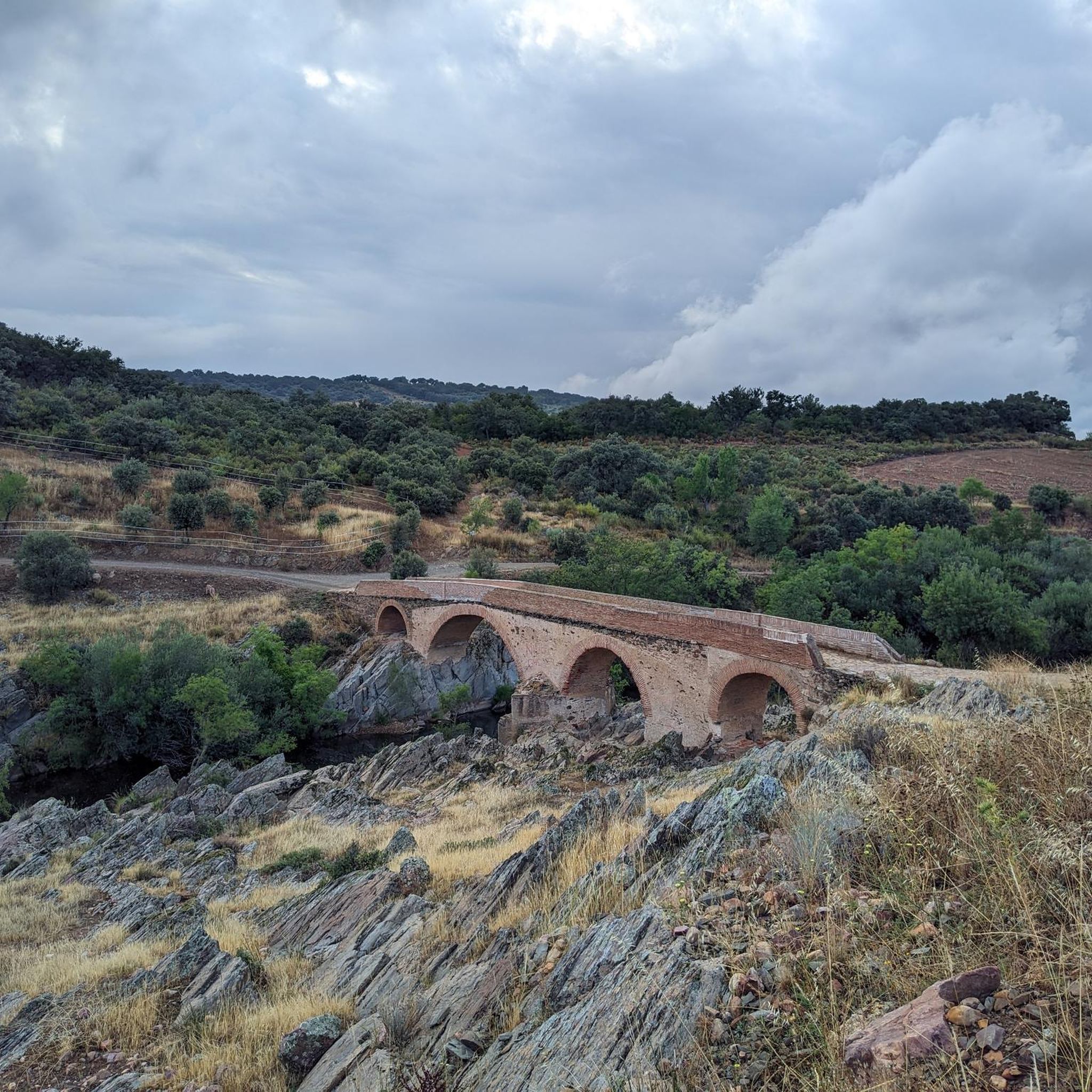
Santa Ana de Pusa offers a rich historical tapestry. You can visit the 16th to 18th-century Parish Church, known for its Mudéjar style, and the 19th-century Malpasillo Bridge spanning the Pusa River. Don't miss the Ethnological Museum "El Canchar" to delve into the town's culture and traditions, or the Hermitage of Cristo de la Salud. The town also features the historic Plaza de España with its Ayuntamiento.
Are there any natural attractions or viewpoints in the area?
Yes, the region is rich in natural beauty. The Pusa River and its surroundings offer Mediterranean forest, scrubland, and granite outcrops. You can also find remains of 11 water mills along the river, such as Molino del Colado and Molino del Álamo. The Jabonero Dam is another scenic spot, known for its picturesque riverbed.
What kind of outdoor activities can I do around Santa Ana de Pusa?
The area is excellent for outdoor activities, particularly hiking, cycling, and mountain biking. There are four accessible hiking routes starting from the village, including the Blue Route through Mediterranean forest and the Red Route exploring the gorges of the Pusa River. For more options, check out the hiking routes around Santa Ana de Pusa, MTB trails, and road cycling routes.
Are there family-friendly attractions or activities in Santa Ana de Pusa?
Many of the historical sites and natural areas are suitable for families. Exploring the Ethnological Museum "El Canchar" can be an educational experience, and the accessible hiking routes, like the Green Route to Molino del Álamo, offer gentle walks for all ages to enjoy the natural environment and spot aquatic birds. The main square, Plaza de España, is also a pleasant spot for families.
What are some notable nearby villages to visit?
Beyond Santa Ana de Pusa, you can explore charming nearby villages. Los Navalmorales is a peaceful village with a 16th-century church and historic hermitages. Another option is San Martín de Pusa, which has a rich history and heritage buildings like its Town Hall and the Parish Church of San Martín Obispo.
Can I find easy hiking trails around Santa Ana de Pusa?
Yes, there are several easy hiking options. For instance, the Green Route leads to Molino del Álamo, offering a gentle path along the Pusa River. Another easy option is the circular route from Santa Ana de Pusa to the Malpasillo bridge via the Estrechura del Pusa, which is about 4.5 km long. You can find more easy trails in the hiking guide.
What is the best time of year to visit Santa Ana de Pusa for outdoor activities?
The natural environment of Santa Ana de Pusa, with its Mediterranean forest and river landscapes, is enjoyable throughout much of the year. Spring and autumn generally offer the most pleasant temperatures for hiking and exploring. Winter walks can also be beautiful, especially along the Pusa River, though some routes might be more rugged.
Are there any historical artifacts or archaeological findings in the region?
The area has archaeological findings indicating occupation by Hispanic-Romans, Visigoths, and Muslims. A notable historical artifact is the Visigothic Stone Sarcophagus of Los Navalucillos, which gives insight into the region's ancient past and the origin of the town's name.
Where can I see traditional architecture in Santa Ana de Pusa?
Traditional architecture is evident in several places. The Parish Church, with its Mudéjar style, is a prime example. The Town Hall in Plaza de España, with its porticoed ground floor and continuous balcony, also showcases local architectural elements. Additionally, the remains of the old water mills along the Pusa River offer a glimpse into historical industrial architecture.
What are the characteristics of the Pusa River landscape?
The Pusa River flows through admirable natural landscapes characterized by Mediterranean forest and scrubland, striking granite outcrops, and extensive olive groves. The riverbed itself is often picturesque, especially near the Malpasillo Bridge and the Jabonero Dam, where it carves through gorges and provides habitats for various aquatic and Mediterranean mountain species.
Can I find circular walking routes in Santa Ana de Pusa?
Yes, several of the hiking routes around Santa Ana de Pusa are circular. For example, there's a circular route from Santa Ana de Pusa to the Malpasillo bridge via the Estrechura del Pusa. You can explore more circular options in the hiking guide to plan your walks.
What is the significance of the water mills along the Pusa River?
The remains of 11 water mills along the Pusa River are significant historical and cultural landmarks. These mills, some dating back to 1578, were vital for the local economy. Notable examples include Molino del Colado and Molino del Álamo (which once produced electricity for the town). The Jabonero Dam was specifically used to power these mills, highlighting their importance.
Most popular routes around Santa Ana De Pusa

Get inspired with the komoot mobile app


Explore more
Still not found the Highlight you’re looking for? See guides of the top attractions in other regions:
