Attractions and Places To See around San Martín De Montalbán - Top 19
Best attractions and places to see around San Martín De Montalbán include a rich blend of historical, cultural, and natural sites in the province of Toledo, Spain. The area features monuments with origins stretching back to the Neolithic period, showcasing influences from various civilizations. Visitors can explore significant architectural treasures and natural landscapes, including the Torcón River and surrounding Mediterranean forests. This region offers a diverse range of experiences for those interested in history, culture, and nature.
Best attractions and…
Last updated: August 9, 2026
Menasalbas Village Center
Highlight • Settlement
Translated by Google •
Tip by

Melque Complex
Highlight • Historical Site
Translated by Google •
Tip by
Sign up now to discover places like this
Get recommendations on the best single tracks, peaks, & plenty of other exciting outdoor places.
Sign up for free
Navahermosa
Highlight • Settlement
Translated by Google •
Tip by
Church of San Miguel Arcángel, Navahermosa
Highlight • Religious Site
Translated by Google •
Tip by
Parish of Saint Mary Magdalene
Highlight • Religious Site
Translated by Google •
Tip by
Sign up for free to discover even more attractions around San Martín De Montalbán.
Sign up for free
Already have an account?
Start today with a free account
Your next adventure awaits.
Login or Signup
Tips from the Community

Navahermosa is a highly valued destination for those seeking nature, tranquility, and historical heritage. Located in the Montes de Toledo mountains, surrounded by hills and streams, it's ideal for hiking, cultural routes, and rural getaways. Church of San Miguel Arcángel A 16th-century church with Renaissance elements and a 19th-century tower. Its Mudéjar coffered ceiling and altarpieces are particularly noteworthy.
7
0
What to see in Menasalbas Church of Santa María Magdalena A 16th-century church with three naves, a Baroque altarpiece, and Gothic rib vaulting. Historic Hermitages San Sebastián (18th century) and Nuestra Señora de la Salud. Jurisdictional Pillar A symbol of the town's judicial independence, dating from the late 16th century. Ethnographic Museum A collection of objects and tools from rural life in the 19th and 20th centuries. The abandoned village of Jumela Ruins of an old medieval settlement with a tower and remains of houses. Puente de la Torre and Torcón Reservoir A perfect natural setting for walking, fishing, and enjoying the vegetation. Laguna del Prao de la Casa Ideal for birdwatching and leisurely walks.
6
0
Menasalbas is a charming village in the Montes de Toledo mountains, ideal for those seeking history, nature, and tranquility. It stands out for its architectural heritage, hiking trails, and proximity to the Torcón Reservoir and Cabañeros National Park.
7
0
What to see in Navahermosa Dos Hermanas Castle A 12th-century Templar fortress perched on a rocky outcrop with spectacular views. The setting for medieval legends and battles. Church of San Miguel Arcángel A 16th-century church with Renaissance elements and a 19th-century tower. Its Mudéjar coffered ceiling and altarpieces are particularly noteworthy. Historic Hermitages Our Lady of the Miracle (pilgrimage in May) and Saint Sebastian (17th century). Places of devotion and tradition. Town Hall and Vernacular Architecture A historic building constructed of granite and houses with typical La Mancha-style arcades. Natural Surroundings The Montes de Toledo mountain range, the Torcón reservoir, and proximity to Cabañeros National Park.
8
0
Navahermosa is a highly valued destination for those seeking nature, tranquility, and historical heritage. Located in the Montes de Toledo mountains, surrounded by hills and streams, it's ideal for hiking, cultural routes, and rural getaways.
9
0
The Melque Complex is a historical and archaeological site located near San Martín de Montalbán, in the province of Toledo, Castilla-La Mancha. This complex includes the church of Santa María de Melque, which is one of the best preserved Visigothic churches in Spain. The monastic complex of Melque was built at the end of the 7th century or beginning of the 8th century and has gone through various historical stages, including its use as a fortification during the Islamic period. The church and its surroundings were declared a Site of Cultural Interest, with the category of Historical Site. To visit the Melque Complex, you can do so from Tuesday to Sunday, with hours that vary depending on the season. In addition, there is an interpretation center that offers detailed information about the history and evolution of the site.
4
0
The Parish of Santa María Magdalena in Menasalbas, Toledo, is a historic temple dating back to the 16th century. The church is known for its impressive architecture, which includes a Gothic chancel designed by Juan de Aguirre and a later phase with Renaissance columns by Hernán González. The church has no tower, as it was demolished during the Carlist conflicts of the 1830s. In its place, a bell gable was erected in the 1860s. The main altar is presided over by an altarpiece of the Adoration of the Magi, which includes a carving of Saint Mary Magdalene.⛪
3
0
No place on the peninsula like Santa María de Melque takes us back to the High Middle Ages. Its architecture not only shows us the last example of the Roman world, but also has elements of oriental buildings from Syria and Jordan. Walking through its floor, chapels and rooms, going through its horseshoe arches and contemplating the remains of the decoration and the founder's sarcophagus constitutes a true journey through time. The Church of Santa María de Melque is built in irregularly cut granite masonry, with angled pieces to solve some adjustments. The walls, made of ashlars of unequal size, but very well worked, are extremely robust, reaching thicknesses of 1.40 meters.
9
0
Frequently Asked Questions
What historical sites can I explore in San Martín de Montalbán?
San Martín de Montalbán is rich in history. You can visit the imposing Castillo de Montalbán, a 12th-century fortress with Muslim origins, strategically located by the Torcón River. Another significant site is the Melque Complex, home to the 8th-century Visigothic Church of Santa María de Melque, one of Spain's best-preserved early medieval buildings. Don't miss the ancient Dolmen de San Martín de Montalbán from the Copper Age, or the Roman-era Puente Canasta over the Torcón River.
Are there any notable religious buildings in the area?
Yes, the region features several significant religious buildings. The Melque Complex includes the exceptional Church of Santa María de Melque, an 8th-century Visigothic church. In Menasalbas, you can find the Parish of Saint Mary Magdalene, a 16th-century church with Gothic and Renaissance elements. Additionally, the Church of San Andrés, a 16th-century Renaissance-style building, and the Church of San Miguel Arcángel in Navahermosa with its Mudéjar coffered ceiling, are also worth visiting.
What natural attractions are there for outdoor enthusiasts?
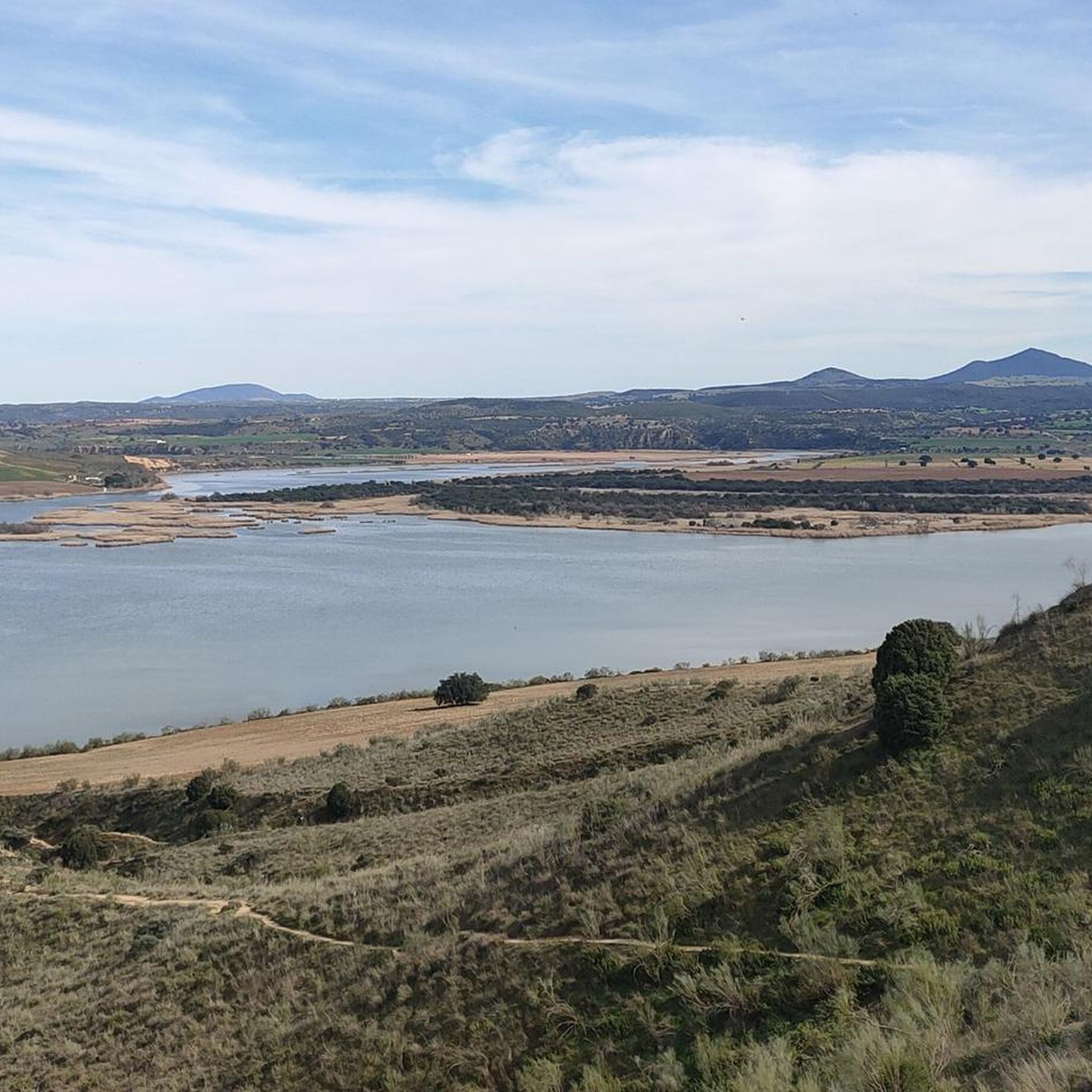
The area offers beautiful natural spots. The Embalse del Torcón is ideal for walking and enjoying the local vegetation. For birdwatching and tranquil strolls, visit the Laguna del Prao de la Casa. The Hoz de Carboneros provides an accessible and well-preserved natural route. The surrounding Mediterranean forest is home to diverse flora and fauna, including olive groves, vineyards, and various wildlife.
Are there family-friendly attractions or activities?
Absolutely. The Menasalbas Village Center is considered family-friendly, offering a blend of history, nature, and tranquility. The Melque Complex, with its historical and archaeological significance, is also suitable for families. Exploring the natural areas like the Embalse del Torcón or Laguna del Prao de la Casa can be enjoyable for all ages.
What kind of hiking trails are available near San Martín de Montalbán?
There are several hiking opportunities around San Martín de Montalbán. You can explore trails like the Hoz de Carboneros Trail, the Castillo de Dos Hermanas and La Milagra Loop, or the route from the Melque set to Castillo de Montalbán. These trails offer moderate difficulty and allow you to experience the region's natural beauty and historical sites. Find more details on these and other routes in the Hiking around San Martín De Montalbán guide.
Can I go cycling in the area?
Yes, San Martín de Montalbán and its surroundings are great for cycling. You'll find various road cycling routes, such as the Montes de Toledo: Risco de las Paradas and El Robledillo Loop, or the Navahermosa and San Martín de Montalbán Loop. For mountain biking, consider routes like the Cadena de los Montes loop from Navahermosa or the Melque Complex loop from Gálvez. Explore more options in the Road Cycling Routes and MTB Trails around San Martín De Montalbán guides.
What is the best time of year to visit San Martín de Montalbán?
The best time to visit San Martín de Montalbán largely depends on your planned activities. For outdoor activities like hiking and cycling, spring (April-May) and autumn (September-October) offer pleasant temperatures. Spring brings blooming landscapes, while autumn showcases beautiful fall colors. Summers can be hot, making early mornings or late afternoons more suitable for exploration, especially if visiting historical sites.
Are there any museums in San Martín de Montalbán or nearby?
Yes, you can visit the Museo Etnográfico in San Martín de Montalbán, which houses a collection of objects illustrating rural life from the 19th and 20th centuries. Additionally, the Menasalbas Village Center also features a small ethnological museum with contributions from local residents, showcasing the area's heritage.
What kind of wildlife can I expect to see?
The Mediterranean forest surrounding San Martín de Montalbán is home to diverse wildlife. You might spot partridges, hares, rabbits, wild boars, and even wildcats. Birdwatchers can look out for owls, Bonelli's eagles, goshawks, peregrine falcons, and little bustards in the skies, particularly around natural areas like the Laguna del Prao de la Casa.
What do visitors enjoy most about the attractions in this region?
Visitors particularly appreciate the rich historical and architectural heritage, especially the well-preserved Visigothic Melque Complex and the imposing Castillo de Montalbán. The tranquility and natural beauty of the surrounding landscapes, ideal for hiking and enjoying the outdoors, are also highly valued. Many enjoy discovering the blend of ancient history and rural charm found in villages like Menasalbas and Navahermosa.
Are there any unique local products or traditions to experience?
Yes, the area is known for its olive groves, particularly around Navahermosa, where olive oil with the Montes de Toledo Designation of Origin is produced. You can often find opportunities to try this local product. The region also maintains traditional pilgrimages, such as the one for Our Lady of the Miracle in Navahermosa in May, offering a glimpse into local customs.

Get inspired with the komoot mobile app


Explore more
Still not found the Highlight you’re looking for? See guides of the top attractions in other regions:
