Attractions and Places To See around Almadén - Top 17
Best attractions and places to see around Almadén. Almadén, located in the Sierra Morena mountains, is a town in the Spanish province of Ciudad Real. It is primarily known for its historic mercury mines, which are recognized as a UNESCO World Heritage Site. The area offers a range of cultural and historical points of interest, deeply connected to its mining past.
Best attractions and places to see around Almadén
- The most popular attractions is Almadén Mining Park, a historical…
Last updated: May 21, 2026
Almadén Mining Park
Highlight • Historical Site
Translated by Google •
Tip by

Almadén Bullring
Highlight • Monument
Translated by Google •
Tip by
Sign up now to discover places like this
Get recommendations on the best single tracks, peaks, & plenty of other exciting outdoor places.
Sign up for free
Miner's Monument
Highlight • Monument
The Monument to the Miner represents …
Translated by Google •
Tip by
Miners' Museum
Highlight • Historical Site
Translated by Google •
Tip by
Royal Hospital of the Miners of San Rafael
Highlight • Historical Site
Translated by Google •
Tip by
Sign up for free to discover even more attractions around Almadén.
Sign up for free
Already have an account?
Start today with a free account
Your next adventure awaits.
Login or Signup
Popular around Almadén
Tips from the Community

A hexagonal shape, unique in the world. A complex of 24 two-story houses surrounds the bullring, forming a single block. Built between 1752 and 1765 at the initiative of Superintendent Francisco Javier de Villegas. Purpose: to provide employment for miners during forced work stoppages and to raise funds for the Royal Miners' Hospital of San Rafael through bullfights and the rental of houses. First bullfights: October 1752, with 21 bulls fought. Declared a Site of Cultural Interest in 1979 and a World Heritage Site by UNESCO in 2012 as part of the "Mercury Heritage: Almadén and Idrija."
8
0
It is a tribute to the miners who worked in the Almadén mercury mines, protagonists of more than 2,000 years of mining history. The idea arose in 1953, but it did not materialize until 1996, thanks to a public subscription and institutional contributions. It was inaugurated on September 8, 1996, coinciding with the feast day of Our Lady of the Mines.
7
0
Today it houses the Mining Museum and the Historical Archive of the Almadén Mines, with documents dating back to the 17th century. The visit includes: Room 1: History of the hospital and its role in occupational health. Room 2: The mercury metallurgy process and its technological evolution. Room 3: Life and customs of the region. Audiovisual displays, dioramas, and panels on diseases such as hydrargyrism and innovative treatments (the sauna-box, "the beach"). Dungeons where sick prisoners were treated. Exhibition of mining tools, machinery, and artifacts.
7
0
The Almadén Mining Park is the living heritage of the two thousand years of Almadén exploitation. After the closure of the mining activity in 2003, the oldest mines in the world whose activity has been maintained to this day, show their secrets. Mercury, the living silver of the Romans, is shown in the Park in all its aspects, the extraction of its mineral, cinnabar, mercury sulfide, its transformation in metallurgical furnaces, its physical and chemical properties, its uses and, of course, its eternal history. The facilities of the Mining Park, the shafts, buildings and facilities are the heart of the Spanish assets registered on the list of World Heritage Sites under the name of Mercury Heritage. Almaden and Idrija.
7
0

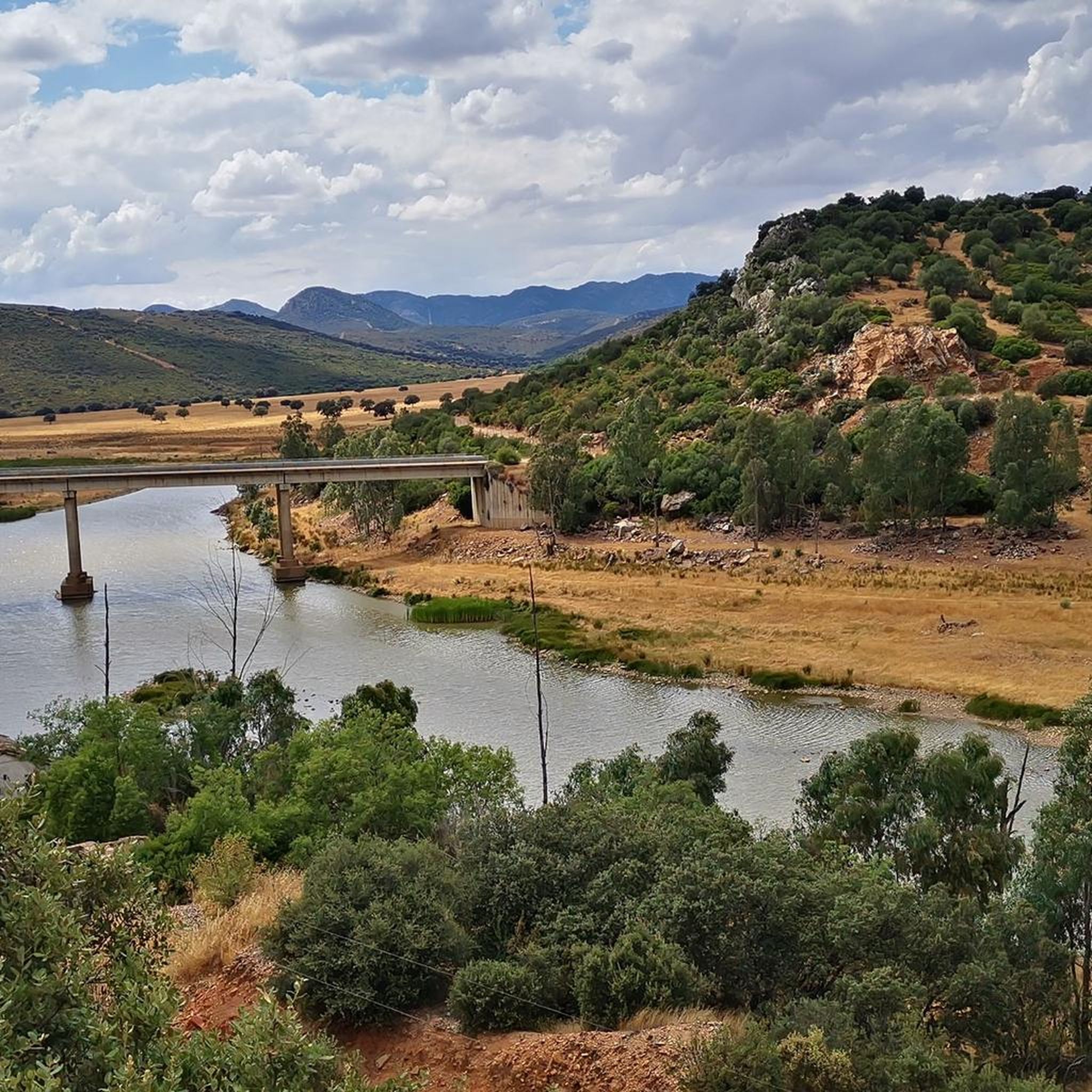
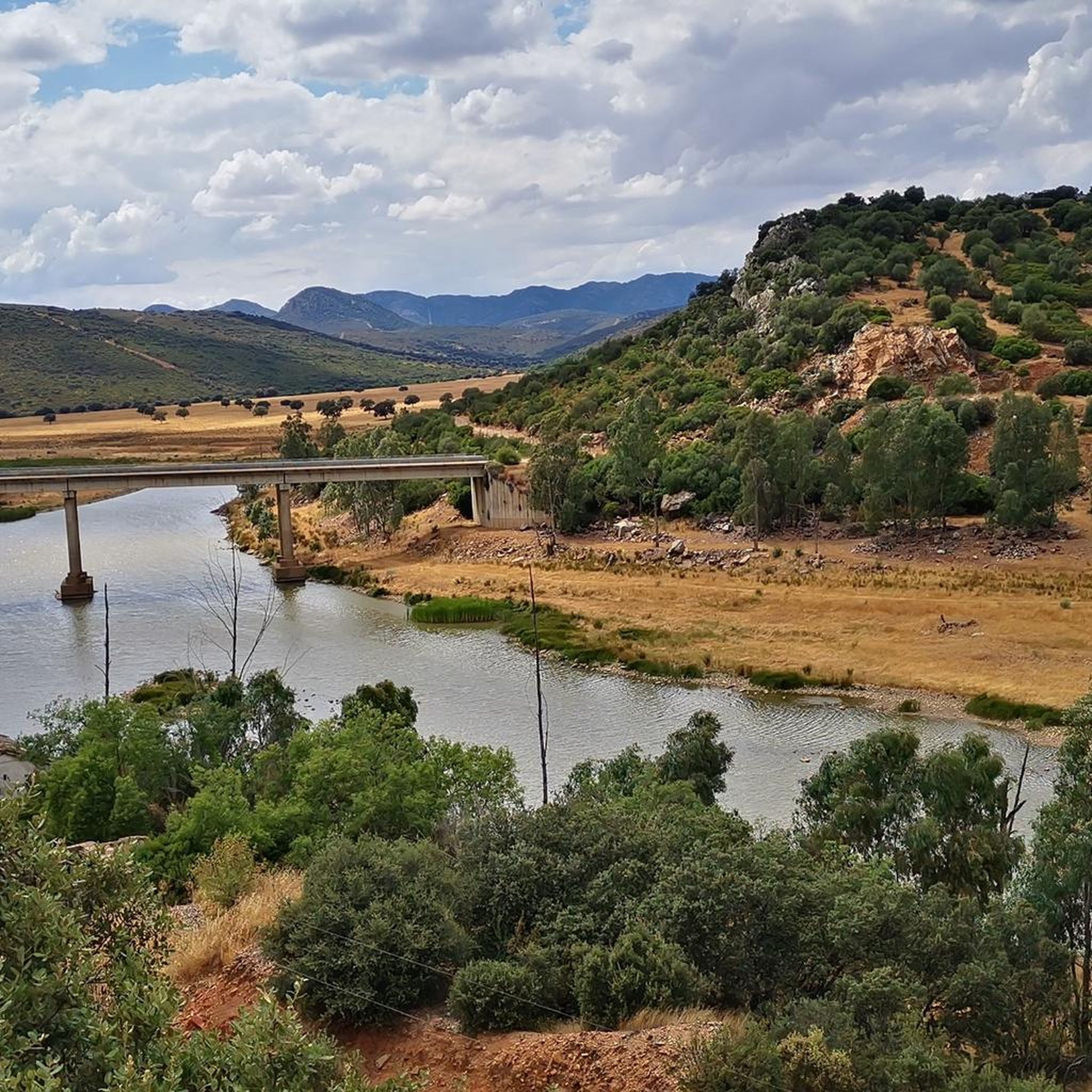
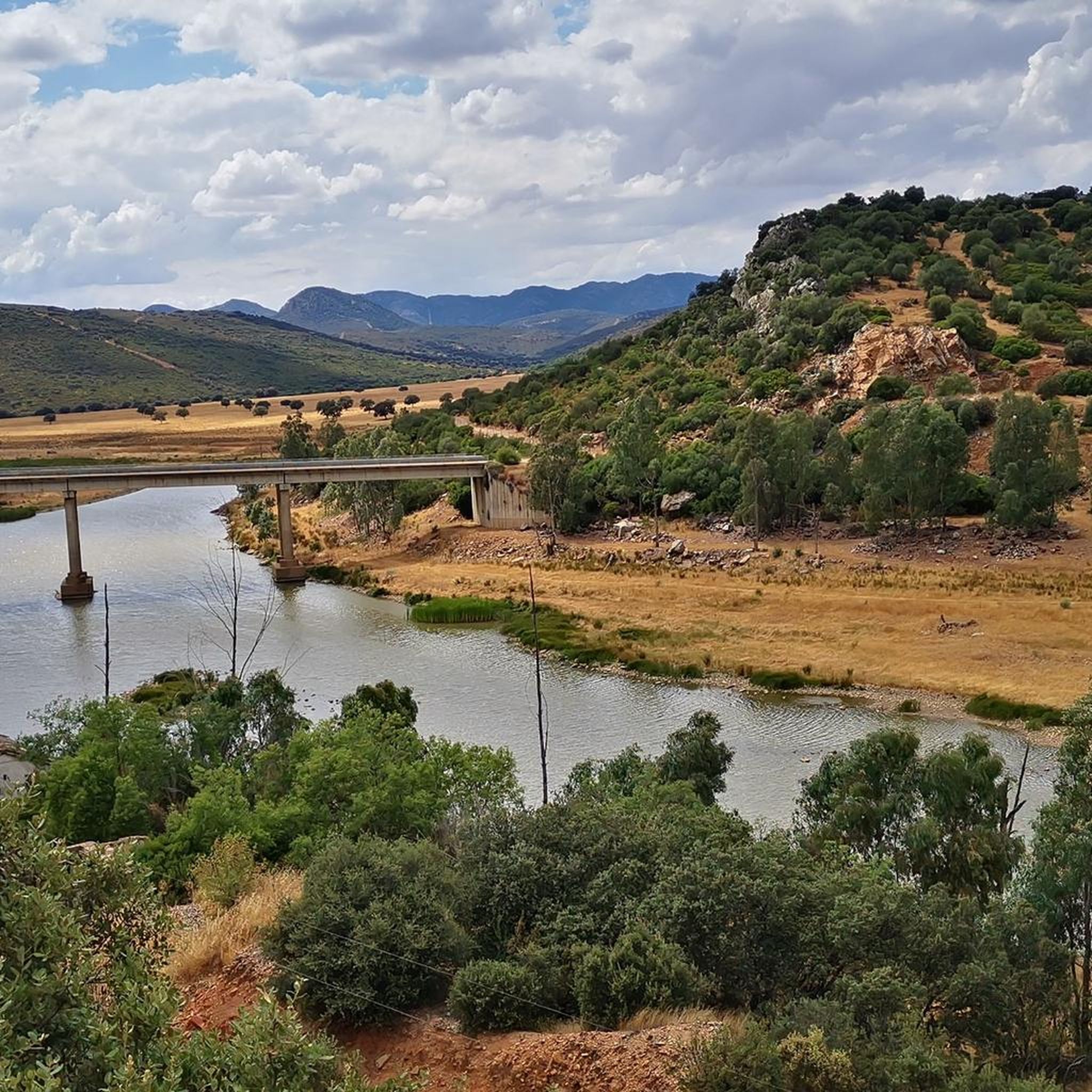
An old mining town, Almadén is located on the slopes of the Sierra Morena. The Almadén Mining Park has a nearby car park where you can start your cycling route.
2
1

In 2003, the Almadén mines, the oldest mines in the world, were permanently closed after 2,000 years of mining in the area. Tickets can be purchased at the box office or at https://parqueminerodealmaden.es/
5
1
A monument dedicated to the miners, who were the true protagonists of the history of Almadén. Work inaugurated in 1996, carried out by Leovigildo Gallardo Blanco, from Almaden.
4
1
Building built between 1755 and 1773 to serve the workers who worked in the Almadén mines. Today it houses the headquarters of the Historical Archive of the Almadén and Arrayanes Mines.
4
1
Frequently Asked Questions
What is the main historical attraction in Almadén?
The primary historical attraction is the Almadén Mining Park, a UNESCO World Heritage Site. It offers an immersive experience into two thousand years of mercury mining history, allowing visitors to descend into a real mine and explore historical shafts and galleries.
Are there any unique historical landmarks in Almadén?
Yes, the Almadén Bullring is a unique landmark. Built between 1752 and 1765, it is globally recognized for its distinctive hexagonal shape and is also part of the UNESCO World Heritage designation.
What other sites related to Almadén's mining heritage can I visit?
Beyond the Mining Park, you can explore the Miners' Museum, which was originally the San Rafael Royal Mining Hospital. Other significant sites include the Royal Forzados Prison with its Interpretation Centre, and the monumental Gate of Charles IV, which marked the entrance to the metal processing area.
Are there family-friendly attractions in Almadén?
Yes, both the Almadén Mining Park and the Almadén Bullring are considered family-friendly attractions, offering engaging experiences for visitors of all ages to learn about the region's history.
What religious buildings can be visited in Almadén?
You can visit the Church of Saint Mary of the Star, an 18th-century church that originated from the Hermitage of Nuestro Padre Jesús Nazareno. The Hermitage of San Juan, also from the 18th century, is another notable religious site.
What outdoor activities can I do near Almadén?
The region around Almadén, situated in the Sierra Morena mountains, offers various outdoor activities. You can find numerous routes for road cycling, mountain biking, and hiking. For detailed routes, explore the Road Cycling Routes around Almadén, Cycling around Almadén, and Hiking around Almadén guides.
Are there hiking trails near Almadén's attractions?
Yes, there are several hiking trails in the vicinity. For example, you can find routes like the 'Ascent to the Castillo de Chillón — circular through the Parque Minero de Almadén' or the 'Miners' Trail - Stage 1'. More options are available in the Hiking around Almadén guide.
What natural features can I see in the Almadén area?
While Almadén is known for its mining landscape, the town is located within the Sierra Morena mountains. This surrounding region offers natural beauty and opportunities for hiking and enjoying its biodiversity.
What can I expect to see in Almadén's historical city center?
A stroll through Almadén's historical city center reveals the prosperity from its mining past, with significant religious and civil buildings. Key areas include the Plaza de la Constitución, Calle Mayor, and traditional neighborhoods like Barrio de la Libertad and Barrio de Santa Brígida.
When is the best time to visit Almadén for outdoor activities?
To enjoy outdoor activities like hiking and cycling in the Sierra Morena mountains, it's generally best to visit during spring (April-May) and autumn (September-October) when the weather is milder and more comfortable for exploration.
What is the significance of Almadén being a UNESCO World Heritage site?
Almadén's UNESCO World Heritage status recognizes its exceptional universal value as the site of the world's largest and oldest mercury mines, which operated for over two millennia. This designation highlights its profound impact on global history, economy, and technology.
Can I explore medieval history in Almadén?
Yes, you can visit Retamar Castle, originally built by the Arabs in the 14th century and later controlled by the Knights of the Order of Calatrava. Its 16th-century tower offers a glimpse into the region's medieval past.
Most popular routes around Almadén

Get inspired with the komoot mobile app


Explore more
Still not found the Highlight you’re looking for? See guides of the top attractions in other regions:
