The best cycling routes around Manzanal De Los Infantes
5.0
(1)
23
riders
8
rides
Touring cycling routes around Manzanal de los Infantes traverse a mountainous valley carved by the Río Negro, situated within the Sierra de la Culebra. The region features extensive oak, poplar, chestnut, and pine forests, providing a diverse natural environment. With an altitude exceeding 900 meters, the area offers a distinct mountain climate and varied terrain suitable for cycling. River beaches and proximity to Lake Sanabria Natural Park add to the scenic diversity.
Best touring cycling routes around Manzanal De Los…
Last updated: May 16, 2026
51.7km
03:57
550m
550m
Hard bike ride. Very good fitness required. Mostly paved surfaces. Suitable for all skill levels.
58.9km
04:31
680m
680m
Hard bike ride. Very good fitness required. Mostly paved surfaces. Suitable for all skill levels.

Sign up for free
5.0
(1)
9
riders
Hard bike ride. Very good fitness required. Mostly paved surfaces. Suitable for all skill levels.
6
riders
Hard bike ride. Very good fitness required. Mostly paved surfaces. Suitable for all skill levels.
4
riders
38.3km
02:27
520m
520m
Hard bike ride. Very good fitness required. Mostly paved surfaces. Suitable for all skill levels.
Get access to more routes and recommendations from other explorers.
Sign up for free
Already have an account?
Our route recommendations are based on thousands of hikes, rides, and runs completed by other people on komoot.
Start today with a free account
Your next adventure awaits.
Login or Signup
Popular around Manzanal De Los Infantes
Tips from the Community

The Church of Saint Thomas the Apostle, located in the small village of Otero de Sanabria (municipality of Cobreros), is a unique church that combines centuries of history, diverse architectural styles, and an exceptional painted interior that has earned it the nickname "the Sistine Chapel of Sanabria." Romanesque origin (12th century), built on the site of an earlier Suebian or Visigothic temple. It retains the apse and the holy water/baptismal font from the original Romanesque period. Decisive renovations took place between the 17th and 18th centuries, when the Romanesque nave was demolished and the current three naves were built (1717). According to an inscription, the tower was built in 1749, the portico in 1763, the sacristy in 1769, and the Chapel of Souls in 1770.
2
0

very nice place. Was recently voted one of the 10 most beautiful places in Spain. A bit touristy, but not overcrowded
2
1

Personally, I don't like this area a lot. I have seen hares, rabbits, deer, wolves and it's always quiet. I always go alone and explore paths
2
0

Located in the homonymous region, this picturesque town is the ideal location to stay during a visit to the surrounding towns and places. Declared an asset of cultural interest for its historical architectural complex, it has been a military bastion for decades, since the topography favors its defense, still preserving part of its wall. The Castle of the Counts of Benavente, the Romanesque church of Sta. María del Azogue and the hermitage of S. Cayetano, are places of tourist interest.
0
0
Built in the s. XV by the Pimentel family after taking control of the region, the fortress would witness the wars with Portugal in the s. XVIII and the War of Independence, when Portuguese soldiers would face the Serrar Division of the French army.
0
0
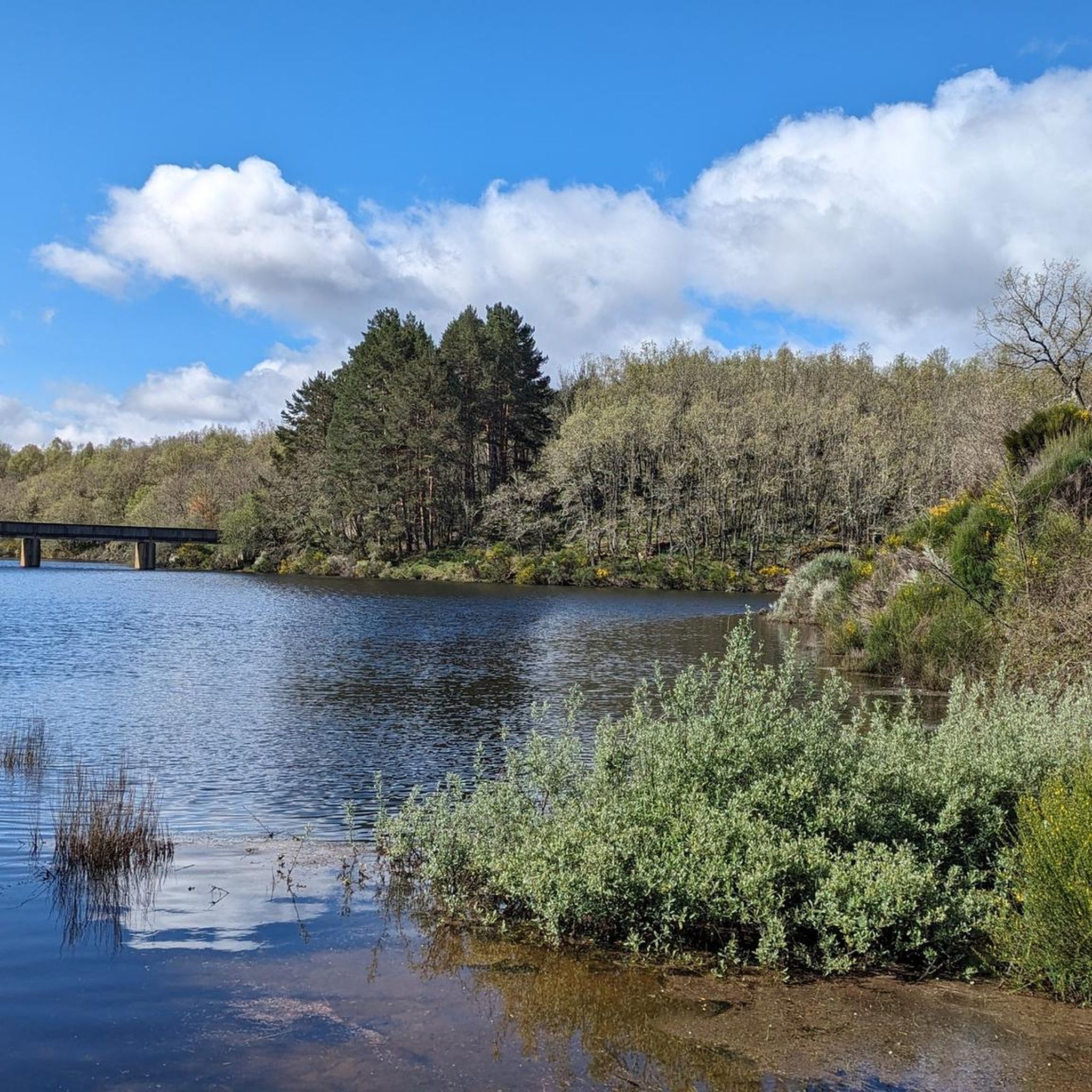
Views of the Cernadilla reservoir, which guards the current of the Tera River, from the northeast side.
0
0

Imposing castle from the 15th century, a military fortress that was destroyed in the late 18th century and early 19th century during the War of Independence with Portugal and France. It suffered abandonment until the end of the 20th century, when the library, the Exhibition Hall and the Assembly Hall were installed. It currently houses the Visitor Center and the Municipal Tourism Office.
4
0
Built in the mid-15th century by Don Rodrigo Alonso de Pimentel and Doña María Pacheco (IV Counts of Benavente), it occupies a privileged position on a promontory. Rocky city plan protected by three river channels. It is a castle-fortress built in granite ashlar with a quadrangular walled enclosure and a central tower, the Torre del Homenaje or as it is popularly known “El Macho”.
5
1
Frequently Asked Questions
How many touring cycling routes are available in Manzanal de los Infantes?
There are several touring cycling routes around Manzanal de los Infantes, with a total of 8 routes documented on komoot. These routes offer diverse experiences through the region's mountainous terrain and lush forests.
What kind of terrain can I expect on touring cycling routes in Manzanal de los Infantes?
The terrain in Manzanal de los Infantes is predominantly mountainous, with routes traversing a valley carved by the Río Negro. You'll cycle through extensive oak, poplar, chestnut, and pine forests, experiencing a distinct mountain climate. Expect varied landscapes with significant elevation changes, as the area is over 900 meters above sea level.
Are there any easy touring cycling routes for beginners in Manzanal de los Infantes?
While the region is known for its challenging terrain, most of the touring cycling routes around Manzanal de los Infantes are rated as 'difficult'. There are currently no easy routes listed, but you can find 3 moderate routes that might be more suitable for those looking for a less strenuous ride.
What natural features or viewpoints can I see while cycling in this area?
You'll encounter a wealth of natural beauty, including the Río Negro with its waterfalls, strong currents, and tranquil pools. The routes also offer views of extensive forests, river beaches, and the mountainous landscapes of the Sierra de la Culebra. The region's proximity to Lake Sanabria Natural Park also adds to the scenic diversity.
Are there any historical or cultural landmarks along the touring cycling routes?
Yes, the routes often pass through areas rich in history and culture. You might encounter traditional architecture, ancient fountains, and religious buildings. For example, the Puebla de Sanabria Castle – Old Town of Puebla de Sanabria loop from Asturianos leads through historical areas. Other notable sights include the Monument to the Pilgrim of Rionegro del Puente and the Hermitage of the Incarnation.
Can I find circular touring cycling routes in the Manzanal de los Infantes area?
Yes, many of the touring cycling routes in Manzanal de los Infantes are circular. Examples include the Camino Sanabrés and Cernadilla Reservoir Loop and the Camino Sanabrés and Muelas de los Caballeros Loop, allowing you to start and end at the same point.
What wildlife might I encounter on the touring cycling routes?
The extensive forests and natural environment of the Sierra de la Culebra provide a habitat for diverse wildlife. Cyclists might spot animals such as deer, wild boar, and badgers. The region is also known for its wolf population, offering a rich natural experience.
What is the best time of year for touring cycling in Manzanal de los Infantes?
Given its mountain climate, the spring and autumn months are generally ideal for touring cycling, offering pleasant temperatures and vibrant natural scenery. Autumn is also a popular time for mushroom picking. Summer can be warm, but the altitude provides some relief, and river beaches offer opportunities for cooling off.
Are the touring cycling routes in Manzanal de los Infantes dog-friendly?
While specific regulations for dogs on cycling routes are not detailed, the natural environment with its forests and riverbanks generally offers a welcoming setting for dogs. It's always advisable to keep dogs under control, especially given the presence of wildlife in the Sierra de la Culebra.
Where can I find refreshments or accommodation along the routes?
The region features small towns and villages where you can find local cafes, pubs, and accommodation options. The Virgen de la Carballeda Pilgrims' Hostel is one such option, and traditional architecture often indicates places that might offer services to travelers.
What do other touring cyclists say about the routes in Manzanal de los Infantes?
The touring cycling routes around Manzanal de los Infantes are highly rated by the komoot community, with an average score of 5.0 stars from over 1 review. Cyclists often praise the diverse natural settings, mountainous terrain, and the tranquil environment perfect for exploring.
Are there any routes that feature water bodies like rivers or reservoirs?
Yes, the region is characterized by the Río Negro, and several routes incorporate water features. The Camino Sanabrés and Cernadilla Reservoir Loop, for instance, offers views of the Cernadilla Reservoir. The Río Negro itself features waterfalls and tranquil pools, adding to the scenic beauty of many rides.
Most popular routes around Manzanal De Los Infantes
Most popular attractions around Manzanal De Los Infantes

Get inspired with the komoot mobile app


Explore more
Browse the best Cycling routes in other regions.
