Attractions and Places To See around Carrión De Calatrava - Top 20
Attractions and places to see around Carrión De Calatrava offer a blend of historical, cultural, and natural sites in the province of Ciudad Real. The region is part of the Archaeological Park of Alarcos and Calatrava la Vieja, featuring significant heritage. Visitors can explore ancient ruins, historical churches, and natural landscapes, including wetlands and river areas. The surroundings provide opportunities for outdoor activities and discovering local landmarks.
Best attractions and places to see around Carrión De Calatrava
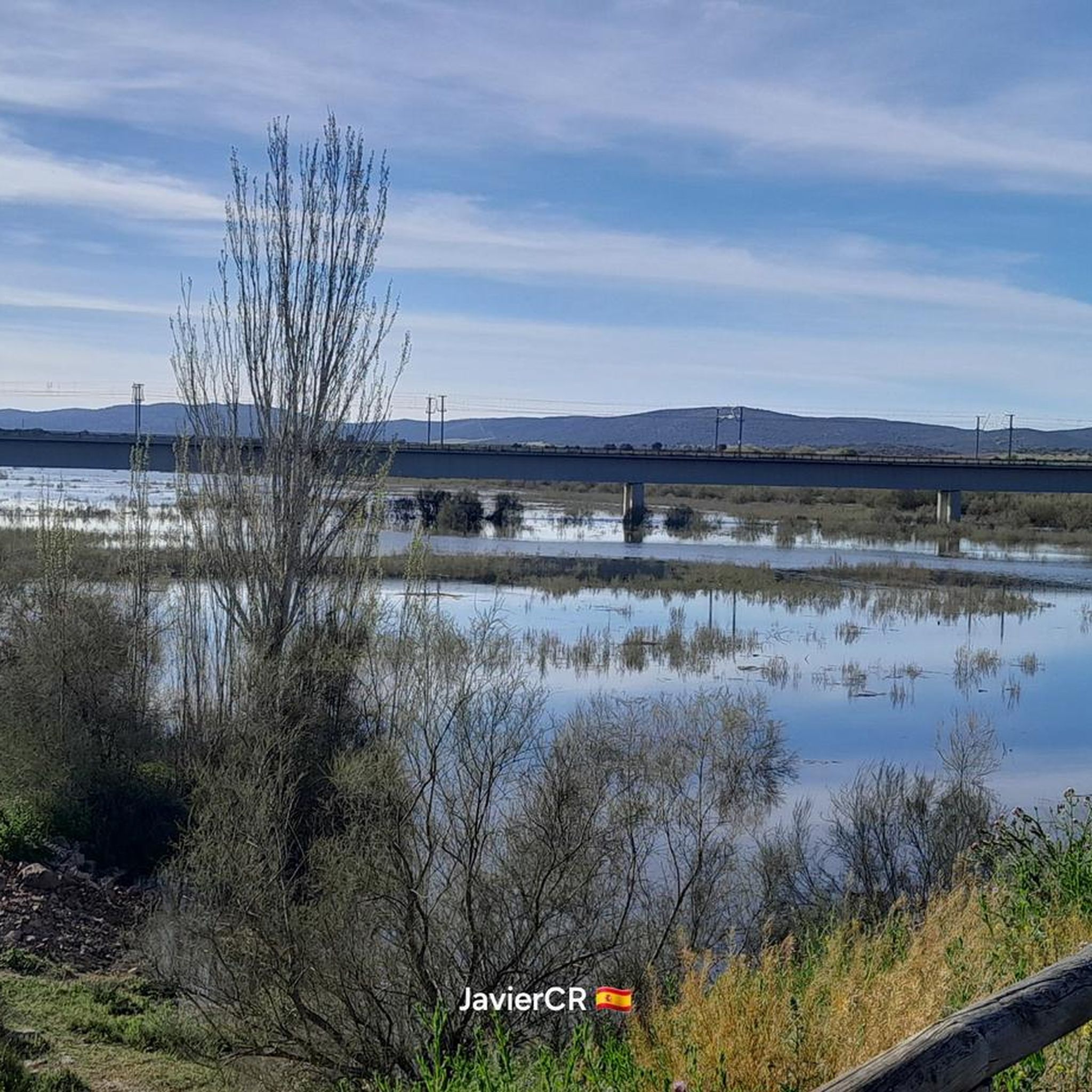
- The most popular attractions is Iron Bridge over the Guadiana River, a bridge that was part of a railway line connecting Ciudad Real with Badajoz. This protected monument has been converted into a greenway, offering scenic views and forming part of the Route of Don Quixote.
- Another must-see spot is Laguna del Prado, a saline volcanic lake with seasonal waters. This protected Nature Reserve is known for its unique ecosystem and is the most saline lagoon in Campo de Calatrava.
- Visitors also love Gasset Reservoir Dam, a man-made monument whose construction began in 1900. This dam on the Becea River serves as an economic, tourist, and natural reference point in the area.
- Carrión De Calatrava is known for its historical sites, natural features, and cultural landmarks. The area offers a blend of significant heritage, natural beauty, and opportunities for outdoor exploration.
- The attractions around Carrión De Calatrava are appreciated by the komoot community, with more than 80 upvotes and over 130 photos shared across 49 highlights.
Last updated: August 3, 2026
Iron Bridge over the Guadiana River
Highlight • Bridge
Translated by Google •
Tip by

Laguna del Prado
Highlight • Lake
Its origin is pseudokarstic, since it was caused by a phreatomagmatic explosion at a fracture junction located in a sedimentary basin. This has favored surface ponding like this semi-arid lagoon, with sulphated-magnesium-sodic chloride waters. Due to its salinity, the vegetation is relegated to the margins, mainly salt marshes and halonitrophilous plants. The contribution of rainwater from the town has altered that salinity, allowing the appearance of reeds, castanets and even white poplars.
During periods when it is flooded, you can see black-headed gulls, black-headed gulls, avocets, stilts and plovers, as well as pink flamingos.
Translated by Google •
Tip by

Sign up now to discover places like this
Get recommendations on the best single tracks, peaks, & plenty of other exciting outdoor places.
Sign up for free
Malvecinos Bridge
Highlight • Bridge
And this bridge, which was used to cross the Guadiana River, despite being next to the road, is difficult to detect because it is at the mercy of the undergrowth.
Translated by Google •
Tip by
Gasset Park (Ciudad Real)
Highlight • Natural
extensions in the years 1933, 1960, 1985 and 2000. It is practically
in the center of the city, although in the south of it.
Translated by Google •
Tip by
San Marcos Hermitage of Peralvillo
Highlight • Religious Site
Translated by Google •
Tip by
Sign up for free to discover even more attractions around Carrión De Calatrava.
Sign up for free
Already have an account?
Start today with a free account
Your next adventure awaits.
Login or Signup

Tips from the Community

Construction began in 1917, and it has undergone several renovations and expansions in 1933, 1960, 1985, and 2000. It is located practically in the city center, although in the southern part of the city. At the southern end of the park is the "Cross of the Married Couple," a 15th-century wayside cross that has been rebuilt several times. It commemorates the romantic and tragic story of Sancho and Blanca, a couple from Ciudad Real and Miguelturra, who died for marrying. Their parents were enemies and chose to kill them when they eloped to marry in secret.
23
0
It is located next to the town centre of Pozuelo de Calatrava. It is popularly known as the unexpected lagoon. If you pass by, it is a unique opportunity to enjoy the flora and fauna of the saltiest lagoon in the area.
10
0
The Iron Bridge over the Guadiana River, also known as the Austrias Bridge, is a significant engineering work in the history of Ciudad Real and the region of Castilla-La Mancha. It was built to be part of the railway line that connected Ciudad Real with Badajoz, being an important route for transport and communication in the first half of the 20th century. The construction of the bridge began in 1921 and was completed in 1927. Its design and construction were carried out by the company Material para Ferrocarriles y Construcciones S.A., which used advanced techniques for the time. The bridge is made up of an iron metal structure, supported by masonry pillars, which gives it its characteristic name. During the Spanish Civil War, the bridge played a strategic role and was damaged due to its importance for the movement of troops and supplies. It was later repaired and continued in use until the railway line was decommissioned in the 1960s. Today, the Iron Bridge is a protected monument and a testament to the region's industrial heritage. It is a popular place for walks and hiking trails, allowing visitors to appreciate both its historical value and the natural views of the Guadiana River and its surroundings.
17
0
The Malvecinos bridge is located in the northwestern quadrant of the municipality of Carrión de Calatrava, at km 6,500 of the CR-211 provincial highway that goes from Carrión to Fernán Caballero. Since the Middle Ages, its dam-bridge was one of the most notable historical passages of the Guadiana River in this area, forming part of the route of the Cañada Real de la Plata. Unfortunately, its current state is critical due to the uncontrolled growth of vegetation, which has made urgent intervention necessary for its conservation and to avoid its ruin. The Tablas de Calatrava Naturalist Association has promoted a rehabilitation project in four phases to preserve this historical heritage. We hope that this unique enclave in Alto Guadiana can be protected and restored! 🌉🌿
20
0

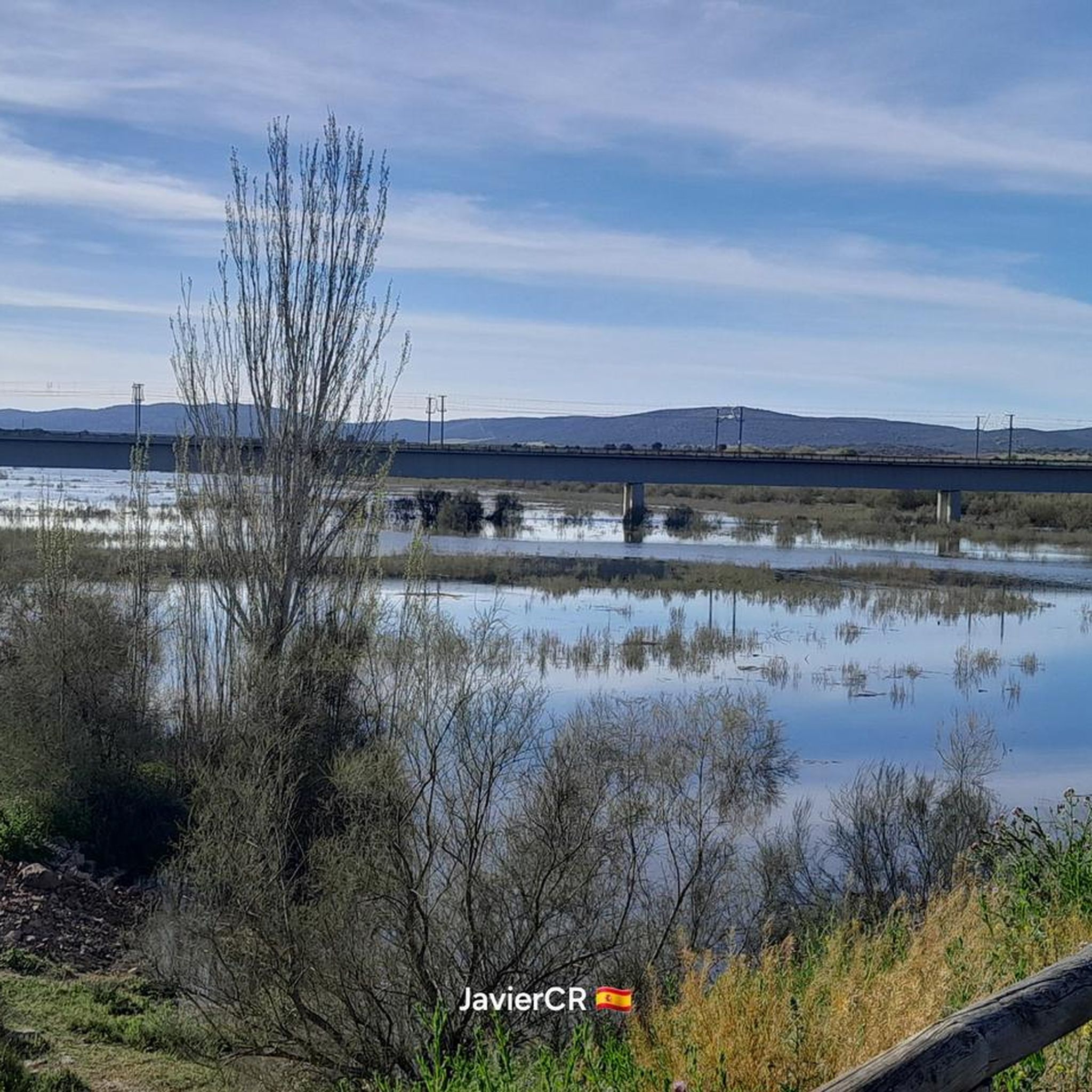
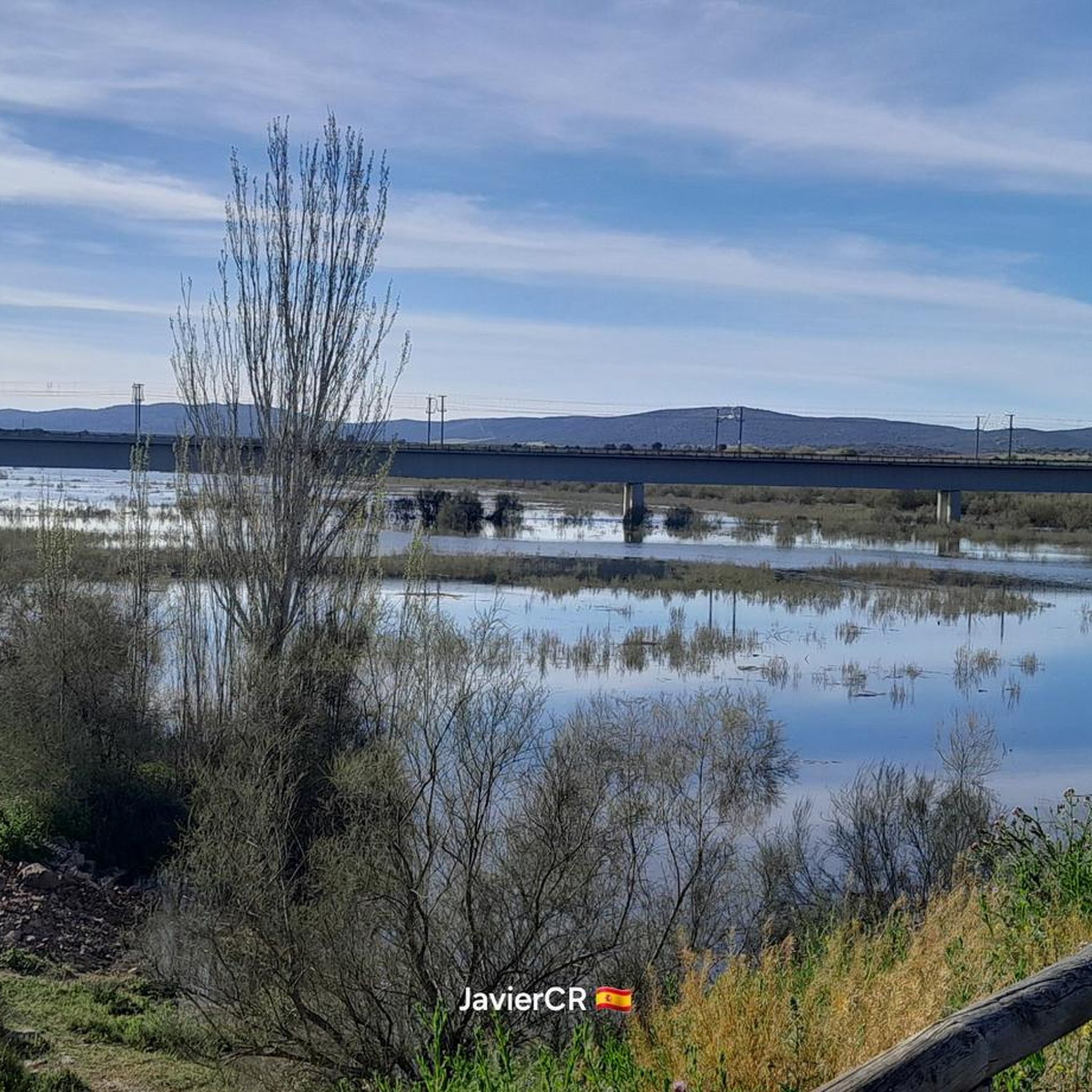
It is a place full of history, with a special charm. Formerly this bridge was part of the railway line that connected Ciudad Real with Madrid. At the beginning of the nineties it stopped being used as it did not meet the conditions to support the new AVE route between the capital and Seville. After its conditioning for use as a greenway, it is an attractive pedestrian crossing point to cross the Guadiana River at the height of the Vicario reservoir, next to the Miguelturreña district of Peralvillo, especially when we can see water flowing through its channel, something uncommon in dry season. Ideal for taking photos and admiring its imposing structure.
3
0

Beautiful seen from below and with water as before.
4
0
During the Middle Ages, the Malvecinos dam-bridge was one of the most prominent crossings of the Guadiana River in this area. In addition, it was part of the route of the Cañada Real de la Plata. However, unfortunately, its current state is critical due to the uncontrolled growth of vegetation, which makes urgent intervention necessary for its conservation and to avoid its ruin. In an effort to preserve this unique enclave in Alto Guadiana, the Tablas de Calatrava Naturalist Association has promoted a rehabilitation project in four phases. The first phase, which consists of clearing and cleaning the bridge, is underway thanks to the collaboration of the Guadiana Hydrographic Confederation and other actors involved. The objective is to prevent the definitive collapse of this important historical heritage.
31
0

Small lagoon that is very close to the center and what's more, the path that goes around it is quiet and pleasant close to the center.
2
1
Frequently Asked Questions
What historical sites can I explore in Carrión De Calatrava?
Carrión De Calatrava is rich in history. You can visit the significant Malvecinos Bridge, believed to be of Roman origin, or the Iron Bridge over the Guadiana River, a protected monument that was once part of a railway line. The region is also home to the Archaeological Site of Calatrava la Vieja, the birthplace of the Order of Calatrava, featuring impressive fortress ruins. Other notable sites include the Gothic-style Church of Santiago Apóstol and the Sanctuary of the Virgen de la Encarnación.
Are there any natural attractions or unique landscapes to see?
Yes, the area offers several natural points of interest. Explore Laguna del Prado, a unique saline volcanic lake and protected Nature Reserve known for its distinct ecosystem. You can also visit the Gasset Reservoir Dam, a man-made monument on the Becea River that serves as an economic, tourist, and natural reference point. The Baths of Hervidero Horno de Yeso, thought to be Roman in origin, offer waters historically used for skin ailments.
What outdoor activities can I do near Carrión De Calatrava?
The natural surroundings are perfect for outdoor enthusiasts. The Iron Bridge has been converted into a greenway, forming part of the Route of Don Quixote, ideal for walks and hiking. You can also find numerous routes for gravel biking, running, and mountain biking. For example, explore routes like 'Mines on the Arzollar trail' for gravel biking, 'Natural path of the Guadiana through the El Vicario Reservoir' for running, or 'La Atalaya Loop' for mountain biking. You can find more details on these activities in the Gravel biking around Carrión De Calatrava, Running Trails around Carrión De Calatrava, and MTB Trails around Carrión De Calatrava guides.
Are there family-friendly attractions in the area?
Many attractions around Carrión De Calatrava are suitable for families. The Iron Bridge over the Guadiana River offers scenic views and is great for family walks. Laguna del Prado is a fascinating natural reserve where children can observe unique flora and fauna. The Gasset Reservoir Dam is also considered family-friendly, offering a glimpse into local engineering and nature. The settlement of Peralvillo, with its diverse landscapes and protected waterfowl reserve, can also be an engaging stop for families.
What is the best time to visit Carrión De Calatrava?
The region offers attractions year-round, but for outdoor activities and enjoying the natural landscapes, spring and autumn generally provide the most pleasant weather. During the hottest summer months, some shallow lagoons like Laguna del Prado may dry out, which is part of their natural cycle. If you're interested in birdwatching, visiting when the lagoons are flooded can offer sightings of flamingos and other waterfowl.
Can I find places to eat or stay near the attractions?
While specific accommodation details are not provided, the settlement of Peralvillo, near some of the natural attractions, has a small but cozy Café-Bar called Bar la Encantada, recommended for good service and prices, making it a good spot to eat or have a drink and recharge.
What is the significance of the Archaeological Site of Calatrava la Vieja?
The Archaeological Site of Calatrava la Vieja is arguably the most significant historical site in the area. Founded by the Umayyads in the late 8th century, it was an impressive ancient city and the birthplace of the Order of Calatrava, the first Hispanic military order. Visitors can explore the ruins of its strategically located fortress, which featured a sophisticated water defense system using the Guadiana River as a natural moat, and 1,500 meters of wall with numerous turrets.
Are there any unique cultural centers or buildings to visit?
Yes, El Torreón, originally a stately home for the Counts of Carrión from the late 18th century, has been restored and now serves as a cultural center for exhibitions and events. Its quadrangular form has been maintained during the restoration. The Town Hall, situated on the site of a former municipal house from the mid-18th century, also holds historical significance.
What kind of wildlife can I expect to see in the natural areas?
In areas like Laguna del Prado, when flooded, you might spot black-headed gulls, avocets, stilts, plovers, and even pink flamingos. The area around Peralvillo is an important protected reserve for waterfowl, including coots, cattle egrets, great cormorants, and red ducks, among others. The region's natural surroundings boast privileged flora and fauna, making it ideal for nature lovers.
Is there a specific route for cycling that passes through historical sites?
Yes, the Iron Bridge over the Guadiana River is part of a greenway that forms a section of the famous Ruta del Quijote, offering a scenic cycling experience through landscapes associated with Cervantes' literary masterpiece. The Malvecinos Bridge is also noted as a good spot for cycling routes, despite its current state.
What is the Church of Santiago Apóstol known for?
The Church of Santiago Apóstol is a Gothic-style church, built between the late 15th and early 16th centuries, with later Renaissance reforms. Inside, it houses a valuable 12th-century polychrome marble image of Santa María de los Mártires, which represents a significant transition from Romanesque to Gothic art.
Are there any unique geological features in the region?
Yes, Laguna del Prado has a pseudokarstic origin, caused by a phreatomagmatic explosion at a fracture junction in a sedimentary basin. This geological activity has led to the formation of this semi-arid lagoon with sulphated-magnesium-sodic chloride waters, making it the most saline lagoon in Campo de Calatrava and a unique geological feature.
Most popular routes around Carrión De Calatrava
Most popular attractions around Carrión De Calatrava

Get inspired with the komoot mobile app


Explore more
Still not found the Highlight you’re looking for? See guides of the top attractions in other regions:
