Attractions and Places To See around El Cañavate - Top 5
Best attractions and places to see around El Cañavate include historical landmarks, cultural sites, and natural features within the province of Cuenca, Spain. The town is situated on a pine-covered promontory, offering views of the flat plains of La Mancha, and is bathed by the Córcoles river. Its architecture features a mix of Romanesque, Gothic, and Renaissance elements, reflecting a rich history. Visitors can explore ancient ruins and significant religious sites.
Best attractions and places to see around El Cañavate
…Last updated: July 21, 2026
Sanctuary of the Virgen de Trascastillo (El Cañavate)
Highlight • Religious Site
Translated by Google •
Tip by

Monument to Jorge Manrique
Highlight • Monument
Translated by Google •
Tip by

Sign up now to discover places like this
Get recommendations on the best single tracks, peaks, & plenty of other exciting outdoor places.
Sign up for free
El Cañavate
Highlight • Settlement
You can visit the church …
Translated by Google •
Tip by
Vara del Rey
Highlight • Settlement
Translated by Google •
Tip by

Gravel path with views of Honrubia
Highlight (Segment) • Trail
Translated by Google •
Tip by

Start today with a free account
Your next adventure awaits.
Login or Signup
Popular around El Cañavate
Tips from the Community

In 1941, at the initiative of the poet Federico Muelas, this monument was built to replace the old iron cross. It is a monolith located 3 kilometers from the town on the way to La Nava, where the poet Jorge Manrique was mortally wounded (1479). It is constructed from stone belonging to the Giraldo of Cuenca Cathedral. The monument has two coats of arms on each side and a central iron cross. It bears an inscription that reads: "Here Jorge Manrique fell mortally wounded fighting for the unity of Spain." At the foot of the monolith, you can see a space intended for a casket containing Jorge Manrique's verses, including the famous "A la Muerte de su Padre" (On the Death of his Father). In 2021, the monument was restored, consisting of cleaning the stone, refurbishing the stairs, and replacing the bollards.
0
0

Gravel road parallel to the N-III where you can pass quietly without cars. In front of you you can see the town of Honrubia.
1
0

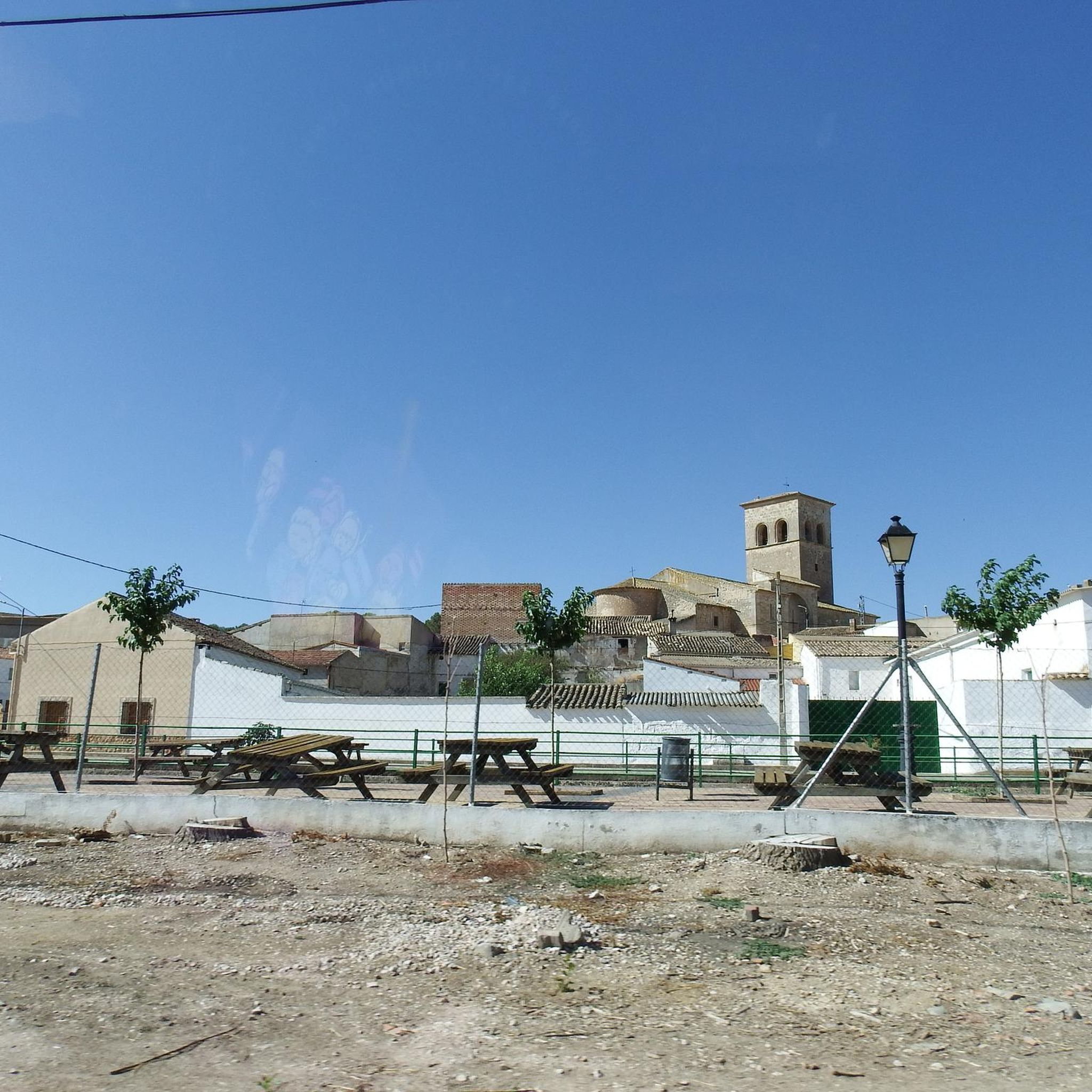
Cuenca town on the banks of the Rus River. Vestiges of the Bronze Age have been found, which detonates the antiquity of these populated areas. You can visit the church with Romanesque, Gothic and Renaissance elements and the hermitage of Ermita de la Virgen del Trascastillo, from the 16th century.
1
1
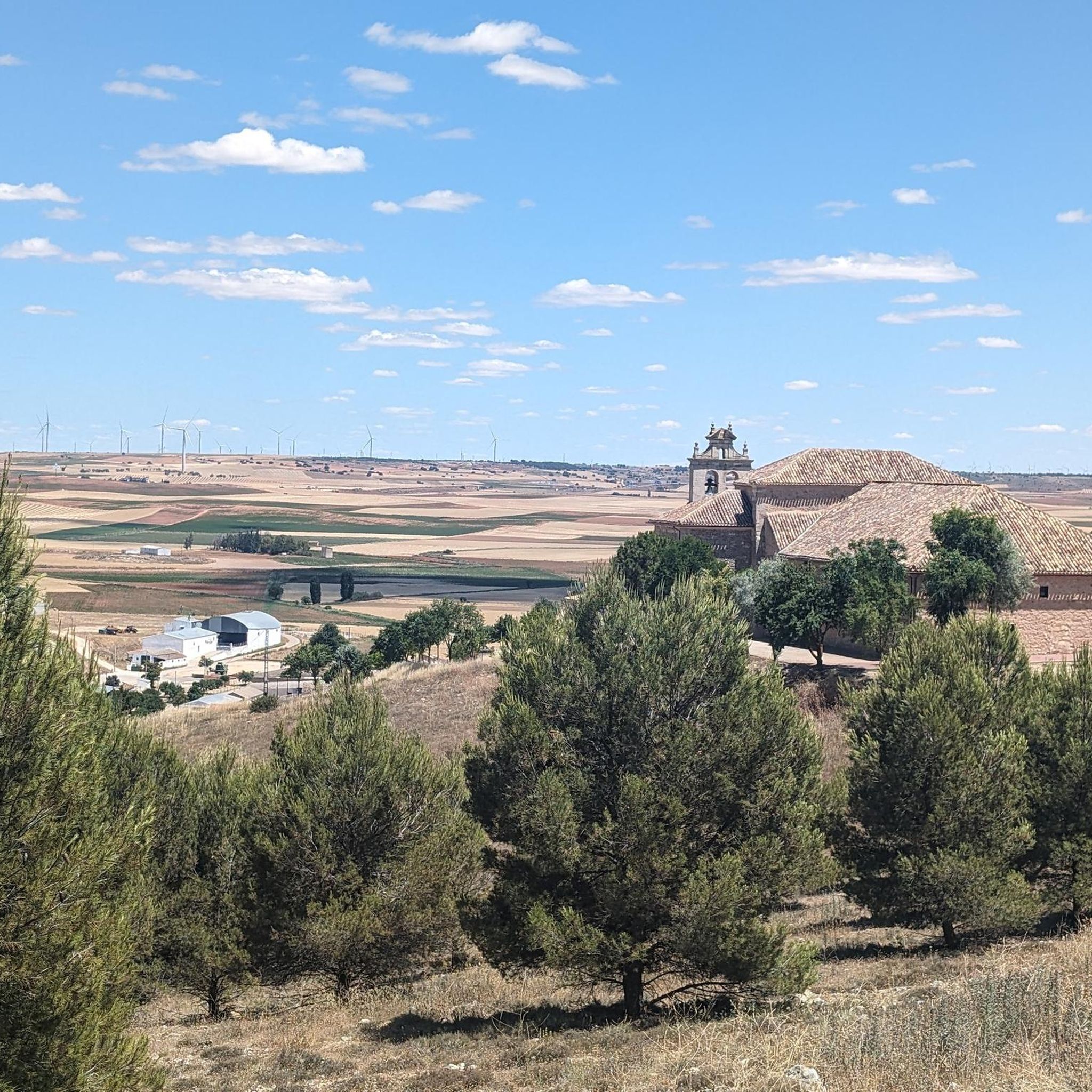
Beautiful and large religious sanctuary located in the town of El Cañavate, from where you can enjoy aerial views of it. It is also known as the Virgin of Trascastillo.
2
0

A nucleus that is located in the middle of two hills through which the Río Rus flows and where on one of these hills we can find the Ermita Virgen del Trascastillo, which can be seen from the same road. Of course, if you want to go up there, with a road bike it's complicated!
0
0
Nucleus that is located to the south of the administrative boundary of Cuenca but that is part of the set of populations that are located in La Mancha and its large flat areas.
0
1

Also known as the Trascastillo hermitage, it is located on La Carrasquilla hill and offers beautiful views of the town of Cañavate and the entire Cañada Juncosa valley.
1
0
Frequently Asked Questions
What historical and cultural sites can I explore in El Cañavate?
El Cañavate offers a rich history. You can visit the Iglesia Parroquial de la Asunción, which features a blend of Romanesque, Gothic, and Renaissance architectural styles. The ruins of the ancient Castillo del Cañavate on Cerro del Castillejo hint at the town's past. Don't miss the significant 16th-century Santuario de la Virgen del Trascastillo, also known as the Virgen de Trascastillo, which offers impressive aerial views. Additionally, the Monument to Jorge Manrique commemorates the poet near where he was mortally wounded.
Are there any natural viewpoints or scenic spots around El Cañavate?
Yes, El Cañavate is situated on a majestic, pine-covered promontory, offering scenic views of the surrounding flat plains of La Mancha. The Sanctuary of the Virgen de Trascastillo, located on La Carrasquilla hill, provides beautiful aerial views of El Cañavate and the Cañada Juncosa valley. You can also find a Gravel path with views of Honrubia, perfect for a quiet stroll.
What outdoor activities can I do near El Cañavate?
The area around El Cañavate is great for outdoor enthusiasts. You can explore various cycling and mountain biking routes. For mountain biking, consider routes like the 'Mirador del Embalse de Alarcón — circular desde Honrubia' or the 'El Cañavate – Castillo de Garcimuñoz loop'. Cyclists can enjoy routes such as 'Return to the Álarcón reservoir from Honrubia' or 'Tébar — circular desde Cañada Juncosa'. Find more details on these activities in the MTB Trails around El Cañavate and Cycling around El Cañavate guides.
Are there any family-friendly attractions in the area?
Families can enjoy several spots. The Monument to Jorge Manrique is a historical site suitable for all ages. The settlement of El Cañavate itself, with its charming white houses and historical church, offers a pleasant environment for a family walk. Nearby, the town of Sisante, recognized as the most beautiful village in Castilla-La Mancha in 2021, is also a picturesque and tranquil place to visit with family.
What is unique about the town of El Cañavate itself?
El Cañavate is a charming town characterized by its white houses and rich history. It once minted its own currency, highlighting its past importance. The town is bathed by the Córcoles river and features a mix of Romanesque, Gothic, and Renaissance architectural elements in its church, reflecting centuries of history.
What is the Sanctuary of the Virgen de Trascastillo?
The Sanctuary of the Virgen de Trascastillo is a beautiful and large 16th-century religious building located on La Carrasquilla hill in El Cañavate. It is a significant site for locals and offers stunning aerial views of the town and the Cañada Juncosa valley.
Can I find any river or water features in El Cañavate?
Yes, the town of El Cañavate is bathed by the Córcoles river, which contributes to the local environment. The settlement of El Cañavate is also noted to be on the banks of the Rus River.
What is Vara del Rey?
Vara del Rey is a settlement located south of Cuenca's administrative boundary. It is part of the large flat plains of La Mancha and offers a glimpse into the region's characteristic landscape.
Are there any specific hiking routes recommended near El Cañavate?
While specific hiking routes directly from El Cañavate are not detailed, the region offers opportunities for scenic walks. For those interested in outdoor activities, the 'Ruta por las Hoces de Alarcón' is a circular route along the Júcar river, offering picturesque views and glimpses of Alarcón's towers.
What kind of architecture can I expect to see in El Cañavate?
El Cañavate showcases a fascinating mix of architectural styles, particularly in its Iglesia Parroquial de la Asunción, which incorporates Romanesque, Gothic, and Renaissance elements, alongside a Baroque altar. The town's white houses also contribute to its traditional charm.
What do visitors appreciate most about the attractions around El Cañavate?
Visitors particularly appreciate the historical significance and the beautiful views offered by sites like the Sanctuary of the Virgen de Trascastillo. The blend of ancient vestiges and architectural styles, along with the serene natural surroundings, makes the area appealing for exploration and photography.
Most popular routes around El Cañavate

Get inspired with the komoot mobile app


Explore more
Still not found the Highlight you’re looking for? See guides of the top attractions in other regions:
