The best cycling routes around Pego
4.3
(1412)
21,763
riders
22
rides
Touring cycling around Pego offers varied terrain, from extensive wetlands to mountainous landscapes. The region is characterized by the Marjal de Pego-Oliva Natural Park and surrounding ranges like Sierra de Segaria and Sierra de Mariola. These features provide a mix of flat, scenic routes through rice fields and challenging climbs with significant elevation gains. The area's geography allows for diverse cycling experiences.
Best touring cycling routes around Pego
- The most popular touring cycling route is Collado de Garga Viewpoint –…
Last updated: August 6, 2026
4.5
(2)
1,152
riders
49.9km
03:34
1,020m
1,020m
Hard bike ride. Very good fitness required. You may need to push your bike for some segments of this route.
237
riders
17.7km
01:23
480m
480m
Hard bike ride. Very good fitness required. Mostly paved surfaces. Suitable for all skill levels.

Sign up for free
4.7
(3)
51
riders
46.2km
03:04
660m
660m
Hard bike ride. Very good fitness required. Mostly paved surfaces. Suitable for all skill levels.
5.0
(3)
251
riders
32.5km
02:17
560m
560m
Hard bike ride. Very good fitness required. Mostly paved surfaces. Suitable for all skill levels.
4.8
(5)
26
riders
21.2km
01:28
320m
320m
Moderate bike ride. Good fitness required. Mostly paved surfaces. Suitable for all skill levels.
Get access to more routes and recommendations from other explorers.
Sign up for free
Already have an account?
Our route recommendations are based on thousands of hikes, rides, and runs completed by other people on komoot.
Start today with a free account
Your next adventure awaits.
Login or Signup


Other adventures around Pego

Tips from the Community

The building complex consists of a former Franciscan monastery and the associated church, which is dedicated to the Holy Family. The complex was built towards the end of the 19th century. The church is built in the neo-Gothic style and is characterized by pointed arches, high windows and a striking bell tower. Surrounded by the tranquil landscape of the Marina Alta, the place is today both a religious center and an interesting historical building in the region.
0
0


Description The Ermita de la Sangre in Murla is a small church located in the heart of the town. Behind its walls lies a long history. The building's history stretches from the Middle Ages to the present day, resulting in various uses and changes to its appearance. The Ermita de la Sangre in Murla was restored in 1979. It is a semi-detached building with a vaulted ceiling and two transverse arches, above which, from the altar, stands the image of Ecce Homo. To one side is the old Chapel of San Francisco de Borja, which has housed the image of the town's patron saint, the Divine Aurora, since 1856. History The Ermita de la Sangre in Murla has a centuries-old history. Although the exact date of its construction is unknown, all indications point to around 1591. The building was formerly the city's old women's hospital, which, like these rooms in the Middle Ages, was converted into a hermitage invoking the Blood of Christ. However, it had been used as a prison long before that. In 1600, the prison was located within the hospital, but the diocese at the time decided to separate them. Documents indicate that the old prison was located where the image of the divine Aurora is currently situated.
2
0

sandwich with the Alkmaar tour club
0
1

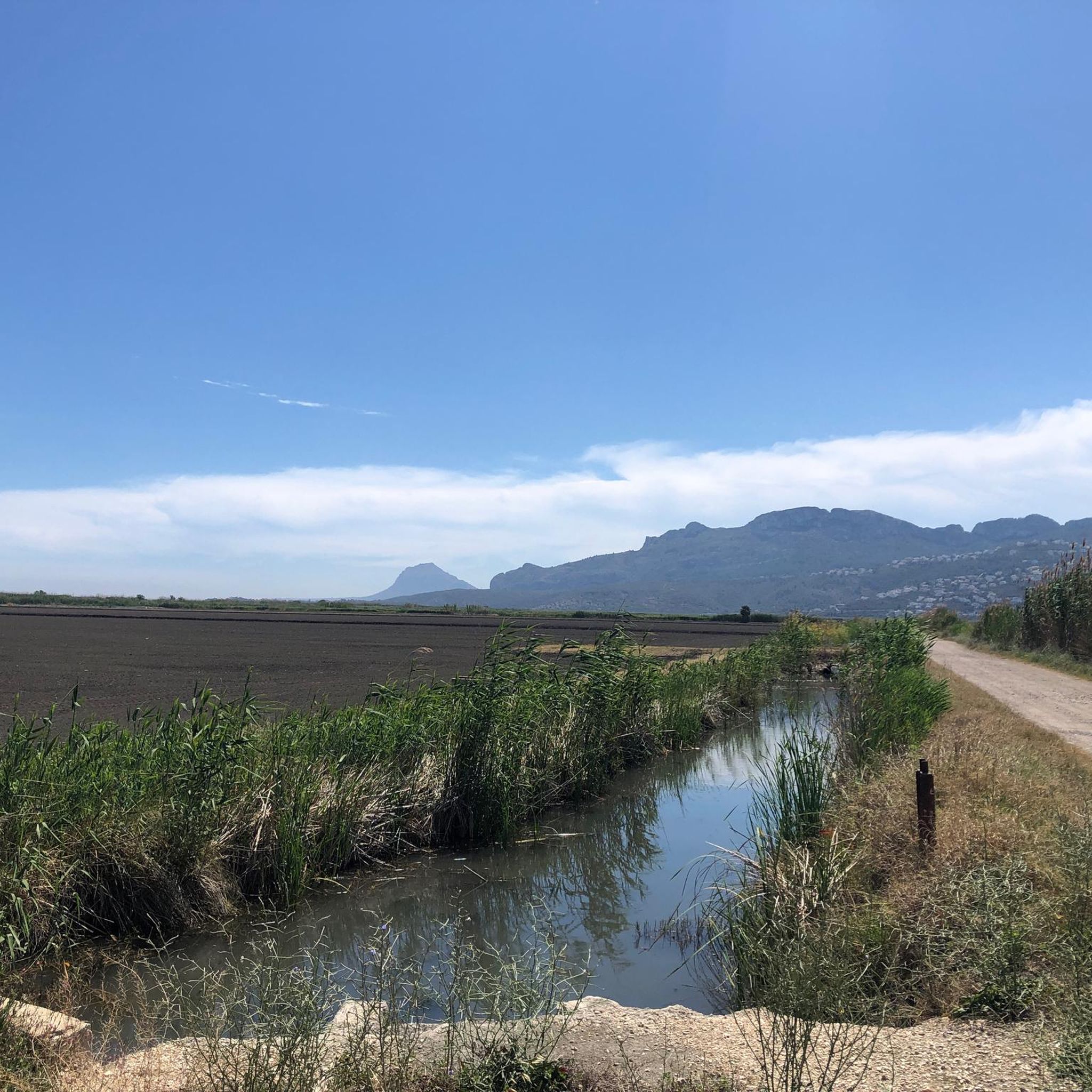
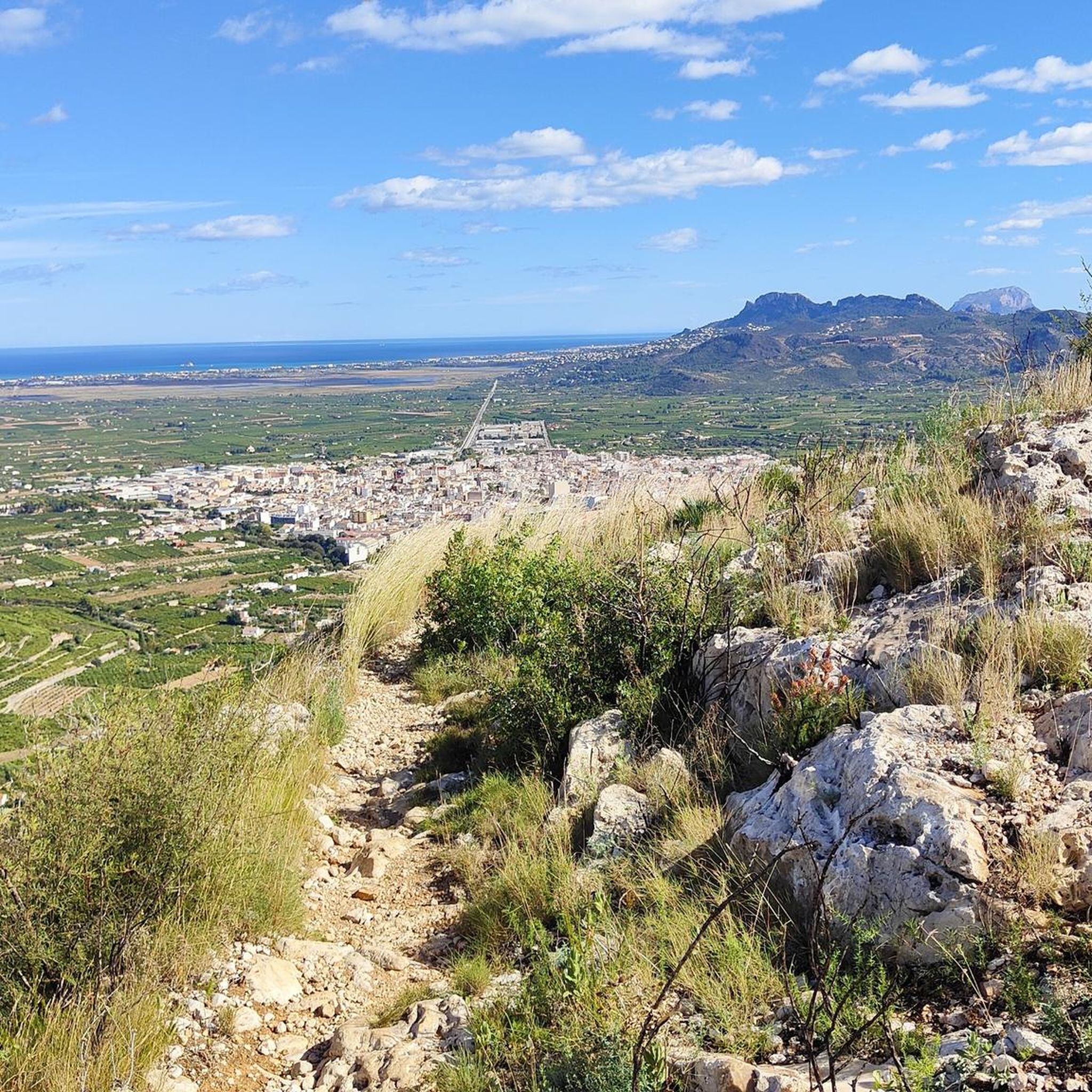
Beautiful views of the Marjal Pego-Oliva National Park.
0
0
Beautiful views of the Marjal Pego-Oliva National Park from a hilltop in the port of Sorell.
1
0

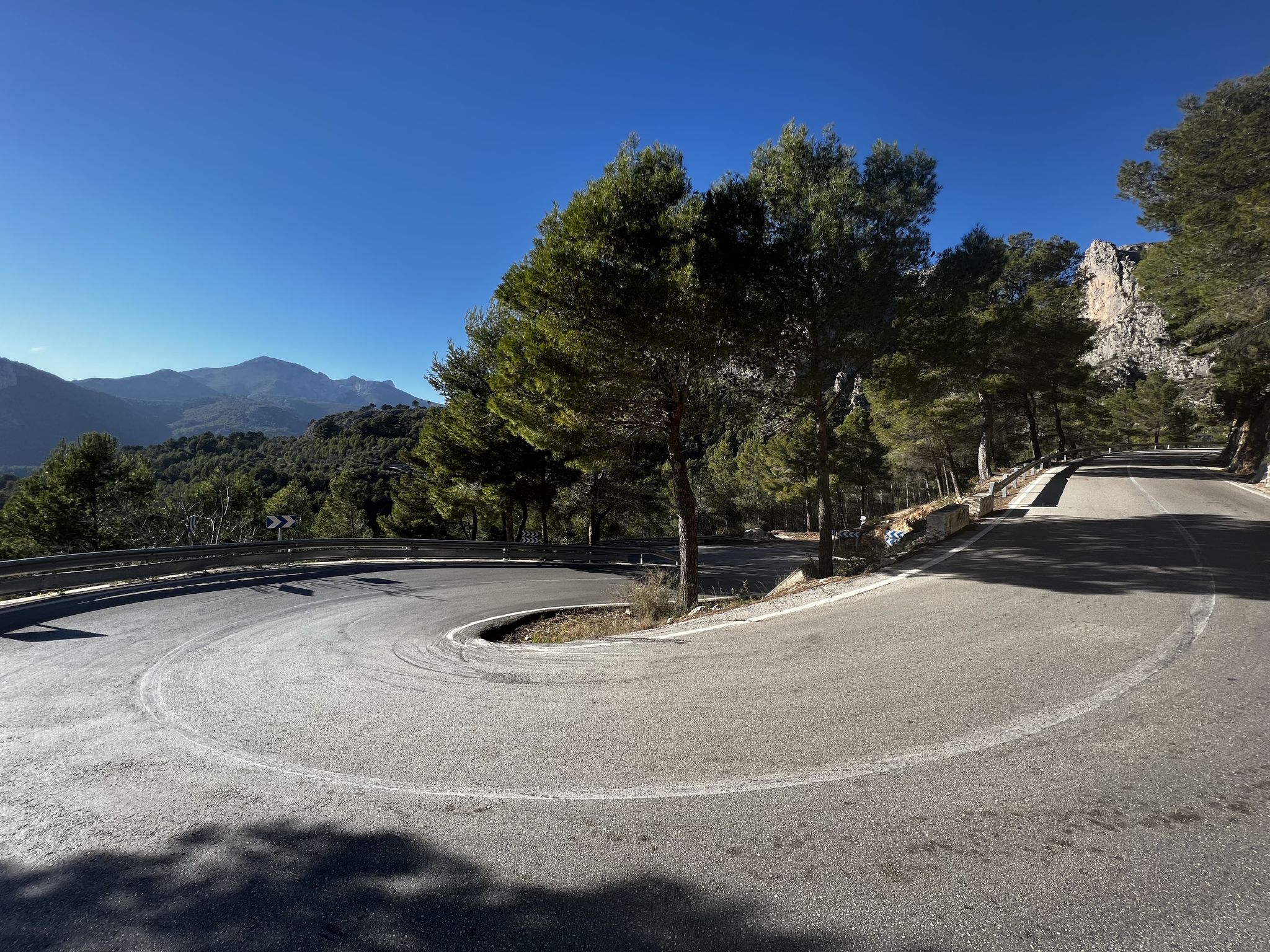
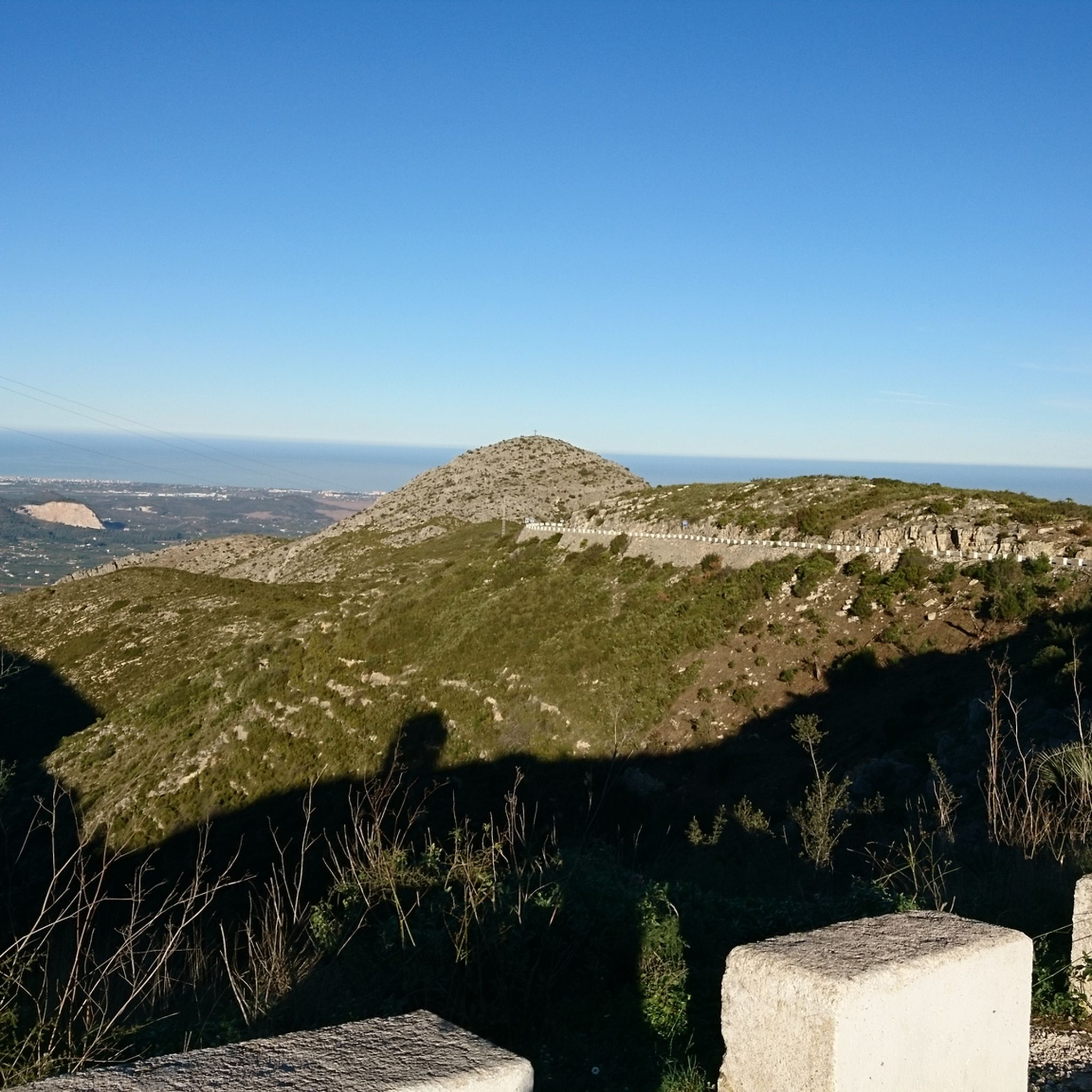
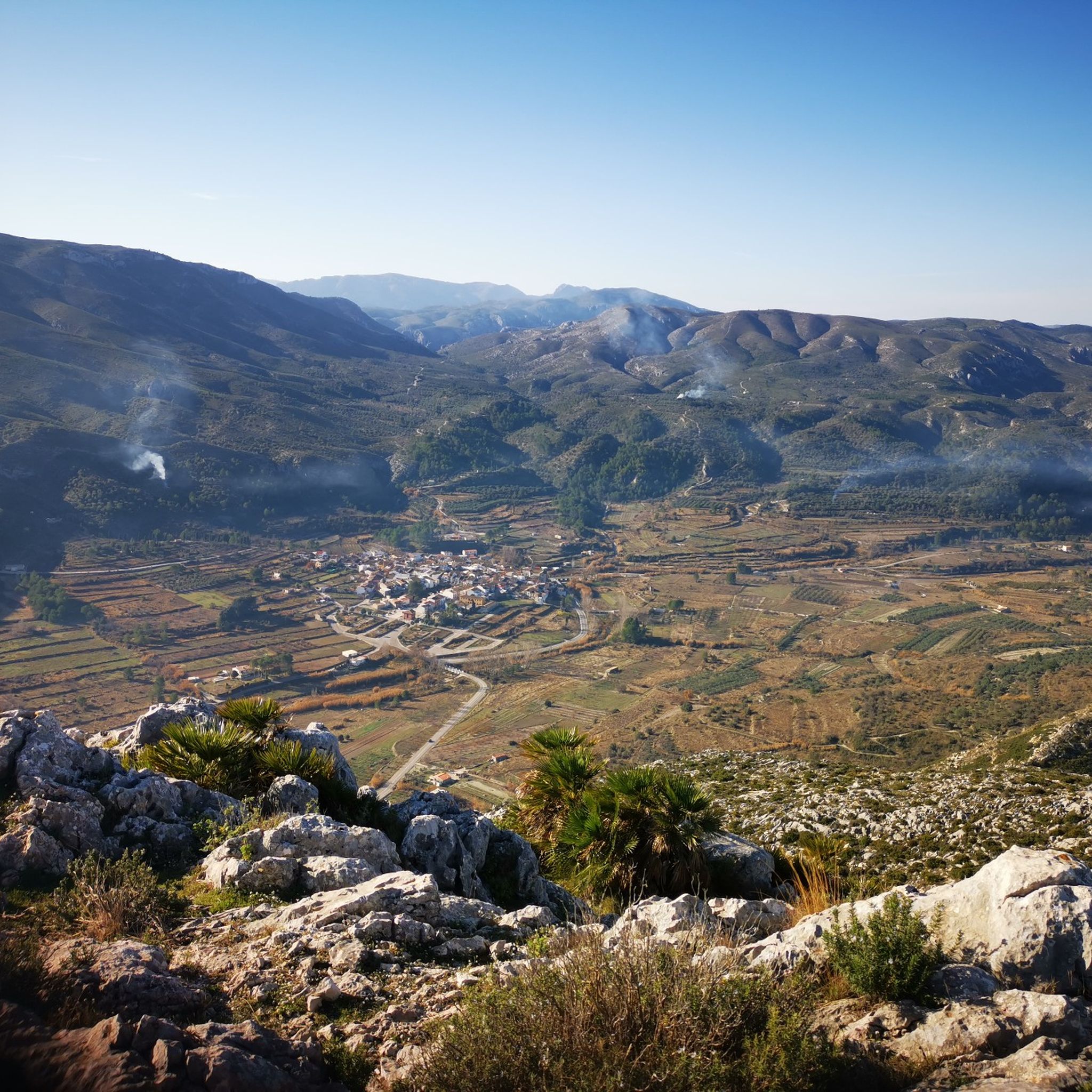
Just off the road between Sagra and Pego, the small turnoff toward Vall d’Ebo leads into one of the most beautiful and tranquil climbs in the Costa Blanca mountains. It may not be famous outside of cycling circles — but pros know it well: Tadej Pogačar holds the Strava KOM on this climb. From the Pego side, the ascent runs for about 8 km, gaining 400 metres at a steady average of 5%. The road is smooth, quiet, and beautifully engineered — with a flowing rhythm and wide, elegant curves. The landscape is peaceful and wild, with cliffs, pines, and far-reaching views. At the top, just before you descend into Vall d’Ebo, you’re rewarded with a spectacular view in both directions: looking back, the coastline and the Mediterranean Sea; looking ahead, the lush green valley of Vall d’Ebo, framed by rugged ridges and rocky outcrops. It’s a rare and stunning double panorama. If you continue past the village, you can create a magnificent loop via Pla de Petracos, riding through remote canyons and ancient rock formations before descending into Benigembla and back to the Vall de Pop. If you're riding from Vall d’Ebo toward Pego, the climb is shorter — about 3 km at 6% — but still very scenic, especially as you rise above the valley with dramatic views behind you. Vall d’Ebo may be quiet, but it’s world-class: pure road, total calm, and the kind of climb you’ll want to ride again and again.
3
1
The road from Pego to Sagra is a hidden gem for cyclists. With almost no traffic, it winds gently upward through shaded sections and rolling gradients — never too steep, but always engaging. Perfect for finding rhythm after the descent from Port de Sorell, this stretch offers a rare mix of quiet, flow, and relief from the sun on hot days.
0
2
Frequently Asked Questions
How many touring cycling routes are available around Pego?
Pego offers a wide variety of touring cycling routes, with over 20 routes mapped on komoot. These routes cater to different skill levels, from easy rides through wetlands to challenging mountain ascents.
What kind of terrain can I expect when touring cycling in Pego?
The terrain around Pego is incredibly diverse. You'll find extensive wetlands and rice fields in the Marjal de Pego-Oliva Natural Park, offering gentle, scenic rides. For more challenging experiences, the region is surrounded by mountain ranges like the Sierra de Segaria and Sierra de la Mariola, providing routes with significant elevation gains and panoramic views.
Are there any easy or family-friendly touring cycling routes in Pego?
Yes, Pego offers several easy routes suitable for a relaxed pace, including those through the Marjal de Pego-Oliva Natural Park. These routes are generally flatter and provide a great opportunity for families to enjoy the scenery and birdlife. While specific family-friendly routes aren't detailed, the gentle paths through the wetlands are a good starting point.
Can I find challenging routes with significant climbs in Pego?
Absolutely. Pego is known for its challenging climbs, particularly in the surrounding mountain ranges. Routes like L'Atzúbia – La Vall Viewpoint loop from l'Atzúbia and Collado de Garga Viewpoint – La Venta del Collao Restaurant loop from Pego feature significant elevation gains, testing your skills and rewarding you with breathtaking views. The climb to Vall d'Ebo is a particularly renowned ascent among cyclists.
What natural parks or scenic areas can I explore by bike in Pego?
The most prominent natural area for cycling is the Marjal de Pego-Oliva Natural Park, an extensive wetland with rice fields and diverse flora and fauna. You can also cycle through the picturesque mountains like the Sierra de Segaria and Sierra de la Mariola, which offer stunning vistas. The route Pego–Sagra Road – View of Marjal de Pego-Oliva loop from Pego provides excellent views of the natural park.
Are there any notable landmarks or attractions to see along the cycling routes?
Yes, Pego and its surroundings are rich in points of interest. You can find historical monuments in Pego town, and natural landmarks like Penya Foradà or Mirador de Cocoll in the nearby mountains. The Cave of the Skulls is another fascinating attraction in the area.
Are there circular touring cycling routes available in Pego?
Yes, many of the touring cycling routes around Pego are designed as loops, allowing you to start and end in the same location. Examples include the Salinar River – View of Vall d'Ebo loop from Castell del Castellar and the View of Vall d'Ebo – Grand View loop from Pego, which offer varied distances and difficulty levels.
What is the best time of year to go touring cycling in Pego?
The spring months, particularly February and May, are highly recommended for touring cycling in Pego. The weather is generally pleasant, making it ideal for exploring the diverse landscapes without extreme heat. Professional cycling teams also train in the region during these periods, indicating favorable conditions.
What do other cyclists say about touring cycling in Pego?
The touring cycling routes in Pego are highly rated by the komoot community, with an average score of 4.5 stars from over 550 reviews. Cyclists often praise the varied terrain, from the tranquil wetland paths to the exhilarating mountain climbs, and the stunning panoramic views of the valleys and coastline.
Are there options for parking or public transport access to the routes?
While specific parking areas for each route are not detailed, Pego itself is a town with general parking facilities. For public transport, you would typically need to reach Pego first, and then access the routes from there. The region is well-regarded for its cycling infrastructure, suggesting accessibility for cyclists.
Can I find places to eat or rest along the cycling routes?
Yes, Pego and the surrounding villages offer various amenities for cyclists. You can find cafes and restaurants in Pego town and potentially in smaller settlements along some routes. The region is known for its cycling-friendly environment, with facilities like Pego.CC providing services tailored for cyclists, including healthy gastronomic options.
Is Pego suitable for dog-friendly cycling?
While the natural parks and open spaces around Pego are generally welcoming for outdoor activities, specific regulations regarding dogs on cycling routes are not explicitly mentioned. It's always advisable to check local park rules and ensure your dog is well-behaved and on a leash, especially in protected natural areas like the Marjal de Pego-Oliva Natural Park.
Most popular attractions around Pego

Get inspired with the komoot mobile app


Explore more
Browse the best Cycling routes in other regions.
