Attractions and Places To See around Mutriku - Top 20
Best attractions and places to see around Mutriku include a blend of historical charm, natural beauty, and cultural experiences. This coastal town in the Basque Country is part of the UNESCO Global Geopark, known for its dramatic flysch formations and karst landscapes. The medieval old quarter features narrow, cobbled streets and historical buildings dating from the 15th to 17th centuries. Visitors can explore a diverse environment where the sea meets the mountains.
Best attractions and places to see around Mutriku
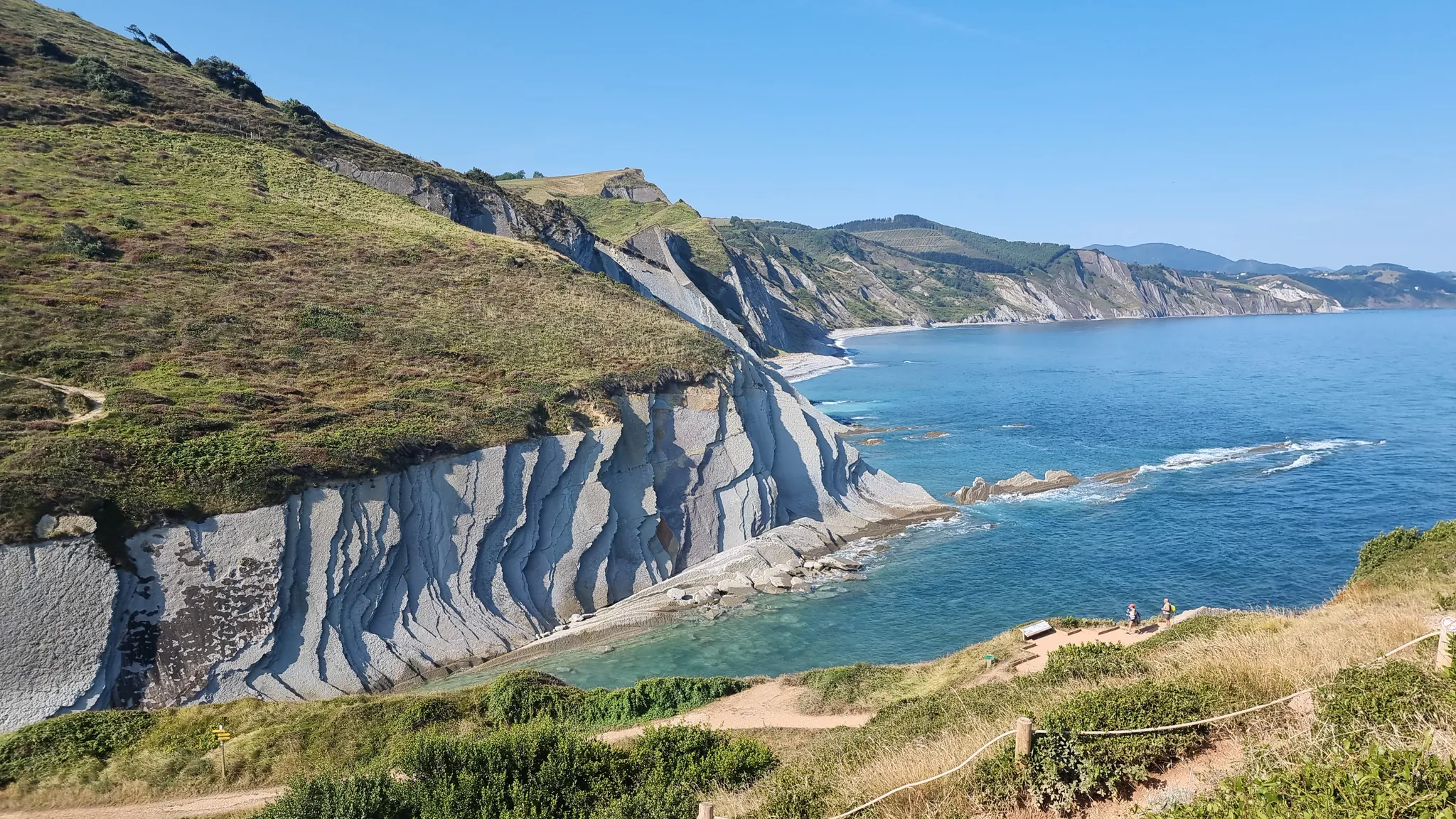
- The most popular attractions is Algorri Flysch, a natural monument where rock structures formed by alternating layers of sediments are visible. This site is part of the Basque Coast Geopark and is extremely worthwhile to visit, though accessibility at sea level depends on the tide.
- Another must-see spot is San Telmo Hermitage, a religious building located along the coast. It offers views of the surrounding natural landscape, but access along the beach section is only recommended at low tide.
- Visitors also love Old Railway Tunnel, an old railway tunnel that can be easily walked through. This 8.9-kilometer route is generally classified as difficult and offers views in the protected biotope of the Deba-Zumaia coastal section.
- Mutriku is known for its natural monuments, historical sites, and beaches. The region offers a variety of attractions to see and explore, from geological formations to cultural landmarks.
- The attractions around Mutriku are appreciated by the komoot community, with more than 400 upvotes and over 180 photos shared by visitors.
Last updated: August 2, 2026
Algorri Flysch
Highlight • Natural Monument
Translated by Google •
Tip by

San Telmo Hermitage
Highlight • Religious Site
Translated by Google •
Tip by

Sign up now to discover places like this
Get recommendations on the best single tracks, peaks, & plenty of other exciting outdoor places.
Sign up for free
Zumaia Flysch Cliffs
Highlight • Natural Monument
Translated by Google •
Tip by

Old Railway Tunnel
Highlight • Structure
Translated by Google •
Tip by

Strand van Karraspio
Highlight • Beach
In addition, Lekeitio beach has lifeguards and urban parking. It also has public toilets, sinks, showers, changing rooms, bike racks and footbaths.
Translated by Google •
Tip by

Sign up for free to discover even more attractions around Mutriku.
Sign up for free
Already have an account?
Start today with a free account
Your next adventure awaits.
Login or Signup
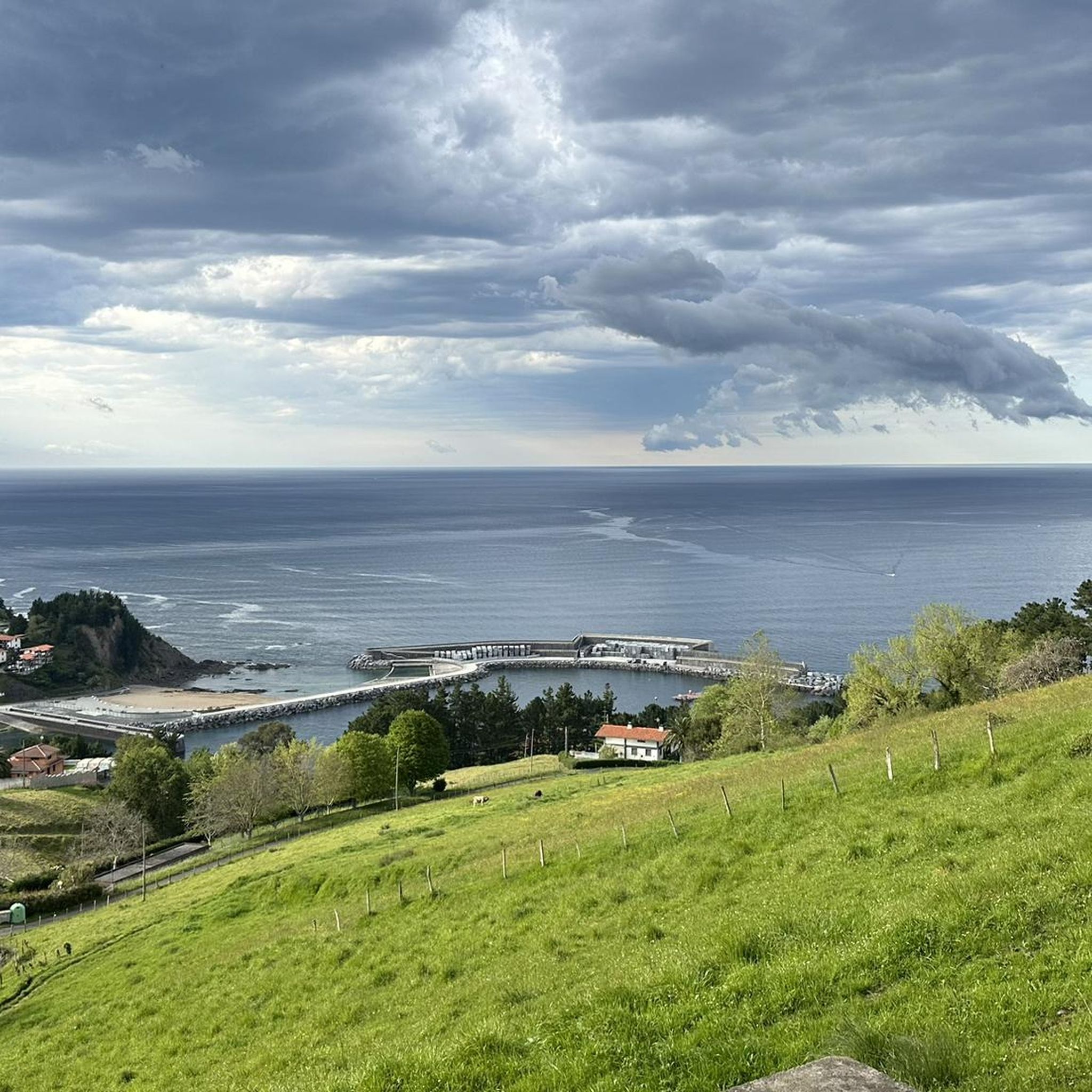
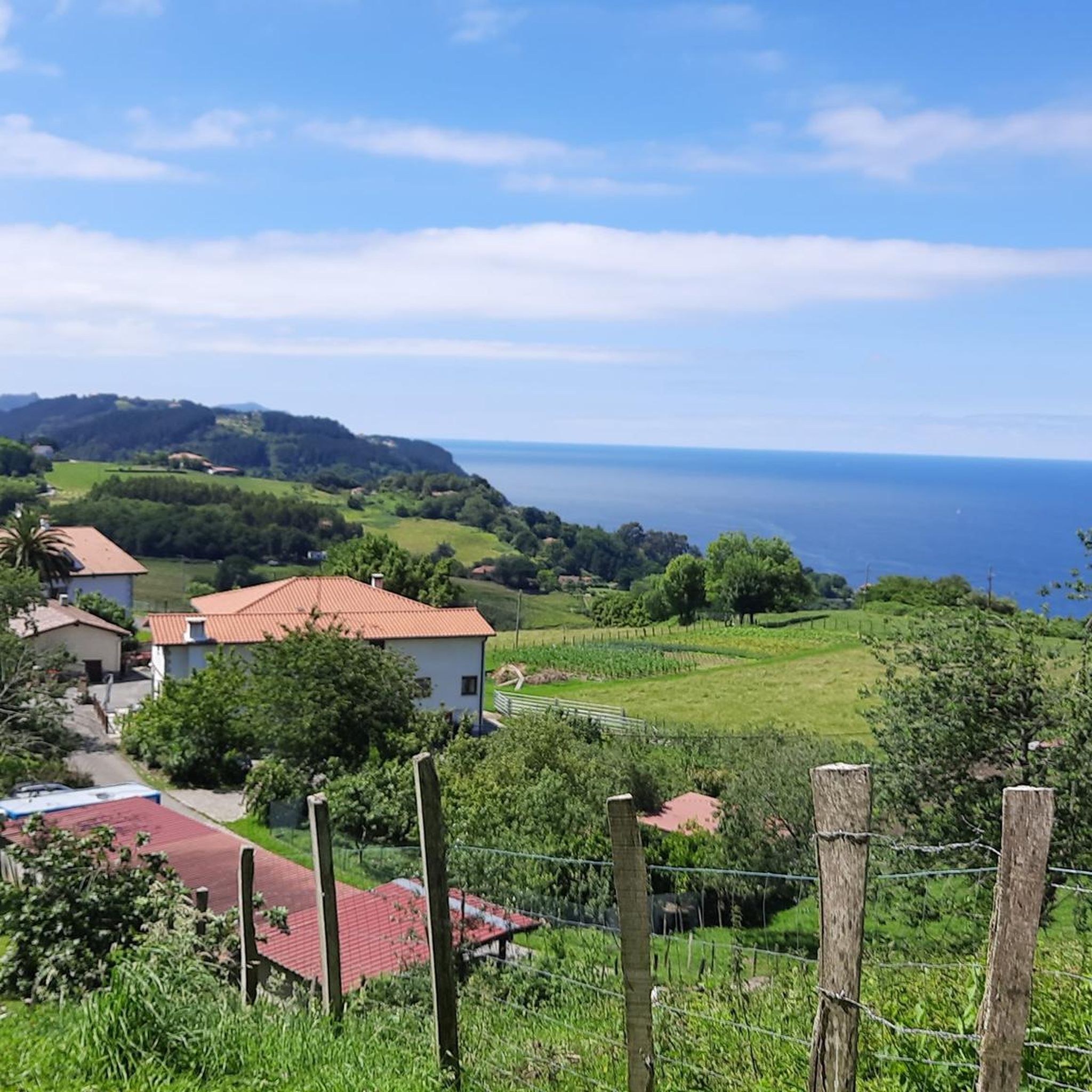

Other adventures around Mutriku

Tips from the Community


The first (or last section if reversing the route) section is absolutely NOT accessible. Possibly only at extreme low tide. We were there an hour before extreme low tide, and it was completely impossible. I would choose to simply follow the route at a higher elevation and skip the "beach" section. Especially since the beach is made up of large stones and rocks, difficult to walk on because you always have to watch your step due to loose stones.
1
0

Mostly the area is windy especially due to topography. Do not forget to carry water with yourself. Enjoy the Bay of Biscay
2
0

Spectacular route along the Cantabrian cornice enjoying the famous flich dating back 50 million years and its small hermitage with 8 Basque surnames.
3
0

Enjoy this 8.9-kilometer route near Deba, Gipuzkoa. The route is generally classified as difficult and can usually be completed in 3 hours 17 minutes. Although the route is ideal for trekking and hiking and is often busy, you can enjoy a bit of peace here at the right time of day. This linear route is recommended for experienced hikers who want to enjoy beautiful views in the protected biotope of the Deba-Zumaia coastal section/arteko itsasertzeko Babestutako Biotopoa. The hike starts in Elorriaga and goes along the "GR®121 Gipuzkoa Tour"/"GR®121 Gipuzkoako bira" to Deva, passing by Sakoneta, the Mendata waterfall, Arranomendi, the hermitage of Santa Katalina and the Santiago de Deba beach
1
0

Sant Telmo viewpoint where we have spectacular views
2
1
Spectacular formations of years and years
2
0
Very beautiful hike along the ocean at the foot of the cliffs. But be careful: you must check the tide times to avoid getting stuck. On the other hand, the hike is quite difficult because of the pebbles, stones and flish to cross. It is essential to have suitable shoes and good physical condition.
3
1
Frequently Asked Questions
What natural features can I explore in Mutriku?
Mutriku is a gateway to the Basque Coast Geopark, a UNESCO Global Geopark. You can witness the dramatic layered rock formations known as Algorri Flysch and Zumaia Flysch Cliffs, which reveal millions of years of geological history. The region also features the protected holm oak forest of Monte Arno and the unique Olatz Valley with its caves and rural culture. Don't miss the natural seawater pools between the breakwater and the port, which fill with the tide.
What historical and cultural sites should I visit in Mutriku?
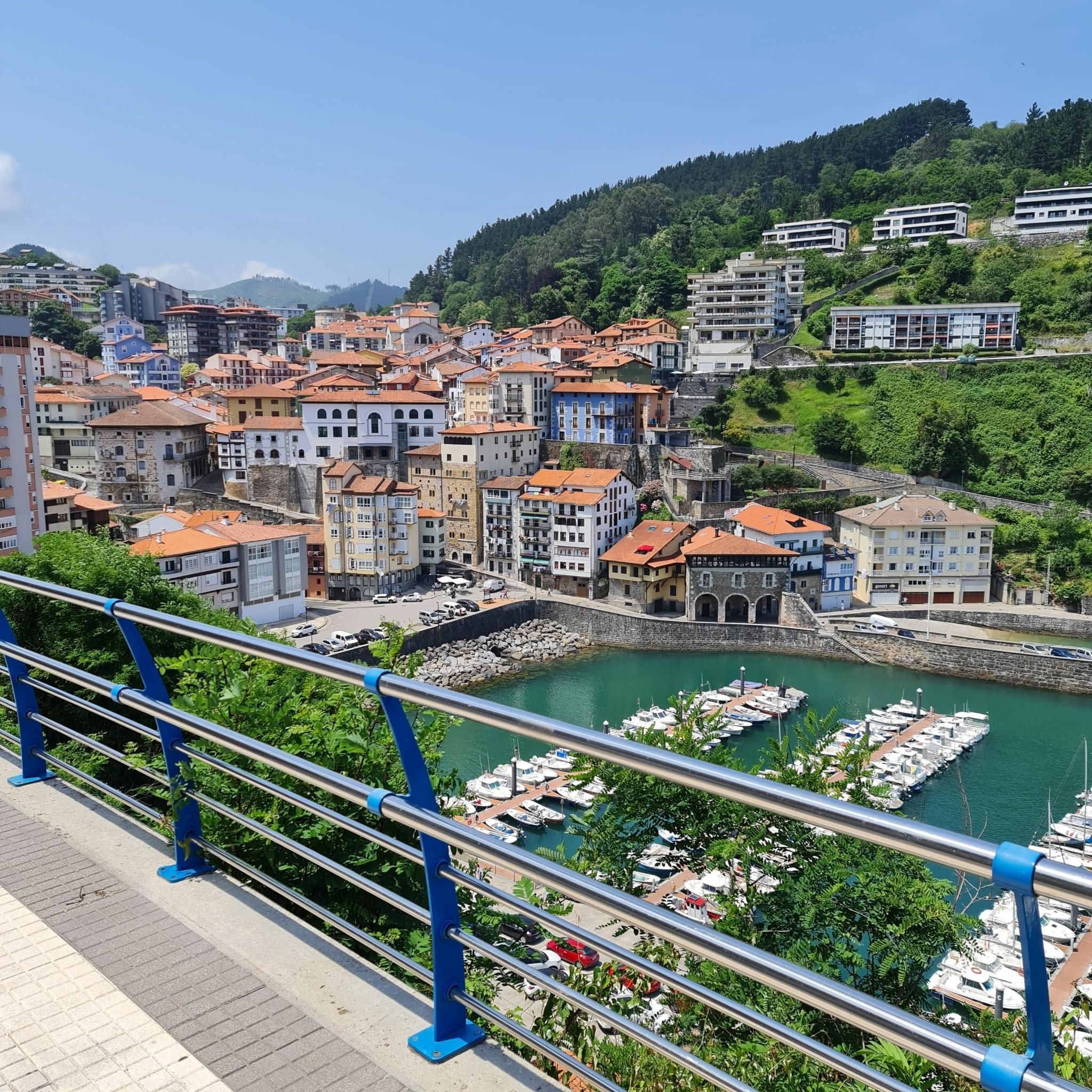
Mutriku boasts a well-preserved medieval old quarter, declared a historical heritage site. Wander through its narrow, cobbled streets to discover palaces like Galdona, Zabiel, Arrietakua, and Montalivet. The Churruca Square is a central hub, home to the Neoclassical Church of Nuestra Señora de Asunción, the Town Hall, and a statue of naval officer Cosme Damián Churruca. The Port of Mutriku is one of Gipuzkoa's oldest, with a rich seafaring history. For a deeper dive into local history, visit the Nautilus Museum, showcasing paleontological samples from the local black flysch.
Are there family-friendly activities or attractions in Mutriku?
Yes, Mutriku offers several family-friendly options. The natural seawater pools are a unique and safe place for swimming. Beaches like Strand van Karraspio are great for a day out. The Nautilus Museum, with its giant ammonites and paleontological exhibits, can be fascinating for children. Exploring the medieval old quarter's charming streets is also an enjoyable activity for all ages.
What kind of outdoor activities can I do around Mutriku?
The area around Mutriku is perfect for outdoor enthusiasts. You can enjoy various hiking trails that blend sea and mountain landscapes. For specific routes, check out the Hiking around Mutriku guide. There are also numerous road cycling routes and running trails. During summer, water sports like diving, surfing, canoeing, and stand-up paddleboarding are popular, especially at beaches like Alcolea for experienced surfers.
Where can I find the best viewpoints in Mutriku?
For breathtaking panoramic views of the Gipuzkoan coast, head to the Laranga and Galdonamendi neighborhoods. The upper areas of the town also offer excellent vistas. Additionally, the San Telmo Hermitage provides scenic views of the natural landscape and coastline.
What are the best beaches in Mutriku?
Mutriku is home to several striking beaches. Mutriku Beach and Saturraran Beach are popular choices. Ondarbeltz is a dark sand beach located at the mouth of the Deba river. Strand van Karraspio is another attractive option, offering different scenery depending on the tide.
How can I best experience the famous flysch formations?
To fully experience the flysch, plan your visit around low tide, as many sections are only accessible then. The Algorri Flysch and Zumaia Flysch Cliffs are prime locations. These layered rock structures reveal 100 million years of geological history, including a thin black layer caused by a meteorite impact that led to the extinction of dinosaurs. Always check tide charts before venturing onto the intertidal zone for safety.
Are there hiking trails suitable for different skill levels near Mutriku?
Yes, there are hiking trails for various skill levels. For an easy exploration, consider the 'Olatz, the hidden valley' circular route. Moderate options include the 'From Deba to Mutriku' circular trail and the 'Mutriku Loop Trail'. For more challenging adventures, try 'Txori Haitz y Tontorramendi'. You can find more details and routes in the Hiking around Mutriku guide.
What do visitors enjoy most about the attractions in Mutriku?
Visitors particularly appreciate the unique geological formations of the flysch, often noting the importance of checking tide times for optimal exploration. The historical charm of the old quarter and the stunning coastal views are also frequently highlighted. The community has shared over 180 photos and given more than 400 upvotes to the attractions, indicating a strong appreciation for both the natural beauty and cultural heritage of the area.
What is the best time of year to visit Mutriku?
Mutriku offers attractions year-round. The summer months are ideal for water sports and enjoying the beaches and natural seawater pools. Spring and autumn provide pleasant weather for hiking and exploring the historical sites and flysch formations. You might also consider visiting during local festivals like Berdel Eguna (Mackerel Day) in early April or Malen's Festival in July for a cultural experience.
Is there public transport available to Mutriku?
Yes, Mutriku is accessible by public transport. While specific routes and schedules can vary, bus services connect Mutriku with nearby towns and cities in the Basque Country. It's advisable to check local bus timetables for the most current information on reaching Mutriku and its surrounding areas.
Where can I find parking in Mutriku, especially for beach access?
Parking is available in Mutriku, particularly in the urban areas and near popular spots. For beach access, there are often designated parking areas. For example, Strand van Karraspio has urban parking available. It's recommended to look for signs or consult local maps upon arrival, especially during peak season, as parking can fill up quickly.
Most popular attractions around Mutriku

Get inspired with the komoot mobile app


Explore more
Still not found the Highlight you’re looking for? See guides of the top attractions in other regions:
