Attractions and Places To See around Estepa - Top 20
Best attractions and places to see around Estepa include a mix of historical sites, cultural landmarks, and natural features. This town, situated in the southeast of Seville province, is known for its elevated position and traditional sweets. The region offers diverse landscapes, from olive groves to the foothills of the Subbética mountain range. Visitors can explore a rich tapestry of sites reflecting its historical and cultural significance.
Best attractions and places to see around Estepa
- The most popular attractions is…
Last updated: November 20, 2026
Coto de las Canteras (Osuna)
Highlight • Historical Site
Translated by Google •
Tip by

Collegiate Church of Our Lady of the Assumption (Osuna)
Highlight • Religious Site
Two cloisters are carved on stone columns, whose segmental arches are supported by large abacuses decorated with grotesques.
Translated by Google •
Tip by
Sign up now to discover places like this
Get recommendations on the best single tracks, peaks, & plenty of other exciting outdoor places.
Calle San Pedro Palaces
Highlight • Historical Site
Translated by Google •
Tip by
University of Osuna
Highlight • Historical Site
Translated by Google •
Tip by
Osuna Bullring
Highlight • Monument
Translated by Google •
Tip by

Sign up for free to discover even more attractions around Estepa.
Already have an account?
Start today with a free account
Your next adventure awaits.
Other adventures around Estepa

Tips from the Community

Impressive former sandstone quarry on the outskirts of Osuna, which is also known as the "Petra of Andalusia" due to its monumental rock walls and intricately designed stone reliefs. For centuries, the characteristic golden sandstone was quarried here, which was used for numerous historic palaces, churches, and other buildings in Osuna. Particularly fascinating are the huge cave spaces created by the stone extraction, the powerful rock pillars, and the modern sculptures and reliefs incorporated into the sandstone, which are reminiscent of the art of ancient cultures. Today, the extraordinary site is used, among other things, as an event venue and cultural meeting place. A spectacular interplay of nature, centuries-old quarry history, and sculptural art, which counts as one of the most extraordinary sights in Osuna.
3
0
Monumental Collegiate Church of the Assumption (Colegiata de Santa María de la Asunción), which towers on a hill above Osuna and, together with the historic university opposite, defines the cityscape. Built in the 16th century under Juan Téllez-Girón, the church is one of the most important Renaissance buildings in the region. Behind the simple, imposing facade are magnificent altars, valuable religious works of art, and paintings by the Spanish Baroque painter José de Ribera. Of particular art-historical significance is the underground ducal pantheon of the Téllez-Girón family. The exposed location with its magnificent view over Osuna and the vast Andalusian landscape also makes the church a particularly rewarding destination.
1
0
The historic University of Osuna (Antigua Universidad de Osuna), founded in 1548 on the initiative of Juan Téllez-Girón, the fourth Count of Ureña. The monumental Renaissance building towers on a hill directly opposite the Collegiate Church of Santa María de la Asunción and defines the city's silhouette with its four striking corner towers. Particularly worth seeing are the elegant courtyard with its surrounding arcades, the historic university chapel, and the former assembly hall (Sala de la Girona), which is decorated with murals. The building is used again today for university operations and is considered one of the most significant testimonies to the Spanish Renaissance in Osuna. From the hill, there are also beautiful views over the city and the surrounding Andalusian landscape.
3
0
Magnificent historic noble palaces along the Calle San Pedro, one of the most beautiful streets in the Andalusian town of Osuna. The numerous stately buildings date mainly from the 18th century and bear witness to the former wealth and social influence of the Spanish nobility. Particularly impressive are the artistically designed Baroque facades with their monumental portals, stone coats of arms, wrought-iron balconies, and elaborate ornaments. Outstanding structures include the Palacio del Marqués de la Gomera and the Cilla del Cabildo Colegial, a former granary with an exceptionally richly decorated facade. A walk through this historic street is one of the architectural highlights of a visit to Osuna.
1
0
The imposing Collegiate Church of Santa María de la Asunción towers high above the Andalusian town of Osuna and is one of its most significant historical buildings. The church was built in the 16th century at the behest of Juan Téllez-Girón, the fourth Count of Ureña, in the Spanish Renaissance style. Behind the comparatively simple, monumental facade lies a richly decorated interior with elaborate altarpieces, religious sculptures, and important paintings by José de Ribera. Particularly worth seeing is the underground ducal pantheon of the Téllez-Girón family with its magnificent Renaissance architecture. Due to its exposed location directly opposite the historic university, the church also offers beautiful views over Osuna and the vast Andalusian landscape.
4
0

The place itself is not that special. The bullfighting arena is interesting because of the recordings made here for the TV series Game of Thrones. Unfortunately we couldn't go inside. We don't know why, very stiff, unfriendly people at the checkout.
0
0

Beautiful bullring, known for the performances of the bullfighters but currently the scene of one of the most epic scenes in the Game of Thrones series.
0
0

16th century building listed as an Asset of Cultural Interest. The university closed in 1824 to reopen in 1996, as a now modern university.
2
0
Frequently Asked Questions
What historical landmarks can I explore in Estepa?
Estepa is rich in history. You can visit the ruins of the Alcazaba fortress and Estepa Castle, which includes the significant Torre del Homenaje (Keep Tower). The impressive 18th-century Baroque Victoria Tower is another prominent landmark. Additionally, the Calle San Pedro Palaces in nearby Osuna showcase beautiful 18th-century architecture, and the University of Osuna is a notable Renaissance building from 1548.
Are there any natural attractions or viewpoints in the Estepa region?
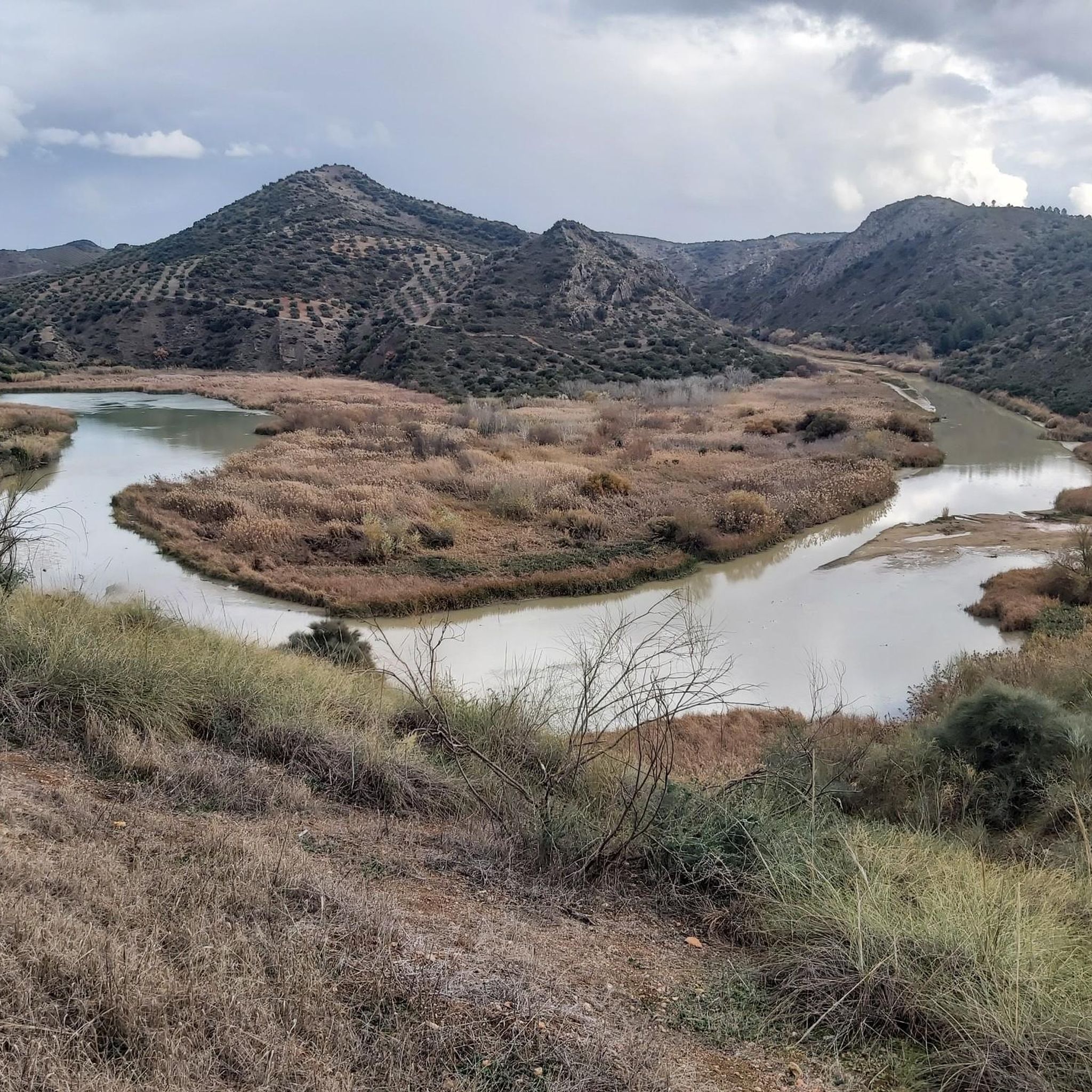
Yes, Estepa offers several natural features and stunning viewpoints. The Cerro de San Cristóbal, also known as the 'Balcony of Andalusia,' provides panoramic views of olive groves and valleys. The Manantial de Roya Nature Area is ideal for hiking, and the Sierra del Becerrero (Sierra de Estepa) offers trails with diverse flora and fauna. You can also enjoy the scenic landscape of the Genil River Meander near the Malpasillo Reservoir.
What cultural sites and religious buildings are worth visiting in Estepa?
Estepa has a strong religious heritage. The Santa María la Mayor Church, an Asset of Cultural Interest, houses the Museo de Arte Sacro. The active Convento de Santa Clara is known for its handmade sweets, and the Convento de San Francisco dates back to 1603. In nearby Osuna, the Collegiate Church of Our Lady of the Assumption is a significant Renaissance-style church with a museum of sacred art.
What unique local experiences related to food can I find in Estepa?
Estepa is internationally renowned for its traditional Christmas sweets, mantecados and polvorones. You can take guided tours of Mantecado Factories, especially in autumn, to see how these famous treats are made. There's also the Museo del Mantecado dedicated to these sweets, and Chocomundo, a unique museum focused on the history of chocolate.
Are there family-friendly attractions around Estepa?
Many attractions in the Estepa region are suitable for families. The Genil River Meander offers a quiet space to enjoy nature. Exploring the traditional streets and neighborhoods of Estepa can be an engaging experience. The Chocomundo museum, dedicated to chocolate, is also a fun and educational option for all ages.
Where can I go hiking around Estepa?
The Estepa region offers various hiking opportunities. The Sierra del Becerrero (Sierra de Estepa) has numerous trails for exploring local flora and fauna. You can find moderate trails like the 'Cerro Becerrero Trail' and the 'Sierra de Becerrero Circular Trail'. For more options, explore the hiking guide for Estepa.
What cycling routes are available near Estepa?
Cyclists can enjoy several routes around Estepa. Options include the 'Toro de Osborne – Pedrera loop from Estepa' and the 'Tower of Victory loop from Estepa'. These routes vary in difficulty from moderate to difficult. More detailed information and additional routes can be found in the cycling guide for Estepa.
Can I find gravel biking trails in the Estepa area?
Yes, there are gravel biking trails available. You can explore routes such as the 'Toro de Osborne – Pedrera loop from Estepa' or the 'Unique holm oak – Toro de Osborne loop from Lora de Estepa'. These routes offer a mix of moderate and difficult terrain. For a comprehensive list, check the gravel biking guide for Estepa.
What are the ancient quarries near Estepa?
The Los Canterones Ancient Quarries are a fascinating site, used since Roman and medieval times for extracting sandstone. These quarries have a unique appearance due to centuries of human intervention. A small cave within them was even a hiding place for the famous Spanish bandit Juan Caballero. In nearby Osuna, the Coto de las Canteras is another impressive archaeological site, often called the 'Petra of Andalusia'.
What is the 'Balcony of Andalusia' and what can I see from there?
The 'Balcony of Andalusia' refers to the Cerro de San Cristóbal, the highest point in Estepa. From this elevated position, you can enjoy extensive panoramic views of the surrounding olive groves, valleys, and on clear days, even catch a glimpse of the distant Sierra Nevada mountains.
What is special about the traditional streets of Estepa?
Strolling through Estepa's old town reveals its charm and history. The streets are steep, narrow, and cobbled, offering a glimpse into the town's past. Notable examples include Calle de la Libertad, with its small statue of the Virgin Mary, and Torralba Street, which is associated with a local bandit legend. The Las Angustias neighborhood is also unique, featuring the Montserrat Chapel inside an old mill tower.
What kind of wildlife can be spotted in the Estepa region?
The natural areas around Estepa, particularly the Sierra del Becerrero, are home to various wildlife. Visitors might spot red-legged partridges, griffon vultures, and a diverse range of plant life while exploring the trails.
Most popular attractions around Estepa

Get inspired with the komoot mobile app


Explore more
Still not found the Highlight you’re looking for? See guides of the top attractions in other regions:
