Attractions and Places To See around Carnota - Top 20
Attractions and places to see around Carnota, a municipality on Galicia's Costa da Morte, offer a diverse range of natural beauty and cultural sites. The region features an extensive coastline, mountainous terrain, and significant historical landmarks. It is characterized by its unique natural features, including long beaches and a dramatic waterfall, alongside traditional Galician architecture. Carnota provides opportunities to explore both coastal and inland environments.
Best attractions and places to see around Carnota
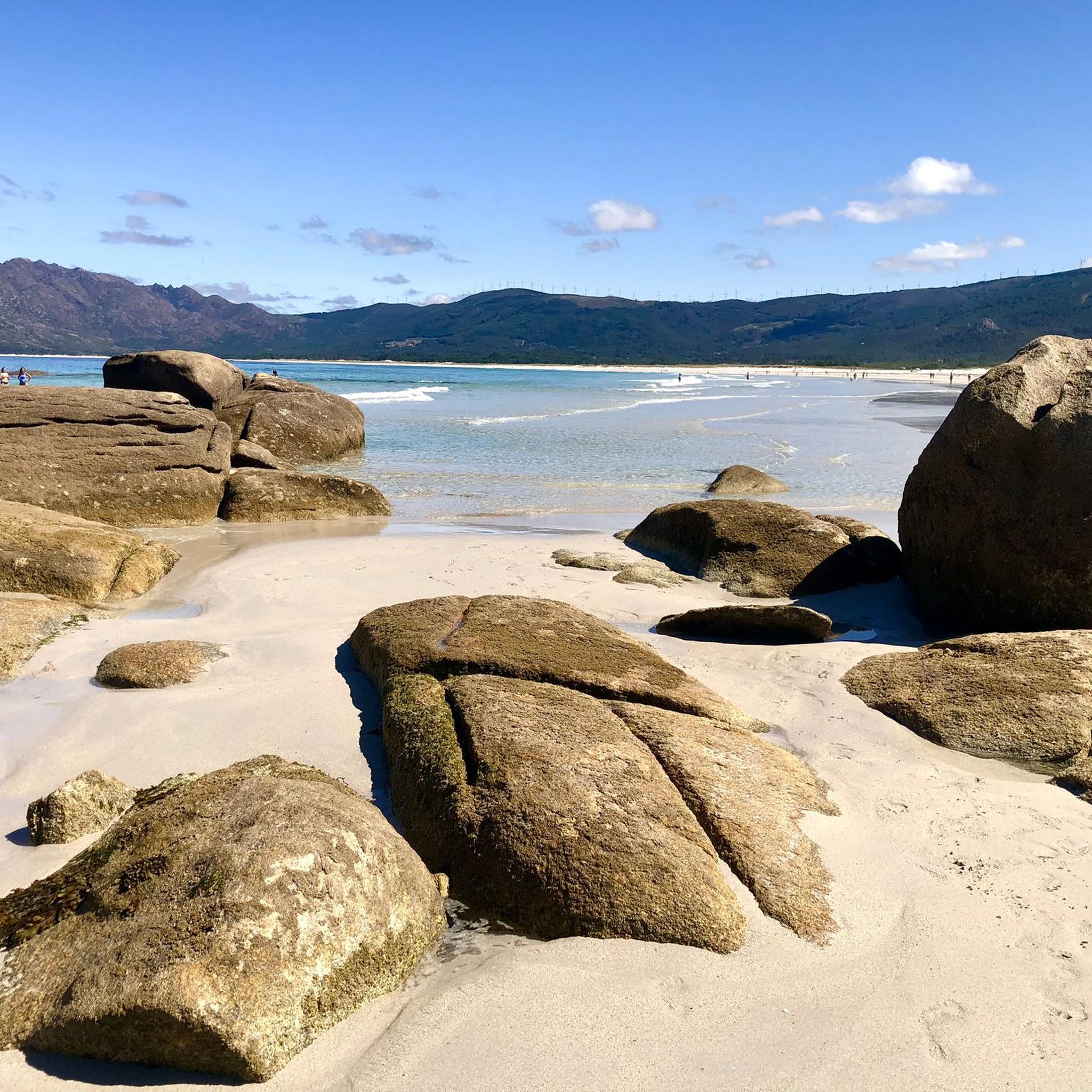
- The most popular attractions is Mar de Fóra Beach, a beach of fine white sand. It is considered one of the wildest beaches on the Costa da Morte.
- Another must-see spot is Fisterra Lighthouse, a man-made monument and viewpoint. This lighthouse is traditionally considered the cape at the end of the world, "Finis Terrae".
- Visitors also love Kilometre Zero Marker, Cape Finisterre (km 0.000 — Camino de Santiago), a man-made monument marking the end of the Camino de Santiago. It is a popular photo motif and the unofficial endpoint for many pilgrims.
- Carnota is known for its extensive beaches, traditional granaries, and archaeological sites. The area offers a variety of attractions to see and explore, from natural landscapes to historical structures.
- The attractions around Carnota are appreciated by the komoot community, with more than 540 upvotes and over 845 photos shared.
Last updated: July 20, 2026
Fisterra Lighthouse
Highlight • Monument
Translated by Google •
Tip by

Kilometre Zero Marker, Cape Finisterre (km 0.000 — Camino de Santiago)
Highlight • Monument
Translated by Google •
Tip by

Sign up now to discover places like this
Get recommendations on the best single tracks, peaks, & plenty of other exciting outdoor places.
Sign up for free
Saint Jakob statue
Highlight • Monument
Translated by Google •
Tip by
Mar de Fóra Beach
Highlight • Beach
Translated by Google •
Tip by
Santa María das Areas Church
Highlight • Religious Site
Translated by Google •
Tip by
Sign up for free to discover even more attractions around Carnota.
Sign up for free
Already have an account?
Start today with a free account
Your next adventure awaits.
Login or Signup
Tips from the Community

Santa Maria des Areas. It is a beautiful church from the 12th century. The essential thing to know is that every day at 6 pm there is the Holy Mass of the pilgrim with a special and suggestive blessing.
5
0

Praia do Mar de Fóra, in Fisterra (A Coruña), is one of the wildest and most magical beaches on the Costa da Morte, ideal for those seeking pure nature and a more intimate experience than the tourist beaches.
7
0

Everything ends here, at the end of the world
7
1

Finally at the finish, at km 0
3
0

Pilgrimage monument of Saint James on the way to Cape Finisterre.
4
0

The last 2.5 km to the end,
5
0

0 km: the last stone before the "end of the world"
4
0

Beautiful, mostly lonely beach. Swimming is not recommended here due to undercurrents.
3
0
Frequently Asked Questions
What natural attractions can I explore in Carnota?
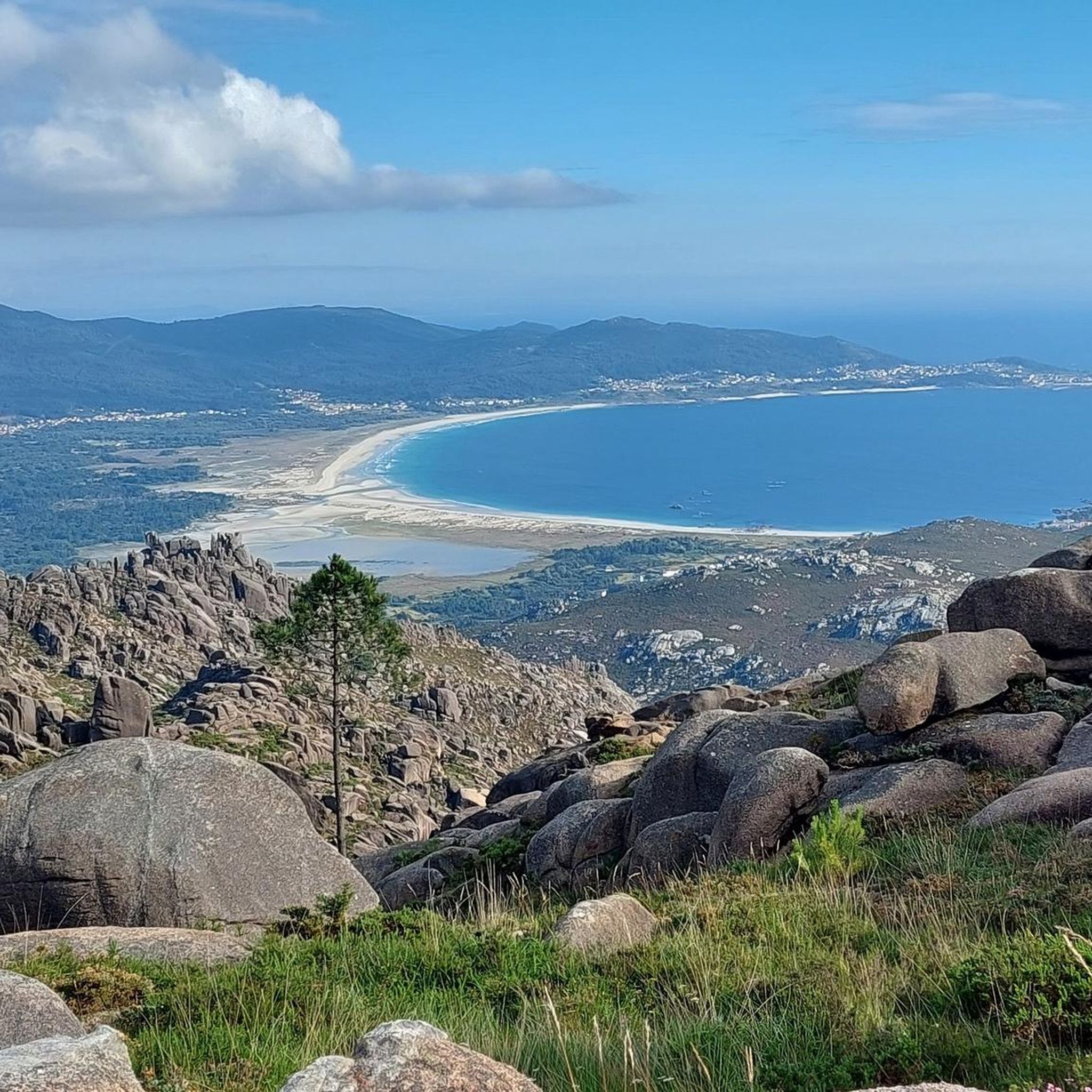
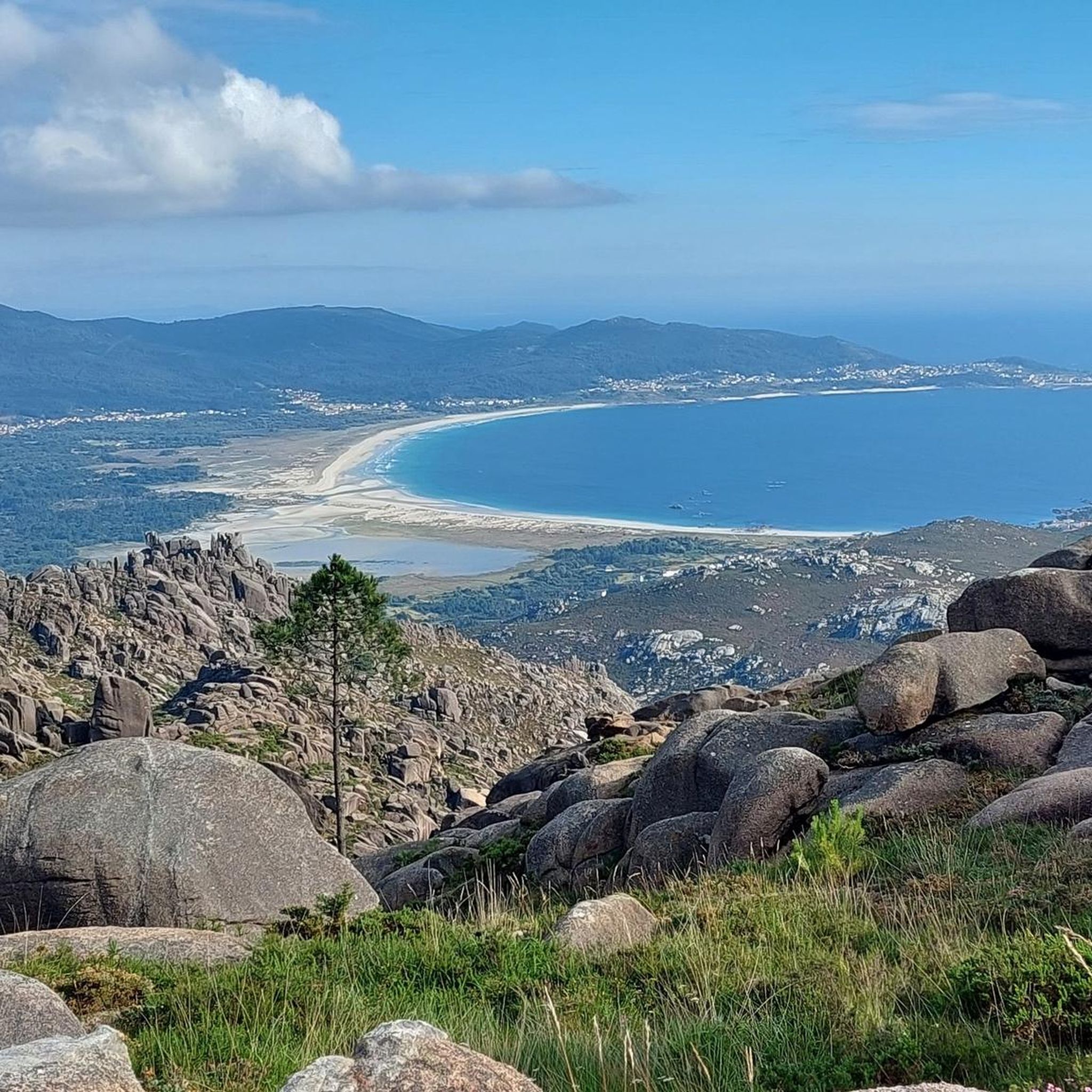
Carnota boasts a variety of stunning natural features. You can visit Carnota Beach (Praia de Carnota), one of Galicia's most extensive beaches, known for its fine sand and crystal-clear waters. Another highlight is Monte Pindo, often called the "Celtic Olympus," offering breathtaking views and challenging hiking trails. Don't miss the unique Ézaro Waterfall, where the Xallas River plunges directly into the sea. The Marismas de Caldebarcos are also a significant natural area, providing a crucial habitat for migratory birds and even elusive otters.
Are there any historical or cultural sites to visit in Carnota?
Yes, Carnota is rich in history and culture. You can see the traditional Galician granaries, known as Hórreos of Lira and Carnota, which are among the largest and most emblematic in the region. The mountains surrounding Carnota also host numerous Archaeological Sites, forming an open-air museum that offers insights into the area's ancient past.
What are the best viewpoints in the Carnota area?
For panoramic views, consider visiting the Lira and Louredo Viewpoints, which offer stunning vistas of the Atlantic Ocean and are equipped with rest areas. Additionally, the summit of Monte Pindo provides expansive views of the surrounding landscape. The Fisterra Lighthouse also offers incredible views, traditionally considered the cape at the "end of the world."
Are there family-friendly activities or attractions in Carnota?
Carnota Beach (Praia de Carnota) is very family-friendly, featuring lifeguards and extensive fine sand for play. Many of the natural and cultural sites, including the Hórreos and some viewpoints, are suitable for families. The Fisterra Lighthouse and the Kilometre Zero Marker are also considered family-friendly attractions.
What outdoor activities can I do near Carnota's attractions?
The Carnota area is excellent for outdoor enthusiasts. You can find numerous trails for hiking, running, and mountain biking. For example, there are running routes like the "Moa Summit (Monte Pindo) loop" and cycling routes such as the "San Pedro Beach, O Pindo – Port of Pindo loop." You can explore more options for running, cycling, and mountain biking around Carnota.
Are there hiking trails around Monte Pindo?
Yes, Monte Pindo, known as the "Celtic Olympus," offers challenging hiking trails. The ascent to its summit, A Moa, takes approximately two hours and features unique Zoomorphic cyclopean rocks. It's a national Point of Geological Interest, characterized by natural granite sculptures. You can find specific routes, such as the "Moa Summit (Monte Pindo) loop," within the running trails guide for the area.
What is special about Mar de Fóra Beach?
Mar de Fóra Beach is a pristine beach of fine white sand, considered one of the wildest and most magical on the Costa da Morte. It's ideal for those seeking pure nature and a more intimate experience. It also offers a path that leads to a viewpoint with panoramic views.
What is the significance of the Kilometre Zero Marker at Cape Finisterre?
The Kilometre Zero Marker at Cape Finisterre is a significant man-made monument marking the unofficial endpoint of the Camino de Santiago. While the Camino officially ends in Santiago de Compostela, many pilgrims continue to Finisterre, the "end of the world," to reach this symbolic marker. It's a popular photo motif and a place where pilgrims often reflect on their journey.
Can I see migratory birds in Carnota?
Yes, the Marismas de Caldebarcos, located in the northern part of Carnota, are a crucial habitat for various migratory birds. Here, you might spot cormorants, gannets, oystercatchers, curlews, herons, and turnstones, among others. The area features dunes and an inland lagoon, making it an excellent spot for birdwatching.
What is the Ézaro Waterfall and when is the best time to see it?
The Ézaro Waterfall is a unique natural spectacle where the Xallas River dramatically plunges 40 meters directly into the Atlantic Ocean. Its full ferocity and impressive flow can best be admired when the river's sluices are opened, which typically occurs during the tourist season. It's a powerful and rare sight in Europe.
Are there any unique traditional structures in Carnota?
Carnota is famous for its traditional Galician granaries, known as hórreos. The Hórreos of Lira and Carnota are particularly notable for their size and historical significance, representing a key part of the region's cultural heritage. They are excellent examples of traditional Galician architecture.
What do visitors enjoy most about the attractions around Carnota?
Visitors frequently praise the wild, natural beauty of the beaches like Mar de Fóra Beach, the historical significance and stunning views from the Fisterra Lighthouse, and the symbolic importance of the Kilometre Zero Marker for Camino de Santiago pilgrims. The overall blend of dramatic coastal landscapes, rich history, and opportunities for outdoor activities is highly appreciated.
Most popular attractions around Carnota

Get inspired with the komoot mobile app


Explore more
Still not found the Highlight you’re looking for? See guides of the top attractions in other regions:
