The best road cycling routes around Requejo
5.0
(2)
305
riders
24
rides
Road cycling around Requejo is characterized by its location within the Arribes del Duero Natural Park, offering varied terrain for cyclists. The region features deep canyons and gorges carved by the Duero River, which forms a natural border with Portugal. Cyclists encounter rugged granite cliffs and significant elevation changes, providing challenging routes. The landscape includes winding roads that traverse scenic views of the river and surrounding natural features.
Best road cycling routes around Requejo
- The most popular road cycling route…
Last updated: May 16, 2026
9
riders
79.0km
03:55
1,220m
1,220m
Hard road ride. Very good fitness required. You may need to push your bike for some segments of this route.
11
riders
46.1km
02:14
650m
650m
Moderate road ride. Good fitness required. Mostly well-paved surfaces and easy to ride.

Sign up for free
2
riders
97.5km
05:01
1,690m
1,690m
Hard road ride. Very good fitness required. Mostly well-paved surfaces and easy to ride.
44.1km
02:36
1,020m
1,020m
Hard road ride. Very good fitness required. Mostly well-paved surfaces and easy to ride.
53
riders
92.2km
04:52
1,710m
1,710m
Hard road ride. Very good fitness required. Mostly well-paved surfaces and easy to ride.
Get access to more routes and recommendations from other explorers.
Sign up for free
Already have an account?
Our route recommendations are based on thousands of hikes, rides, and runs completed by other people on komoot.
Start today with a free account
Your next adventure awaits.
Login or Signup
Tips from the Community

The Portela da Canda Pass, also known as the Canda Pass or simply A Canda, is a mountain pass of great geographical, historical, and cultural value that connects Galicia (province of Ourense) with Castile and León (province of Zamora). Located in the Sierra Segundera mountain range, within the Galician Massif, it has traditionally been a crossing point for travelers, merchants, and pilgrims. It forms part of the Sanabrés Way of St. James, an extension of the Silver Route (Vía de la Plata), and is the entry point into Galicia for pilgrims coming from the south. The surrounding area features Jacobean sculptures and wayside crosses (cruceiros) that guide the route, the work of the artist Nicanor Carballo.
5
0

Rio de Onor is not just a beautiful village; it's a "living museum" of a way of life that has almost disappeared in Europe. It's worth visiting because it is possibly the village with the most fascinating social history in Portugal. Here are the 4 main reasons to go there: 1. It's a Community Village ("Communitarianism") This is Rio de Onor's great trademark. For centuries, the village lived under a system of total sharing among neighbors, something very rare: Sharing of Goods: The bread oven, the watermill, and even the village bull belonged to everyone. The "Rod of Justice": Decisions and fines for infractions in the village were marked on a wooden rod, managed by the "judge" elected by the people. You can see this history explained at the Casa do Touro (House of the Bull), a small, unmissable museum in the village. 2. One Village, Two Countries Rio de Onor is a village bisected by the international border. On this side is Rio de Onor (Portugal); on the other side is Rihonor de Castilla (Spain). For the inhabitants, the border never really existed: they share land, livestock, and even speak their own dialect (Rionorês), an ancient mixture of Portuguese and Castilian. It's very curious to cross from one country to the other on foot in the middle of the main street. 3. The Schist Landscape and Nature Located in the Montesinho Natural Park, the village is visually stunning. The houses are made of dark schist with wooden balconies, typical of Trás-os-Montes, and are very well preserved. The Onor River, which crosses the village, has clear waters and creates a very pleasant natural river beach in the summer, perfect for picnics. 4. The "Roman" Bridge The old stone bridge (which is actually from the 19th century, despite its popular name) is the village's postcard image. The reflection of the arches in the water with the schist houses in the background creates one of the most photogenic landscapes in Northern Portugal. Visiting Rio de Onor is like stepping back in time and understanding how communities survived in isolation in the mountains, supporting each other. It's a lesson in life and history in an incredible natural setting.
2
0

Rio de Onor is a sleepy little village right on the Portugal/Spain border. The drive through it is a challenging one and absolutely not recommended for larger campervans.
3
1

Small village in the Montesinho National Park. From here you can follow the old levadas to the river and there is also an excellent river beach...
3
0
Rio de Onor is one of the most emblematic villages in Bragança and the Montesinho Natural Park, and was elected the 7th Wonder of Portugal in 2017 – a village in a protected area. Crossing the border with Spain, on one side is Rio de Onor, and on the other, Rihonor de Castilla, which is why it is said to be “one village, two countries”!
5
0

Beautiful population center located at the foot of França in the middle of the Montesinho National Park. Green, round hills only crossed by towns like this!
3
0
Beautiful town located at the foot of the Sabor and Onor rivers, in a humid area but full of nature.
1
0

Striking border town, half in Spain called Riohonor and half in Portugal, Río de Onor. At the exit on the Portuguese side there is a campsite with a bar
3
0
Frequently Asked Questions
How many road cycling routes are available around Requejo?
There are over 20 road cycling routes available around Requejo, offering a variety of experiences within the Arribes del Duero Natural Park.
What is the typical terrain like for road cycling in Requejo?
Road cycling in Requejo features varied terrain, characterized by the deep canyons and gorges carved by the Duero River. You'll encounter rugged granite cliffs and significant elevation changes, making for challenging yet rewarding rides through a unique natural landscape.
Are there road cycling routes for different skill levels?
Yes, the region offers routes for various skill levels. While many routes feature significant climbs, there is 1 easy route, 8 moderate routes, and 15 difficult routes, ensuring options for most cyclists.
What kind of elevation can I expect on road cycling routes near Requejo?
Road cycling routes near Requejo often include substantial elevation gains due to the region's mountainous terrain. For example, the Porto and San Sebastián Dam Loop from Lubián features over 1,690 meters of ascent, providing a demanding experience.
What natural features can I see while road cycling in Requejo?
While road cycling in Requejo, you'll be immersed in the stunning Arribes del Duero Natural Park. Expect dramatic views of the Duero River's canyons, rugged granite cliffs, and diverse flora and fauna. The winding roads often provide scenic vistas of the river and surrounding natural beauty.
Are there any notable landmarks or viewpoints along the road cycling routes?
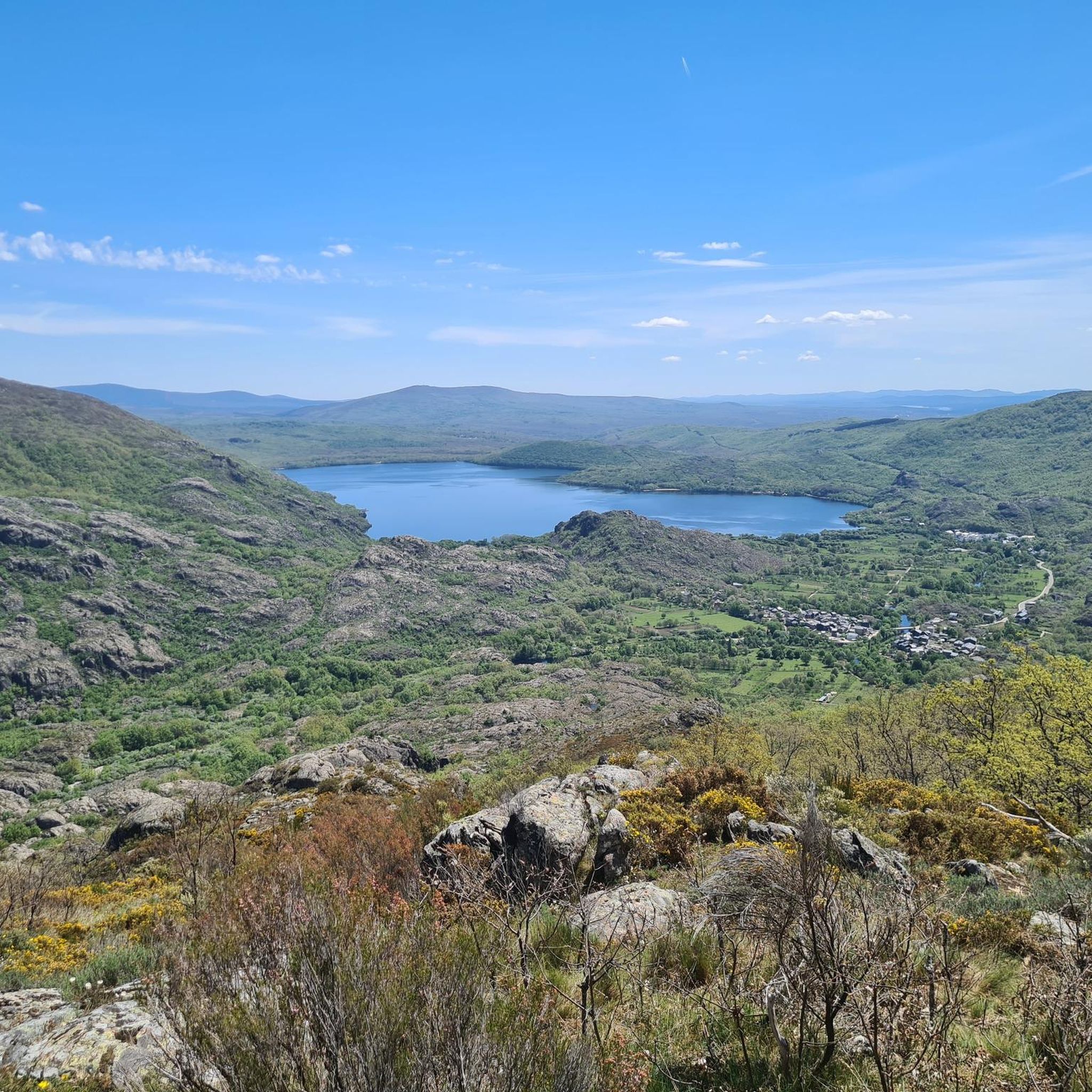
Yes, a prominent landmark is the Requejo Bridge (Pino Bridge), an impressive historical iron arch bridge offering spectacular panoramic views of the Duero River's granite cliffs. You can also find several viewpoints overlooking Lake Sanabria, such as the Viewpoint of Lake Sanabria, and the View of the Montesinho Hills.
What do other road cyclists enjoy the most about road cycling in Requejo?
The area is highly rated by the komoot community, with an average score of 5.0 stars from 2 reviews. Cyclists often praise the challenging routes, breathtaking scenery of the Arribes del Duero Natural Park, and the unique experience of cycling through the Duero River's canyons.
Are there any circular road cycling routes around Requejo?
Yes, many of the road cycling routes around Requejo are designed as loops. Examples include the Puebla de Sanabria, Galende, and Trefacio Loop, and the Peña Mira and Rio de Onor Loop from Puebla de Sanabria, allowing you to start and finish in the same location.
What is the best time of year for road cycling in Requejo?
The region experiences a unique microclimate. While specific seasonal advice isn't provided, the varied terrain and natural beauty can be enjoyed across different seasons. It's advisable to check local weather conditions before planning your trip, especially given the significant elevation changes.
Are there any waterfalls or lakes to visit near the road cycling routes?
Yes, you can find beautiful natural water features. The Sotillo Waterfall is a notable natural monument. Additionally, there are several lakes and reservoirs, such as the Serra Serrada Reservoir and various highlights around Lake Sanabria, including the Laguna del Payón.
Can I find family-friendly road cycling routes in Requejo?
While the region is known for its challenging terrain with significant elevation changes, there is 1 easy route available. For family-friendly options, it's best to review the route details carefully, focusing on those with lower difficulty grades and shorter distances.
Are there options for accommodation and dining suitable for cyclists in Requejo?
Requejo and the surrounding villages like Villadepera and Pino del Oro offer local amenities. While specific cyclist-focused facilities aren't detailed, you can typically find cafes, pubs, restaurants, and accommodation options in these charming villages to support your cycling adventures.
Most popular attractions around Requejo

Get inspired with the komoot mobile app


Explore more
Browse the best Road cycling routes in other regions.
