Attractions and Places To See around San Roque De Riomiera - Top 20
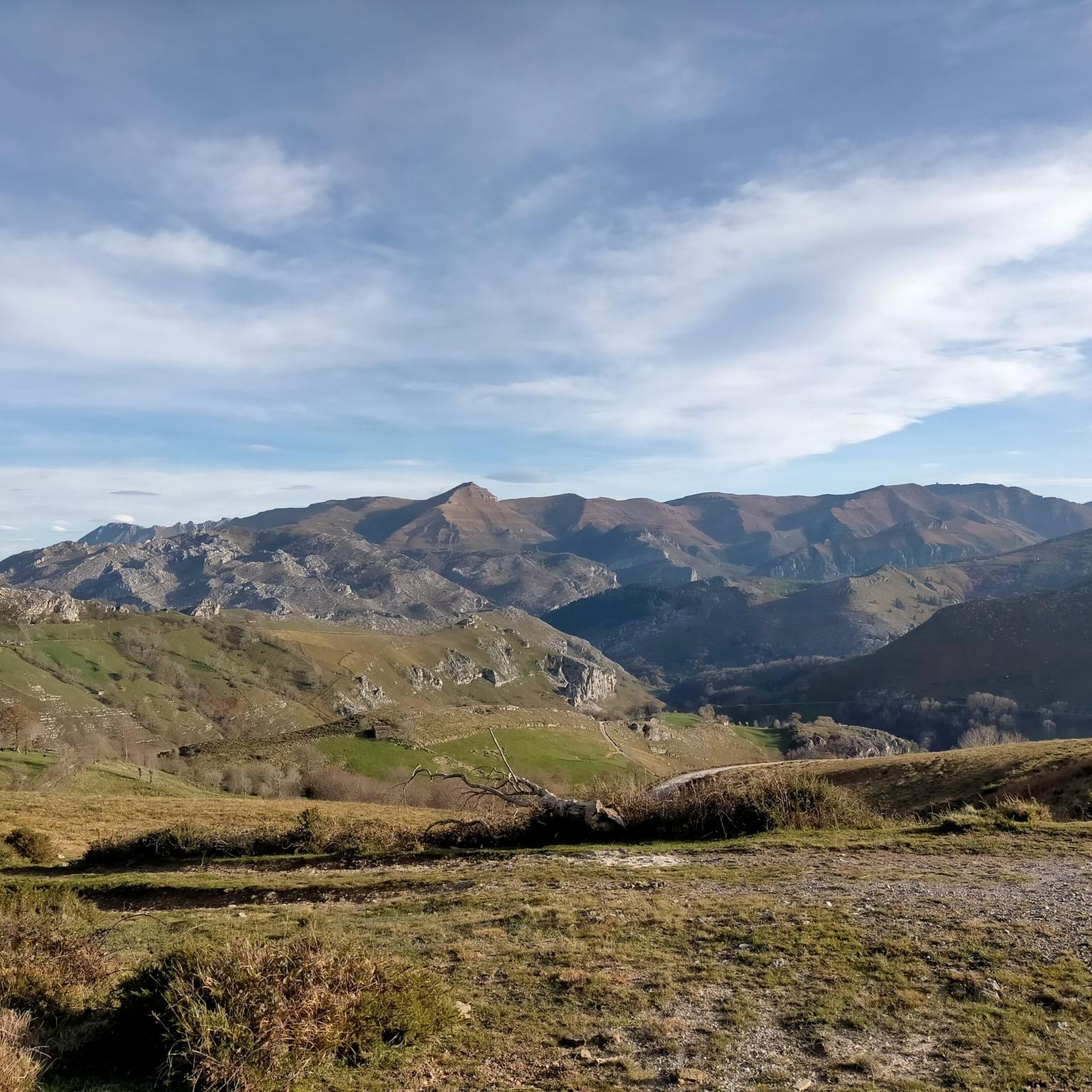
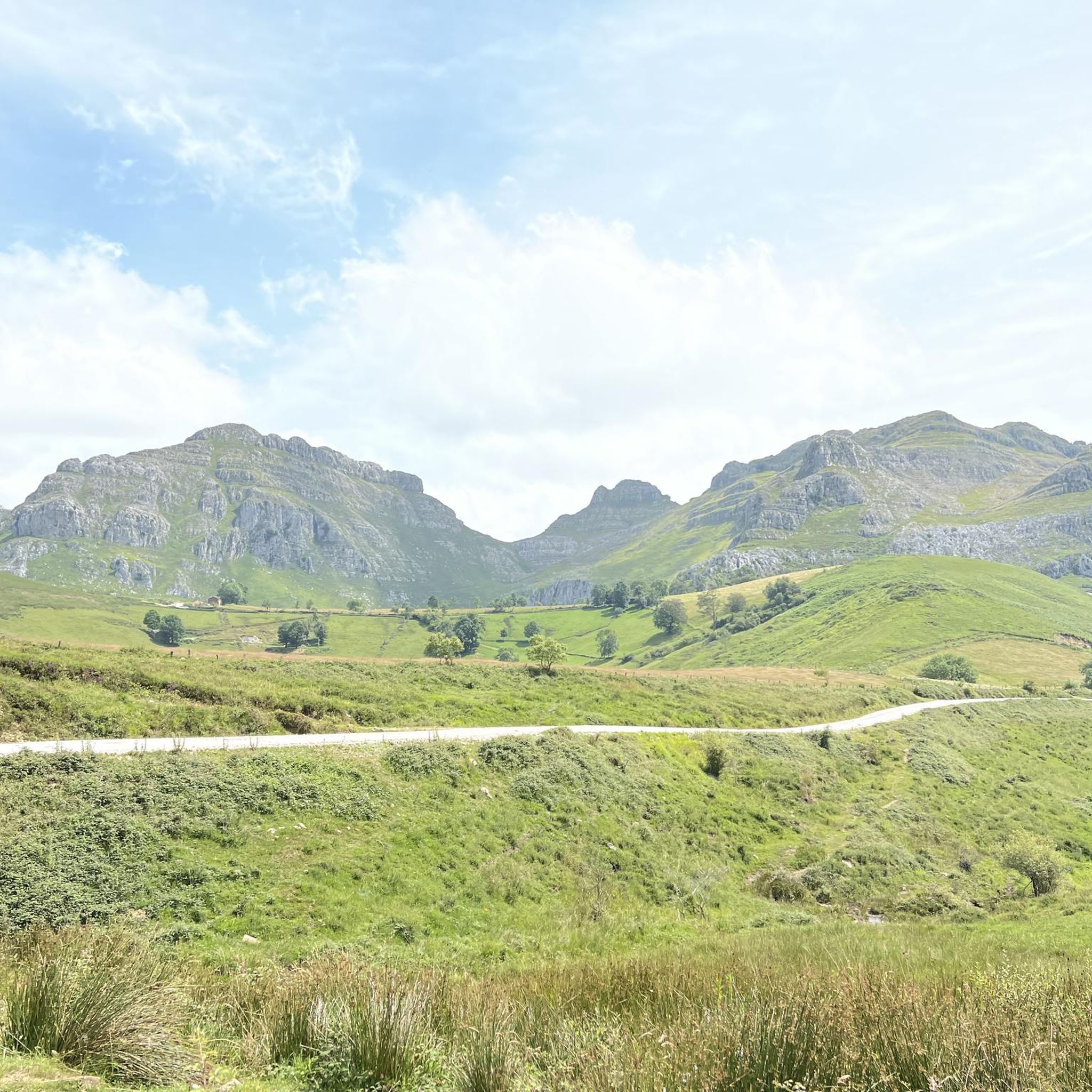
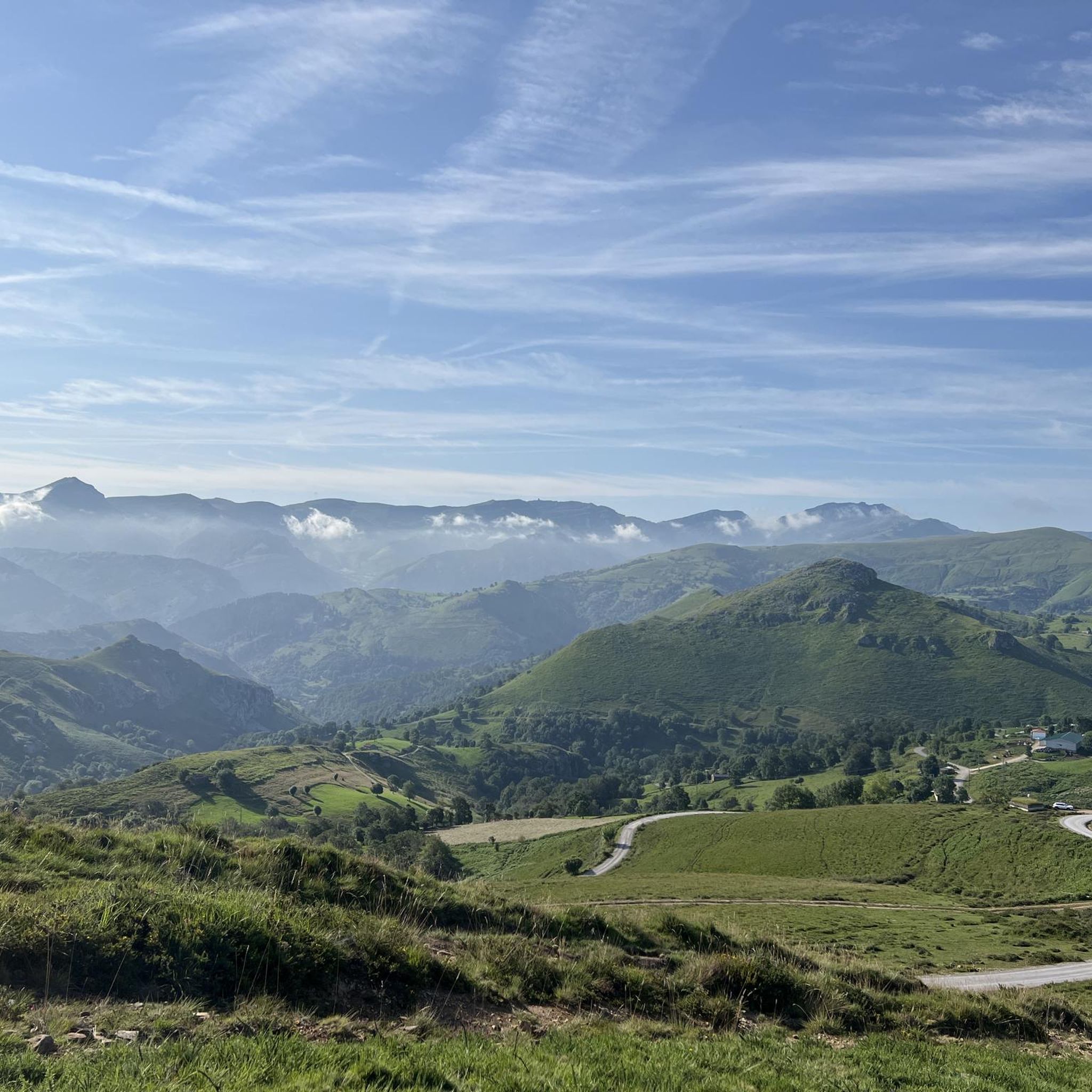
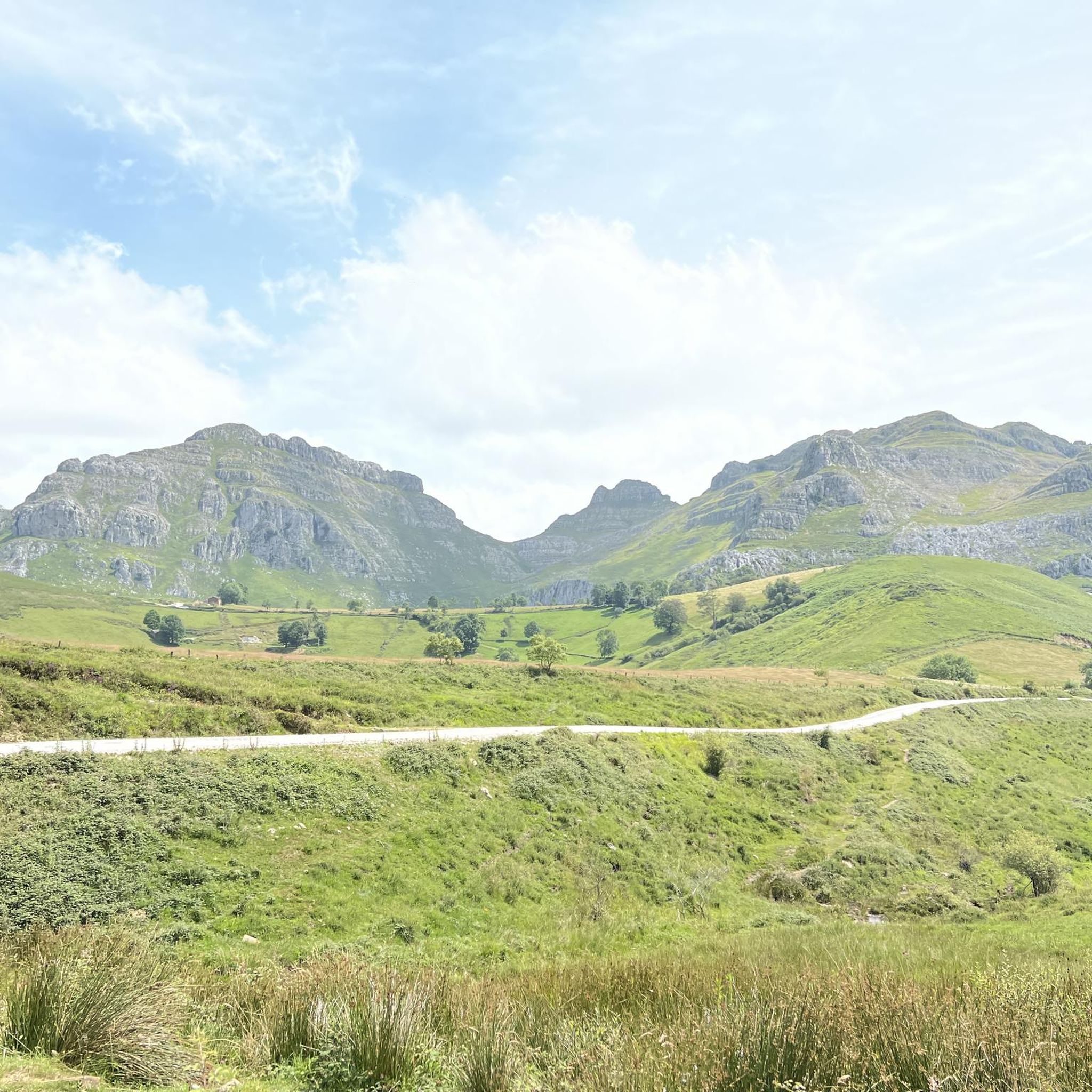
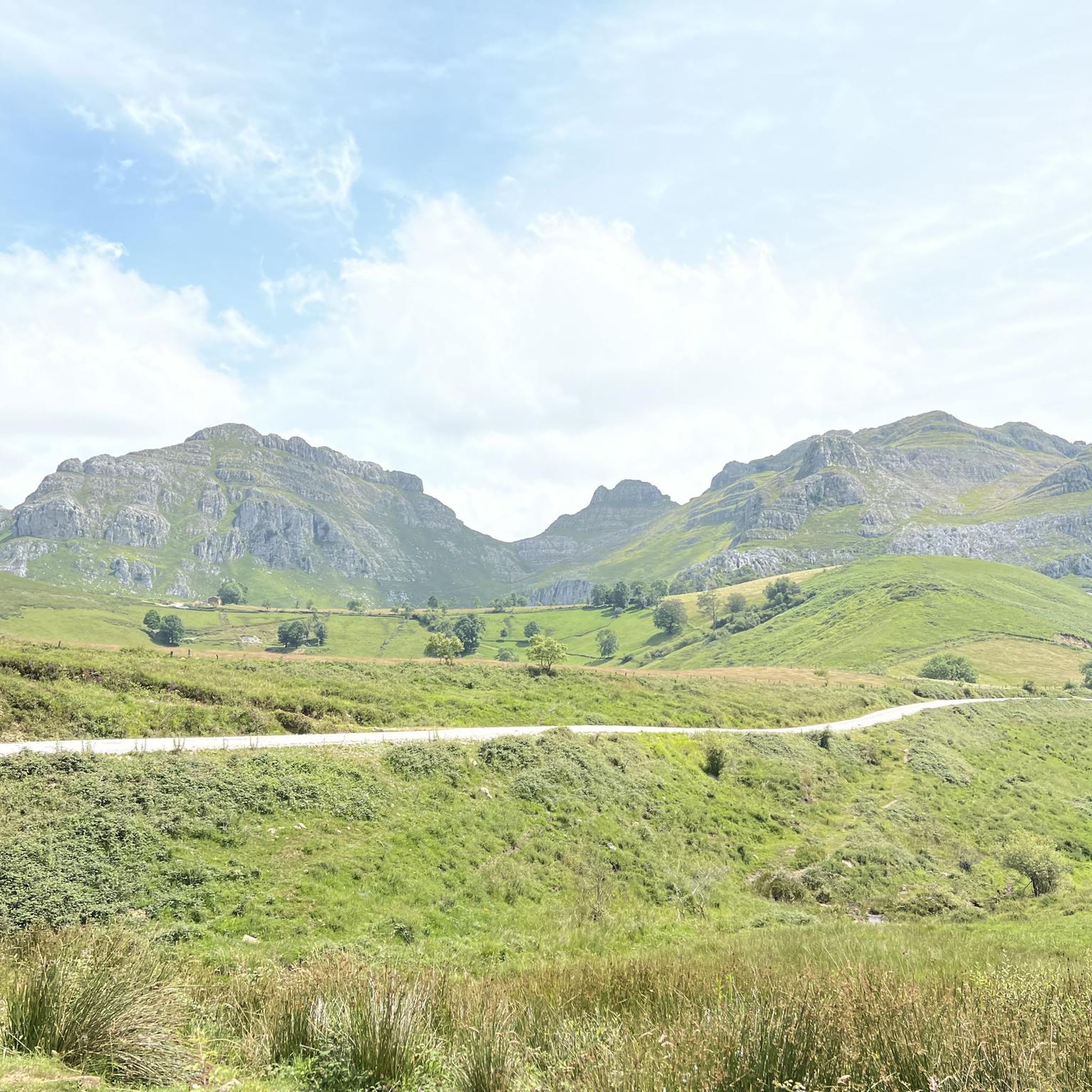
Best attractions and places to see around San Roque De Riomiera are located in the Pasiegos Valleys in Cantabria, Spain. This region is characterized by its dramatic natural beauty, featuring steep mountains, rivers, and lush meadows. It offers a blend of natural landscapes and cultural heritage, reflecting traditional Pasiego life. The area is known for its unique geography and serves as a destination for exploring its distinct features.
Best attractions and places to see around San Roque De Riomiera
- The…
Last updated: July 20, 2026
La Sía Pass
Highlight • Mountain Pass
Translated by Google •
Tip by

Castro Valnera Summit
Highlight • Summit
Translated by Google •
Tip by

Sign up now to discover places like this
Get recommendations on the best single tracks, peaks, & plenty of other exciting outdoor places.
Sign up for free
Asón Waterfall
Highlight • Waterfall
Translated by Google •
Tip by
Yera ghost station
Highlight • Monument
Translated by Google •
Tip by

Engaña Tunnel
Highlight • Structure
Translated by Google •
Tip by
Sign up for free to discover even more attractions around San Roque De Riomiera.
Sign up for free
Already have an account?
Start today with a free account
Your next adventure awaits.
Login or Signup
Tips from the Community

Yera Station is an old railway station located in the municipality of Vega de Pas, Cantabria. It was part of the Santander-Mediterranean railway project, which was never completed. The station is abandoned and is located near the northern mouth of the Engaña Tunnel. In 2022, the Government of Cantabria approved a rehabilitation project to convert the station into a hostel, exhibition hall and restaurant, with the aim of promoting sustainable tourism in the area. This project also includes the creation of a cycle and pedestrian path to the tunnel.
4
0
The route to the tunnel begins at the ruins of the Yera station, near Vega de Pas. Along the way, you can see waterfalls, Pasiegan huts and remains of old barracks used by the Republican prisoners who worked on the construction of the tunnel. It is a route of approximately 18 km, well signposted and suitable for hikers of all levels.
4
0


The panoramic views from the top are spectacular
2
0

It is striking to find this old station, in the middle of the mountains.
1
0
Castro Valnera is a beautiful, formidable mountain with its 1,718 meters. It is the highest in the eastern sector of the Cantabrian mountain range.
10
1

Both the waterfall and the environment that surrounds it are simply wonderful. Easily accessible, this waterfall is a waterfall of about 70 meters with a natural pool at its feet. A true paradise that deserves to be visited at any time of the year, although it is recommended in spring-summer.
1
0
Another symbol of the Santander-Mediterranean railway project, in this case the ruins of the abandoned Yera station is known as the last building built before the project was completely abandoned. Nearby there are other facilities that were designed for storage and a little further from here the small neighborhood that would house the engineers and staff that was never inhabited.
1
0
Frequently Asked Questions
What natural features can I explore around San Roque de Riomiera?
The region is rich in natural beauty, characterized by steep mountains, crystal-clear rivers, and lush meadows. You can visit the spectacular Asón Waterfall, which is over 70 meters high and marks the source of the Asón river. The Miera Valley, where San Roque de Riomiera is located, features classic glacial morphology and extensive beech and holm oak forests like the Hayedo de Zamina.
Where can I find the best panoramic views in the San Roque de Riomiera area?
For breathtaking vistas, consider ascending to Castro Valnera Summit, the highest mountain in the eastern Cantabrian range at 1,718 meters. Another excellent spot is the La Sía Pass, a mountain pass offering aesthetic views. The Mirador de la Braguía, a short drive away, also provides spectacular panoramic views of the Carriedo Valley.
What historical or cultural landmarks are there to visit?
San Roque de Riomiera offers a glimpse into traditional Pasiego life. You can explore the remnants of the ambitious, though unfinished, Santander-Mediterranean railway project, including the Yera ghost station and the impressive Engaña Tunnel. The area is also known for its traditional Pasiega Cabins, stone structures with slate roofs scattered across the landscape, and the 17th-century Church of San Roque in La Pedrosa.
Are there hiking opportunities near San Roque de Riomiera, and what are their difficulty levels?
Yes, the area is ideal for hiking with numerous trails. Routes like the ascent to Alto de la Lunada and the path along the source of the Miera River offer spectacular views. You can find a variety of hiking routes, including challenging ones like those around Castro Valnera Summit, which requires expertise, especially in adverse conditions. For more options, explore the hiking guides available for the region.
Can I go cycling or mountain biking around San Roque de Riomiera?
Absolutely. The rugged mountain setting and scenic passes make it a popular destination for cyclists. You'll find a range of routes for both road cycling and mountain biking. For example, the La Sía Pass is a notable cycling climb. You can discover various MTB trails, road cycling routes, and general cycling tours in the vicinity.
Are there family-friendly attractions or activities in the area?
Yes, the natural beauty of San Roque de Riomiera offers several family-friendly options. The Asón Waterfall is considered family-friendly and provides a memorable natural spectacle. Exploring the traditional Pasiega cabins and the rural landscape can also be an engaging experience for families.
When is the best time of year to visit San Roque de Riomiera for outdoor activities?
The region's natural features are best enjoyed during milder weather. Spring and autumn offer pleasant temperatures for hiking and cycling, with lush greenery in spring and vibrant colors in autumn. Summer is also popular, but some areas, especially higher altitudes, can be very dangerous with fog or wet ground, so always check conditions.
How can I get to the attractions around San Roque de Riomiera, and is parking available?
Access to San Roque de Riomiera is primarily by road. While specific parking details for every attraction vary, many trailheads and viewpoints will have designated parking areas. Public transport options might be limited given the rural nature of the area, so a car is generally recommended for exploring the region's attractions effectively.
Are there any unique or lesser-known places to discover?
Beyond the main highlights, the area is dotted with traditional Pasiega cabins, many of which have been rehabilitated and offer unique accommodation experiences. The Casa del Pasiego, an interpretation center in the La Concha neighborhood, provides an ethnographic collection illustrating the traditional way of life, offering a deeper cultural insight into this remote corner of Cantabria.
What do visitors particularly enjoy about the attractions in San Roque de Riomiera?
Visitors frequently praise the stunning natural landscapes and the sense of connection to nature. The dramatic views from summits like Castro Valnera and the impressive sight of the Asón Waterfall are often highlighted. The unique historical remnants of the Santander-Mediterranean railway, such as the Yera ghost station and Engaña Tunnel, also captivate those interested in history and exploration.
What is the significance of the Pasiego Cabins in the region?
The Pasiega Cabins are a defining feature of the landscape around San Roque de Riomiera. These traditional stone structures with slate roofs are unique to the Pasiegos Valleys and reflect the transhumant lifestyle of the Pasiego people. They are often two-story, with a 'patín' (small access platform), and represent a distinctive architectural style adapted to the local environment and historical practices.
Can I find places to eat or stay near the attractions?
While San Roque de Riomiera is a rural area, you can find local establishments offering traditional gastronomy. Some of the rehabilitated Pasiega Cabins now provide unique accommodation experiences. For more options, nearby villages within the Pasiegos Valleys may offer a wider selection of cafes, pubs, and guesthouses.
Most popular routes around San Roque De Riomiera
Most popular attractions around San Roque De Riomiera

Get inspired with the komoot mobile app


Explore more
Still not found the Highlight you’re looking for? See guides of the top attractions in other regions:
