The best MTB trails around Benissa
4.6
(44)
542
riders
31
rides
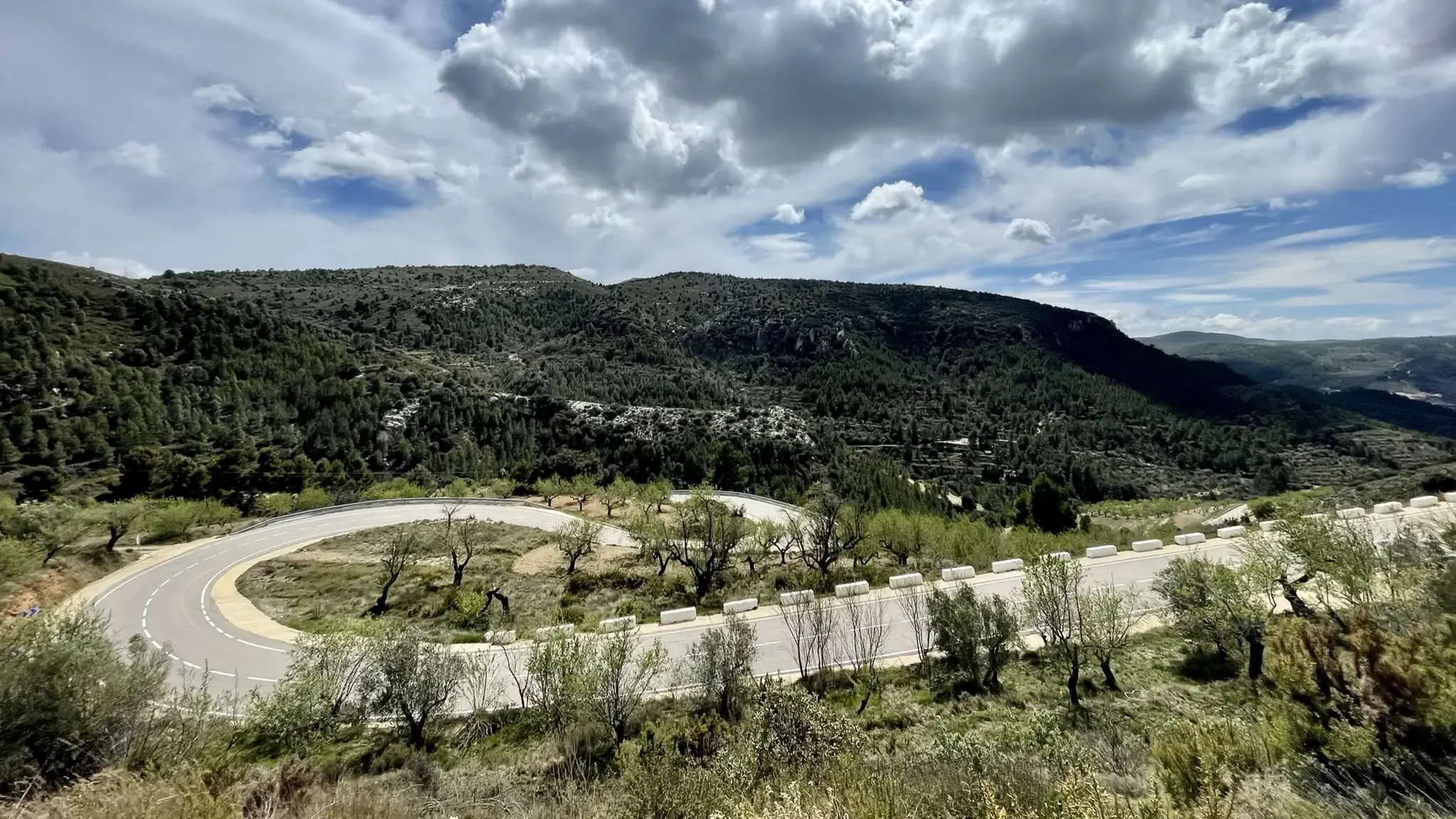
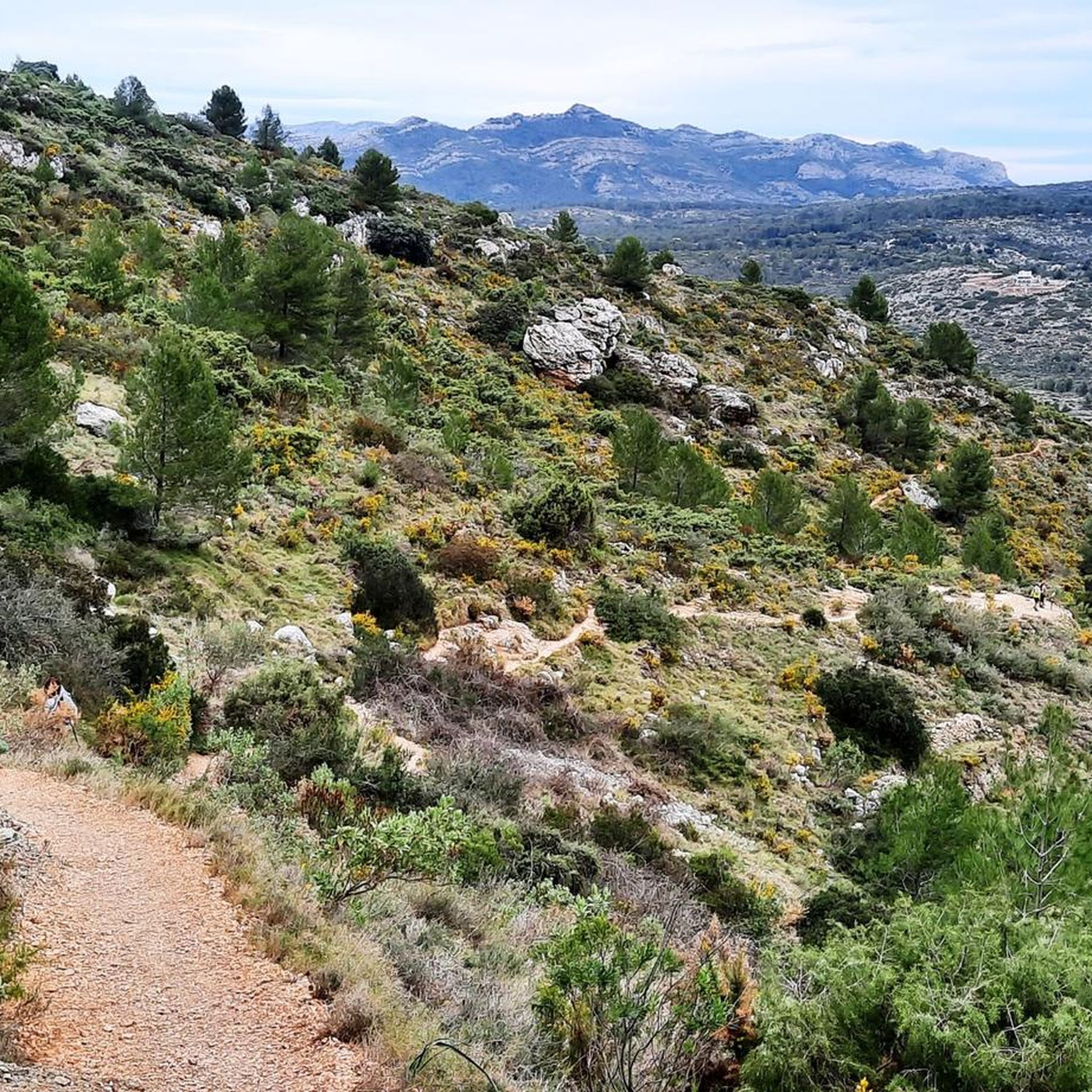
Mountain bike trails around Benissa traverse a diverse landscape, combining rugged mountain ranges with a dramatic coastline. The region features prominent mountains like the Sierra de Bèrnia and Sierra de Oltà, offering challenging ascents and panoramic views. Inland, agricultural valleys such as the Vall de Pop provide routes through vineyards and traditional farmlands. This varied terrain ensures a range of mountain biking experiences, from coastal paths to technical mountain trails.
Best mountain bike trails around Benissa
- The most popular mountain…
Last updated: November 14, 2026
4.6
(7)
50
riders
37.3km
04:14
1,060m
1,060m
Hard mountain bike ride. Very good fitness required. Advanced riding skills necessary. Some portions of the route may require you to push your bike.
5.0
(1)
57
riders
59.4km
05:47
1,110m
1,110m
Hard mountain bike ride. Very good fitness required. Advanced riding skills necessary. Some portions of the route may require you to push your bike.

4.7
(3)
45
riders
33.4km
02:12
550m
550m
Moderate mountain bike ride. Good fitness required.
5.0
(3)
31
riders
53.4km
03:53
730m
730m
Hard mountain bike ride. Good fitness required. Advanced riding skills necessary. Some portions of the route may require you to push your bike.
3.0
(1)
35
riders
17.3km
01:11
270m
270m
Easy mountain bike ride.
Get access to more routes and recommendations from other explorers.
Already have an account?
Our route recommendations are based on thousands of hikes, rides, and runs completed by other people on komoot.
Start today with a free account
Your next adventure awaits.

Other adventures around Benissa

Tips from the Community

The Church of La Mare de Déu dels Desemparats is located in the old part of Moraira and was originally a chapel. It appears to have been built between 1875 and 1878 (thanks to donations from the Oliver Sisters of Teulada). The geographer Francisco Figueras Pacheco mentioned the chapel's existence in 1910. In 1974, it was established as an independent parish, with Francisco Llopis Blasco (formerly the parish priest of Teulada) as its first priest. The church has a rectangular floor plan, and its foundations are made of stones taken from the walls of the Moraira fortress. It is divided into three naves separated by columns, with the central nave being almost twice the size of the side aisles. It also comprises four sections, the first of which corresponds to the church's expansion carried out in 1981. These works included extending the building towards the facade, adding a vestibule with four arches similar to the traditional riuras (a construction style typical of La Marina Alta). This vestibule was enclosed with glass panels in 1989, and access to the interior is through the arch of the main entrance. Above the vestibule, on the first floor, is the choir, and on the second floor is a parish hall. To the left of this extension, at ceiling level, a square bell tower was erected, housing two bells. The building's ceiling features ribbed vaults marked by arches. The exterior roof is tiled and has three pitches, and the old bell gable (still supporting the bell) has been preserved at the front. The interior is very simple and follows the designs of chapels from the late 19th and early 20th centuries. Notable features include the mosaics of the main altar, which frame the image of the patron saint and combine religious scenes with maritime motifs typical of the region. Another mosaic, depicting the crucified Christ, is located on the right side of the second section. Both mosaics are the work of the artist Juan Ros Marí, who was also responsible for the two stained-glass windows with Eucharistic motifs in the former vestibule of the church. On the east facade of the church is a small niche containing an image of Mare de Déu del Carme, the patron saint of sailors, making it the only street chapel in the city with a sculpture.
2
0
Description The Ermita de la Sangre in Murla is a small church located in the heart of the town. Behind its walls lies a long history. The building's history stretches from the Middle Ages to the present day, resulting in various uses and changes to its appearance. The Ermita de la Sangre in Murla was restored in 1979. It is a semi-detached building with a vaulted ceiling and two transverse arches, above which, from the altar, stands the image of Ecce Homo. To one side is the old Chapel of San Francisco de Borja, which has housed the image of the town's patron saint, the Divine Aurora, since 1856. History The Ermita de la Sangre in Murla has a centuries-old history. Although the exact date of its construction is unknown, all indications point to around 1591. The building was formerly the city's old women's hospital, which, like these rooms in the Middle Ages, was converted into a hermitage invoking the Blood of Christ. However, it had been used as a prison long before that. In 1600, the prison was located within the hospital, but the diocese at the time decided to separate them. Documents indicate that the old prison was located where the image of the divine Aurora is currently situated.
2
0

Took a very nice walk
0
1

A beautiful port with fancy yachts.
1
0

Moraira captivates visitors with its picturesque beaches and inviting promenade, ideal for exploring by bicycle. Fine sandy beaches and small coves line the coast – from the centrally located Playa de l’Ampolla with its lively atmosphere to the idyllic El Portet cove with its crystal-clear, calm waters. The promenade runs directly along the sea, past cafés, restaurants, and the marina, offering panoramic views across the Mediterranean. Cycling along the route is a relaxing experience, with stunning views of the coast, the sea, and the gently rolling hills of the hinterland – a perfect combination of exercise, nature, and the Mediterranean lifestyle.
2
0


Komoot Tip: Velosol Cycling Bar in Jalón – a favorite stop for Evenepoel and Van der Poel Tucked away in the cycling paradise of Jalón, beneath the Bernia and close to the legendary climb of Coll de Rates, Velosol Cycling Bar is a must-stop for any rider on the Costa Blanca. Run by a friendly Belgian couple, this cozy spot is a true hub for cyclists — including pros like Remco Evenepoel and Mathieu van der Poel, who often swing by for a well-earned coffee ☕ or one of their famous pancakes 🥞.
1
0
Tip for fellow cyclists: Velosol isn’t just a great cycling café – they also have a well-equipped bike shop and workshop with top-notch service and real expertise. Our road bikes are always happy to stay there for a little pampering, whether it’s getting fresh tires or sparkling clean drivetrains!
1
0
Frequently Asked Questions
How many mountain bike trails are there around Benissa?
Benissa offers a diverse network of over 30 mountain bike trails. These routes traverse varied landscapes, from rugged mountain ranges to agricultural valleys and coastal paths, catering to different skill levels.
What is the best time of year for mountain biking in Benissa?
The Mediterranean climate makes Benissa suitable for mountain biking almost year-round. Spring (February-May) is particularly beautiful, with almond trees in bloom, offering scenic rides. Autumn (September-November) also provides pleasant temperatures. Summers can be hot, so early morning or late afternoon rides are recommended.
Are there easy mountain bike trails in Benissa suitable for beginners or families?
Yes, Benissa has several easy mountain bike trails. For a gentle ride, consider the Port of Moraira – Moraira Beaches and Promenade loop from Pepe la Sal, which is 17.8 km long and offers coastal views. The Muscat Route, mentioned in regional research, also provides an easier itinerary through agricultural paths and vineyards.
Where can I find challenging mountain bike routes in Benissa?
For experienced cyclists seeking a challenge, the Sierra de Bèrnia and Sierra de Oltà mountain ranges offer technical and demanding routes. A prime example is La Serra de Bèrnia — Circular por La Solana y el Barranco del Maseroff, a difficult 37.3 km trail with significant elevation changes and technical sections.
Are there any circular mountain bike trails in Benissa?
Yes, many mountain bike trails in Benissa are circular, allowing you to start and end at the same point. For instance, the El Saladar Saltworks – Salinas de Calp Viewpoint loop from Benissa is a moderate 31.2 km circular route offering coastal perspectives. The Sierra de Bèrnia also features a well-known circular route, PR-CV 7, which provides panoramic views.
What kind of views can I expect on mountain bike trails around Benissa?
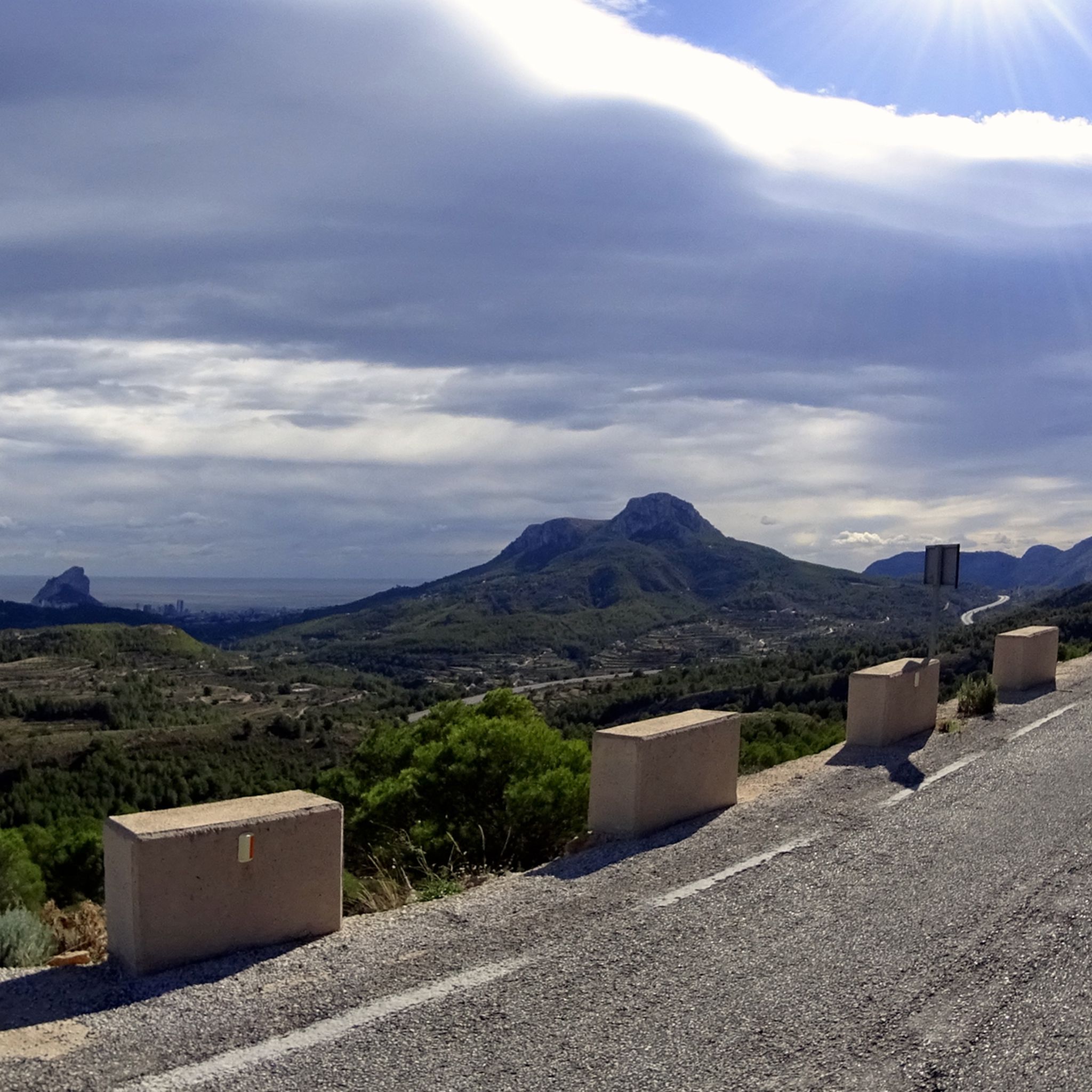
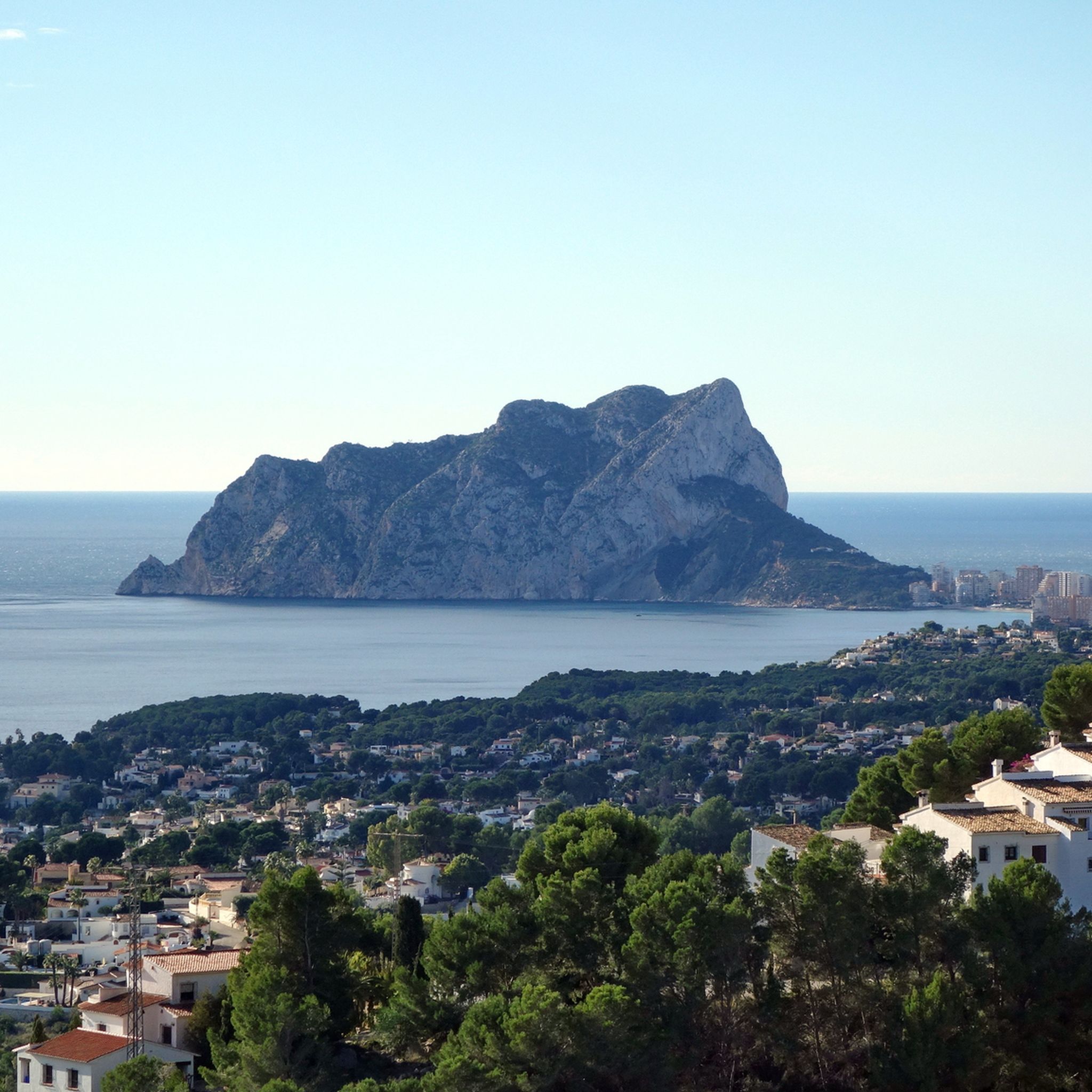
Mountain bike trails in Benissa offer a stunning variety of views. You can expect breathtaking panoramic vistas of the Mediterranean Sea, including the iconic Peñón de Ifach, from mountain ranges like Sierra de Bèrnia and Sierra de Oltà. Inland routes provide picturesque scenes of vineyards, almond groves, and traditional terraced fields in areas like the Vall de Pop.
What do other mountain bikers enjoy most about mountain biking in Benissa?
The mountain bike trails around Benissa are highly rated by the komoot community, with an average score of 4.2 stars from nearly 50 reviews. Riders often praise the diverse terrain, from challenging mountain ascents to scenic coastal paths, and the stunning views of both the sea and the mountainous interior.
Are there any interesting natural attractions or landmarks along the mountain bike routes?
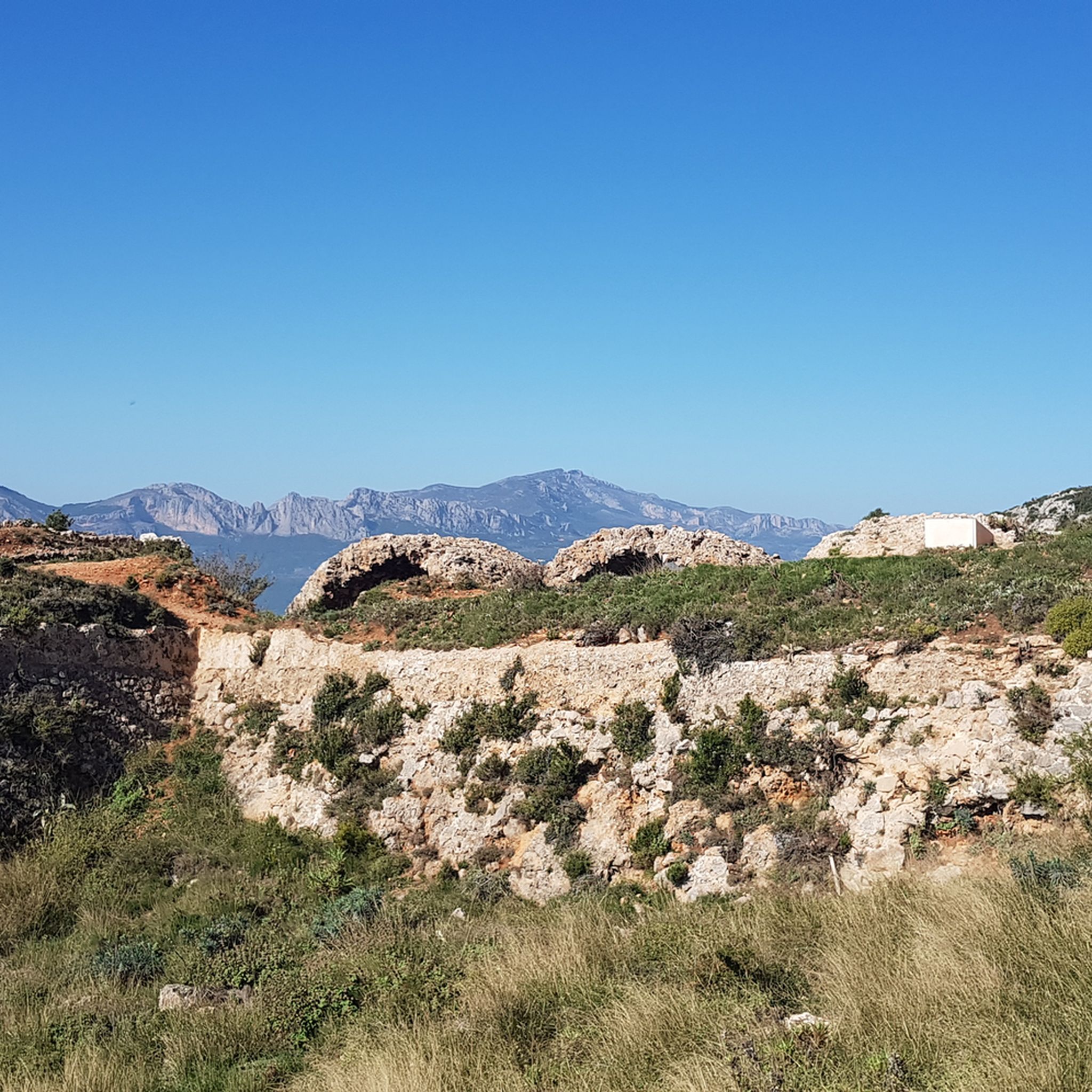
Absolutely! Many routes pass by or near notable attractions. For example, the El Saladar Saltworks – Salinas de Calp Viewpoint loop from Benissa offers views of the El Saladar Saltworks and the Salinas de Calp Viewpoint, where you might even spot flamingos. The Sierra de Bèrnia also features the historic 16th-century 'El Fort de Bernia'.
Can I explore mountain passes in the Benissa area by mountain bike?
Yes, the mountainous terrain around Benissa includes several notable passes that can be incorporated into mountain bike routes. Highlights such as Coll de Rates, Bèrnia Pass, and Lemon Pass offer challenging climbs and rewarding descents with spectacular views.
Are there any routes that combine mountain biking with coastal scenery?
Benissa's unique location allows for routes that beautifully blend mountain biking with coastal scenery. The El Saladar Saltworks – Salinas de Calp Viewpoint loop from Benissa is a great example, offering coastal perspectives and views of the saltworks. The region's 4 km coastline, with coves like Cala Baladrar and Cala Fustera, also provides opportunities for scenic rides along the clifftops, such as the Paseo Ecológico.
Are there any routes that pass through agricultural areas or vineyards?
Yes, many routes in Benissa lead through the region's rich agricultural landscapes. The Vall de Pop, for instance, is characterized by vineyards and almond trees. The Muscat Route is an easier itinerary that specifically connects Benissa with the Vall de Pop via agricultural paths, allowing you to explore vineyards and towns known for Muscat grape production.
Most popular routes around Benissa
Most popular attractions around Benissa

Get inspired with the komoot mobile app


Explore more
Browse the best MTB trails in other regions.
