Attractions and Places To See around Puebla De Alcocer - Top 20
Best attractions and places to see around Puebla De Alcocer include historical landmarks, cultural sites, and natural features. This region in Extremadura, Spain, is characterized by its rugged terrain, large reservoirs, and a rich history. Visitors can explore medieval castles, ancient religious buildings, and unique natural formations. The area offers a blend of historical exploration and scenic outdoor experiences.
Best attractions and places to see around Puebla De Alcocer
- The most popular attractions is Castle of Puebla de Alcocer,…
Last updated: June 5, 2026
Castle of Puebla de Alcocer
Highlight • Castle
Its origins date back to the 12th and 13th centuries, possibly built …
Translated by Google •
Tip by

Garcia de Sola Reservoir
Highlight • Lake
Translated by Google •
Tip by
Sign up now to discover places like this
Get recommendations on the best single tracks, peaks, & plenty of other exciting outdoor places.
Sign up for free
Cerro Masatrigo
Highlight • Summit
Translated by Google •
Tip by
Church of San Pedro Apóstol, Casas de Don Pedro
Highlight • Religious Site
Translated by Google •
Tip by
Hermitage of Our Lady of Remedies
Highlight • Religious Site
Translated by Google •
Tip by
Sign up for free to discover even more attractions around Puebla De Alcocer.
Sign up for free
Already have an account?
Start today with a free account
Your next adventure awaits.
Login or Signup

Tips from the Community

The best views in the La Siberia Extremeña region
0
0

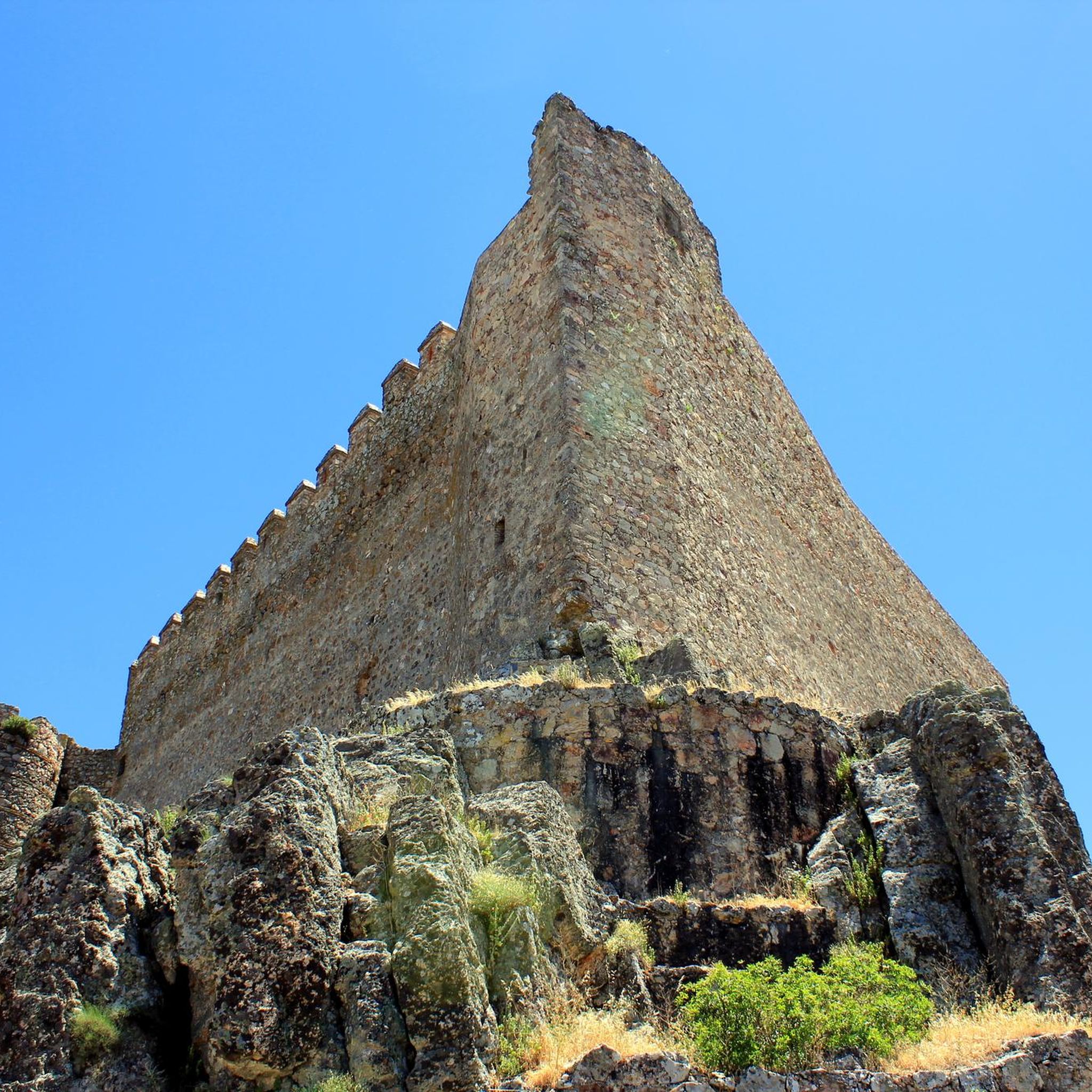
The castle sits atop a hill in Puebla de Alcocer (Badajoz, Extremadura), approximately 550 meters above sea level. Its origins date back to the 12th and 13th centuries, possibly built upon the site of an earlier Mudéjar fortress. It was remodeled in 1445 after being donated to Don Gutierre de Sotomayor, Master of the Order of Alcántara, by King John II of Castile. At the end of the 15th century, it passed to Doña Elvira de Zúñiga, as reflected in the coat of arms on the keep.
2
0
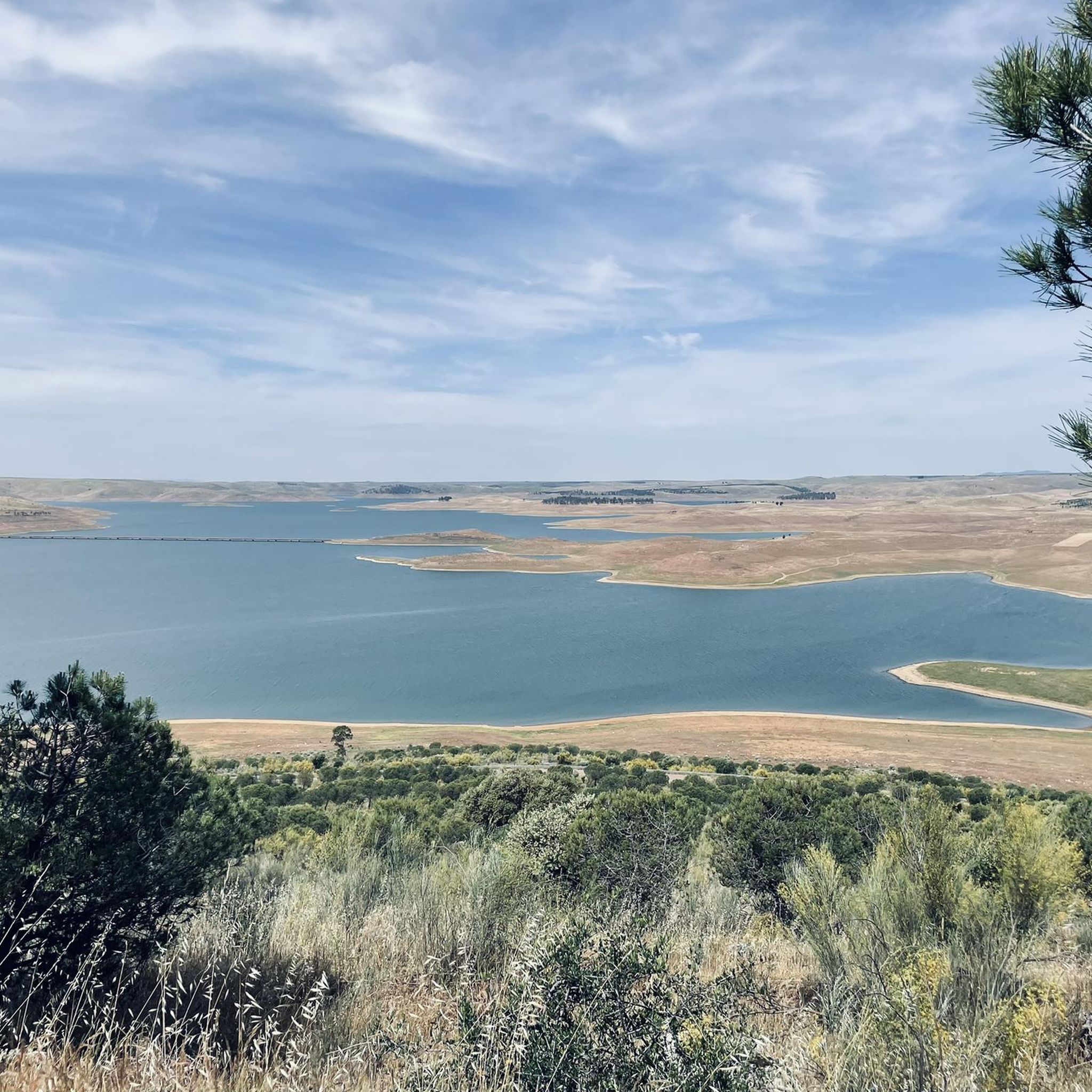
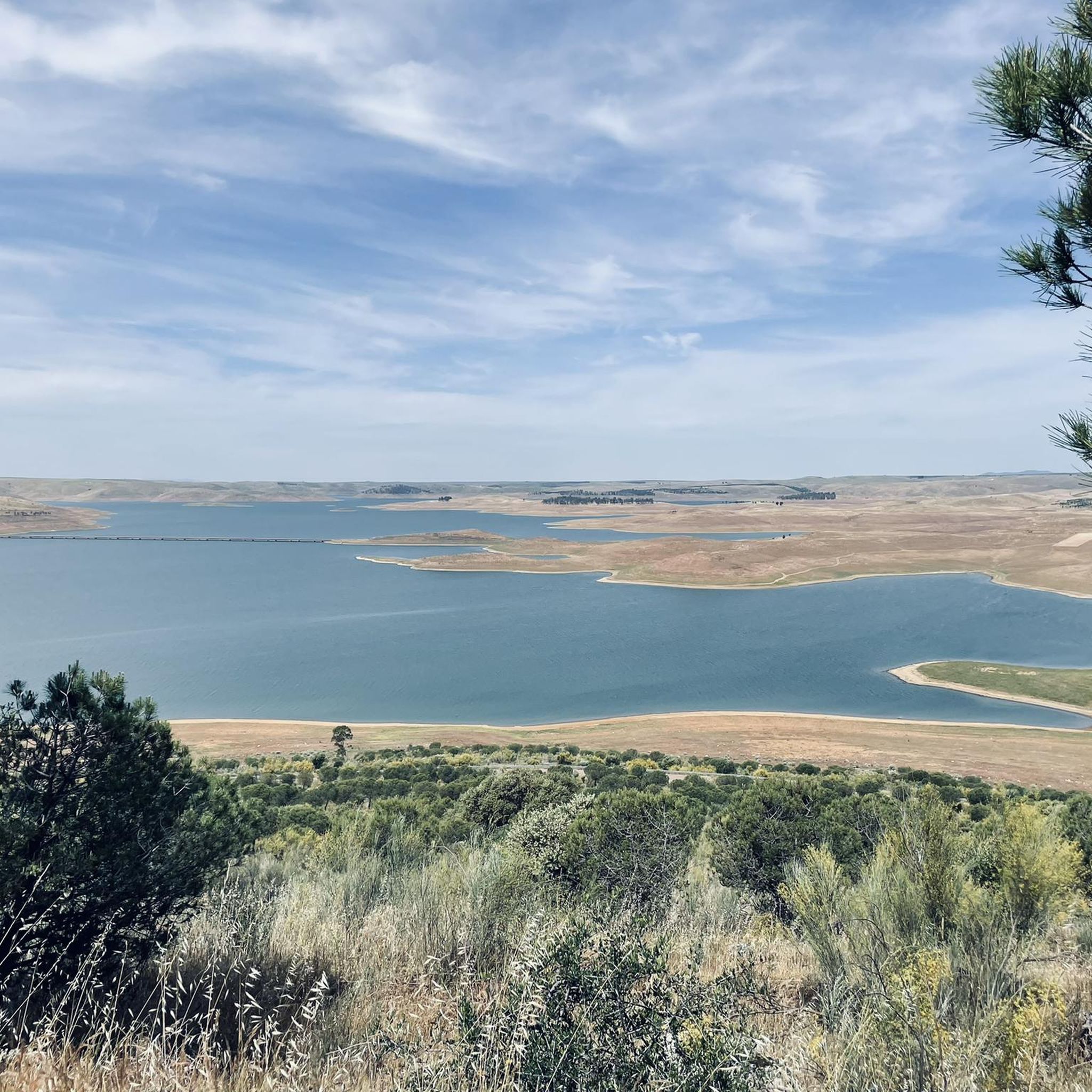
The García de Sola Reservoir, also known as Puerto Peña, is located on the Guadiana River, in the La Siberia Extremeña region (Badajoz). It was built in 1962 as part of the Badajoz Plan and has a capacity of 554 hm³. It is an emblematic site for its natural, scenic, and recreational value.
5
0

This spectacular reservoir was built during the 1960s. The reflection of the sunsets in the water and the surrounding landscape make it a must-see if you're exploring the Guadiana Nature Trail.
0
1
Cerro Masatrigo is a hill located in the municipality of Esparragosa de Lares. This hill is known for its almost perfect conical shape, which has earned it the nickname "the magic mountain" It rises 501 meters above sea level and 161 meters above the surrounding terrain. After the construction of the La Serena Dam, Cerro Masatrigo became a peninsula surrounded by the waters of the reservoir.
7
0
The García de Sola Reservoir is an impressive work of engineering located in the Extremadura region, near Talarrubias, in the province of Badajoz. The reservoir is located in an environment of great beauty, surrounded by imposing rock formations and dense vegetation composed of Mediterranean forests, pine forests and eucalyptus trees. It is a place of great value for birdlife, with species such as the griffon vulture, black vulture, black stork, golden eagle and peregrine falcon.
5
0
They have a market around it.
26
0
It is located in the Plaza del Sagrado Corazón and according to the information available, it was built at the end of the 14th century, although it has subsequently been renovated in various moments or phases. Its style is Civil Gothic and the south façade from the last period of Gothic, around 1499.
34
0
Frequently Asked Questions
What historical landmarks can I explore in Puebla de Alcocer?
Puebla de Alcocer is rich in history. You can visit the impressive Castle of Puebla de Alcocer, which dates back to the 12th and 13th centuries and offers panoramic views. The town also features a historic center with ancestral homes like the Palacio de los Duques de Osuna and the Casa de la Inquisición. Religious sites include the Iglesia de Santiago, Convento de San Francisco, and the unique Ermita de la Cueva at the foot of the castle.
Are there any natural attractions or viewpoints in the area?
Yes, the region boasts significant natural beauty. The Garcia de Sola Reservoir is known for its stunning rock formations and diverse birdlife, including griffon vultures and black storks. For unique views, climb Cerro Masatrigo, a conical hill offering vistas of the La Serena reservoir. The Castle of Puebla de Alcocer also provides excellent viewpoints over the La Serena and Zújar reservoirs.
What kind of outdoor activities can I do near Puebla de Alcocer?
The area around Puebla de Alcocer is ideal for various outdoor activities. You can find numerous routes for hiking, cycling, and mountain biking. For hiking, consider the challenging Cerro Masatrigo Botanical Trail or the moderate route to Mirador Celeste de Galizuela. Cyclists can explore the Embalse de la Serena and Castillo de Puebla de Alcocer circular route. For more options, check out the dedicated guides for hiking, cycling, and MTB trails in the region.
Are there any family-friendly attractions or activities?
Families can enjoy the natural beauty of the Garcia de Sola Reservoir, which is listed as family-friendly and offers opportunities for birdwatching. The nearby Playa de la Isla del Zújar provides an artificial freshwater beach with water activities like canoeing and slides, perfect for a family day out. Exploring the historic town center and its unique architecture can also be an engaging activity for all ages.
What is the best time of year to visit Puebla de Alcocer for outdoor activities?
The best time to visit Puebla de Alcocer for outdoor activities is generally during the spring (April to June) and autumn (September to October) months. During these periods, the weather is typically mild and pleasant, making it comfortable for hiking, cycling, and exploring the natural landscapes. Summers can be very hot, especially for strenuous activities, while winters are cooler but still offer opportunities for outdoor exploration.
Can I learn about local culture and history through museums?
Yes, Puebla de Alcocer offers a couple of unique museums. The Ethnographic Museum provides insights into the local culture and traditions. Additionally, you can visit the Museum of the Extremaduran Giant, dedicated to Agustín Luengo Capilla, a local known for his extraordinary height. This museum, located in the Casa de la Cultura, displays personal items and circus posters related to his life.
Where can I find religious architecture in Puebla de Alcocer?
Puebla de Alcocer has several notable religious buildings. The Iglesia de Santiago in Plaza de España, built between the 11th and 13th centuries on the site of an Arab mosque, features significant Mudéjar elements. Other sites include the rehabilitated Convento de San Francisco, the Convento de la Visitación with its notable cloister, and the charming Ermita de la Cueva at the foot of the castle. The Church of San Pedro Apóstol in nearby Casas de Don Pedro is another historical religious site.
Are there any archaeological sites near Puebla de Alcocer?
Beyond the main town, you can find archaeological remnants that speak to the region's ancient past. These include the ruins of the 'Castillo Viejo,' believed to be from the Carthaginian era, and the Roman site of 'Lacimurga Constantia Iulia,' which is possibly submerged under the waters of the Orellana reservoir.
What makes the <a href="https://www.komoot.com/highlight/5460742" target="_blank" rel="noopener">Castle of Puebla de Alcocer</a> a must-see attraction?
The Castle of Puebla de Alcocer is a must-see due to its commanding position atop a hill, offering spectacular views of the surrounding landscape, including the La Serena and Zújar reservoirs. Its origins trace back to the 12th and 13th centuries, with significant remodels over time, including a 1445 renovation. Visitors can explore its historical structure and appreciate the strategic importance it once held. There is a small symbolic donation (1€) to enter.
What is the significance of the reservoirs in the Puebla de Alcocer area?
The reservoirs, particularly La Serena, Zújar, and Garcia de Sola Reservoir, are central to the region's natural appeal and recreational opportunities. They are impressive engineering works that have created vast bodies of water surrounded by beautiful scenery, rock formations, and dense Mediterranean forests. These reservoirs are crucial habitats for diverse birdlife and offer popular spots for water activities and scenic views, especially from elevated points like the castle and Cerro Masatrigo.
Are there any unique natural formations to see?
One of the most unique natural formations is Cerro Masatrigo, known for its almost perfect conical shape, which has earned it the nickname 'the magic mountain.' Located within the La Serena reservoir, it resembles a pile of wheat and offers rewarding views from its summit. The rock formations around the Garcia de Sola Reservoir also contribute to the area's distinctive natural landscape.
Most popular routes around Puebla De Alcocer
Most popular attractions around Puebla De Alcocer

Get inspired with the komoot mobile app


Explore more
Still not found the Highlight you’re looking for? See guides of the top attractions in other regions:
