The best road cycling routes around Cañamero
4.6
(5)
362
riders
25
rides
Road cycling routes around Cañamero traverse a diverse landscape within the Villuercas-Ibores-Jara Geopark, characterized by mountainous terrain, tranquil waterways, and significant geological features. The region offers a captivating blend of challenging climbs, such as those leading to Pico Villuercas, and scenic routes through narrow river valleys like Desfiladero del Río Ruecas. Cyclists can expect varied surfaces, including well-paved roads and some unpaved segments, providing a comprehensive road cycling experience.
Best road cycling routes around Cañamero
- The most popular road cycling…
Last updated: July 16, 2026
5.0
(1)
39
riders
61.2km
03:59
1,440m
1,440m
Hard road ride. Very good fitness required. Mostly well-paved surfaces and easy to ride.
41
riders
Hard road ride. Very good fitness required. Mostly well-paved surfaces and easy to ride.

Sign up for free
11
riders
Hard road ride. Very good fitness required. Mostly well-paved surfaces and easy to ride.
14.0km
00:50
350m
350m
Moderate road ride. Good fitness required. Mostly well-paved surfaces and easy to ride.
5.0
(1)
43
riders
51.1km
03:19
1,340m
1,340m
Hard road ride. Very good fitness required. Mostly well-paved surfaces and easy to ride.
Get access to more routes and recommendations from other explorers.
Sign up for free
Already have an account?
Our route recommendations are based on thousands of hikes, rides, and runs completed by other people on komoot.
Start today with a free account
Your next adventure awaits.
Login or Signup
Tips from the Community

The Royal Monastery of Santa María de Guadalupe is an imposing 15th-century monastic complex located in Guadalupe, in the province of Cáceres, within the autonomous community of Extremadura, Spain. Declared a UNESCO World Heritage Site in 1993, the site combines four centuries of history and is a unique masterpiece of the Gothic-Mudéjar style.
0
0

El Alto del Humilladero and Pico Villuercas, near Guadalupe (Cáceres), form one of the most spectacular mountain routes in Extremadura, within the Villuercas‑Ibores‑Jara UNESCO Geopark. It is the highest summit in Extremadura accessible by road.
2
0

Gives the feeling of being on a film set or somewhere in Mexico. Perhaps not so strange, because the Virgin of Guadalupe is the patroness of Mexico. In the hills, the virgin is said to have been found seven centuries ago. Strictly forbidden to take photos inside the walls, monks walk with the group...
14
1
The Arco de las Eras (Dorsenboog) is built of natural stone and brick in the arches and the superstructure. The architecture still preserves remnants of the old battlements that protected the entrance. This arch was part of the second defensive ring, which surrounded the city and protected its southern edge. The arch was restored in the early 20th century and served as an entrance gate
13
1
De Arco de las Eras (Dorsenboog) is constructed of natural stone and brick in the arches and the superstructure. The architecture still preserves remnants of the old battlements that protected the entrance. This arch was part of the second defensive ring, which surrounded the city and protected the southern edge. The arch was restored in the early 20th century and served as an entrance gate for
12
1
The Royal Monastery of Santa María de Guadalupe is an imposing 14th-century monastic complex located in the municipality of Guadalupe, in the province of Cáceres, within the autonomous community of Extremadura, Spain. This extraordinary monument, declared a UNESCO World Heritage Site in 1993, represents an exceptional example of an architectural fusion between Gothic, Mudéjar, Renaissance, and Baroque styles. For four centuries, it was the most important monastery in the country, closely linked to the history of the Catholic Monarchs and the discovery of the Americas.
0
0
The Royal Monastery of Santa María de Guadalupe is a 14th-century monastery located in the Spanish town of Guadalupe, in the province of Cáceres. It was declared a UNESCO World Heritage Site in 1993. Inside, you can appreciate Gothic, Mudéjar, Renaissance, Baroque, and Neoclassical architectural styles. A place with a rich history and breathtaking architectural beauty! 🌟🏰
13
0
The Royal Monastery of Santa María de Guadalupe is a 14th-century monastery located in the Spanish town of Guadalupe, in the province of Cáceres. It was declared a UNESCO World Heritage Site in 1993. Inside, you can appreciate Gothic, Mudéjar, Renaissance, Baroque, and Neoclassical architectural styles. A place with a rich history and breathtaking architectural beauty! 🌟🏰
15
0
Frequently Asked Questions
How many road cycling routes are available around Cañamero?
Cañamero offers a wide selection of road cycling routes, with over 25 tours available. These routes cater to various fitness levels, ranging from moderate to difficult.
What kind of terrain can I expect on road cycling routes in Cañamero?
Road cycling in Cañamero features diverse terrain within the Villuercas-Ibores-Jara Geopark. You'll encounter mountainous landscapes with significant elevation changes, tranquil waterways, and unique geological formations. While most routes feature well-paved surfaces, some segments may be unpaved, offering a comprehensive road cycling experience.
Are there challenging road cycling routes for experienced cyclists in Cañamero?
Yes, Cañamero is known for its challenging routes, with 18 difficult tours available. Routes like the Pico Villuercas Loop from Guadalupe and Charco de la Nutria from Guadalupe offer substantial climbs and rewarding views, ideal for those seeking a rigorous ride.
What natural features can I see along the road cycling routes in Cañamero?
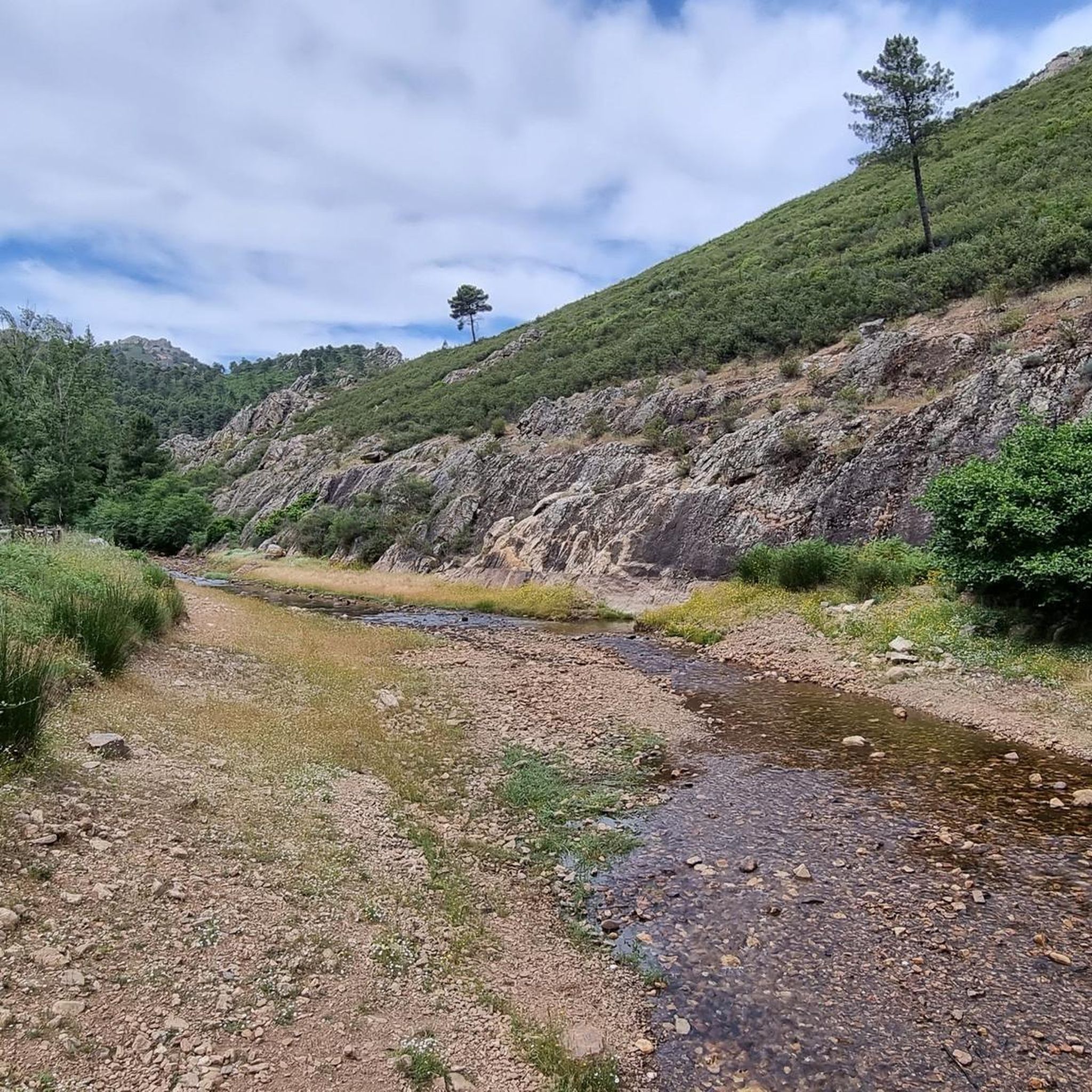
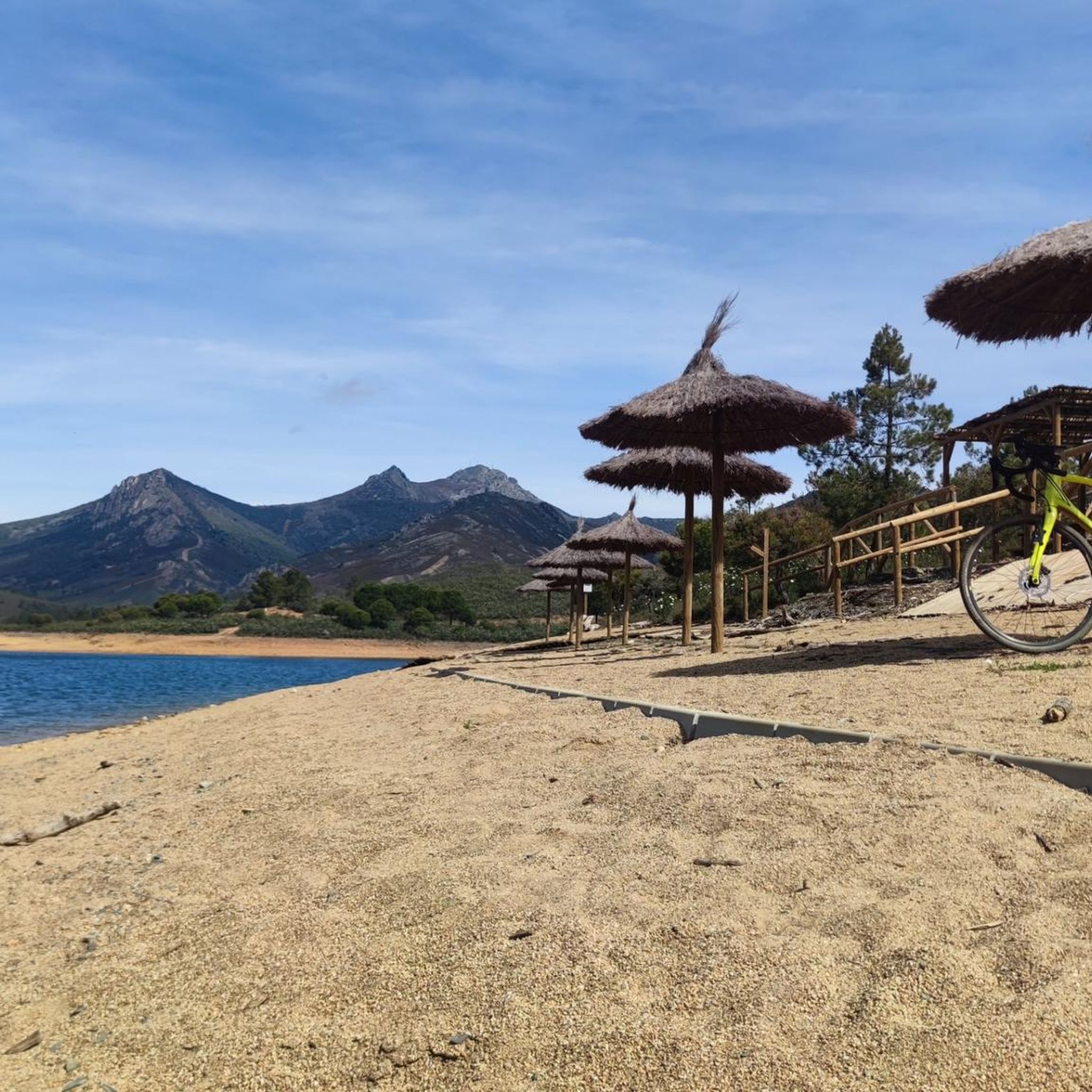
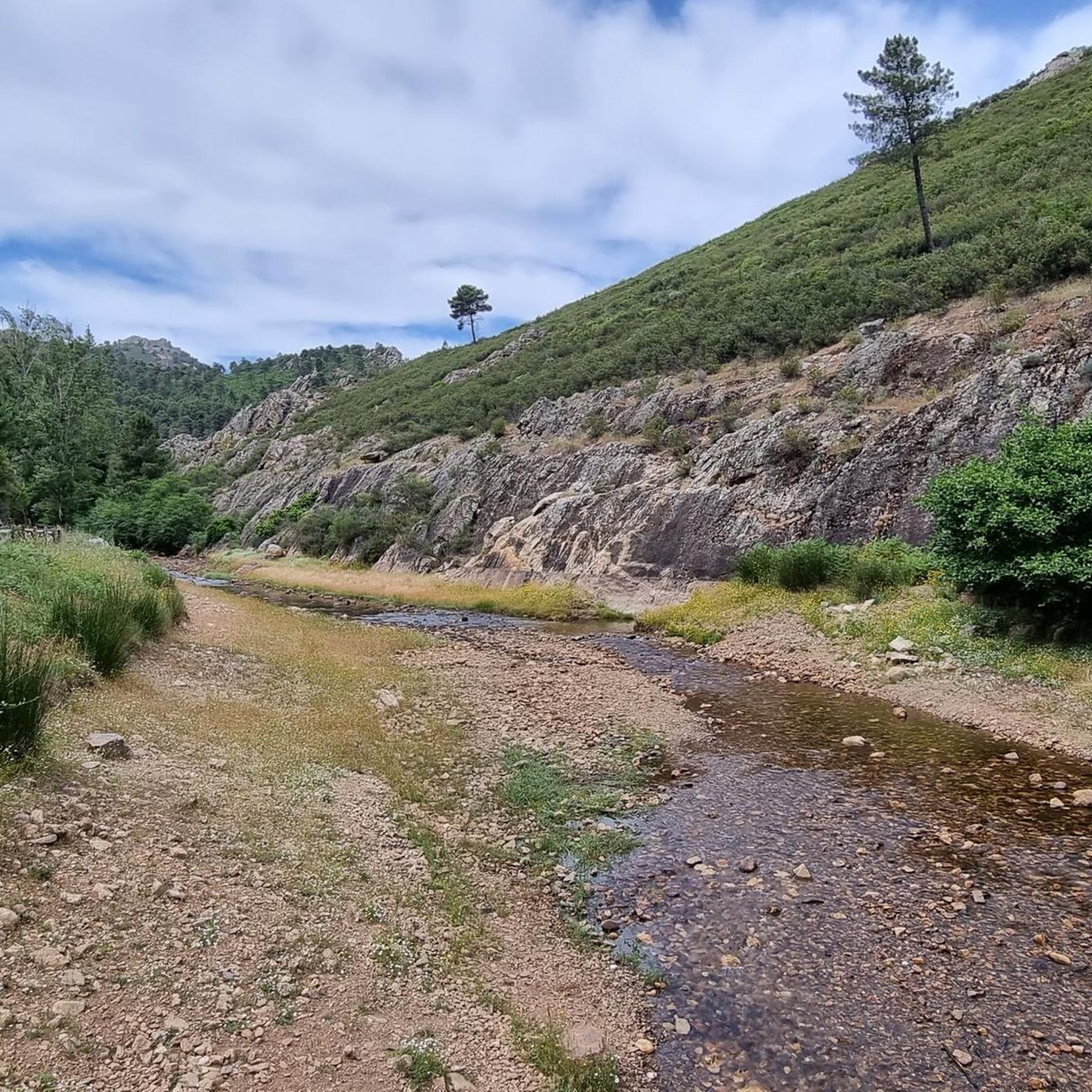
The region is rich in natural beauty. You can cycle through the narrow valley of the Desfiladero del Río Ruecas, enjoy views of the Cancho del Fresno Reservoir, or climb to the Pico Villuercas Summit for panoramic vistas. The area also boasts natural swimming pools along the Ruecas River and the stunning landscapes of the Villuercas-Ibores-Jara Geopark.
Are there any historical or cultural landmarks to explore near the cycling routes?
Absolutely. Cyclists can visit the magnificent Royal Monastery of Santa María de Guadalupe, a UNESCO World Heritage Site. Another intriguing site is the La Chiquita Cave, known for its ancient paintings. The region also features the Dolmen de las Brujas, adding a touch of historical intrigue to your ride.
Are there circular road cycling routes available around Cañamero?
Yes, many of the road cycling routes around Cañamero are circular. For example, the popular Carrascalejo from Guadalupe offers a long circular tour through the Geopark, and the City Tour through Guadalupe provides a shorter, moderate circular option.
What is the best time of year for road cycling in Cañamero?
The best time for road cycling in Cañamero is generally during the spring and autumn months. These seasons offer milder temperatures, making the significant climbs and longer distances more enjoyable. Summers can be very hot, while winters can bring cooler, wetter conditions, though cycling is possible year-round.
Are there family-friendly road cycling options in Cañamero?
While many routes in Cañamero involve significant elevation, the Vía Verde Vegas del Guadiana offers a wonderfully navigable, flat, and car-free path. This greenway is ideal for families or those seeking a more relaxed ride through wetlands and agricultural areas, crossing charming old railway viaducts.
What do other road cyclists enjoy the most about road cycling in Cañamero?
The area is highly rated by the komoot community, with an average score of 5.0 stars. Reviewers often praise the stunning and diverse landscapes of the Villuercas-Ibores-Jara Geopark, the challenging climbs that lead to incredible panoramic views, and the opportunity to combine cycling with exploring historical and natural attractions.
Is there parking available for cyclists in Cañamero?
Yes, Cañamero and its surrounding towns, including Guadalupe, typically offer public parking facilities. It's advisable to check local signage for specific parking regulations and availability, especially during peak seasons.
Are there options for refreshments or cafes along the road cycling routes?
Many routes pass through or near small towns and villages where you can find local cafes, bars, and restaurants to refuel. Guadalupe, in particular, offers several options for refreshments and meals, making it a good stop on longer rides.
Most popular attractions around Cañamero

Get inspired with the komoot mobile app


Explore more
Browse the best Road cycling routes in other regions.
