The best cycling routes around Logrosán
5.0
(1)
52
riders
9
rides
Touring cycling routes around Logrosán traverse a landscape characterized by significant elevation changes, river gorges, and rural areas. The region features varied terrain, including routes that pass by reservoirs and through agricultural lands. These paths often involve sustained climbs and descents, offering a challenging experience for cyclists. The area's natural features provide diverse backdrops for cycling adventures.
Best touring cycling routes around Logrosán
- The most popular touring cycling route is Río Ruecas Gorge – Bridge Over the Almonte River loop…
Last updated: May 5, 2026
8
riders
65.7km
04:38
1,310m
1,310m
Hard bike ride. Very good fitness required. Mostly paved surfaces. Suitable for all skill levels.
11
riders
Hard bike ride. Very good fitness required. Mostly paved surfaces. Suitable for all skill levels.

Sign up for free
5.0
(1)
11
riders
Moderate bike ride. Good fitness required. Mostly paved surfaces. Suitable for all skill levels.
9
riders
46.9km
04:22
900m
900m
Hard bike ride. Very good fitness required. Mostly paved surfaces. Suitable for all skill levels.
8
riders
56.0km
04:13
910m
900m
Hard bike ride. Very good fitness required. Mostly paved surfaces. Suitable for all skill levels.
Get access to more routes and recommendations from other explorers.
Sign up for free
Already have an account?
Our route recommendations are based on thousands of hikes, rides, and runs completed by other people on komoot.
Start today with a free account
Your next adventure awaits.
Login or Signup
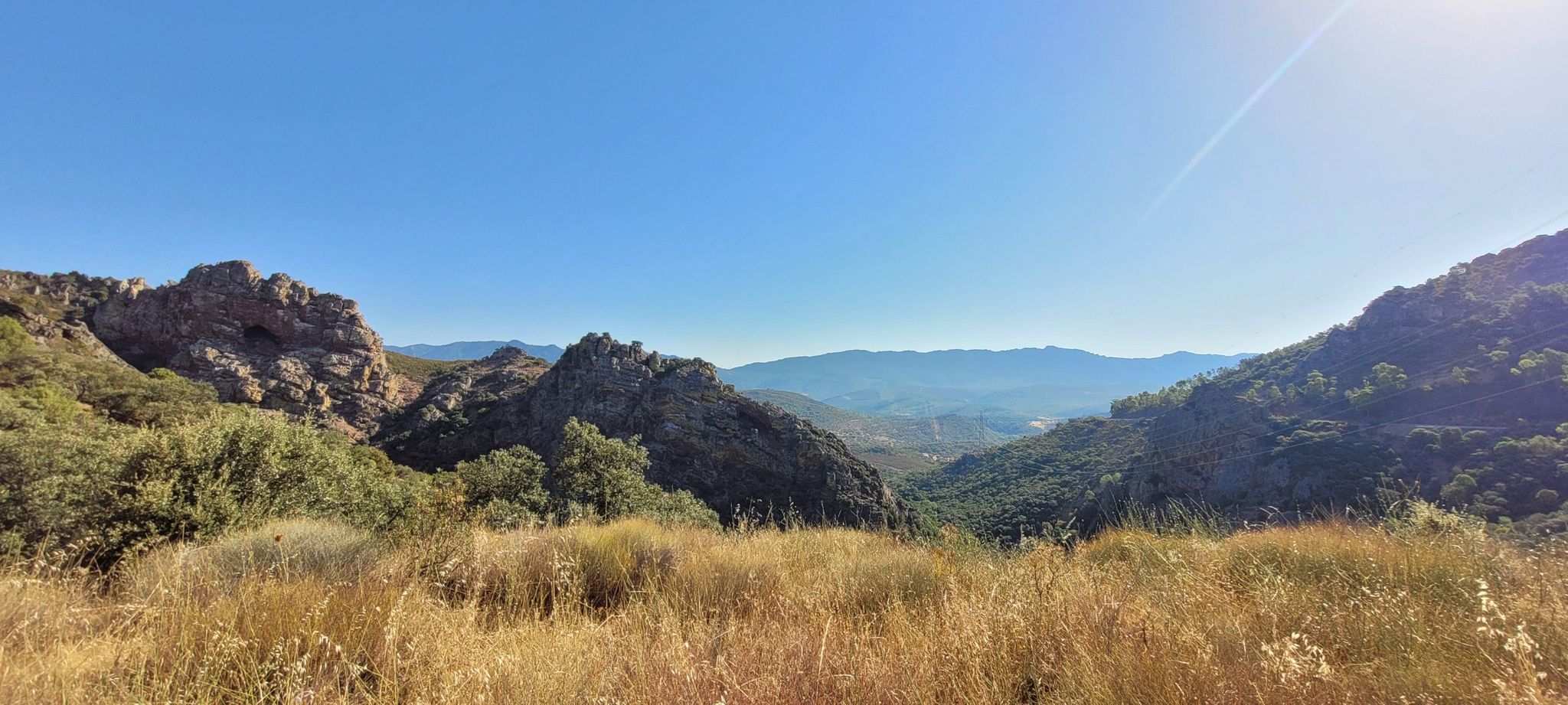
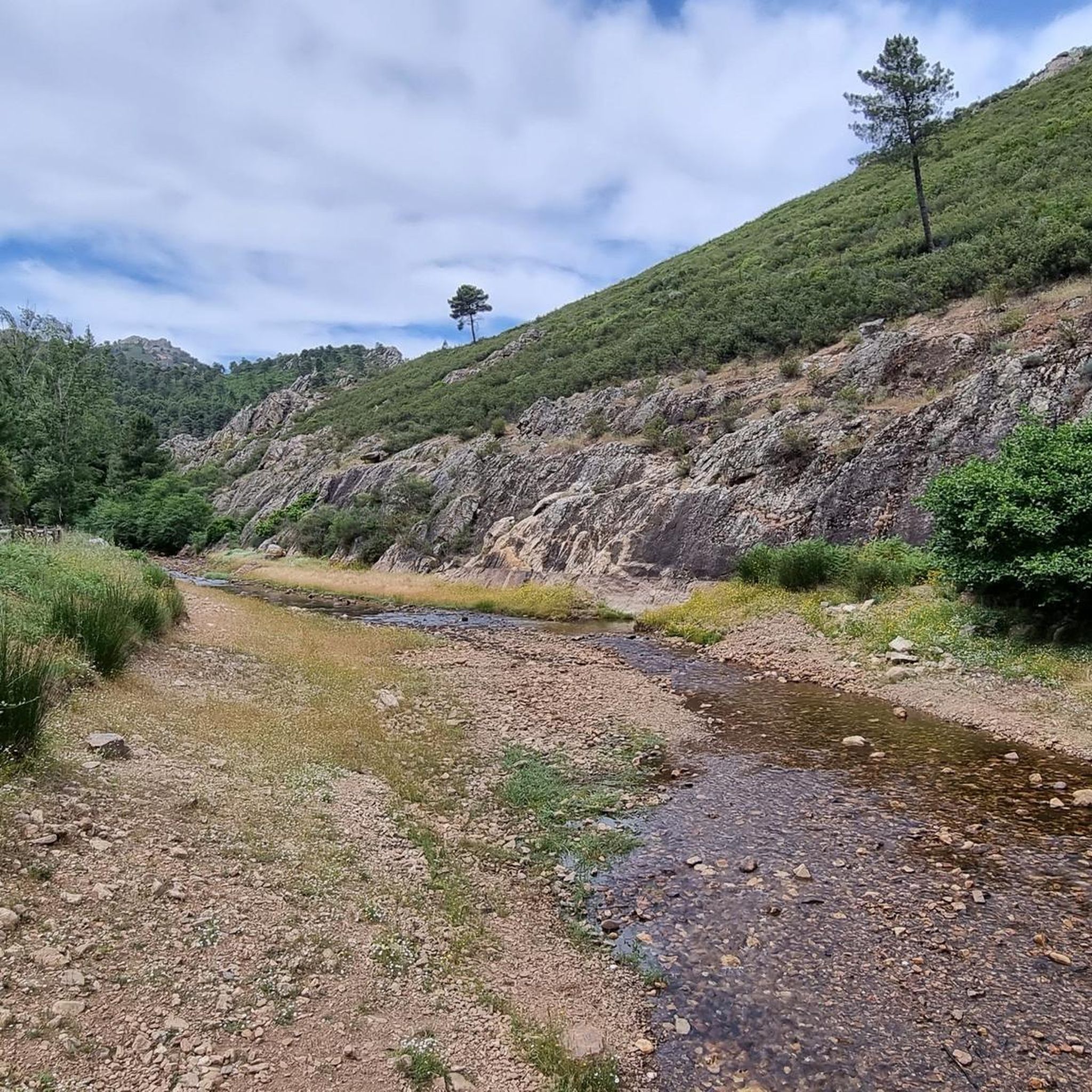
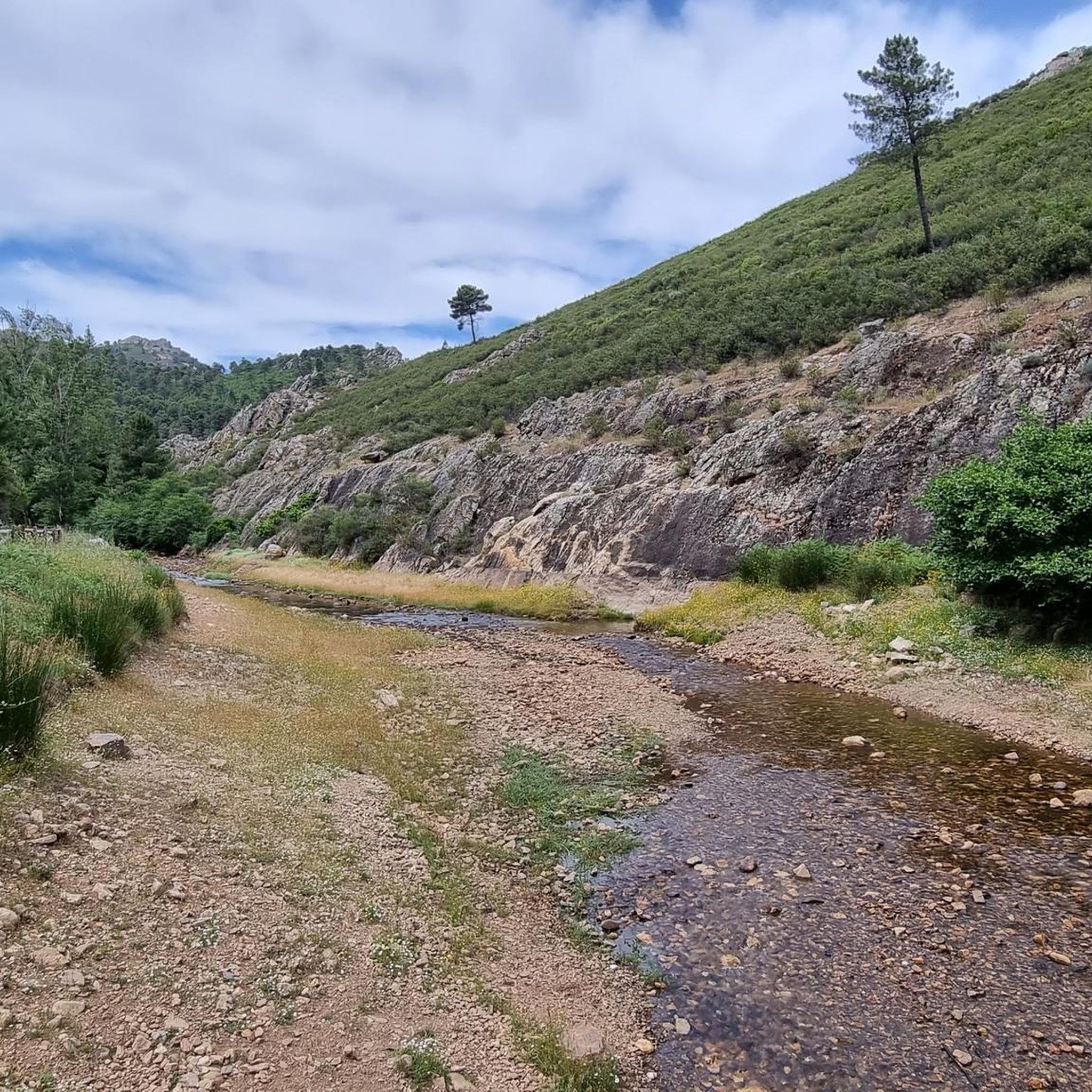
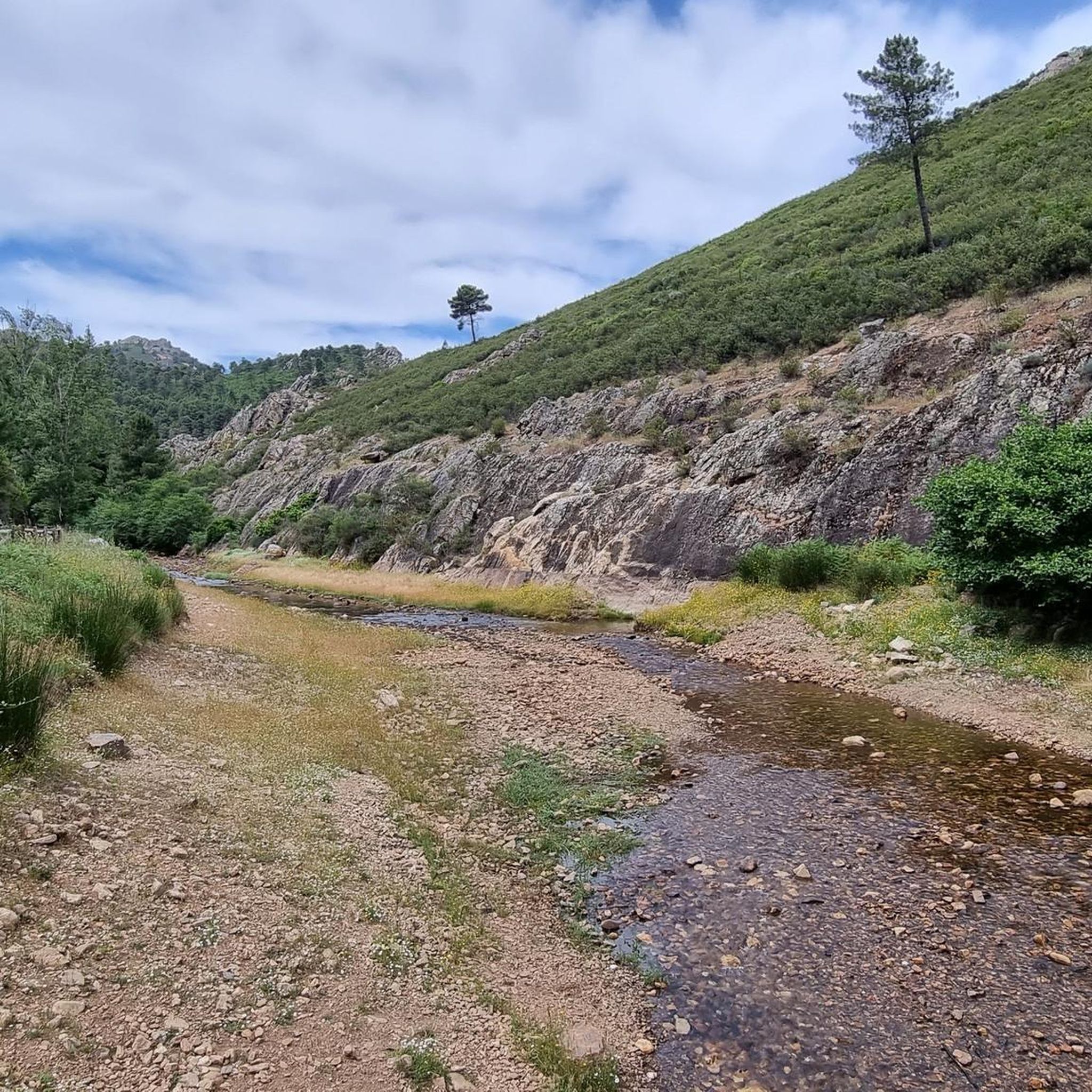
Other adventures around Logrosán

Tips from the Community

The Camino de las Tres Cruces in Navalvillar de Pela is a very attractive hiking route within the La Siberia Extremeña region, ideal for enjoying natural landscapes, panoramic views and local heritage.
2
0

The route enters the Vegas del Jarama Greenway, and the journey takes on a completely new emotional state thanks to the serenity of the environment and the comfort of the road surface. The route of the old mining train runs through the dehesas or rañas of the Ruecas River valley, undisturbed, passing over several viaducts that span the river's meanders. From time to time, the old stations and halts appear, half-ruined and abandoned. The villages are off the track, and to get supplies or water, you have to detour several kilometers. Madrigalejo is the closest and most recommended town; it is three kilometers from the old local station and has shops and all kinds of services. The Greenway gradually enters a new landscape. The meadows of the Vegas Altas fade, and the curious "Appalachian" reliefs of Las Villuercas emerge, shaped by parallel ridges of slate and schist that appear to have been pounded and kneaded by a geological sculptor. Some authors have compared them to the Appalachian Mountains of North America and declared the Villuercas-Ibores-Jara Global Geopark by UNESCO. The Greenway ends at the old Logrosán station, and a new section of the Las Villuercas Nature Trail GR-116 begins, leading to La Puebla de Guadalupe. The pedaling pace slows due to the condition of the road surface, but it remains an impeccable cycle route. From Logrosán onward, the original route of the old railway is no longer maintained; the trail markers appear on rural roads and on some isolated stretches of the old railway used by local farmers. The Camino reaches the hamlet of Cañamero via the Santa Ana chapel and runs through the town center, famous for its Vegas del Guadiana Designation of Origin wines, made from mountain vines grown on rugged slate slopes. The exit from Cañamero is spectacular and somewhat unsettling, following the path of the Ruecas canyon. Pay attention on the descent; there's a short trial. It then continues along farm roads to the climb to the Martín Blasco pass, a good stretch before tackling the final stretch of the day through the solitary mountains of Las Villuercas and ending in Guadalupe, passing once again through the arch of the old mining railway, the last reminder of a project that confounded the era; it was built almost a hundred years before it was used.
0
0

The building next to the ermita is a toilet. It has water and was open when I slept there in May 2025
0
0
Cañamero, in the province of Cáceres, Extremadura, is a charming destination that combines history, culture and nature. You can explore the church of Santo Domingo de Guzmán and the hermitage of Nuestra Señora de Belén, which are examples of local religious architecture.
7
0
Built in 1985, this reservoir has a capacity of 15 cubic hectometres and is known for its recreational activities such as carp, royal carp and black bass fishing. In addition, the reservoir has a beach that has been awarded the Blue Flag in 2023, making it an attractive destination for visitors.
7
0

Population that is located to the north of the Sierra del Pimpollar and to the south of the Sierra de Belén and that is known for being part of the type of pitarra wines, since the vineyards that are in the municipal area are part of the denomination of origin of the Ribera del Guadiana.
2
0
Within a set of mountain ranges such as the Sierra de Belén or Sancho where the Río Ruecas appears and at this point the Cancho del Fresno Reservoir appears.
1
0
Orellana de la Sierra is a town that is located in the middle of the Sierra de Pela, covered by its northern slope but elevated above the rest of the land. It is a good population to see the whole of the Orellana Reservoir.
0
1
Frequently Asked Questions
What are the typical difficulty levels for touring cycling routes around Logrosán?
The touring cycling routes in Logrosán are predominantly challenging. Out of 13 available routes, 10 are rated as 'difficult' and 3 as 'moderate'. The region's landscape, characterized by significant elevation changes and river gorges, contributes to these higher difficulty ratings.
Are there any family-friendly touring cycling routes in Logrosán?
While many routes in Logrosán are challenging, the Cancho del Fresno Reservoir – Cancho del Fresno Reservoir loop from Cañamero is a moderate option. It's 10.7 miles (17.3 km) long and takes about 1 hour 30 minutes, making it more accessible for families or those seeking a less strenuous ride. This route offers scenic reservoir views.
What are the average distances and durations for touring bike routes in this area?
The touring cycling routes around Logrosán vary in length and duration. You'll find routes ranging from approximately 10.7 miles (17.3 km) like the Cancho del Fresno Reservoir loop, up to 40.8 miles (65.7 km) for routes such as the Río Ruecas Gorge – Bridge Over the Almonte River loop. Durations can range from 1 hour 30 minutes to over 4 hours, depending on the route and your pace.
Are there circular touring cycling routes available in Logrosán?
Yes, many of the touring cycling routes in Logrosán are designed as loops. Examples include the Río Ruecas Gorge – Bridge Over the Almonte River loop from Cañamero and the Orellana de la Sierra loop from Navalvillar de Pela. These circular routes allow you to start and finish in the same location without retracing your path.
What are some scenic viewpoints or natural attractions I can expect to see along the routes?
The routes often pass through areas with notable natural features. You can expect to see river gorges, such as the one featured in the Río Ruecas Gorge loop, and reservoirs like the Cancho del Fresno Reservoir. The region's varied terrain provides diverse backdrops for cycling adventures.
What is the best season for touring cycling in Logrosán?
Given the warm climate of Extremadura, the best seasons for touring cycling in Logrosán are typically spring (March to May) and autumn (September to November). During these months, temperatures are milder and more comfortable for longer rides, avoiding the intense heat of summer.
Where can I find parking and trailheads for the cycling routes?
Many touring cycling routes in Logrosán begin and end in or near local towns such as Logrosán or Cañamero. You can generally find parking in these villages, often near central squares or designated public parking areas. Specific trailhead information is usually available on the individual route pages.
What do other touring cyclists enjoy most about cycling in Logrosán?
The touring cycling routes in Logrosán are highly rated by the komoot community, with an average score of 5.0 stars from 2 reviews. Cyclists often praise the challenging terrain, the diverse rural landscapes, and the scenic views of river gorges and reservoirs that define the region.
Are there any less crowded touring cycling routes in the Logrosán area?
While Logrosán's routes are generally not heavily trafficked, for a potentially quieter experience, consider routes that venture further into the rural landscapes away from main towns. The Church of Cañamero – Cañamero loop from Logrosán offers rural landscapes and significant elevation changes, providing a sense of solitude.
What kind of terrain can I expect on touring cycling routes in Logrosán?
The terrain around Logrosán is varied and often challenging. You can expect significant elevation changes, including sustained climbs and descents, as routes traverse river gorges and rural areas. Surfaces typically include paved rural roads, but some sections might involve well-maintained gravel paths, reflecting the agricultural nature of the region.
Are there any historical or cultural points of interest near the cycling routes?
Yes, the region has several points of interest. While cycling, you might pass by the Church of San Pedro Apóstol in Casas de Don Pedro. Additionally, the La Chiquita Cave is another notable attraction in the wider area, offering a glimpse into the region's natural history.
Is public transport a viable option for accessing touring cycling routes in Logrosán?
Public transport options to access specific trailheads in rural Logrosán may be limited. It's advisable to check local bus schedules for services connecting to towns like Logrosán or Cañamero. For ultimate flexibility, arriving by car and parking at a designated trailhead is often the most convenient option.
Most popular attractions around Logrosán

Get inspired with the komoot mobile app


Explore more
Browse the best Cycling routes in other regions.
