The best road cycling routes around Arroyo De La Luz
5.0
(2)
343
riders
8
rides
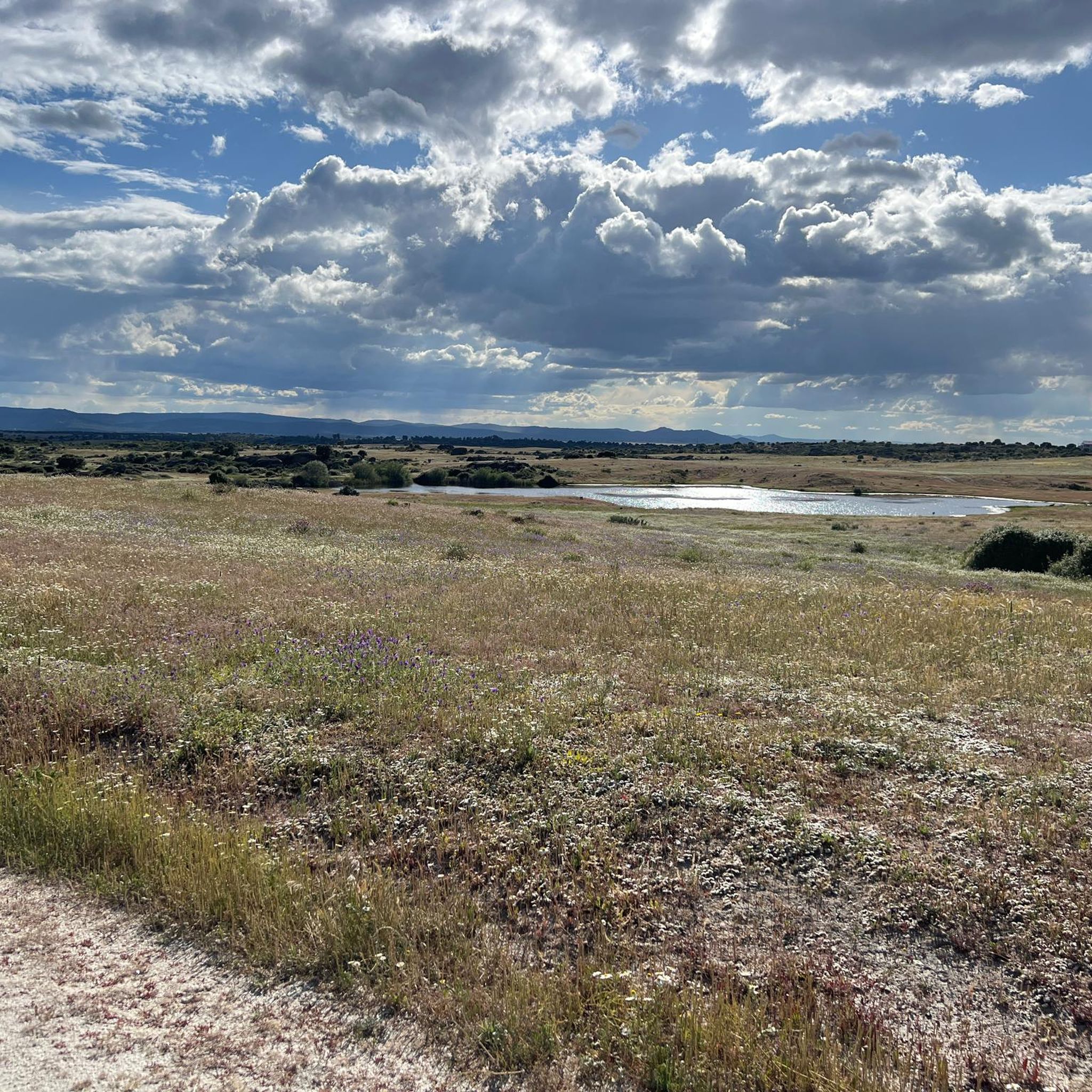
Road cycling routes around Arroyo De La Luz traverse a landscape characterized by open plains, rolling hills, and natural corridors. The region features a mix of agricultural areas and natural spaces, including the Sierra de San Pedro, offering varied terrain for road cyclists. Routes often connect local towns and pass by reservoirs, providing diverse scenery. The area's topography includes moderate ascents and descents, suitable for different levels of road cycling.
Best road cycling routes around Arroyo De La Luz
- The…
Last updated: May 12, 2026
5.0
(1)
94
riders
Moderate road ride. Good fitness required. Mostly well-paved surfaces and easy to ride.
42
riders
91.0km
03:58
700m
700m
Moderate road ride. Good fitness required. Mostly well-paved surfaces and easy to ride.

Sign up for free
4
riders
107km
05:20
1,140m
1,130m
Hard road ride. Very good fitness required. Mostly well-paved surfaces and easy to ride.
5.0
(1)
88
riders
73.0km
03:09
590m
590m
Moderate road ride. Good fitness required. Mostly well-paved surfaces and easy to ride.
39
riders
Moderate road ride. Good fitness required. Mostly well-paved surfaces and easy to ride.
Get access to more routes and recommendations from other explorers.
Sign up for free
Already have an account?
Our route recommendations are based on thousands of hikes, rides, and runs completed by other people on komoot.
Start today with a free account
Your next adventure awaits.
Login or Signup
Tips from the Community

The Church of the Assumption is considered one of the finest examples of late Gothic architecture. For this reason, both the church and its main altarpiece were declared cultural heritage sites in 1981.
7
0
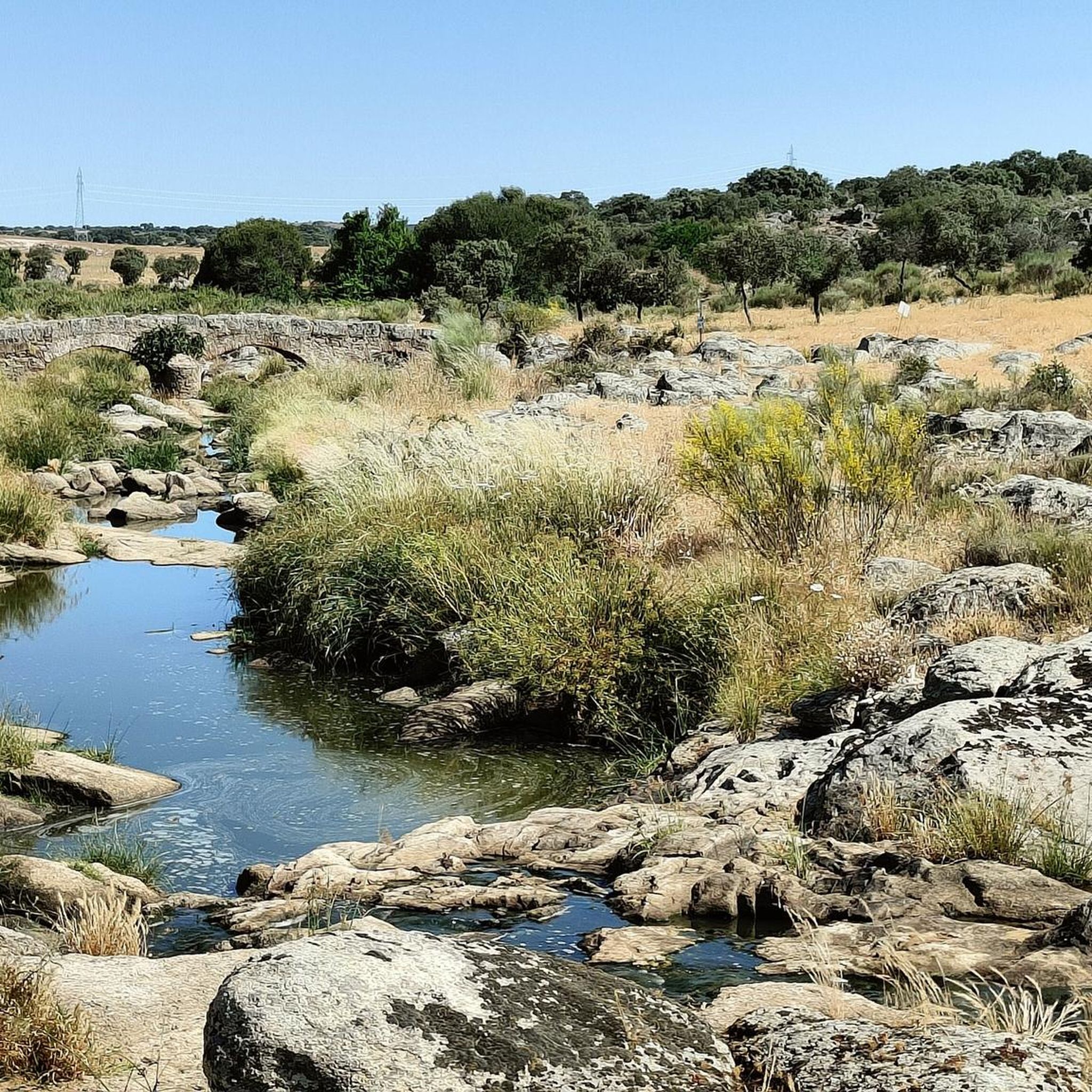
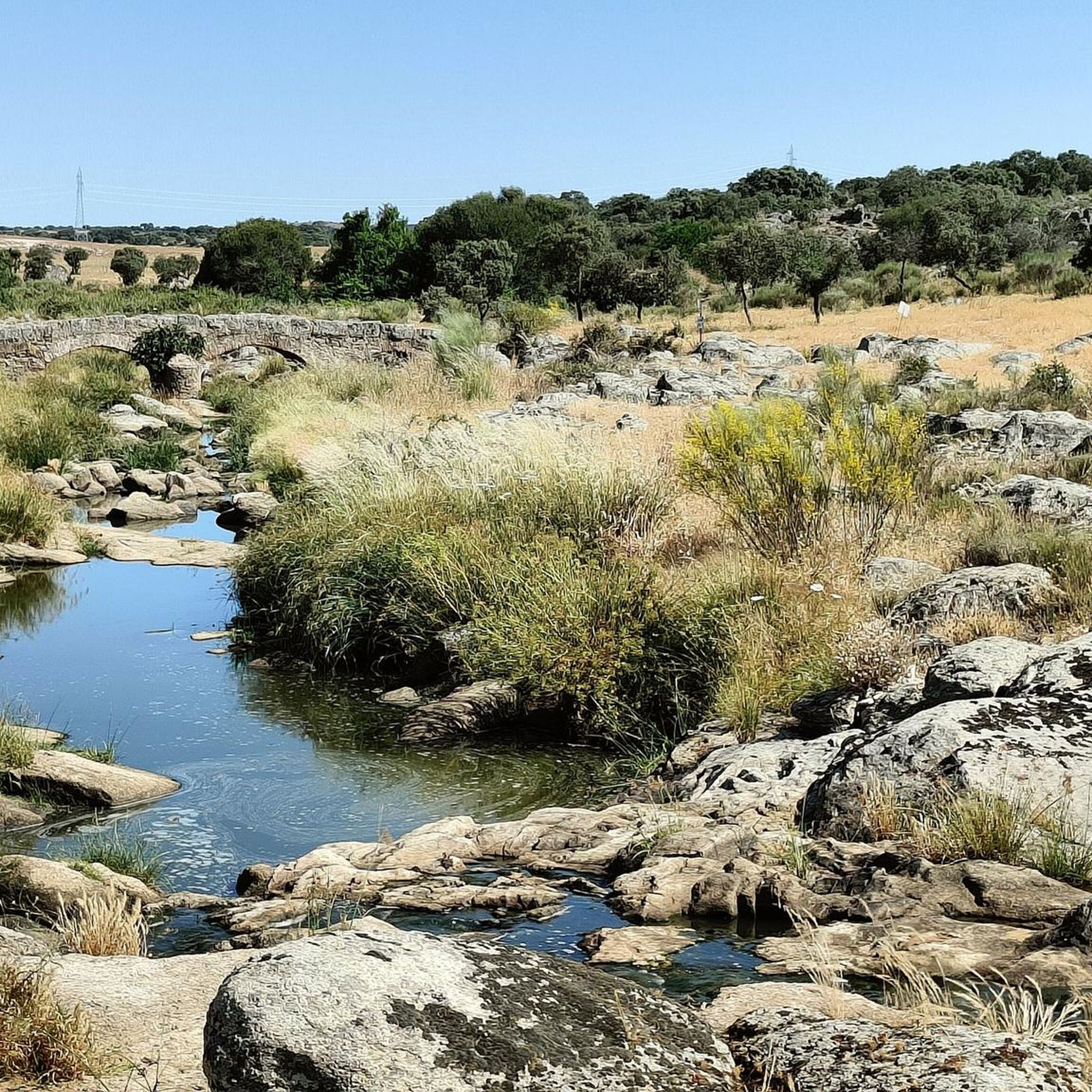
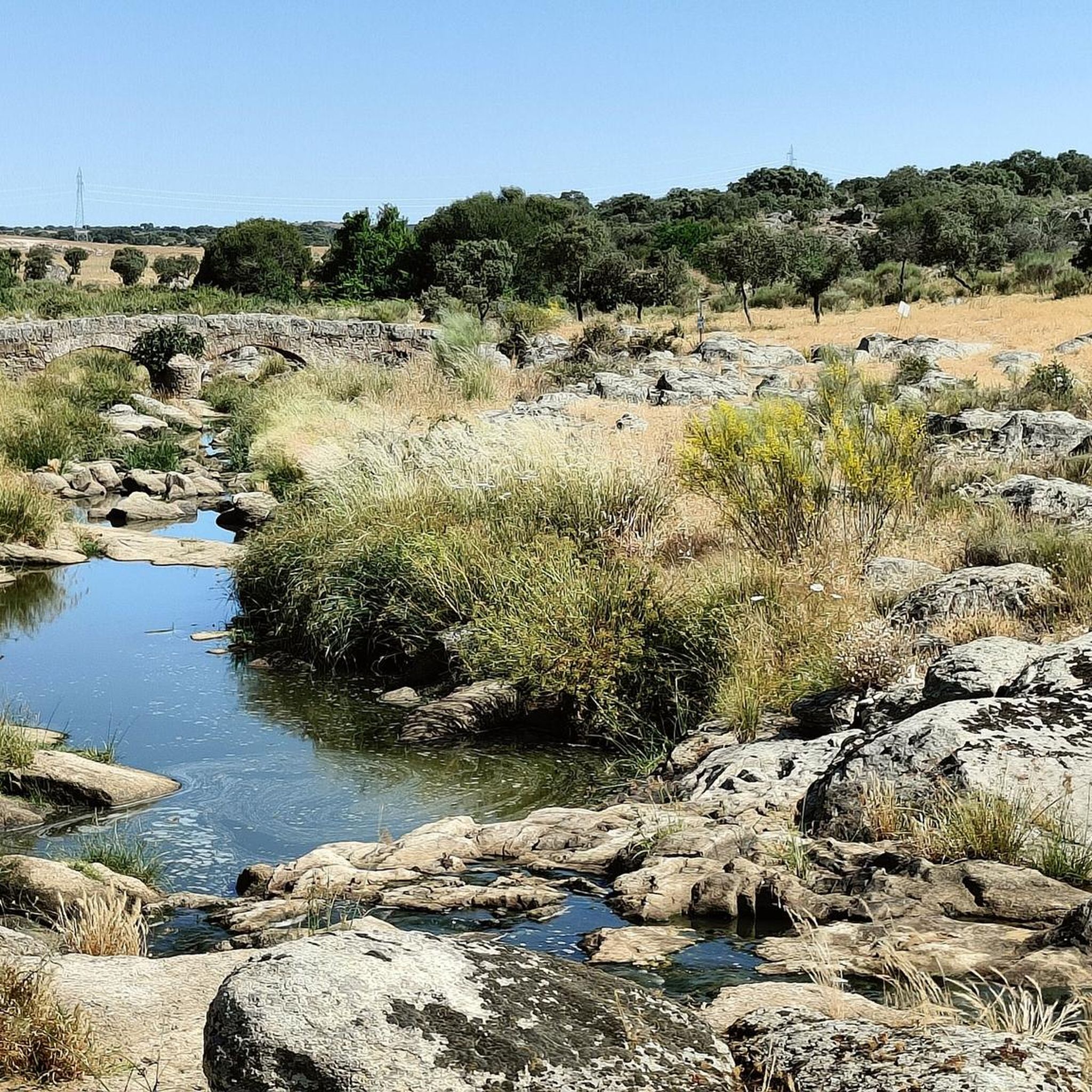
The San Francisco Bridge in Cáceres is a historic structure that has undergone several transformations over the years. Originally built in the 16th century, this medieval bridge is located in the eastern part of the city, on the old road to Trujillo. The bridge was built to level the terrain of a promenade next to the San Francisco convent and was adorned with two rows of black poplars planted in 1752.
17
0
This square is legally protected as an Asset of Cultural Interest (BIC) and is within the catalog of protected assets of the Cáceres city council. Its neo-Mudejar architecture and rich history make it an emblematic place for lovers of bullfighting and culture.
8
0
In 2011, the redevelopment and remodeling works of the Plaza Mayor were completed, led by architects Antonino Antequera, Francisco Pol Méndez and Asunción Rodríguez Montejano. The project included the creation of several spaces, such as the Summer Plaza, a shady place with trees and fountains; the Winter Square, flanked by a fountain wall and a continuous stone bench; the new Music Forum, in the Balbos Forum, next to the Town Hall, for chamber concerts; and a large central free space for events, whose pavement formally recalls the vernacular Cáceres brick vault, and which has water fountains to combat the summer heat. If you visit Cáceres, you cannot miss exploring this emblematic Plaza Mayor and admiring its rich history and architecture.
9
0
It is presided over by the Town Hall built in 1869 by Ignacio María de Michelena. In it you can see such emblematic monuments as the Torre de la Hierba, the Torre de los Púlpitos and especially the Torre de Bujaco next to the Hermitage of Peace.
33
0
The peculiar structure of this bullring testifies to its historical past, which has earned it being declared a Site of Cultural Interest. The Cáceres Bullring, also known as “Coso de la Era de los Mártires”, is one of the oldest in Spain. Its construction began in 1844 and the works were completed two years later. The first bullfight was held on August 6, 1846, with bulls led by D. Gaspar Muñoz. The square is built with granite and masonry walls, it has a capacity of 8,000 spectators spread over three floors. In addition to bullfighting celebrations, it is also used for other types of events such as music concerts.
16
0
The peculiar structure of this bullring testifies to its historical past, which has earned it being declared a Site of Cultural Interest. The Cáceres Bullring, also known as “Coso de la Era de los Mártires”, is one of the oldest in Spain. Its construction began in 1844 and the works were completed two years later. The first bullfight was held on August 6, 1846, with bulls led by D. Gaspar Muñoz. The square is built with granite and masonry walls, it has a capacity of 8,000 spectators spread over three floors. In addition to bullfighting celebrations, it is also used for other types of events such as music concerts.
14
0

In this roundabout is the San Francisco Bridge, which dates back to the end of the 18th century, although it underwent reconstruction in 1974 and an eye was also added, since it originally only had one. The area was used by the local population for a long time as a washing place.
0
1
Frequently Asked Questions
How many road cycling routes are available in Arroyo De La Luz?
There are over 8 road cycling routes around Arroyo De La Luz, offering a variety of distances and difficulty levels to explore the region's open plains, rolling hills, and natural corridors.
Are there easy road cycling routes suitable for beginners in Arroyo De La Luz?
Yes, Arroyo De La Luz offers 3 easy road cycling routes. These routes typically feature gentler terrain, making them ideal for beginners or those looking for a more relaxed ride. You can find options that traverse agricultural areas and connect local towns without significant elevation changes.
What are some challenging road cycling routes in the area?
For a more challenging experience, consider the Sierra de San Pedro Circuit. This route is 66.8 miles (107.4 km) long and features significant elevation changes, leading through the Sierra de San Pedro and offering a demanding ride for experienced cyclists.
Are there long-distance road cycling routes in Arroyo De La Luz?
Absolutely. Many routes in the region are designed for longer distances. For example, the Garrovillas de Alconétar from Navas del Madroño – circular by Cáseres and Arroyo de la Luz route covers 59.6 miles (95.9 km), and the Cáceres-Badajoz Corridor Natural Trail Loop is 56.6 miles (91.1 km), both offering extensive journeys through varied landscapes.
When is the best time of year for road cycling in Arroyo De La Luz?
The best time for road cycling in Arroyo De La Luz is typically during the spring (March to May) and autumn (September to November). During these seasons, temperatures are milder and more comfortable for cycling, avoiding the intense heat of summer and the cooler, potentially wetter days of winter.
What scenic viewpoints or natural attractions can I see along the routes?
Many routes pass through or near notable natural attractions. You might encounter areas like the Sierra de San Pedro, or reservoirs such as Lower Barrueco Pond and Aceitunilla Pond. The Los Barruecos Natural Monument is also a significant landmark in the vicinity, known for its unique rock formations.
Are there any historical or cultural landmarks to explore near the cycling routes?
Yes, the region offers historical points of interest. For instance, the Anthropomorphic Tomb is a nearby historical site that cyclists might find interesting. Routes often connect local towns, providing opportunities to experience the local culture and architecture.
Are there circular road cycling routes available in Arroyo De La Luz?
Yes, many of the road cycling routes in Arroyo De La Luz are circular, allowing you to start and end your ride in the same location. Examples include the Garrovillas de Alconétar from Navas del Madroño – circular by Cáseres and Arroyo de la Luz and the Cáceres-Badajoz Corridor Natural Trail Loop.
What do other road cyclists enjoy most about road cycling in Arroyo De La Luz?
The road cycling experience in Arroyo De La Luz is highly rated by the komoot community, with an average score of 5.0 stars. Cyclists often praise the varied terrain, which includes open plains, natural corridors, and the hills of the Sierra de San Pedro, offering diverse scenery and challenges.
Are there opportunities for cafe stops or refreshments along the routes?
As routes often connect local towns and villages, you will find opportunities for cafe stops and refreshments. Planning your route to pass through these settlements will ensure you have places to rest and refuel during your ride.
Is parking available near the road cycling routes?
Parking is generally available in the towns and villages that serve as starting points for many of the routes, including Arroyo De La Luz itself. It's advisable to check specific parking options for your chosen starting location.
Can I rent a road bike in Arroyo De La Luz?
While specific rental shops in Arroyo De La Luz are not detailed in the route information, larger nearby towns like Cáceres typically offer bike rental services. It's recommended to check with local tourism offices or sports shops in advance for availability.
Most popular attractions around Arroyo De La Luz

Get inspired with the komoot mobile app


Explore more
Browse the best Road cycling routes in other regions.
