The best walks and hikes around Salvatierra De Santiago
4.6
(131)
438
hikers
31
hikes
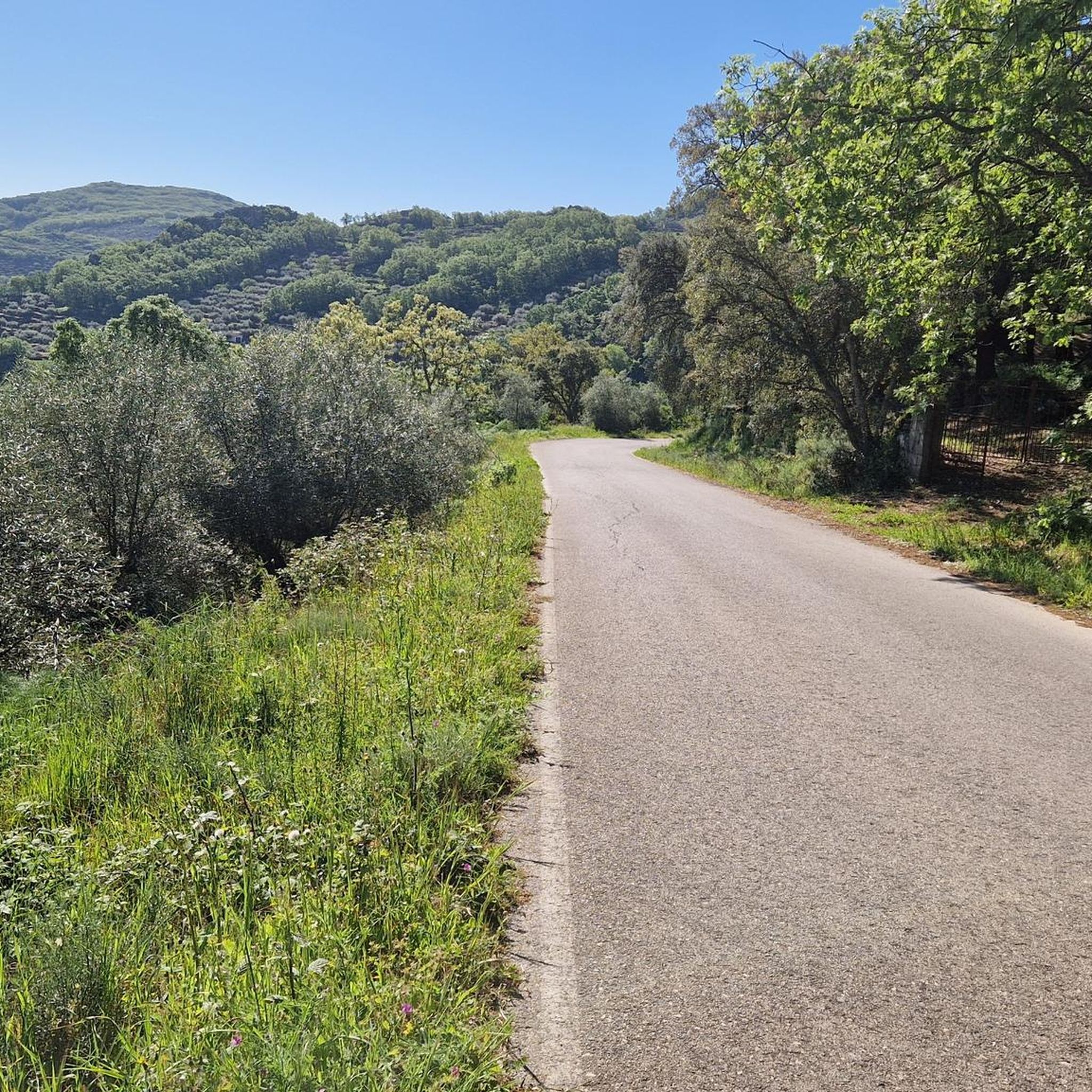
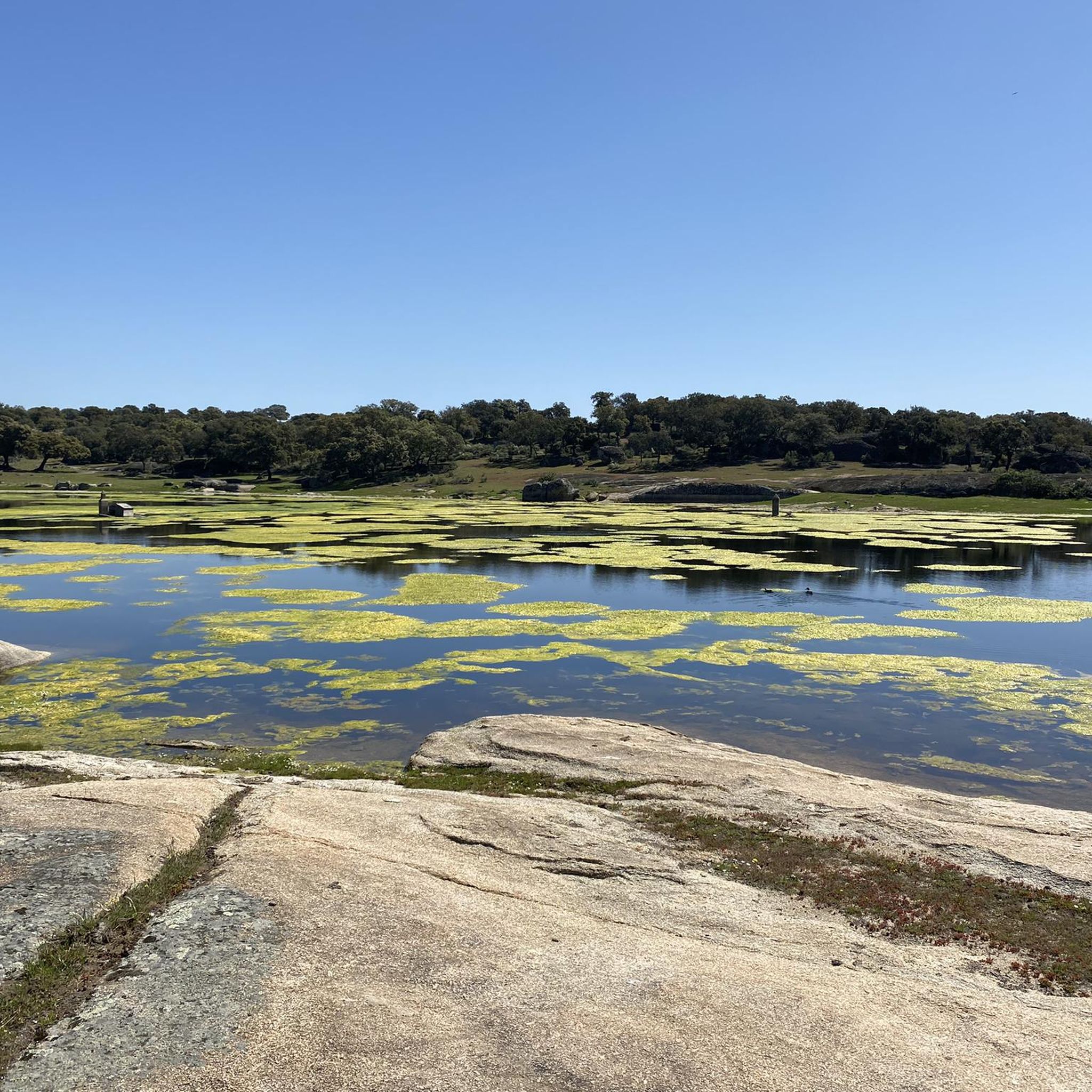
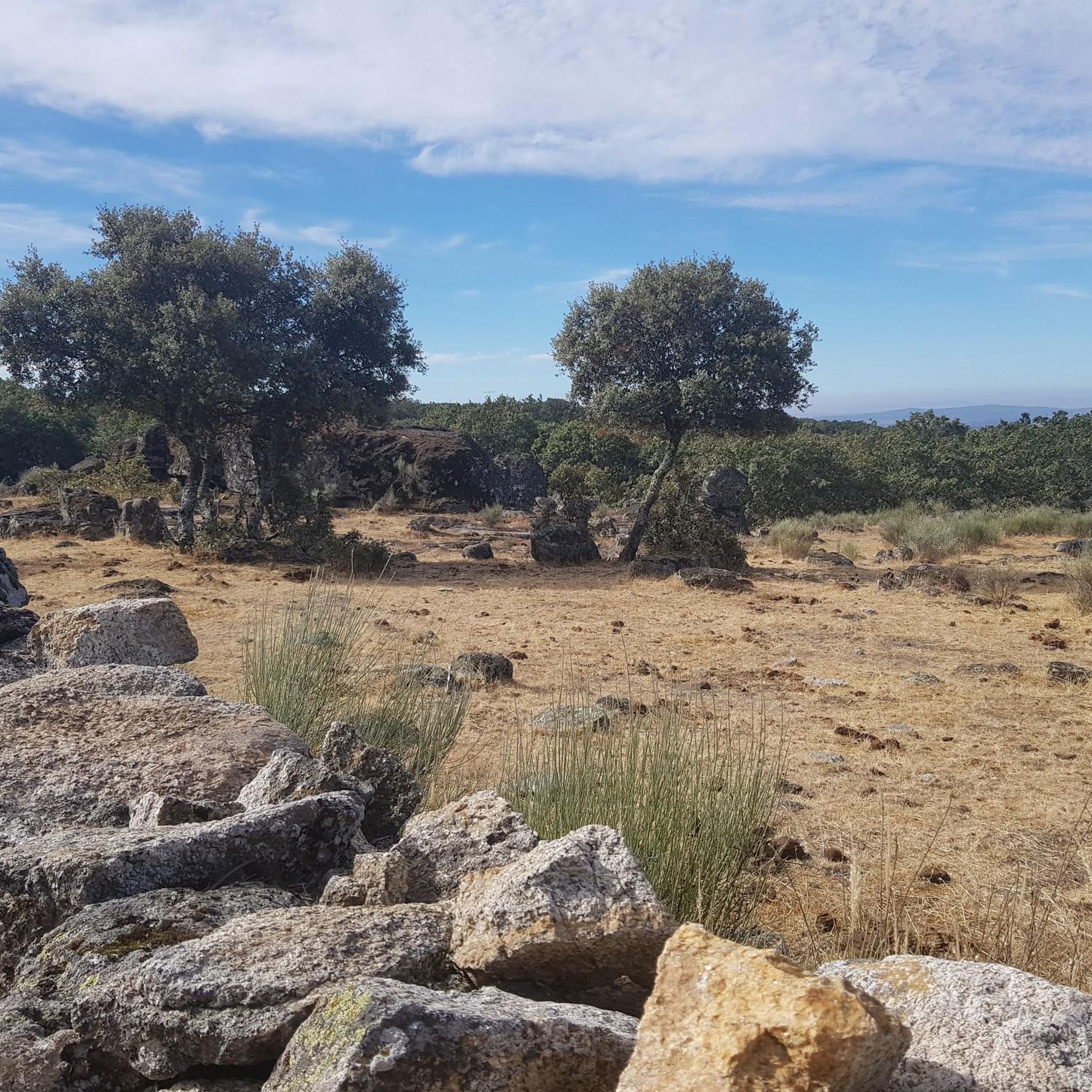
Hiking around Salvatierra De Santiago, located in the Spanish province of Cáceres, offers diverse landscapes within the Sierra de Montánchez y Tamuja. The region features varied terrain, including granite rock formations and cork oaks, characteristic of the wider Extremadura region. Its topography includes gentle undulations and some moderate ascents, suitable for a range of hiking experiences. Historical elements, such as ancient mills and Visigothic anthropomorphic tombs, are integrated into the natural environment.
Best hiking trails around Salvatierra De Santiago
- The…
Last updated: May 11, 2026
4.6
(23)
58
hikers
9.19km
02:42
260m
250m
Moderate hike. Good fitness required. Easily-accessible paths. Suitable for all skill levels.
4.6
(20)
54
hikers
9.28km
02:42
250m
250m
Moderate hike. Good fitness required. Easily-accessible paths. Suitable for all skill levels.

Sign up for free
4.6
(11)
24
hikers
3.40km
00:57
70m
70m
Easy hike. Great for any fitness level. Easily-accessible paths. Suitable for all skill levels.
4.8
(5)
14
hikers
10.3km
03:07
330m
330m
Moderate hike. Good fitness required. Easily-accessible paths. Suitable for all skill levels.
5.0
(3)
12
hikers
7.81km
02:13
170m
170m
Moderate hike. Good fitness required. Easily-accessible paths. Suitable for all skill levels.
Get access to more routes and recommendations from other explorers.
Sign up for free
Already have an account?
Our route recommendations are based on thousands of hikes, rides, and runs completed by other people on komoot.
Start today with a free account
Your next adventure awaits.
Login or Signup
Popular around Salvatierra De Santiago
Tips from the Community

In Las Atalayas, a neighborhood road that leads to Ibahernado, there are spectacular views that allow us to see and enjoy our town and its beautiful mountains.
11
0

One of the jewels of Cáceres, the historic center of Montánchez is a must-see. Located on a fortified hill that dominates the slopes of the Tagus and the Guadiana dominated by the magnificent walled castle. Walking up towards the castle, you will be greeted by traditional narrow streets and medieval squares.
0
1
One of the jewels of Cáseres, the historic center of Montánchez is a must-see. Located on a fortified hill that dominates the slopes of the Tagus and the Guadiana dominated by the magnificent walled castle. Walking up towards the castle, you will be greeted by traditional narrow streets and medieval squares.
1
1
Montánchez is a charming historic town in the Sierra de Montánchez region. A strategic medieval city that was disputed many times. Stop and admire its beauty at Plaza de España for a drink and a bite to eat.
1
0
The Castillo de Montánchez was a defensive castle that protected the trade routes of the Sierra de Montánchez. Spectacular views from the top of the old town and the beautiful scenery beyond. The castle was the center of many battles and passed from Christian to Arab hands on several occasions. Both leaving their architectural signature in the impressive historical monument.
1
0

Not only is its shape curious, but the name by which it is known is even more striking. It is a very picturesque place with very beautiful panoramic views of the entire Montánchez valley.
4
0
Ruins of an old settlement where the water source is still located (when in doubt, do not drink it without first filtering it)
4
0

Not known if this water is drinkable
2
2
Frequently Asked Questions
How many hiking trails are available around Salvatierra De Santiago?
There are over 30 hiking routes in the Salvatierra De Santiago area. These include a mix of easy, moderate, and a few more challenging options, catering to various experience levels.
What kind of terrain can I expect on hikes in Salvatierra De Santiago?
The terrain around Salvatierra De Santiago, part of the Comarca de Montánchez y Tamuja, features varied landscapes. You'll find areas with granite rock formations, cork oak groves, and gentle undulations, with some moderate ascents. The region offers a blend of natural beauty and historical elements.
Are there any easy, family-friendly hikes in the area?
Yes, there are several easy routes suitable for families. For instance, the La Taberna – Montánchez Castle loop from Montánchez is an easy 4 km trail that takes about an hour and leads through historical areas with views of Montánchez Castle.
Can I bring my dog on the hiking trails?
While specific dog-friendly regulations can vary by trail, generally, many natural trails in the region are suitable for dogs, especially if kept on a leash. It's always recommended to check local signage and be mindful of wildlife and other hikers. The varied terrain and open spaces make it a good area for walks with pets.
What historical landmarks or natural features can I see while hiking?
The area is rich in both historical and natural points of interest. You can explore the impressive Montánchez Castle, discover the ancient Ruta de los Molinos (PR-CC 27) with its old mill ruins, or visit unique geological formations like The Rock That Moves. Within Salvatierra de Santiago itself, you can find Visigothic anthropomorphic tombs.
Are there any circular walks available?
Yes, many of the routes in the area are designed as loops. For example, the Turtle Rock – View of Castello loop from Montánchez is a popular circular route offering views of historical landmarks. Another option is the Turtle Rock – Tower loop from Torre de Santa María.
What is the best time of year to go hiking in Salvatierra De Santiago?
The spring and autumn months are generally ideal for hiking in Extremadura, including Salvatierra De Santiago. Temperatures are milder, and the landscape is often lush. Summers can be very hot, making early morning or late afternoon hikes preferable, while winters are typically mild but can be damp.
Where can I find parking for hiking trails?
Parking is generally available in or near the villages that serve as starting points for many trails, such as Montánchez or Torre de Santa María. Specific parking information for individual trailheads can often be found on komoot route pages or local tourism resources.
What do other hikers say about the trails in Salvatierra De Santiago?
The trails around Salvatierra De Santiago are highly regarded by the komoot community, with an average rating of 4.7 stars from over 100 reviews. Hikers often praise the varied landscapes, the integration of historical sites, and the well-maintained paths that offer a range of experiences.
Are there any challenging hikes for experienced hikers?
While most routes are easy to moderate, there is at least one route classified as difficult, offering a greater challenge for experienced hikers. The varied terrain, including some moderate ascents, means even moderate routes can provide a good workout.
Are there any natural springs or water features along the trails?
Yes, the region has natural water features. For example, the Canaleja de la Torre Spring and Ruins is a historical site that includes a spring, offering a point of interest and a potential water source (though always confirm potability before drinking).
What kind of wildlife might I spot while hiking?
The area's diverse environment, including cork oak groves and rocky formations, supports various wildlife. You might spot birds of prey, various smaller bird species, and other typical Mediterranean fauna. Areas like Los Barruecos, though not directly adjacent, illustrate the rich birdlife found in the wider Extremadura region.
Most popular routes around Salvatierra De Santiago
Most popular attractions around Salvatierra De Santiago

Get inspired with the komoot mobile app


Explore more
Browse the best Hikes in other regions.
