Attractions and Places To See around Ribadesella - Top 20
Best attractions and places to see around Ribadesella include a coastal town in Asturias, Spain, known for its location between the Cantabrian Sea and the Picos de Europa mountains. The region features a rich blend of history, culture, and natural beauty, centered around the Sella River estuary. Visitors can explore prehistoric caves, extensive beaches, and historic architecture.
Best attractions and places to see around Ribadesella
- The most popular attractions is Ribadesella, a settlement known for its historical significance and as a hub for adventure sports. It is the destination for the annual Sella River canoe descent and is near the Tito Bustillo Cave, a site of important cave paintings.
- Another must-see spot is Mirador del Fito, a viewpoint located on a famous hill in the Sueve mountain range. From this location, visitors can observe the Asturian landscape, including the sea, mountains, and valleys.
- Visitors also love Hermitage of Our Lady of Guía, Ribadesella, a religious building offering panoramic views of Ribadesella, the Sella estuary, and the sea. It is a symbol of the town and dedicated to the patron saint of sailors.
- Ribadesella is known for its historical sites, natural features, and viewpoints. The area offers a variety of attractions to see and explore, from ancient caves to coastal promenades and mountain vistas.
- The attractions around Ribadesella are appreciated by the komoot community, with 176 upvotes and 64 photos shared.
Last updated: September 26, 2026
Ribadesella
Highlight • Settlement
The town has a history dating back thousands of years. Although it was officially founded by Alfonso X the Wise in the 13th century, the nearby Tito Bustillo Cave is one of the most important cave paintings. Furthermore, the port has been a shipyard, and whaling ships have operated in its waters.
Translated by Google •
Tip by

Mirador del Fito
Highlight • Viewpoint
Showing Translation
Tip by

Sign up now to discover places like this
Get recommendations on the best single tracks, peaks, & plenty of other exciting outdoor places.
Hermitage of Our Lady of Guía, Ribadesella
Highlight • Religious Site
Translated by Google •
Tip by

View of Lastres from the San Roque viewpoint.
Highlight • Viewpoint
Translated by Google •
Tip by

Views of the Roman bridge
Highlight • Bridge
Translated by Google •
Tip by

Sign up for free to discover even more attractions around Ribadesella.
Already have an account?
Start today with a free account
Your next adventure awaits.
Popular around Ribadesella
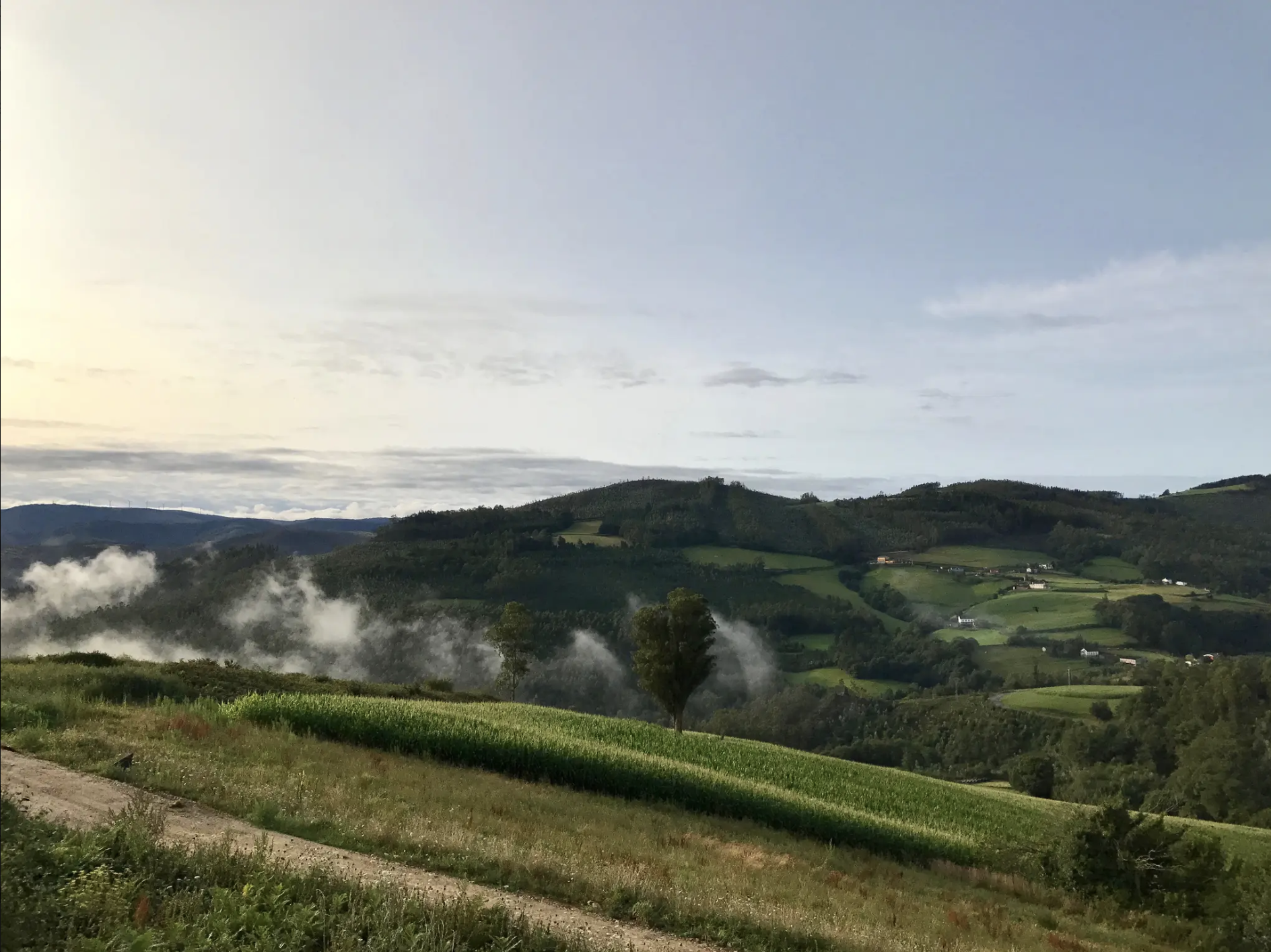
Camino del Norte (in reverse) – Discovering northern Spain's stunning coastline
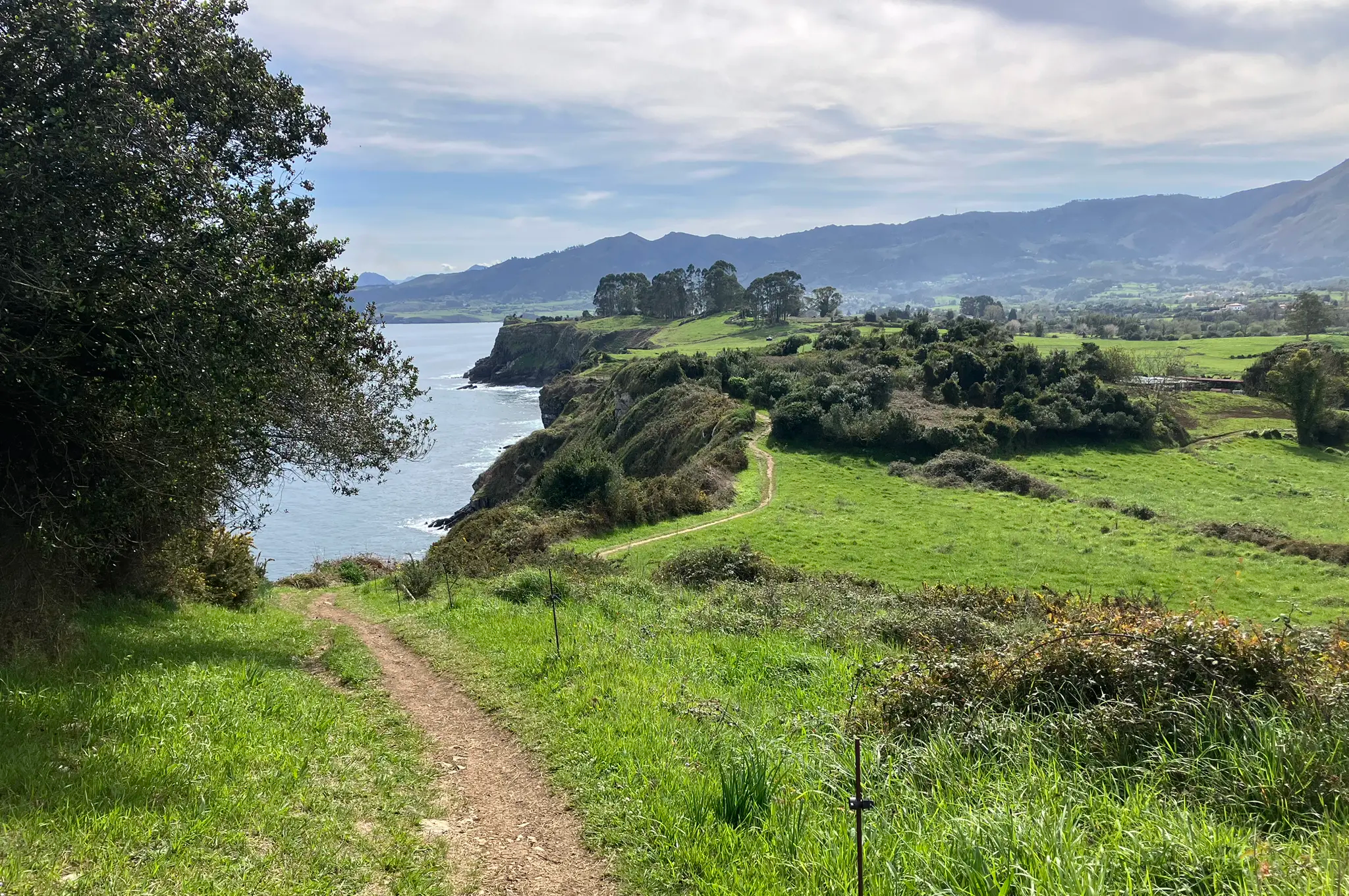
Green, Blue and Gold - Coastal Path through Asturias (GR 204)
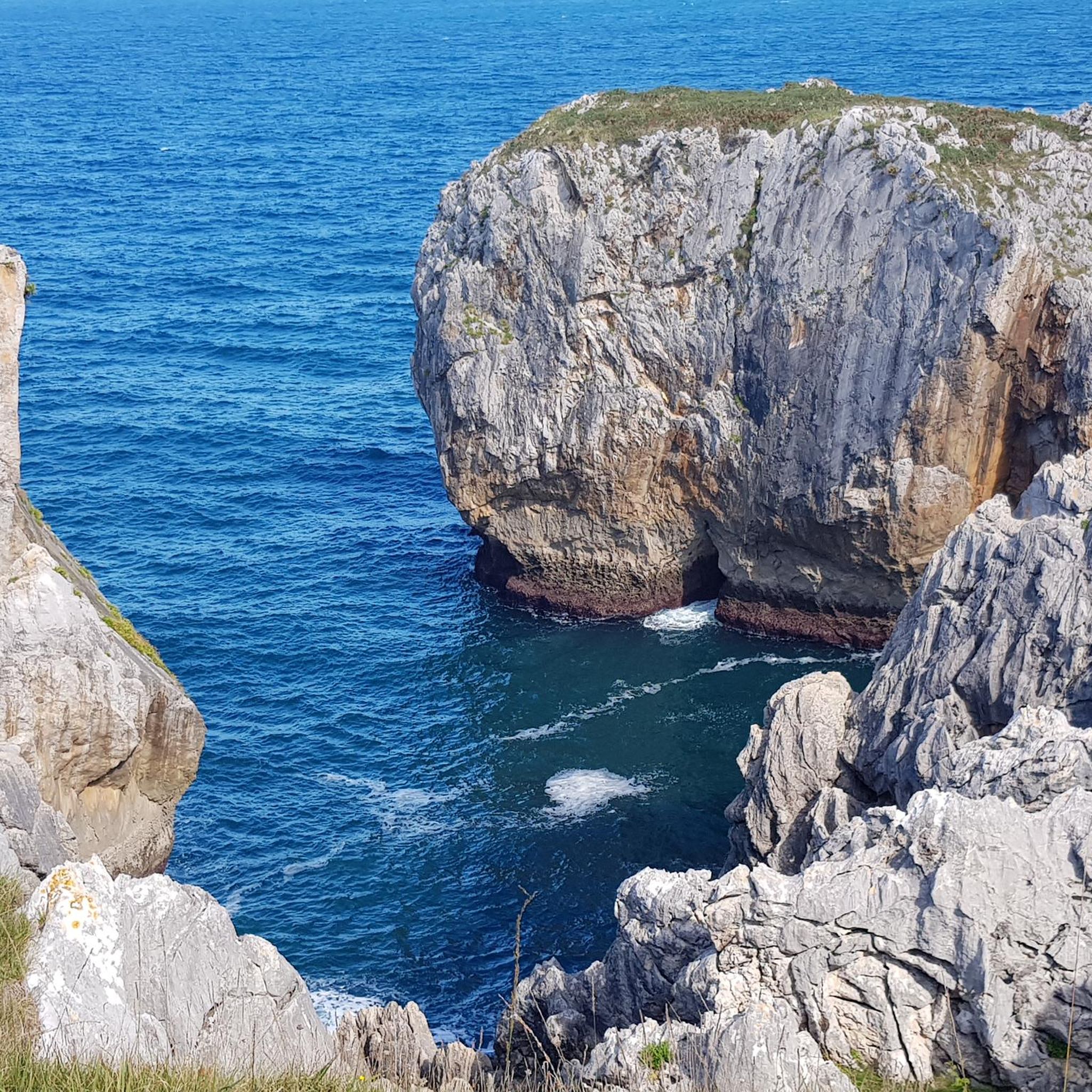
Hiking around Ribadesella
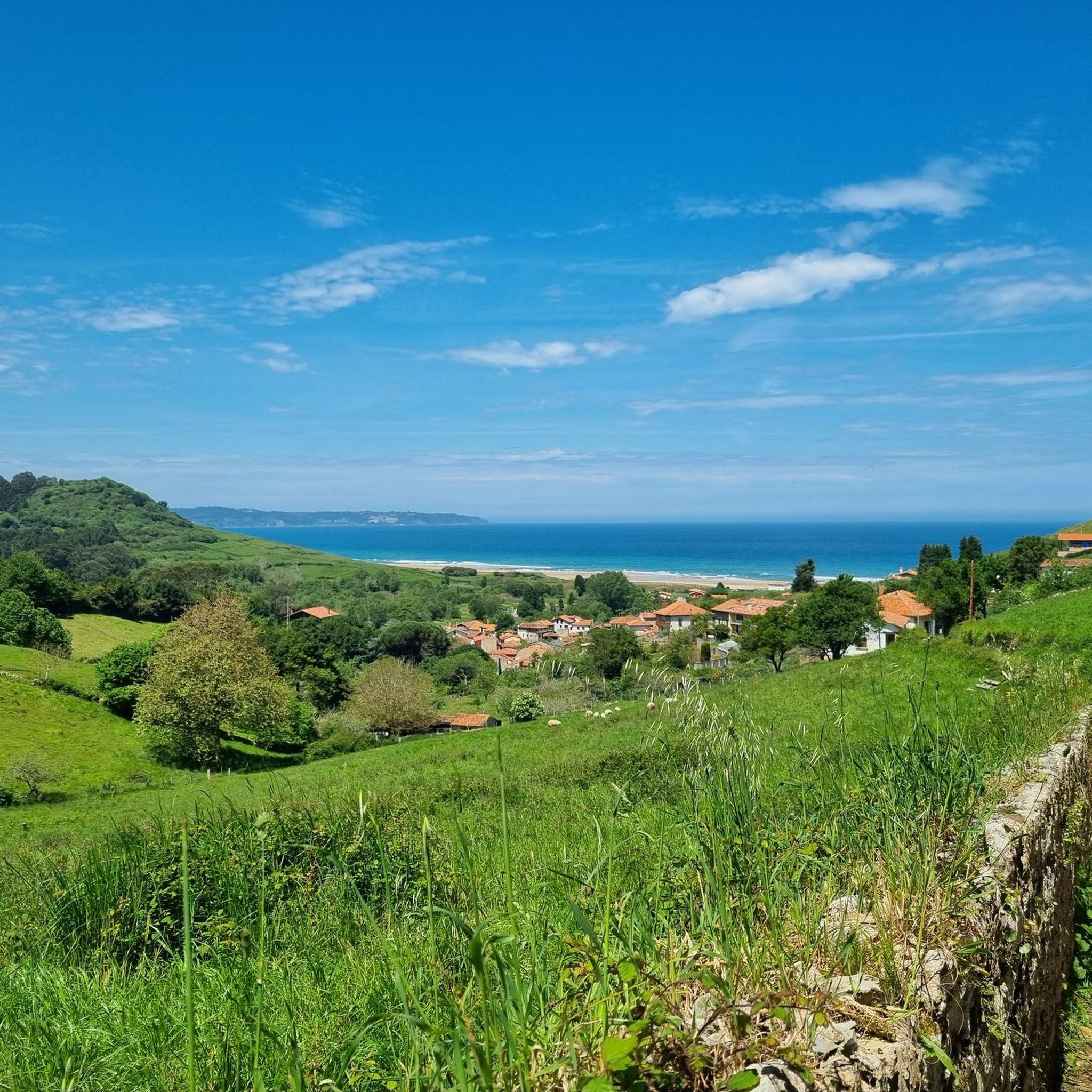
MTB Trails around Ribadesella
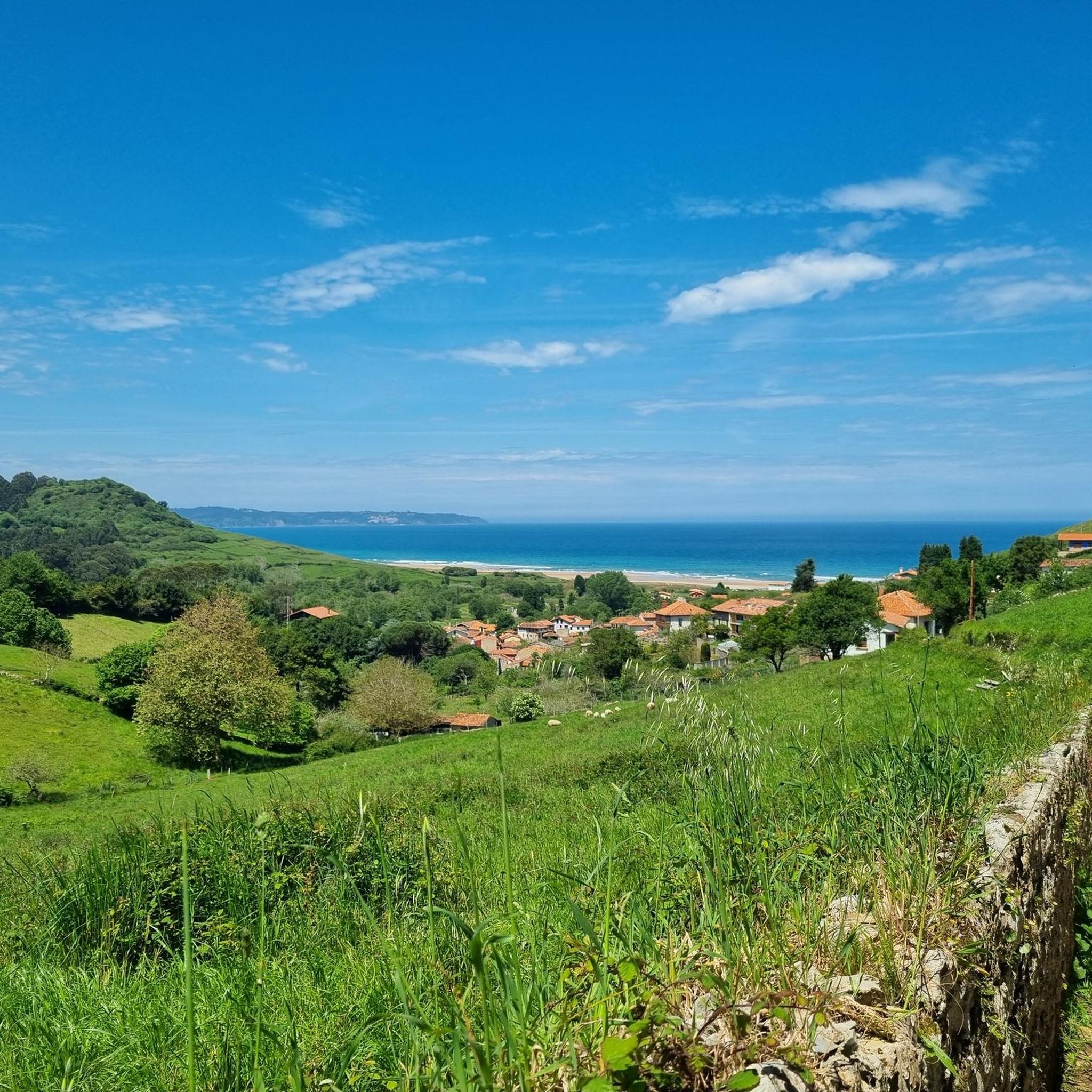
Road Cycling Routes around Ribadesella
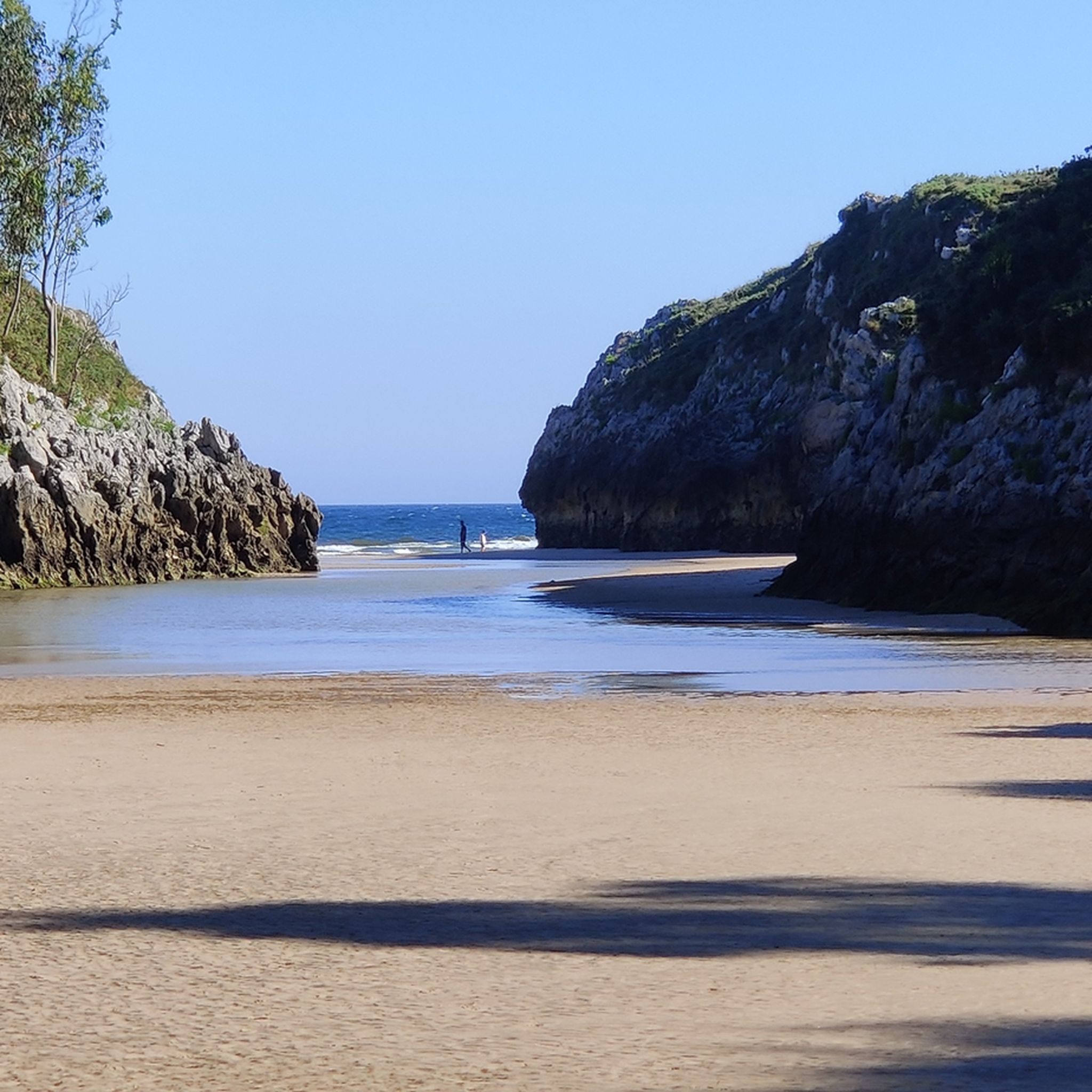
Cycling around Ribadesella
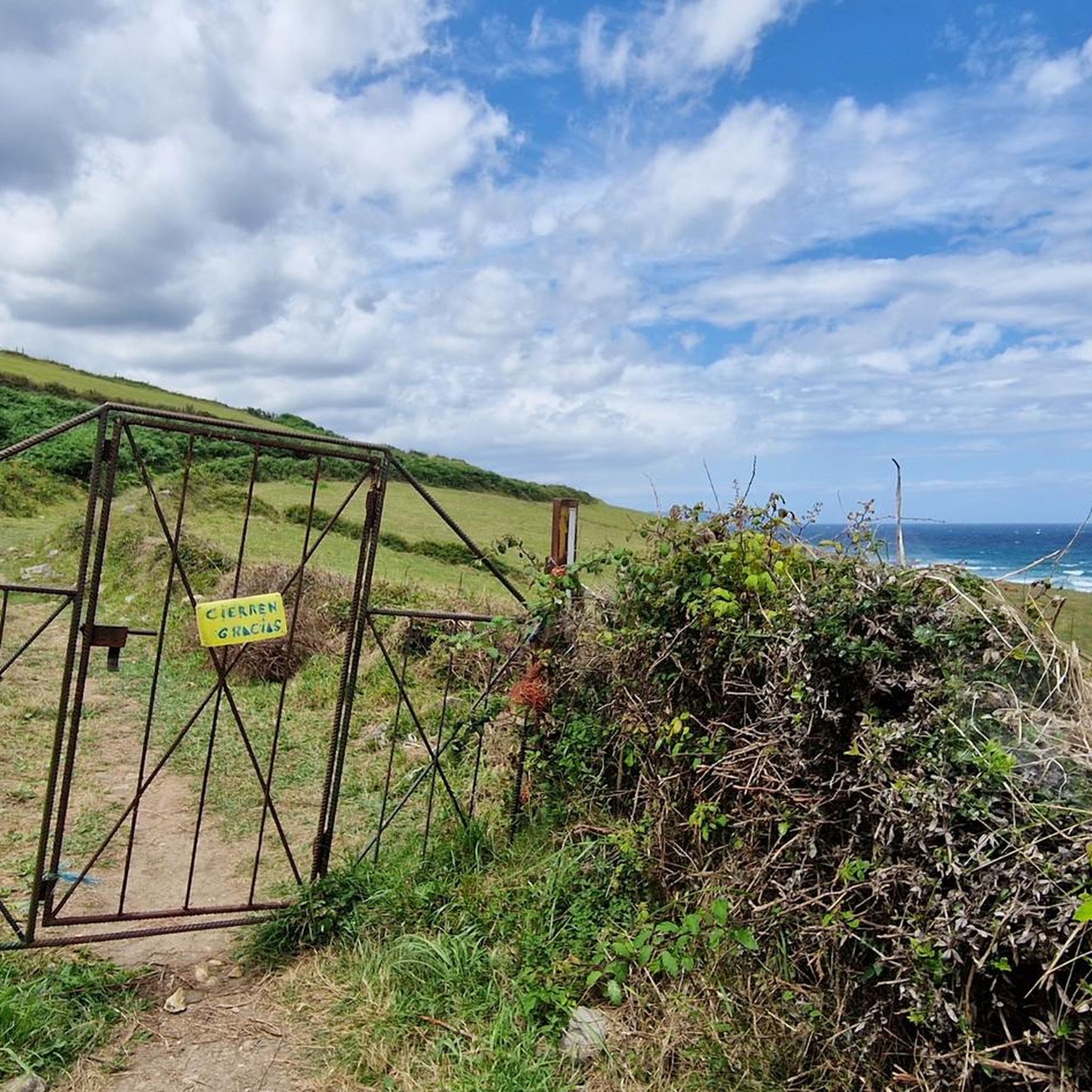
Running Trails around Ribadesella

Gravel biking around Ribadesella


Tips from the Community

Ideal for a cycling holiday, with great and famous peaks nearby like the Lagos de Covadonga. Essentially sea and mountain within a distance of less than 5 km and a lot of atmosphere.
0
0

The bridge is known as the Roman Bridge of Cangas de Onís and also bears the nicknames „Puente Vieyu“ or „Puentón“. It is a very beautiful sight of the Principality of Asturias.
0
0

Ribadesella is one of Asturias's hot spots for adventure sports, especially because the bridge that crosses its estuary is the destination for the famous canoe descent of the Sella River. The town has a history dating back thousands of years. Although it was officially founded by Alfonso X the Wise in the 13th century, the nearby Tito Bustillo Cave is one of the most important cave paintings. Furthermore, the port has been a shipyard, and whaling ships have operated in its waters.
1
0

mythical place watch out for a lot of traffic in summer
0
0

If it is clear, impressive views of the Picos de Europa and the Cantabrian Sea.
1
0

The fishing village of Llastres dates mainly from the 16th to 18th centuries and is a popular excursion destination. The historic town center has been placed under monument protection. The old houses nestle tightly on the slope that leads down to the harbor. If you come by car, you should look for a parking space in the upper part of town. Then the path goes down without much effort, with the small harbor almost always in view. Above the historic center of Llastres lies the small chapel of San Roque. The Mirador offers a beautiful view of Llastres, the harbor, the coast and the mountains in the hinterland.
2
0
Frequently Asked Questions
Where can I discover prehistoric art in Ribadesella?
You can visit the Tito Bustillo Cave and Art Center, a UNESCO World Heritage site. It features Paleolithic paintings and engravings over 14,000 years old. The nearby Art Center offers an interactive experience to complement your visit.
What are the best places to enjoy panoramic views of Ribadesella and its surroundings?
For stunning vistas, head to the Hermitage of Our Lady of Guía, perched atop Monte Corberu, offering views of the town, Sella estuary, and the sea. Another excellent option is Mirador del Fito, which provides a sweeping panorama of the Asturian landscape, including the sea, mountains, and valleys.
Are there any family-friendly attractions or activities in Ribadesella?
Yes, Ribadesella offers several family-friendly options. The town of Ribadesella itself is great for exploring, with its beaches and promenades. The Santa Marina Beach is ideal for swimming and sunbathing. Additionally, the Cuevona de Cueves, a natural cave that serves as the only entrance to the village of Cueves, is a unique and memorable experience for all ages.
What natural features are prominent in the Ribadesella area?
Ribadesella is rich in natural beauty. The Santa Marina Beach is a major attraction with golden sands. The Sella River is famous for its estuary and annual canoe descent. You can also explore the dramatic Acantilados del Infierno (Cliffs of Hell) for spectacular coastal views, or visit the Malecón Promenade for bird watching in its elongated marshland.
Where can I find historical architecture and cultural landmarks in Ribadesella?
Explore Ribadesella's Historic Quarter (Old Town), a Historic-Artistic Site with 17th-century charm and medieval layout. Key architectural gems include the Prieto-Cutre Palace (Town Hall) and various historic houses. Don't miss the Paseo de la Grúa with its ceramic murals depicting local history, and the elegant Indian Houses along Santa Marina beach.
What kind of outdoor activities can I do near Ribadesella?
Ribadesella is a hub for outdoor enthusiasts. You can enjoy road cycling, gravel biking, and general cycling on various routes. For example, there are challenging road cycling loops like the Mirador del Fito – Ribadesella Town Center loop. Gravel biking options include the La Canal Beach – Cuevas del Mar Beach loop. The nearby Picos de Europa also offers extensive opportunities for hiking and climbing.
Are there any unique natural formations or caves to visit?
Beyond the famous Tito Bustillo Cave, you can experience the remarkable Cuevona de Cueves. This 250-meter natural cave serves as the only entrance to the village of Cueves, allowing visitors to walk or drive through its unique mineral formations.
What is the significance of the Sella River in Ribadesella?
The Sella River is internationally renowned, primarily for its annual Canoe Descent, which finishes in Ribadesella. Its estuary is a significant natural feature, dividing the town and providing a picturesque setting for the fishing port and promenades.
Can I see any traditional Asturian villages or viewpoints nearby?
Absolutely. While in Ribadesella, consider visiting the nearby fishing village of Lastres. The View of Lastres from the San Roque viewpoint offers fantastic views of the village, harbor, and coastline, stretching towards Ribadesella and the Picos de Europa.
What is the best way to experience the local culture and cuisine?
Visit Ribadesella's active Fishing Port to see local life, fishermen at work, and enjoy fresh seafood and Asturian cider at the many terraces and restaurants. The Plaza Nueva in the Historic Quarter is also a vibrant spot with colorful buildings, bars, and shops.
Are there any religious sites of interest in Ribadesella?
Yes, besides the Hermitage of Our Lady of Guía, you can explore the Romanesque-style Santa María of Junco Church (13th century), San Esteban de Leces (16th century), and the Gothic chapel of Santa Ana (15th century). The Church of Santa María Magdalena in the town square also features frescoes.
What is the Roman bridge mentioned in the area?
The famous Roman bridge of Cangas de Onís, also known as 'puentón', is a significant symbol of Asturias. Although called 'Roman', it is a medieval construction over the Sella River, featuring a large Victory Cross in its central arch.
Most popular routes around Ribadesella
Most popular attractions around Ribadesella

Get inspired with the komoot mobile app


Explore more
Still not found the Highlight you’re looking for? See guides of the top attractions in other regions:
