The 11 Most Amazing Peaks around Agulo
Best mountain peaks around Agulo are found within the natural landscapes surrounding this town on La Gomera. The region offers access to several notable mountain peaks and viewpoints, many located within the Garajonay National Park. This area is characterized by volcanic formations, ancient laurel forests, and diverse ecosystems. The terrain provides varied hiking opportunities, from accessible paths to more challenging ascents.
Best mountain peaks around Agulo
- The most popular mountain peaks is Alto de Garajonay, a summit that offers…
Last updated: June 1, 2026
Alto de Garajonay
Highlight • Summit
Translated by Google •
Tip by

Roque de Agando
Highlight • Natural Monument
Translated by Google •
Tip by

Sign up now to discover places like this
Get recommendations on the best single tracks, peaks, & plenty of other exciting outdoor places.
Sign up for free
View of La Fortaleza (1243 m)
Highlight • Viewpoint
Translated by Google •
Tip by

Cumbre de Chigueré and Ermita del Coromoto
Highlight • Natural Monument
Translated by Google •
Tip by

Mount El Cepo
Highlight • Summit
Sign up for free to discover even more peaks around Agulo.
Sign up for free
Already have an account?
Start today with a free account
Your next adventure awaits.
Login or Signup

Tips from the Community

A tip? Unfortunately, it is overcrowded on weekends and holidays due to the nearby car park. If you only drive to the car park and then walk to the summit in 10 minutes and then don't take a circular hike up here into the forests of the north and the maquis of the south, you haven't gotten to know the island...
3
0

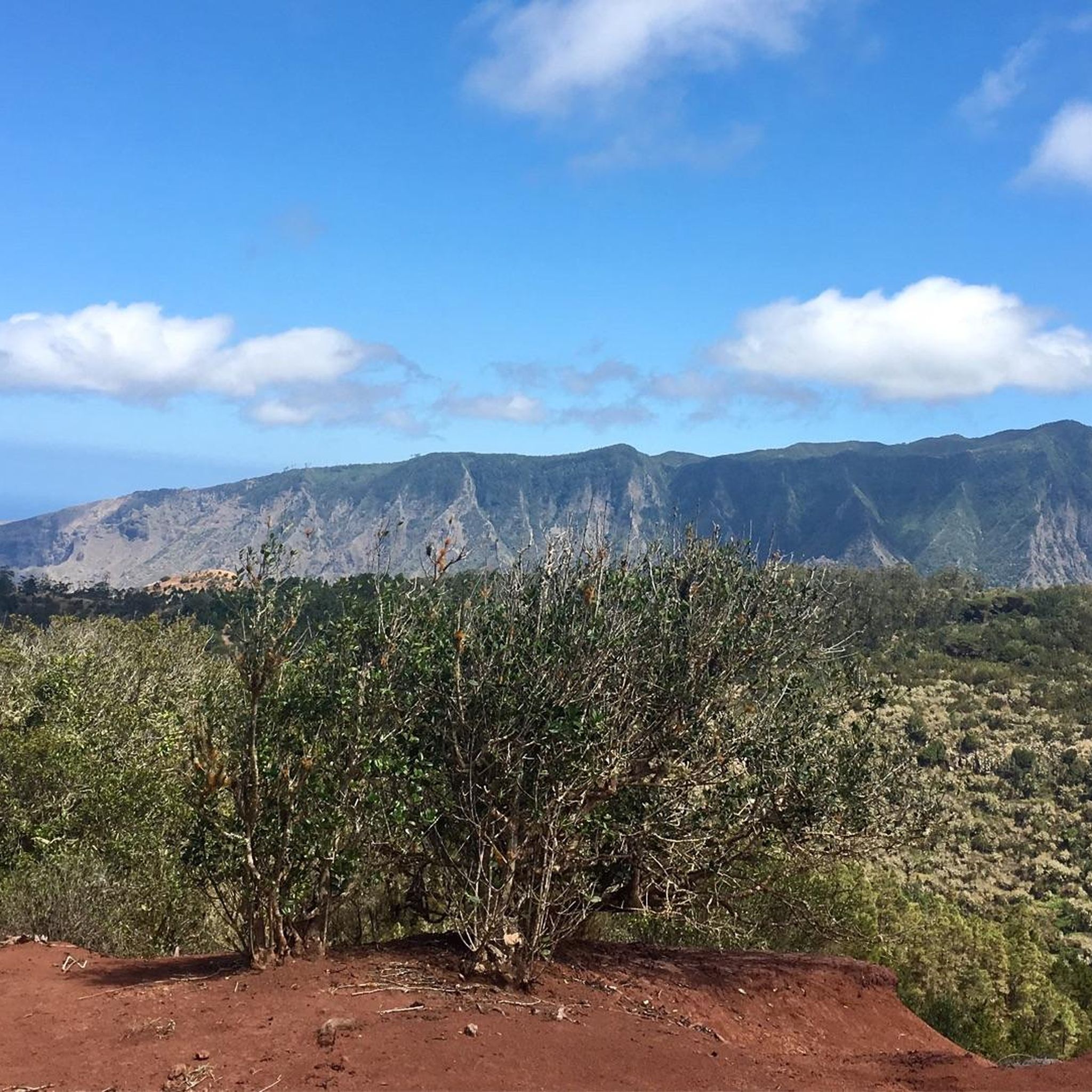
This is a very prominent hump.
0
0

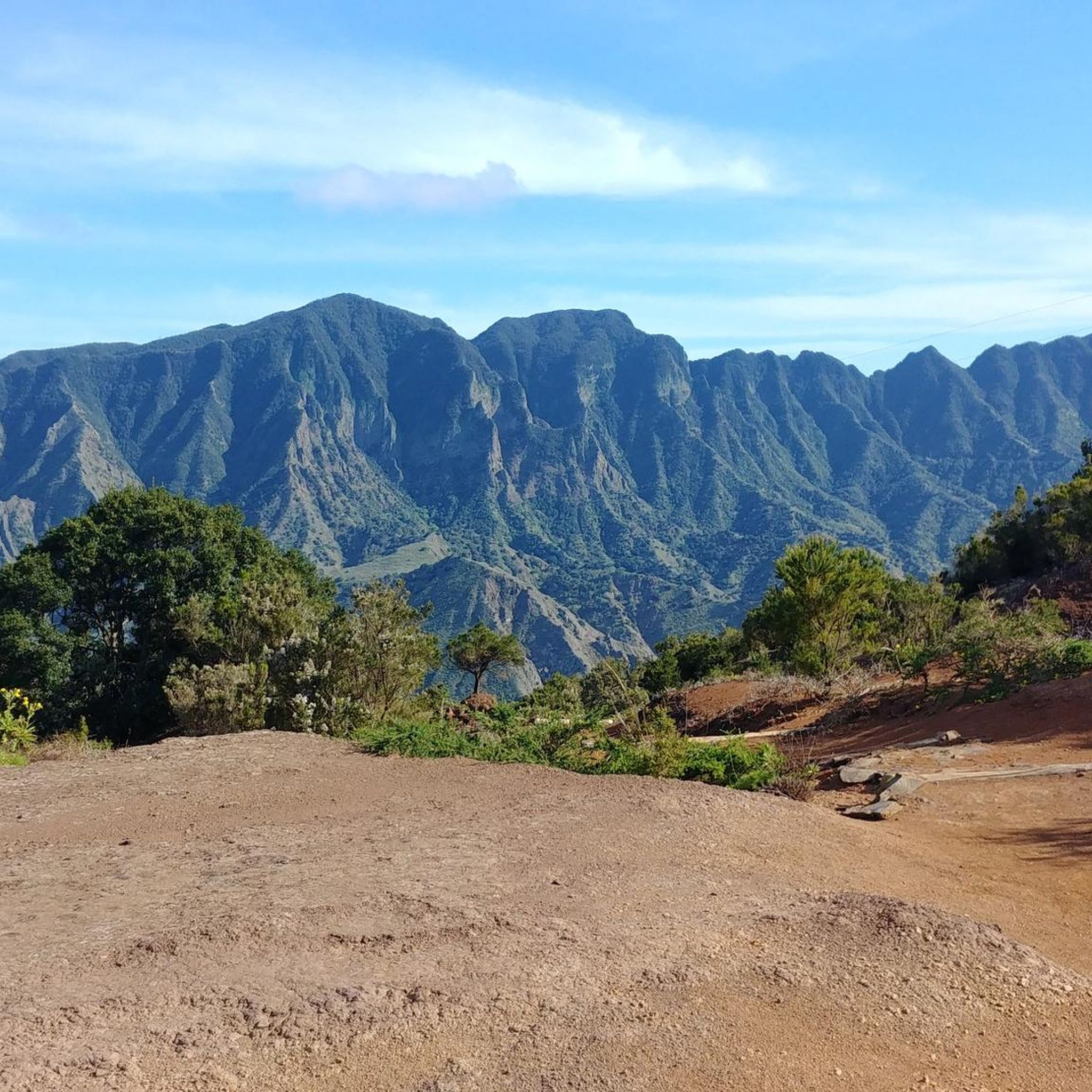
This special rock wall towers above the green valley. Unique view from this point.
1
0

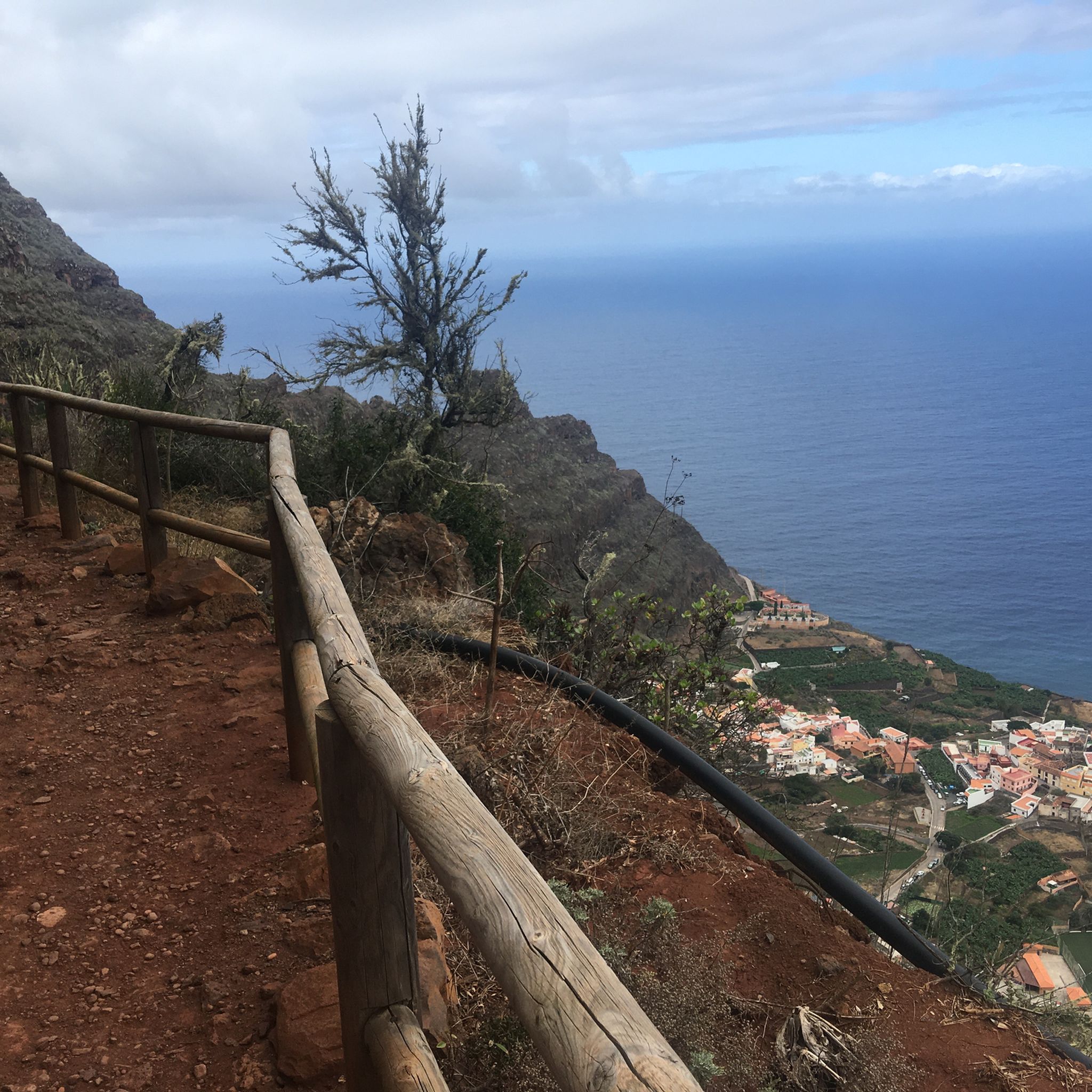
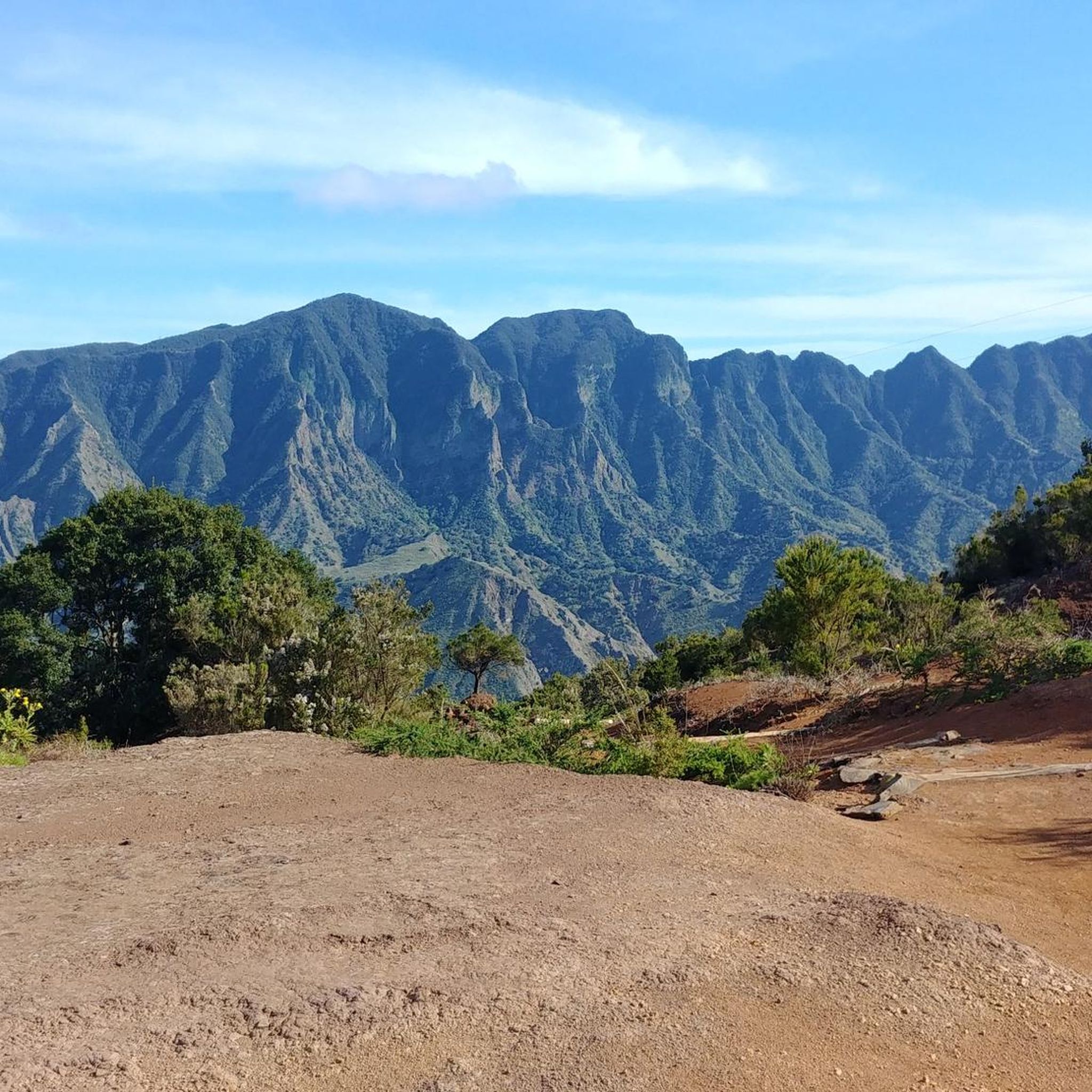
Outside of this global environment. You could be forgiven for thinking you are on Mars in La Gomera. The hike to the top of Monte el Cepo, which towers over Agulo, will give you spectacular views and images to remember.
0
0

You can see this impressive rock while descending to San Sebastián la Gomera, there is a viewpoint worth the stop to feel the immensity of the valley
1
0

Between the Barranco de La Laja and the Barranco de Benchijigua is this piton that has a maximum elevation of 1246 meters. This geological structure stands out in the landscape for its large vertical wall.
1
0

The Alto de Garajonay mountain, with a height of 1,487 meters, is the highest point on the island, towering over the Garajonay National Park. Located almost exactly in the middle of the island, the mountain is one of La Gomera's most important landmarks. From up here, visitors to the island can enjoy a panoramic view of almost all of La Gomera on clear days.
5
1
The Roque de Agando is a 1251 msnm high volcanic rock tower on the Spanish Canary Island of La Gomera.
4
0
Frequently Asked Questions
Which mountain peaks offer the best panoramic views around Agulo?
For breathtaking panoramic views, consider visiting Alto de Garajonay, the highest point on La Gomera. From here, you can see the entire island and, on clear days, neighboring islands like La Palma, El Hierro, Tenerife, and even Gran Canaria. Another excellent spot is Roque de Agando, which provides stunning vistas of Garajonay National Park and Mount Teide on Tenerife. The Mirador de Abrante, while not a peak, offers unparalleled views of Agulo, the coastline, and Tenerife from its glass skywalk.
What unique natural features can I expect to see on the mountain peaks around Agulo?
The region is characterized by dramatic volcanic formations. Roque de Agando is a striking volcanic plug, a symbol of La Gomera, formed from hardened magma. The area around Alto de Garajonay is part of a UNESCO World Heritage Site, known for its ancient laurel forests, a rare ecosystem sustained by frequent mists. You'll also encounter impressive volcanic landscapes, such as the table mountain Monte El Cepo, and diverse flora and fauna within the Garajonay National Park.
Are there family-friendly mountain trails around Agulo?
Yes, some areas around the mountain peaks offer more accessible options. While specific 'family-friendly' categories are not always explicit for every peak, the vicinity of Roque de Agando has established paths suitable for hiking. For a moderate to easy experience, consider hiking routes around Monte El Cepo, such as a round trip from La Vega, which provides an accessible way to experience the island's volcanic terrain.
What is the difficulty level of hiking to the mountain peaks near Agulo?
The difficulty varies. Peaks like Alto de Garajonay are generally considered intermediate, with well-maintained paths. Roque de Agando's summit is not accessible for climbing, but surrounding trails are intermediate. The Fortaleza of Chipude is a challenging hike, requiring surefootedness and sturdy footwear, and some alpine experience is recommended due to sections where you might need your hands. Monte El Cepo offers intermediate trails, with some easier options available.
When is the best time to hike the mountain peaks near Agulo?
La Gomera generally enjoys a mild climate year-round. However, for hiking the mountain peaks, the cooler months from autumn to spring (roughly October to May) are often preferred, as temperatures are more comfortable for physical activity. During these times, the vegetation is lush, and the chances of clear views are good, though mists can occur, especially in Garajonay National Park, adding to its mystical atmosphere.
What hiking opportunities are available near the mountain peaks around Agulo?
The region offers an extensive network of hiking trails. For example, you can find routes like the 'Monte El Cepo from La Vega — round trip' or the 'El Mirador de Abrante from Agulo — circular via the Ermita de San Isidro Labrador'. You can explore many more options by checking out the dedicated guide for Hiking around Agulo.
Are there other outdoor activities I can do near Agulo's mountain peaks?
Yes, besides hiking, the area around Agulo's mountain peaks is popular for other outdoor sports. You can find numerous routes for trail running, such as the 'Alto de Garajonay - circular trail running from Pajarito'. Mountain biking is also a great option, with trails like the 'Garajonay National Park Loop from Laguna Grande'. For more details, refer to the guides for Running Trails around Agulo and MTB Trails around Agulo.
What historical or cultural significance do the mountain peaks around Agulo hold?
Several peaks have historical significance. Alto de Garajonay was considered a benevolent place for worship and rites by the ancient inhabitants of La Gomera. Ancient Guanche sacrificial shrines were once found on the summit of Roque de Agando. The Fortaleza of Chipude is also recognized as a historical site, reflecting the island's rich past.
What do visitors particularly enjoy about the mountain peaks around Agulo?
Visitors frequently praise the magnificent panoramic views from peaks like Alto de Garajonay, often describing them as 'wonderful views over the entire island to the neighboring islands'. The dramatic appearance of Roque de Agando is also a highlight, with many calling it an 'incredible volcanic neck or plug'. Hikers appreciate the well-developed paths on peaks like Fortaleza of Chipude, despite its challenging nature, for the rewarding vistas. The unique, sometimes 'Martian' landscapes around Cumbre de Chigueré and Ermita del Coromoto also captivate visitors.
How can I reach the mountain peaks around Agulo?
Many of the prominent peaks and viewpoints, such as Roque de Agando, are conveniently located near main roads, making them accessible by car with parking available at viewpoints. For other peaks within Garajonay National Park, access points often have designated parking areas. Public transport options, such as local bus services, connect Agulo to various parts of the island, including areas near hiking trailheads. It's advisable to check specific routes for public transport availability to your chosen starting point.
Are there any specific tips for hiking the Fortaleza of Chipude?
Hiking to the top of Fortaleza of Chipude is highly rewarding for its magnificent views. There is a well-developed path, but it can be tricky in one place. Surefootedness and sturdy footwear are essential. Some visitors note that you might need to use your hands at certain points, and some alpine experience is recommended. Be cautious if you have a fear of heights, and be aware that paths can be slippery if it has rained recently.
Most popular attractions around Agulo

Get inspired with the komoot mobile app


Explore more
See even more amazing summits around Agulo with these guides:
