Attractions and Places To See around Ábalos - Top 20
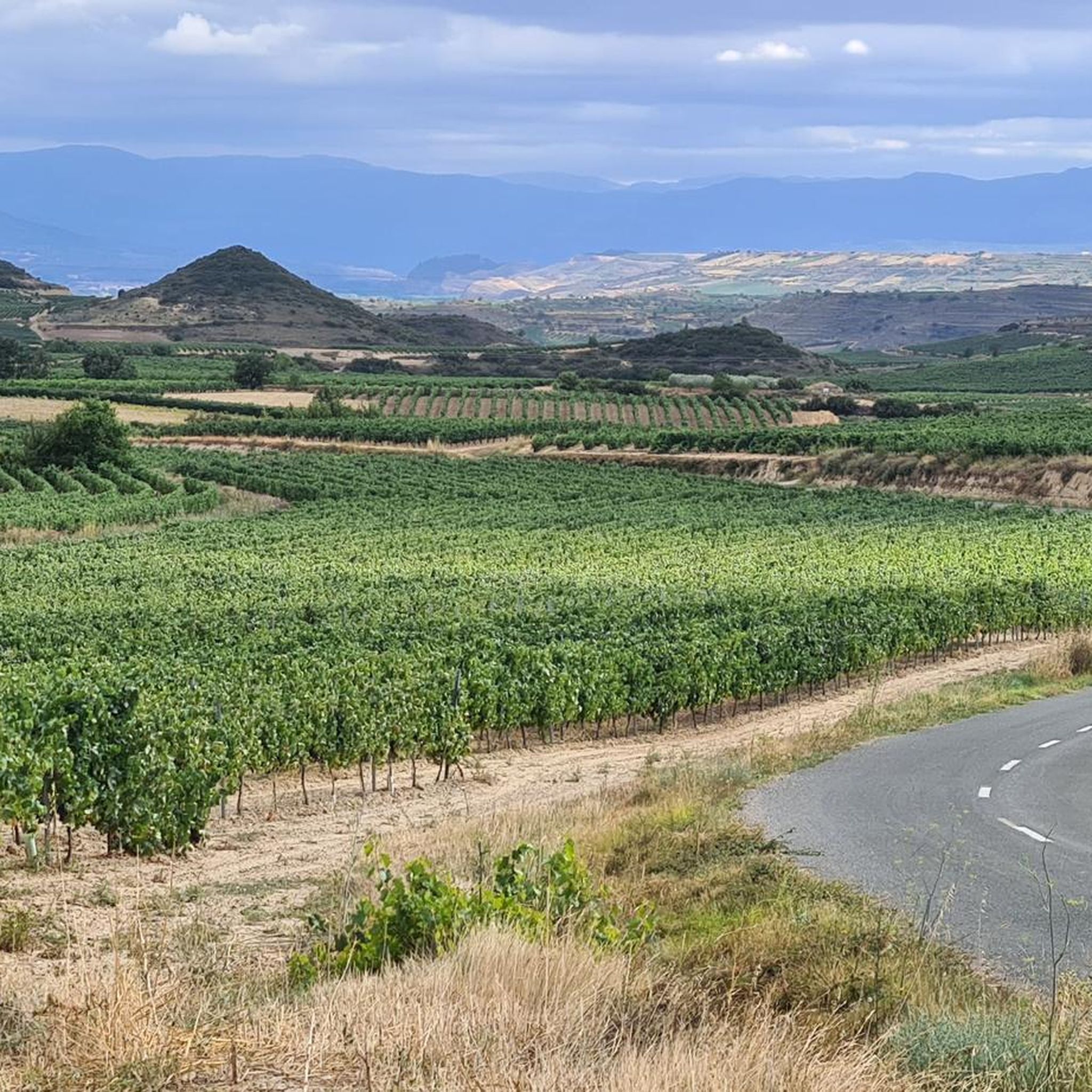
Best attractions and places to see around Ábalos are found in La Rioja, Spain, a region known for its historical, cultural, and natural appeal. Situated in Rioja Alta, near the Ebro River and Toloño mountains, Ábalos offers a blend of architectural sites, natural features, and a rich wine culture. The area provides opportunities for exploring historical landmarks and engaging with the scenic landscape.
Best attractions and places to see around Ábalos
- The most popular attractions is Water Route, a…
Last updated: May 9, 2026
Berganzo Village
Highlight • Settlement
Translated by Google •
Tip by

Bodegas Ysios
Highlight • Monument
Translated by Google •
Tip by

Sign up now to discover places like this
Get recommendations on the best single tracks, peaks, & plenty of other exciting outdoor places.
Sign up for free
Toloño
Highlight • Summit
Translated by Google •
Tip by

Church of Santo Tomás, Haro
Highlight • Religious Site
Translated by Google •
Tip by
Water Route
Highlight (Segment) • Trail
Translated by Google •
Tip by
Sign up for free to discover even more attractions around Ábalos.
Sign up for free
Already have an account?
Start today with a free account
Your next adventure awaits.
Login or Signup
Tips from the Community

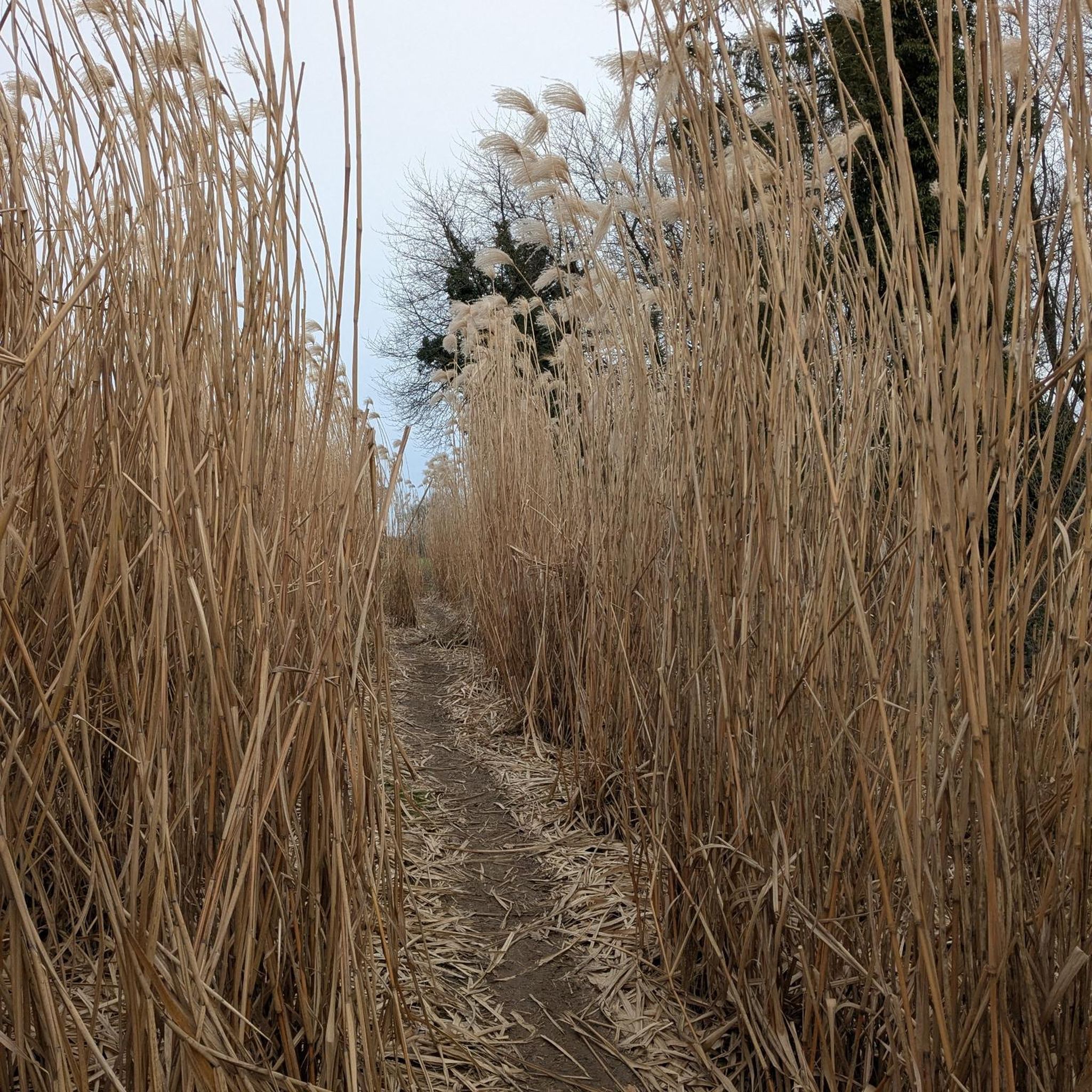
Beautiful river walk with small waterfalls.
1
0

At the end of one of the most atmospheric streets.
1
0

The church is located on the site of a previous building. It was built under the protection of the Crown Commanders of Castile. Its construction began in the 16th century under Juan de Rasines, continued under Pedro de Rasines and his son Rodrigo, and was completed in the 17th century by Pedro de Origoitia and Andrés de Venea. The three-aisled building has a star vault with pointed arches resting on columns and pilasters. The main portal is designed like an altarpiece and decorated with scenes of the Stations of the Cross and depictions of the Apostles.
1
0

The route returns along the same path, passes the gate again and continues along the path with the green dots towards the geodesic vertex of Toloño (1,264 m), which is not the main summit, this is a cartographic landmark, the main summit is after a little hill planted in some airy and solitary cliffs. The views jump the meanders of the Ebro and reach the silhouettes of San Lorenzo, San Millán and the rest of the peaks of the Sierra de la Demanda. Moncayo appears further away, claiming some prominence in an unforgettable scene. At the foot of the Toloño, in the first valley hanging from the south face, appear the ruins of the Toloñoko Andra Mari, the ancient Monastery of Santa María del Toloño. And to the right the peaks that remain to complete the mountain journey.
0
0
Berganzo is a town in Álava well known in the hiking environment for the Water Route or “Berganzoko ur bidea”, a route of about ten kilometers through the waterfalls and river wonders of the Inglares River. In the town there are route signs everywhere, it even has a private parking lot. The Toloño path begins on the outskirts of the town, towards the town of Peñacerrada, in a small parking lot with some waste containers. At the beginning of the route there are signs for the Water Route and the long-distance trail GR-1 Historic Trail. One kilometer from the exit a fork appears, the Water Route continues on the left and the Toloño path on the right, common with the GR-1 itinerary.
0
0

A prominent example of Rioja's new wine architecture, which is generally postmodern and futuristic, is Santiago Calatrava's design for Bodegas Ysios. Built from 1998 to 2001, the architectural landmark is commonly referred to in the press as the “Cathedral of Wine” or “modern house of worship”, due to its shape, the Calatrava of the silhouette of the Cantabrian Mountains, to which the winery with its 65 hectares is located Rebland wants to have modeled it. Source: https://spaniens-weinwelten.com/2018/03/18/ysios-reserva-2008/
2
0
Beautiful and imposing church in the upper part of Haro.
4
0
Spectacular on the outside (with the Palomares frame in the distance) and on the inside, with a bar that can be visited.
2
0
Frequently Asked Questions
What historical and architectural sites can I visit in Ábalos?
Ábalos is rich in history and architecture. You can explore the 16th-century flamboyant Gothic San Esteban Protomartyr Parish Church, as well as several historic hermitages like San Felices, San Roque, San Bartolomé, and La Virgen de la Rosa. The town also features well-preserved noble architecture, including the Virrey de Nápoles House and the Guardia House. A short distance away, the Church of Santo Tomás, Haro, offers a blend of Gothic and Baroque styles.
Are there any natural features or scenic viewpoints to explore near Ábalos?
Yes, Ábalos is surrounded by stunning natural landscapes. You can hike to Toloño, an emblematic summit offering great views of the Ebro meanders and the Sierra de la Demanda. The Water Route provides a simple and spectacular walk following the course of a river, especially beautiful in spring and autumn after rainfall.
What kind of outdoor activities can I do around Ábalos?
The area around Ábalos is perfect for various outdoor activities. You can find numerous hiking trails, including the San Leon loop, and routes leading to the San Vicente-Peciña-Ermita de la Rosa area. For more detailed options, explore the hiking routes around Ábalos. Road cycling and running trails are also popular, with several routes available for different difficulty levels, which you can find in the road cycling guide and running trails guide.
Are there family-friendly attractions or activities in the Ábalos region?
Absolutely. The Water Route is a simple and enjoyable walk suitable for families. Additionally, Berganzo Village, with its charming setting divided by the Inglares River and linked by simple bridges, offers a pleasant family outing. Many local wineries, such as Bodegas Ysios, are also considered family-friendly and offer unique architectural sights.
What is the best time of year to visit Ábalos for outdoor activities?
The spring and autumn months are highly recommended for outdoor activities in Ábalos. During these seasons, the weather is generally pleasant, and the natural landscapes, such as those along the Water Route, are particularly vibrant, especially after rainfall.
Can I experience the local wine culture in Ábalos?
Yes, Ábalos is deeply rooted in wine culture, being part of the Rioja Alta region. You can visit modern architectural marvels like Bodegas Ysios, known for its striking design by Santiago Calatrava, which offers a glimpse into the region's viticulture. The surrounding area is dotted with vineyards, providing ample opportunities to explore and enjoy local wines.
What is special about Berganzo Village?
Berganzo Village is a charming settlement located in the Sierra de Cantabria. It is uniquely divided into two neighborhoods, Arriba and Abajo, by the Inglares River, with simple bridges connecting them. It also serves as the beginning of the popular Water Route.
What makes Toloño a significant attraction?
Toloño is considered perhaps the most emblematic mountain in the area. It offers spectacular panoramic views, making the ascent a truly rewarding experience for hikers. From its summit, you can see the meanders of the Ebro River and the distant peaks of the Sierra de la Demanda.
Are there any unique architectural sights related to wine in the region?
Yes, the region boasts impressive wine-related architecture. Bodegas Ysios is a prime example, featuring a spectacular design by Santiago Calatrava. Its wavy metal roofs create a beautiful contrast with the surrounding landscapes and have become a classic feature of the wine-producing area.
What can I expect from the Water Route?
The Water Route is a simple yet spectacular walk that follows the course of a river. It's particularly recommended in spring and autumn, especially after rainfall, when the riverbed is full. Visitors enjoy the serene natural beauty and the opportunity to explore trails that branch off to the river's shore.
What is the Fernández de Navarrete Family Pantheon?
The Fernández de Navarrete Family Pantheon is a historical site in Ábalos, serving as the burial place for notable figures like Martín Fernández de Navarrete y Ximénez de Tejada. It features a stone-carved coat of arms displaying the Royal Crown of the Royal House of the Kingdom of Navarre and crosses of military orders, reflecting the family's historical significance.
Are there any easy hiking trails suitable for beginners near Ábalos?
Yes, there are easy hiking options. The Water Route is described as a simple walk, ideal for those seeking a less strenuous experience. Additionally, the hiking guide for Ábalos lists routes like the Davalillo Castle loop from Castillo de Davalillo (Ruinas) as 'easy'.
Most popular attractions around Ábalos

Get inspired with the komoot mobile app


Explore more
Still not found the Highlight you’re looking for? See guides of the top attractions in other regions:
