The 20 Most Amazing Peaks around Pollença
Best mountain peaks around Pollença are found in the northern foothills of the Serra de Tramuntana mountain range in Mallorca. This region features diverse geographic features, including prominent mountain ranges and coastal views. It offers varied opportunities for outdoor enthusiasts, from challenging ascents to accessible walks. The area provides a blend of natural beauty and historical significance.
Best mountain peaks around Pollença
- The most popular mountain peaks is Puig de Massanella (1,364 m), a summit that is the second…
Last updated: July 20, 2026
Talaia d'Alcúdia — Summit and Ruins
Highlight • Summit
The tin hut is often occupied and serves as a fire watchtower.
Translated by Google •
Tip by

Puig de Massanella (1,364 m)
Highlight • Summit
Translated by Google •
Tip by

Sign up now to discover places like this
Get recommendations on the best single tracks, peaks, & plenty of other exciting outdoor places.
Sign up for free
Trail to Ermita de Nostra Senyora de Puig (Puig de Maria)
Highlight • Trail
Translated by Google •
Tip by

Puig Tomir Summit
Highlight • Summit
Translated by Google •
Tip by
Puig des Romaní
Highlight • Summit
Showing Translation
Tip by

Sign up for free to discover even more peaks around Pollença.
Sign up for free
Already have an account?
Start today with a free account
Your next adventure awaits.
Login or Signup
Popular around Pollença
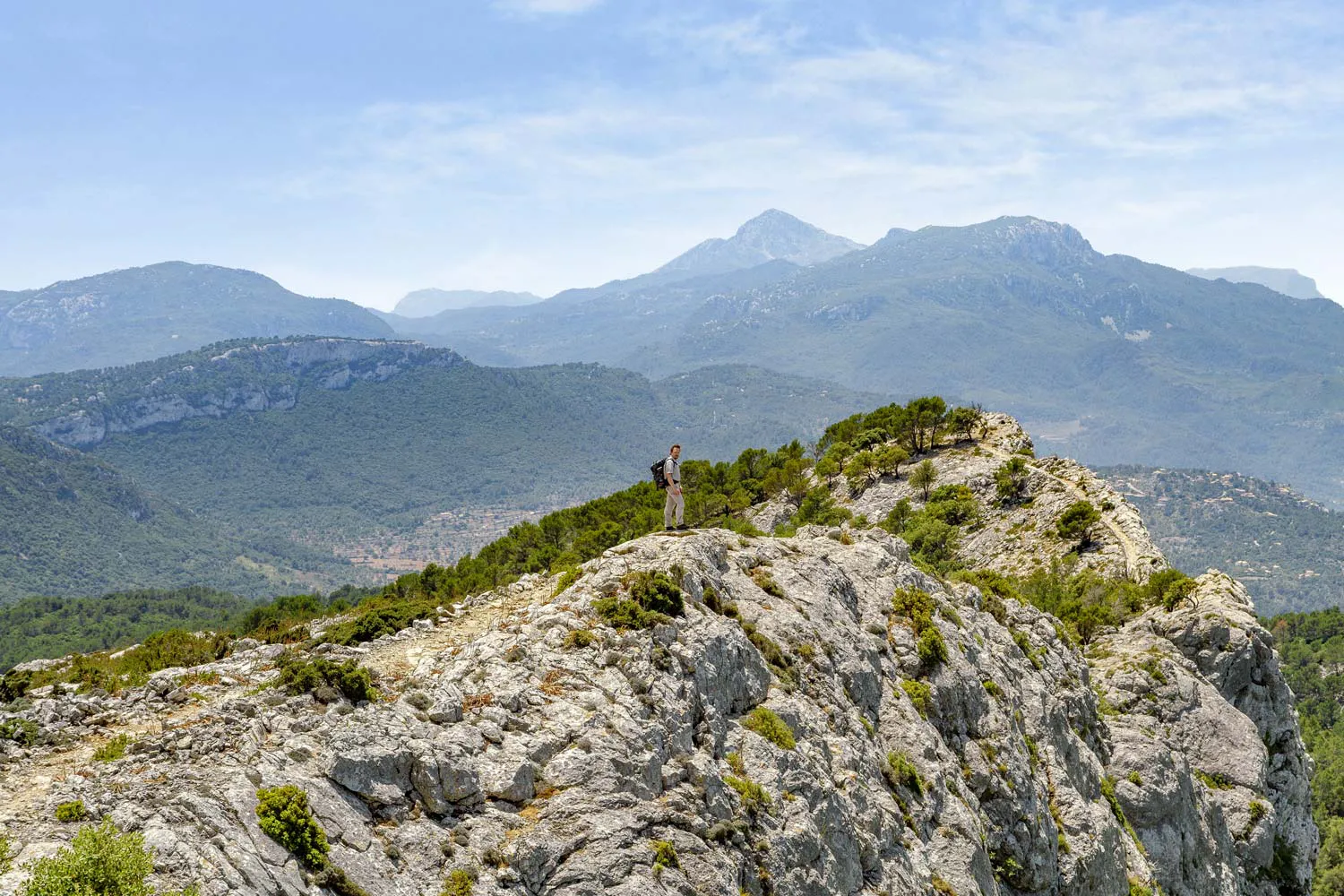
Stoney paths through the Tramuntana Mountains – Ruta de Pedra en Sec (GR221)
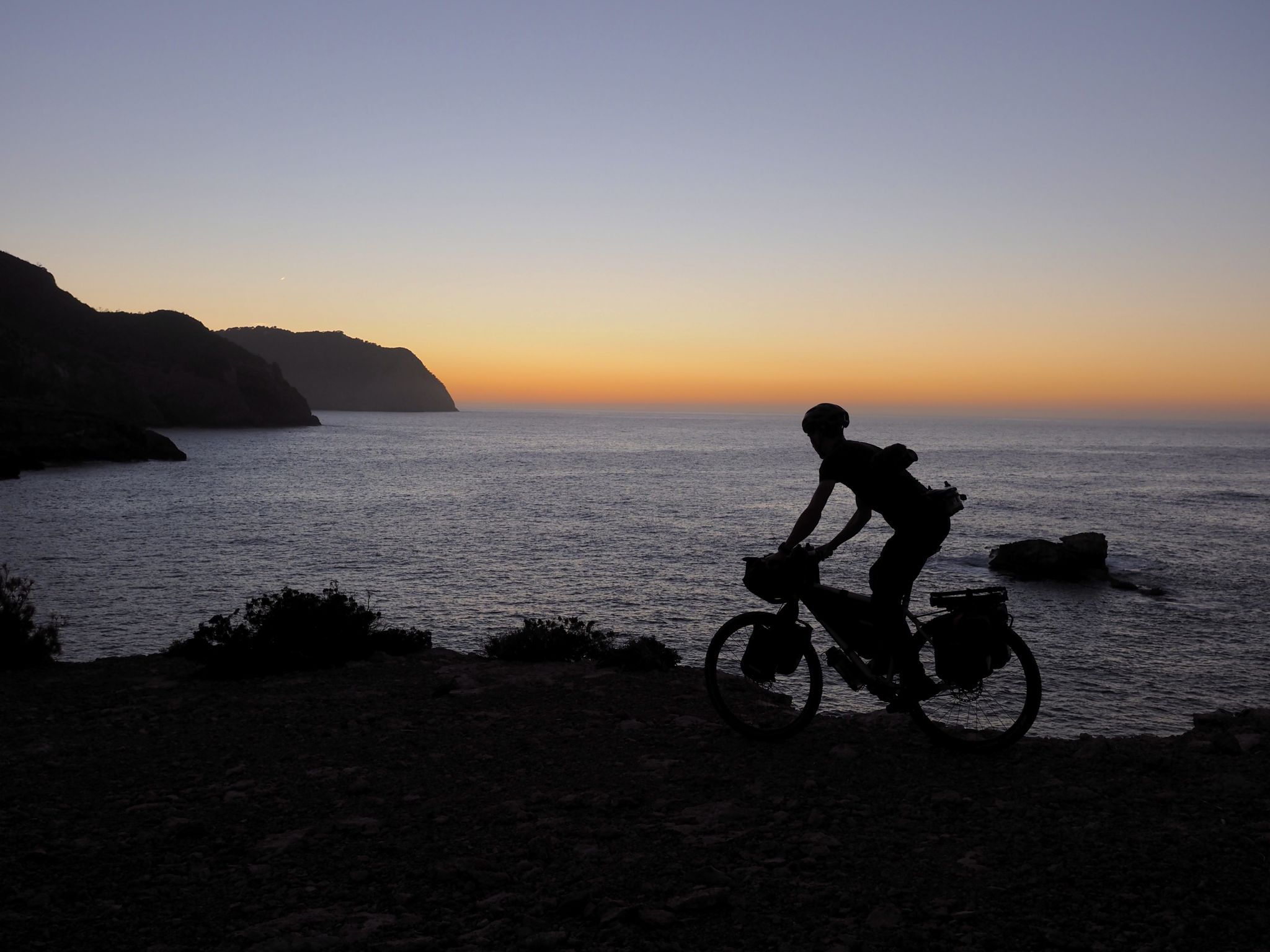
Island hopping in the Spanish Balearic Islands — the TransBaleares
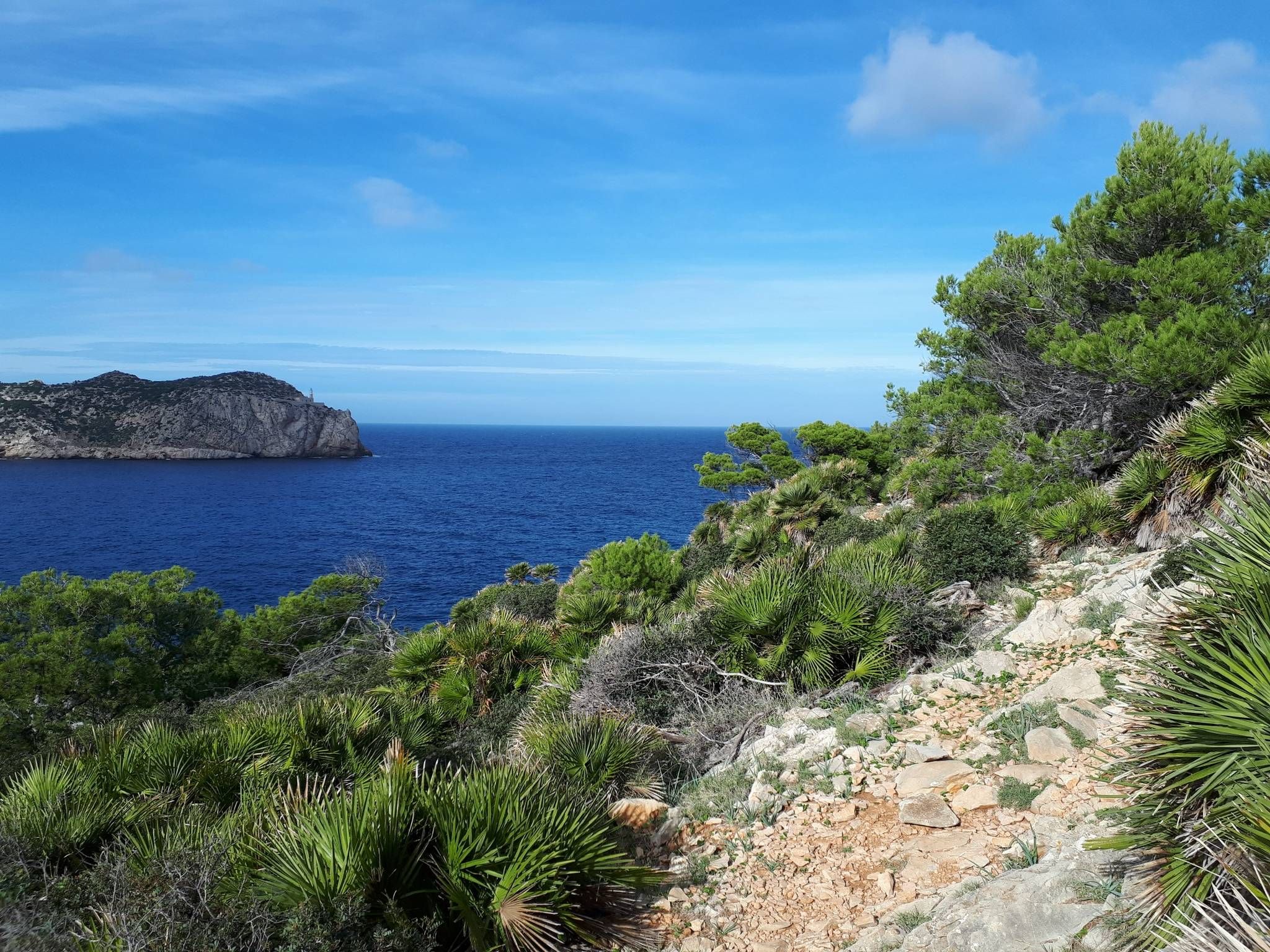
Shredding trails on the island of Mallorca
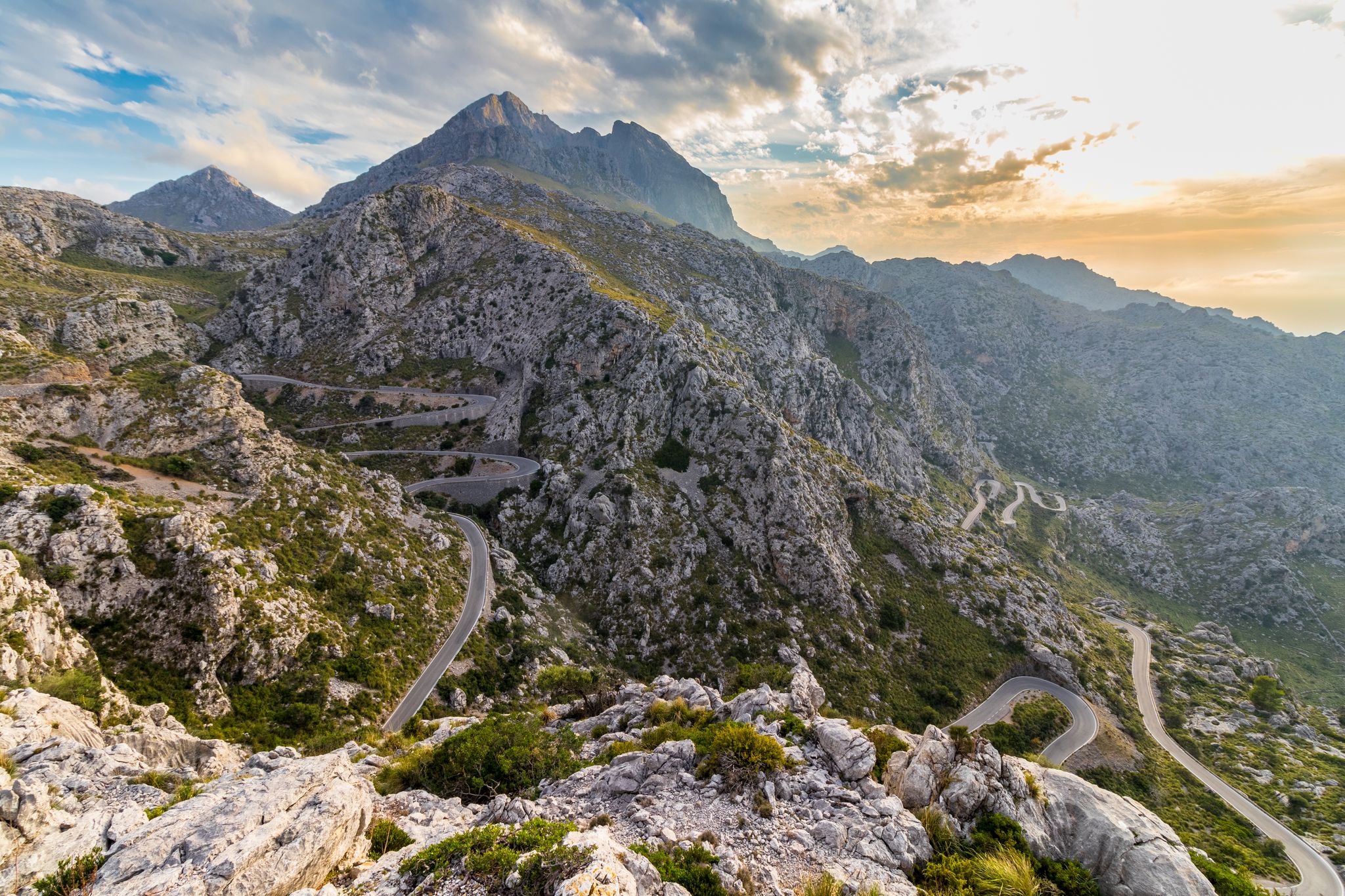
Mallorca's most beautiful passes
Road Cycling Routes around Pollença
Hiking around Pollença
Cycling around Pollença
Running Trails around Pollença
MTB Trails around Pollença

Gravel biking around Pollença
Other adventures around Pollença


Tips from the Community

Once you have fought your way up with some surefootedness and scrambling, you will be rewarded with a magnificent view. From here you can also see the cannon on top of the Penya des Migdia.
9
0

Puig Tomir, at 1103 meters, is one of the distinctive peaks of the Serra de Tramuntana. The ascent leads through an oak forest and over rocky passages to a scenic summit with a wide panorama over mountains, valleys, and up to the north coast. A challenging but rewarding tour for those who want to experience the wild mountain landscape of Mallorca.
1
0
The path to the Ermita de Nostra Senyora del Puig on Puig de Maria leads steadily uphill on a paved pilgrim path through pine forest and Mediterranean vegetation. With increasing altitude, beautiful views open up over Pollença and the surrounding landscape. A scenic route that combines nature experience with a piece of island history.
2
0

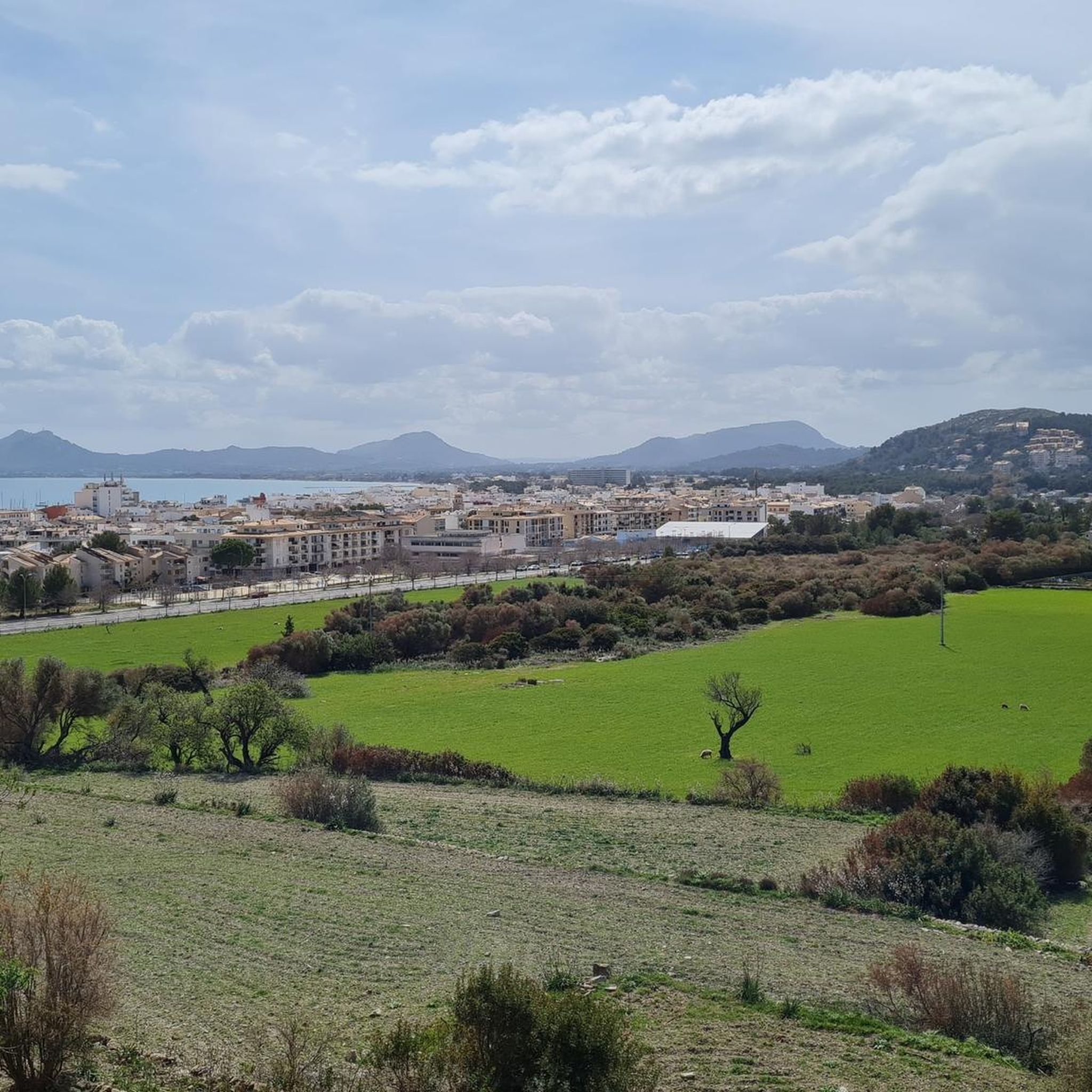
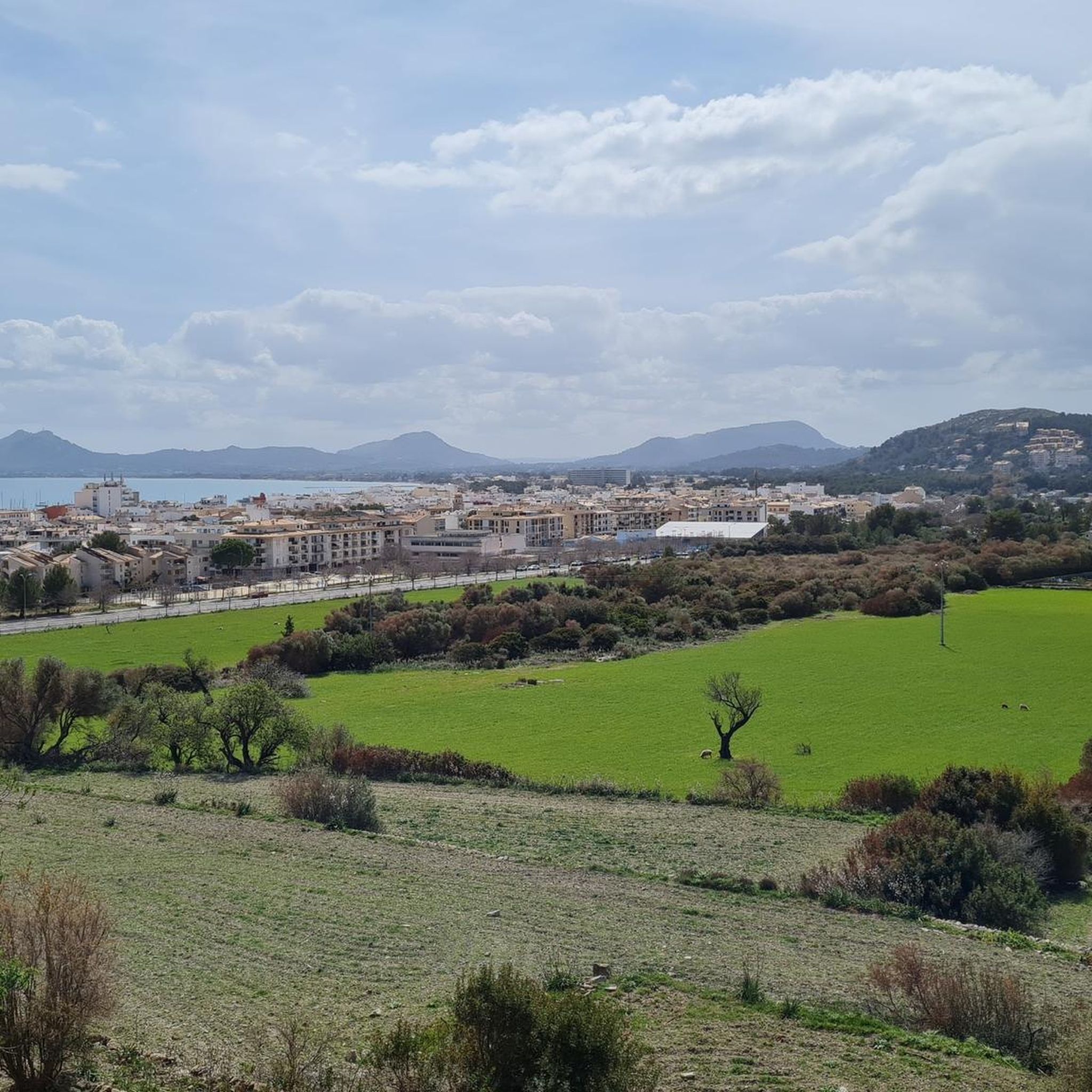
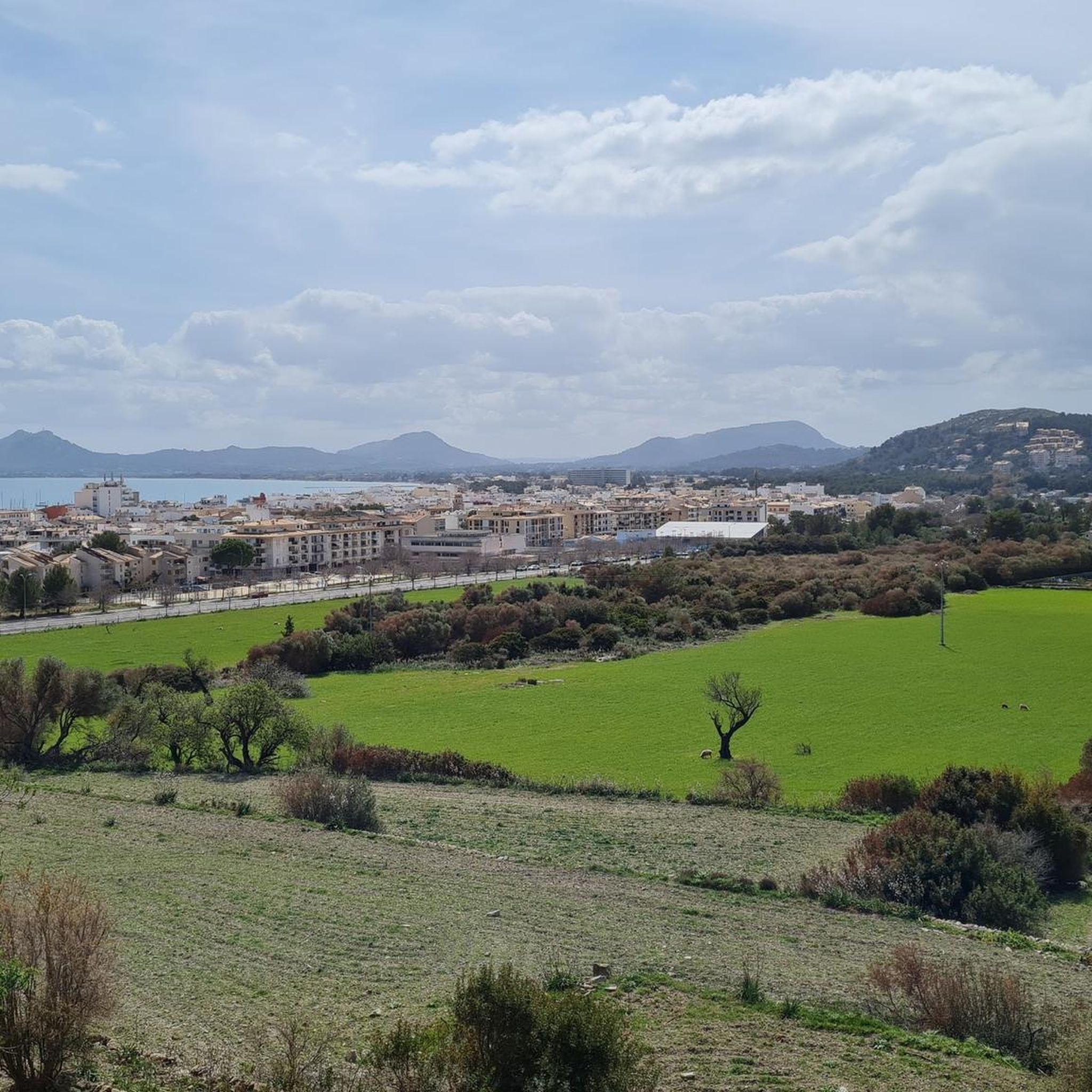
From the summit of Puig Tomir you have a magnificent view of the Bay of Pollença!
1
0

The hike there is worthwhile and not particularly challenging. It's just steep. So bring plenty of water.
2
0

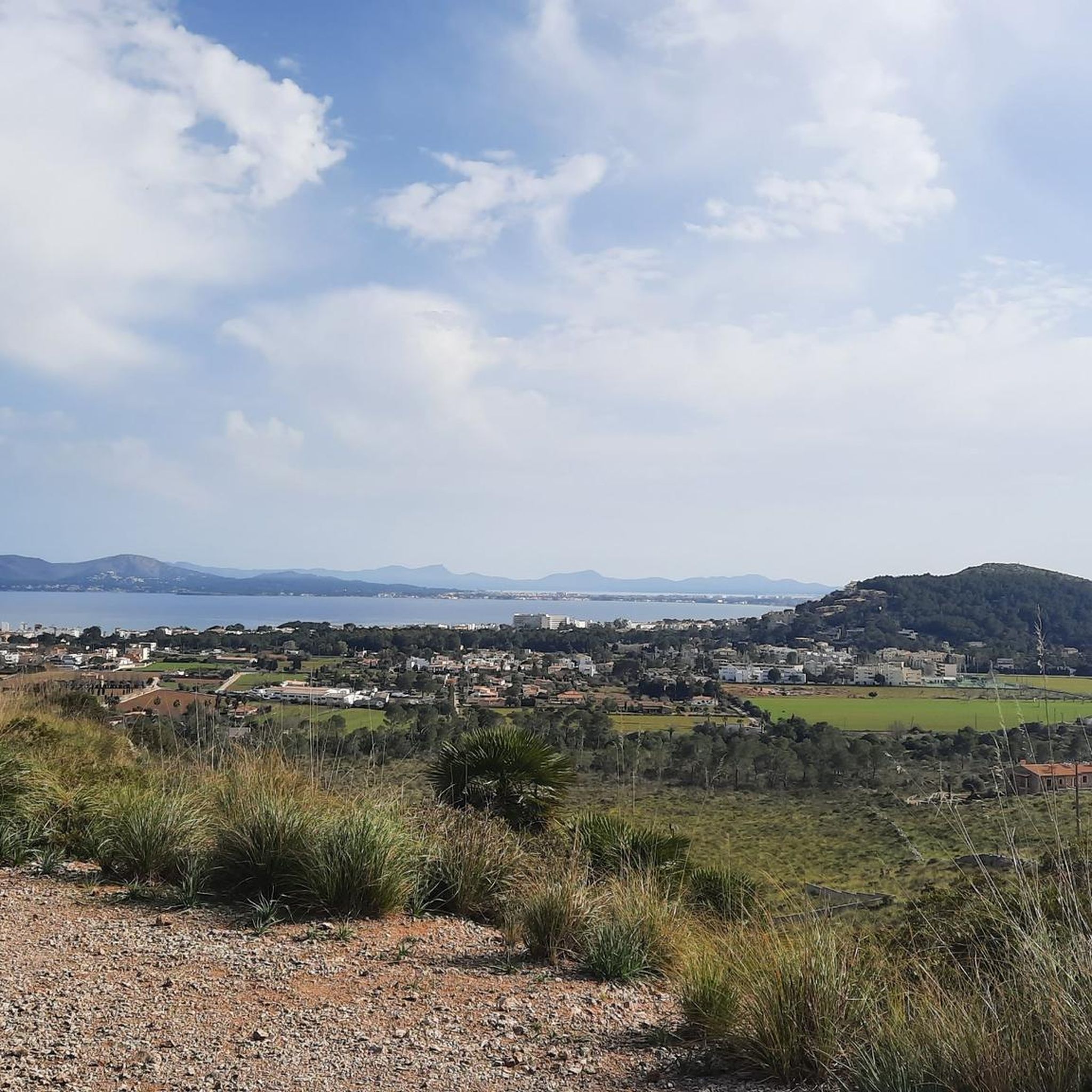
Accessible via several routes. Coming from the southwest and southeast, it's significantly more scenic, but also more strenuous, than the mainstream route. The tin hut is often occupied and serves as a fire lookout. Great views over the Badia de Pollença, Puig Romaní, Cap Formentor, the Penya Roja, the northern foothills of the Tramuntana, the Badia d'Alcúdia and its resorts, all the way to Cap de Ferrutx.
7
2
A lesser-known peak compared to the Talaia d'Alcudia, this is generally a peaceful place. The name Romaní is hardly surprising, as wild rosemary is found here in abundance. The view is fantastic, and if you look closely, you can see the cannon on the summit of the Talaia.
4
0

If you're in the clouds, you have no view 😜,😌 The path is then completely impossible to see. Meter by meter looking for piles of stones.
3
1
Frequently Asked Questions
Which mountain peaks around Pollença offer the most challenging hikes for experienced trekkers?
For experienced hikers seeking a challenge, Puig de Massanella (1,364 m) is an excellent choice. As the second-highest peak in the Tramuntana mountains and the highest publicly accessible point on the island, it offers a demanding ascent with unparalleled panoramic scenery. Another challenging option is Puig Tomir Summit, known for its steep sections and rewarding views of the Tramuntana peaks and the Bays of Pollença and Alcúdia. The ascent to Cuculla de Fartaritx also provides a challenging hike with varied terrain, including dry stone paths and narrow goat trails.
Are there any easy or family-friendly mountain walks near Pollença?
Yes, Puig de Maria (330 m), also known as Puig de Pollença, is a fantastic option for a shorter, family-friendly walk. The ascent is relatively short but steep, leading to a 14th-century sanctuary with wonderful views over the bays of Pollença and Alcúdia. Puig de Santuïri (141 m) is another gentler option, offering panoramic views of Pollença town and a chance to observe diverse biodiversity, making it suitable for a quieter, rural family hike.
Which peaks offer the best panoramic views of the region?
Many peaks in the region boast incredible views. Puig de Massanella (1,364 m) provides spectacular vistas over the mountains, plains, and coasts. From Talaia d'Alcúdia — Summit and Ruins, you can enjoy expansive views over the Badia de Pollença, Cap Formentor, and the Badia d'Alcúdia. Puig Tomir Summit offers unique perspectives of the highest Tramuntana peaks and the peninsulas framing the Bay of Pollença. For a 360º view of the Bays of Pollença and Alcúdia and Formentor, Cuculla de Fartaritx is highly recommended.
What historical or cultural sites can be found on the mountain peaks around Pollença?
The region is rich in history. Puig de Maria (330 m) is crowned by a delightful 14th-century sanctuary and a museum showcasing relics of the inhabitants' lives, offering both cultural and traditional significance. Talaia d'Alcúdia — Summit and Ruins features historical ruins and often serves as a fire watchtower, providing historical relevance alongside its stunning views.
What kind of wildlife can I expect to see while hiking in the Pollença mountains?
The mountain peaks around Pollença are home to diverse wildlife. On routes like Puig de Santuïri, you might spot hedgehogs, rabbits, and the impressive black vulture. The region's varied ecosystems, including holm oak groves, garrigue, and dwarf palms, provide habitats for a range of species.
What are the best seasons to hike the mountain peaks near Pollença?
The best seasons for hiking in the Pollença mountains are generally spring (March to May) and autumn (September to November). During these times, the weather is milder, and the landscapes are vibrant. Summers can be very hot, making early morning or late afternoon hikes preferable, while winters can bring cooler temperatures and occasional rain, though many routes remain accessible.
Are there specific running trails near the mountain peaks of Pollença?
Yes, there are several running trails in the vicinity. You can explore routes like the Coves Blanques Trail or various loops around Port de Pollença beach. For more details and route options, check out the Running Trails around Pollença guide.
Where can I find more hiking routes around Pollença, including those that are not necessarily mountain peaks?
Beyond the peaks, Pollença offers a wide array of hiking routes. You can find trails like the Cala Bóquer via the Portell de Sementer circular route or the View of Pollença – Calvari Steps loop. For a comprehensive list of options, refer to the Hiking around Pollença guide.
What do visitors enjoy most about the mountain peaks around Pollença?
Visitors consistently praise the spectacular views and the sense of accomplishment after reaching a summit. Many appreciate the blend of natural beauty with historical sites, such as the sanctuary on Puig de Maria. The diverse range of trails, from challenging ascents to more accessible walks, means there's something for every fitness level, and the peaceful atmosphere on lesser-known peaks like Puig des Romaní is often highlighted.
Are there any specific mountain hiking routes for mountaineering enthusiasts near Pollença?
For those interested in more rugged mountain hiking or mountaineering, there are challenging routes available. Examples include the Talaia Vella Summit – Cala Bóquer loop or the View from Na Blanca loop. You can find more detailed information and routes in the Mountain Hikes around Pollença guide.
What should I pack for hiking in the Serra de Tramuntana mountains near Pollença?
When hiking in the Serra de Tramuntana, it's essential to pack sturdy footwear, as many paths are stony. Bring plenty of water, especially during warmer months. Layers of clothing are advisable due to changing weather conditions, and a good map or GPS device (with a charged battery) is crucial, particularly for less-marked trails. Sun protection, snacks, and a first-aid kit are also recommended.
Most popular routes around Pollença
Most popular attractions around Pollença

Get inspired with the komoot mobile app


Explore more
See even more amazing summits around Pollença with these guides:
