Attractions and Places To See around Mondéjar - Top 20
Best attractions and places to see around Mondéjar include a rich blend of historical, cultural, and natural sites. Located 42 km from Guadalajara in the La Alcarria region, Mondéjar is recognized as the "Cradle of Spanish Renaissance" due to its significant architectural heritage. The area is also characterized by extensive vineyards and features natural routes like the Tajuña Greenway.
Best attractions and places to see around Mondéjar
- The most popular attractions is Goyeneche Palace of Nuevo Baztán, a historical…
Last updated: October 10, 2026
Goyeneche Palace of Nuevo Baztán
Highlight • Historical Site
Translated by Google •
Tip by

Valmores Spring
Highlight • Monument
Translated by Google •
Tip by

Sign up now to discover places like this
Get recommendations on the best single tracks, peaks, & plenty of other exciting outdoor places.
Tajuña Greenway
Highlight (Segment) • Cycleway
Translated by Google •
Tip by

Junction of the Tajuña Greenway and the Tren de los 40 Días Greenway
Highlight • Cycleway
Translated by Google •
Tip by

Picota of Pezuela de las Torres
Highlight • Monument
Translated by Google •
Tip by
Sign up for free to discover even more attractions around Mondéjar.
Already have an account?
Start today with a free account
Your next adventure awaits.

Tips from the Community

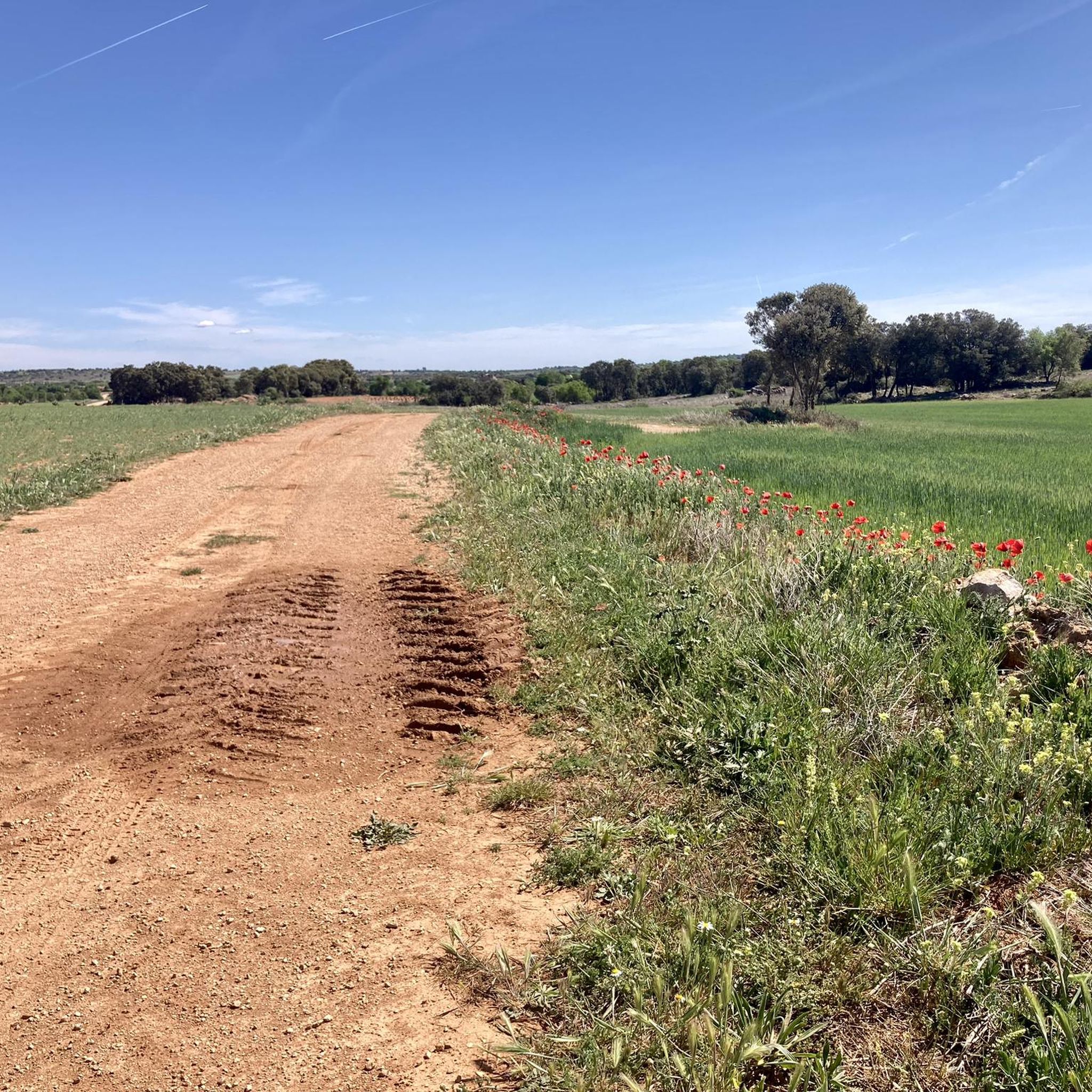
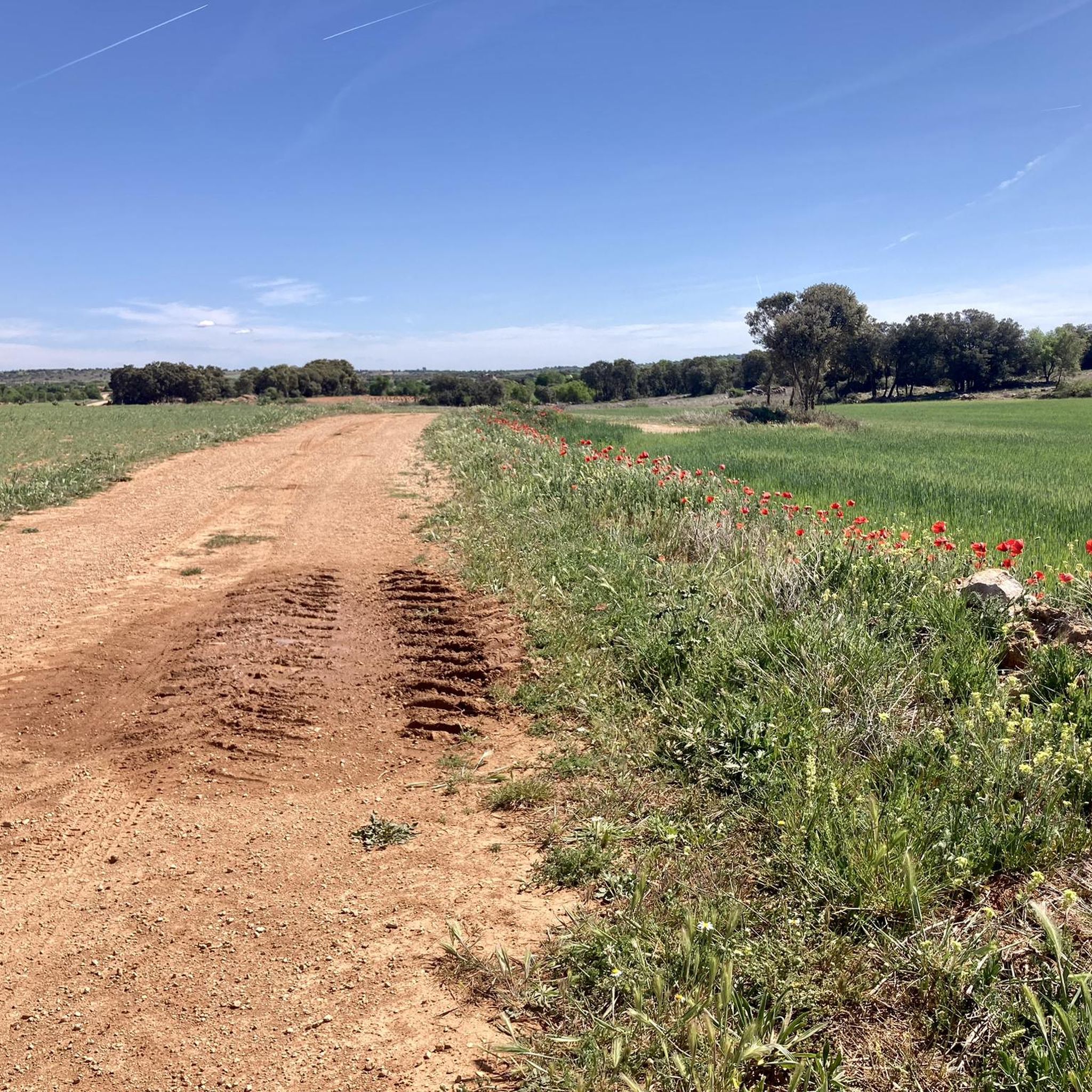
The Valmores watering hole was restored in 2022, recovering an essential piece in the ethnographic heritage of Pezuela de las Torres. The first references to the fountain appear in the Topographic Relations of 1578. In 1735, reforms and improvements were made to the original spring, making it essential in the daily life of the countryside. The construction has a functional design to water livestock at a crossroads of the Alcarreño moor with trees and benches to take a break.
0
0
Pezuela de las Torres acquired jurisdictional independence in 1554 for the payment of one and a half million maravedis, erecting a pillory in the Plaza del Coso that represented the power to administer justice and a place for the town's residents to see criminals who were being sentenced to a pillory. The pillory is seven metres high on a pedestal of four steps and is topped with the heads of four lions. Next to it is the Plaza de la Constitución, home to the Town Hall and the Church of the Assumption, with a Romanesque apse and the rest rebuilt between the 16th and 18th centuries. It has a curious stately doorway from 1748 and a 16th century porticoed gallery, known as El Portalillo, the former meeting centre of the council. Most of the town's streets are on a slope, facing the plain, some houses retain the traditional two-storey country architecture and white facades. On Cerro del Calvario there are remains of traditional wineries used to make wine.
0
0

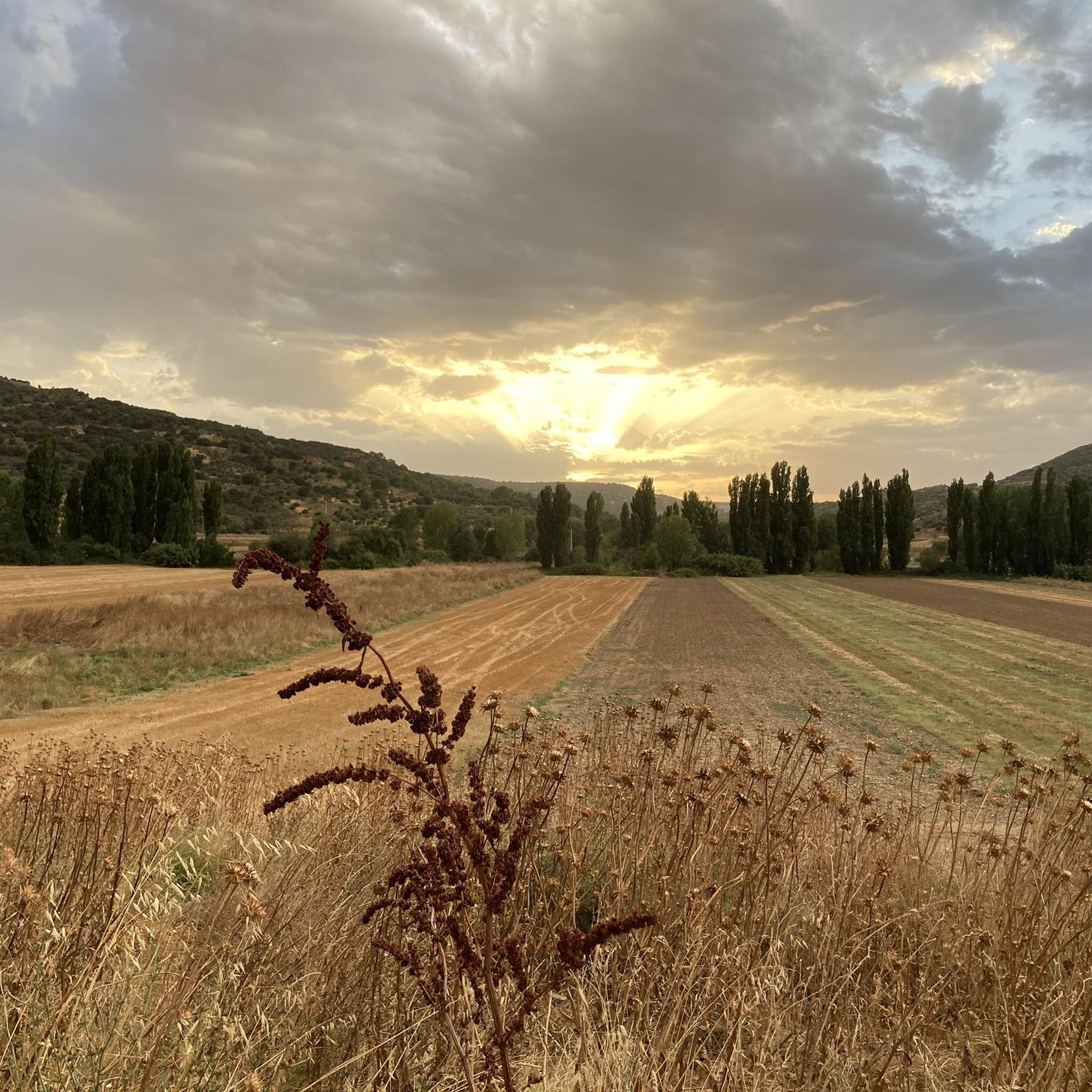
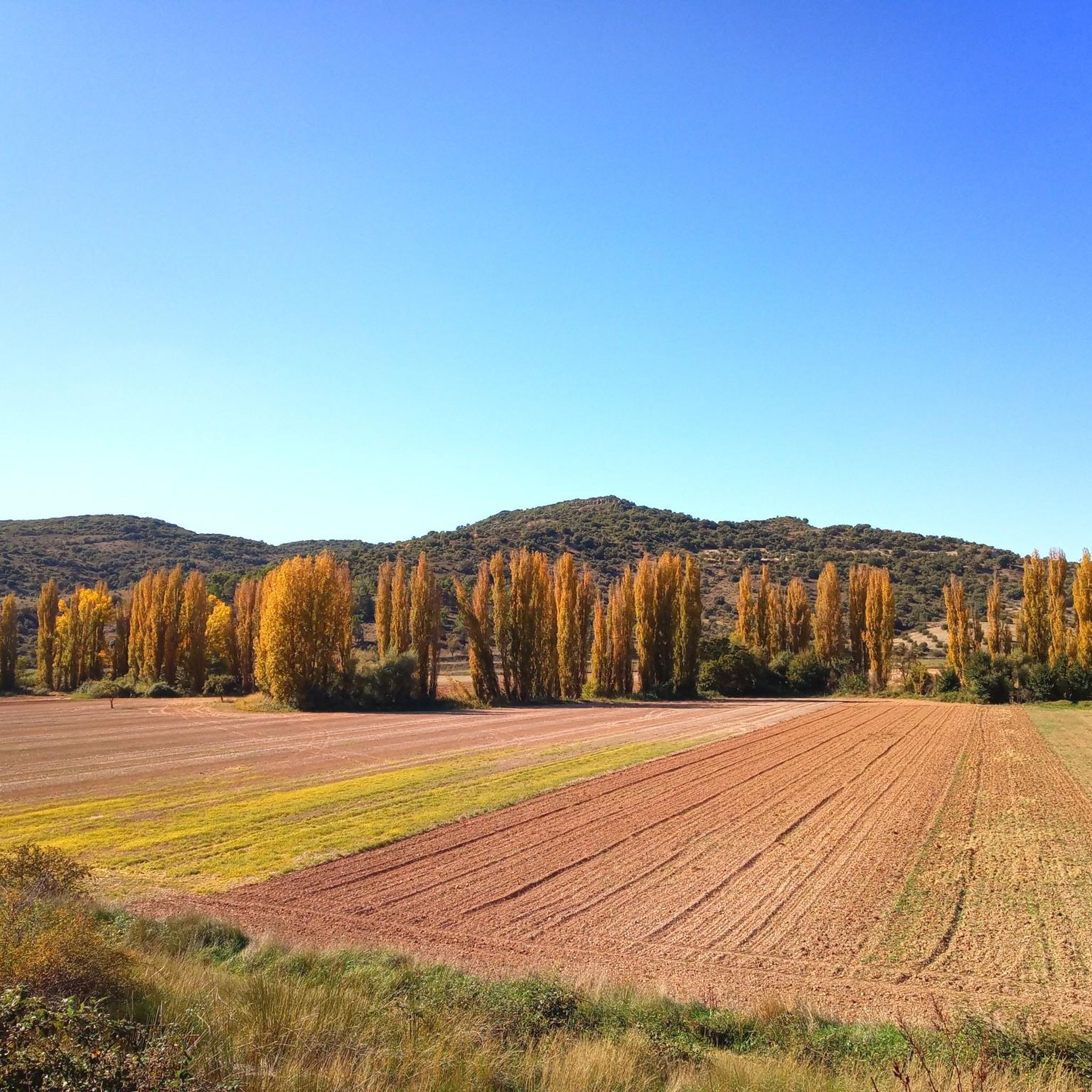
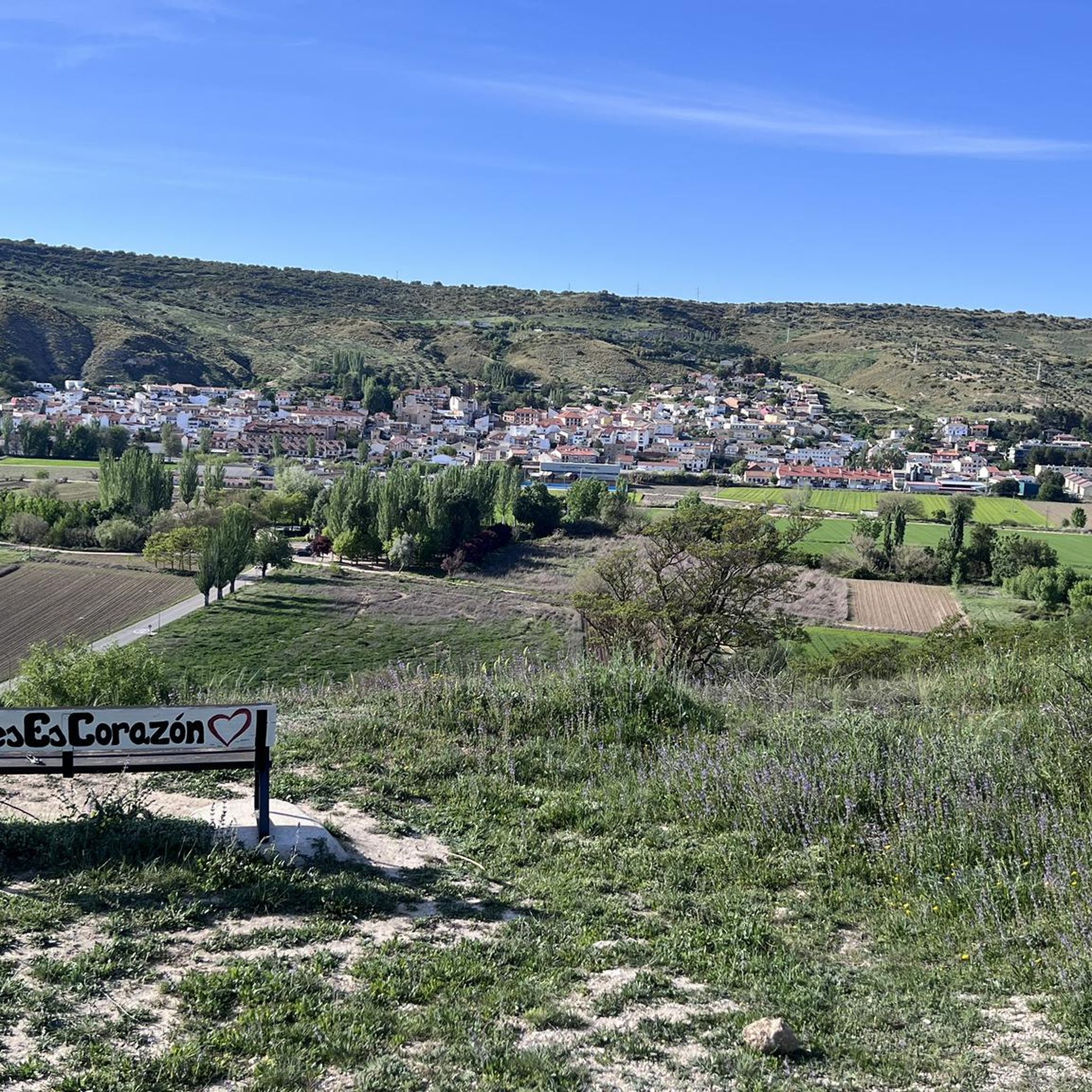
Panoramic views with great beauty
0
0
The unique urban style of Nuevo Baztán maintains the original Baroque model from the beginning of the 18th century, designed by José de Churriguera by order of Juan de Goyeneche, who had permission from Charles II to build glass, paper and textile factories on Spanish territory. The Navarrese businessman was originally from Arizkun, in the Baztán Valley, but spent time in Madrid because he had other properties and professional relations with the Court. He chose the site of Madrid's Alcarria to found an industrial and rural centre in honour of his homeland and commissioned the Madrid architect to build a glass factory, a farming village of half a thousand inhabitants, a palace, a monumental church and gardens with centuries-old pines and elms. The town preserves cobbled streets, stone squares, rural buildings from the time of its foundation, between 1709 and 1713, and palace gardens, a beautiful heritage complex declared a Historic-Artistic Monument in 1941 and a Site of Cultural Interest in 2000.
0
0

It is called that precisely because it took that long to build it (although in reality it was more days) but we can still enjoy its layout in some parts.
0
0

The Valmores fountain, an Asset of Heritage Interest of the Community of Madrid, is a good example of the historical sources existing in the region, closely linked to livestock farming and the livestock routes that facilitated the movement of herds through the territory. It is attached to the base of a bank, a wide unproductive slope that links dry fields arranged at different levels, and preserves the original catchment system intact, maintaining an acceptable flow. Source: https://www.comunidad.madrid/cultura/patrimonio-cultural/restauracion-fuente-valmores-pezuela-torres
0
0
Its history dates back to 1554. Pezuela had one hundred and eighty residents. The Council collected a million and a half maravedíes that ended up in the hands of King Carlos I in exchange for being able to have jurisdiction. On the occasion of this event, to commemorate and warn all travelers that Pezuela had achieved the power to administer justice for itself and that it was now a Villa, the Picota was ordered to be erected, a stone monument that was usually placed in the public square or at a crossroads. There are many legends of torture in Pezuela de las Torres. They all took place in the town square. In the past, the pillory was an instrument that was used to torture, place prisoners for public ridicule or expose a person's head after their execution. In it, major and minor penalties were paid for common criminals, who, after being whipped, were exposed to public shame. It had an exemplary character and had to be visited by the people when there were sentences. In addition to capital punishment, the exposure of public shame was frequent: the condemned had to endure the outbursts of the neighbors in addition to suffering the throwing of things that were within their reach (rocks, excrement or whatever they had at hand). That's where, in fact, the term pillorying or empicotar comes from. Although it was not the only one in the region, Pezuela today is one of the most important in the Community of Madrid. Source: https://elresurgirdemadrid.com/pezuela-de-las-torres-plaza-picota/
1
0

Fountain in the small park in front of the church.
0
0
Frequently Asked Questions
What historical and cultural sites can I explore in Mondéjar?
Mondéjar, known as the "Cradle of Spanish Renaissance," offers a rich array of historical and cultural sites. You can visit the 16th-century Parish Church of Santa María Magdalena, explore the unique Hermitage of San Sebastián and the Cueva de los Judíos with its sculptural group depicting the Passion of Christ, and see the ruins of the Monastery of San Antonio, considered one of Spain's oldest Plateresque monuments. Don't miss the traditional Castilian Plaza Mayor and the Goyeneche Palace of Nuevo Baztán, a 17th-century Renaissance palace nearby.
Where can I find examples of Renaissance architecture in Mondéjar?
Mondéjar is particularly rich in Renaissance architecture. The Parish Church of Santa María Magdalena is a prime example, considered one of the earliest in Spain. The ruins of the Monastery of San Antonio feature a magnificent Plateresque facade attributed to Lorenzo Vázquez, marking it as the first Renaissance construction in Spain. Additionally, the nearby Goyeneche Palace of Nuevo Baztán is a notable 17th-century Renaissance structure.
Is there a museum in Mondéjar?
Yes, Mondéjar is home to the Museo Parroquial Mendocino. This museum houses a permanent exhibition of significant artistic and historical pieces, including goldsmithery, carved stone from religious monuments, paintings, and textiles. Combined visits to the museum and the Cueva de los Judíos are often available.
What natural attractions or greenways are there for outdoor activities?
The most prominent natural feature for outdoor activities is the Vía Verde del Tajuña. This greenway follows an old railway line, offering beautiful landscapes for walking and cycling. The Mondéjar section is 10 kilometers long and includes impressive viaducts, such as a nearly 100-meter-long curved stone bridge. You can also find the Junction of the Tajuña Greenway and the Tren de los 40 Días Greenway, which connects various towns and traverses cultivated fields.
Are there hiking trails near Mondéjar?
Yes, there are several hiking opportunities around Mondéjar. You can explore routes like the '40-Day Train Greenway Loop from Villar del Olmo' or the 'Convento Jesús del Monte Trail'. For more options and detailed information, you can check the dedicated guide for Hiking around Mondéjar.
Can I go cycling around Mondéjar?
Absolutely! Mondéjar and its surroundings are great for cycling, especially along the Vía Verde del Tajuña. Popular routes include the 'Nuevo Baztán and Tajuña Greenway Loop' and the 'Chapel of the Holy Children – Tajuña Greenway loop from Ambite'. For more cycling routes, visit the Cycling around Mondéjar guide.
Are there family-friendly attractions in the Mondéjar area?
Many attractions around Mondéjar are suitable for families. The Goyeneche Palace of Nuevo Baztán and the Villar del Olmo Town Center are both categorized as family-friendly. The Vía Verde del Tajuña also offers easy and enjoyable paths for family walks or bike rides, with features like the Picturesque bridge providing shaded resting spots.
What local culinary delights and wines should I try in Mondéjar?
Mondéjar boasts a notable local gastronomy with traditional flavors. You should try dishes such as roasted lamb, migas with grapes, and gachas. The region is also famous for its wines, which have their own Denomination of Origin (D.O. Mondéjar) and were recognized even in the court of Philip II.
What is the significance of the Cueva de los Judíos?
The Cueva de los Judíos, located within the 16th-century Hermitage of San Sebastián, is a unique and recently declared Cultural Asset of Interest. It houses a remarkable sculptural group of 75 life-sized, polychrome stucco figures depicting twelve scenes from the Passion of Christ, including the Last Supper and the Resurrection.
What is the Valmores Fountain and why is it important?
The Valmores Fountain is an Asset of Heritage Interest in the Community of Madrid. Dating back to 1578, this historical fountain is closely linked to livestock farming and ancient livestock routes. It features a functional design for watering livestock and has been restored to preserve its original catchment system, making it an important piece of ethnographic heritage.
Are there any notable viewpoints or scenic spots around Mondéjar?
While specific viewpoints are not extensively detailed, the Vía Verde del Tajuña offers beautiful environmental landscapes along its route, especially from its impressive viaducts. The Villar del Olmo Town Center also highlights scenic points of interest within its small town, which can be explored via a QR code system provided by the town hall.
What is the Centenary Bullring in Mondéjar known for?
The Centenary Bullring in Mondéjar, built in 1915, is notable for its construction. Interestingly, some of its carved stones were sourced from the historic Monastery of San Antonio, linking it directly to the town's rich architectural past.
Most popular attractions around Mondéjar

Get inspired with the komoot mobile app


Explore more
Still not found the Highlight you’re looking for? See guides of the top attractions in other regions:
