The best walks and hikes around Renera
4.4
(6)
29
hikers
3
hikes
Hiking around Renera offers opportunities to explore the region's cultural heritage and rural landscapes. The area features a network of trails connecting historic towns and points of interest. Hikers can expect varied terrain, including paths through agricultural areas and routes around local landmarks. The trails provide a way to experience the local environment and history.
Best hiking trails around Renera
- The most popular hiking route is Pastrana Cultural Heritage Route, a 2.9 miles (4.6 km) trail that takes 1…
Last updated: October 4, 2026
8
hikers
4.64km
01:17
80m
80m
Easy hike. Great for any fitness level. Easily-accessible paths. Suitable for all skill levels.
5.0
(1)
1
hikers
12.1km
03:26
260m
260m
Moderate hike. Good fitness required. Easily-accessible paths. Suitable for all skill levels.

3.0
(2)
6
hikers
12.3km
03:30
290m
290m
Moderate hike. Good fitness required. Easily-accessible paths. Suitable for all skill levels.
5.0
(1)
7
hikers
Moderate hike. Good fitness required. Easily-accessible paths. Suitable for all skill levels.
4.5
(2)
7
hikers
10.8km
02:59
190m
190m
Moderate hike. Good fitness required. Easily-accessible paths. Suitable for all skill levels.
Our route recommendations are based on thousands of hikes, rides, and runs completed by other people on komoot.
Start today with a free account
Your next adventure awaits.

Tips from the Community

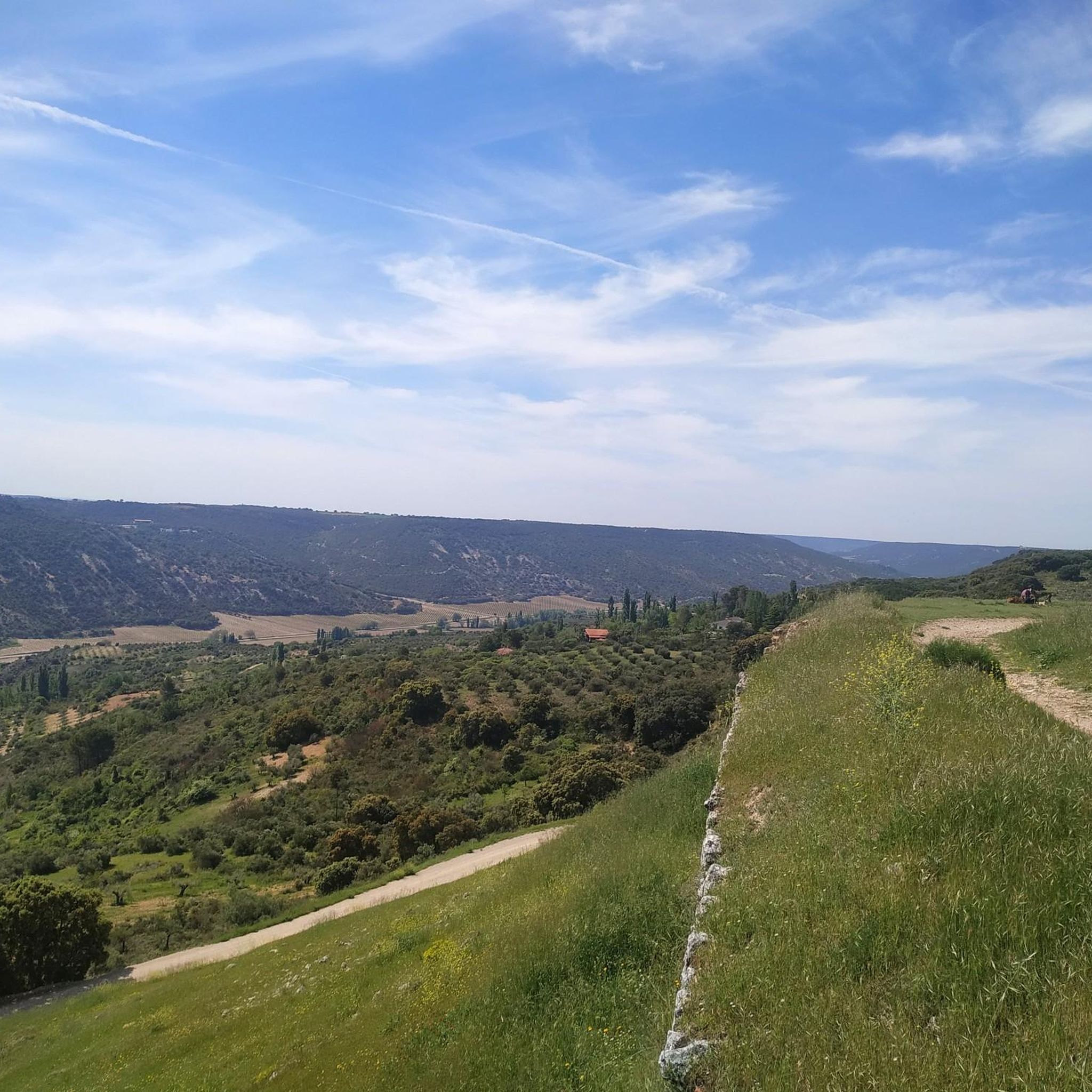
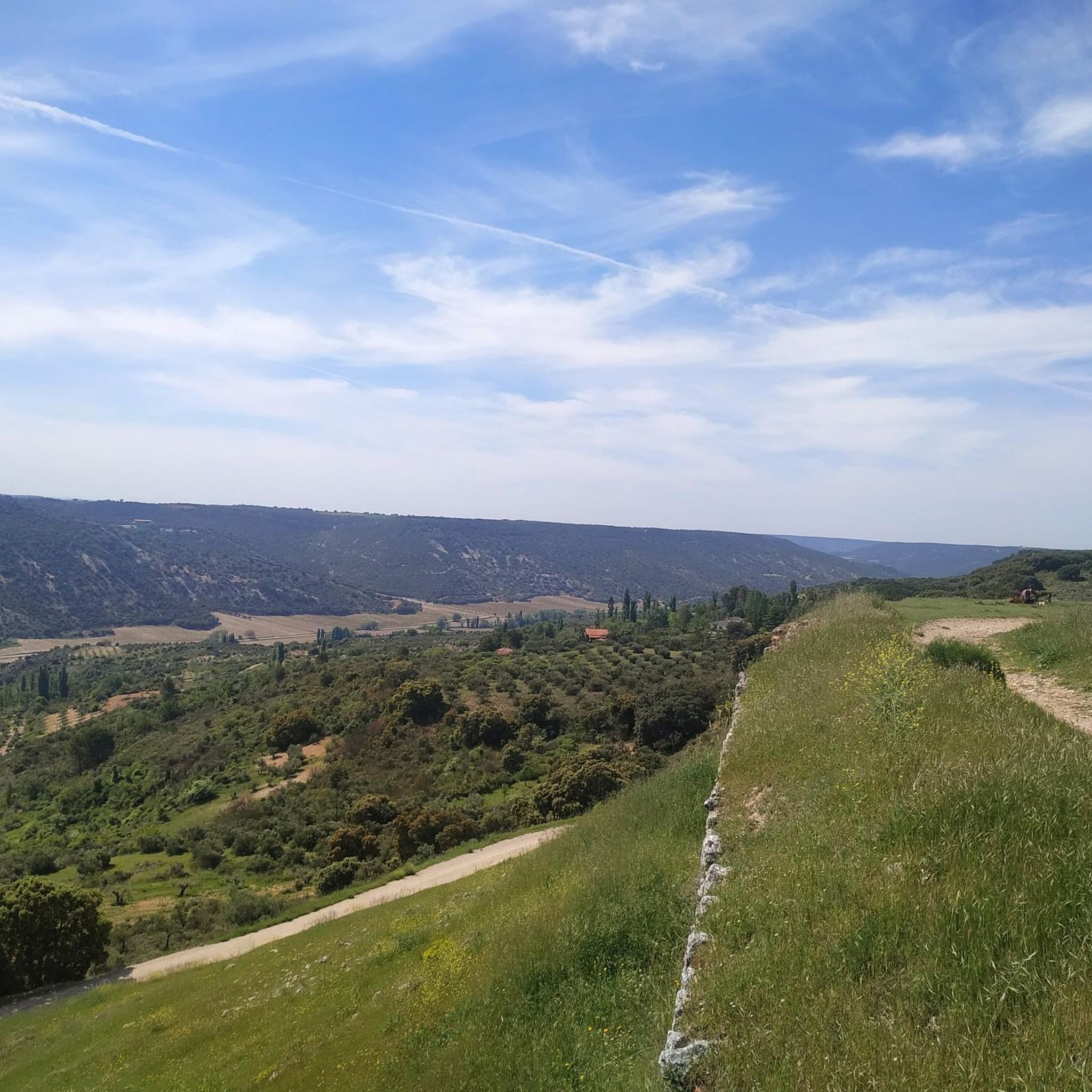
The hermitage is located on a hill north of Hontoba, in the La Alcarria region, overlooking the Tajuña and Hontoba stream valleys from a promontory that reaches an altitude of approximately 901 meters. Its origins are unclear, although according to legend, the Virgin Mary appeared to a shepherd and asked that a hermitage be built. There are indications of a 13th-century chapel where the Virgin was already venerated. It was also a place of retreat for nobles such as Íñigo López de Mendoza, 4th Duke of the Infantado, in the 16th century. The hermitage is listed on the Red List of Endangered Heritage due to its alarming state of general ruin.
1
0

Next to the road, a milestone and a plaque commemorate the stay of Friar Francisco Ximénez de Cisneros in this monastery, which is now in ruins.
0
0
A place of recreation and pilgrimage for the locals. It has a recreational area where you can spend some time relaxing.
0
1
It is a historic and monumental town, very pretty, with a church, palaces, arcades, fountains, hermitages, remains of historical monuments, and also very welcoming people.
0
1
In the plain of the Arles river, between the Tagus and the Tajuña, the Villa Ducal de Pastrana welcomes us. Its multiple samples of artistic and cultural heritage have given it the title of Artistic Historical Site. Pastrana is enriched with figures and literary stories; Thus, its Carmelite convents were founded by Saint Teresa and Saint John of the Cross. Moratín later settled in the town for long periods of time and, closer to our days, Camilo José Cela immortalized it by portraying it in his Viaje a la Alcarria. The Plaza de la Hora is governed by the imposing Ducal Palace, in Renaissance style and with an abundance of Mannerist elements. Some wonderful coffered ceilings also designed by Alonso de Covarrubias, in Plateresque style, have been preserved. Likewise, the skirting boards of Toledo tiles in the Mudejar style stand out. It offers its visitors the opportunity to visit various museums and emblematic monuments of the town. DUCAL PALACE TAPESTRY MUSEUM SANTA TERESA V CENTENARY MUSEUM
18
0

Also known as Convento de la Concepción Francisca, it is a convent and inn located on the outskirts of Pastrana (Guadalajara, Spain). It is located to the south of the town, next to the Arles river valley.
0
1

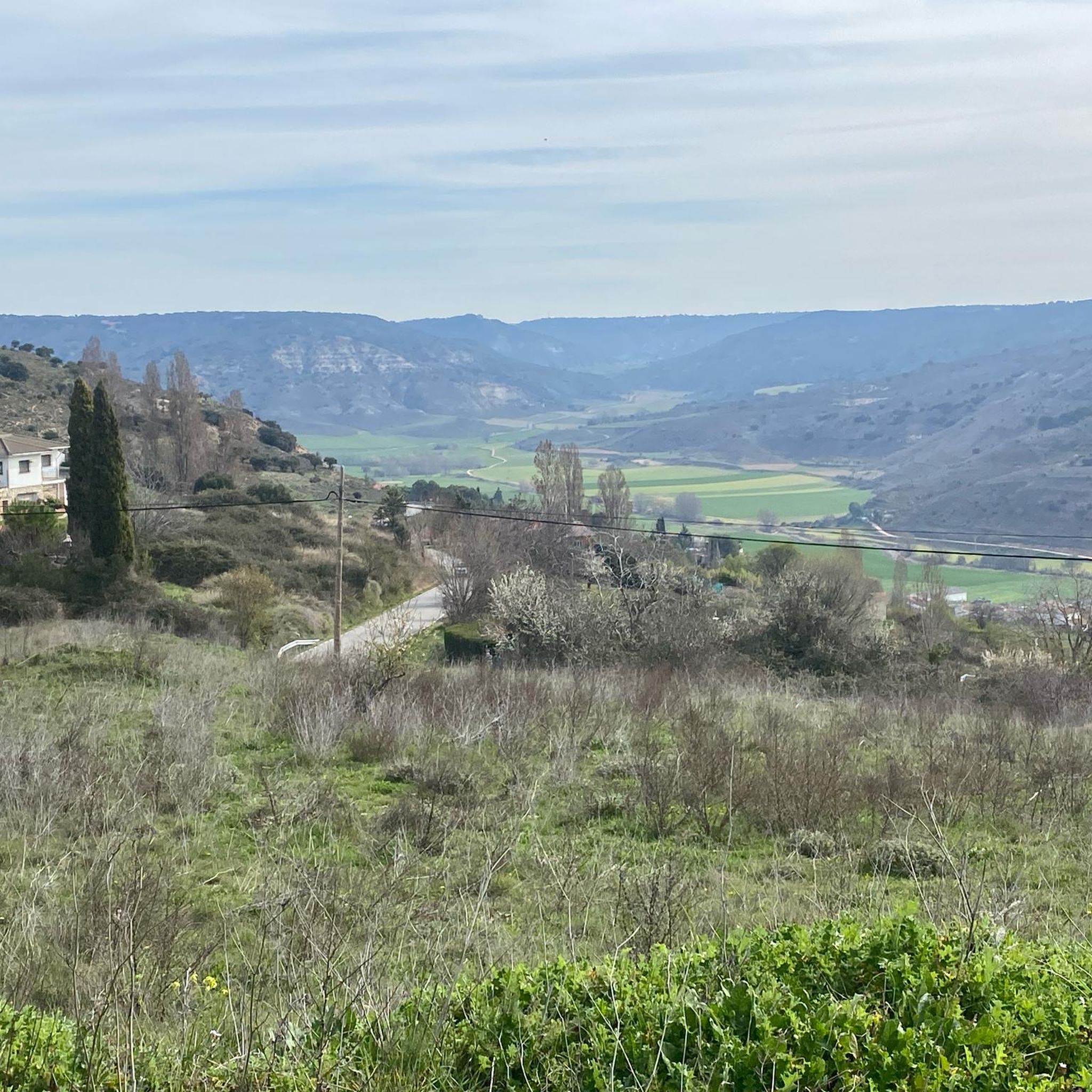
Pastrana is a Spanish town and municipality in the south of the province of Guadalajara and is located in the region of La Alcarria, where it had its peak between the 16th and 17th centuries. It was declared a historical-artistic complex in 1966.
0
0
Frequently Asked Questions
What types of hiking trails can I find around Renera?
Hiking around Renera primarily features routes that connect historic towns, cultural sites, and rural landscapes. You'll find paths through agricultural areas and routes exploring local landmarks, offering a blend of cultural heritage and natural scenery.
Are there any easy or family-friendly hiking options in Renera?
Yes, Renera offers easy hiking options suitable for families. For instance, the Pastrana Cultural Heritage Route is an easy 2.9-mile (4.6 km) trail that explores the historic town of Pastrana, making it a great choice for a relaxed walk.
Can I find circular hiking routes in the Renera area?
Yes, several circular routes are available. The Hontoba and Ermita de los Llanos Loop is a moderate 7.5-mile (12.1 km) path, and the Pastrana – Collegiate Church (Pastrana) loop from Pastrana is another popular moderate option, offering a longer excursion through the local countryside.
What historical sites or landmarks can I see while hiking in Renera?
The Renera area is rich in historical and cultural landmarks. Along your hikes, you might encounter sites such as the Ruins of the Ermita de Nuestra Señora de los Llanos, the Ruins of the Convento Jesús del Monte, and the historic Plaza de la Hora. The Pastrana Village Center and its Collegiate Church are also prominent points of interest.
What do other hikers say about the trails in Renera?
The routes in Renera are highly rated by the komoot community, with an average score of 4.4 stars from 6 reviews. Hikers often appreciate the opportunity to explore the region's cultural heritage and varied rural landscapes.
How many hiking trails are available in the Renera region?
There are several hiking trails available in the Renera region, with komoot featuring at least 5 distinct routes for you to explore, ranging from easy walks to more moderate excursions.
Are dogs allowed on the hiking trails around Renera?
While specific regulations for each trail may vary, generally, dogs are welcome on many rural and cultural trails in the Renera area, especially if kept on a leash. Always be mindful of local signage and respect agricultural areas.
What is the best time of year to go hiking in Renera?
The best time to hike in Renera is typically during spring and autumn when the weather is mild and pleasant for exploring the rural landscapes and historic towns. Summer can be warm, while winter might bring cooler temperatures, though trails generally remain accessible.
Are there any specific parking facilities for the hiking trails?
Parking availability will vary depending on the specific trailhead. For routes starting in or near historic towns like Pastrana or Hontoba, you can usually find public parking areas within the villages. It's advisable to check local parking options for your chosen starting point.
Are there any permits required for hiking in Renera?
Generally, permits are not required for hiking on the established trails and rural paths around Renera. These routes are typically open for public access, allowing you to freely explore the cultural heritage and countryside.
What kind of terrain can I expect on Renera's hiking trails?
The trails in Renera offer varied terrain, including paths through agricultural fields, rural tracks, and routes that navigate through and around historic towns. You can expect a mix of relatively flat sections and gentle ascents, suitable for different fitness levels.
Most popular attractions around Renera

Get inspired with the komoot mobile app


Explore more
Browse the best Hikes in other regions.
