Top 8 Lakes around Chía
Lakes around Chía, Cundinamarca, offer a blend of natural beauty and recreational opportunities within the broader region. While Chía itself is a municipality with some local water bodies, the most notable natural lakes for outdoor activities are found in the surrounding areas of Cundinamarca. This region is characterized by its Andean landscape, providing diverse terrain for exploration.
Best lakes around Chía
- The most popular lakes is Ibón of Plan (Basa de la Mora), a lake located at an altitude…
Last updated: October 30, 2026
Ibón of Plan (Basa de la Mora)
Highlight • Lake
The name of Basa de la …
Translated by Google •
Tip by

Ibón del Sen
Highlight • Lake
Translated by Google •
Tip by

Sign up now to discover places like this
Get recommendations on the best single tracks, peaks, & plenty of other exciting outdoor places.
Linsoles Reservoir
Highlight • Lake
Translated by Google •
Tip by
Lago de Eriste
Highlight (Segment) • Lake
Translated by Google •
Tip by

Ibones de Barbarisa
Highlight • Lake
Translated by Google •
Tip by
Sign up for free to discover even more lakes around Chía.
Already have an account?
Start today with a free account
Your next adventure awaits.
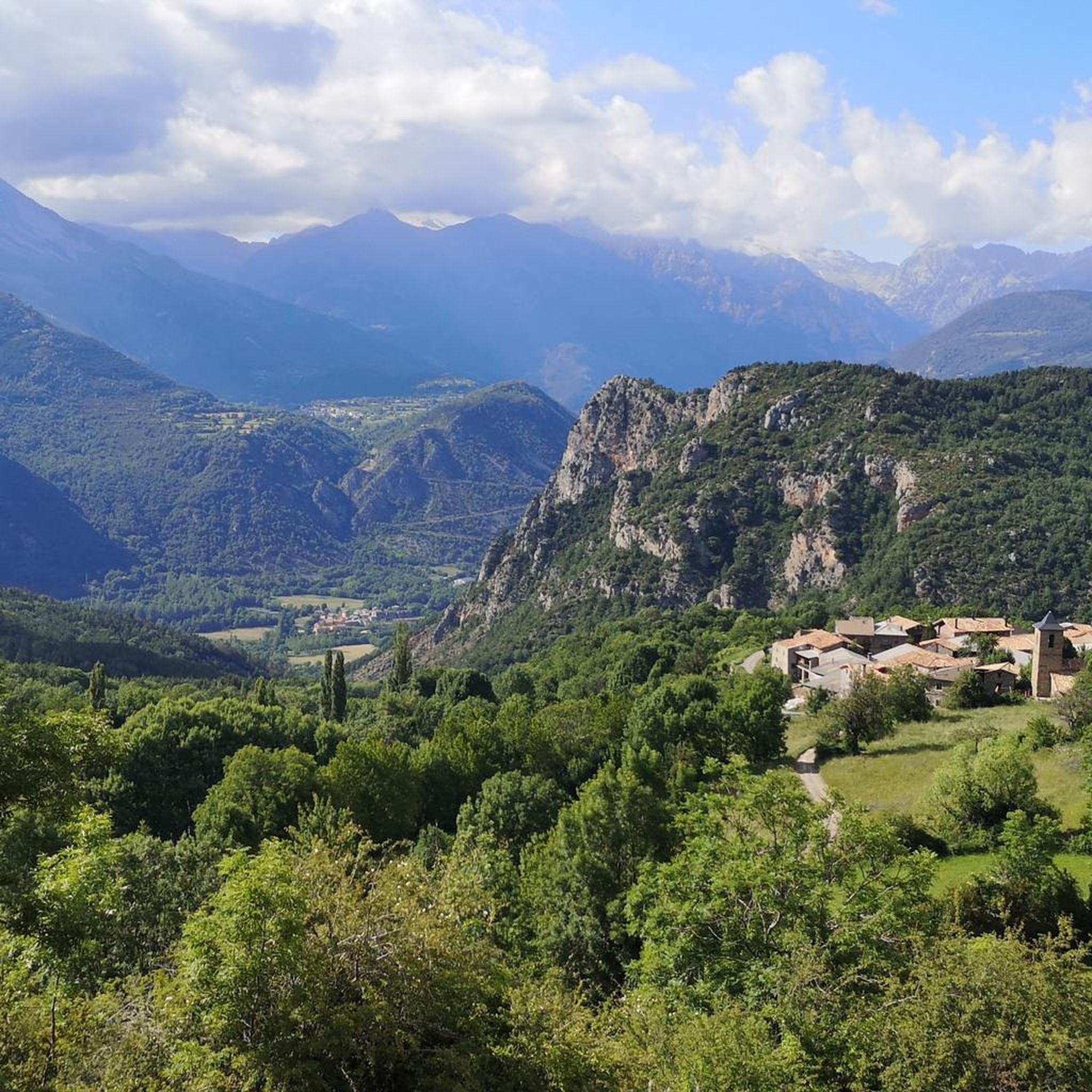
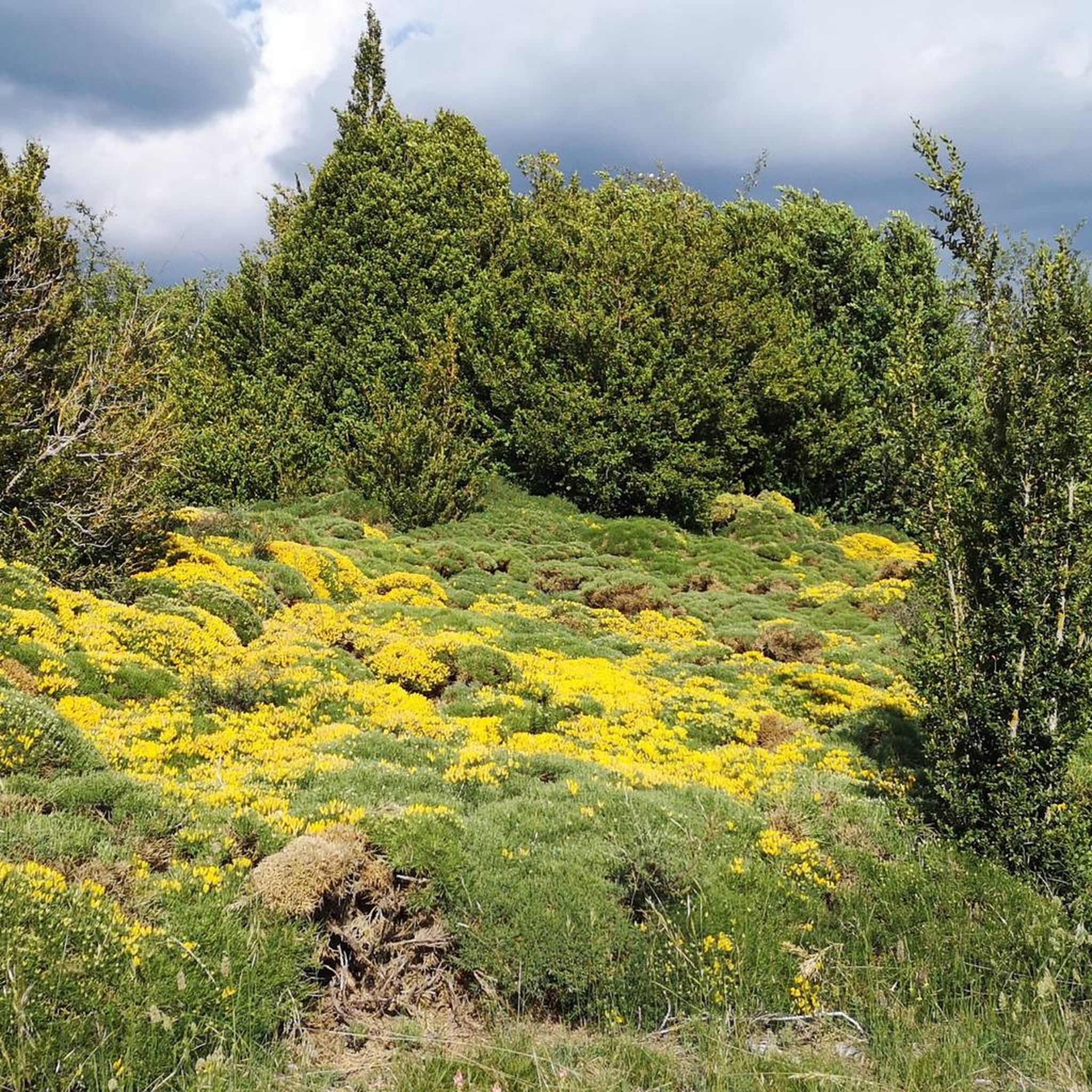
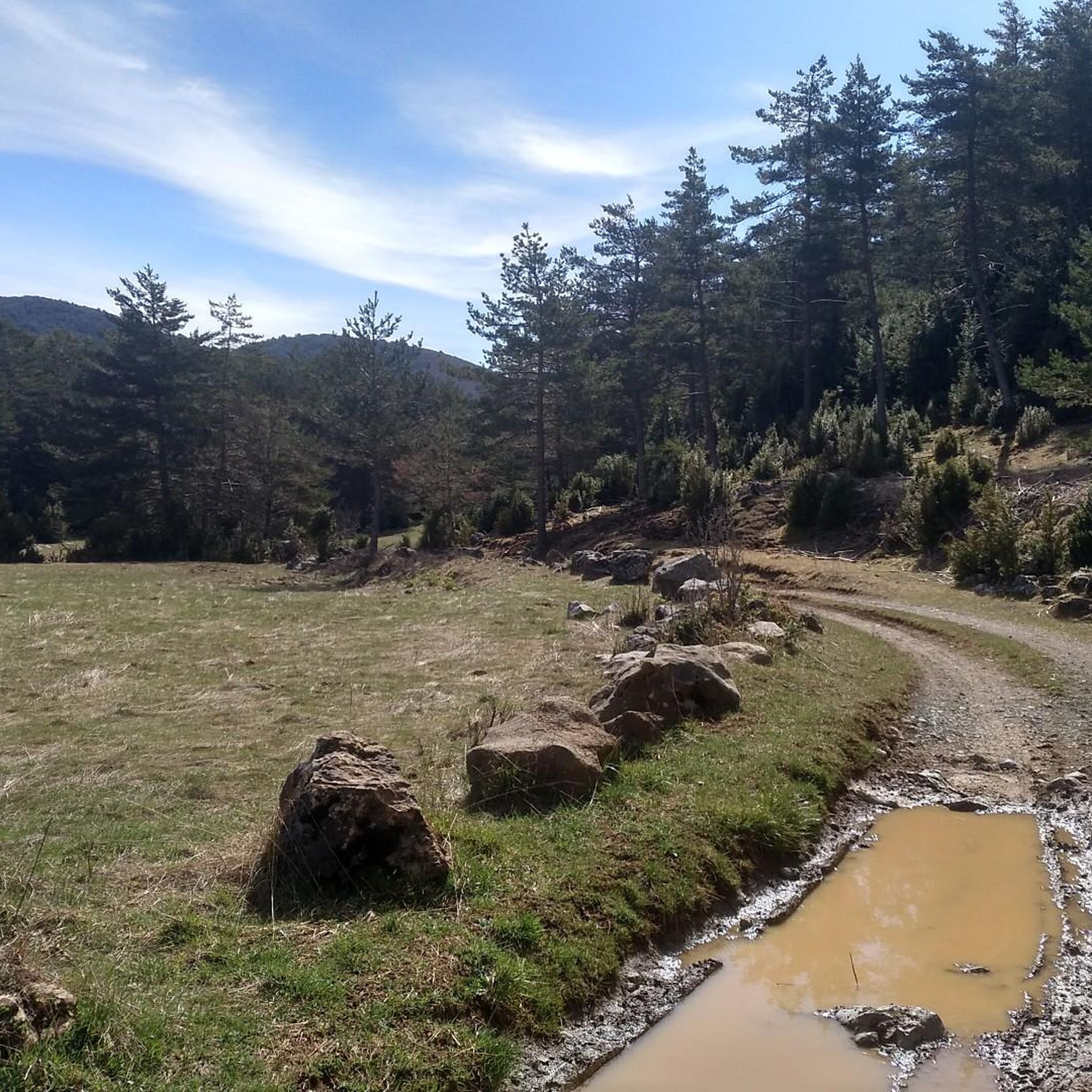
Tips from the Community


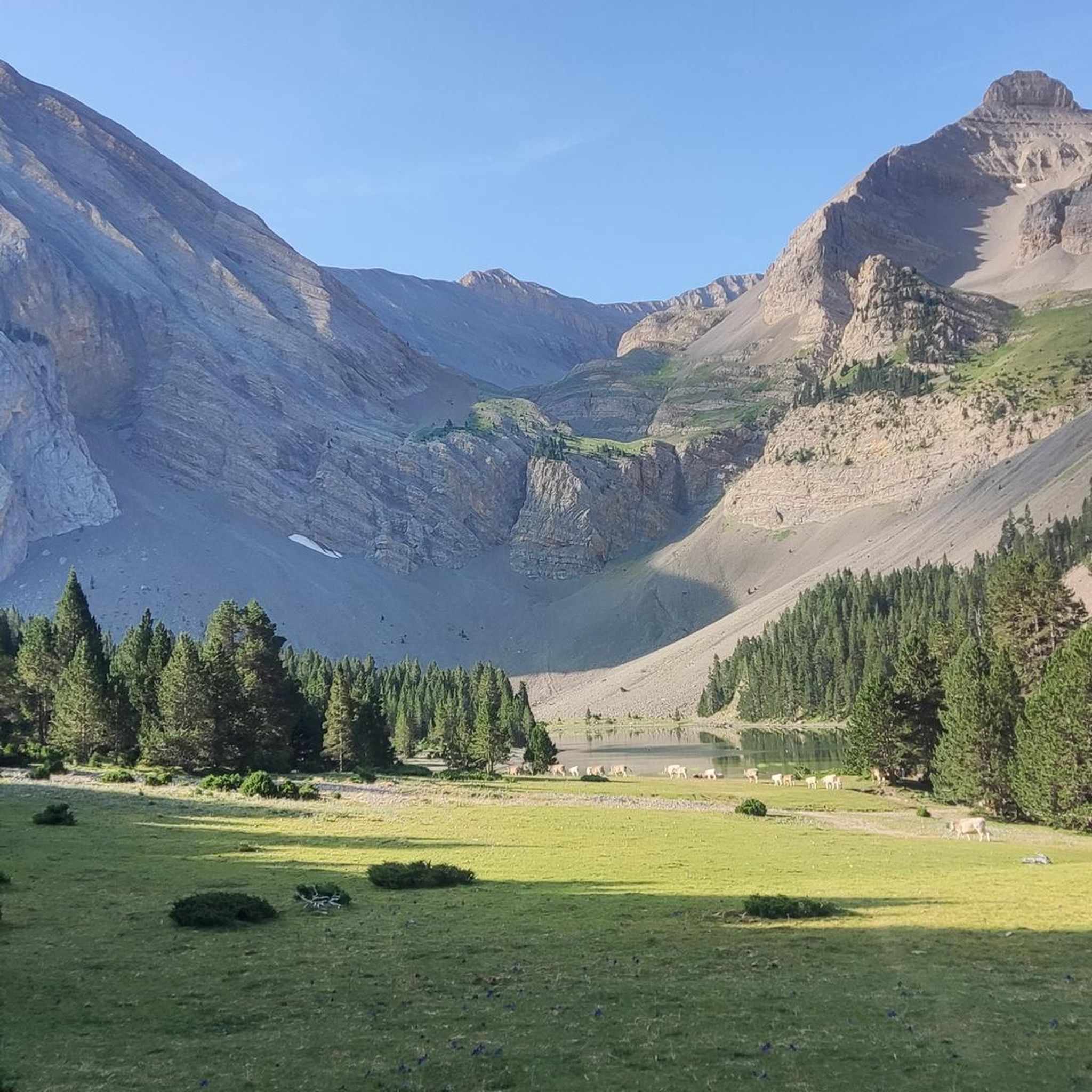
Despite being relatively easy to access, this beautiful lake located at 2300 m altitude is not one of the most visited in the Pyrenees. However, it stands out for being located in a very clear glacial cirque, with an almost perfect overexcavation basin. All Aragonese lakes are protected as they are included in the Inventory of Singular Wetlands, so any activity that could modify the quality of their waters is prohibited. While bathing is not specifically mentioned, it is understood that bathing with chemicals on the skin such as sunscreen, deodorants, perfumes or creams is negatively affecting the quality of the water, so it cannot be done. You can read the protection decree and the list of wetlands included here: aragon.es/-/humedales-de-aragon
0
0

Currently called Lake Eriste, it has also been known as the Eriste or Linsoles Reservoir. It was built in the 1960s as part of the creation of the Eriste Hydroelectric Power Station, although its function is to collect water from the power station and accumulate it for the Sesué generating station. A pleasant path runs along its left bank with numerous benches and picnic tables where you can make stops.
0
0

The Linsoles Reservoir is a small reservoir that is located very close to the town of Eriste, and where the waters of the Ésera river, coming from the Maladeta massif, come from.
0
0
The name of these lakes, at an altitude of 2,315 m, is a good example of the richness and linguistic diversity of Aragonese, since in the Benasque valley they are called "Barbarisa" and in the neighboring Chistau valley, "Barbaricia". All the Aragonese lakes are protected by being included in the Inventory of Singular Wetlands, therefore any activity that could modify the quality of their waters is prohibited. While bathing is not specifically mentioned, it is understood that bathing with chemicals on the skin such as sunscreen, deodorant, perfume, or lotion is negatively affecting water quality, so it cannot be done. You can read the protection decree and the list of wetlands included here: https://www.aragon.es/-/humedales-de-aragon
0
0
The name of these lakes, at an altitude of 2,315 m, is a good example of the richness and linguistic diversity of Aragonese, since in the Benasque Valley they are called "Barbarisa" and in the neighboring Chistau Valley, "Barbaricia". . All the Aragonese lakes are protected as they are included in the Inventory of Singular Wetlands, so any activity that could modify the quality of their waters is prohibited. While bathing is not specifically mentioned, it is understood that bathing with chemicals on the skin such as sunscreens, deodorants, perfumes or creams is negatively affecting the quality of the water, so it cannot be done. You can read the protection decree and the list of wetlands included here: boa.aragon.es/cgi-bin/EBOA/BRSCGI?CMD=VEROBJ&MLKOB=558856590404
0
0
The Linsoles (or Eriste) Reservoir was built in the 1960s to collect the water channeled through the mountain to power the Eriste hydroelectric power station. It is one of the 3 reservoirs of the Ésera river in the Benasque valley.
0
0
Frequently Asked Questions
What are the main lakes and water bodies in and around Chía, Cundinamarca?
Within Chía, you'll find Lago de Fontanar, a local lake, and the Unidad Deportiva Lagos de Chía, which is primarily a sports and recreational complex. For more significant natural attractions, the Siecha Lakes in the broader Cundinamarca region are a notable destination.
Are there any natural lakes suitable for recreation directly within Chía?
While Chía has Lago de Fontanar, detailed information on its recreational features is limited. The Unidad Deportiva Lagos de Chía is a sports complex with water features, but not a natural lake for activities like swimming or boating. For more traditional lake recreation, you'll need to venture to nearby areas in Cundinamarca.
What are the Siecha Lakes and why are they significant?
The Siecha Lakes are three stunning glacial lakes located within Chingaza Natural National Park, near Guasca, Cundinamarca. They are significant for their breathtaking paramo ecosystem, rich biodiversity, and profound cultural importance as sacred sites for the Muisca people. They offer magnificent scenery and are a prime destination for hiking.
What kind of activities can I do at the Siecha Lakes?
The Siecha Lakes are ideal for hiking and ecological tourism. Visitors can explore the unique Andean paramo, observe diverse flora and fauna, and learn about Muisca history. Access is regulated to preserve their natural state, often requiring guided tours.
What is the best way to access the Siecha Lakes from Chía?
The Siecha Lakes are accessible from the Chía/Bogotá area. Typically, a day trip involves an hour and a half drive to the trailhead, followed by a hike. Due to their protected status, access is regulated and often requires guided tours and adherence to specific visiting hours and visitor limits.
Are there hiking trails near the lakes around Chía?
Yes, the region around Chía offers various hiking opportunities. You can find moderate hiking trails such as the Castejón de Sos – Sesué Village loop or the Castejón de Sos – Waterfall of the Barranco de Liri loop. These trails provide diverse terrain for exploration.
What cycling routes are available near the lakes in the Chía region?
For cyclists, there are several routes, including challenging road cycling options like the Valle de Benasque – integral of Castejón de Sos to Llanos del Hospital or moderate ones such as the Camino del Solano – circular from Castejón de Sos. Mountain biking enthusiasts can explore trails like the Bisaurri Forests Trail.
What kind of natural environment can I expect around the Siecha Lakes?
The Siecha Lakes are situated in the unique Andean paramo ecosystem. This high-altitude environment features magnificent scenery with streams and marshes, and is home to diverse flora and fauna, including birds like the American purple gallinule and Andean teal, and mammals such as the spectacled bear and white-tailed deer.
Are there any cultural or historical aspects to the lakes in the region?
Yes, the Siecha Lakes hold significant cultural value. They were considered sacred sites by the Muisca people, who inhabited the area before the Spanish conquest. Visiting these lakes offers a chance to connect with both the natural beauty and the rich indigenous history of the region.
What is the best time of year to visit the lakes around Chía, especially the Siecha Lakes?
Given the high altitude of the Siecha Lakes and the paramo ecosystem, it's generally best to visit during the drier seasons to enjoy clearer weather and more comfortable hiking conditions. However, weather in the paramo can be unpredictable, so always be prepared for changing conditions.
Are the lakes around Chía suitable for family visits?
While the Siecha Lakes offer a rewarding experience, their high altitude and regulated access might be more suitable for families with older children who are accustomed to hiking. For more general family recreation directly in Chía, the Unidad Deportiva Lagos de Chía offers sports facilities, though it's not a natural lake setting.
Is there any information about dog-friendly options near the lakes?
Specific regulations for dogs at Lago de Fontanar or the Unidad Deportiva Lagos de Chía are not readily available. For the Siecha Lakes within Chingaza Natural National Park, national park rules typically restrict pets to protect wildlife and the delicate ecosystem. It's advisable to check specific park regulations before planning a visit with pets.
Most popular attractions around Chía

Get inspired with the komoot mobile app


Explore more
Still not found your perfect lake around Chía? Check out the guides of these regions to see even more beautiful places.
