Attractions and Places To See around Chandrexa De Queixa - Top 20
Attractions and places to see around Chandrexa De Queixa are found within the Ourense Central Massif in Galicia, characterized by its mountainous terrain and rich cultural heritage. The region features prominent natural landscapes, including the Chandrexa Reservoir and the Serra da Queixa mountain range. Visitors can explore a blend of natural features, historical landmarks, and traditional villages. This area offers a unique mountain environment for those seeking outdoor activities and a deeper understanding of Galician culture.
Best attractions and places…
Last updated: July 12, 2026
Mao River Boardwalk
Highlight (Segment) • Trail
Translated by Google •
Tip by

Río Mao Wooden Walkway and Barxacova
Highlight (Segment) • Trail
Translated by Google •
Tip by

Sign up now to discover places like this
Get recommendations on the best single tracks, peaks, & plenty of other exciting outdoor places.
Sign up for free
San Vítor de Barxacova Chapel and Necropolis
Highlight • Historical Site
Translated by Google •
Tip by
Castro Caldelas Castle
Highlight • Castle
Translated by Google •
Tip by
Pico San Mamede
Highlight • Summit
Translated by Google •
Tip by

Sign up for free to discover even more attractions around Chandrexa De Queixa.
Sign up for free
Already have an account?
Start today with a free account
Your next adventure awaits.
Login or Signup
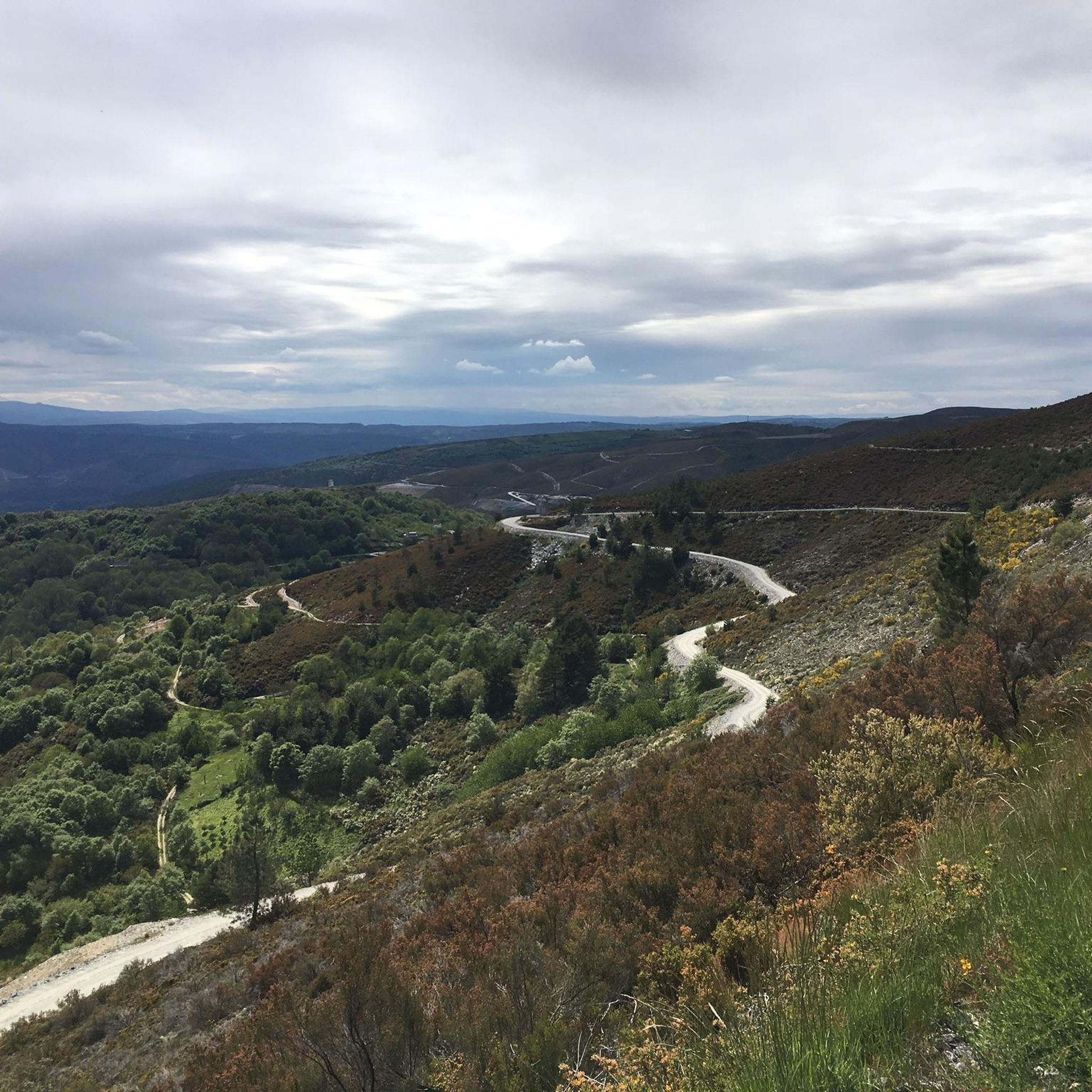
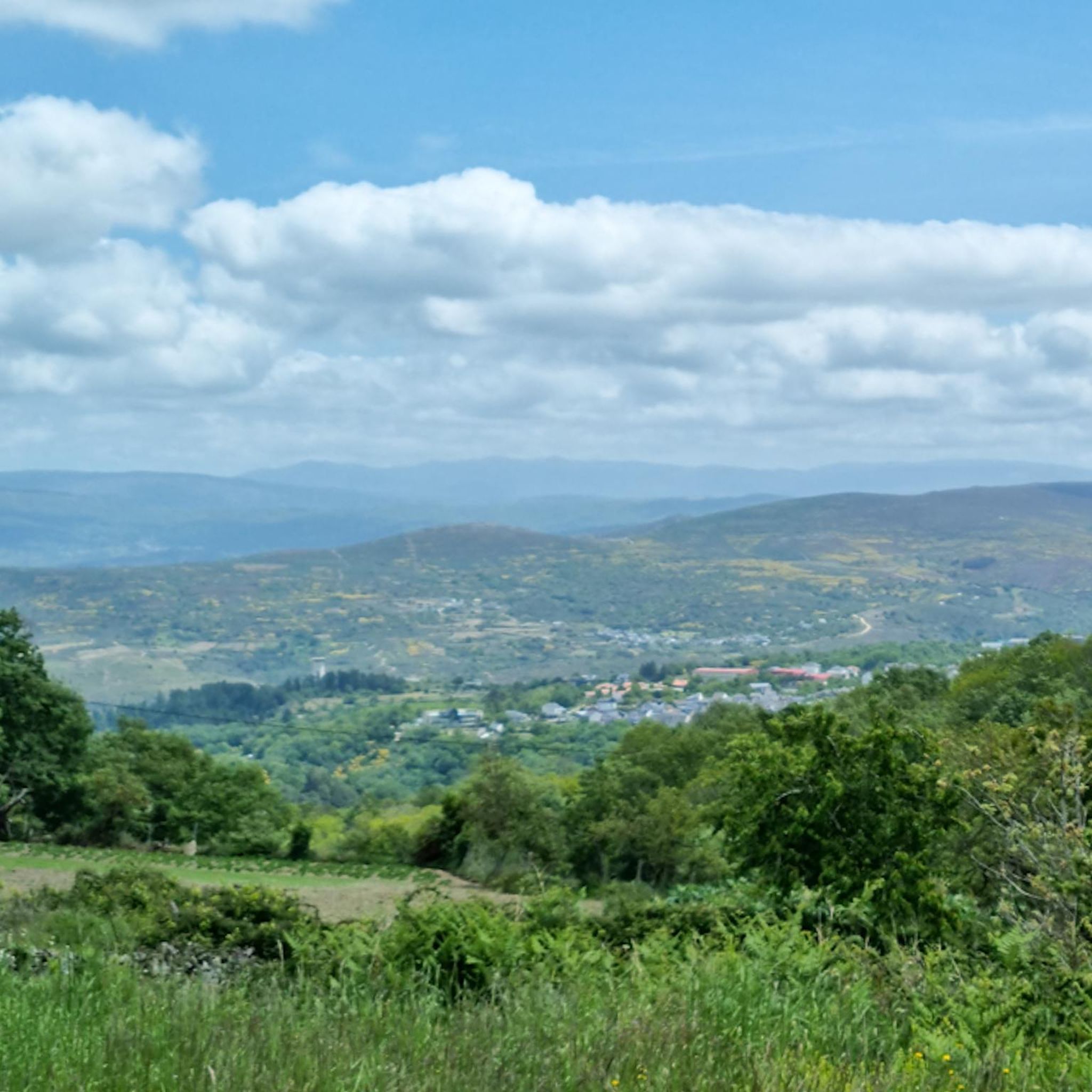
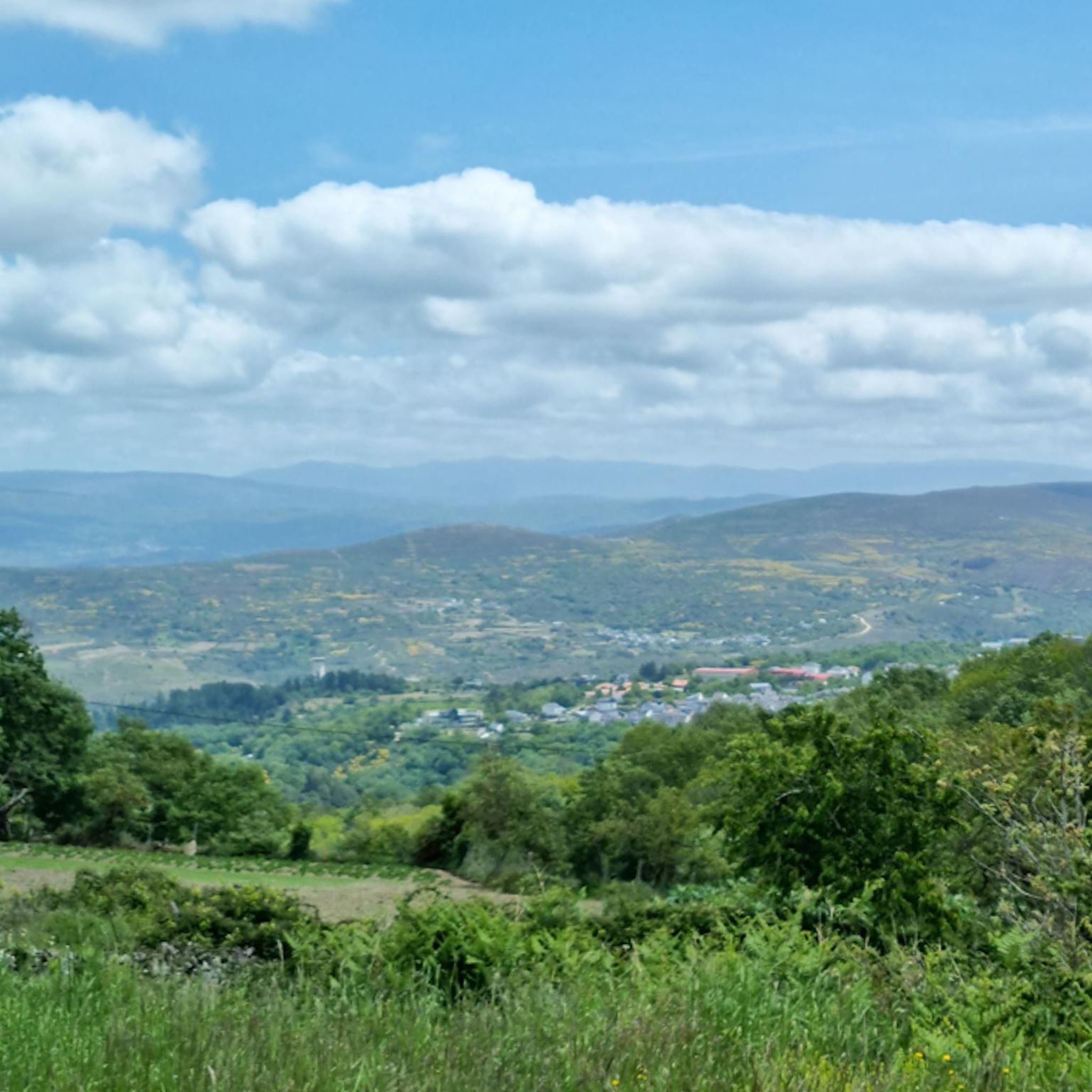

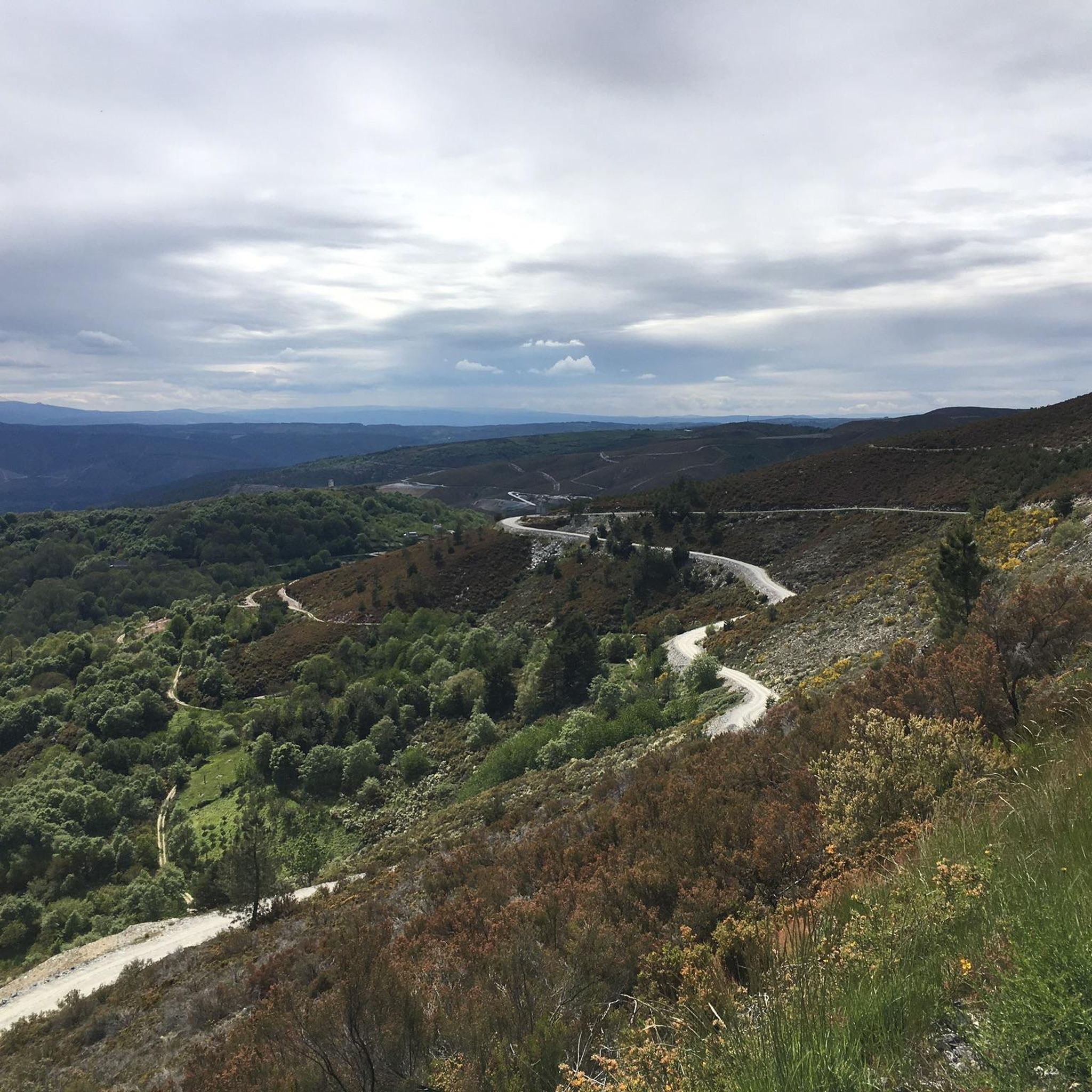
Tips from the Community

Visitable castle restored in different areas and worth seeing, along with the streets that surround it, medieval area of the town of Castro Caldelas
0
0

The walkway route from the Mao River to the Sil Canyon is one of the most beautiful areas to see in the Ribeira Sacra (and, in general, of everything there is to see in Ourense) The total distance of the Mao walkways is 1.8 kilometers and the difference in level to be overcome (using stairs) is 41 meters.
2
0
The chapel and necropolis of San Vítor de Barjacoba (in Galician, Capela e necropole de San Vítor de Barxacova) is an archaeological complex located in the town hall of Parada de Sil, formed by the remains of a medieval chapel and a necropolis with excavated anthropomorphic tombs in stone. Many pieces of kitchen pottery were found, a conrad of Sancho IV of León, a real de vellón of Enrique II of Castile, and a ceiti of Alfonso V of Portugal. In one of the chapel's tombs a fragment of a human tibia appeared.
1
0


In the Middle Ages, the fortress of Castro Caldelas belonged to the house of Trastámara, its growth being very rapid due to trade and craft activities in which linen weavers made this place an important location for their businesses, in addition to Jews with liberal occupations.
3
0
This necropolis is an exceptional testimony of hermitage and one of the most important in the northwest of the peninsula, for the early medieval period, X-XI centuries. The research work revealed the existence of a chapel and more than 40 tombs excavated in the rock, divided into three different sectors.
4
1

On the most prominent site in the city, the castle stands on the old Roman road and dominates the surrounding landscape. The structure and wall of the castle was built in the 14th century. The Castle offers spectacular views of the Sil canyon.
2
0

Wooden footbridges that crossed the Mao river canyon, in the Ribeira Sacra. Halfway up is the viewpoint, with excellent views of the canyon and the waters of the river that run through the gorge.
4
0
Frequently Asked Questions
What natural attractions can I explore around Chandrexa de Queixa?
The region is rich in natural beauty, featuring the prominent Chandrexa Reservoir, ideal for scenic walks and water sports. The majestic Serra da Queixa mountain range offers an imposing environment for hiking. You can also discover the multi-tiered Dorelle Waterfall, especially impressive during spring snowmelt. Don't miss the Mao River Boardwalk, a trail with wooden footbridges crossing the canyon, and the Río Mao Wooden Walkway, which runs parallel to the Mao River.
Are there any historical or cultural sites to visit in the area?
Yes, Chandrexa de Queixa offers several historical and cultural sites. You can visit the San Vítor de Barxacova Chapel and Necropolis, an archaeological complex with a medieval chapel and over 40 rock-cut tombs. The Castro Caldelas Castle, a significant medieval fortress, is also nearby. Other notable sites include the San Pedro Church, the communal oven in Forcadas, and the ancient Conceliñas Medieval Bridge.
What hiking opportunities are available in Chandrexa de Queixa?
Chandrexa de Queixa is a paradise for hiking enthusiasts, with numerous trails winding through ancient villages, glacial valleys, and protected areas. Popular routes include the circular route of Celeiros, the Ruta da Queixeliña, and the Senda de As Forcadas, which offers impressive panoramic views. For more options, you can explore various hiking routes around Chandrexa de Queixa, ranging from easy to difficult.
Are there family-friendly activities or trails suitable for children?
While specific family-friendly trails are not detailed, many of the shorter, easier hiking routes, especially those around the Chandrexa Reservoir or through traditional villages, can be suitable for families. The Río Mao Wooden Walkway offers a relatively simple route with scenic views, though it does include some stairs. The Area Recreativa de Cardiego provides a relaxing spot for families amidst nature.
What are some notable viewpoints in Chandrexa de Queixa?
The region boasts several viewpoints offering magnificent panoramic vistas. Mirador Pena da Laixa and Miradoiro do Seixo provide stunning views of the landscape. For a unique experience, the Mirador Estrelas is a simple wooden bench offering exceptional celestial views due to minimal light pollution. The Mao River Boardwalk also features a viewpoint with excellent views of the canyon.
Where can I experience the local culture and heritage?
To immerse yourself in local culture, visit the Centro de Interpretación de Identidade Galega in Celeiros. This ethnographic museum preserves Galician traditions, typical architecture, and daily life, showcasing ancient farming tools. Exploring traditional villages like Taboazas, Forcadas, and Requeixo also allows you to appreciate typical Ourense architecture and the region's tranquility.
What is the best time of year to visit Chandrexa de Queixa for outdoor activities?
The spring and autumn months are generally ideal for outdoor activities like hiking, with pleasant temperatures and vibrant landscapes. Spring offers the added spectacle of the Dorelle Waterfall at its fullest due to snowmelt. While the Serra da Queixa provides an imposing mountain environment, winter activities are also possible, though conditions can be challenging.
Are there options for road cycling or mountain biking near these attractions?
Yes, the mountainous terrain around Chandrexa de Queixa is well-suited for cycling. You can find various road cycling routes, including challenging loops around the Chandrexa Reservoir. For off-road adventures, there are also several MTB trails, particularly around Cabeza de Manzaneda Summit, catering to difficult skill levels.
What do visitors particularly enjoy about the attractions here?
Visitors frequently praise the stunning natural landscapes, especially the scenic views from the Mao River Boardwalk and the tranquility of the Río Mao Wooden Walkway. The historical significance of sites like the San Vítor de Barxacova Chapel and Necropolis is also highly appreciated, offering a glimpse into early medieval hermitage.
Are there any ancient bridges or structures worth seeing?
Absolutely. The Conceliñas Medieval Bridge is a notable ancient structure, possibly of Roman origin, located on an old entrance road to the Ribeira Sacra. Another significant landmark is the Bridge of A Previsa, which spans the Dorelle River.
Where can I find a quiet spot for relaxation in nature?
For a peaceful retreat, the Area Recreativa de Cardiego, located near the Chandrexa Reservoir, is an ideal spot for relaxation amidst nature. There is also an area recreativa in Rabal. These areas provide serene environments to unwind and enjoy the natural surroundings.
Are there any specific trails that offer impressive panoramic views?
Yes, the Senda de As Forcadas is known for offering impressive panoramic views of the landscape. Additionally, many of the trails within the Serra da Queixa mountain range, and viewpoints like Mirador Pena da Laixa, provide breathtaking vistas of the mountainous environment.
Most popular routes around Chandrexa De Queixa
Most popular attractions around Chandrexa De Queixa

Get inspired with the komoot mobile app


Explore more
Still not found the Highlight you’re looking for? See guides of the top attractions in other regions:
