Attractions and Places To See around Porto Do Son - Top 20
Best attractions and places to see around Porto Do Son include a blend of natural beauty, historical landmarks, and cultural sites. Situated on the western side of the Sierra de Barbanza, the municipality features a 30-kilometer coastline with beaches, forests, and mountains. The area overlooks the Ria de Muros y Noia, offering diverse landscapes for exploration. It is known for its ancient settlements, lighthouses, and protected fishing villages.
Best attractions and places to see around Porto Do Son
- The most popular attractions is Corrubedo Lighthouse, a man-made monument at the tip of a cape in a rocky environment. Built in 1853, it offers views of the Atlantic Dunes of the Dunas de Corrubedo Natural Park.
- Another must-see spot is Castro de Baroña, a historical site. This ancient fortified settlement dates to the 1st century BC, built on a peninsula. It features two walls and remnants of twenty houses with a circular or oval floor plan.
- Visitors also love Church of San Martiño de Noia, a religious building consecrated in 1432, located in the pedestrianized center of Noia. Its portal is reminiscent of the Santiago de Compostela Cathedral.
- Porto Do Son is known for its historical sites, natural features, and viewpoints. The region offers a mix of ancient settlements, coastal landmarks, and scenic viewpoints to see and explore.
- The attractions around Porto Do Son are appreciated by the komoot community, with more than 15 upvotes and over 30 photos shared.
Last updated: July 20, 2026
Church of San Martiño de Noia
Highlight • Religious Site
Translated by Google •
Tip by

Viewpoint
Highlight • Viewpoint
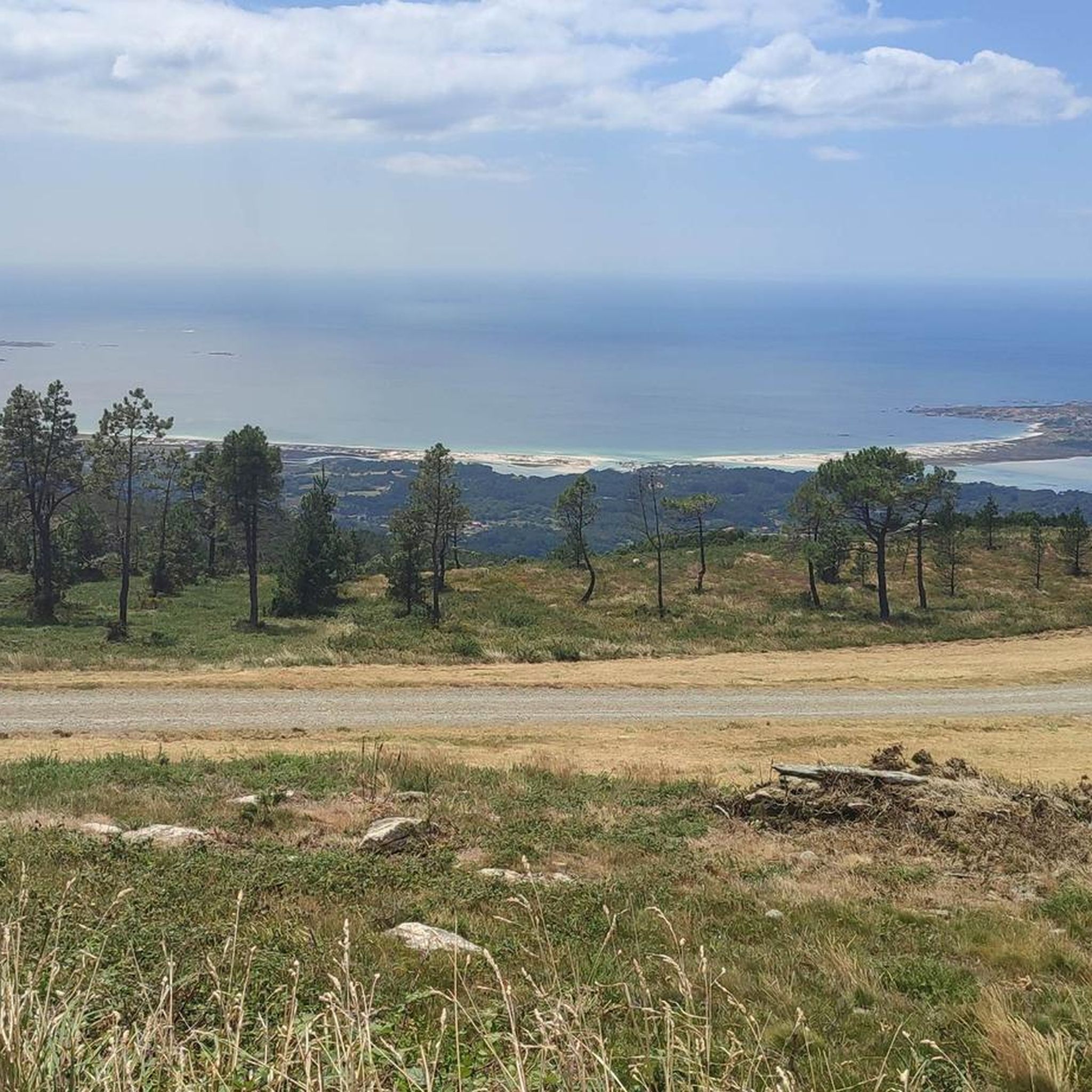
The estuary of Muros and Noya (in Galician, ría de Muros e Noia), also known as ría de Muros or ría de Noya, is part of the rías Bajas and is located between the Corcubión estuary in the north and the estuary of Arosa in the south. It is located in the province of La Coruña, and the Barbanza Peninsula delimits its coasts to the south. The River Tambre flows into this estuary.
The waters of the Tambre are those that originate at the confluence with the sea, a habitat in which bivalves, cockles and cockles develop, which are the economic engine of the peoples that surround it.
The waters of the estuary starts from La Aguieira Beach in Puerto del Son, on the south coast, and ends at San Francisco Beach, in Louro, on the north coast. Among these are the beaches of As Gaivotas (in Miñortos), Testal (Noya), Broña (Outes), Medrón and Parameán (Esteiro), Cabanas (Tal) and O Castelo (Muros), among others.
Among the villages to highlight are those that give name to the estuary: Muros, was founded behind Mount Louro as a fishing village hidden from the sight of pirates and corsairs; Noya, medieval village par excellence; other towns are Puerto del Son and Portosín.
es.wikipedia.org/wiki/R%C3%ADa_de_Muros_y_Noya
Translated by Google •
Tip by

Sign up now to discover places like this
Get recommendations on the best single tracks, peaks, & plenty of other exciting outdoor places.
Sign up for free
Coastal Road to Muros
Highlight • Cycleway
Showing Translation
Tip by

Historic Centre of Muros
Highlight • Historical Site
The small town with a lively fishing port has dressed up powerfully. Here it is fun to stroll through the alleys of the old town or to take an obligatory walk on the Paseo Marítimo along the shore.
Fishing is still very important today, with Muros having one of the largest fishing cooperatives in Galicia.
Source :https//travel-to-spain. com
Translated by Google •
Tip by

Corrubedo Lighthouse
Highlight • Monument
Translated by Google •
Tip by

Sign up for free to discover even more attractions around Porto Do Son.
Sign up for free
Already have an account?
Start today with a free account
Your next adventure awaits.
Login or Signup
Tips from the Community

Romanesque-Gothic Church, its rose window and its unfinished tower with its legends stand out..To visit
0
0

It's always worth cycling along this road. The views are beautiful. In summer, you have to be careful because there is quite a lot of traffic.
1
0

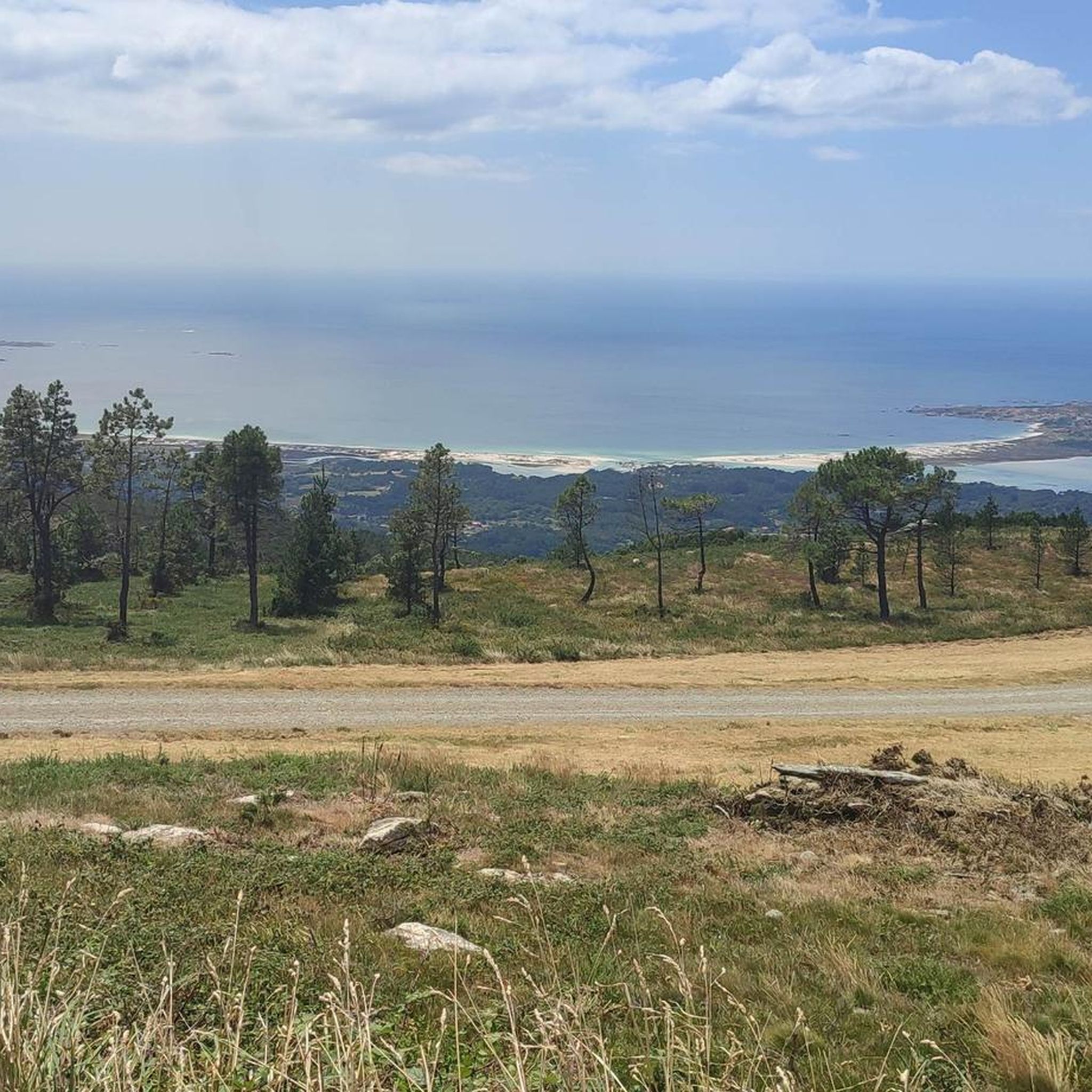
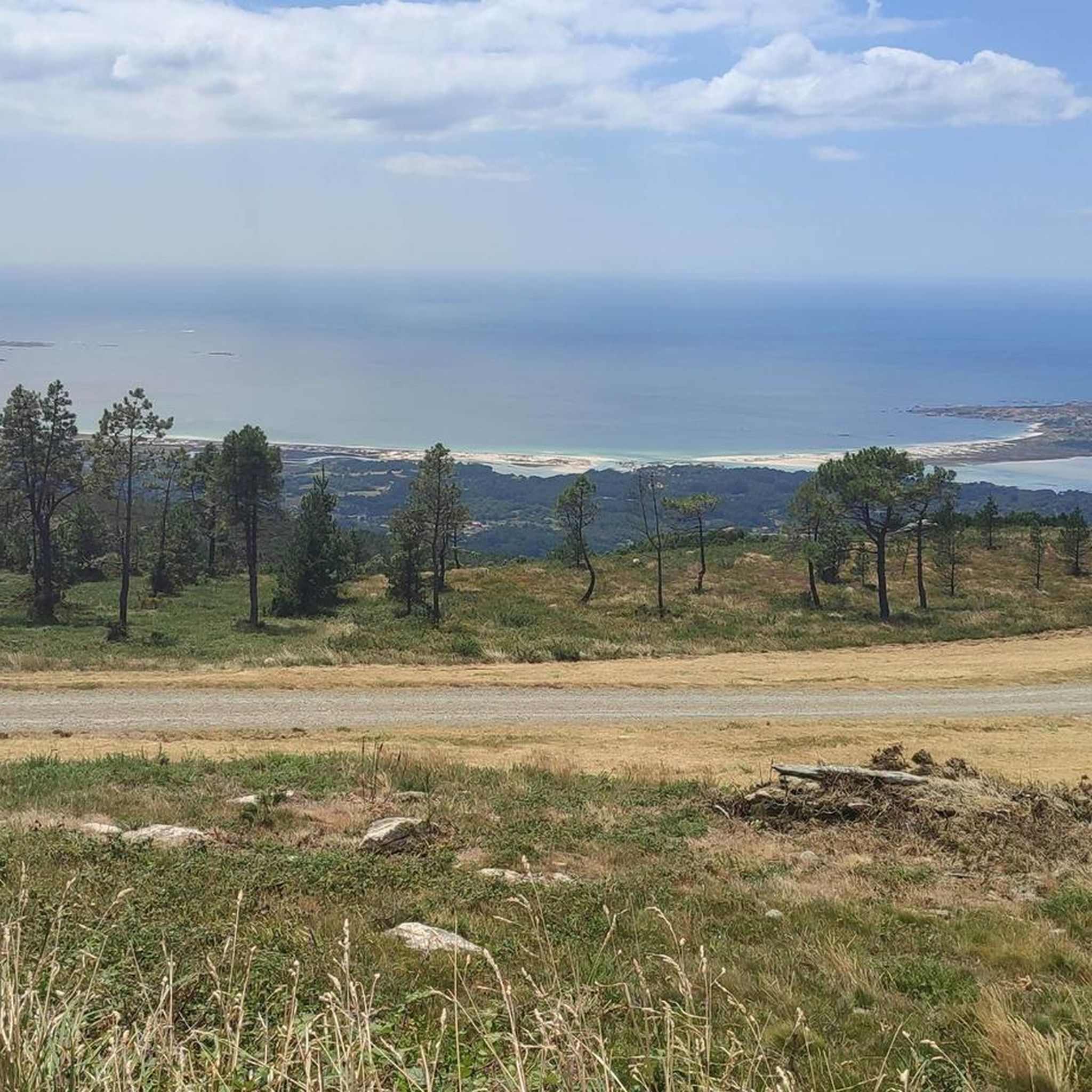
Beautiful panoramic view, if the weather permits, you can see as far as Cape Finisterre, Monte Louro de Muros.
0
0

In summer there is usually a lot of traffic.
0
0

St. Martin's Church dates back to the 14th century, but was built in the Romanesque style, based on the famous cathedral in Santiago de Compostela.⛪️ They also wanted to build a second church tower on top of it. The clergy in Santiago forbade them from doing so. Only the cathedral in Santiago should have this as a unique selling point. And they were told: if they dared to do it, something terrible would happen. When someone wanted to put a second tower made of paper on top of it, it fell down and died. A small red cross was painted on the spot where the person died. Since then, St. Martin's Church has also been called the "cursed" church because it was cursed.
1
0

Good hiking trails, sturdy shoes are an advantage
0
0

A worthwhile route, beautiful views, always next to the sea.
0
0

A lighthouse on the tip of a rocky cape Built in 1853. Spectacular views of the Atlantic Dunes of the Corrubedo Natural Park
1
0
Frequently Asked Questions
What historical sites can I explore around Porto do Son?
The region is rich in history. You can visit the ancient fortified settlement of Castro de Baroña, dating back to the 1st Century BC, known for its unique maritime layout. Another significant historical site is the Historic Centre of Muros, a protected fishing village ideal for strolling through its alleys. Don't miss the Church of San Martiño de Noia, consecrated in 1432, which features a portal reminiscent of the Santiago de Compostela Cathedral. The Dolmen de Axeitos is also an important historic building in the A Barbanza area.
Where can I find the best panoramic views in the area?
For breathtaking panoramic views, head to the Curota Viewpoint. On clear days, you can see as far as Cape Finisterre and Monte Louro de Muros, making it especially recommended for sunsets. Another excellent spot is the Viewpoint over Ría de Muros and Noya, offering expansive vistas of the estuary where the River Tambre flows. The Corrubedo Lighthouse also provides spectacular views of the Atlantic Dunes of the Dunas de Corrubedo Natural Park from its rocky cape.
Are there family-friendly attractions around Porto do Son?
Yes, many attractions are suitable for families. The Corrubedo Lighthouse and the Castro de Baroña offer engaging historical and scenic experiences for all ages. The Church of San Martiño de Noia and the Historic Centre of Muros are also great for family strolls and cultural exploration. Additionally, the numerous beaches like Praia de Aguieira and Praia de As Furnas provide ample space for family fun and relaxation.
What natural features should I visit in Porto do Son?
Porto do Son boasts diverse natural beauty. Explore the Parque natural of the Dunas de Corrubedo and Lagunas de Carregal and Vixan, known for its unique dunes and lagoons. Discover the scenic Monte e Lagoa de Louro, or enjoy the natural river pools at As pozas do río Pedras. The Waterfalls of Ribasieira, one of the largest on the Sieira river, are also a must-see. The Ría de Muros and Noya estuary itself is a significant natural habitat.
What kind of beaches can I find in Porto do Son?
Porto do Son is renowned for its 30-kilometer coastline featuring numerous yellow-white sandy beaches, often backed by pine and eucalyptus forests. Notable examples include Praia de Aguieira, the longest beach in the municipality with white sands and dunes, and Praia de As Furnas, popular for its natural pools and Atlantic waves suitable for surfing. Coira Beach, Subigrexas, Arealonga, Caaveiro, and Fonforron are other beautiful options for sunbathing and water activities.
Are there opportunities for outdoor activities like cycling or running near the attractions?
Absolutely! The area around Porto do Son offers various routes for outdoor enthusiasts. For cycling, you can find routes like the 'Corrubedo Lighthouse loop' or the 'Monte Enxa Viewpoint loop'. Runners can explore trails such as the 'Praia de Coira – Praia de Suigrexas loop' or the 'Praia das Furnas loop'. Mountain biking is also popular, with routes like the 'Mirador da Curota loop'. You can find more details on these and other routes in the cycling guide, running guide, and MTB guide for Porto do Son.
What do visitors enjoy most about the attractions in Porto do Son?
Visitors particularly appreciate the blend of natural beauty and historical significance. The stunning views from places like the Corrubedo Lighthouse and the Viewpoint over Ría de Muros and Noya are highly praised. The ancient Castro de Baroña offers a unique historical experience, while the charm of the Historic Centre of Muros is a favorite for leisurely exploration. The area's diverse landscapes, from pristine beaches to lush forests, also contribute to a memorable experience.
When is the best time to visit Porto do Son for outdoor activities and cultural events?
The summer months, particularly July and August, are ideal for visiting Porto do Son. The weather is generally pleasant for outdoor activities like exploring beaches, hiking, and cycling. This period also coincides with various local fiestas and celebrations in the towns and villages, including a big festival in Queiruga and Celtic fairs, offering a vibrant cultural experience.
Are there any notable water sports facilities in the area?
Yes, the Portosin Nautical Club is a significant marina in Galicia, offering excellent facilities for water sports and related activities. It attracts many visitors interested in sailing, boating, and other aquatic pursuits, making it a key point of interest for those looking to enjoy the Ría de Muros y Noia from the water.
Can I find places for wild swimming or natural pools?
Yes, Porto do Son offers unique spots for wild swimming. Praia de As Furnas is known for its natural pools formed by the Atlantic waves, providing a distinctive swimming experience. Additionally, As pozas do río Pedras features natural river pools, perfect for a refreshing dip in a serene natural setting.
What is the significance of the Ría de Muros y Noia?
The Ría de Muros y Noia is an important estuary that forms part of the Rías Baixas. It's where the River Tambre flows into the sea, creating a rich habitat for bivalves and cockles, which are vital to the local economy. The estuary is also a beautiful natural landscape, offering stunning views from various points, including the Viewpoint over Ría de Muros and Noya.
Most popular attractions around Porto Do Son

Get inspired with the komoot mobile app


Explore more
Still not found the Highlight you’re looking for? See guides of the top attractions in other regions:
