The best walks and hikes around Canencia
4.5
(286)
1,670
hikers
44
hikes
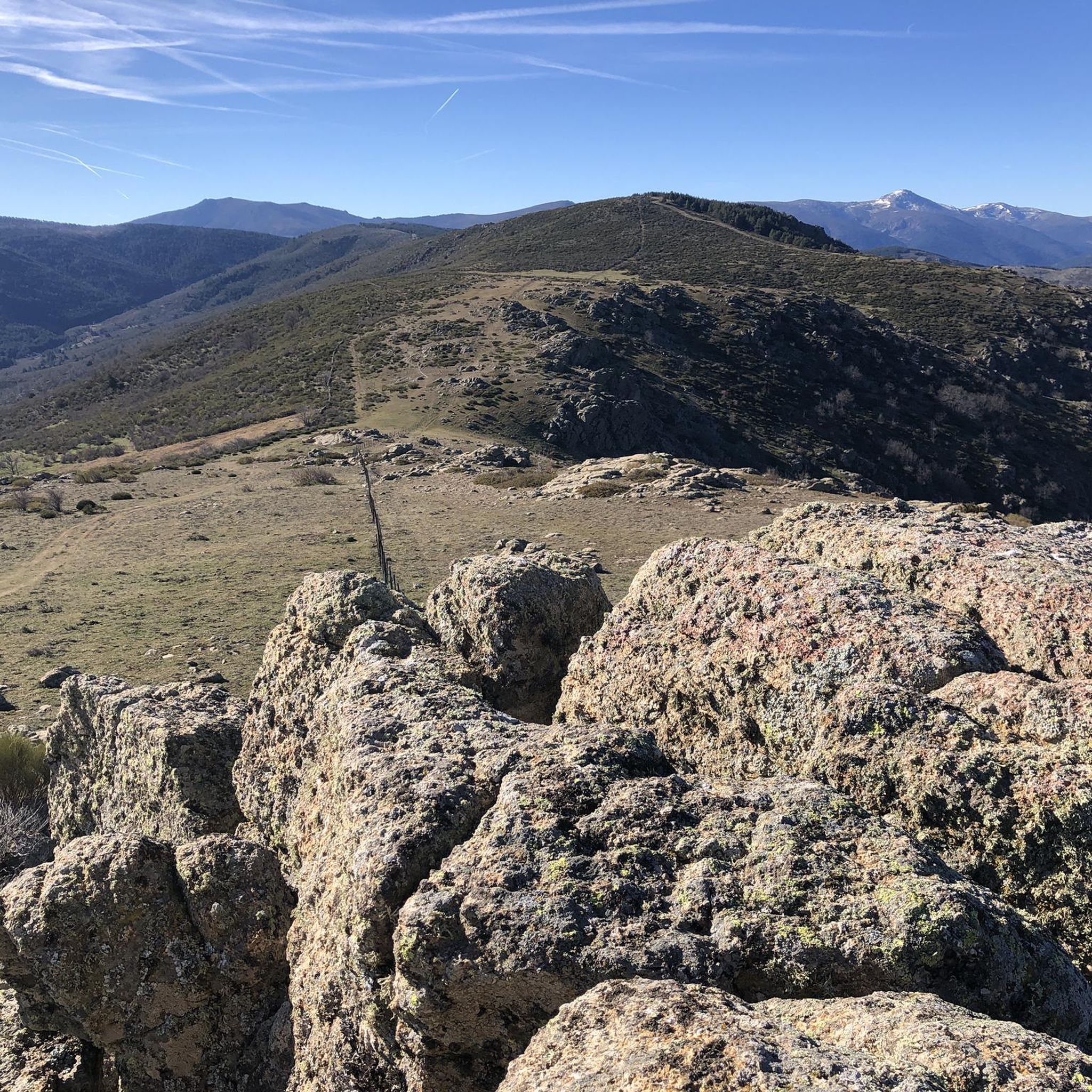
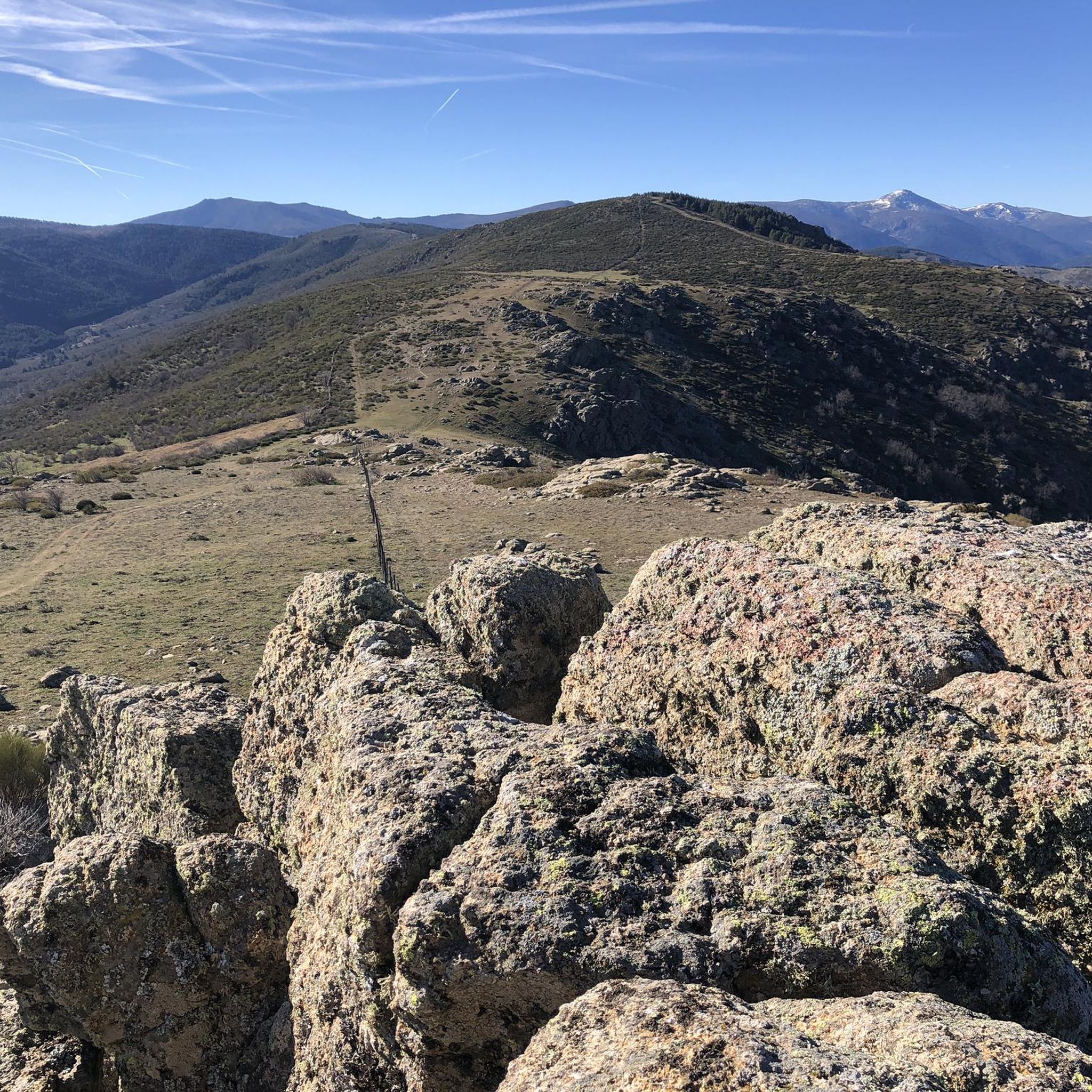
Hiking around Canencia offers diverse landscapes within the Sierra Norte of Madrid, situated in the upper Lozoya Valley. The region is characterized by surrounding mountains, extensive pine and oak forests, and unique natural features like the Birch Forest. Hikers can explore areas around the Puerto de Canencia, which serves as a starting point for many routes, and discover the Mojonavalle Waterfall.
Best hiking trails around Canencia
- The most popular hiking route is Sestil del Maillo and the slope of Mojonavalle…
Last updated: September 26, 2026
4.6
(49)
281
hikers
7.19km
02:19
220m
220m
Moderate hike. Good fitness required. Mostly accessible paths. Sure-footedness required.
4.2
(30)
136
hikers
11.4km
03:34
400m
410m
Hike the moderate 7.1-mile Sestil del Maíllo Stream and Mojonavalle Slope Trail to see a waterfall and rare birch forest.

4.4
(30)
148
hikers
10.6km
03:20
360m
360m
Moderate hike. Good fitness required. Mostly accessible paths. Sure-footedness required.
4.3
(15)
62
hikers
11.0km
03:32
370m
370m
Moderate hike. Good fitness required. Mostly accessible paths. Sure-footedness required.
4.8
(5)
37
hikers
Moderate hike. Great for any fitness level. Mostly accessible paths. Sure-footedness required.
Get access to more routes and recommendations from other explorers.
Already have an account?
Our route recommendations are based on thousands of hikes, rides, and runs completed by other people on komoot.
Start today with a free account
Your next adventure awaits.

Tips from the Community

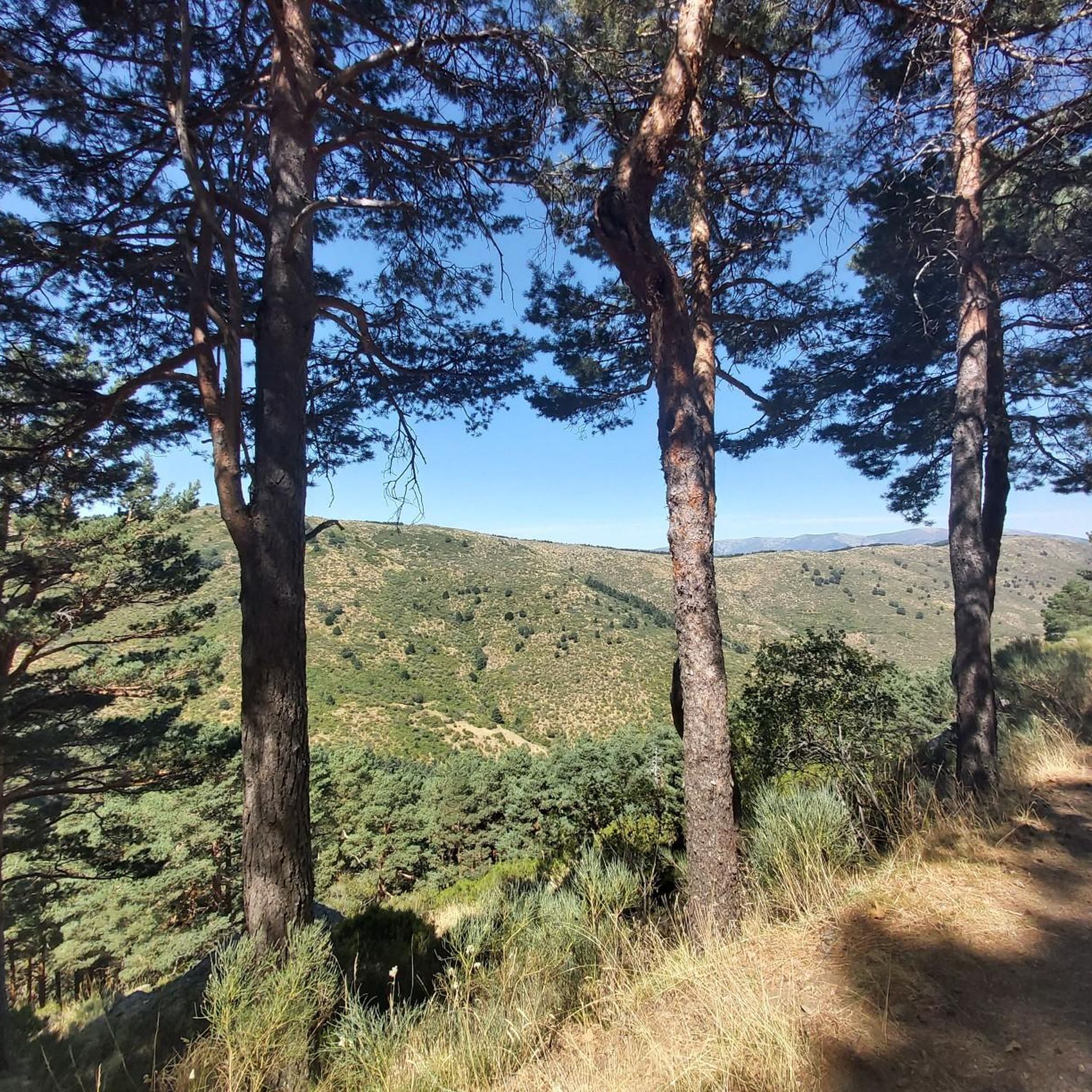
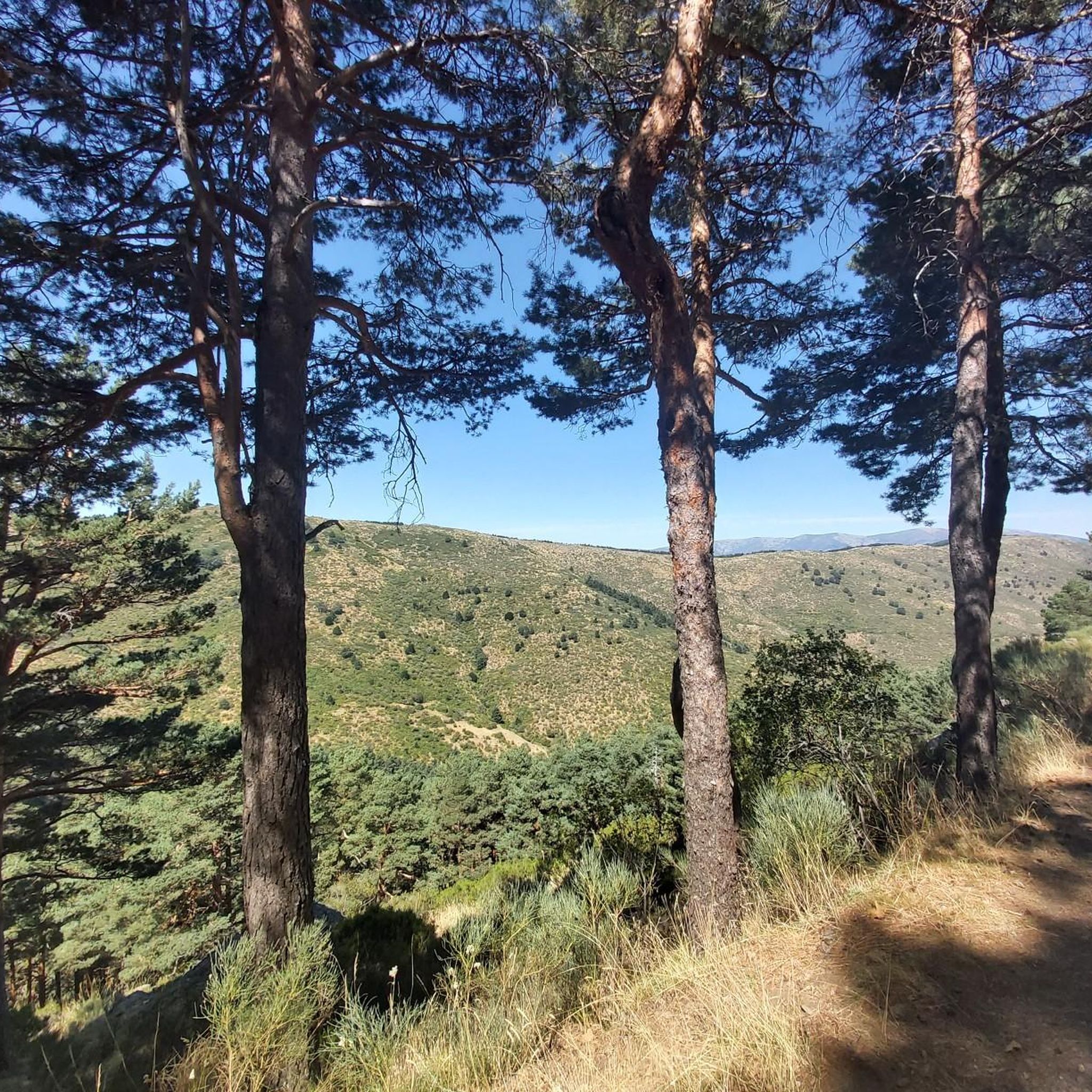
This large pine forest is located within the municipality of Canencia and is easily accessible via forest tracks from the Canencia Pass, coming from the south (Miraflores de la Sierra and Madrid) or from the north (Canencia in the Lozoya Valley). It can also be reached via a longer approach from the M-611 road through the Collado del Hontanar pass (1,731 m).
1
0
The waterfall is tall and very beautiful; it's best visited after a period of heavy rain or when there's snow in the area. It's located within the municipality of Canencia and is easily accessible via forest tracks from the Canencia Pass, coming from the south (Miraflores de la Sierra and Madrid) or from the north (Canencia in the Lozoya Valley). A longer approach is also possible from the M-611 via the Collado del Hontanar pass (1,731 m). If you approach the waterfall from its eastern side, be very careful of slipping, as it could be fatal. The ground is often wet and even icy in autumn and winter.
0
0

The **Canencia Pass Holly** is one of the unique trees listed by the Community of Madrid and one of the botanical gems of the Sierra de Guadarrama. Like the yew, its presence here is a testament to the climatic conditions and biodiversity of this enclave. Species: Ilex aquifolium* (common holly). Age: Although not as long-lived as the yew, this specimen is estimated to be over 130 years old, which is a considerable age for a holly. It is a tree that has reached exceptional size and stature. Shape and appearance: Unlike most hollies that grow as shrubs or hedges, this specimen has grown freely and developed a thick trunk and a wide, majestic crown. It is located in a setting of great beauty, in the well-known Canencia Birch Forest, very close to the Sestil del Maíllo stream and near the Centenary Yew. Its location, in a protected and humid area, has allowed its development. Protected species: In Spain, the holly tree is a species protected by law due to its rarity and the destruction of its habitats. Therefore, it is illegal to cut it or damage its branches, especially those containing the characteristic red berries that make it so popular in Christmas decorations. Its presence is indicative of a mature and well-preserved ecosystem. The holly tree provides food and shelter for various animal species, especially birds, which feed on its berries in winter. Landscape value: Due to its uniqueness and size, it is a landmark on the area's hiking trails and a draw for nature and botany lovers.
0
0
The **Centennial Yew of Canencia** is a unique tree of great botanical and landscape value in the Sierra de Guadarrama, in the Community of Madrid. It is not just a specimen, but part of a small population of yews that has survived in an exceptional setting, the Canencia Birch Forest. ### Characteristics and Location * **Species:** *Taxus baccata* (common yew). * **Age:** The most notable specimen is estimated to be between **400 and 500 years old**. Its longevity is one of the most fascinating characteristics of this species. * **Dimensions:** It has a trunk of considerable girth (around 4.10 meters) and a wide crown about 15 meters in diameter, which demonstrates its advanced age and health. * **Location:** It is located in the **Canencia Birch Forest** area, very close to the Canencia Pass. It is often included in the popular hiking trail known as "The Birch Forest Path" or the "Mojonavalle Waterfall Path." It is located near the Sestil del Maíllo stream. * **Environment:** The yew coexists with other unique species such as birch, holly, and Scots pines. This humid and protected microclimate has allowed the survival of these trees, which are relics of colder, wetter times. ### Importance and Uniqueness * **Botanical Value:** Yews are extremely slow-growing trees and are considered almost immortal. In Spain, they are a protected species, and finding such ancient specimens is a rarity. * **Landscape Value:** The Canencia yew stands out for its majestic appearance in the midst of a very picturesque forest, attracting numerous hikers and nature lovers. * **History and legend:** Like many ancient yew trees, it is steeped in legend. In many European cultures, they were considered sacred trees for their longevity and the toxicity of their parts (except for the pulp of their fruit). ### Access and routes To visit the yew, the most common route is the **Birch Forest Path**, which starts from the Canencia Pass itself. The path is signposted. You walk along a forest track to a detour that leads directly to the Chorrera de Mojonavalle, and a little further on, you will find the yew tree. Despite its age, the tree is increasingly visible and accessible, but it is essential to be respectful and not damage its surroundings to preserve this natural monument.
0
0
There are times when it doesn't carry water
0
0

Recommended place to visit in autumn and spring
0
0
A very beautiful walk through pines, yews and birches and with this spectacular waterfall.
0
0
Frequently Asked Questions
How many hiking trails are available in Canencia?
Canencia offers a wide variety of hiking experiences, with over 40 trails to explore. These range from easy strolls to more challenging paths through the diverse landscapes of the Sierra Norte of Madrid.
What is the best time of year to go hiking in Canencia?
The region is beautiful year-round, but the Puerto de Canencia and its surrounding forests are particularly stunning in autumn when the birch and oak leaves change color. Spring also offers pleasant temperatures and lush greenery, especially after rainfall when the waterfalls are at their best.
What kind of terrain and landscapes can I expect on hikes in Canencia?
Canencia's hiking trails traverse diverse landscapes, including extensive Scots pine and oak forests, unique birch woodlands, and mountainous terrain. You'll encounter streams, open areas with panoramic views, and the distinct microclimate of the Birch Forest.
Are there any waterfalls to see on the hiking trails in Canencia?
Yes, a notable natural attraction is the Chorrera de Mojonavalle, a beautiful 30-meter high waterfall. It's best visited after heavy rains or snowmelt for a more spectacular flow and is accessible via forest tracks from the Canencia Pass.
Can I find family-friendly hiking options in Canencia?
Yes, Canencia offers some easier routes suitable for families. For instance, an 'Ecological Path' with a gentle elevation gain is available, typically lasting about 2 hours and covering approximately 6.5 km, allowing families to enjoy nature together.
Are there dog-friendly trails in Canencia?
Many trails in Canencia are suitable for hiking with dogs, provided they are kept under control, especially in areas with wildlife or livestock. It's always advisable to check local regulations and ensure your dog is well-behaved and on a leash when necessary.
Are there circular hiking routes available in Canencia?
Yes, many of the trails in Canencia are designed as circular routes, allowing you to start and end at the same point. An example is the Sestil del Maillo and the slope of Mojonavalle — circular, which offers a moderate loop through varied terrain.
What unique natural features can I explore in Canencia?
Canencia is home to the rare Birch Forest, a unique microclimate supporting birch, holly, and Scots pines. Within this forest, you can find the remarkable Centennial Yew of Canencia, an ancient tree estimated to be 400-500 years old.
Are there any historical or cultural points of interest along the trails?
Yes, Canencia features three medieval bridges of historical interest: Puente Canto, Puente Cadenas, and Puente Matafrailes. There is a dedicated route that links all three, adding a cultural dimension to your outdoor experience.
Where can I find panoramic views in Canencia?
For splendid panoramic views of the Canencia Valley, head to the Mirador de la Chorrera. It's an excellent spot for hikers to pause and appreciate the expansive scenery.
Is there parking available at the trailheads in Canencia?
Yes, the Puerto de Canencia, located about 9 kilometers from the town, features a recreational area with ample parking, picnic spots, and fountains, making it a convenient starting point for many routes.
What do other hikers say about the trails in Canencia?
The trails in Canencia are highly regarded by the komoot community, with an average rating of 4.6 stars from over 240 reviews. Hikers often praise the diverse landscapes, the tranquility of the forests, and the well-maintained paths.
What are the difficulty levels of hiking trails in Canencia?
Canencia offers a range of difficulty levels. While there are a few easy routes, the majority of the 43 available trails are considered moderate, with a smaller number of more challenging options for experienced hikers.
Most popular routes around Canencia
Most popular attractions around Canencia

Get inspired with the komoot mobile app


Explore more
Browse the best Hikes in other regions.
