Attractions and Places To See around A Illa De Arousa - Top 20
Attractions and places to see around A Illa De Arousa, a municipality in Galicia, Spain, offers a range of natural and cultural sites. The island is connected to the mainland by a nearly 2-kilometer-long bridge, one of Spain's longest. It features diverse landscapes including natural parks, numerous beaches, and maritime cultural sites. The area is recognized for its blend of natural beauty and deep-rooted traditions.
Best attractions and places to see around A Illa De Arousa
- The most popular attractions is Vía Verde del Salnes., a cycle way that is well-conditioned with a good surface and minimal unevenness. This greenway is the first of its kind entirely in Galicia, offering an easy route for exploration.
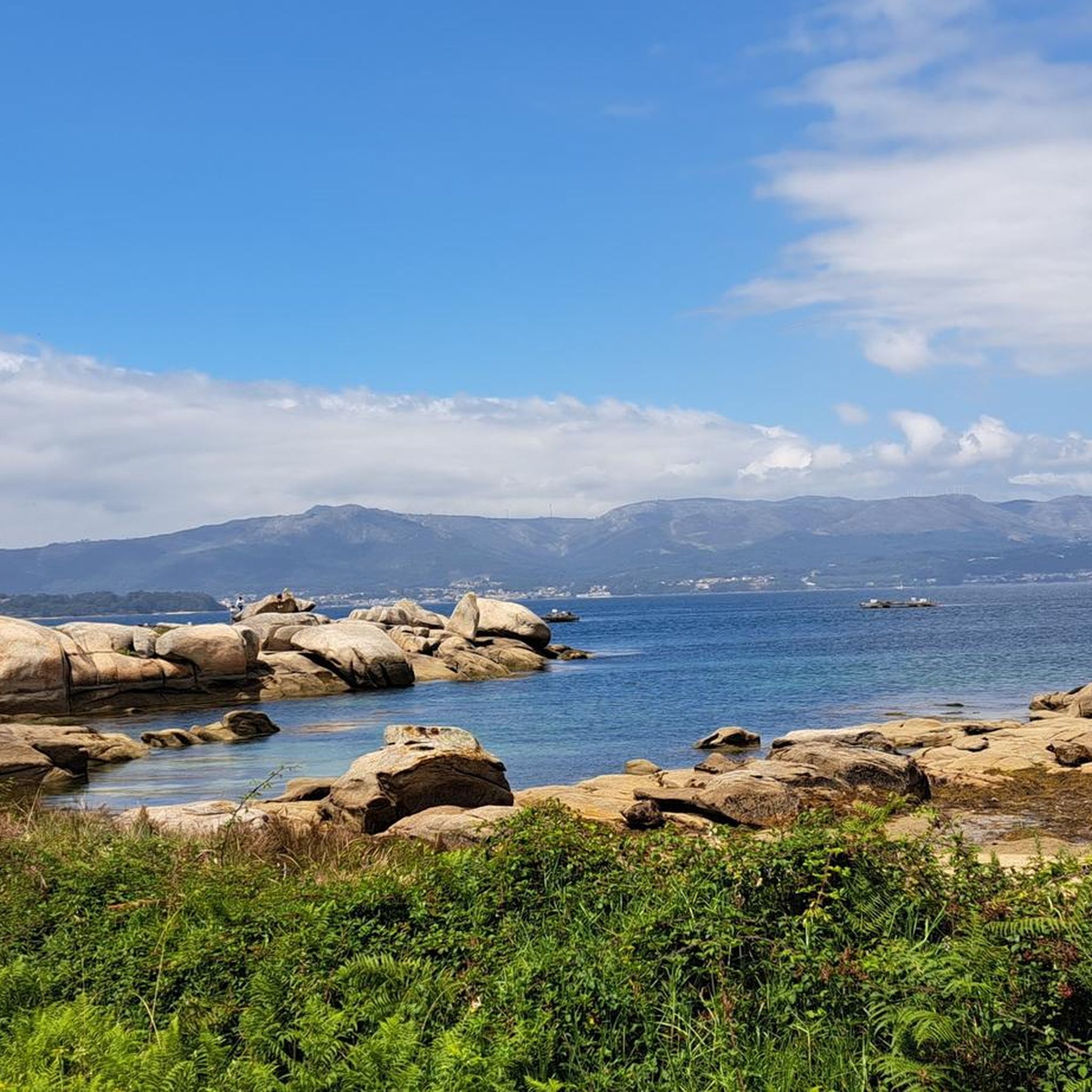
- Another must-see spot is Caribbean Beach, O Carreirón, a beach known for its crystalline waters and white sand. Visitors can enjoy many sheltered coves after a day of walking, with the area also being home to protected bird species.
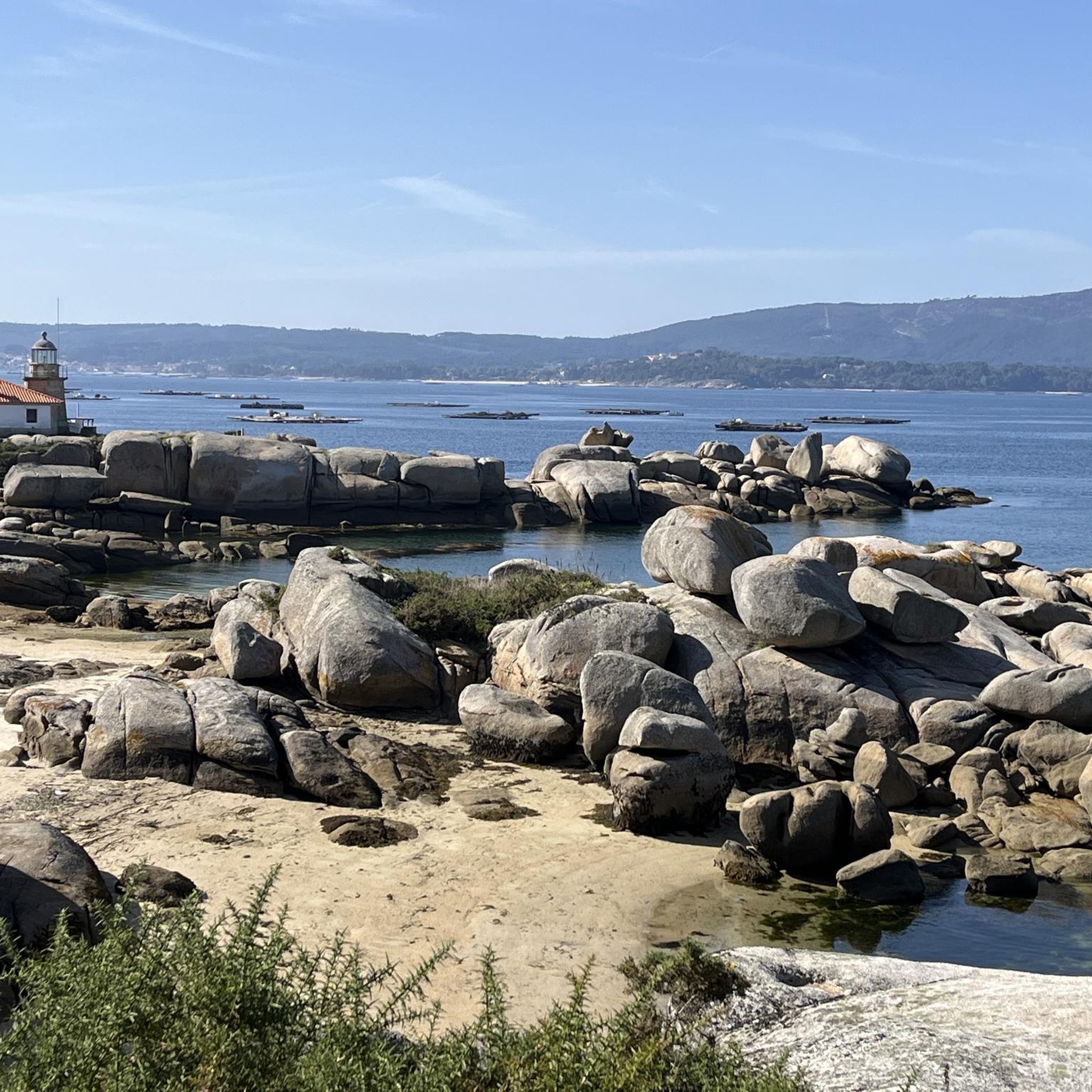
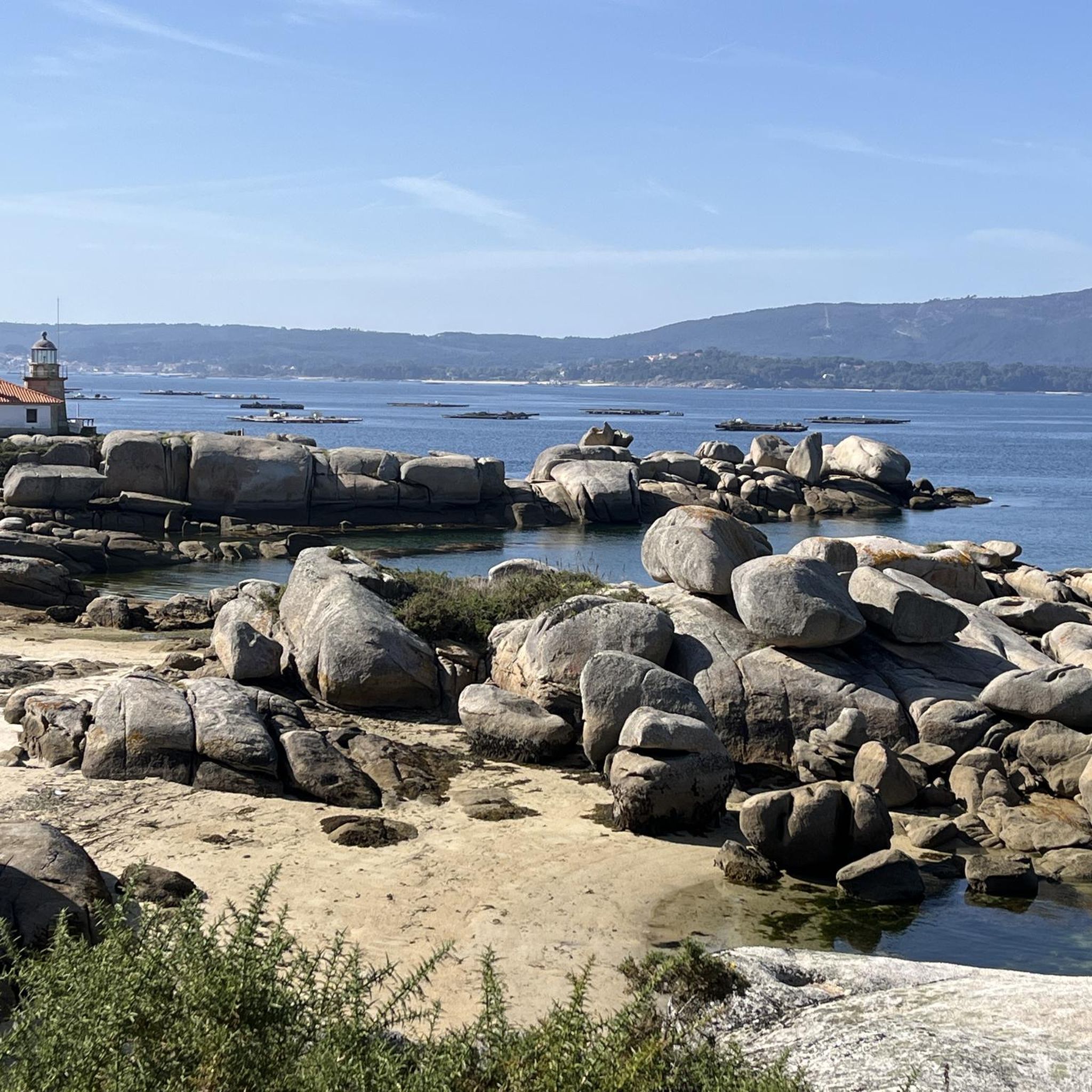
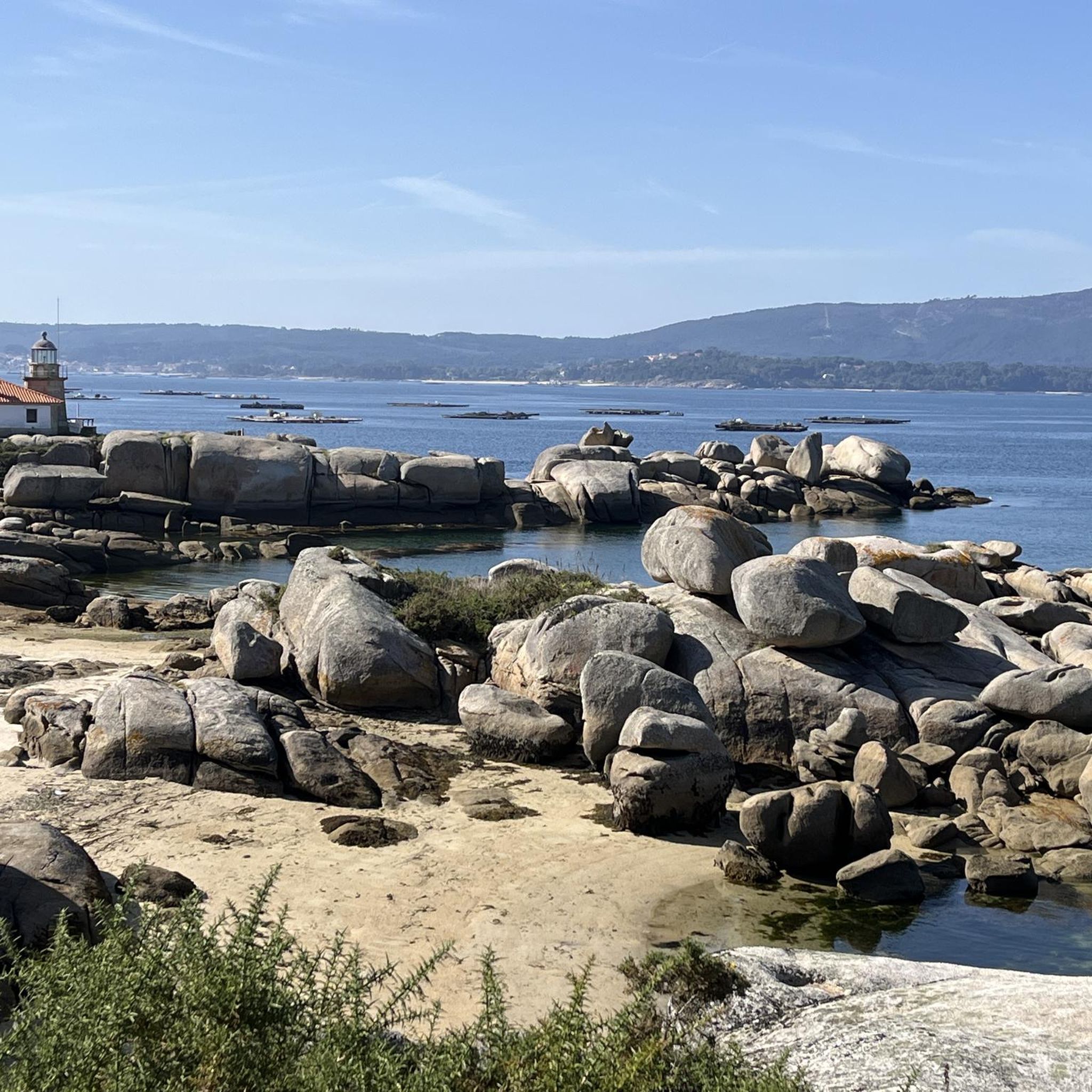
- Visitors also love Punta Cabalo Lighthouse, a man-made monument built in 1852 on a rocky spur. This location offers panoramic views of the Ría de Arousa and is a notable spot for observing sunsets.
- A Illa De Arousa is known for its natural parks, numerous beaches, and historical landmarks. The region offers a variety of attractions to see and explore, from coastal paths to cultural sites.
- The attractions around A Illa De Arousa are appreciated by the komoot community, with 9 highlights, 35 photos, and 29 upvotes.
Last updated: May 26, 2026
Vía Verde del Salnes.
Highlight (Segment) • Cycleway
Translated by Google •
Tip by

Chapel of Saint Caralampio and the Shells (Ermita da Toxa)
Highlight • Religious Site
Translated by Google •
Tip by

Sign up now to discover places like this
Get recommendations on the best single tracks, peaks, & plenty of other exciting outdoor places.
Sign up for free
Chapel of the Shells of A Toxa
Highlight • Religious Site
The façade where the altar is, is oriented to the South and the rains continually hit its walls, producing humidity and deteriorating the structure. At the end of the 40s of the 20th century, Raimundo Riestra Calderón, II Marqués de Riestra, summoned a bricklayer from the town of O Grove, named Anselmo Millán, with the intention of offering him a solution to this problem that he sees - They had been dragging for almost four decades. The man advised him that a traditional way to prevent the penetration of water was to imbricate scallop shells on the entire surface, making the water slide down all of them without wetting the interior. He thought it was a great idea and accepted the proposal. When they finished covering the façade, the Marquis liked it so much that, as manager of the Spa, he ordered the entire church to be covered with shells. It was slow work that took several years, beginning in the late 1940s and ending in the early 1950s.
And one last detail, if you were transported 120 years back in time to the same point where you are, you would not step on land but you would be floating in the water together with the Church. Almost all of this garden was an old salt mine that loses its origins in the remotest past. It was filled in at the beginning of the 20th century.
Translated by Google •
Tip by

Caribbean Beach, O Carreirón
Highlight • Beach
Translated by Google •
Tip by

Punta Cabalo Lighthouse
Highlight • Monument
Translated by Google •
Tip by
Sign up for free to discover even more attractions around A Illa De Arousa.
Sign up for free
Already have an account?
Start today with a free account
Your next adventure awaits.
Login or Signup
Tips from the Community

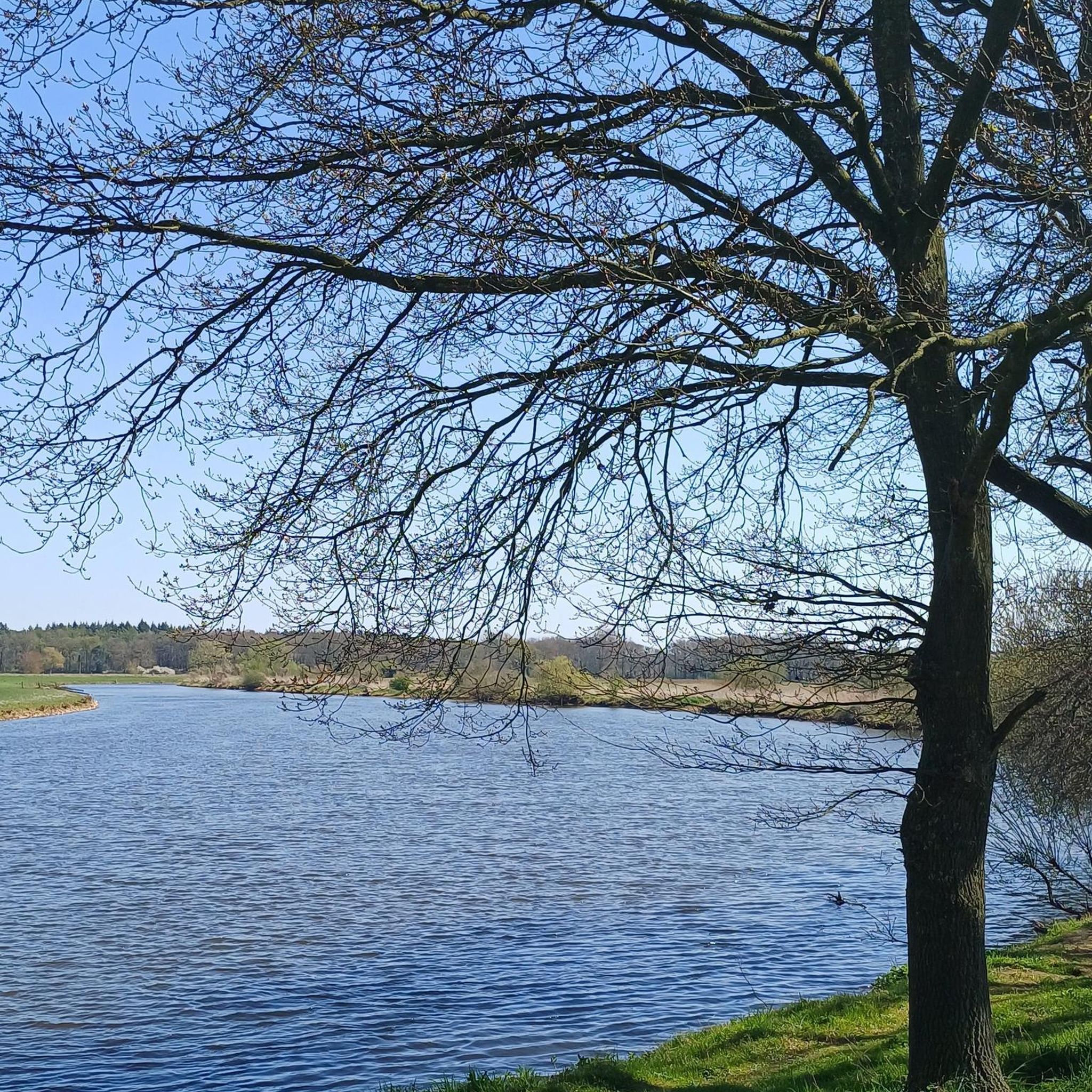
Good area for cycling!
0
0

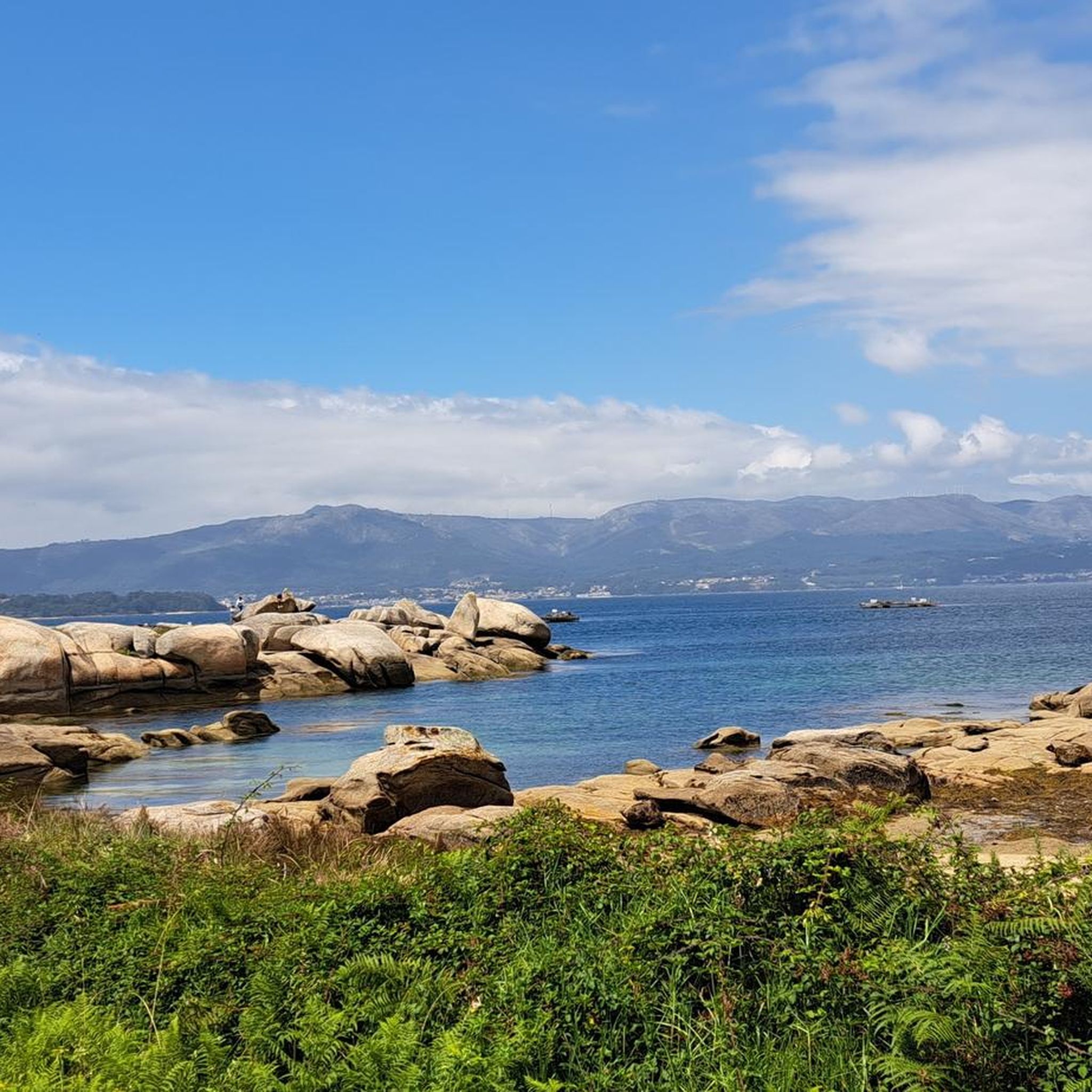
When the sun shines and the sea glows in different colors, it's a real dream.
0
0
The famous shell church was formerly dedicated to San Sebastián, but after the reform, the Virgen del Carmen was substituted as the main image. This chapel venerates the famous San Caralampio III, a 19th-century martyr who is the patron saint of skin diseases. The patronage and veneration of this special place, the thermal waters of the thermal baths on the island of A Toxa, are used as a skin-healing therapy, so people have been going to this chapel since ancient times to ask for the protection of this saint. Why is the church covered with scallop shells? It is the only chapel in the world covered with scallop shells. Originally built in 1909, this was the result of chance. The facade, where the altar is located, faces south, and rain constantly beats down on the walls, creating dampness and damaging the structure. At the end of the 1940s, Raimundo Riestra Calderón, II Marqués de Riestra, summoned a mason to offer a solution to this problem, which had dragged on for almost four decades. The man informed him that a traditional method of preventing water infiltration was to cover scallops with scales all over their surfaces, allowing water to slide down them without wetting the interior. He thought the idea was great and accepted the proposal. When the facade was finished, the Marquis liked it so much that, as administrator of the spa, he ordered the entire church to be covered with shells. It was a slow process that took several years, beginning in the late 1940s and ending in the early 1950s. And one last detail: If you were transported back in time 120 years to the same point where you are now, you wouldn't walk on land, but would float in the water along with the church. Almost the entire garden was an old salt mine, lost in the distant past. It was filled in at the beginning of the 20th century.
0
1

O Carreirón is neither a Natural Park nor a National Park. It is included within the Ons O Grove Special Conservation Area (ZEC).
0
0

The beautiful chapel with its shell cladding is
1
1
The beautiful chapel with its shell cladding is
1
1

You can visit the Punta Cabalo lighthouse, but if possible not eat there (small and expensive). Watching the sunset from this point is a beauty unless there's a hell of a wind blowing. You can walk around the lighthouse. From the lighthouse begins (or ends) a very easy path that reaches the area where the city is located. The path runs along cliffs parallel to the coast and offers stunning views of the sea.
1
0
The famous shell church was formerly dedicated to San Sebastián, but after the reform the Virgen del Carmen was used as the main image. In this chapel the famous San Caralampio is venerated, a 19th century martyr. III, who is the patron saint of skin diseases. The patronage and devotion to this special place of thermal water as a therapy to heal the skin in the thermal baths of this island A Toxa, therefore since ancient times people go to this chapel and ask for the protection of this saint.
2
0
Frequently Asked Questions
What natural attractions can I explore in A Illa de Arousa?
A Illa de Arousa is rich in natural beauty. You can visit the Carreirón Natural Park, a protected area with walking trails, diverse flora, coastal scenery, and beautiful beaches like Xastelas Beach and Caribbean Beach, O Carreirón. The island also boasts approximately 36 kilometers of coastline with numerous fine sandy beaches, including Praia Area da Secada and Bao Beach. For a unique experience, consider a trip to the Areoso Islet, often called the 'Galician Caribbean', known for its fine sand, crystal-clear waters, and archaeological sites.
Are there any notable landmarks or viewpoints on the island?
Yes, the island offers several significant landmarks and viewpoints. The Punta Cabalo Lighthouse, built in 1852, provides breathtaking panoramic views of the Ría de Arousa and is a popular spot for sunsets. The Mirador Con do Forno, also known as O Santo Viewpoint, is the island's highest point, offering incredible vistas of the Ría, harbor, and the bridge. The nearly 2-kilometer-long Arousa Island Bridge itself is a landmark, connecting the island to the mainland with spectacular views during transit.
What cultural or historical sites are worth visiting?
While on the island, you can experience the maritime culture at the Port of Xufre, observing daily fishing life and enjoying the seafront promenade. A short distance away, on the nearby A Toxa island, you can find the unique Chapel of Saint Caralampio and the Shells. This 12th-century chapel is famously covered entirely with scallop shells and is dedicated to the Virgen del Carmen and San Caralampio, the patron saint of skin diseases.
Are there family-friendly activities or attractions in A Illa de Arousa?
Absolutely! Many attractions are suitable for families. The Vía Verde del Salnes is an excellent option, offering an easy and well-conditioned cycle path that is enjoyable for all ages. Beaches like Bao Beach and Camaxe Beach are popular white sandy beaches ideal for families. The Carreirón Natural Park also features easy walking trails that families can explore together. The Punta Cabalo Lighthouse is also a family-friendly viewpoint.
What kind of outdoor activities can I do, like cycling or hiking?
A Illa de Arousa is perfect for outdoor enthusiasts. You can enjoy hiking and cycling on numerous trails, including those within Carreirón Natural Park and coastal paths. The Vía Verde del Salnes is a popular cycle way. For more specific routes, you can explore options like gravel biking, road cycling, and running. For detailed routes, check out the guides for Gravel biking around A Illa De Arousa, Road Cycling Routes around A Illa De Arousa, and Running Trails around A Illa De Arousa.
Are there easy walking trails suitable for everyone?
Yes, the island offers several easy walking options. The Carreirón Natural Park features easy walking trails through diverse landscapes. The Vía Verde del Salnes is a greenway with a very good surface and minimal unevenness, making it an easy route for walking or cycling. Additionally, a path runs along the coast from the Punta Cabalo Lighthouse towards the town, offering stunning views with an easy gradient.
Where can I enjoy the best beach experience in A Illa de Arousa?
A Illa de Arousa is renowned for its beautiful beaches. For picturesque scenery, Praia Area da Secada on the southwest coast is known for its fine sand, clear waters, and stunning sunset views. Caribbean Beach, O Carreirón, within the natural park, offers crystalline waters and white sand in sheltered coves. Bao Beach and Camaxe Beach are also popular white sandy beaches, ideal for families.
What is the 'Vía Verde del Salnes' and what can I expect?
The Vía Verde del Salnes is a well-conditioned cycle way, notable as the first greenway entirely in Galicia. It features a very good surface and minimal unevenness, making it an easy and enjoyable route for cycling or walking. It's a great way to explore the region at a relaxed pace, offering pleasant scenery along its path.
Can I visit the Areoso Islet?
Yes, the Areoso Islet is a protected natural area north of A Illa de Arousa, often referred to as the 'Galician Caribbean' due to its fine sand and crystal-clear waters. It's also known for its archaeological wealth, including megalithic burial mounds. Access to Areoso Islet is typically by kayak, boat-taxi, or sailboat, offering a unique excursion experience.
Is A Illa de Arousa suitable for birdwatching?
Yes, A Illa de Arousa is an excellent spot for birdwatching, particularly within the Carreirón Natural Park. This protected area is a paradise for nature lovers and is known for its diverse flora and fauna. It's an ideal location for observing various bird species, including grey herons, which frequent the area.
What is the best way to experience the Ría de Arousa?
The Ría de Arousa provides a stunning backdrop to the island. You can experience it from various viewpoints, such as the Punta Cabalo Lighthouse or the Mirador Con do Forno, which offer panoramic views. Another excellent way is through sailing tours, which often explore the Ría and may include visits to traditional mussel farms (bateas) and nearby islands like Areoso.
Are there any dog-friendly areas or restrictions on the island?
While A Illa de Arousa is generally welcoming, it's important to note that dogs are not allowed in certain protected areas, such as parts of the Carreirón Natural Park. Always check local signage and regulations, especially around beaches and natural reserves, to ensure a pleasant visit for both you and your pet.
What kind of local cuisine or gastronomy can I find?
The island's strong maritime culture is reflected in its gastronomy. You can enjoy fresh seafood, particularly mussels with Denomination of Origin, which are a local specialty. Many local restaurants, especially along the seafront promenade near the Port of Xufre, offer these delicious dishes, providing an authentic taste of the region.
Most popular routes around A Illa De Arousa
Most popular attractions around A Illa De Arousa

Get inspired with the komoot mobile app


Explore more
Still not found the Highlight you’re looking for? See guides of the top attractions in other regions:
