The 20 Most Amazing Peaks around Santiago Del Teide
Best mountain peaks around Santiago Del Teide are found on the island of Tenerife, offering access to impressive mountain peaks, many within Teide National Park. This region features diverse landscapes and geological formations. The area is characterized by volcanic landscapes, lava flows, and unique geological formations. These peaks provide extensive views across the island and to other Canary Islands.
Best mountain peaks around Santiago Del Teide
- The most popular mountain peaks is Roque Cinchado, a natural monument that is…
Last updated: July 19, 2026
Roque Cinchado
Highlight • Natural Monument
Translated by Google •
Tip by

Guajara
Highlight • Summit
Tip by

Sign up now to discover places like this
Get recommendations on the best single tracks, peaks, & plenty of other exciting outdoor places.
Sign up for free
Mount Teide summit
Highlight • Summit
This dormant volcano offers absolutely unique panoramas …
Translated by Google •
Tip by

View of Masca, La Gomera, and Teide
Highlight • Viewpoint
Translated by Google •
Tip by

Teide Cable Car Upper Station
Highlight • Summit
Translated by Google •
Tip by

Sign up for free to discover even more peaks around Santiago Del Teide.
Sign up for free
Already have an account?
Start today with a free account
Your next adventure awaits.
Login or Signup
Popular around Santiago Del Teide
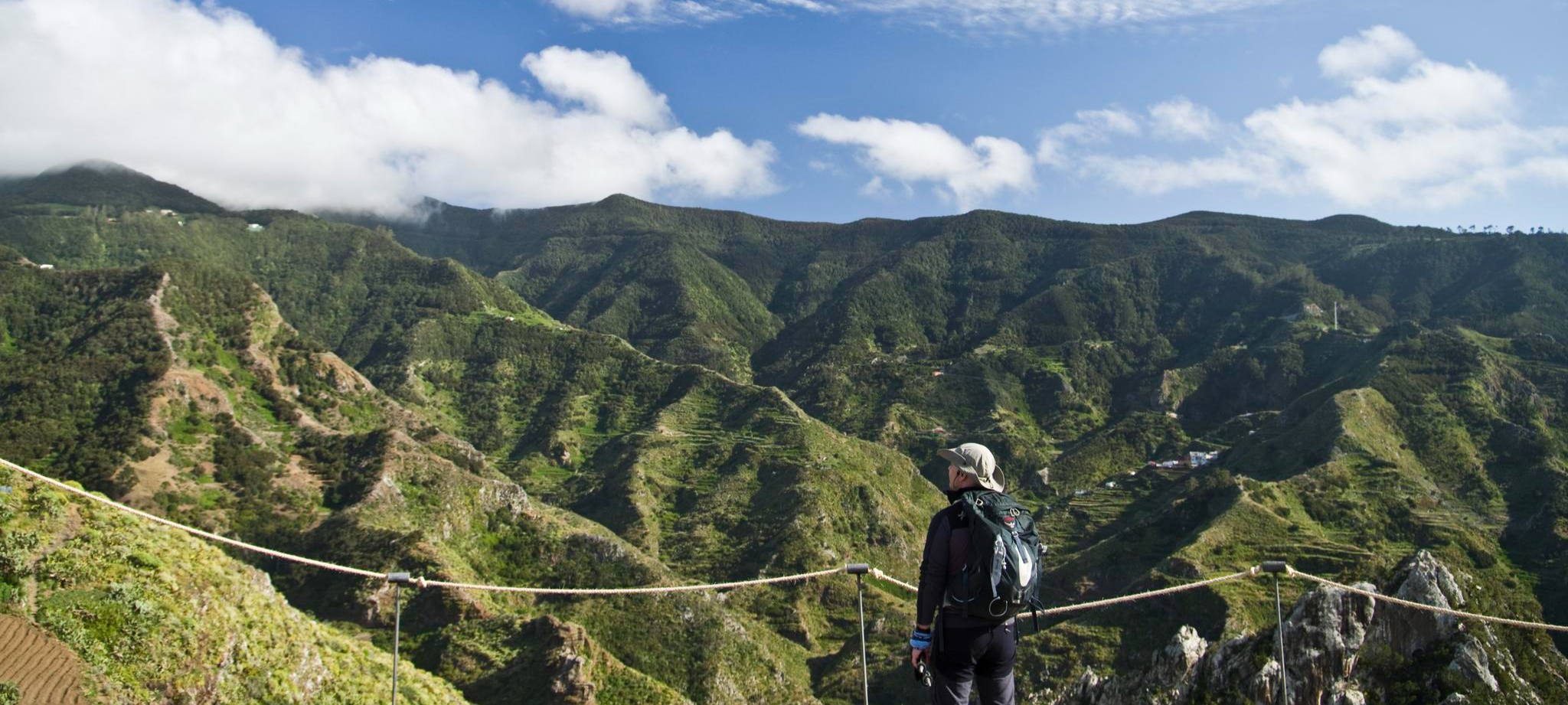
Tenerife's interior – discover fascinating hiking routes
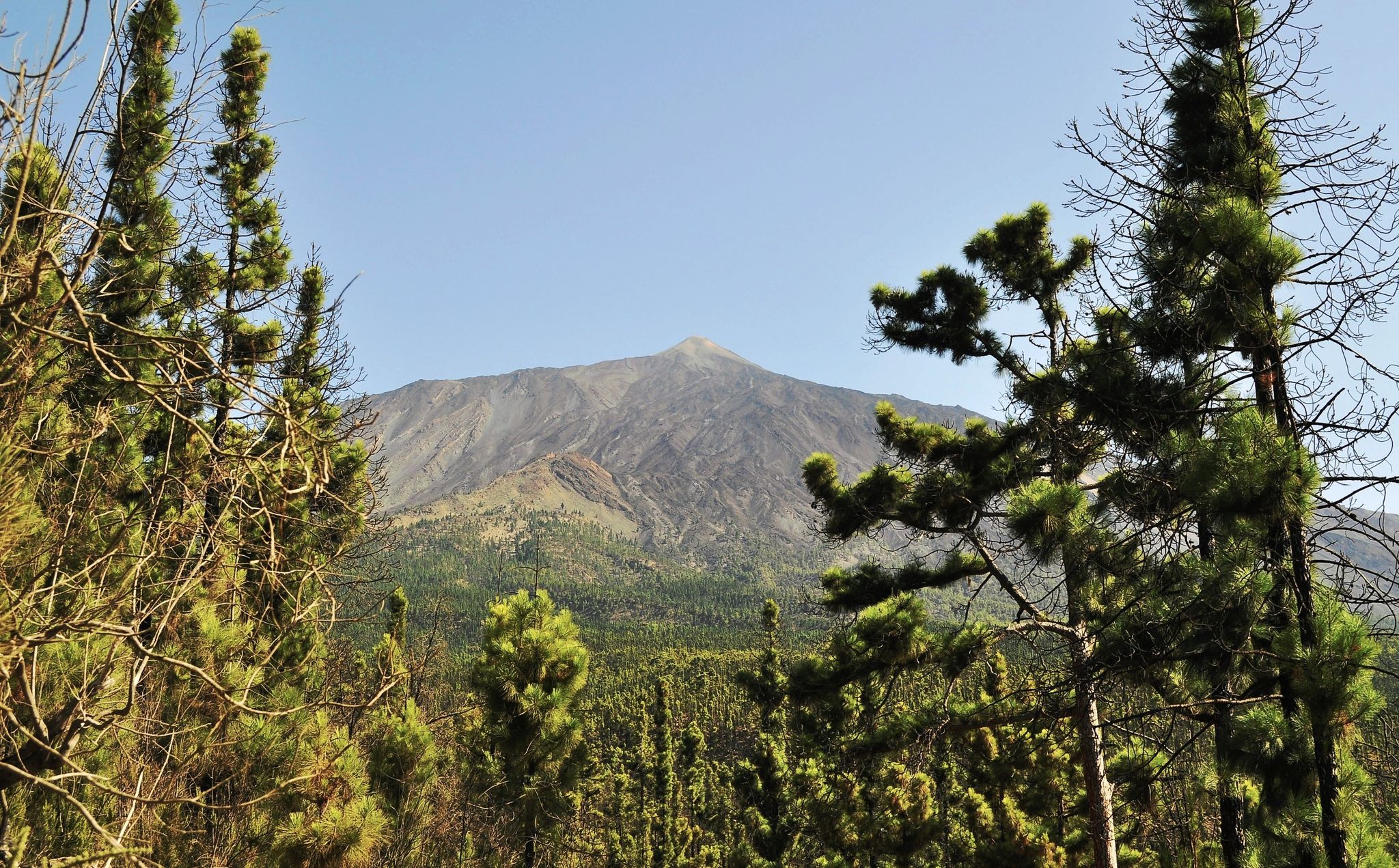
An island pilgrimage – Camino de Santiago de Tenerife
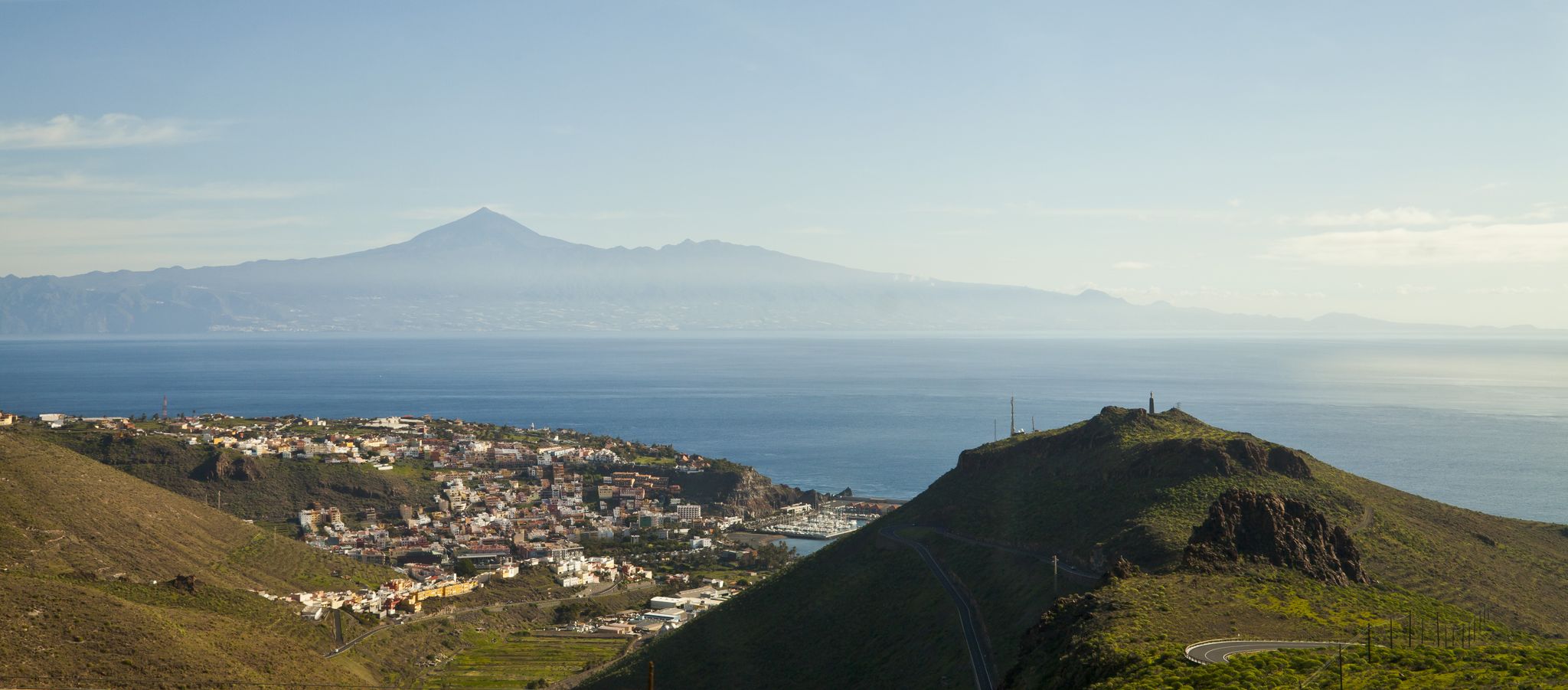
My favourite hikes on Tenerife and La Gomera
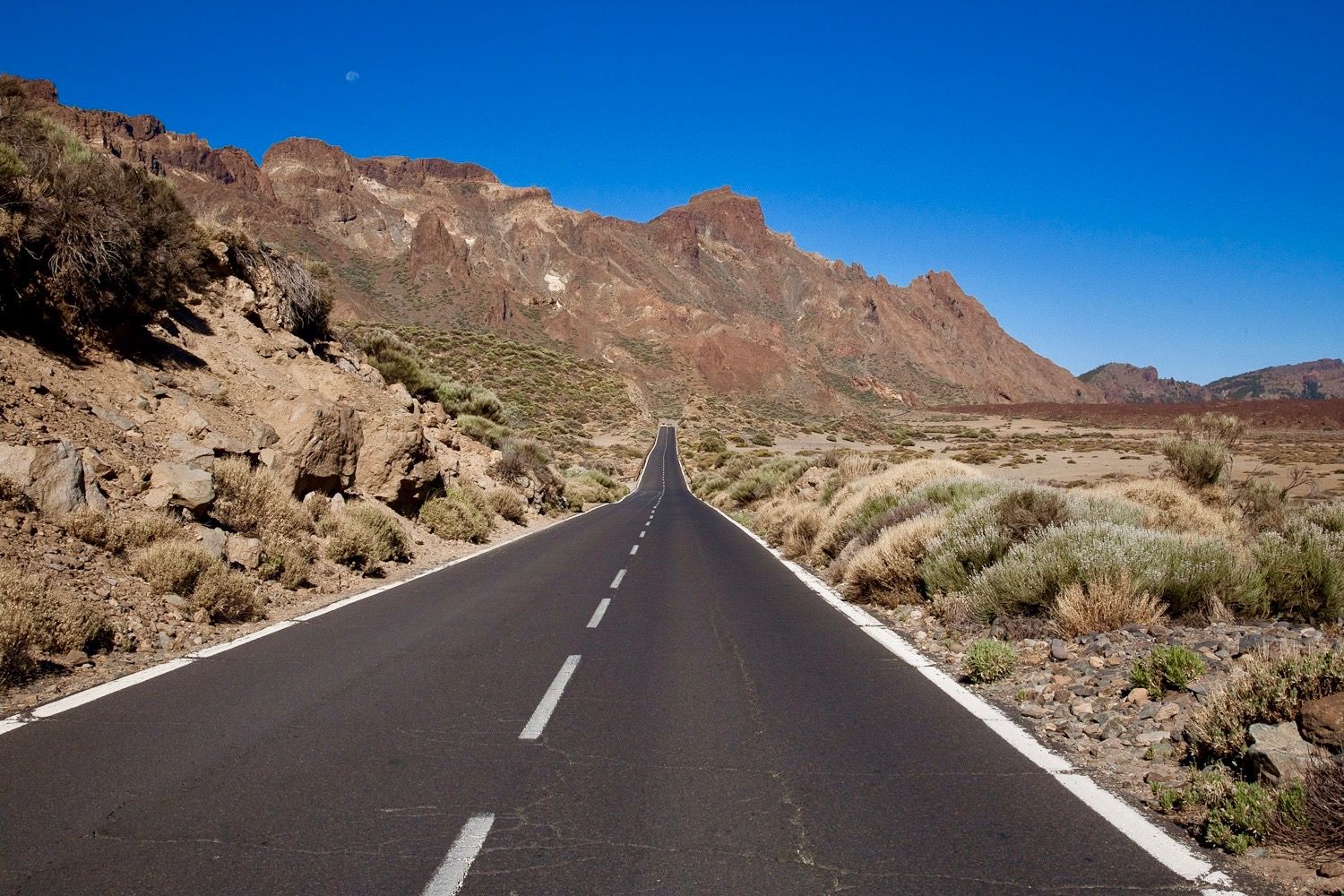
Tenerife by race bike — sunny rides on a volcanic island
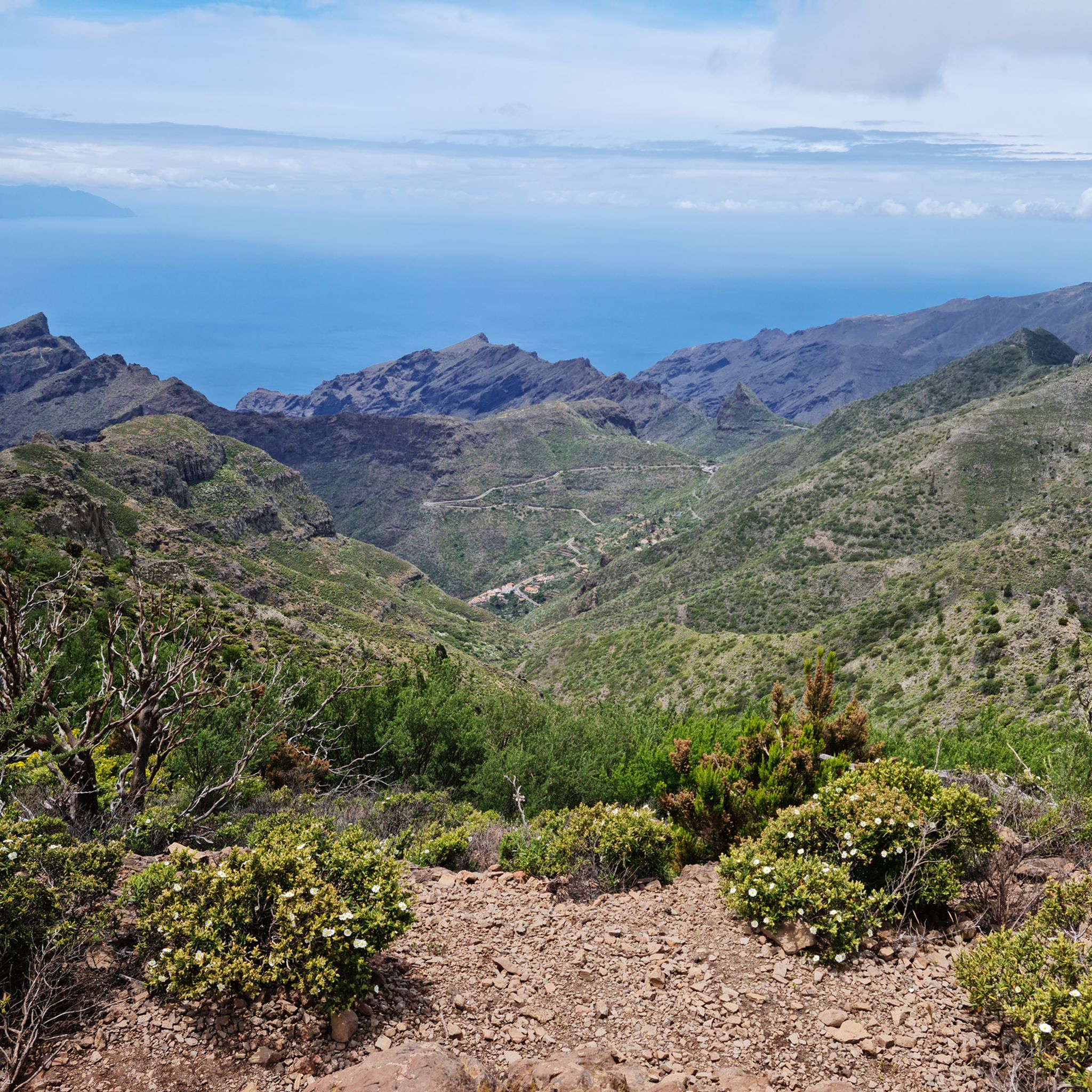
Hiking around Santiago Del Teide
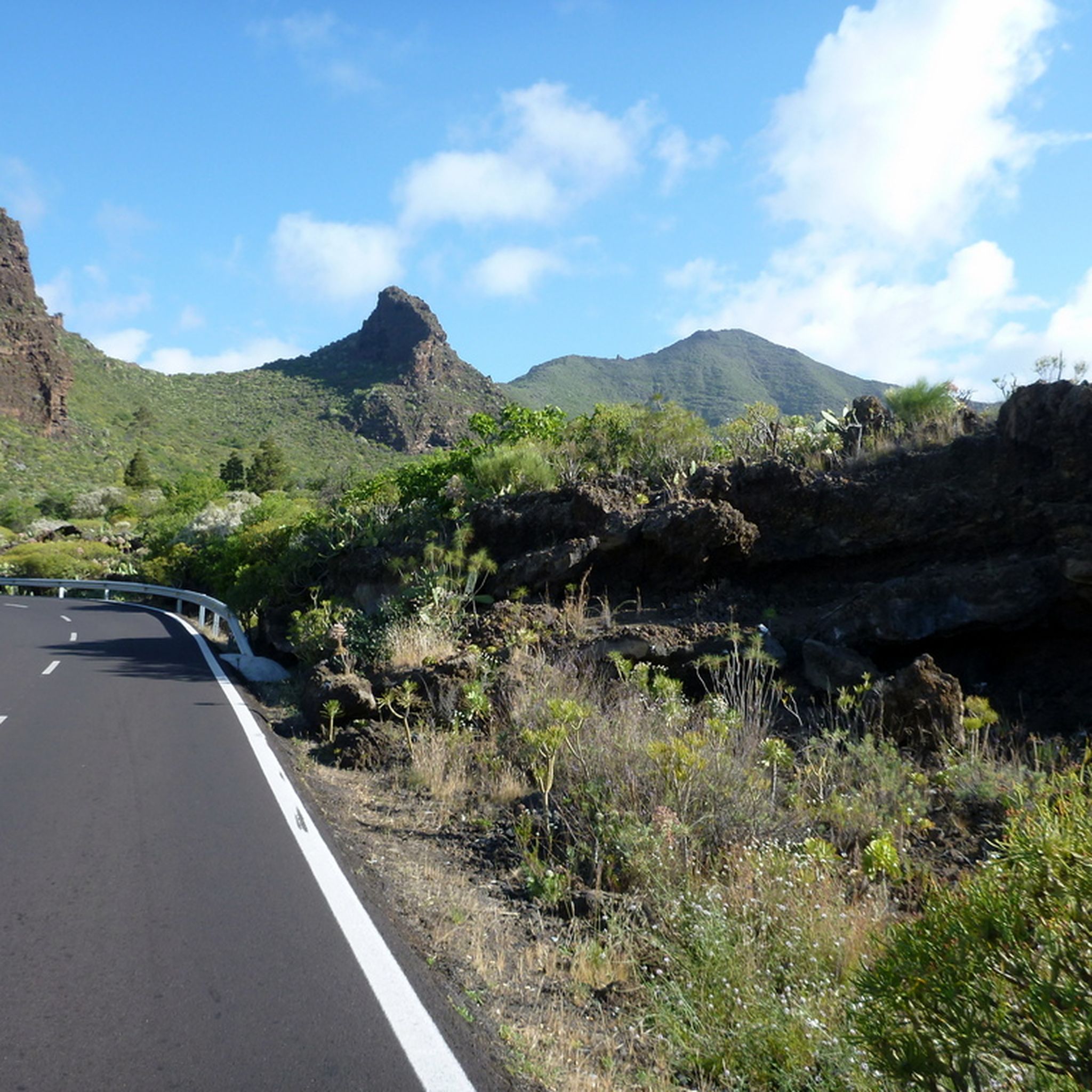
Road Cycling Routes around Santiago Del Teide
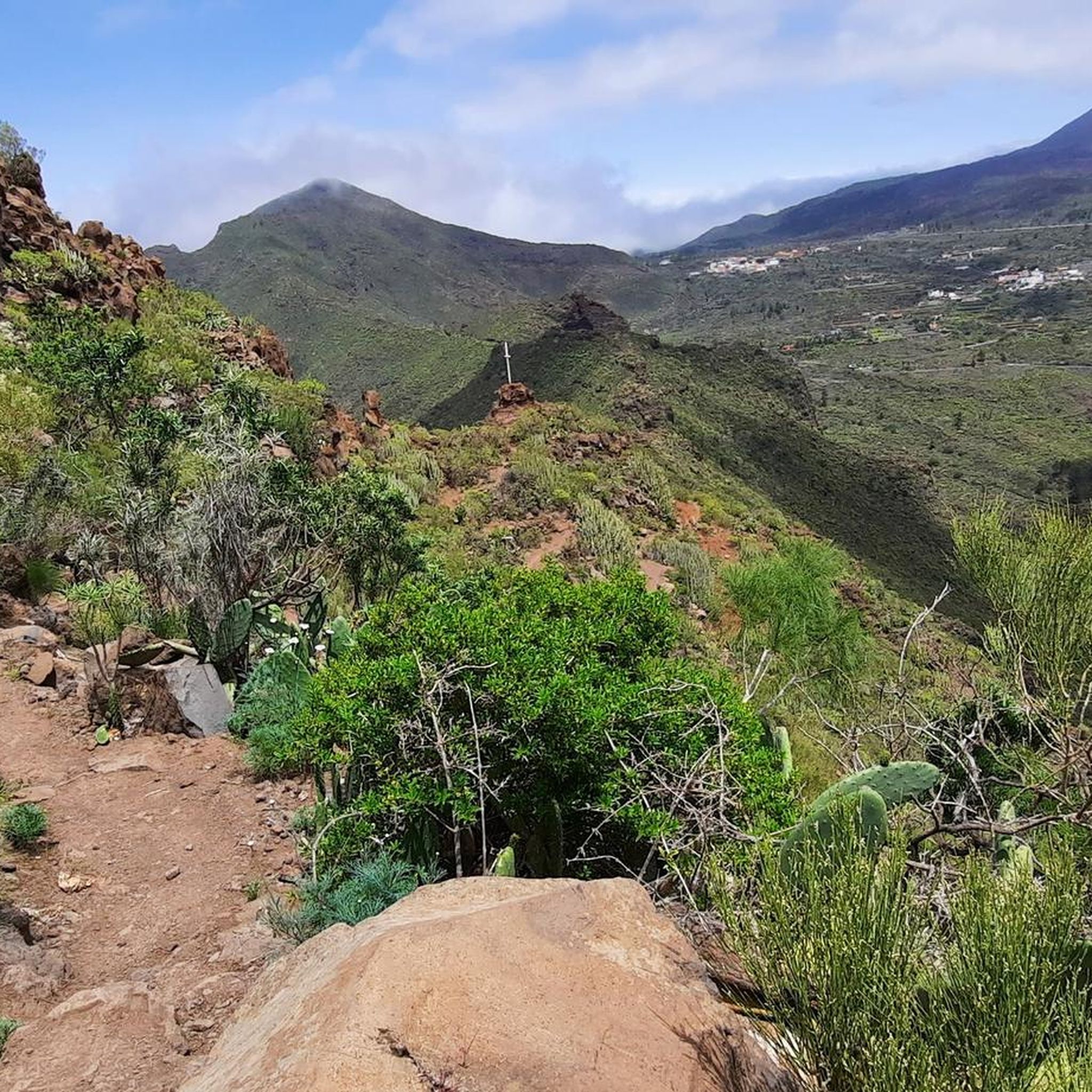
Running Trails around Santiago Del Teide
Cycling around Santiago Del Teide
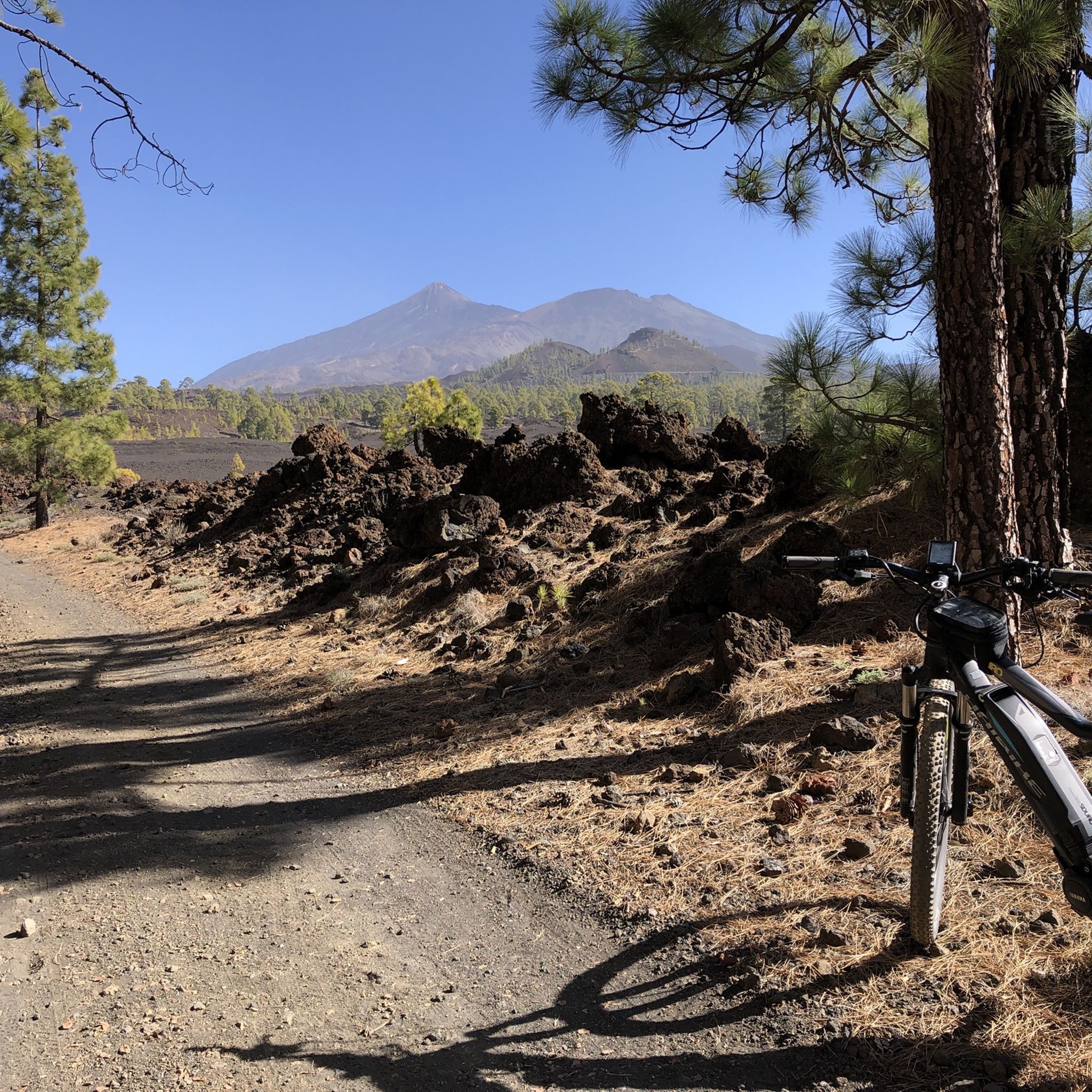
MTB Trails around Santiago Del Teide

Gravel biking around Santiago Del Teide
Other adventures around Santiago Del Teide


Tips from the Community

Teide is a volcano on the Spanish island of Tenerife. The highest point in Spain, it rises to 3,715 meters above sea level. This dormant volcano offers absolutely unique panoramas over the whole island. Access to its summit remains subject to a daily quota of authorizations that must be reserved sufficiently in childhood. You can find more information on the park's website: https://www.reservasparquesnacionales.es/real/parquesnac/usu/html/listado-actividades-oapn.aspx?ii=1ES&cen=2
0
1

With 2,715 meters, the rugged Guajara is the highest peak along the ancient crater. It bears a lot of history as it was this location where the first observatory in the high mountains worldwide was installed. You can still see the ruins at the summit. The view from the Guajara is exceptionally beautiful: the majestic Teide, the impressive Cañadas and the islands of El Hierro, Gran Canaria and La Gomera.
16
1

Best early in the morning or late in the evening
11
0


View of Gomera
7
0


Try to arrive early to dodge all the people - it is busy even on a rainy day!
14
1

Striking rock in the Roques de Garcia group
12
0
Frequently Asked Questions
What are some of the most popular mountain peaks to visit around Santiago del Teide?
The region offers several impressive peaks. Among the most popular are Roque Cinchado, a striking natural monument within the Roques de García group, and Guajara, the highest peak along the ancient caldera rim, offering extensive views. Mount Teide summit is also a major draw, being Spain's highest peak.
Are there any family-friendly mountain peaks or trails in the area?
Yes, Roque Cinchado is considered family-friendly, offering a simple circular hike around the Roques de García. The Chinyero Special Nature Reserve also features accessible trails suitable for various fitness levels, making it a good option for families interested in volcanic history.
What unique natural features can I expect to see on these mountain peaks?
You'll encounter diverse volcanic landscapes. For instance, Mount Teide features a stratovolcano with unique panoramas and endemic flora. Pico Viejo boasts a large crater and distinctive black lava landscapes. Montaña Blanca is known for its light-colored pumice and the 'Huevos del Teide' (Teide Eggs), which are large black volcanic rocks.
What historical significance do some of these peaks hold?
Guajara holds historical significance as the site of one of the world's first high-mountain observatories, with ruins still visible at the summit. The Chinyero Volcano is notable as the site of Tenerife's last volcanic eruption in 1909, showcasing recent lava flows and volcanic history.
Do I need a permit to hike to the summit of Mount Teide?
Yes, access to the summit of Mount Teide requires a permit, which should be reserved in advance due to daily quotas. You can find more information on the park's website: reservasparquesnacionales.es. However, a permit is not required for the Pico Viejo viewpoint.
What is the best time of year to visit the mountain peaks around Santiago del Teide?
The region generally offers good hiking conditions year-round due to Tenerife's mild climate. However, for high-altitude peaks like Teide, spring and autumn often provide the most pleasant weather, with clear skies and moderate temperatures. Winter can bring snow to the highest elevations, while summer can be very hot, especially at lower altitudes.
What outdoor activities can I do near these mountain peaks?
Beyond hiking to the peaks themselves, you can explore various outdoor activities. There are numerous mountain hikes, gravel biking routes, and running trails available. For example, you can find challenging gravel biking routes like the 'North Trail of Teide' or moderate running trails such as the 'Tower of Playa de la Arena' loop.
Are there any notable viewpoints offering panoramic vistas?
Absolutely. The View of Masca, La Gomera, and Teide offers an impressive panoramic view of the mountainous landscape. From the summit of Guajara, you can enjoy views of Teide, the Cañadas, and the islands of El Hierro, Gran Canaria, and La Gomera. The Teide Cable Car Upper Station also provides incredible views.
What should I wear when hiking in the Teide National Park area?
Due to significant temperature variations between sea level and high altitudes, it's essential to dress in layers. Even if it's warm at the coast, temperatures at the peaks can be much colder, especially with wind. Appropriate clothing, including warm layers, a windproof jacket, and sturdy hiking shoes, is crucial. Sufficient water and sun protection are also highly recommended.
Can I use a cable car to access higher elevations?
Yes, the Teide cable car provides an easier ascent to 3,555 meters, just below the summit of Mount Teide. From the Teide Cable Car Upper Station, you can hike further to the summit with a permit or explore nearby viewpoints like Mirador de La Fortaleza.
What is Pico Viejo and what makes it worth visiting?
Pico Viejo is the second-highest peak in the Canary Islands, part of the Teide volcanic complex. It features a large crater and a distinctive black lava landscape from its last eruption in 1798. Visiting offers spectacular views, especially at sunset, and a less crowded experience compared to Teide's summit, with no permit required for many hiking areas.
Where can I learn more about the volcanic history of the region?
The Chinyero Special Nature Reserve is an excellent place to witness recent lava flows and learn about the island's volcanic past. Additionally, there is a Visitor and Interpretation Centre in Santiago del Teide dedicated to the Chinyero eruption, offering educational resources through audiovisual and interactive displays.
Most popular routes around Santiago Del Teide
Most popular attractions around Santiago Del Teide

Get inspired with the komoot mobile app


Explore more
See even more amazing summits around Santiago Del Teide with these guides:
