The 20 Most Amazing Peaks around Peñacerrada-Urizaharra
Best mountain peaks around Peñacerrada-Urizaharra are found in the Sierra de Cantabria, offering a landscape of rocky peaks and panoramic vistas. This region, part of the Sierra de Toloño, provides diverse terrain for mountaineers and hikers. The area is characterized by its natural border and unique geological formations, influencing the local climate. Peñacerrada-Urizaharra itself is a medieval village with a historic center, adding a cultural dimension to the surrounding mountains.
Best mountain peaks around Peñacerrada-Urizaharra
- The most popular mountain peaks…
Last updated: May 26, 2026
Toloño
Highlight • Summit
Translated by Google •
Tip by

Santa María de Toloño Monastery
Highlight • Religious Site
Translated by Google •
Tip by
Sign up now to discover places like this
Get recommendations on the best single tracks, peaks, & plenty of other exciting outdoor places.
Sign up for free
Puerto de Herrera
Highlight • Mountain Pass
Translated by Google •
Tip by

Castle Rock
Highlight • Summit
Translated by Google •
Tip by

Peña la Abeja
Highlight • Summit
Translated by Google •
Tip by
Sign up for free to discover even more peaks around Peñacerrada-Urizaharra.
Sign up for free
Already have an account?
Start today with a free account
Your next adventure awaits.
Login or Signup
Tips from the Community

One of the toughest, if not the toughest, mountain passes in Álava. Cantabrian Mountains. Natural border with La Rioja.
1
0

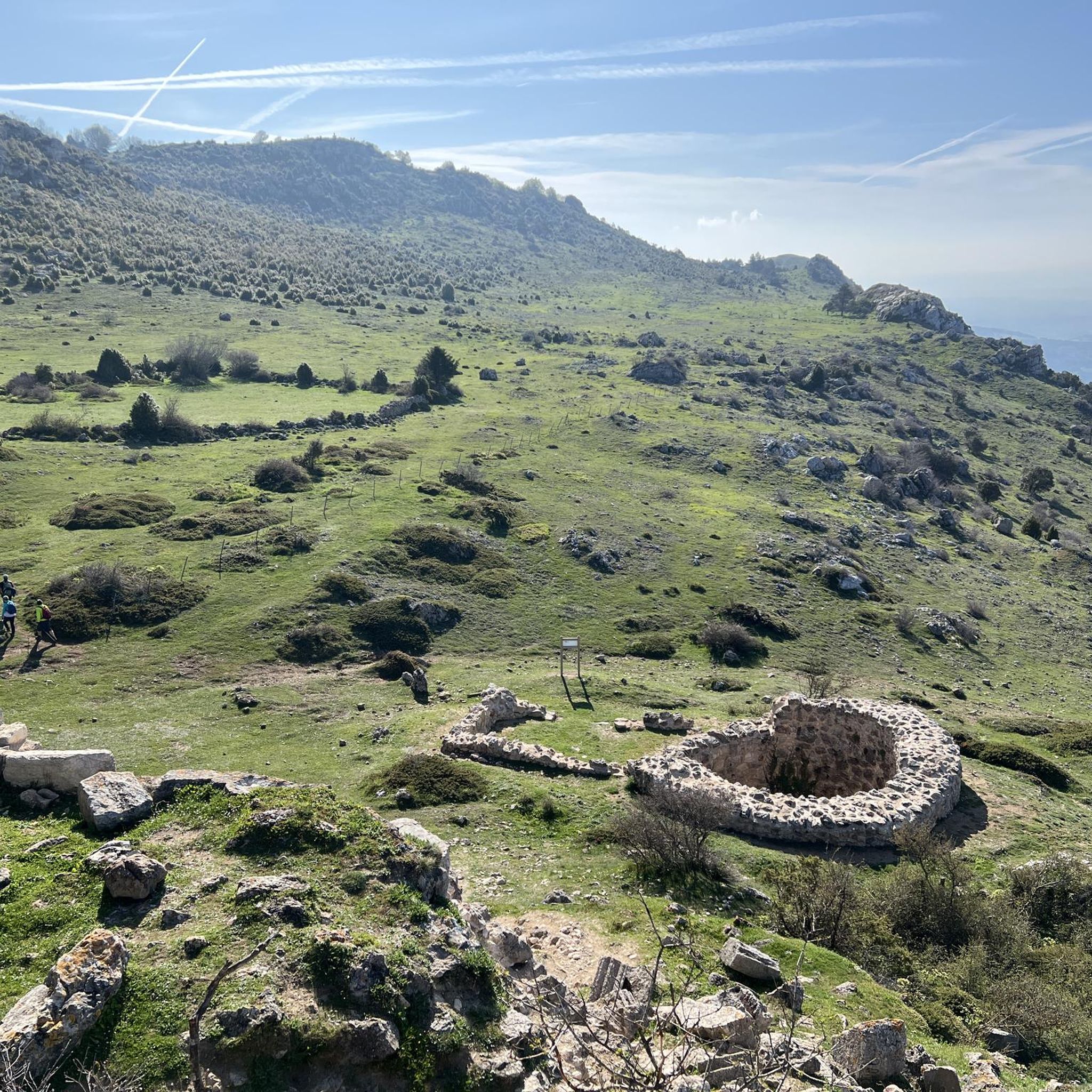
The route returns along the same path, passes the gate again and continues along the path with the green dots towards the geodesic vertex of Toloño (1,264 m), which is not the main summit, this is a cartographic landmark, the main summit is after a little hill planted in some airy and solitary cliffs. The views jump the meanders of the Ebro and reach the silhouettes of San Lorenzo, San Millán and the rest of the peaks of the Sierra de la Demanda. Moncayo appears further away, claiming some prominence in an unforgettable scene. At the foot of the Toloño, in the first valley hanging from the south face, appear the ruins of the Toloñoko Andra Mari, the ancient Monastery of Santa María del Toloño. And to the right the peaks that remain to complete the mountain journey.
0
0

Clean path to the top. Views of the Monastery of La Herrera. The mailbox is not at the highest point because it does not have views, but a few meters to the East.
0
0

Summit with spectacular views but you have to earn them since to reach the highest part you have to make a small climb.
1
0
Summit with spectacular views that you have to win since to reach the highest part you have to climb a little.
0
0
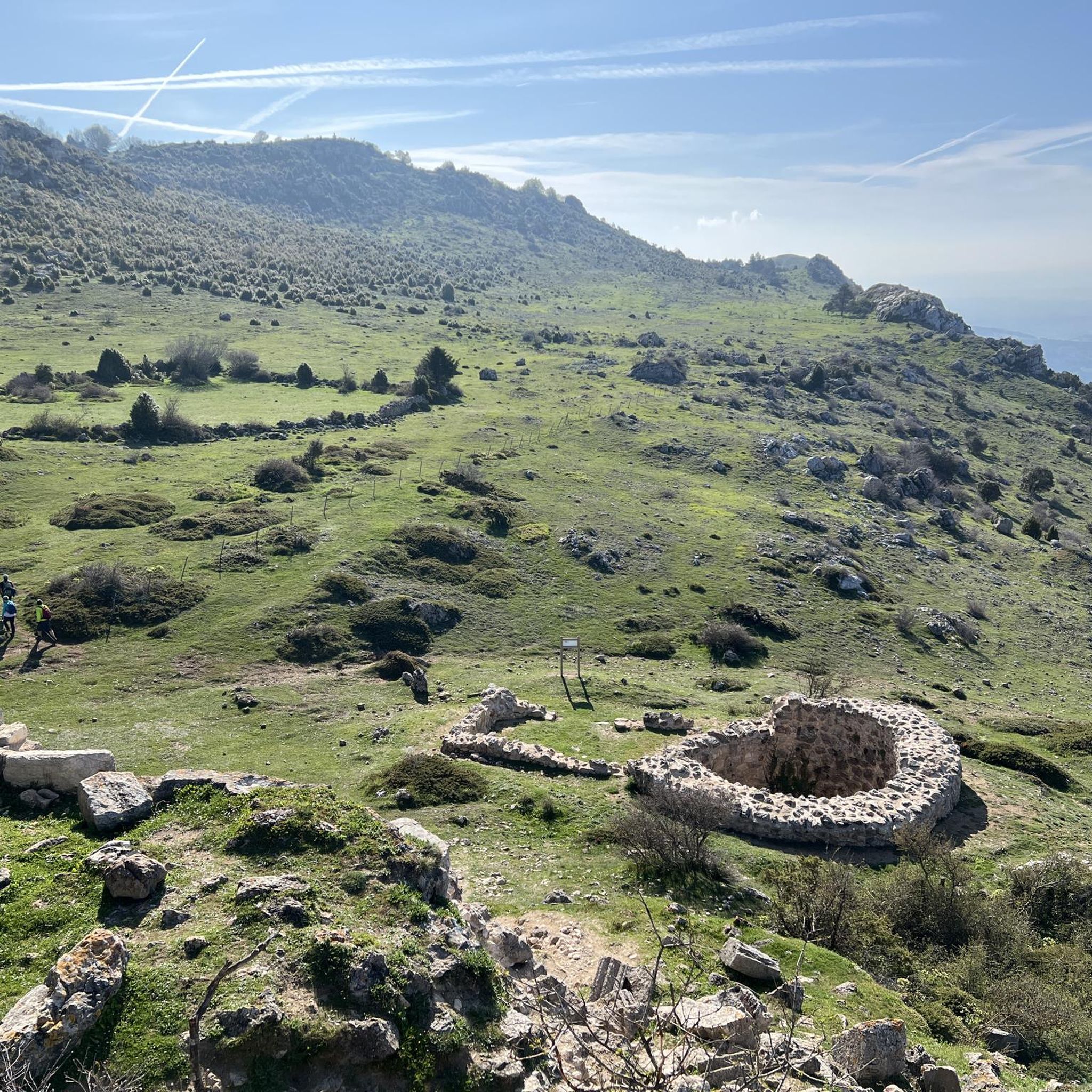
Ruins of an old monastery that, despite the fact that they say little about the building that had existed, create a spectacular landscape.
1
0

Mountain that is in the old middle of the Montes Obarenses and from where you can see impressive views of the valley where the center of Miranda de Ebro is located.
0
0

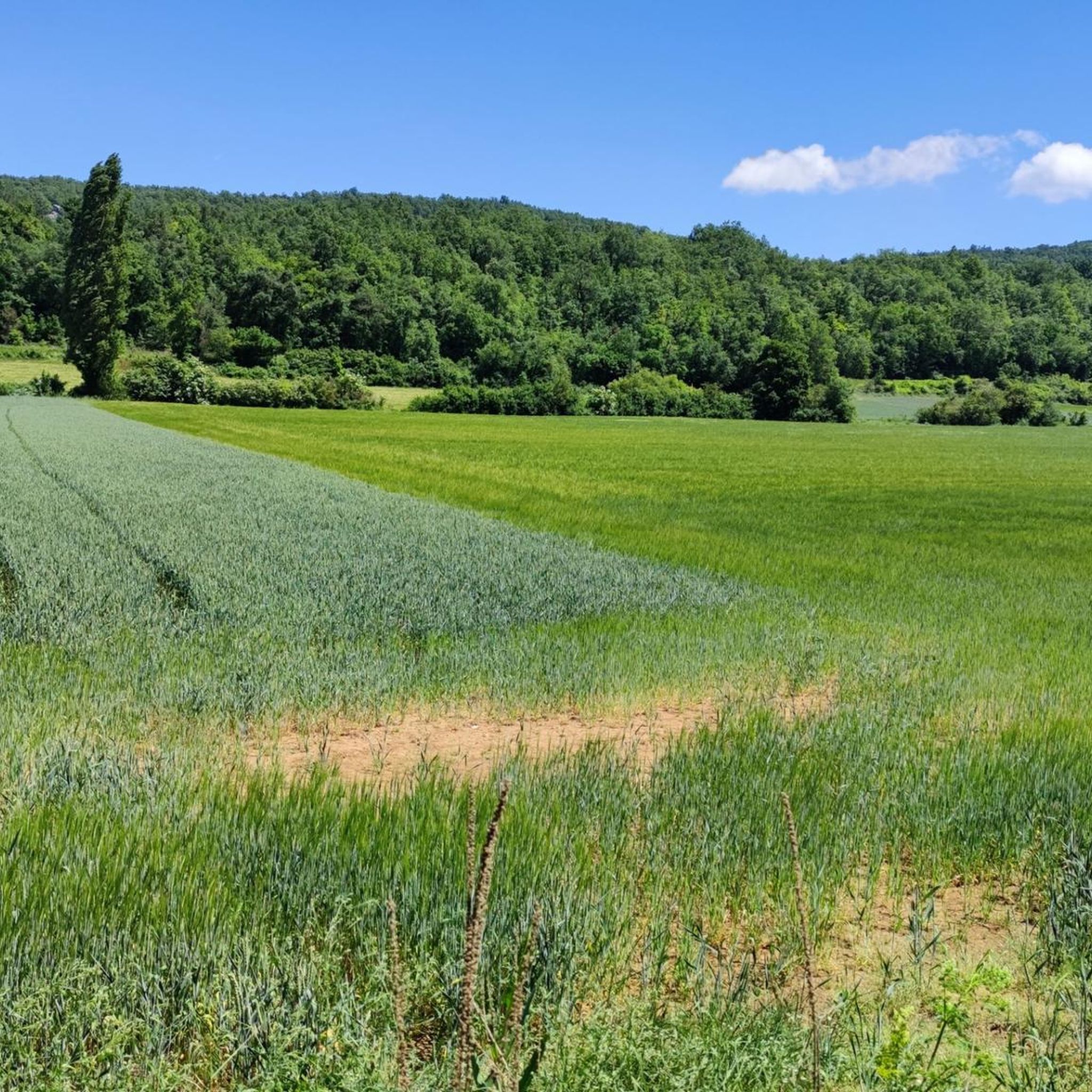
Mythical Alava port bordering between Campezo and Laguardia. The ascent from Peñacerrada is 7.5 kilometers long and has slope peaks greater than 10%. The road is narrow and winding through green forests. Cyclists who enjoy the ascents and the landscape will fulfill their expectations.
1
0
Frequently Asked Questions
What are some of the most popular mountain peaks to visit around Peñacerrada-Urizaharra?
The region offers several highly-regarded peaks. Toloño is an emblematic summit known for its great views and routes passing by the ruins of the Toloñoko Andra Mari monastery. Puerto de Herrera is a mythical mountain pass, considered one of the toughest in Álava, offering challenging ascents for cyclists and stunning scenery. For hikers seeking panoramic rewards, Castle Rock provides spectacular views, though it requires a small climb to reach the highest point.
Are there challenging mountain peaks for experienced hikers in the area?
Yes, for experienced hikers, Costalera (1,234 m) presents a formidable challenge, especially the final kilometer with technical sections requiring careful footing. Bonete de San Tirso (1,276 m), also known as El Dedo de San Tirso, is another demanding peak with climbing sections involved in its normal ascent route, requiring good physical condition and high-mountain experience.
Which peaks offer the best panoramic views in Peñacerrada-Urizaharra?
Joar Summit (1,414 m) is renowned for its truly stunning 'postcard' views from the top. Costalera and San Tirso also offer incredible panoramic vistas as a reward for their challenging ascents. Additionally, Peña la Abeja provides impressive views of the valley and the Camaldolese Yermo de Nuestra Señora de Herrera.
What historical or cultural sites can be found near the mountain peaks?
The region is rich in history. Near Mount San Tirso, you can find the San Tirso hermitage nestled within a cave, often included in circular routes. Peña del Castillo is located near the historic Sanctuary of Nuestra Señora de los Ángeles de Toloño, which features dolorous ruins and old icehouses from the 17th and 18th centuries. The medieval village of Peñacerrada-Urizaharra itself has a well-preserved southern gate and walled enclosure. Also, Portilla Castle, an old castle tower, has been recently restored and offers a beautiful viewpoint.
Are there any family-friendly mountain walks or accessible peaks for beginners?
While many peaks offer challenging ascents, some routes to peaks like Joar Summit can be chosen for differing difficulty levels, making them accessible to a range of experience levels. The area around Peña del Castillo, within the Mount Toloño route, offers magnificent beech forests and old paths that can be enjoyed by families, though specific 'family-friendly' categorizations for peaks are not explicitly detailed. Always check route specifics for elevation and terrain before heading out with children or beginners.
What kind of outdoor activities can I do near these mountain peaks?
Beyond hiking and mountaineering, the area around Peñacerrada-Urizaharra is excellent for various outdoor activities. You can explore numerous gravel biking routes, such as the "Mymerak gravel route between wine cellars" or "Gravel route through vineyards along the Ebro River." Road cycling is also popular, with routes like the "Peñacerrada and La Aldea Passes Loop." For runners, there are dedicated running trails, including the "Path of the Water" and "Hike around the peñas of the Sierra de Cantabria." You can find more details on these activities in the gravel biking guide, road cycling guide, and running trails guide for the region.
What is the best time of year to hike the mountains in Peñacerrada-Urizaharra?
The Sierra de Cantabria, where these peaks are located, experiences a climate influenced by the mountains. Generally, spring and autumn offer pleasant temperatures and beautiful scenery, making them ideal for hiking. Summer can also be suitable, especially in the mornings or late afternoons, but be prepared for warmer conditions. Winter hiking is possible but may involve snow and ice, particularly on higher and more challenging peaks, requiring appropriate gear and experience.
Are there any unique geological features or natural monuments among the peaks?
Absolutely. Bonete de San Tirso (1,276 m) is particularly notable for its distinctive shape, resembling a bishop's hat or a finger (El Dedo de San Tirso), making it a unique geological formation. The entire Sierra de Cantabria is characterized by its unique shapes and rocky outcrops, acting as a natural border and influencing the local climate, which creates ideal conditions for the vineyards of the nearby Rioja Alavesa region.
What wildlife and plant life can I expect to see while exploring the mountains?
The area is rich in biodiversity. You can expect to observe various plants, including magnificent beech forests and boxwood, especially around the Mount Toloño route. The region is also home to diverse animal life and is known for opportunities to spot birds of prey, making it a rewarding experience for nature enthusiasts.
Where can I find information on parking and trailheads for mountain access?
Access to many peaks, such as Bonete de San Tirso, can be made from Bernedo. Alto del Mendigurena/Bujo is accessible from various points, including Puerto de Rivas. Peña del Castillo can be reached from locations like Labastida, Salinillas de Buradón, Puerto de Peñacerrada, and Berganzo. While specific parking details for each trailhead are not provided here, these towns and access points serve as common starting points for routes into the mountains.
Is there a peak that offers a good balance of challenge and reward for intermediate hikers?
For intermediate hikers, Joar Summit (1,414 m) offers various paths of differing difficulty, allowing you to choose a route that provides a rewarding ascent without being overly technical. The picturesque routes themselves are a significant draw, leading to stunning views from the top. Toloño is also categorized as an intermediate summit, offering great views and historical interest.
Most popular routes around Peñacerrada-Urizaharra
Most popular attractions around Peñacerrada-Urizaharra

Get inspired with the komoot mobile app


Explore more
See even more amazing summits around Peñacerrada-Urizaharra with these guides:
