The best road cycling routes around La Vall D'Ebo
4.4
(88)
2,791
riders
36
rides
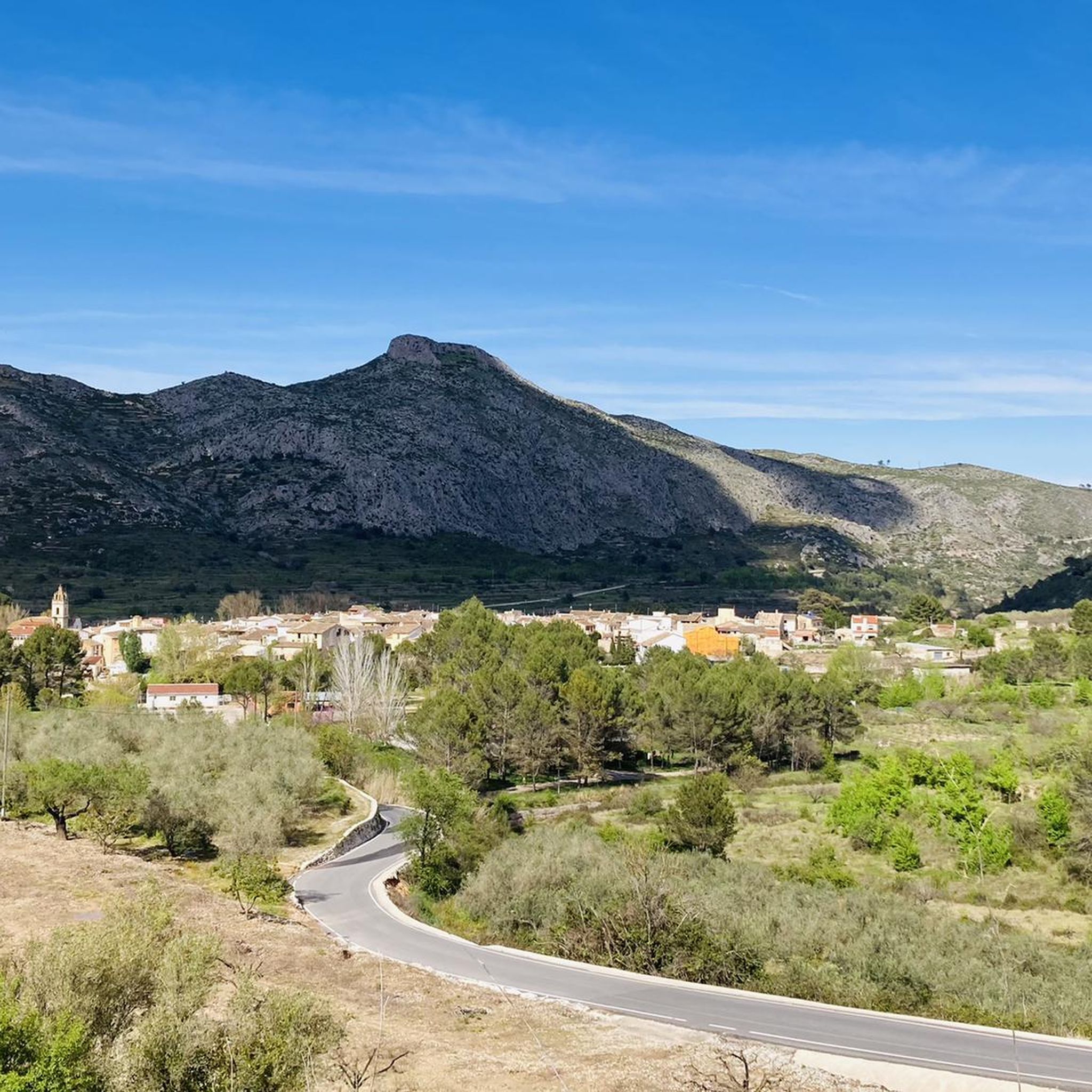
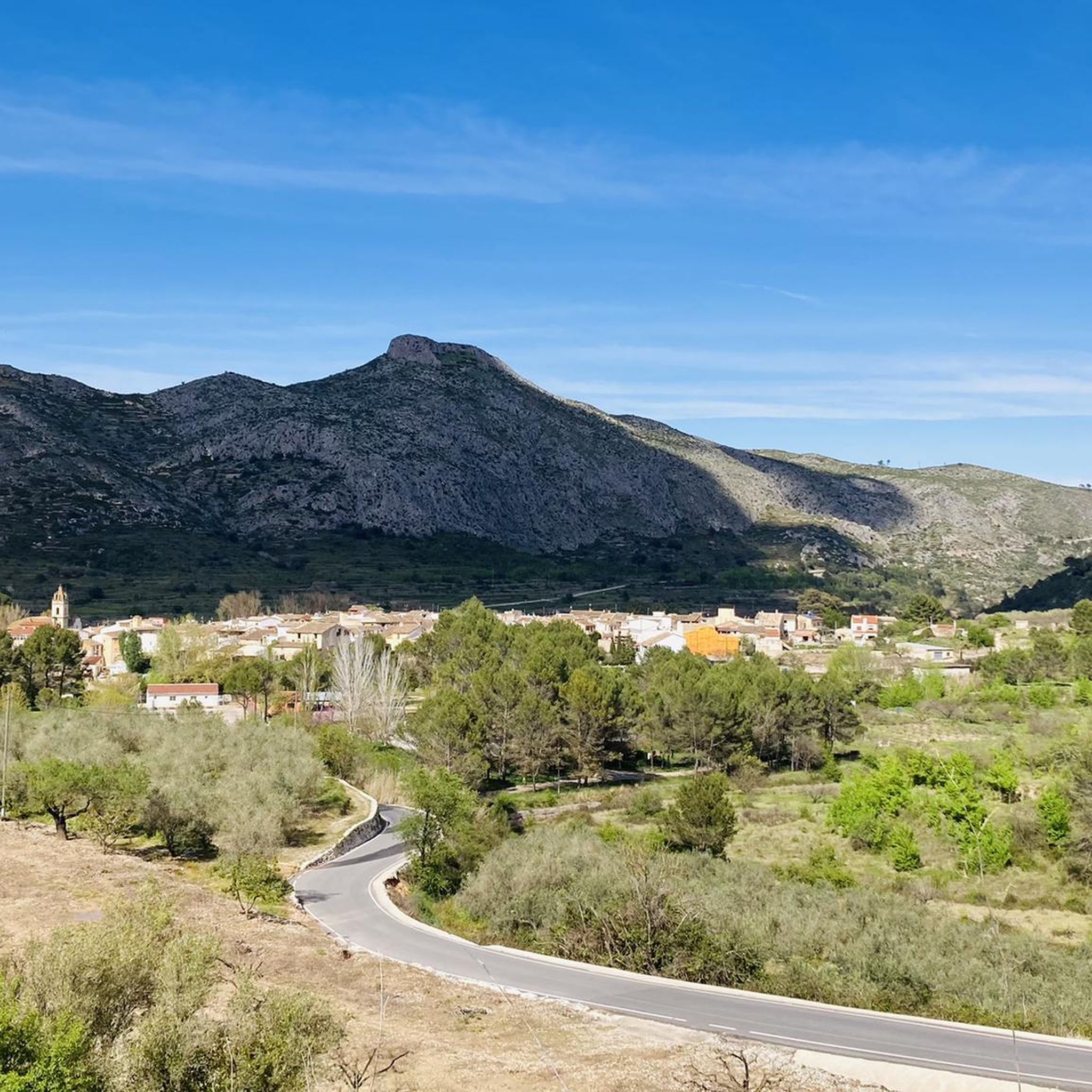
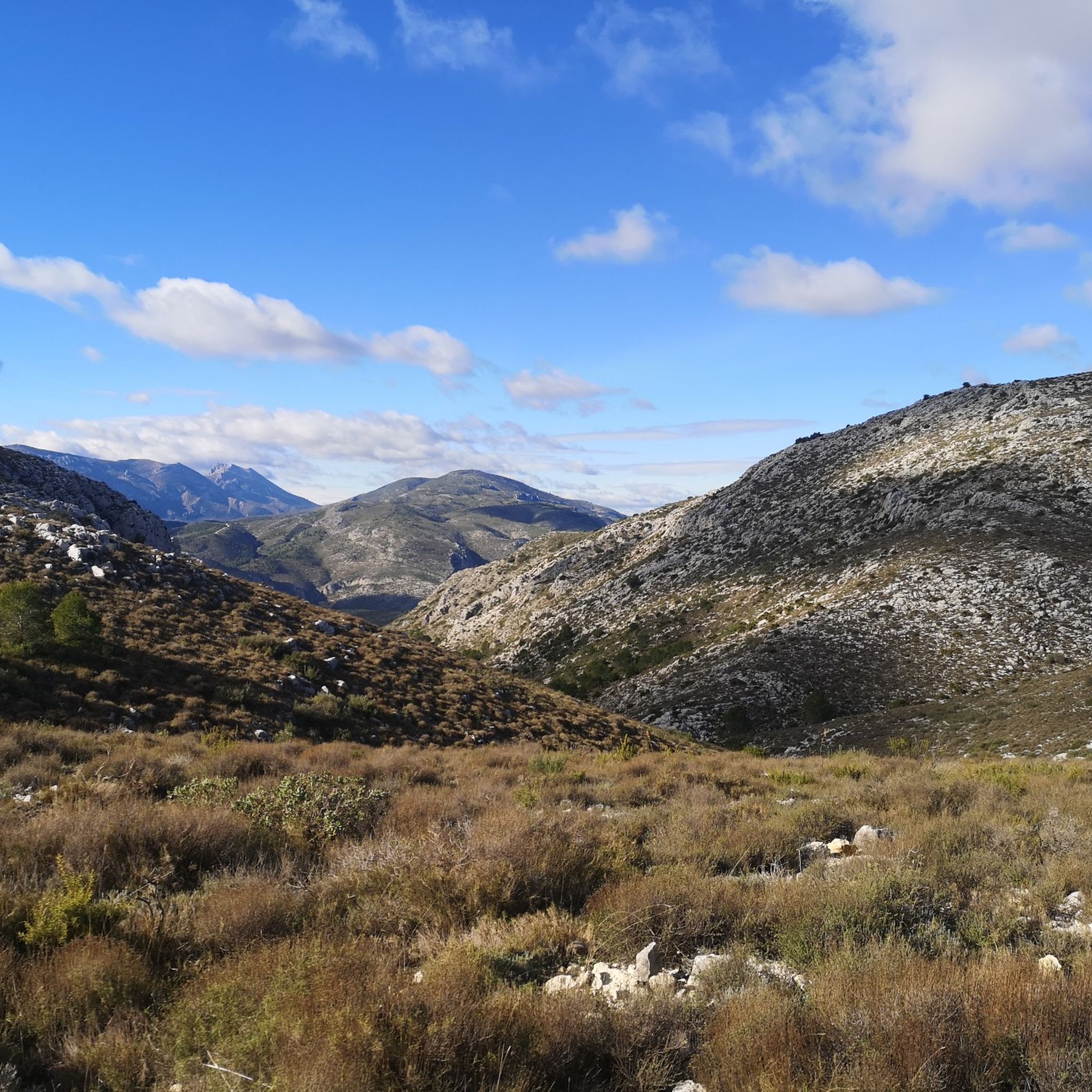
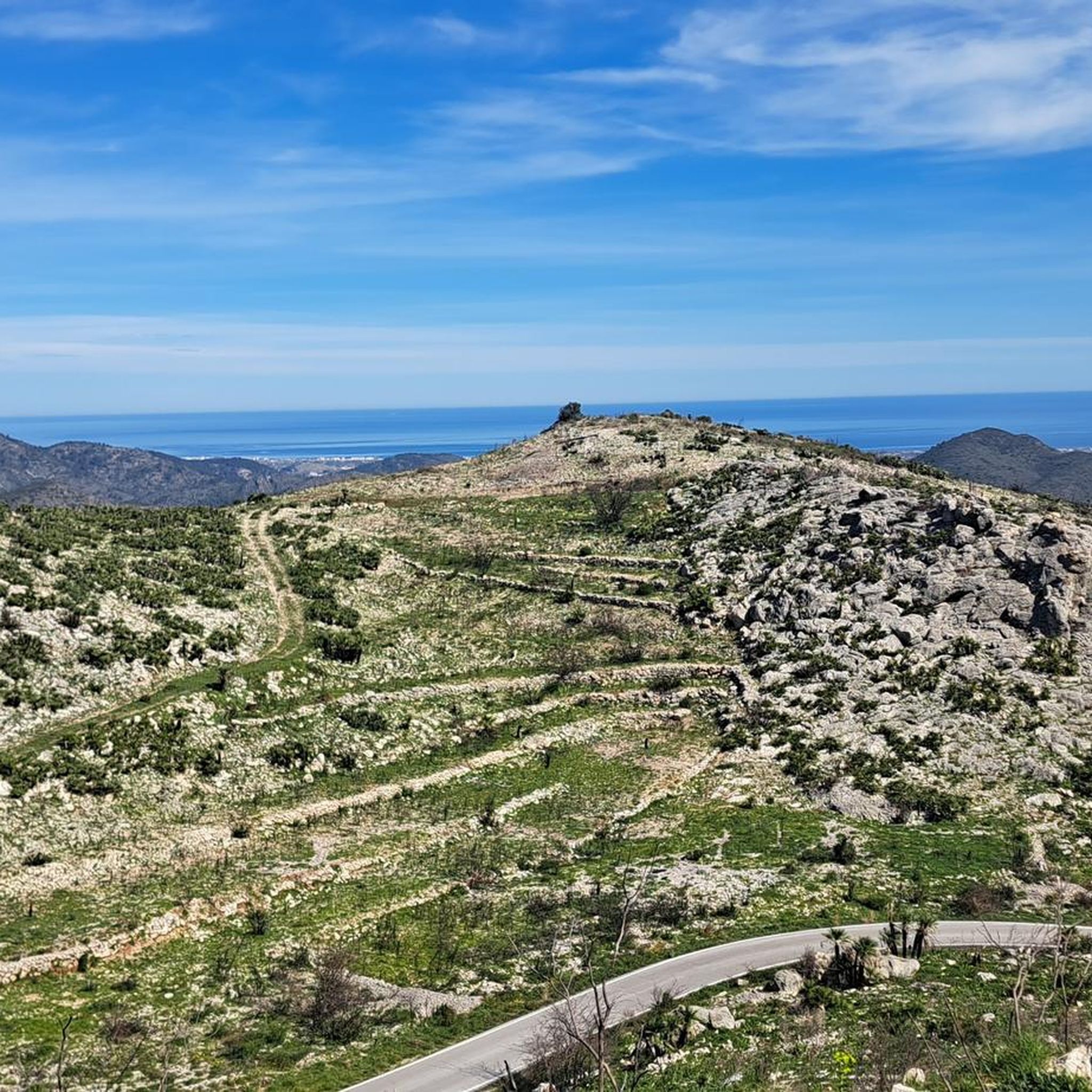
Road cycling routes around La Vall D'Ebo are characterized by deep valleys, imposing mountains, and significant elevation changes within the Marina Alta region. The terrain features winding roads through pine and olive trees, alongside creamy limestone cliffs. Cyclists can expect varied landscapes, from challenging ascents to scenic routes offering far-reaching panoramas. This area provides a diverse network for road cycling, with many routes on paved surfaces.
Best road cycling routes around La Vall D'Ebo
- The most popular road cycling route…
Last updated: October 1, 2026
4.8
(4)
61
riders
59.8km
03:48
1,300m
1,300m
Hard road ride. Very good fitness required. Mostly well-paved surfaces and easy to ride.
4.7
(7)
358
riders
60.3km
03:17
930m
930m
Hard road ride. Very good fitness required. Mostly well-paved surfaces and easy to ride.

4.6
(15)
287
riders
46.3km
02:02
380m
380m
Moderate road ride. Good fitness required. Some segments of this route may be unpaved and difficult to ride.
4.8
(4)
232
riders
78.8km
04:10
1,320m
1,320m
Hard road ride. Very good fitness required. Some segments of this route may be unpaved and difficult to ride.
4.5
(4)
121
riders
46.7km
02:23
720m
720m
Moderate road ride. Good fitness required. Mostly well-paved surfaces and easy to ride.
Get access to more routes and recommendations from other explorers.
Already have an account?
Our route recommendations are based on thousands of hikes, rides, and runs completed by other people on komoot.
Start today with a free account
Your next adventure awaits.

Tips from the Community

It is one of the last places to refill water before starting the climb. The Repsol at the entrance of the town is much larger than it seems, they even have gels
0
0


In the lower part of L’Atzúbia is Carrer Nou, which is nothing more than the concreted Barranc de Mostalla. In fact, with heavy rain it becomes a torrent again. There is no signage, but there is only one road that starts upwards. At the turn-off towards the antennas, it is closed due to "works". At the moment, no works are visible, and you can pass by the side of the "gate". The path to the summit is in perfect condition. aspect : ADSUBIA Altitude: 753 Elevation gain: 663 Length: 6.26 Average %: 10.60 Max %: 22
0
0


Look out for the small fountain at the entrance of the village – a refreshing stop to fill your water bottle on hot days.
2
1
Benissivá is one of the eight small villages of the Vall de Gallinera, a quiet valley in the mountains of the Costa Blanca known for its cherry orchards, almond trees and Moorish heritage. The village is set on a gentle slope with narrow streets and traditional whitewashed houses, offering cyclists and hikers a peaceful stop along their route. From Benissivá you can enjoy beautiful views of the valley and the surrounding peaks, with easy access to both road and gravel routes that link the neighbouring villages. In spring, the cherry blossom transforms the landscape into a colourful spectacle, while the rest of the year the calm atmosphere and local charm make it a perfect place to pause, refuel and take in the scenery. A coffee on the terrace of the village bar is the ideal reward before continuing your ride or hike deeper into the Vall de Gallinera.
2
1
Stop in Beniali at a local bar or restaurant to try a dish with 🍒 from the valley – a true seasonal highlight.
2
1
Beniali is the central village of the Vall de Gallinera, a hidden valley in the Costa Blanca surrounded by almond and cherry orchards. This picturesque spot is rich in Moorish history and traditional Mediterranean charm, with narrow streets and whitewashed houses that reflect the authentic character of inland Spain. The Vall de Gallinera is a true paradise for cyclists and hikers, offering winding roads, quiet gravel tracks and breathtaking views of the surrounding mountains, including the Serra de la Foradà. In spring the valley transforms into a sea of blossoms as the cherry trees bloom, making it one of the most spectacular natural sights in the region. Starting from Beniali, you can easily explore the other small villages of the valley, enjoy panoramic climbs and descents, and discover peaceful landscapes far from the coast. With its tranquil atmosphere, local cafés and traditional restaurants, Beniali is both a perfect base and a memorable stop on any cycling or hiking adventure through the Costa Blanca.
2
1
Frequently Asked Questions
How many road cycling routes are available in La Vall D'Ebo?
La Vall D'Ebo offers a diverse network of over 25 road cycling routes. These routes cater to various skill levels, including easy, moderate, and difficult options, allowing cyclists to choose paths that match their fitness and experience.
What is the best time of year for road cycling in La Vall D'Ebo?
The region is generally favorable for road cycling for much of the year. Spring and autumn offer pleasant temperatures and lush landscapes, ideal for tackling the challenging climbs and enjoying the scenic roads. Summers can be hot, so early morning or late afternoon rides are recommended during peak season.
What are the typical difficulty levels for road cycling routes in La Vall D'Ebo?
Road cycling routes in La Vall D'Ebo range from easy to difficult. You'll find routes with significant elevation gains, such as the challenging La Vall de la Gallinera — Circular from Pego to the top of Miserat, which features over 1300 meters of climbing. There are also moderate options like the View of the Sierra de Segària – Pego–Sagra Road loop from Pego, and easier rides with less elevation.
Are there any circular road cycling routes in La Vall D'Ebo?
Yes, many road cycling routes in La Vall D'Ebo are designed as circular loops, allowing you to start and finish in the same location. Examples include the demanding La Vall de la Gallinera — Circular from Pego to the top of Miserat and the scenic View of Campell – Pego–Sagra Road loop from el Campell.
What natural features or landmarks can I see while road cycling in La Vall D'Ebo?
The region is rich in natural beauty. You can expect to cycle through deep valleys, past imposing mountains, and along roads winding through pine and olive trees. Higher elevations offer far-reaching panoramas across mountain tops to the sea. Notable natural attractions include the impressive Barranc de l'Infern (Hell's Ravine) and the magical underground Cova del Rull, known for its stalactites and stalagmites.
Are there any historical sites or cultural attractions accessible by road bike?
Beyond the natural beauty, you can explore several historical and cultural sites. The area features historic ice houses and the ruins of La Vall d'Ebo Castle. You might also encounter the San Miguel Arcángel Parish Church (built in 1576) and various other castles and religious buildings, such as Castell de Benissili or Església - Fortalesa Castell de Pop, offering cultural breaks during your rides.
Where can I find parking for road cycling in La Vall D'Ebo?
Parking is generally available in the villages surrounding the cycling routes, such as Pego, Parcent, and Alcalalí. These towns often serve as convenient starting points for many of the region's popular loops. Specific parking areas may vary, but street parking or designated village car parks are common.
Are there family-friendly road cycling routes in La Vall D'Ebo?
While many routes feature significant climbs, there are easier options suitable for families or those seeking a more relaxed ride. For instance, the Dénia to Gandía Greenway – Les Magazinos, Dénia loop from Pego is an easy route with minimal elevation gain, offering a pleasant experience for various skill levels.
What kind of terrain can I expect on road cycling routes in La Vall D'Ebo?
The terrain is predominantly mountainous, characterized by deep valleys and significant elevation changes. Routes are mostly on paved surfaces, winding through pine trees, olive groves, and past creamy limestone cliffs. You can expect a mix of challenging ascents, fun switchbacks, and scenic descents on quiet roads.
Are there cafes or places to stop for refreshments along the routes?
Yes, the villages within and around La Vall D'Ebo, such as Pego, Parcent, and the village of La Vall D'Ebo itself, offer cafes, restaurants, and small shops where cyclists can stop for refreshments, meals, or to refill water bottles. These stops provide a welcome break during longer rides.
Is public transport an option for accessing road cycling routes in La Vall D'Ebo?
Public transport options directly into La Vall D'Ebo for cyclists with bikes can be limited. It's generally more convenient to access the area by car, especially when bringing your own road bike. However, local bus services connect some of the larger towns in the Marina Alta region, which might serve as starting points, though checking specific bike policies is advisable.
What do other road cyclists enjoy most about road cycling in La Vall D'Ebo?
The area is highly rated by the komoot community, with an average score of 4.3 stars from over 70 reviews. Cyclists often praise the challenging climbs, the stunning natural landscapes with far-reaching panoramas, and the blissful solitude found on quiet, scenic roads. The diverse routes and the supportive community of riders also contribute to its popularity.
Are there challenging climbs for experienced road cyclists in La Vall D'Ebo?
Absolutely. La Vall D'Ebo is renowned for its challenging climbs, which are a true test of strength and endurance. The Vall D'Ebo climb itself is famous for its steep gradients, often averaging around 6-8%. Routes like the La Vall de la Gallinera — Circular from Pego to the top of Miserat feature significant elevation gains, making them sought-after feats for seasoned cyclists.
Most popular routes around La Vall D'Ebo
Most popular attractions around La Vall D'Ebo

Get inspired with the komoot mobile app


Explore more
Browse the best Road cycling routes in other regions.
