The best cycling routes around Guadalcanal
4.8
(39)
430
riders
52
rides
Touring cycling routes around Guadalcanal navigate a landscape characterized by a mountainous interior, dense tropical rainforests, and diverse coastlines. The island features a rugged terrain with significant elevation changes, including hills and the highest peak in the Solomon Islands. While dedicated cycling infrastructure is limited, the region offers varied paths through natural settings and historical sites.
Best touring cycling routes around Guadalcanal
- The most popular touring cycling route is Alcazaba de Reina y Ciudad romana Regina Turdulorum — circular por…
Last updated: June 1, 2026
5.0
(2)
5
riders
Moderate bike ride. Good fitness required. Mostly paved surfaces. Suitable for all skill levels.
14
riders
75.0km
07:07
1,480m
1,480m
Hard bike ride. Very good fitness required. Mostly paved surfaces. Suitable for all skill levels.

Sign up for free
5.0
(1)
12
riders
55.4km
03:32
650m
650m
Hard bike ride. Very good fitness required. Mostly paved surfaces. Suitable for all skill levels.
5.0
(1)
11
riders
Hard bike ride. Very good fitness required. Mostly paved surfaces. Suitable for all skill levels.
5
riders
45.8km
04:02
510m
510m
Hard bike ride. Very good fitness required. Mostly paved surfaces. Suitable for all skill levels.
Get access to more routes and recommendations from other explorers.
Sign up for free
Already have an account?
Our route recommendations are based on thousands of hikes, rides, and runs completed by other people on komoot.
Start today with a free account
Your next adventure awaits.
Login or Signup

Tips from the Community

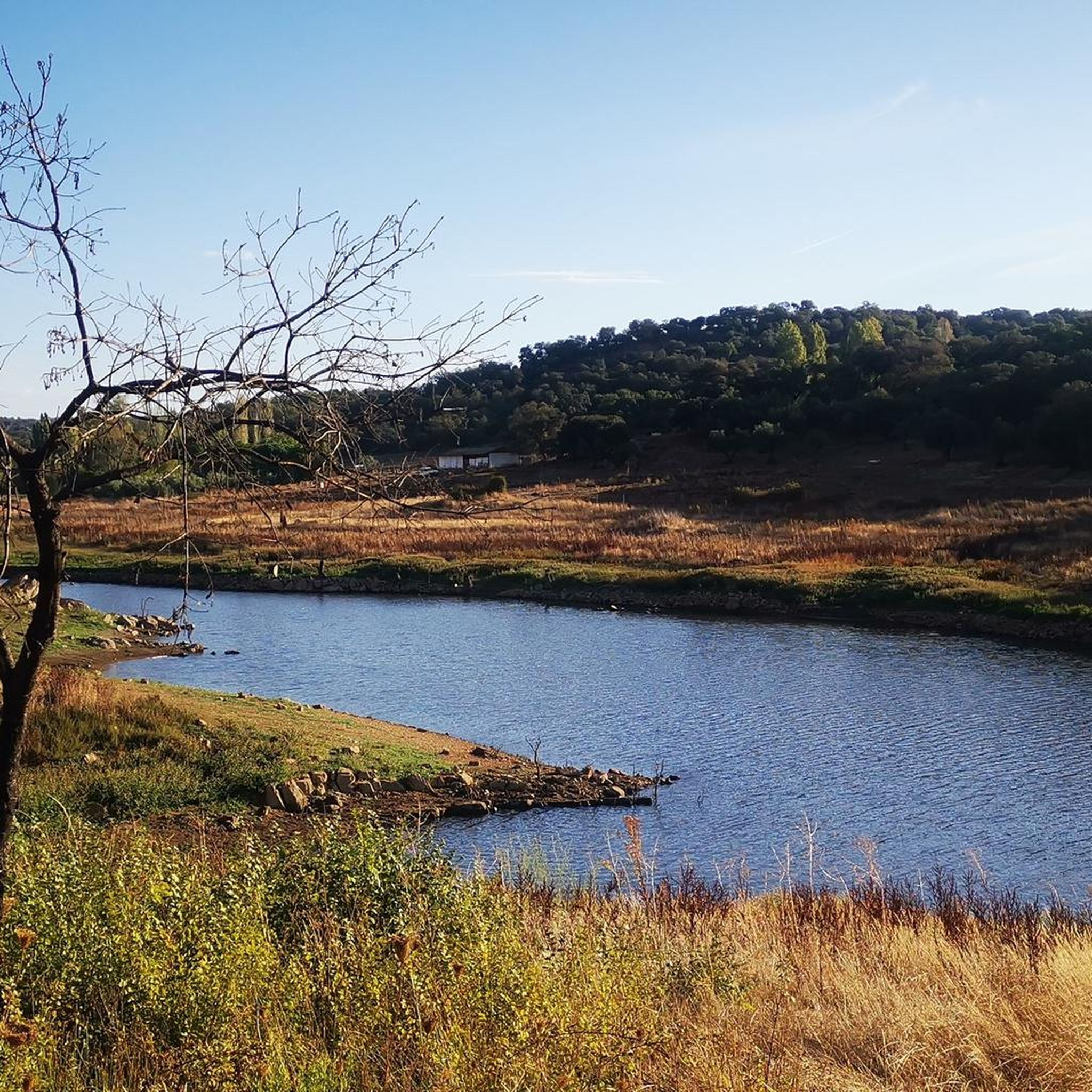
In the legal part this is one of the most beautiful panoramic views, with benches.
14
0

Cazalla de la Sierra is a municipality in the province of Seville in Spain with 4,629 inhabitants (as of 2024).
0
0
The Cerro del Hierro Natural Monument is located between the municipalities of Constantina and San Nicolás del Puerto, within the Sierra Norte de Sevilla Natural Park and very close to the Cascada del Huesna Natural Monument. It is home to a spectacular landscape where the interaction between nature and humans takes place, resulting in a paleokarst of great beauty and scientific and educational interest. The cave is also home to unique plant and animal species, nestled within a well-preserved cork oak forest dotted with other interesting trees such as the gall oak and the Pyrenean oak. Vegetation grows among the limestone rocks, as well as in the shady alleys and fountains. Various fern species can be found here, such as the common maidenhair fern, the white maidenhair fern, the small maidenhair fern, the golden fern, the hart's tongue fern, and the male fern, some of which are listed in the Red Book of Threatened Species in Andalusia. This ecosystem is ideal for the development of rock-dwelling species, i.e., plants adapted to life among rocks. There are numerous aromatic plants—thyme, lavender, and bitter chamomile—as well as shrubs—arbutus, bupleiro, mastic, and durillo—and climbing plants. In terms of fauna, the eagle owl and the black stork are critically endangered. Various birds, such as the blue rock thrush and the rock sparrow, can be observed year-round in the alleys and church towers. However, in spring, others join them, such as the wheatear, the red-rumped martin, and the bee-eater. In winter, the alpine accentor can be seen. The presence of iron in the rocks of this hill gave rise to mining, which this enclave maintained from Roman times until the last century. This work has given rise to a landscape of unique shapes and colors, dominated by towers, corridors, poljes and sinkholes, cavities, chasms, travertines, and karst. This unique beauty is due to the limestone cliffs, partially eroded by rain and snow, creating this spectacular karst that today attracts climbing enthusiasts. Some infrastructure elements still recall the mining past, such as the old railway line that connected the mine with the Los Prados-Cazalla station. Its development as the Sierra Norte Green Route allows you to explore it on foot or by bike. The route begins in the old mining village, where the workers lived, and at the Casa de los Ingleses, the residence of the mine's engineers and managers, who arrived from Scotland at the end of the 19th century. To discover the peculiarities of this natural monument, there is nothing better than a hike in autumn and spring along the Cerro del Hierro hiking trail, a route that explores the galleries and tunnels carved into the rock.
0
0


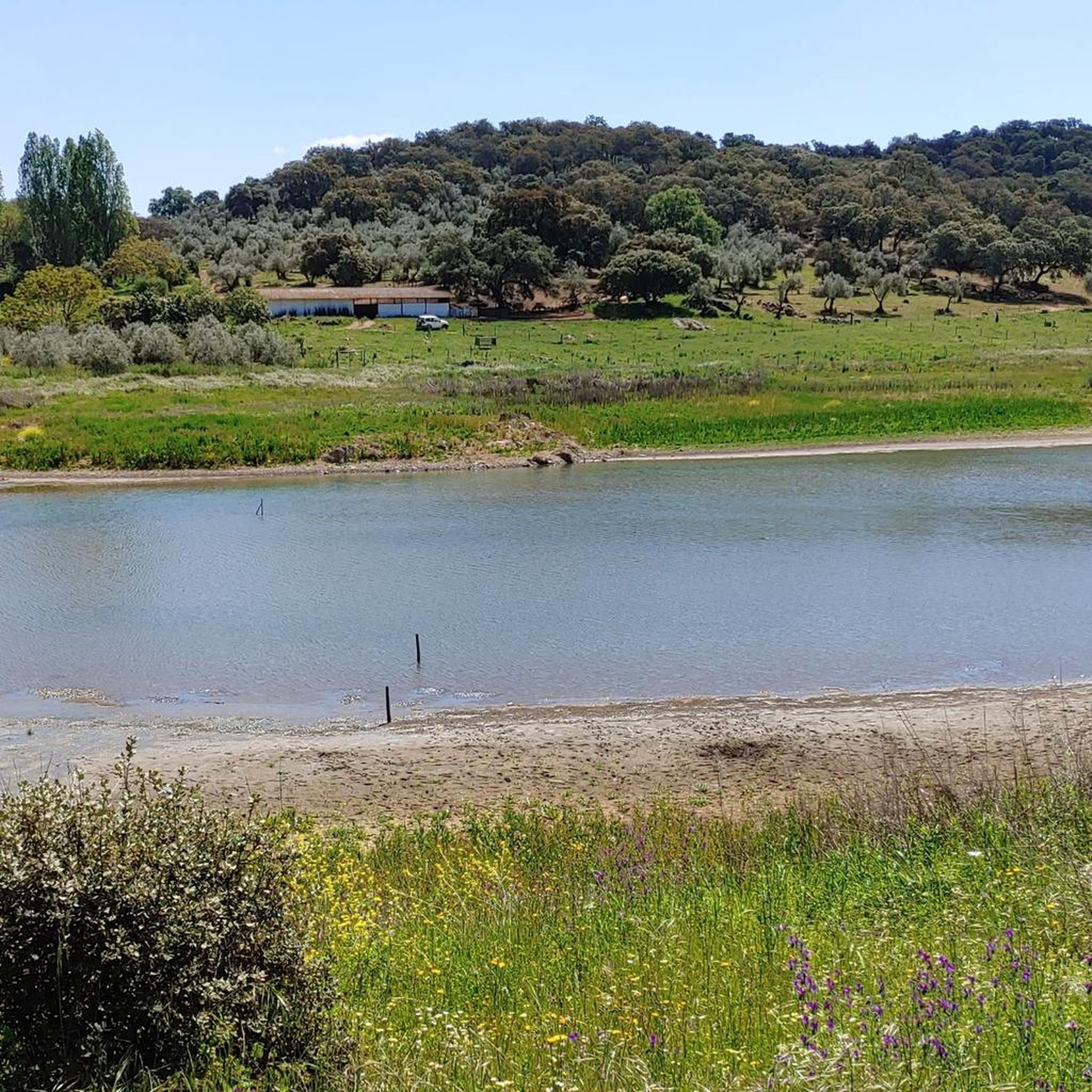
The Alcazaba has its origins in Roman times, when the city of Regina Turdulorum was located in this area. However, the current fortress was built during the Almohad period in the 12th century. Later, in 1246, it was conquered by Ferdinand III and given to the Order of Santiago, becoming the head of an important commandery.
4
0
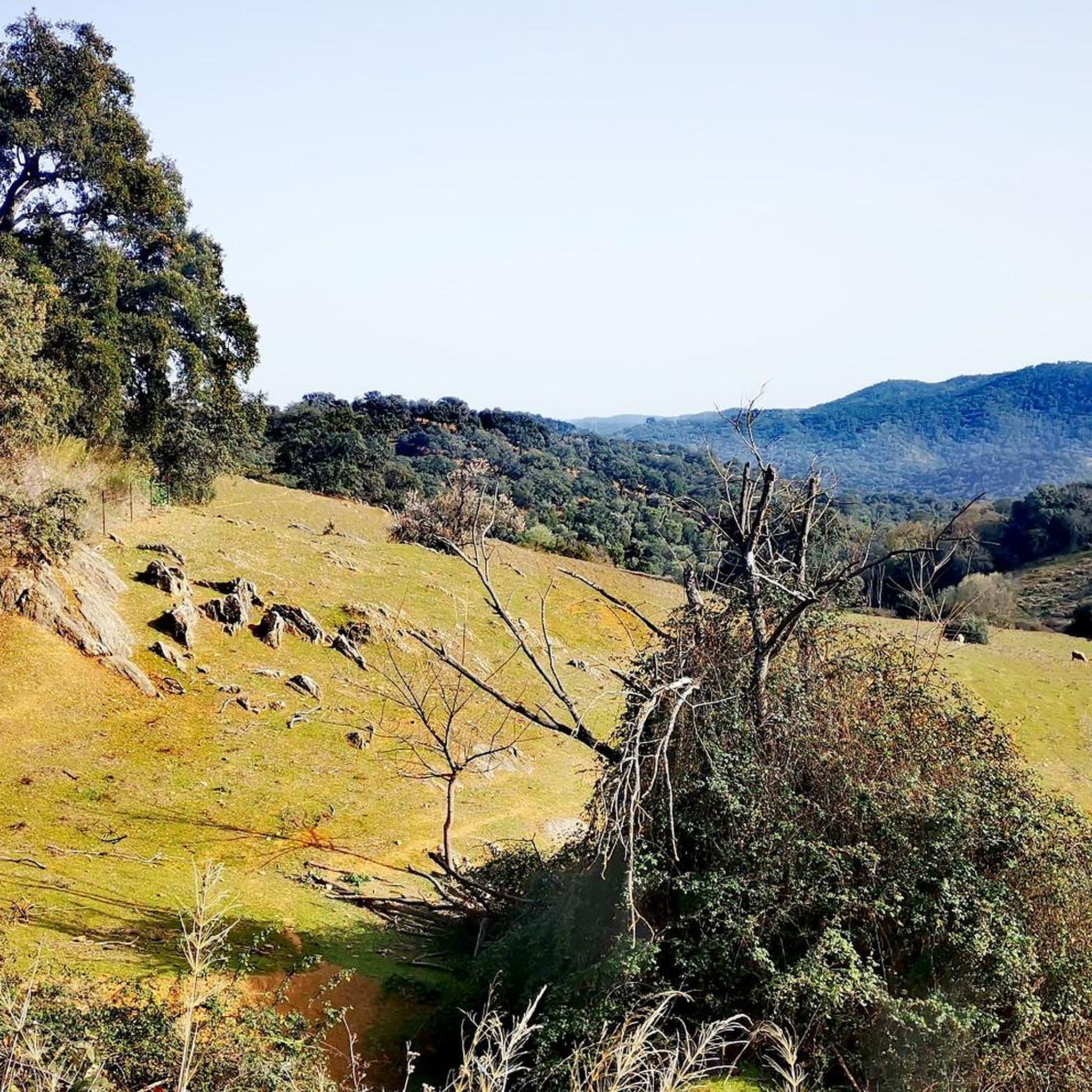
The Alcazaba de Reina is an impressive fortress located in the municipality of Reina, near Llerena, in the province of Badajoz. This fortress is located on top of Monte de las Nieves, at an altitude of about 825 metres, offering panoramic views of the Sierra Morena and the Llerena countryside.
4
0
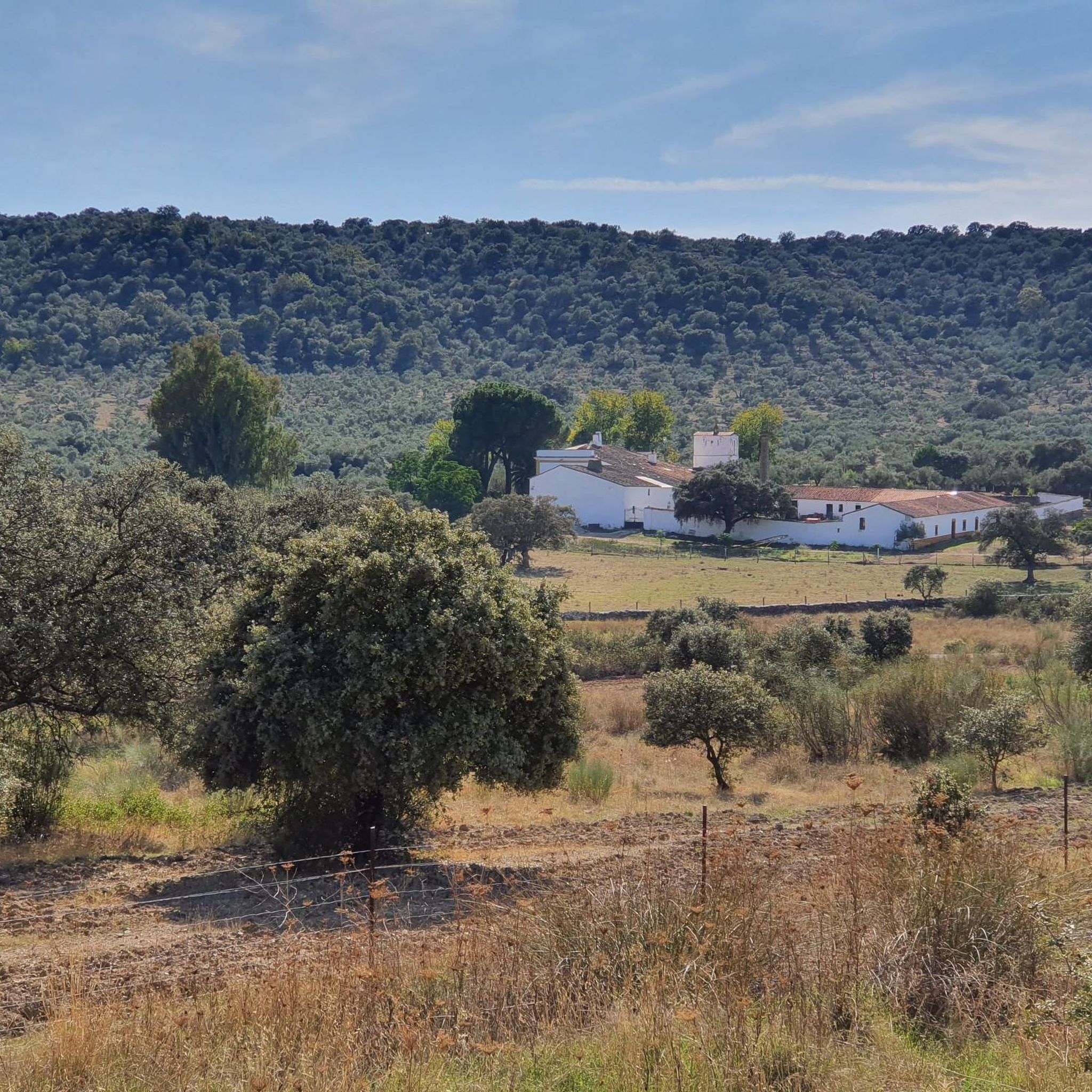
The Hermitage of the Virgen del Ara, located in Fuente del Arco, Badajoz, is known as the “Sistine Chapel of Extremadura” due to its impressive mural paintings. This Mudejar-style temple is decorated with frescoes depicting scenes from Genesis, attributed to the school of the painter Francisco de Zurbarán. The hermitage is located in a privileged natural environment, surrounded by olive trees and at the foot of the Sierra Morena. It is a place full of mysticism and beauty, ideal for a cultural and spiritual visit.
4
0

An essential visit if you are interested in history
0
0
Frequently Asked Questions
How many touring cycling routes are available in Guadalcanal?
Guadalcanal offers nearly 50 touring cycling routes. These routes navigate a diverse landscape, from mountainous interiors to coastal paths, providing a range of experiences for cyclists.
What is the general terrain like for touring cycling in Guadalcanal?
The terrain in Guadalcanal is rugged and varied, characterized by a mountainous interior, dense tropical rainforests, and diverse coastlines. Cyclists can expect significant elevation changes, including hills and challenging climbs, as well as paths through natural settings and historical sites. Road conditions can often be poor, with unpaved sections.
Are there touring cycling routes suitable for beginners in Guadalcanal?
While many routes in Guadalcanal are challenging, there is at least one easy touring cycling route available. Additionally, 15 moderate routes offer a less strenuous option compared to the 33 difficult routes, providing choices for various skill levels.
What do other cyclists say about touring in Guadalcanal?
The touring cycling routes in Guadalcanal are highly rated by the komoot community, with an average score of 4.8 stars from over 30 reviews. Cyclists often praise the varied terrain and the unique experience of exploring the island's natural beauty and historical significance.
What natural sights can I see while cycling in Guadalcanal?
While cycling in Guadalcanal, you can discover several natural attractions. Highlights include the Huéznar Waterfalls, the serene Huéznar River Landscape, and the Huéznar Spring Recreation Area. The island is also known for its dense tropical rainforests and diverse coastlines.
Are there any historical or cultural landmarks along the touring cycling routes?
Yes, Guadalcanal's routes can lead you past several interesting landmarks. You might encounter the Old Cazalla de la Sierra Railway Bridge, the historic Hermitage of the Virgin of Ara, or explore the charming settlement of Cazalla de la Sierra. The island also holds significant World War II history, with many battle sites and relics scattered across the landscape.
Are there any circular touring cycling routes in Guadalcanal?
Yes, several circular routes are available for touring cyclists. For example, the Alcazaba de Reina y Ciudad romana Regina Turdulorum — circular por la Vía Verde Mina Jayona is a popular moderate loop. Another option is the challenging Cazalla de la Sierra – Camino Viejo Bikes Cafeteria loop from Cazalla de la Sierra, offering significant elevation gain.
What is the longest touring cycling route in Guadalcanal?
One of the longer routes is the Hermitage of the Virgin of Ara – Alcazaba de Reina loop from Guadalcanal, which spans 46.3 miles (74.6 km) and typically takes around 7 hours to complete. This difficult route leads through varied landscapes.
Are there any coastal touring cycling routes?
Guadalcanal features diverse coastlines with palms and white sandy beaches. While specific dedicated coastal cycling infrastructure is limited, some routes may offer views or sections along the coast, providing a different cycling experience from the mountainous interior.
What are the best routes for challenging touring cycling in Guadalcanal?
For experienced touring cyclists seeking a challenge, routes like the Camino Viejo Bikes Cafeteria loop from Alanís, covering 36.3 miles (58.4 km) with substantial elevation, are excellent choices. Another difficult option is the Isla Margarita Recreation Area – Cerro del Hierro loop from Mirador Loma del Aire, which is 39.4 miles (63.4 km) long.
What kind of natural landscapes can I expect to see on the routes?
The routes in Guadalcanal traverse a variety of natural landscapes, including dense tropical rainforests, rugged mountainous terrain, and scenic coastlines. You'll encounter lush vegetation, potentially stunning waterfalls like Mataniko and Tenaru, and views of the island's diverse ecosystems.
Is it possible to combine touring cycling with other outdoor activities in Guadalcanal?
Absolutely. Guadalcanal is rich in outdoor activities. Beyond cycling, you can enjoy hiking to waterfalls like Mataniko or Tenaru, explore historical World War II sites, or engage in water sports such as snorkeling and diving in areas like Bonegi Beach or Marau Sound. The island's diverse environment allows for a multi-faceted outdoor adventure.
Most popular routes around Guadalcanal
Most popular attractions around Guadalcanal

Get inspired with the komoot mobile app


Explore more
Browse the best Cycling routes in other regions.
