Attractions and Places To See around Las Torres De Cotillas - Top 20
Best attractions and places to see around Las Torres De Cotillas, a municipality in the Murcia region of Spain, offers a blend of historical sites, cultural attractions, and natural spaces. The area is traversed by the Segura River and is part of the fertile Vega Media, with the nearby Sierra de la Pila providing natural landscapes. Its history includes remnants of a 2nd-century BC Roman villa and Moorish settlements, with the modern town established in 1318. Visitors can explore a variety of historical landmarks, parks, and cultural points of interest.
Best attractions and places to see around Las Torres De Cotillas
- The most popular attractions is Murcia Cathedral, a religious building with a main façade that is an international Baroque jewel. Its tower is one of the city's symbols, rising from historic guild streets.
- Another must-see spot is Real Casino of Murcia, a historical site. Its construction began in 1847, showcasing a mixture of artistic currents from the 19th and early 20th centuries, and it was declared a national historical-artistic monument in 1983.
- Visitors also love Romea Theatre, a man-made monument. Opened in 1862, this monumental theater has undergone several renovations after two major fires in the 19th century, making it a significant cultural venue.
- Las Torres De Cotillas is known for its historical sites, cultural venues, and natural areas. The region offers a diverse range of attractions to see and explore, from ancient ruins to modern parks and architectural landmarks.
- The attractions around Las Torres De Cotillas are appreciated by the komoot community. With more than 180 upvotes and 220 photos, these spots offer diverse experiences for visitors.
Last updated: May 26, 2026
Murcia Cathedral
Highlight • Religious Site
Translated by Google •
Tip by

Romea Theatre
Highlight • Monument
Translated by Google •
Tip by

Sign up now to discover places like this
Get recommendations on the best single tracks, peaks, & plenty of other exciting outdoor places.
Sign up for free
Real Casino of Murcia
Highlight • Historical Site
Translated by Google •
Tip by
Monument to Human Rights
Highlight • Monument
One of his most recent works is the sculpture 'Murcia to Salzillo'. A work in the Plaza San Agustín in Murcia, in honor of the Murcian sculptor Francisco Salzillo, in honor of his three hundredth birthday last year. He also made an Icarus for the town of Aguilas, a symbol of the carnival, which is located on the Paseo del Puerto in this coastal town.
Translated by Google •
Tip by

Malecón Botanical Garden
Highlight • Natural
Translated by Google •
Tip by
Sign up for free to discover even more attractions around Las Torres De Cotillas.
Sign up for free
Already have an account?
Start today with a free account
Your next adventure awaits.
Login or Signup

Tips from the Community

The Cathedral of Santa María, the episcopal seat of Cartagena, is Murcia's main place of worship. Construction began in 1385 on the ruins of an ancient mosque, and it has three naves. Its imposing bell tower (93 meters), completed in 1793, is the symbol of the city. The main altar houses a large portion of the relics of Saint Florentina in a silver urn.
2
0

Murcia Cathedral, also known as the Cathedral of Santa Maria, is an architectural gem located in the Plaza del Cardenal Belluga, in the heart of Murcia. This cathedral is famous for its mix of architectural styles, including Gothic, Renaissance and Baroque. Murcia Cathedral is a must-see for those who wish to explore the history and artistic beauty of the region.
6
0

Funny to see how the gentlemen of standing sit in the posh seats reading a newspaper. Actually not of this time anymore ....
0
1
The Monument to Human Rights was built by Mariano González Beltrán on behalf of the regional government to commemorate the centenary of La Verdad. Mariano González Beltrán, born in 1948 in the Javalí Nuevo district of Murcia, is one of the most important contemporary regional artists with the greatest national and international influence on the national artistic scene. Mariano González Beltrán’s professional career has been marked by several milestones in recent years, including two of the most impressive and ambitious monumental complexes ever created by an artist from the region: the Monument to Human Rights, located at the headquarters of the Council of Europe in Strasbourg, and the sculpture of the same name in the Plaza de Santo Domingo in Murcia. González Beltrán is a sculptor who makes the region visible far beyond its borders. He has made many works of him that are distributed all over the world and can be found in some of the best art galleries, especially in the United States. One of his most recent works is the sculpture 'Murcia to Salzillo'. A work in the Plaza San Agustín in Murcia, in honor of the Murcian sculptor Francisco Salzillo, in honor of his three hundredth birthday last year. He also made an Icarus for the town of Aguilas, a symbol of the carnival, which is located on the Paseo del Puerto in this coastal town.
1
1
A beautiful park along the river. Beautiful trees, flowers and nice playgrounds
0
1
Murcia is a charming city in southeastern Spain, known for its rich history, vibrant culture and delicious cuisine.
6
0

Murcia, a city of Moorish origin, located on a flat plain surrounded by a mountain range, is closely linked to the fertile plain of the Segura. The tower of the cathedral, one of the city's symbols, rises from its historic guild streets. Although the region of Murcia has been inhabited for more than 2,000 years, the city of Murcia was not founded until 831, when the Emir of Cordoba, Abd ar-Rahman II, ordered the construction of a walled city on the banks of the Segura and made it the capital of the caliphal province.
8
0
In the 19th century, the building suffered two major fires (1877 and 1899), leaving only the walls standing. The reconstruction work after the fires and the major renovation in 1985 led to this monumental theater being inaugurated up to four times.
7
0
Frequently Asked Questions
What historical sites can I explore in Las Torres de Cotillas?
Las Torres de Cotillas offers a rich history. You can visit the Church of Our Lady of La Salceda, a Baroque-style temple with a history spanning over 200 years, or the Hermitage of the Cross, known for its beautiful construction and local legend. The Palace of the D'Estoup is a refined 19th-century manor house with eclectic architecture. Additionally, the municipality has roots in a 2nd-century BC Roman villa and features remnants of Moorish settlements, with archaeological sites like Cotillas and Campo del Alfarero being inventoried cultural heritage sites. The Real Casino of Murcia, a historical-artistic monument, is also nearby.
Where can I find natural spaces and parks for relaxation in the area?
For nature and relaxation, the Segura River traverses the western part of the municipality, offering scenic views and opportunities for walks. The Constitution Park, a 10,000 square meter wooded area with Mediterranean vegetation, pine, and palm trees, is a popular spot for walks and social gatherings. Another large green space is Paco Rabal Park in the southern district of Los Pulpites. The Malecón Botanical Garden in nearby Murcia is also a beautiful promenade and leisure spot.
Are there hiking opportunities near Las Torres de Cotillas?
Yes, there are several hiking opportunities. The nearby Sierra de la Pila and its regional park are ideal for hiking and offer spectacular views. You can find various routes, including the 'Confluencia de los Rios Segura y Mula — Circular desde Alguazas' or the 'Lila Bridge – Soto de la Hijuela loop from Alguazas-Molina'. For more detailed information and route options, explore the Hiking around Las Torres De Cotillas guide.
What cycling routes are available for mountain biking or gravel biking?
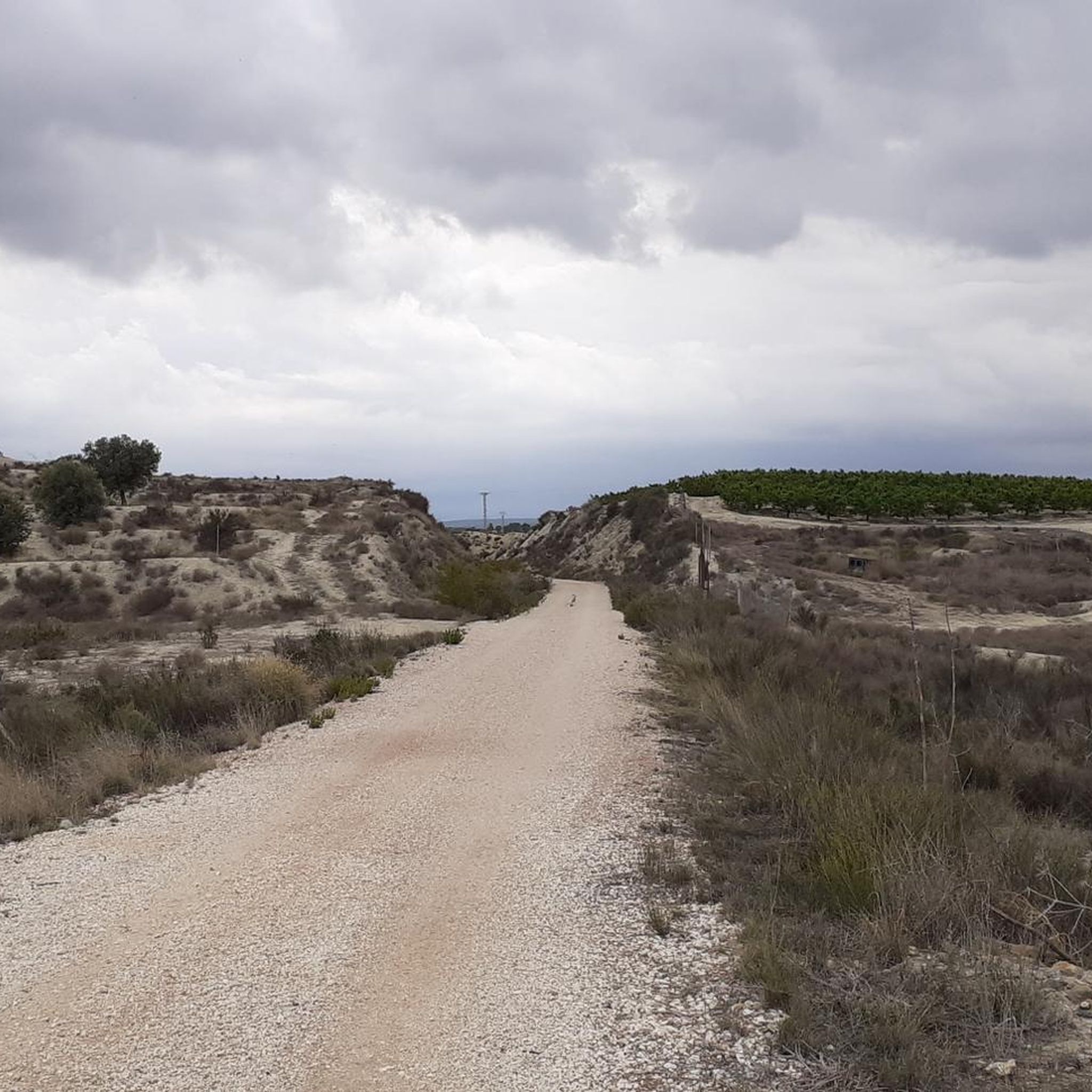
Cyclists have several options for mountain biking and gravel biking. For MTB, routes like 'La Contraparada of the Segura River – Murcia Río Riverside Walk loop' and 'VIA Verde Molina Segura Murcia – Vía Verde del Noroeste loop' start from Las Torres de Cotillas. Gravel biking enthusiasts can try routes such as 'Puente Rojo – Murcia Río Riverside Walk loop' or 'Vía Verde del Noroeste – Mula River Viaduct loop'. You can discover more routes in the MTB Trails around Las Torres De Cotillas guide and the Gravel biking around Las Torres De Cotillas guide.
Are there attractions suitable for families with children?
Many attractions in the area are family-friendly. The Constitution Park and Paco Rabal Park offer green spaces for children to play. The Malecón Botanical Garden also features a playground. Historical sites like Murcia Cathedral and the Real Casino of Murcia can also be interesting for older children, offering a glimpse into the region's rich history and architecture.
Which attractions are wheelchair accessible?
Several notable attractions in the vicinity are wheelchair accessible. These include the Romea Theatre, a significant cultural venue, and the Monument to Human Rights. These sites ensure that visitors with mobility needs can also enjoy the cultural and artistic heritage of the region.
What unique or lesser-known historical sites can I discover?
Beyond the main landmarks, you can discover the Peñeta de La Florida, which represents the oldest preserved hydraulic vestige in the municipality, an old medieval aqueduct from the 16th century. The Old Railway Station, dating from the 19th century, has been converted into a restaurant, offering a unique blend of history and modern use. Exploring the remnants of Roman villas and Moorish settlements also provides a deeper dive into the area's ancient past.
What cultural sites and points of interest are available?
Las Torres de Cotillas has several cultural points of interest. The Museum of Holy Week, inaugurated in 2014, houses a permanent exhibition. The Casa de la Cultura Pedro Serna serves as a central cultural hub. Additionally, the town celebrates its patron saint festivities during the last week of August, featuring various events and a Virgin procession, offering a vibrant cultural experience.
What are the most popular attractions according to visitors?
Visitors highly appreciate the Murcia Cathedral, known for its Baroque main façade and iconic tower. The Real Casino of Murcia is also a favorite, admired for its blend of artistic currents from the 19th and early 20th centuries. The Romea Theatre, with its rich history and monumental architecture, is another beloved cultural venue.
Are there any interesting natural areas beyond the main parks?
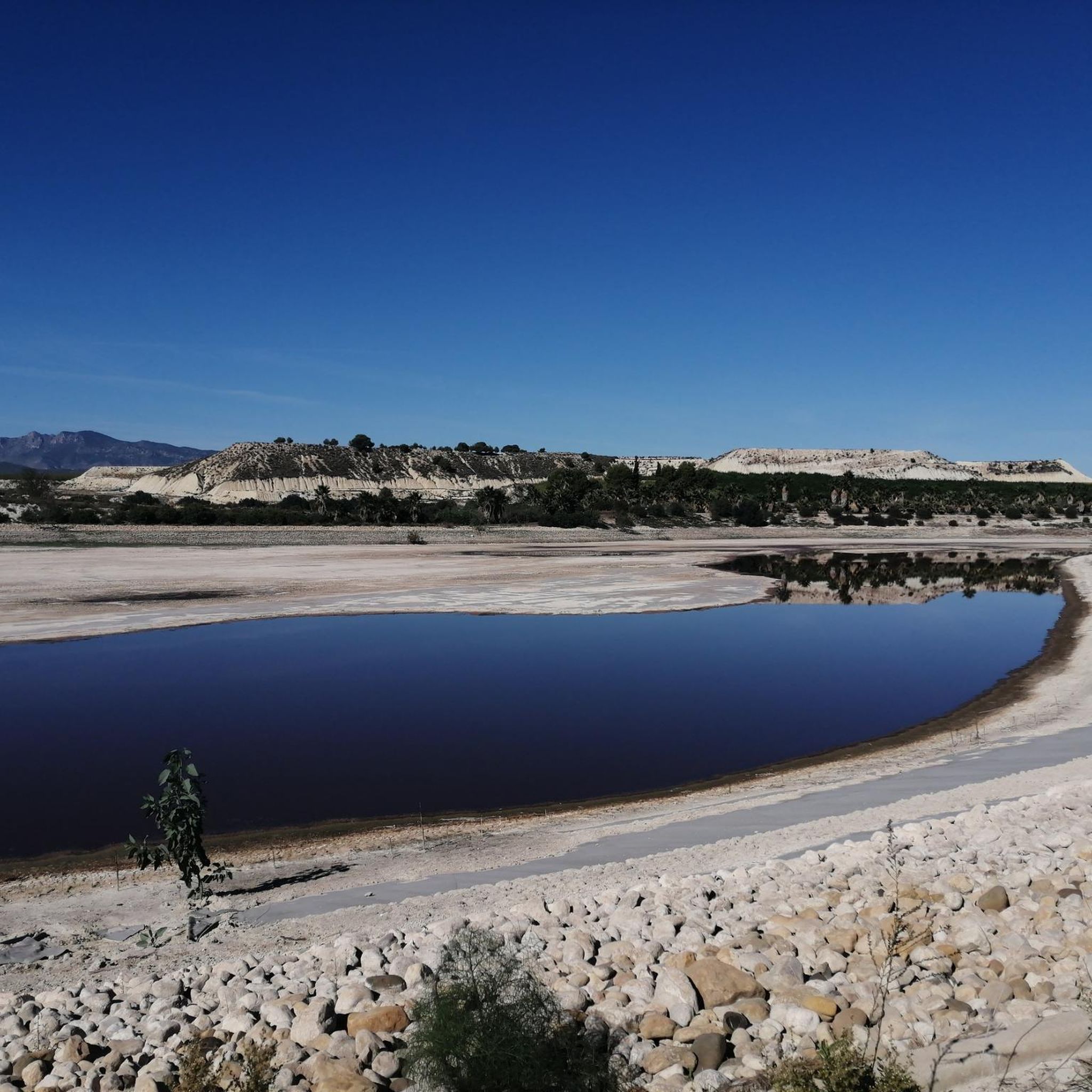
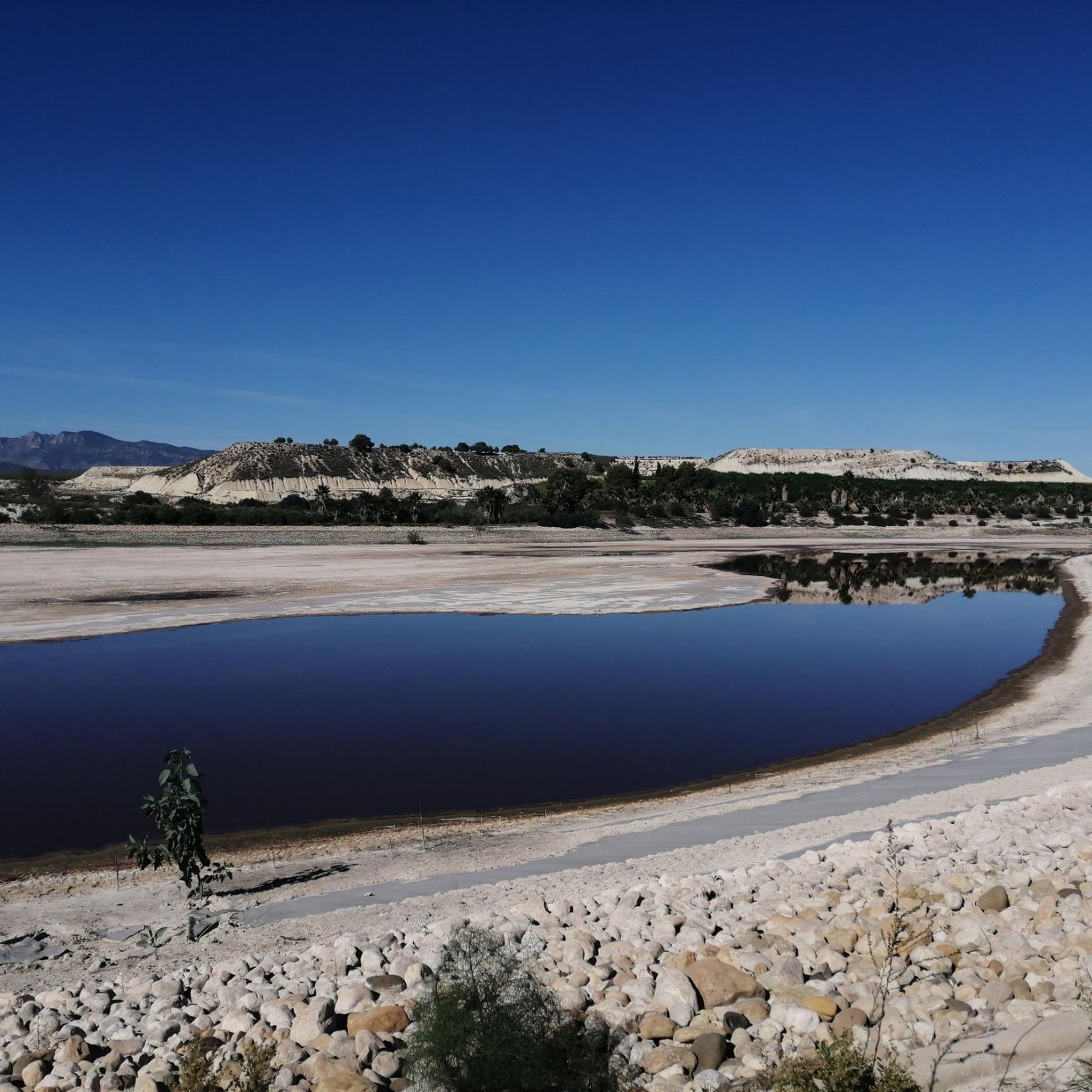
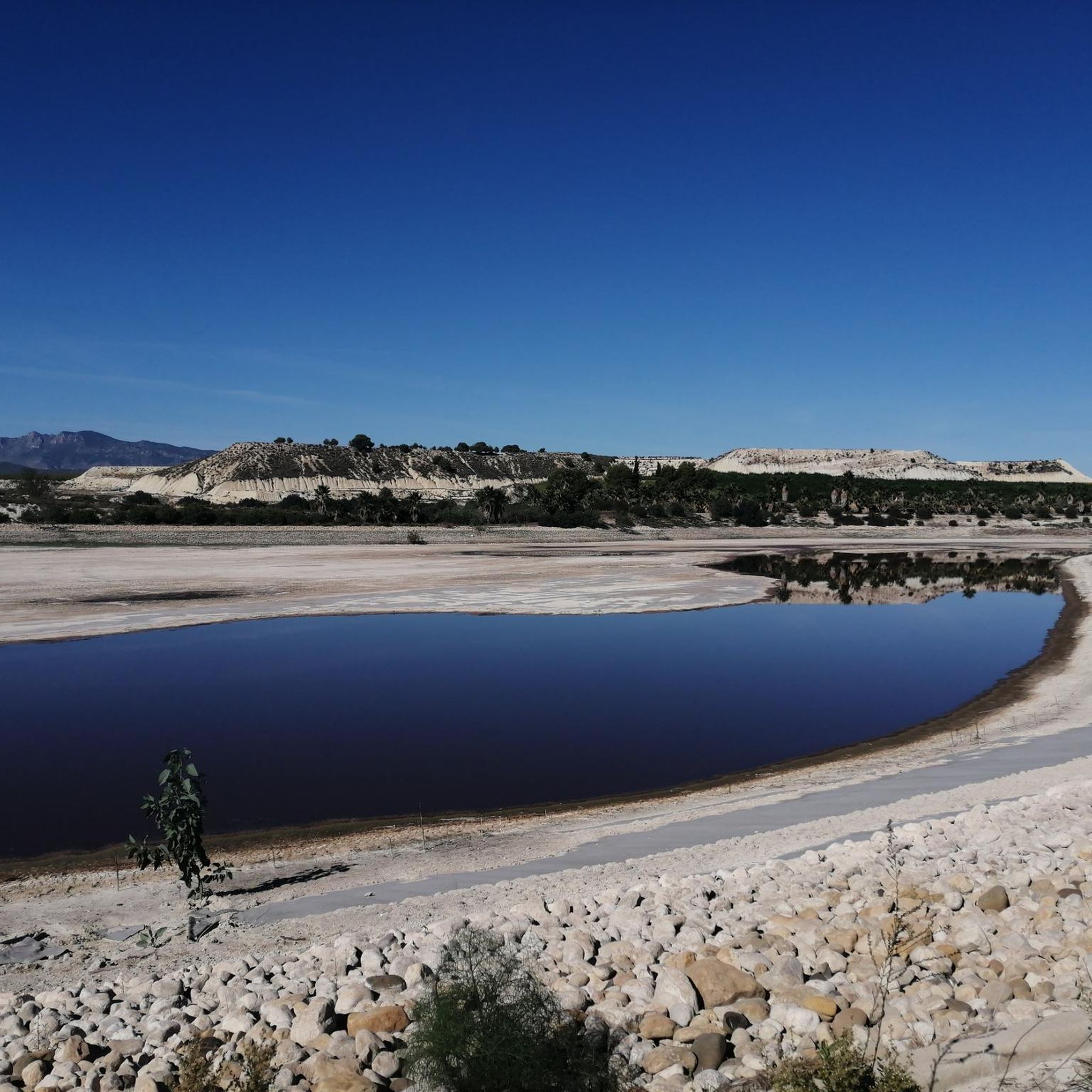
Yes, beyond the main parks, you can explore La Rambla Salada and the Badlands, which are interesting natural areas in the vicinity. These offer unique landscapes and geological formations worth visiting for those interested in natural beauty and geology.
What is the best time to visit Las Torres de Cotillas for outdoor activities?
The region generally enjoys a Mediterranean climate. For outdoor activities like hiking and cycling, spring (April-May) and autumn (September-October) are often ideal, offering milder temperatures compared to the hot summer months. These seasons provide comfortable conditions for exploring the natural spaces and historical sites.
Most popular routes around Las Torres De Cotillas

Get inspired with the komoot mobile app


Explore more
Still not found the Highlight you’re looking for? See guides of the top attractions in other regions:
