Attractions and Places To See around Muxía - Top 20
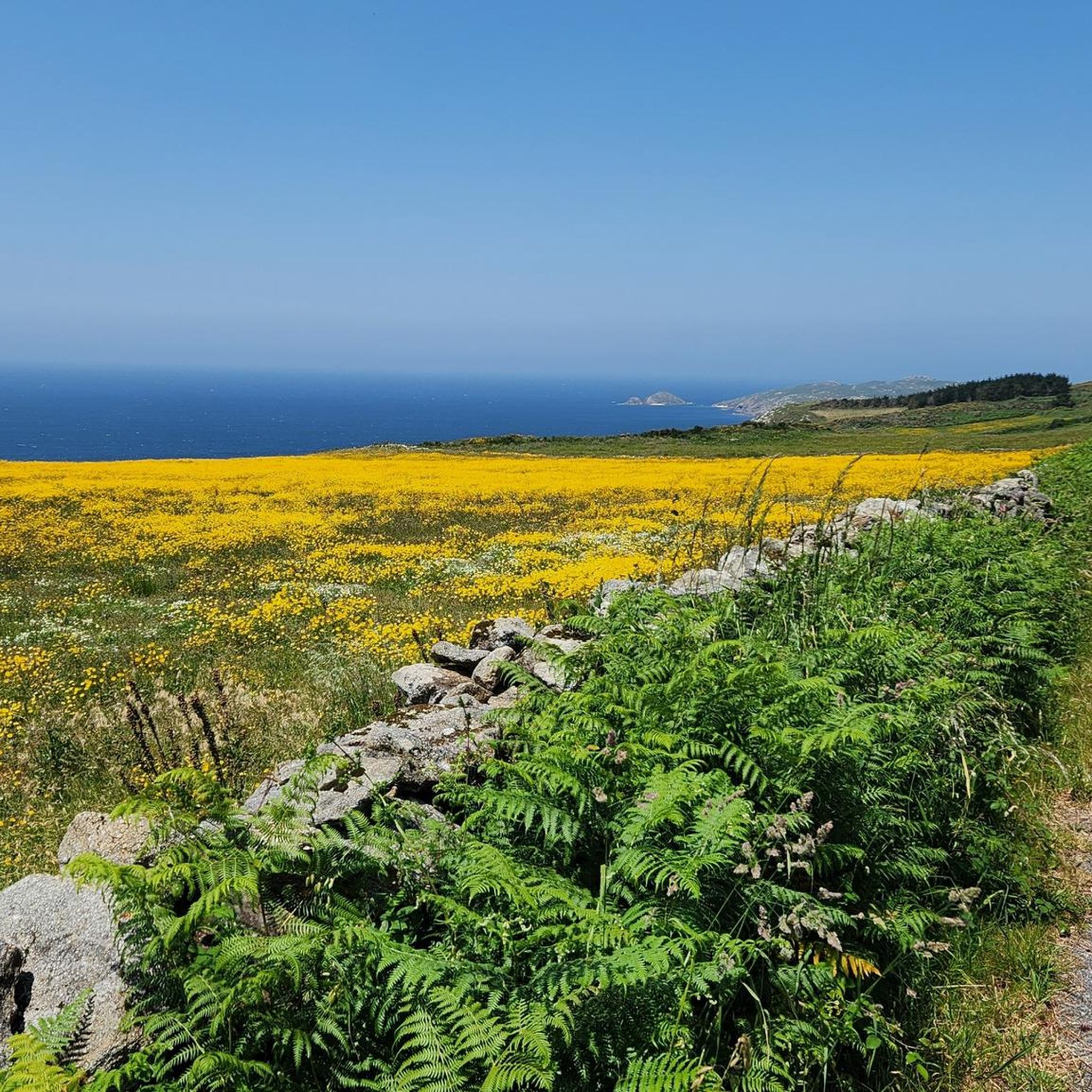
Best attractions and places to see around Muxía include a blend of spiritual heritage and natural landscapes on the rugged Costa da Morte in Galicia, Spain. This fishing village serves as an optional endpoint for pilgrims completing the Camino de Santiago, offering a unique sense of mysticism. The area features dramatic cliffs, iconic landmarks, and serene coastal views.
Best attractions and places to see around Muxía
- The most popular attractions is Punta da Barca Lighthouse, a man-made monument located in Punta da Barca, near the sanctuary. This small lighthouse offers peaceful views of the Atlantic.
- Another must-see spot is A Ferida Monument, a man-made monument. This 11 m high monolith commemorates the oil tanker that sank in 2002 off the coast of Muxía, with its crack symbolizing the environmental catastrophe.
- Visitors also love Sanctuary of Our Lady of the Boat, a religious building. This iconic sanctuary is located dramatically on the rocky coastline and is a focal point of Muxía's spiritual landscape, serving as an important pilgrimage site.
- Muxía is known for its historical sites, natural monuments, and viewpoints. The region offers a variety of attractions to see and explore, from ancient churches to scenic coastal paths.
- The attractions around Muxía are appreciated by the komoot community, with 31 highlights and 52 photos shared.
Last updated: August 16, 2026
A Ferida Monument
Highlight • Monument
Translated by Google •
Tip by

Sanctuary of Our Lady of the Boat
Highlight • Religious Site
Translated by Google •
Tip by

Sign up now to discover places like this
Get recommendations on the best single tracks, peaks, & plenty of other exciting outdoor places.
Sign up for free
Punta da Barca Lighthouse
Highlight • Monument
Translated by Google •
Tip by
Fountain of San Pedro Mártir
Highlight • Structure
Translated by Google •
Tip by
English Cemetery (Cementerio de los Ingleses)
Highlight • Historical Site
This battleship departed two days before Plymouth headed for Sierra Leone. The earth moved a lot and the dim light of the Vilán Lighthouse caused it to hit the place that today is called "el Bajo de la Serpiente". Cables creaked against rocks. The pounding of the sea swept across the deck. The desolate “Save whoever can!” was heard.
Of the 175 crew members, only 3 were rescued and were pushed to the Trece beach. The priest of Xaviña mobilized the neighbors to proceed with the burial of the 172 bodies in this emblematic place. In the inner cabin are the remains of the captain and officers, and in the outer enclosure, those of the sailors.
In the early years, an English naval ship came here to lay a wreath and salutes of honor were thrown by warships.
The English Cemetery is included in the European Route of Singular Cemeteries, recognized, as well as the Camino de Santiago as a European Cultural Route.
Translated by Google •
Tip by

Sign up for free to discover even more attractions around Muxía.
Sign up for free
Already have an account?
Start today with a free account
Your next adventure awaits.
Login or Signup
Tips from the Community

I don't know if it's drinkable, it doesn't say anything but I drank like an animal from it.
0
0

The cemetery may be of interest to English people for historical reasons. We liked the great surroundings. There is an official access road and a parking lot and after a 10-minute walk there is a super secluded, large beach.
0
0

We cooled off here too. These springs are very popular on warm days.
1
0
A small lighthouse stands on the famous Costa da Morte, the Coast of Death. Rough rocks and high waves.
5
0
A memorial and a very beautiful memory.
4
0
Always there to cool down
0
0

Nice place to catch your breath.
0
0

The monument, also known as the Muxia Monument, commemorates a tanker accident. Through the gap in the work of art you can see the wide sea. The rough but beautiful landscape with the strong surf reveals why this area is called the Death Coast (Galician: Costa da Morte, Galician, Spanish: Costa de la Muerte). Here is a final stone of the Way of St. James (km 0.000).
1
0
Frequently Asked Questions
What unique historical and spiritual sites can I visit in Muxía?
Muxía is rich in spiritual heritage. A must-see is the Sanctuary of Our Lady of the Boat, dramatically located on the rocky coastline. This important pilgrimage site is connected to a legend of the Virgin Mary. Nearby, you can explore the 'Magic Stones' (Pedras do Milagre), such as the Pedra de Abalar and Pedra dos Cadrís, which are steeped in local folklore and purported healing powers.
Where can I find the best panoramic views of Muxía and the coast?
For incredible 360-degree views of Muxía, the sanctuary, the port, and the stunning coastline, head to Monte Corpiño Viewpoint. It's an excellent spot for both sunrise and sunset. Additionally, the Punta da Barca Lighthouse offers peaceful views of the Atlantic and the rugged Costa da Morte.
Are there any family-friendly attractions or activities in Muxía?
Yes, Muxía offers several family-friendly spots. The A Ferida Monument, a striking 11-meter-high monolith, is a significant site for older children to learn about local history. The beaches like Lourido Beach are great for relaxing and strolling. Exploring the legends of the 'Magic Stones' near the Sanctuary can also be an engaging activity for families.
What natural features and landscapes should I explore in Muxía?
Muxía's coastline, part of the rugged Costa da Morte, is known for its dramatic cliffs and wild beauty. You can visit Cape Touriñán, considered the westernmost point of mainland Spain, for breathtaking sunsets. The Caldeiras de O Castro is a unique natural spot with waterfall-like effects and natural pools. Don't miss the beautiful beaches such as Lourido Beach, O Lago, and A Cruz for coastal walks.
What outdoor activities can I do near Muxía's attractions?
Muxía is a great base for outdoor activities. You can find numerous routes for jogging, mountain biking, and road cycling. For example, there are moderate jogging routes like the "Church of Santa María de Muxía – A Ferida Monument loop from Parador Costa da Morte" (8.8 km). Mountain bikers can tackle challenging routes such as "Lires - Muxía - vuelta de Costa del Morte" (59.4 km). For more details on these and other routes, check out the Running Trails around Muxía, MTB Trails around Muxía, and Road Cycling Routes around Muxía guides.
Are there any monuments commemorating significant events in Muxía?
Yes, Muxía is home to the A Ferida Monument. This 11-meter-high monolith commemorates the Prestige oil tanker disaster of 2002, with its crack symbolizing the environmental catastrophe and recognizing the volunteers who aided in the clean-up efforts.
What is the significance of the 'Magic Stones' near the Sanctuary?
The 'Magic Stones' are granite formations surrounding the Sanctuary of Our Lady of the Boat, believed to be remnants of the Virgin Mary's stone boat. The Pedra de Abalar (Rocking Stone) is said to rock for those free of sin, while the Pedra dos Cadrís is believed to cure kidney ailments if passed under nine times. The Pedra do Timón is thought to be the rudder of the boat.
What is the best time of year to visit Muxía for outdoor activities?
The best time to visit Muxía for outdoor activities like hiking and cycling is generally during the spring (April to June) and early autumn (September to October). During these periods, the weather is typically milder and more pleasant, with fewer crowds than in the peak summer months, making it ideal for exploring the coastal trails and natural beauty.
Can I find any traditional Galician architecture in Muxía?
Yes, Muxía offers glimpses into traditional Galician architecture. Near the church of San Martiño de Ozón, you can find one of the longest traditional granaries (hórreos) in Galicia. Additionally, several ancient Romanesque churches, such as Santa María de Morquintián and San Xiao de Moraime, dot the region, showcasing historical religious architecture.
What is the Camino de Santiago fork near Muxía?
Pilgrims completing the Camino de Santiago often face a choice shortly after Hospital de Logoso. The path forks, with one route leading to Fisterra and the other to Muxía. Muxía serves as an optional, tranquil endpoint for many pilgrims, offering a unique spiritual experience at the Sanctuary of Our Lady of the Boat. You can find this significant junction at the Camino de Santiago Fork: Fisterra or Muxía highlight.
Are there any unique natural walks or trails focusing on local heritage?
Yes, the Paseo del río Negro (Black River Walk) in Os Muíños is a unique fluvial path featuring seventeen restored mills. This walk leads to the mouth of the river at Areamaior beach, offering a blend of natural beauty and historical industrial heritage.
What do visitors enjoy most about Muxía's attractions?
Visitors particularly enjoy the dramatic coastal scenery, the spiritual atmosphere of the Sanctuary of Our Lady of the Boat, and the legends surrounding the 'Magic Stones'. The peaceful views from the Punta da Barca Lighthouse and the reflective nature of the A Ferida Monument are also highly appreciated. The blend of history, nature, and mysticism creates a memorable experience.
Most popular attractions around Muxía

Get inspired with the komoot mobile app


Explore more
Still not found the Highlight you’re looking for? See guides of the top attractions in other regions:
