Attractions and Places To See around Fisterra - Top 20
Best attractions and places to see around Fisterra include dramatic natural landscapes and sites of cultural significance. Located on the "Coast of Death," Fisterra is historically known as the "End of the World" (Finis Terrae), marking a traditional endpoint for pilgrims on the Camino de Santiago. The region features rugged cliffs, Atlantic views, and a blend of historical landmarks and natural features. It offers a variety of experiences, from coastal trails to ancient pilgrimage sites.
Best attractions and places to see around Fisterra
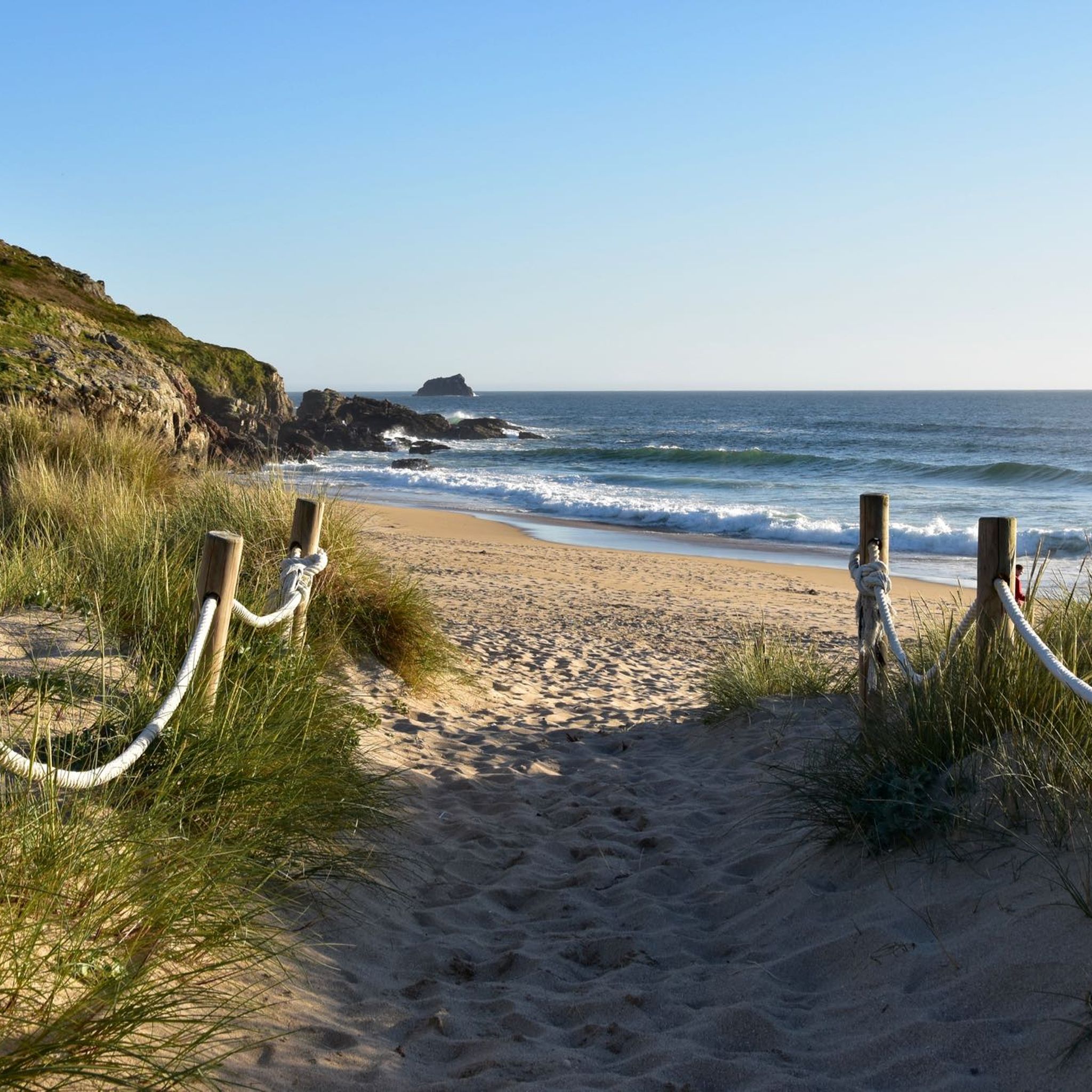
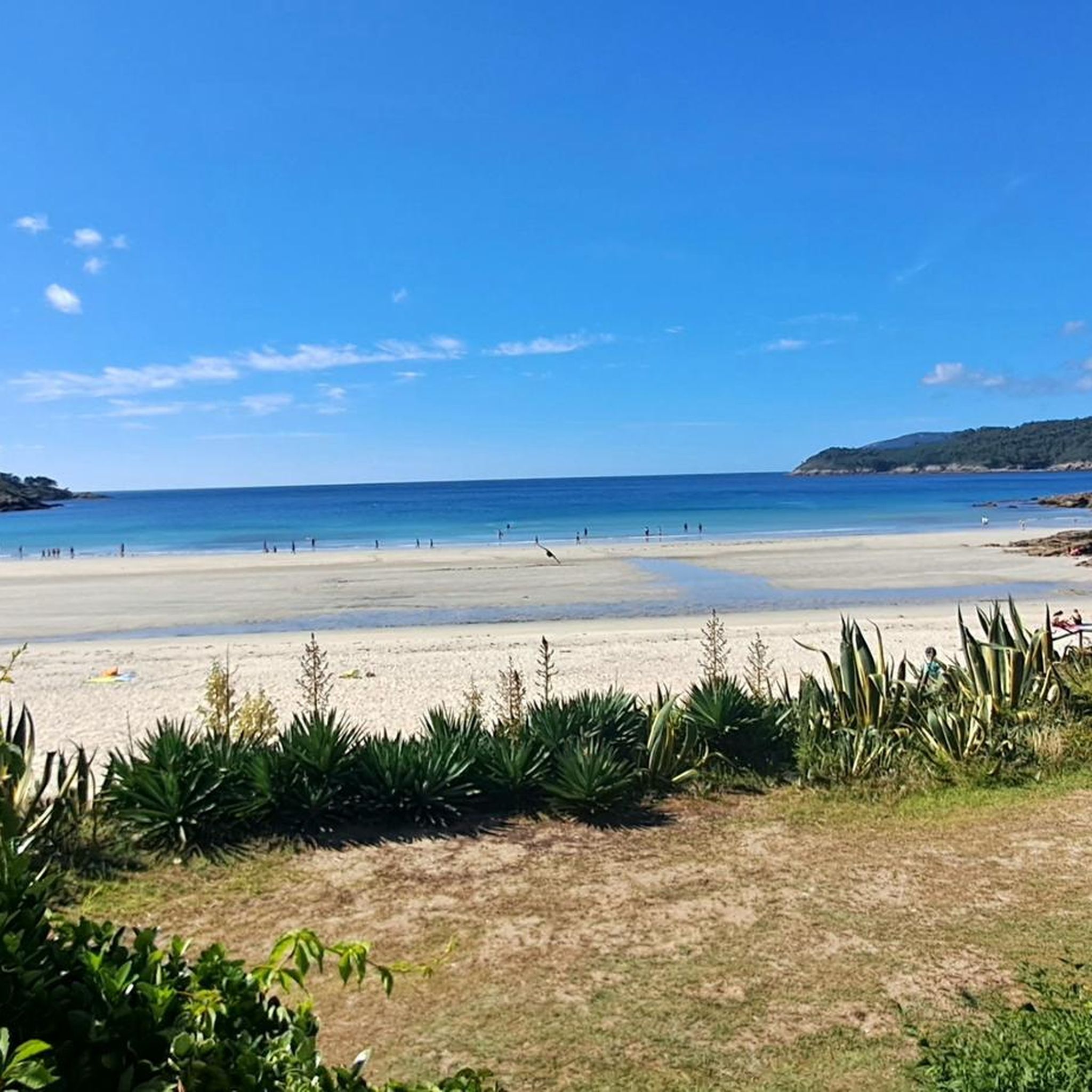
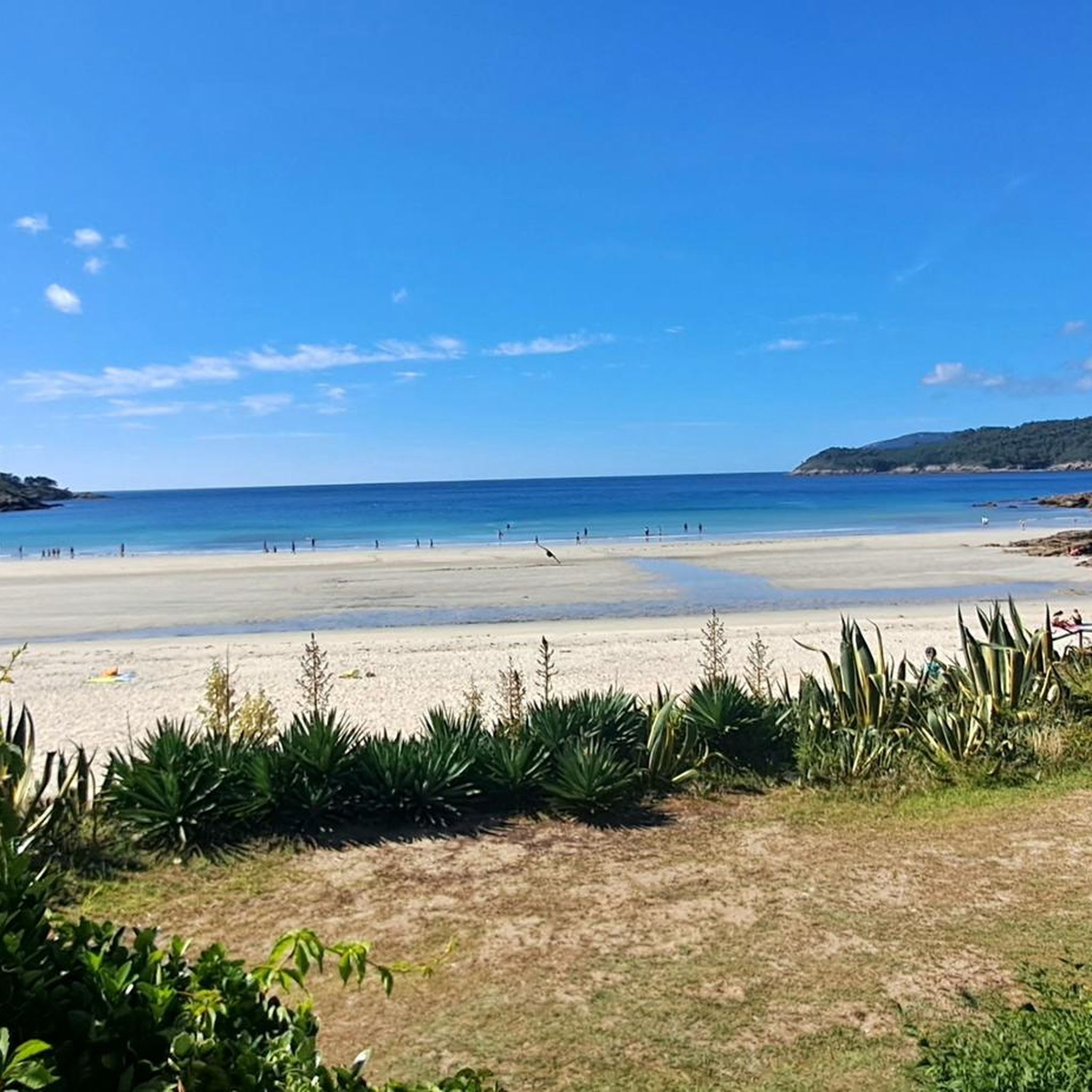
- The most popular attractions is Mar de Fóra Beach, a beach known for its pristine fine white sand. It is considered one of the wildest beaches on the Costa da Morte, offering a path to a viewpoint with panoramic views.
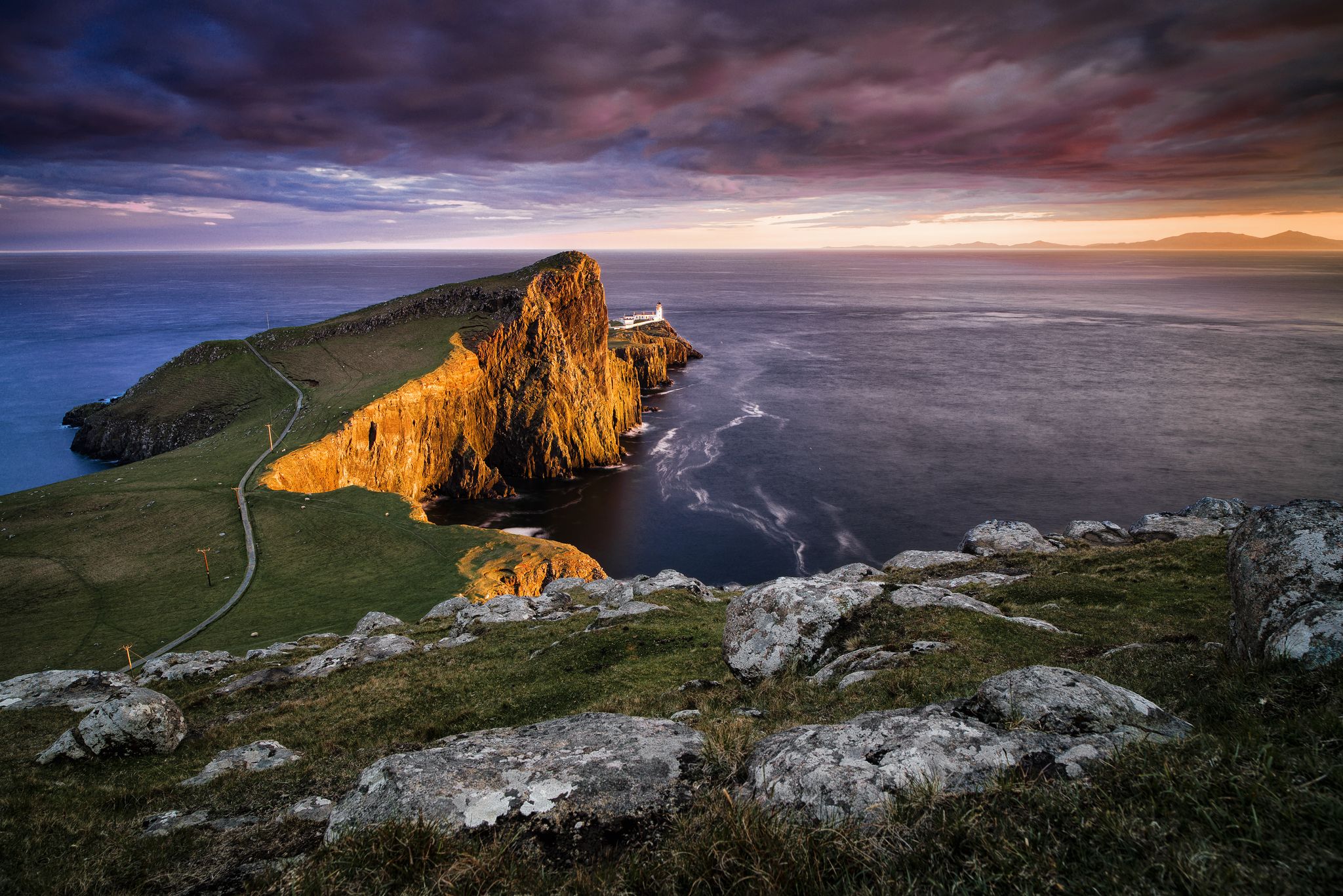
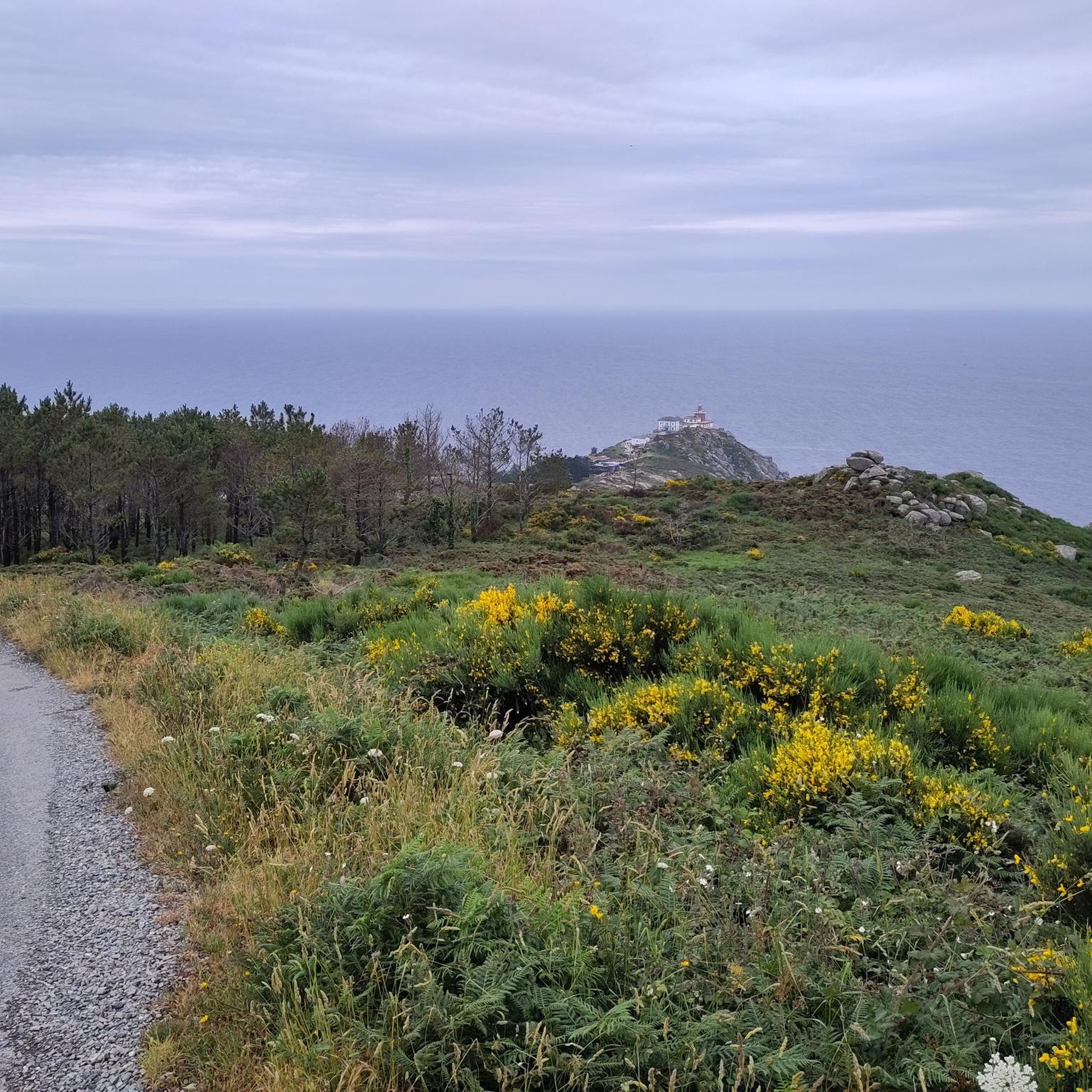
- Another must-see spot is Fisterra Lighthouse, a man-made monument. This lighthouse, built in 1853, stands atop dramatic cliffs and offers panoramic views of the Atlantic Ocean.
- Visitors also love Kilometre Zero Marker, Cape Finisterre (km 0.000 — Camino de Santiago), a man-made monument. This marker signifies the traditional end of the Camino de Santiago, making it a significant site for pilgrims.
- Fisterra is known for its lighthouses, historical markers, and beaches. The area offers a variety of attractions to see and explore, from coastal views to cultural landmarks.
- The attractions around Fisterra are appreciated by the komoot community, with more than 540 upvotes and 845 photos shared by visitors.
Last updated: July 20, 2026
Fisterra Lighthouse
Highlight • Monument
Translated by Google •
Tip by

Kilometre Zero Marker, Cape Finisterre (km 0.000 — Camino de Santiago)
Highlight • Monument
Translated by Google •
Tip by

Sign up now to discover places like this
Get recommendations on the best single tracks, peaks, & plenty of other exciting outdoor places.
Sign up for free
Saint Jakob statue
Highlight • Monument
Translated by Google •
Tip by
Mar de Fóra Beach
Highlight • Beach
Translated by Google •
Tip by
Santa María das Areas Church
Highlight • Religious Site
Translated by Google •
Tip by
Sign up for free to discover even more attractions around Fisterra.
Sign up for free
Already have an account?
Start today with a free account
Your next adventure awaits.
Login or Signup
Other adventures around Fisterra

Tips from the Community

Santa Maria des Areas. It is a beautiful church from the 12th century. The essential thing to know is that every day at 6 pm there is the Holy Mass of the pilgrim with a special and suggestive blessing.
5
0

Praia do Mar de Fóra, in Fisterra (A Coruña), is one of the wildest and most magical beaches on the Costa da Morte, ideal for those seeking pure nature and a more intimate experience than the tourist beaches.
7
0

Everything ends here, at the end of the world
7
1

Finally at the finish, at km 0
3
0

Pilgrimage monument of Saint James on the way to Cape Finisterre.
4
0

The last 2.5 km to the end,
5
0

0 km: the last stone before the "end of the world"
4
0

Beautiful, mostly lonely beach. Swimming is not recommended here due to undercurrents.
3
0
Frequently Asked Questions
What are the most significant historical and cultural sites in Fisterra?
Fisterra is rich in history and culture, particularly due to its role as the traditional 'End of the World' and a Camino de Santiago endpoint. Key sites include the iconic Fisterra Lighthouse and the Kilometre Zero Marker, both significant for pilgrims. The Santa María das Areas Church, dating back to the 12th century, houses the revered Holy Christ of Fisterra. You can also explore the Castle of San Carlos, which now hosts the Fishing Museum, offering insights into the region's maritime heritage.
Which beaches in Fisterra are best for swimming or enjoying nature?
For swimming, Praia de Langosteira is highly recommended for its fine white sand and calm, clear waters. If you're seeking wilder, more pristine nature, Mar de Fóra Beach is known for its dramatic beauty and panoramic viewpoints. Praia da Ribeira is easily accessible near the port, while Praia do Corveiro is a natural paradise, particularly popular for scuba diving.
Are there family-friendly activities or attractions in Fisterra?
Yes, Fisterra offers several family-friendly attractions. The Fisterra Lighthouse and the Kilometre Zero Marker are accessible and offer engaging historical context and stunning views for all ages. Many of the beaches, such as Praia de Langosteira, are suitable for families to relax and play. Exploring the lively Fisterra Port and its daily fish auction can also be an interesting experience for children.
What kind of outdoor activities can I do around Fisterra?
Fisterra is an excellent base for outdoor activities, especially cycling. You can find various routes for different cycling types. For touring bicycles, consider routes like the 'Fisterra Port – Fisterra lighthouse cross loop' which is a moderate 10.5 km ride. Road cyclists might enjoy the 'Cape Finisterre Lighthouse – Anchor of the Casón loop' (8.8 km, moderate). Mountain bikers have options such as the 'Cape Finisterre Lighthouse – Talón Beach loop' (21.6 km, easy). For more details and routes, visit the Cycling around Fisterra, Road Cycling Routes around Fisterra, and MTB Trails around Fisterra guides.
Where can I find the best panoramic views in Fisterra?
The most iconic panoramic views are undoubtedly from Fisterra Lighthouse, located atop dramatic cliffs at Cape Fisterra. This spot offers breathtaking vistas of the Atlantic Ocean, especially at sunset. Additionally, Mar de Fóra Beach has a path leading to a viewpoint with stunning coastal panoramas.
What is the significance of the Kilometre Zero Marker at Cape Finisterre?
The Kilometre Zero Marker at Cape Finisterre holds profound significance as it traditionally marks the end of the Camino de Santiago pilgrimage for many. While the official endpoint is Santiago de Compostela, countless pilgrims extend their journey to Fisterra to witness the 'end of the world' and often engage in traditional rituals, making it a highly symbolic and emotional site.
What is the best time of year to visit Fisterra?
Fisterra is beautiful year-round, but for the most pleasant weather for outdoor activities and sightseeing, the late spring (May-June) and early autumn (September-October) are ideal. During these months, the temperatures are milder, and there are fewer crowds compared to the peak summer season. The dramatic coastal scenery is impressive in any season, but be prepared for potentially strong winds and rain outside of summer.
Are there any unique natural features or landscapes to explore in the Fisterra region?
Absolutely. Fisterra is part of the rugged and beautiful 'Costa da Morte' (Coast of Death), known for its dramatic cliffs, wild seas, and pristine beaches. Beyond the well-known Cape Fisterra, you can explore other wild beaches like O Rostro and Arnela, which offer stunning natural landscapes. The area's unique geology and powerful Atlantic influence create a captivating environment for nature lovers.
What is the Fisterra Port like, and what can I see there?
The Fisterra Port is a vibrant hub that reflects the town's deep connection to the sea and its traditional fishing industry. It's a great place to witness local life, especially during the daily fish and seafood auction at the market. You can observe fishing boats, enjoy fresh seafood at local restaurants, and soak in the authentic maritime atmosphere of this historic seafaring town.
What are some lesser-known historical sites or 'hidden gems' in Fisterra?
Beyond the main attractions, Fisterra offers several intriguing historical sites. The ruins of the Hermitage of San Guillermo are believed by some to be the site of the ancient Ara Solis, a pre-Christian altar. The Fin de la Tierra Cemetery, designed by César Portela, is notable for its unique architectural blend of spirituality and design. Exploring the narrow alleys of the Old Town Fisterra also reveals its historical character and charm.
What is the significance of the Holy Christ of Fisterra?
The Holy Christ of Fisterra is a revered 14th-century Gothic carving housed in the Santa María das Areas Church. Legend has it that the image appeared floating in the sea. It is a significant object of devotion and an important stop for pilgrims completing the Camino de Santiago, adding a deep spiritual layer to their journey to the 'end of the world'.
Can I find trails suitable for walking or hiking near Fisterra's attractions?
Yes, the Fisterra region offers numerous trails for walking and hiking, often with stunning coastal views. Many pilgrims walk the final stretch of the Camino de Santiago to Cape Fisterra, which is a well-marked path. You can also find trails leading to viewpoints from beaches like Mar de Fóra Beach. For more detailed hiking options, consider exploring the Attractions and Places To See around Fisterra guide for routes that incorporate these natural and historical sites.
Most popular attractions around Fisterra

Get inspired with the komoot mobile app


Explore more
Still not found the Highlight you’re looking for? See guides of the top attractions in other regions:
